Content
Top 6 Incredible Things to Do in Yap (2026 Guide)
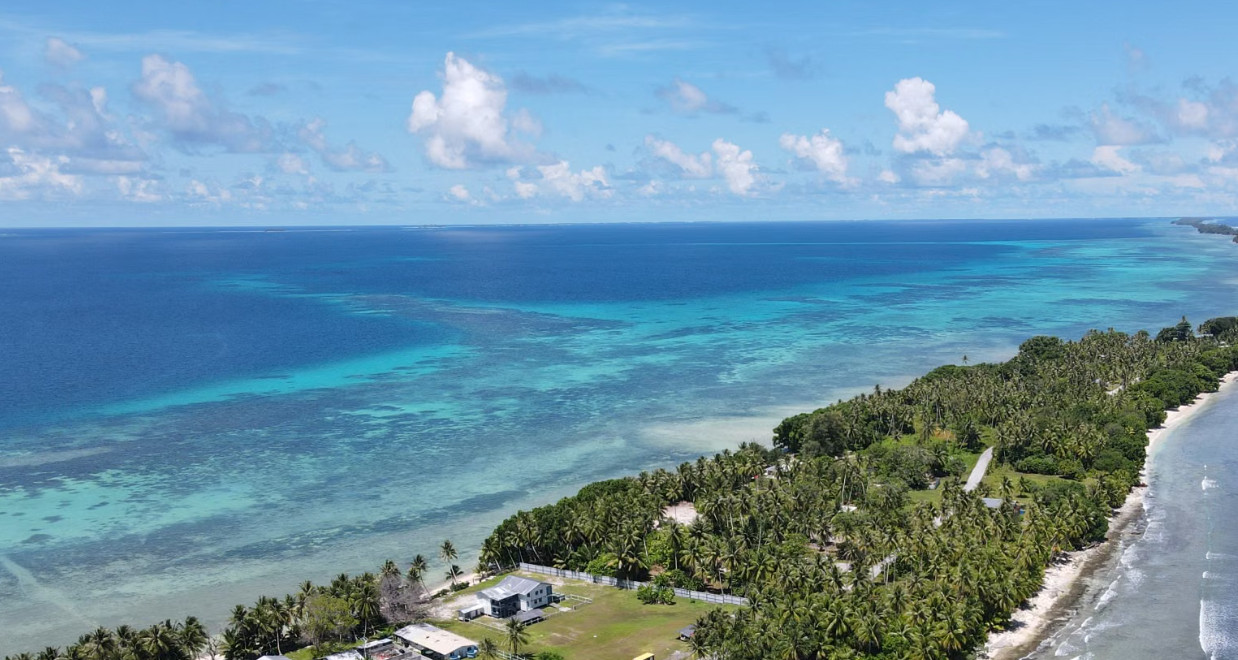


The best things to do in Yap are diving with manta rays, seeing traditional stone money, visiting local villages, and exploring the island’s history. From underwater experiences to cultural sites, Yap offers a mix of activities for a week-long trip.
December to April is the main manta season, while June to October is a popular period for diving. Yap Day takes place on March 1, 2026. As flights from Guam operate only a few times a week, it is best to book flights and accommodation in advance.
You can book flights and hotels through Epic at up to 30% less than Booking.com, with payment options including Visa, Mastercard, Apple Pay, Google Pay and 200+ cryptocurrencies. New users can also get $25 off their first booking.
From manta ray diving and traditional villages to historic sites and stone money, here are 6 things to do in Yap:
Key Takeaways
- Yap is known for manta rays and traditional stone money. The island is part of the Federated States of Micronesia and has retained much of its traditional culture.
- United Airlines is the only airline serving Yap, with flights from Guam operating around twice a week, so booking early is important.
- December to April is manta mating season, while June to October is a popular period for diving. Many dive sites can be visited throughout the year.
- Yap Day takes place on March 1, 2026. It is the island's largest cultural festival.
- Much of Yap's land is privately owned, including many beaches. Visitors may need permission or a local guide, and modest clothing is expected.
- The US dollar is used on the island. ATMs are limited, so carrying enough cash is recommended.
1. Dive With Manta Rays
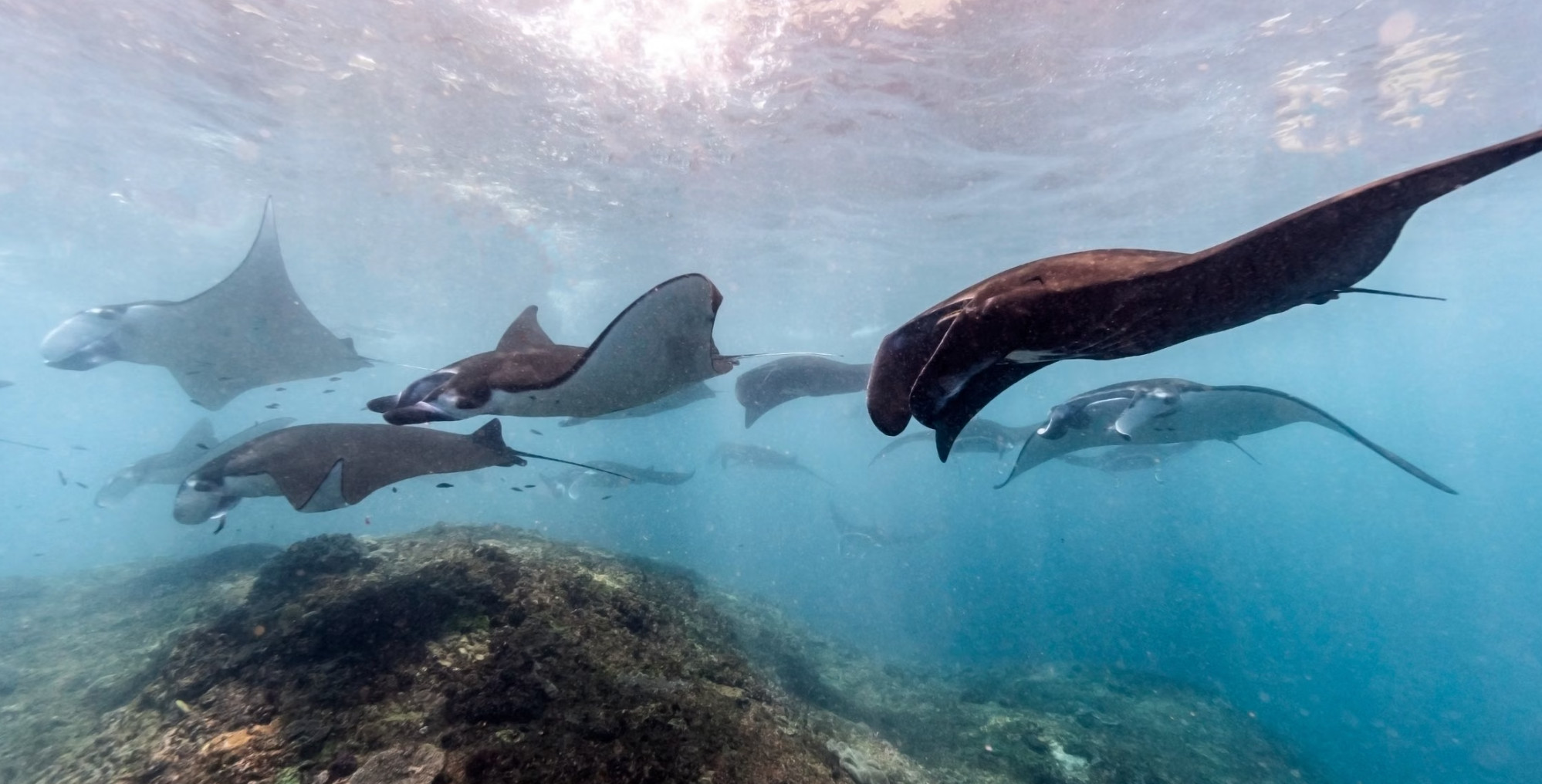
Yap is one of the few places on earth where you can reliably encounter manta rays year-round. The rays return daily to cleaning stations in the lagoon spots where smaller fish groom their bodies so operators know almost exactly where to find them.
December to April is mating season, when numbers peak and the annual Manta Fest draws underwater photographers from around the world.
Manta Ray Bay Resort and its long-running Yap Divers operation is the hub for this, and it's where most visitors base themselves. You don't have to be a certified diver, either; mantas are often visible to snorkelers too. If you do one thing in Yap, make it this.
Manta rays are the main reason many people come to Yap, and the cleaning stations make them much easier to see than in many other destinations. You don't need to be a diver either, as snorkellers can often see them too.
Book your next hotel for up to 30% less
2. Explore The Reefs And Wrecks
The mantas get the headlines, but Yap's wider diving is superb and almost entirely uncrowded. Expect vivid coral gardens, shark dives, green sea turtles, and for the patient the nightly mandarin fish mating ritual, one of the reef's strangest and most beautiful spectacles.
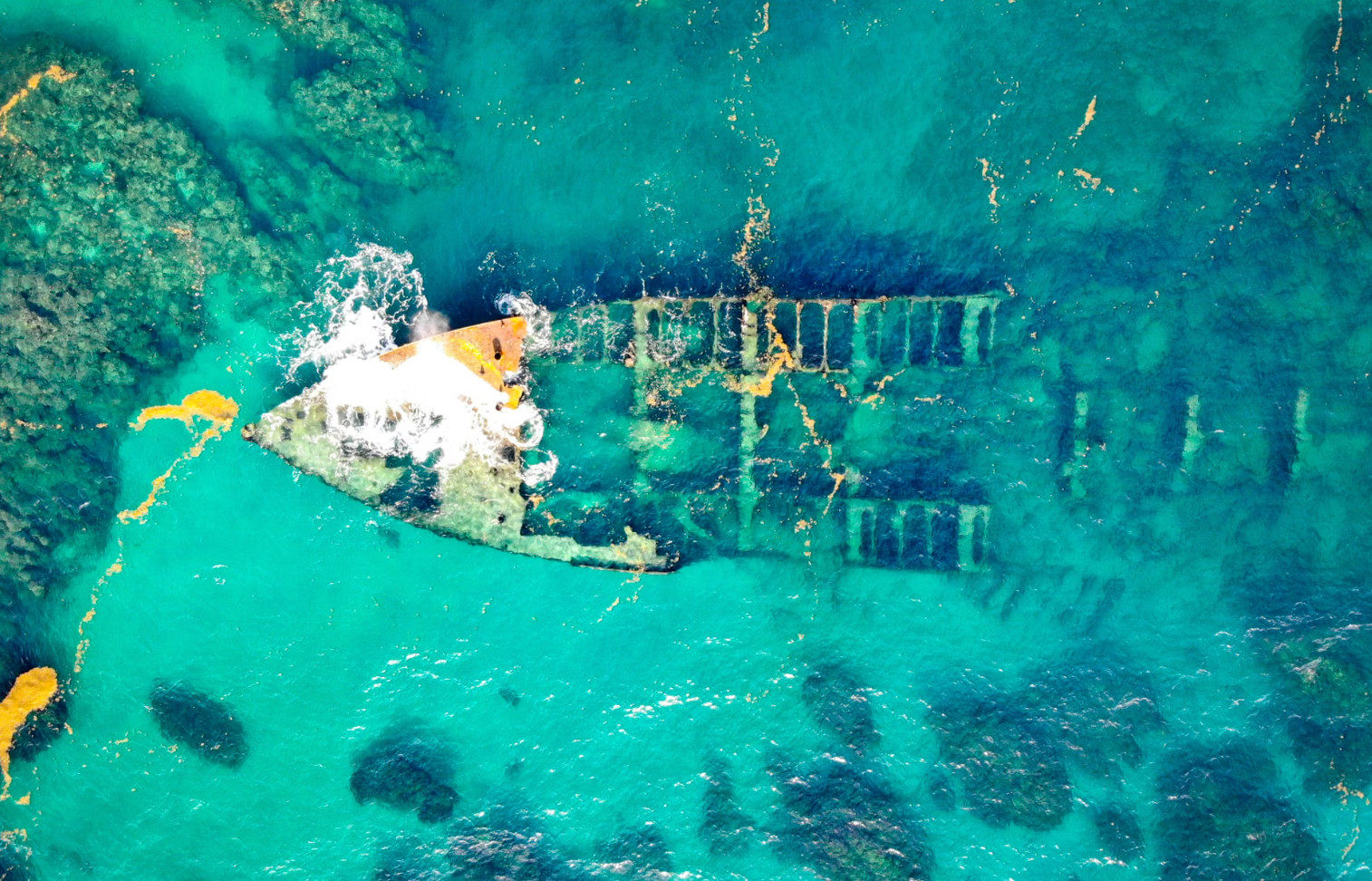
Divers also cross paths with dolphins and, in season, whales. There's history underwater too. Yap was Japanese-occupied and bombed almost daily between June 1944 and August 1945, leaving wreckage on land and beneath the surface.
Because so few divers make it out here, you'll often have world-class sites largely to yourself. If diving is what pulls you across the Pacific, Yap pairs naturally with a warmer-water stop on the way through; Bali is an easy add-on en route.
Don't plan your whole diving trip around the mantas. Yap's reefs have plenty to see, from coral gardens and turtles to sharks and mandarin fish, and the sites are usually far less crowded than those in more popular diving destinations. The wartime wrecks also add another side to the diving experience.
3. Stand Beside Yap's Giant Stone Money
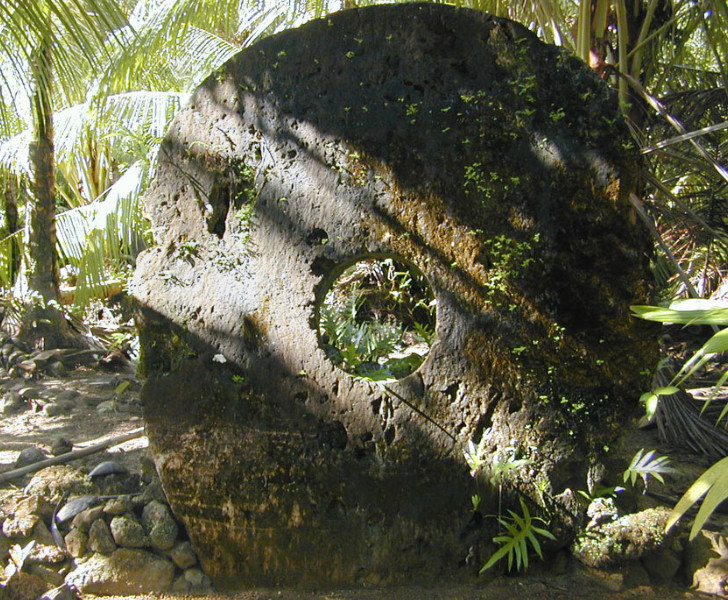
Yap is famous for Rai massive carved limestone discs, some weighing several tons and dating back roughly two thousand years, still scattered across the island in open-air "stone money banks." They were quarried in distant Palau and ferried home by canoe, and they're still recognized as genuine wealth today.
The stone money is much easier to understand when you see it in person. These huge limestone discs were brought from Palau and are still recognised as having value within Yapese communities, even though they rarely move. Take some time to learn the story behind the individual stones rather than just stopping for a quick photo.
4. Experience Living Yapese Culture
Yap is considered the most traditional of Micronesia's islands, and the culture isn't staged for tourists, it's daily life. Book a village or land tour to watch traditional dance, weaving, coconut-rope making, canoe building, and celestial navigation, and to taste Yapese cooking built on taro, breadfruit, and fresh seafood.
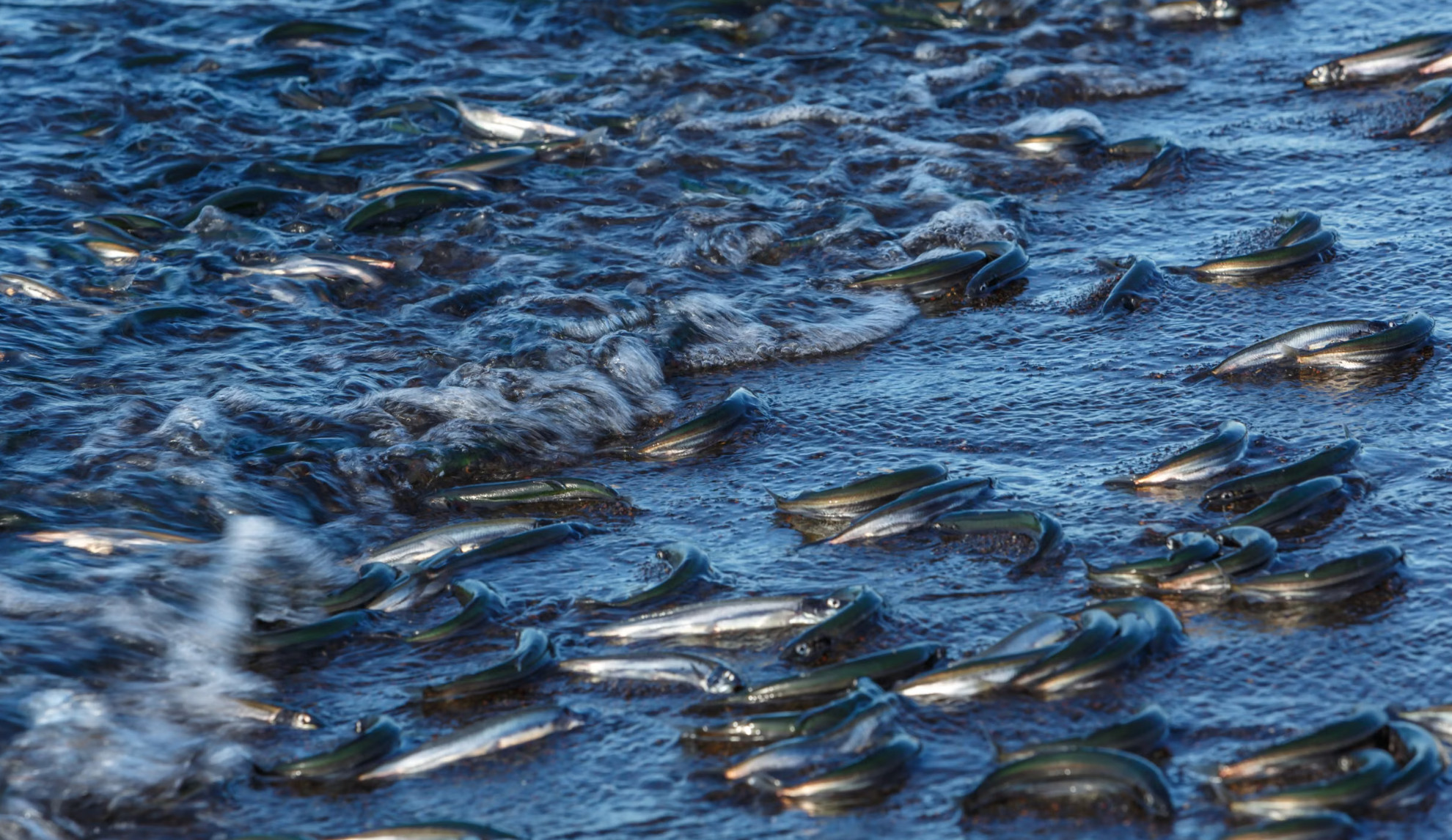
In Gachpar, in the Gagil area, visitors can even take part in the traditional tidal fish weir (Aech) , an arrow-shaped stone trap you wade into at low tide to catch fish, which are then cleaned and cooked on the spot.
A village or land tour is the best way to learn about Yapese culture because you get to see traditional activities in their local setting. Depending on the tour, you may see weaving, dancing, canoe building or traditional fishing. If you're visiting Gachpar, the tidal fish weir is particularly interesting because you can take part in catching and preparing the fish.
5. Walk Into WWII History And Hike The Tamilyog Trail
On land, Yap's Pacific War past is everywhere: pillboxes, gun emplacements, and relics from the 1944–45 bombing campaign. The Yap Visitors Bureau, above O'Keefe's near Manta Ray Bay, keeps a WWII expert on the team who can point you to the best sites.
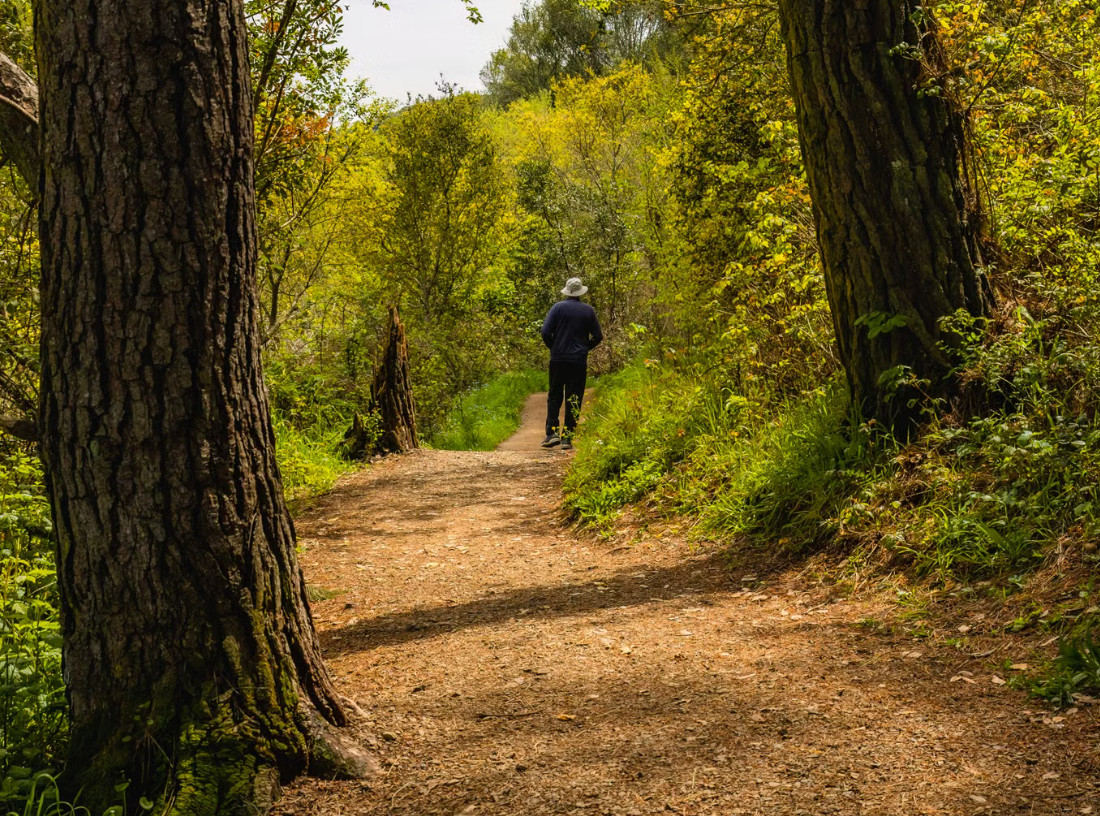
Tamilyog Trail is the classic cross-island walk, tracing an old route from coast to coast. Hike the uphill road to the wind-farm turbines above Colonia for panoramic views over the capital, the bay, and several wartime sites. Bring water and sun cover, as it gets hot and exposed.
Yap's WWII history is spread across the island, so having someone who knows the sites makes a big difference. Start with the Yap Visitors Bureau if you want help finding the main wartime locations. For the Tamilyog Trail, go early, take plenty of water and cover up well because parts of the route are exposed to the sun.
Do you want same view?
Click here →6. Venture To The "Forbidden Island"
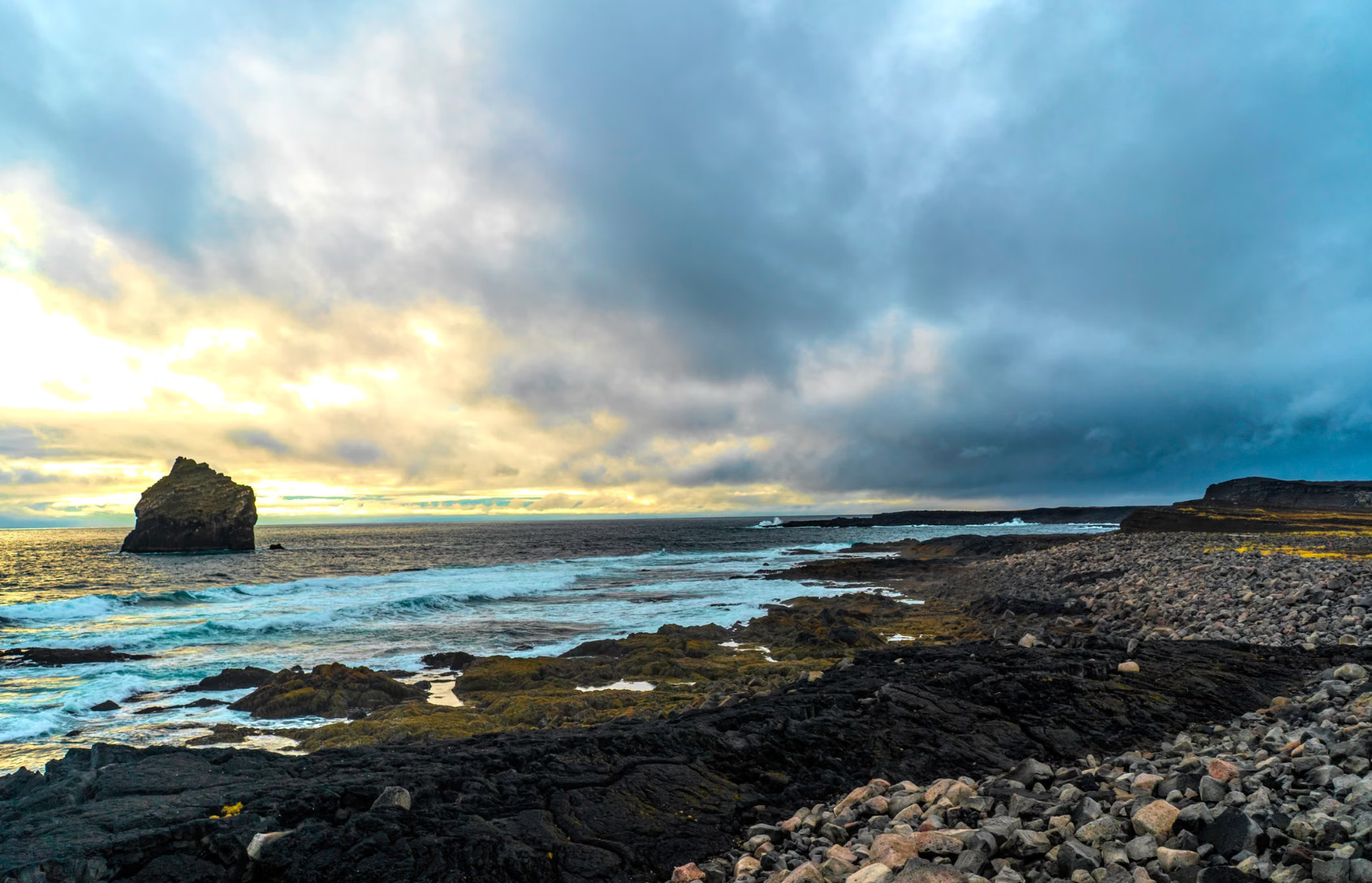
For the truly off-grid, head north to Rumung, the smallest and northernmost island of Yap proper and home to the largest stone money on the island. Part of the community famously removed its bridge to the mainland to limit outside contact, earning it the nickname "the forbidden island." You'll need a local guide and permission to visit, which is exactly the point.
Rumung is not somewhere you should try to visit independently. You need permission and a local guide, and respecting those arrangements is part of visiting the island. If you make the trip, you'll see a much quieter side of Yap, including some of its largest stone money.
How Do You Get To Yap In 2026?
Yap has a single commercial airline, United, flying from Guam roughly twice a week on the storied Island Hopper network. That makes Guam your gateway: reach it from Asia (via Manila or Tokyo) or from North America via Honolulu.
By the end of 2026, United plans to replace the route's Boeing 737-800s with 737 MAX 8s that add seatback screens and Starlink Wi-Fi. Seats and schedules are limited, so book as far ahead as you can and make sure your passport is valid for at least 120 days beyond your arrival date.
Getting to Yap takes some planning because flights from Guam are limited. Give yourself plenty of time between connections and consider staying a night in Guam rather than relying on a tight connection. The Island Hopper itself is also an interesting part of the journey, so there is no need to treat the flight as just a way to get there.
What Should You Know Before You Go?
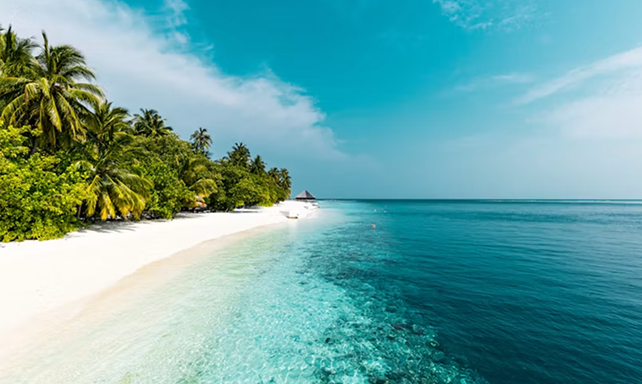
Two things matter most. First, roughly 99% of Yap's land, beaches included, is privately owned, so ask permission or travel with a guide before wandering onto land, beaches, or trails.
Second, dress modestly, as noted above. Beyond that: bring US dollars since ATMs are limited, download maps offline before you arrive, and don't rely on mobile data outside your hotel local SIMs are limited and eSIMs aren't yet reliable here.
Remember that most of Yap's land is privately owned, so don't assume an empty beach or trail is open to everyone. A local guide can help you get permission and avoid accidentally crossing onto private property. Bring enough US dollars for the trip as ATMs are limited, and download anything you need before arriving because mobile coverage can be unreliable.
How To Book Your Yap Trip With Epic
You can book flights to Yap (via Guam) and stay at Manta Ray Bay Resort through Epic at up to 30% less than Booking.com. Pay with Visa, Mastercard, Apple Pay, Google Pay, or 200+ cryptocurrencies fitting, perhaps, for the island that pioneered decentralized money two thousand years before Bitcoin. Sign up with your email and get $25 off your first booking.
If you're already planning to visit Yap, you can book flights through Guam and accommodation at Manta Ray Bay Resort through Epic, with savings of up to 30% compared with Booking.com.
Sources
- Epic Transitions into the Travel Layer for Crypto, Bringing Real-World Utility to the Web3 Space
- Business Wire, Epic Transitions into the Travel Layer for Crypto, Bringing Real-World Utility to the Web3 Space
- Binance Academy. What Is Epic Chain (EPIC)
- Yap Visitors Bureau — official tourism authority (Yap Day 2026 dates, MantaFest 2026, general visitor guidance): https://www.visityap.com
- Manta Ray Bay Resort & Yap Divers (manta sanctuary status, Dec–April mating season, daily cleaning-station diving): https://www.divessi.com/en/divecenter/manta-ray-bay-resort-amp-yap-divers-micronesia-federated-states-of-809451
.png)

Adrian Baschuk is the chief executive officer of Epic. Adrian has spent two decades in media as a producer, journalist, and founder, and has worked in crypto since 2017. He was a founding partner at Crypto Banter, worked on CNBC's Crypto Trader, and has produced and reported for CNN, Current TV, and Discovery.
His television production credits include Disengagement, South Beach Tow, and Kart Life. He became CEO of Epic in 2025 and leads the company's move into travel, building the first travel layer for crypto.
Based in Miami, Adrian earned a bachelor's degree in international relations from Tufts University.


Frequently Asked Questions


Yap is famous for two things: giant stone money (Rai)—massive carved limestone discs, some weighing tons and dating back around 2,000 years—and world-class manta ray diving at one of the planet's first manta sanctuaries. It's also known as Micronesia's most traditional island, where Yapese culture, dances, and customs are still part of daily life.
Fly there via Guam. United is the only commercial airline serving Yap, operating roughly twice a week from Guam on its Island Hopper network. Reach Guam first from Asia (Manila, Tokyo) or from North America via Honolulu. Seats and schedules are limited, so book early. Your passport must be valid at least 120 days beyond arrival.
Yap is one of the four states of the Federated States of Micronesia (FSM), an independent island nation in the western Pacific Ocean. The FSM's other three states are Chuuk, Pohnpei, and Kosrae. Though independent, it maintains close ties with the United States under a Compact of Free Association, and uses the US dollar as its currency.
Yes. Yap welcomes tourists, mainly divers and culture travelers. Just note that around 99% of the island's land, including beaches, is privately owned, so you'll often need a guide or permission before entering. Dress modestly, bring US dollars (ATMs are limited), and book flights via Guam well in advance, as air access is thin.
Yapese is the main local language, but Yap State recognizes five official languages: Yapese, Ulithian, Woleaian, Satawalese, and English. English is widely spoken and used in business, government, and tourism, so most visitors have no trouble getting by. Due to its colonial past, older Yapese people may also speak some Japanese.
Found a hotel you like? Book it for up to 30% less


Found a hotel you like? Book it for up to 30% less