Content
Top 8 Incredible Things to Do in the Galápagos Islands (2026 Guide)
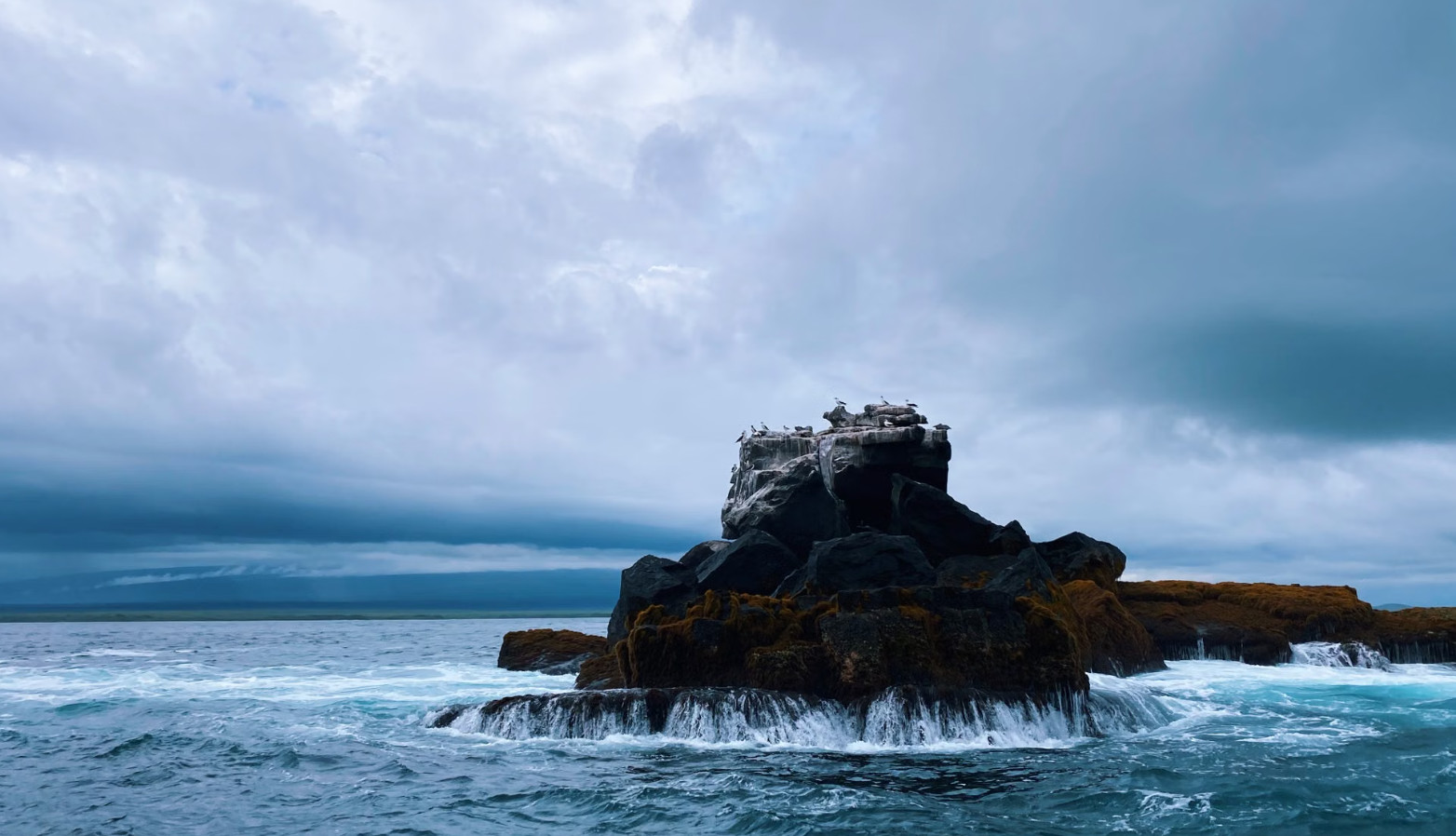


The Galápagos Islands are known for their wildlife, volcanic landscapes, and marine life. The archipelago is home to species found nowhere else, including giant tortoises and marine iguanas, while its waters attract sea lions, turtles, rays, sharks, and penguins.
The islands are around 600 miles from mainland Ecuador, so getting there requires some planning. You need to fly through Quito or Guayaquil, and the activities you can do depend on which island you choose as your base.
You can book flights and hotels through Epic at up to 30% less than Booking.com, with payment options including Visa, Mastercard, Apple Pay, Google Pay and 200+ cryptocurrencies. New users can claim $25 off their first booking.
Here are eight of the best things to do in the Galápagos Islands in 2026.
Key Takeaways
- The Galápagos Islands lie around 600 miles off the coast of Ecuador and are known for their unique wildlife, including giant tortoises, marine iguanas and blue-footed boobies.
- There are no international flights to the Galápagos. Visitors first travel to mainland Ecuador, usually Quito or Guayaquil, before flying to Baltra (GPS) or San Cristóbal (SCY).
- Since August 2024, the Galápagos National Park entrance fee for international adults has been $200, plus a $20 Transit Control Card.
- Many activities within the national park require a certified naturalist guide, and visitors must keep a safe distance from wildlife.
Top 8 Incredible Things to Do
in the Galápagos Islands
1. Snorkel With Sea Lions
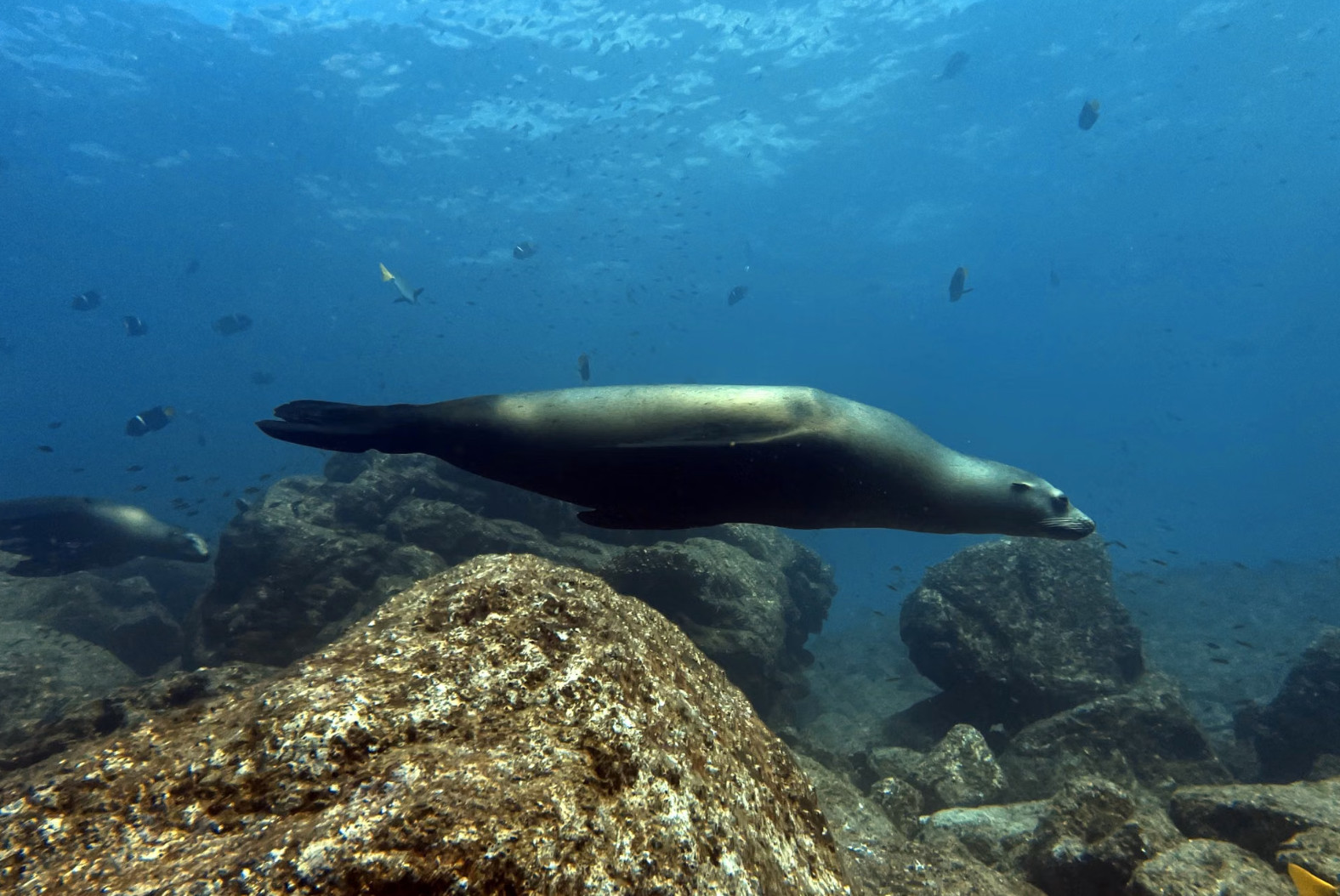
Sea lions are one of the easiest animals to encounter in the Galápagos, and you can often see them while snorkelling from the beach or on organised boat trips. La Lobería on San Cristóbal is a popular place to see them.
You may also spot sea turtles, rays and other marine life in the surrounding waters. You do not need to be a diver to enjoy the experience. Many of the best encounters take place in relatively shallow water close to shore.
La Lobería is an easy place to start if you want to snorkel with sea lions without committing to a full-day boat trip. You don't need diving experience, and the water close to shore can be enough to see plenty of marine life. Give the sea lions some space and let them approach you rather than trying to get too close.
Book your next hotel for up to 30% less
2. See Giant Tortoises in the Santa Cruz Highlands
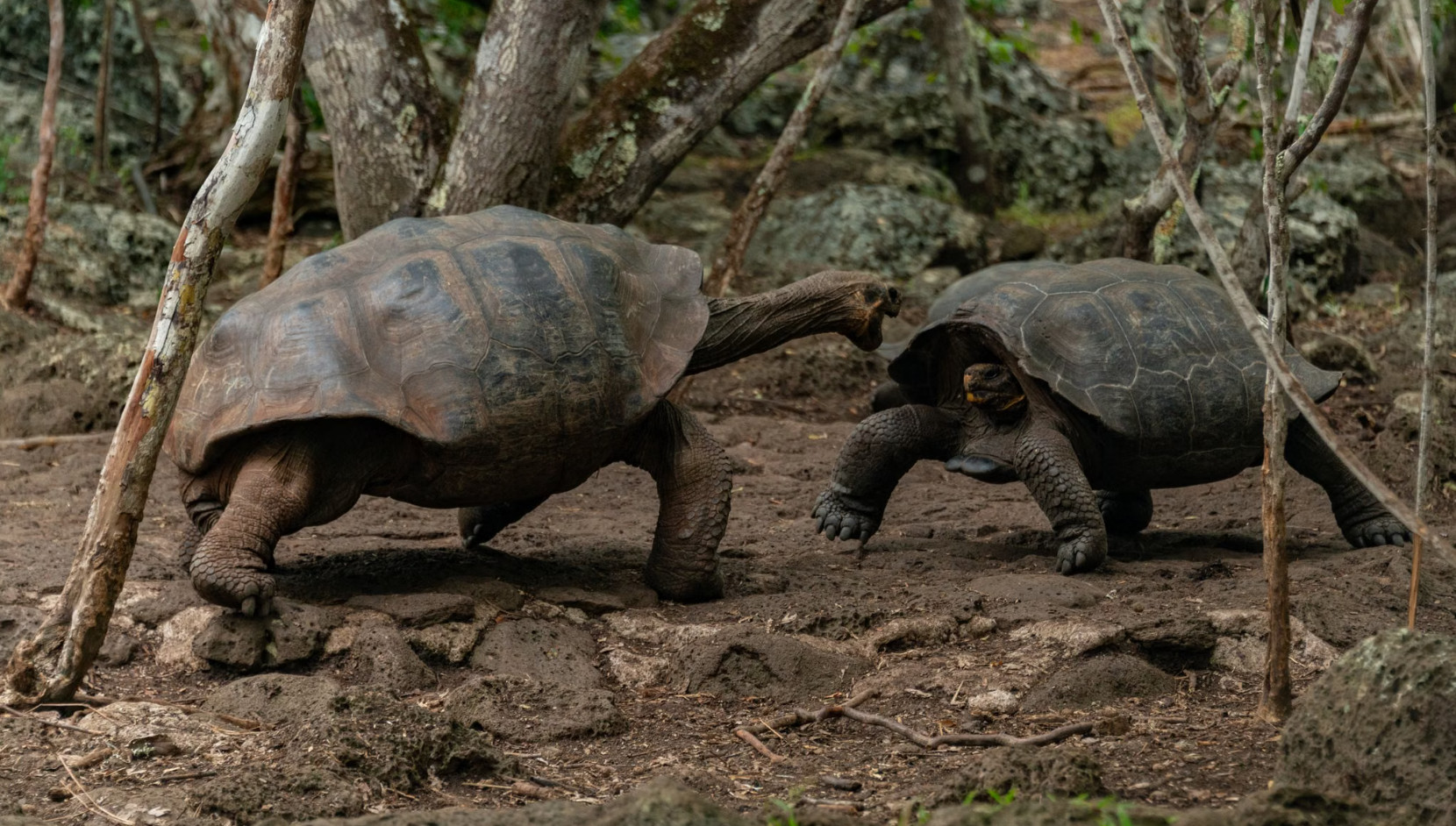
The giant tortoise is one of the best-known animals of the Galápagos, and the highlands of Santa Cruz are one of the best places to see them. At reserves such as El Chato, you can walk through areas where tortoises move freely and feed in the surrounding vegetation.
The highlands also offer a cooler alternative to the coast. You can combine a tortoise visit with a trip to the Charles Darwin Research Station in Puerto Ayora, where you can learn about conservation work and the protection of native species.
The Santa Cruz highlands are one of the places where you can see giant tortoises in a more natural setting. El Chato is easy to combine with other stops around the highlands, and the Charles Darwin Research Station gives you some useful background on the islands' conservation work. If you're interested in tortoises, I'd allow enough time for both.
3. See Blue-Footed Boobies and Other Wildlife on North Seymour
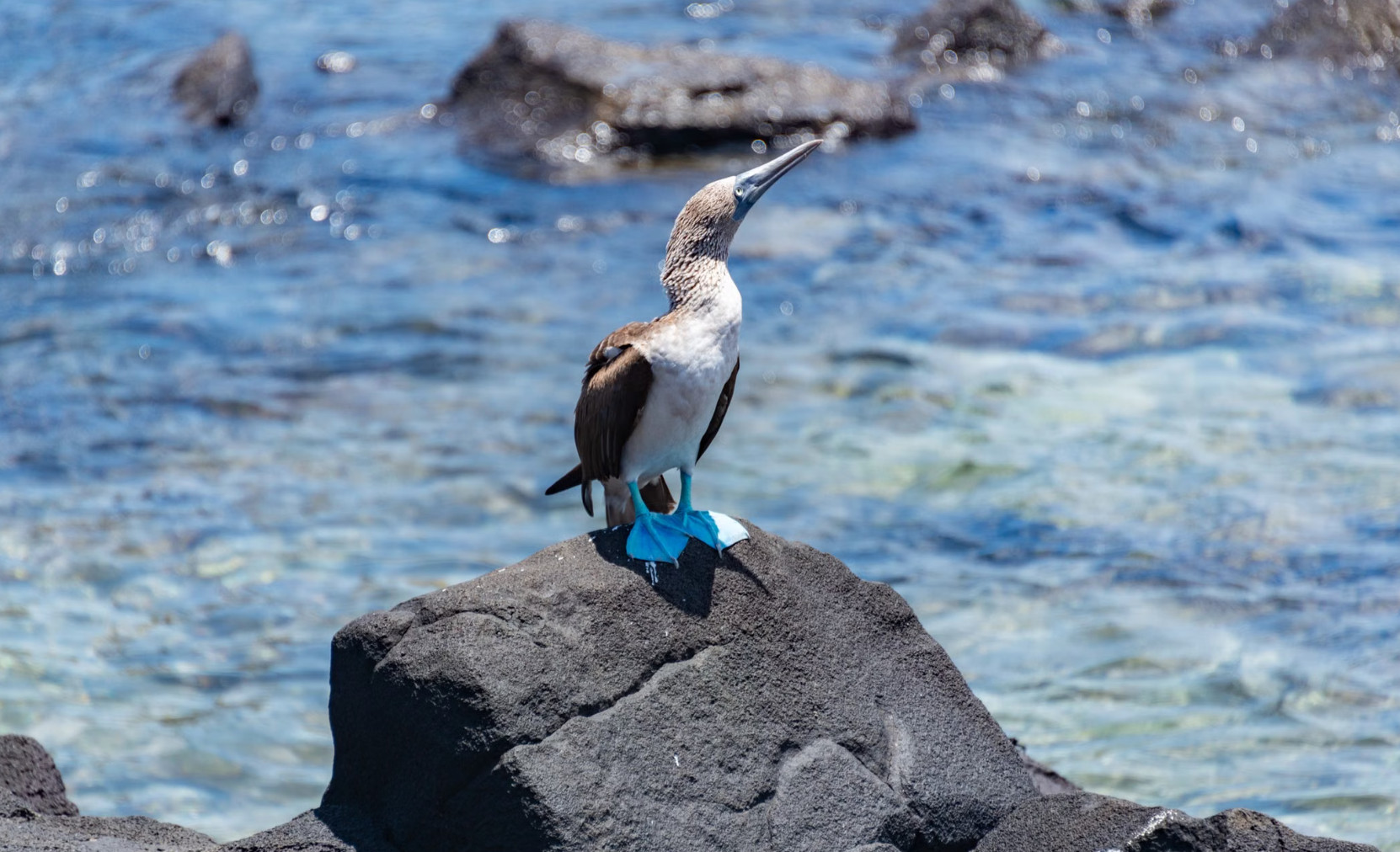
North Seymour is a small island known for its wildlife. Walking trails pass nesting areas where you can see blue-footed boobies, magnificent frigatebirds and land iguanas. Blue-footed boobies are particularly recognisable during their courtship displays, when they raise and lower their bright blue feet.
Most visits are organised as day trips from Santa Cruz and include a snorkelling stop. As with other protected areas, follow your guide's instructions and keep a safe distance from the animals.
North Seymour is a good choice if seeing wildlife is high on your list. The island is small, but you can see blue-footed boobies, frigatebirds and land iguanas during the same walk.
If you get to see the boobies doing their courtship display, even better. Just keep your distance and follow the guide's instructions.
4. Snorkel at Los Túneles on Isabela
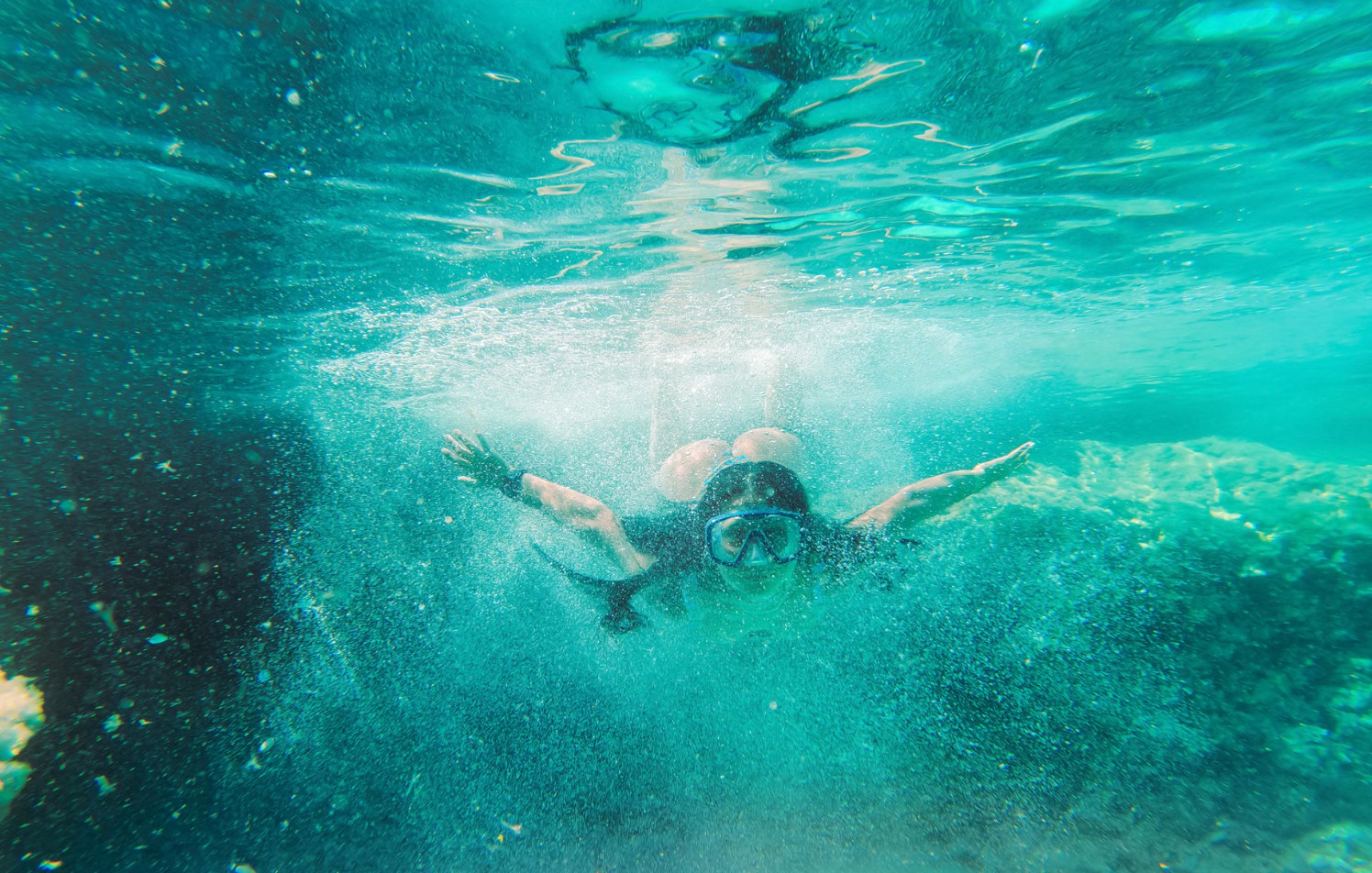
Los Túneles is a network of lava formations, arches and shallow channels off the coast of Isabela. The volcanic landscape creates calm areas of water that are good for snorkelling. You can see blue-footed boobies and other birds around the lava formations.
The surrounding water is home to sea turtles, rays, seahorses, and white-tip reef sharks. Tours normally combine a walk around the formations with time in the water. The protected conditions can also make it a good option for visitors who are less confident in open water.
Los Túneles is a good option if you're not completely comfortable with open water. The lava formations create calmer sections for snorkelling, and you can often see turtles, rays and other marine life.
The trip also gives you a chance to walk around the unusual volcanic formations, so you're not spending the entire excursion in the water.
5. Hike Sierra Negra Volcano
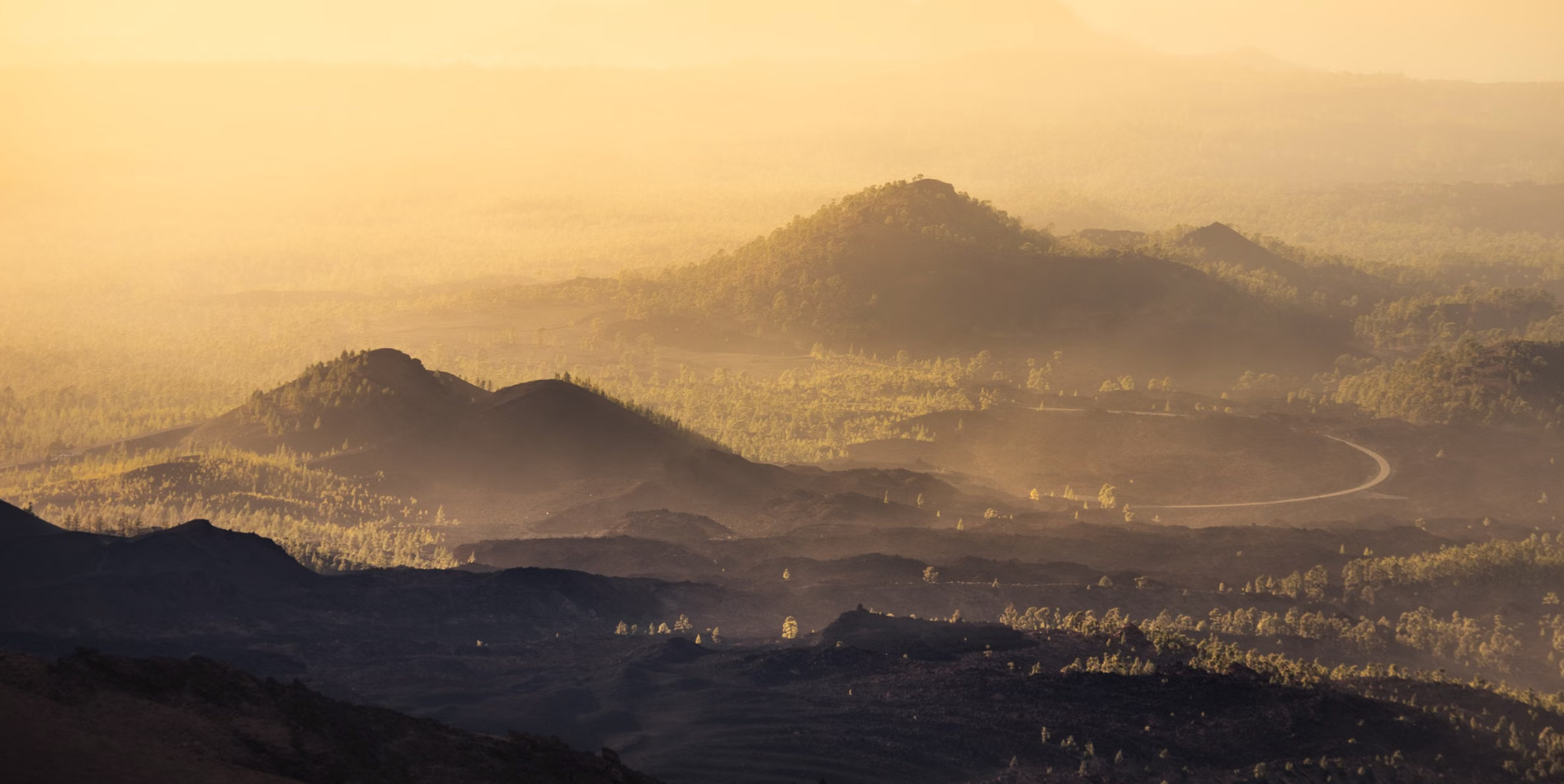
Sierra Negra is an active shield volcano on Isabela with one of the largest volcanic calderas in the world. The hiking trail follows the edge of the crater and passes through different landscapes along the way.
The volcano last erupted in 2018. The trail is exposed in places, so bring plenty of water, sun protection and shoes with good grip. The hike is a good choice if you want to see more of Isabela's volcanic landscape without spending the entire day on a boat.
Sierra Negra is a good change of pace if you've already spent a few days on boats and in the water. The landscape is very different from the coastal areas, and the crater is the main highlight.
There isn't much shade along the trail, so take plenty of water, wear sun protection and use proper walking shoes.
6. Spend a Morning at Tortuga Bay
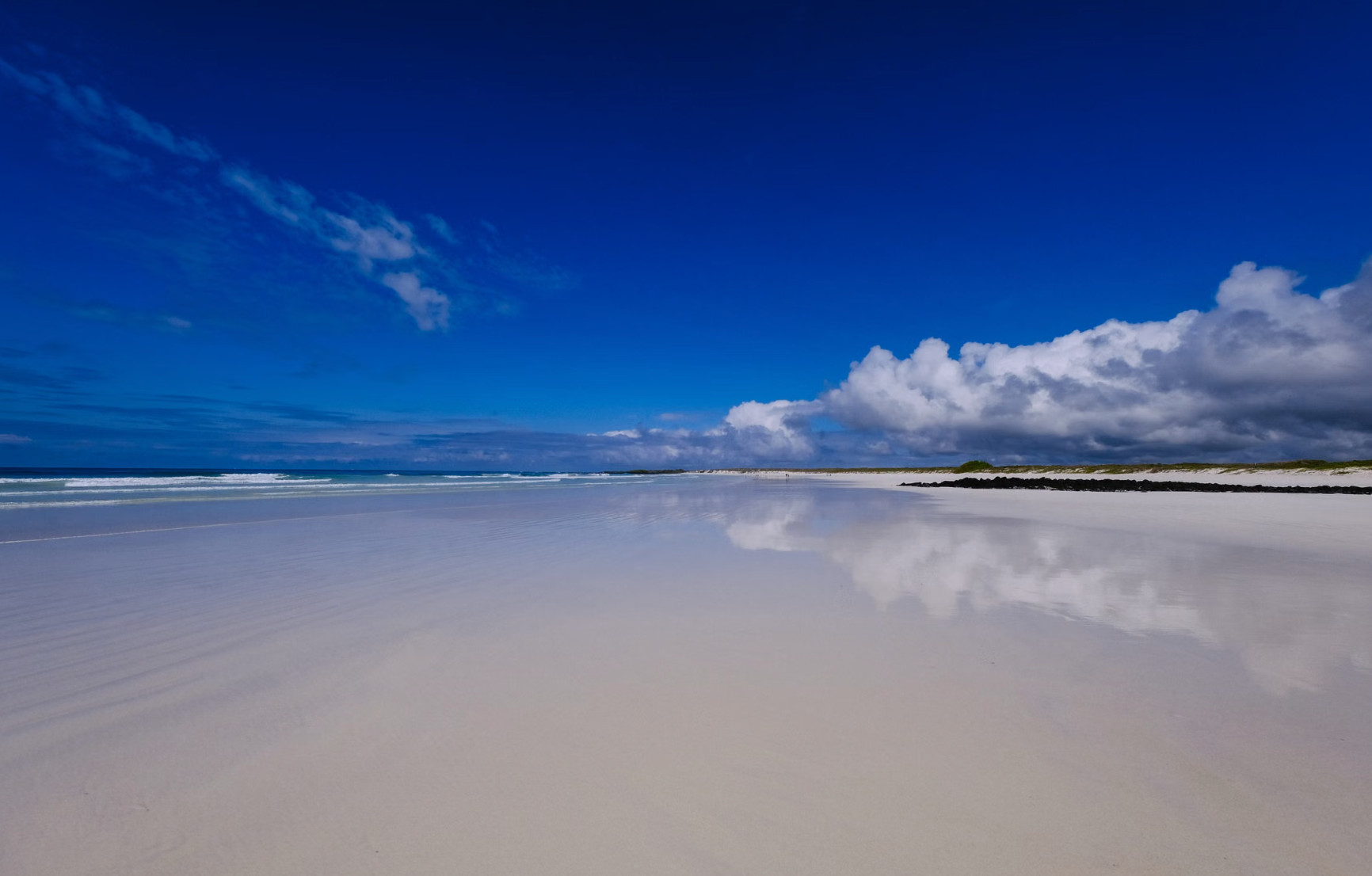
Tortuga Bay is a long white-sand beach around a 45-minute walk from Puerto Ayora on Santa Cruz. The route to the beach passes through dry forest before opening onto the coast. Marine iguanas, Sally Lightfoot crabs and other wildlife can often be seen along the shore.
The sheltered area around the bay is suitable for swimming and snorkelling when conditions allow. There is no entrance fee, and you do not need a guide, making it an easy addition to a stay in Puerto Ayora. Arriving early can help you avoid the strongest midday heat.
Tortuga Bay is one of the easier places to add to a stay in Puerto Ayora. There is no entrance fee or guide requirement, and the walk from town takes around 45 minutes.
Go in the morning if you can, as the walk gets hot later in the day and the beach is generally more enjoyable before the busiest hours.
7. Dive or Snorkel at Kicker Rock

Kicker Rock, also known as León Dormido, is a volcanic formation off the coast of San Cristóbal. A narrow channel runs between the two main rock formations, creating a popular site for diving and snorkelling.
Depending on conditions and the season, you may see Galápagos sharks, hammerhead sharks, sea turtles and large schools of fish.
The site is usually visited as part of a boat tour from San Cristóbal. Strong currents can occur, so follow your guide's instructions and choose an activity that matches your experience level.
Kicker Rock is better suited to confident swimmers and divers because the currents can be strong. The chance to see sharks, turtles and large schools of fish is a big part of the appeal, but conditions can change.
Choose your activity based on your experience level and listen to the guide once you're in the water.
Do you want same view?
Click here →8. Hike Bartolomé Island
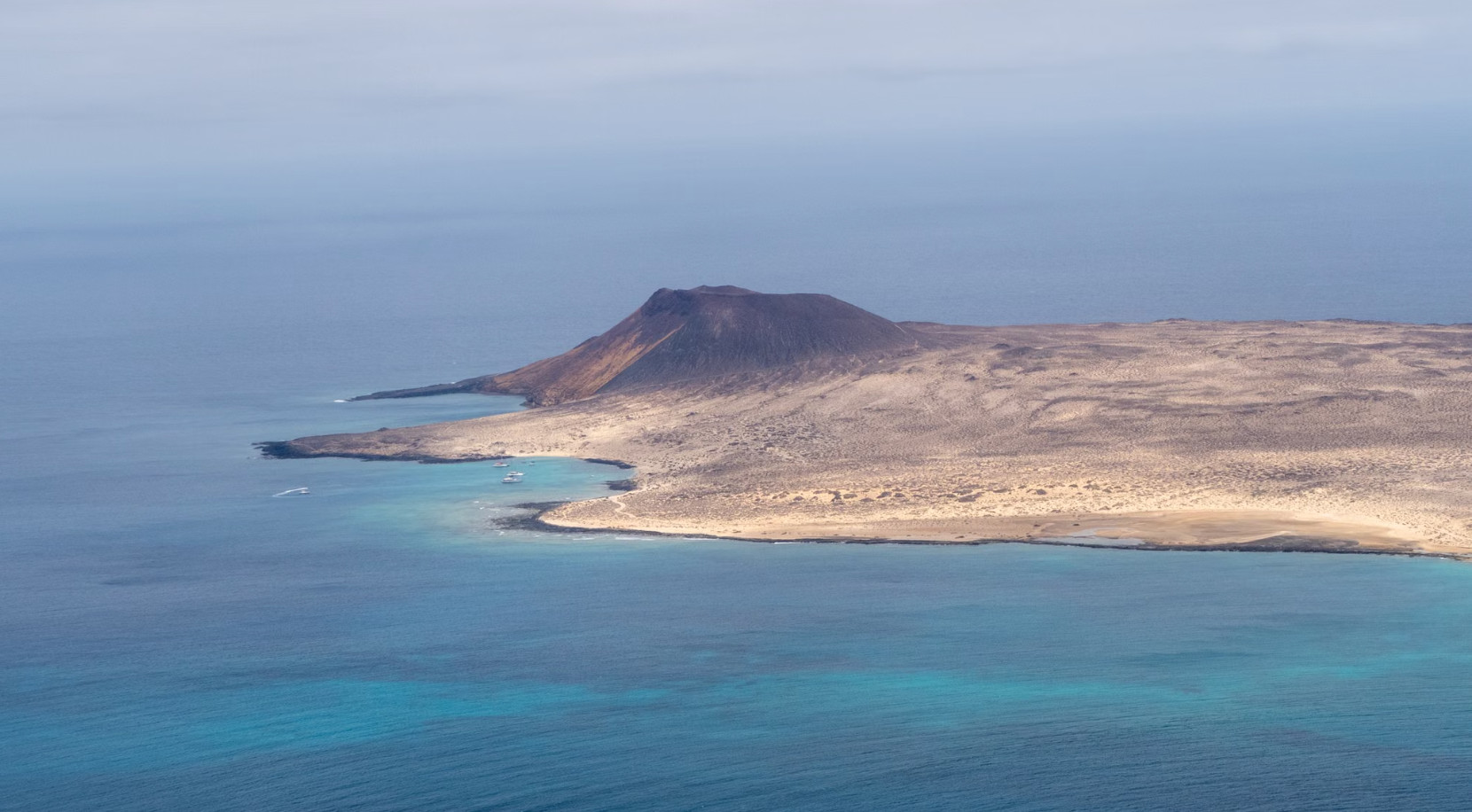
Bartolomé is known for its views of Pinnacle Rock and the surrounding volcanic landscape. A wooden staircase leads from the landing area to a viewpoint overlooking the rock, bays and nearby islands.
The island also has a popular snorkelling area, where you may see sea turtles, penguins and other marine life depending on conditions.
Most visitors visit Bartolomé as a full-day trip from Santa Cruz. The boat journey takes time, but the island's landscape makes it a popular addition to a Galápagos itinerary.
Bartolomé is a full-day trip, so make sure you have enough time for the boat journey before adding it to your itinerary. The walk to the viewpoint is fairly short, and the views around Pinnacle Rock are the main reason to come. If conditions are good, the snorkelling stop is another bonus.
When Is the Best Time to Visit the Galápagos in 2026?
The Galápagos can be visited throughout the year, but conditions change between seasons.
December to May is generally warmer, with calmer seas and warmer water. These conditions are suitable for swimming and snorkelling.
June to November is cooler and often has rougher seas, but nutrient-rich waters attract a large amount of marine life. This period is popular with divers.
Weather and sea conditions can change, so check current forecasts before booking activities, particularly if you are planning boat trips or diving.
The best time really depends on what you want to do. December to May is a good choice if you prefer warmer water and calmer conditions for swimming and snorkelling.
June to November can bring rougher seas, but the cooler water attracts plenty of marine life and is popular with divers. I'd choose your travel dates based on the activities you care about most.
How Many Days Do You Need in the Galápagos?
Allow five to eight days for a first trip. This gives you enough time to visit several sites without spending most of your holiday travelling between islands.
There are two main ways to explore the Galápagos:
- Land-based trips: Stay in places such as Puerto Ayora or Puerto Villamil and take day trips to nearby islands and sites. This gives you more flexibility and can be more affordable.
- Cruises: Multi-day cruises visit more remote islands that cannot easily be reached on day trips. Cruises usually follow fixed routes and cost more, but they allow you to cover a wider area.
If you have less than a week in the Galápagos, a land-based itinerary may be easier to manage. If you have more time and want to visit remote islands, a cruise is worth considering.
Five to eight days gives you enough time to see a few different places without spending most of the trip travelling. A land-based trip gives you more flexibility, while a cruise makes more sense if you want to reach the more remote islands.
If you're working for less than a week, keeping your plans to one or two islands will make the trip much easier.
How Do You Get to the Galápagos in 2026?
International visitors first need to travel to mainland Ecuador. Most flights to the islands depart from Quito or Guayaquil.
From mainland Ecuador, you can fly to either Baltra Airport (GPS), which serves Santa Cruz, or San Cristóbal Airport (SCY).
There are no direct international flights to the Galápagos, so allow enough time between your international and domestic flights. Staying overnight in Quito or Guayaquil before travelling to the islands can also give you some flexibility if there are delays.
You will also need to complete the required biosecurity and transit procedures before travelling to the islands.
Give yourself some extra time between your international and Galápagos flights. You need to travel through Quito or Guayaquil first, and delays on the first part of the journey can easily affect your island flight.
Staying overnight on the mainland before flying to the islands is a simple way to avoid having to rush between connections.
What Should You Know Before You Go?
The cost of entering the Galápagos is an important part of your budget. Since August 2024, the national park entrance fee for international adults has been $200, in addition to the $20 Transit Control Card. Both are paid in US dollars.
Check the latest requirements and fees with the Galápagos National Park Directorate before travelling, as regulations can change.
There are also several rules designed to protect the islands and their wildlife:
- Many activities inside protected areas require a certified naturalist guide.
- Keep a safe distance from animals and never touch or feed wildlife.
- Drones require the appropriate permission.
- Rental cars are not available in the same way as on mainland Ecuador, so visitors generally use taxis, buses, and boats.
- Carry some cash because ATMs are limited and may not always be reliable.
- Bring reef-safe sunscreen, sun protection and medication for seasickness if you are taking boat trips.
You'll need $200 for the national park entrance fee and another $20 for the Transit Control Card, and having some US dollars with you is useful because ATMs aren't always convenient. For boat trips, I'd also pack reef-safe sunscreen and something for seasickness.
How to Book Your Galápagos Trip With Epic
You can book flights to the Galápagos from Quito or Guayaquil and hotels in destinations such as Puerto Ayora and San Cristóbal through Epic at up to 30% less than Booking.com.
Payment options include Visa, Mastercard, Apple Pay, Google Pay, and 200+ cryptocurrencies. New users can also claim $25 off their first booking.
If you already have cryptocurrency, Epic gives you the option to use it for your Galápagos trip instead of converting it first. You can book flights from Quito or Guayaquil and hotels in places such as Puerto Ayora and San Cristóbal, with up to 30% less than Booking.com. It also accepts Visa, Mastercard, Apple Pay, Google Pay and 200+ cryptocurrencies, with $25 off for new users.
Sources
- Business Wire, Epic Transitions into the Travel Layer for Crypto, Bringing Real-World Utility to the Web3 Space
- Binance Academy. What Is Epic Chain (EPIC)
- Galápagos Conservation Trust — Galapagos National Park entry fees set to increase from August 2024 (confirms the $200 international adult fee): https://galapagosconservation.org.uk/galapagos-national-park-entry-fee-increase-2024/
- Charles Darwin Foundation — Galápagos National Park Rules (guide requirement, safe-distance and no-feeding rules, conservation context): https://darwinfoundation.org/en/visit-galapagos/galapagos-national-park-rules
- Galápagos National Park Directorate (via Galápagos Conservancy) — Galápagos National Park Rules: https://www.galapagos.org/travel/park-rules/
.png)

Adrian Baschuk is the chief executive officer of Epic. Adrian has spent two decades in media as a producer, journalist, and founder, and has worked in crypto since 2017. He was a founding partner at Crypto Banter, worked on CNBC's Crypto Trader, and has produced and reported for CNN, Current TV, and Discovery.
His television production credits include Disengagement, South Beach Tow, and Kart Life. He became CEO of Epic in 2025 and leads the company's move into travel, building the first travel layer for crypto.
Based in Miami, Adrian earned a bachelor's degree in international relations from Tufts University.


Frequently Asked Questions


Don't leave without snorkeling with sea lions. It's the experience the islands are famous for. Beyond that, the non-negotiables are meeting wild giant tortoises in the Santa Cruz highlands, watching blue-footed boobies court on North Seymour, and snorkeling the lava arches at Los Túneles. If you have time for one boat trip, make it Bartolomé or Kicker Rock.
For all-round trip planning, Moon Galápagos Islands is the standout; its fifth edition (May 2026) covers cruises, timing, and every main island. Pair it with the Bradt Wildlife Guide: Galápagos Wildlife for identifying species in the field. Lonely Planet Ecuador & the Galápagos Islands is a solid alternative if you're combining the archipelago with mainland Ecuador.
It's subjective, but Bartolomé wins the most votes. The view from its summit over Pinnacle Rock, twin bays, and black lava fields is the archipelago's signature postcard shot. Isabela is the pick for dramatic volcanic scenery, while tiny North Seymour edges it for sheer density of wildlife. For classic white sand, Santa Cruz's Tortuga Bay is hard to beat.
Stick to legal, locally made souvenirs: Ecuadorian chocolate and coffee, Panama hats, and handmade crafts or jewelry from local artisans. Never buy or collect anything taken from nature shells, coral, sea lion teeth, tortoise shell, or lava rock are protected, and taking them is illegal and can mean fines or confiscation at the airport.
There's no bad month, but the standouts are usually June and October, strong wildlife, decent seas, and a break from peak crowds. December to May brings warm, calm water ideal for snorkeling and swimming; June to November is cooler and choppier but delivers the best diving and marine life. Choose by the season that suits your activities.
Found a hotel you like? Book it for up to 30% less


Found a hotel you like? Book it for up to 30% less