Content
Top 10 Unmissable Things to Do in Chișinău and Moldova (2026 Guide)


The best things to do in Chișinău and Moldova are visiting wineries, exploring cave monasteries, seeing the historic sites of Chișinău and taking a trip to Transnistria. Moldova is a small country, so you can see several of its main attractions in a 3–5 day trip.
May to October is generally the best time to visit. May and September to October are particularly comfortable for sightseeing and visiting wine regions, while summer can be hot and winter is colder.
You can book flights and hotels across Moldova through Epic at up to 30% less than Booking.com. Pay with Visa, Mastercard, Apple Pay, Google Pay, or over 200+ cryptocurrencies. Sign up with your email and get $25 off your first booking.
From underground wine cities to a Soviet time capsule, here are the 10 unmissable things to do in Chișinău and Moldova.
Key Takeaways
- Moldova is compact and affordable, with Chișinău a convenient base for visiting wineries, monasteries and Transnistria.
- May to October is generally the best time to visit, with May and September to October offering comfortable weather for sightseeing and wine trips.
- Moldova is not part of the EU or Schengen Area, although it has been an EU candidate country since 2022.
- Many travellers can enter visa-free for up to 90 days in any 180-day period, depending on their nationality.
- Cards are widely accepted in central Chișinău, but cash is still useful when travelling outside the capital.
- National Wine Day takes place on October 3–4, 2026, making it an option for travellers interested in Moldova's wine culture.
- A daily budget of around €40–60 is enough for most independent trips, while winery and full-day tours cost extra.
Top 10 Unmissable Things to Do
in Chișinău and Moldova
- Visit the Underground Wine Cellars at Mileștii Mici and Cricova
- Explore Orheiul Vechi
- Visit Transnistria
- Walk Around Central Chișinău
- See Chișinău's Soviet and Brutalist Architecture
- Visit a Moldovan Wine Estate
- Visit Central Market and Try Moldovan Food
- Attend National Wine Day
- Visit Soroca Fortress
- Visit Curchi Monastery and the Codru Region
1. Visit the Underground Wine Cellars at Mileștii Mici and Cricova
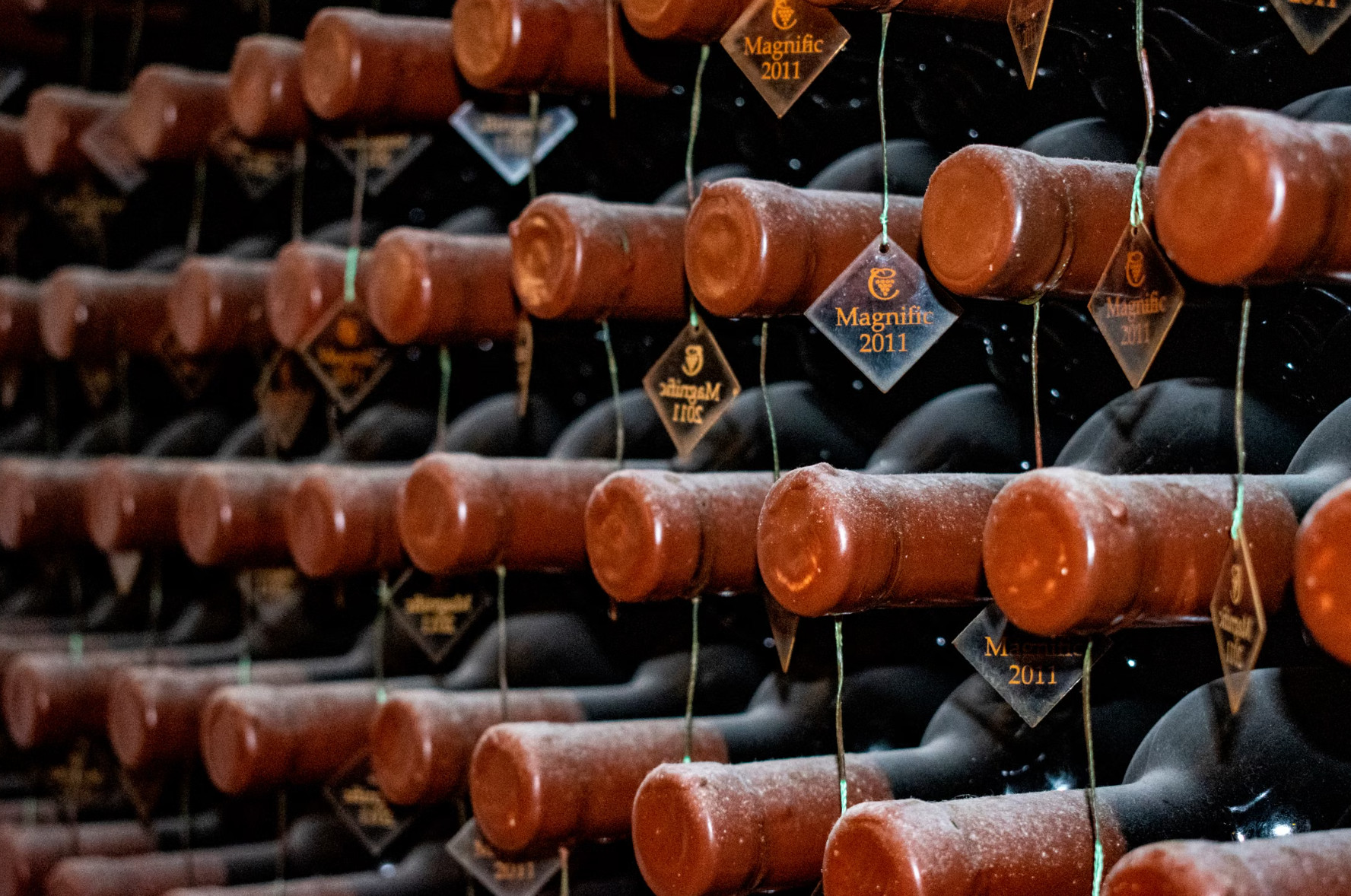
Moldova is known for its wine, and Mileștii Mici and Cricova are two of the country's most famous wineries. Mileștii Mici holds the Guinness World Record for the largest wine collection, with more than 1.5 million bottles stored in underground limestone galleries.
The cellar extends for more than 200 km, with around 55 km currently used for wine storage. Tours are usually done by car or electric shuttle, as the network is too large to explore on foot. Cricova has around 120 km of underground galleries, along with tasting rooms and other facilities built into the limestone.
Both wineries are around 15–20 km from central Chișinău, making them easy day trips. Tours with tastings generally start at around €15–25, although prices vary depending on the experience. Bring a light jacket, as the cellars remain cool throughout the year.
The scale of Mileștii Mici is hard to picture until you’re actually there. You tour the cellars by car because they’re simply too large to cover on foot. If you only have time for one, Cricova is a good choice for its tasting rooms and polished tours, while Mileștii Mici is the one to visit if the sheer size of the collection interests you.
Book your next hotel for up to 30% less
2. Explore Orheiul Vechi
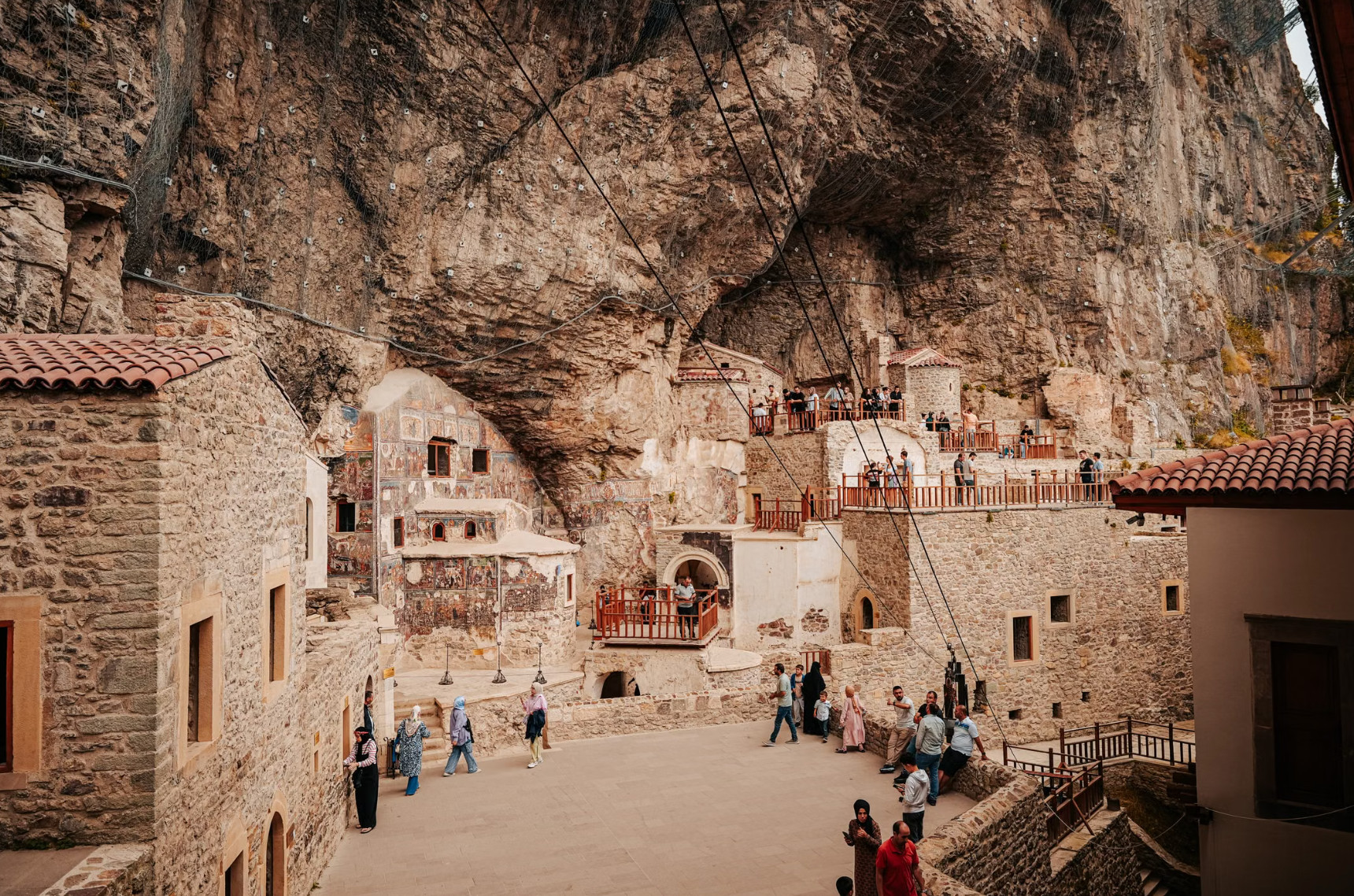
Orheiul Vechi is one of Moldova's most important archaeological and cultural sites. The complex sits in the Răut River gorge and includes cave monasteries, medieval ruins and archaeological remains carved into the limestone cliffs.
The Cave Monastery is still used by monks and offers views over the surrounding valley. Orheiul Vechi is around 60 km from Chișinău and takes about 1.5 hours to reach by car. You can combine the visit with a stop in the nearby village of Butuceni, where several restaurants serve traditional Moldovan food.
Orheiul Vechi is one of those places where it’s worth slowing down. The cave monastery is the main attraction, but the views across the Răut Valley are just as memorable. Give yourself enough time to walk around the area and stop for lunch in Butuceni rather than treating it as a quick photo stop.
3. Visit Transnistria

Transnistria is a separatist region on Moldova's eastern border that operates with its own government and institutions but is internationally recognised as part of Moldova.
Its main city, Tiraspol, has Soviet-era monuments, statues and architecture that reflect the region's history. Visitors can also see sites such as the House of Soviets and the Kvint distillery.
Travel to Transnistria requires additional planning because of its political situation and border controls. A guided day trip from Chișinău is the simpler option for first-time visitors and usually takes around 7–8 hours. Check the latest travel advice and entry conditions before visiting.
Transnistria is an unusual place to visit, particularly if you’re interested in the region’s Soviet-era history. If you decide to go, I’d use a guided day tour rather than trying to navigate the border and local formalities on your own. Check the latest travel advice before planning the trip, as conditions can change.
4. Walk Around Central Chișinău
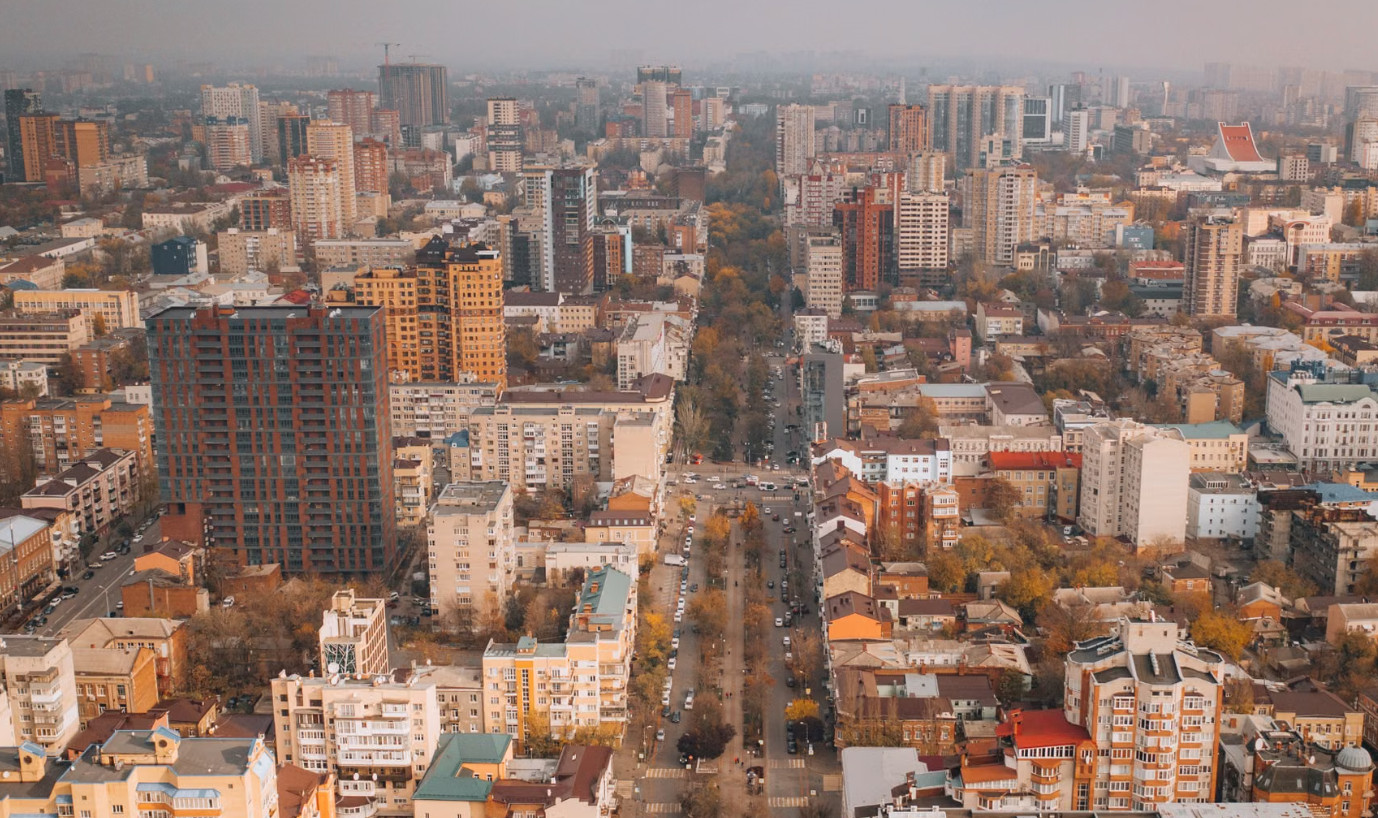
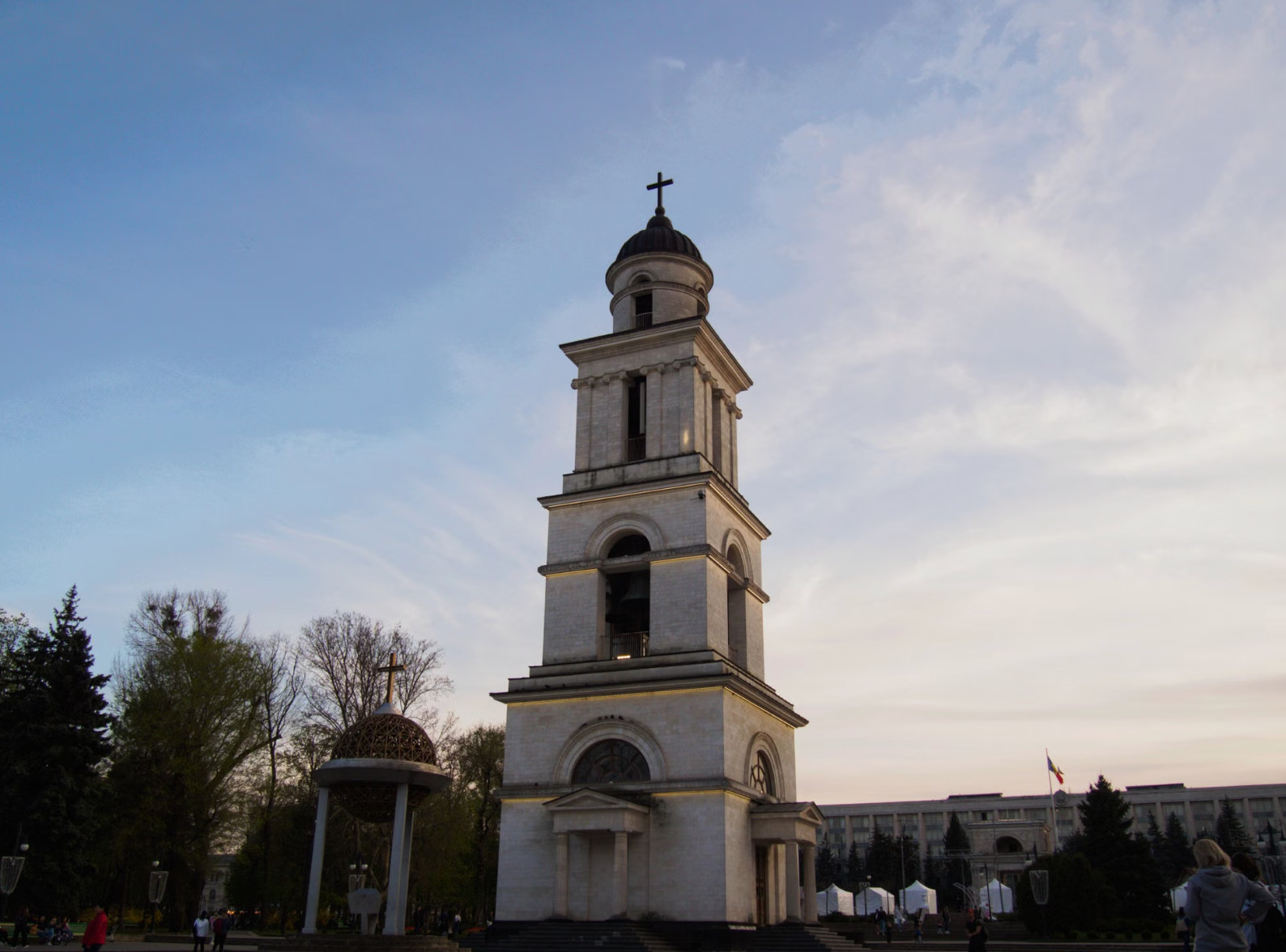
Chișinău is a green city with several parks, historic buildings and monuments within walking distance of the centre. Start around the Nativity Cathedral and Cathedral Park, then walk through Ștefan cel Mare Park towards the Stephen the Great Monument.
From there, you can continue to Great National Assembly Square, where you will find the Triumphal Arch, Parliament and the Presidential Palace.
The National Museum of History of Moldova and National Museum of Fine Arts are also close to the centre and can easily be added to the same day.
Chișinău is better suited to a slow day than a packed sightseeing schedule. Start around the cathedral and central parks, then spend the afternoon visiting a museum or finding a café. The city is fairly compact, so there’s no need to rush between attractions.
5. See Chișinău's Soviet and Brutalist Architecture
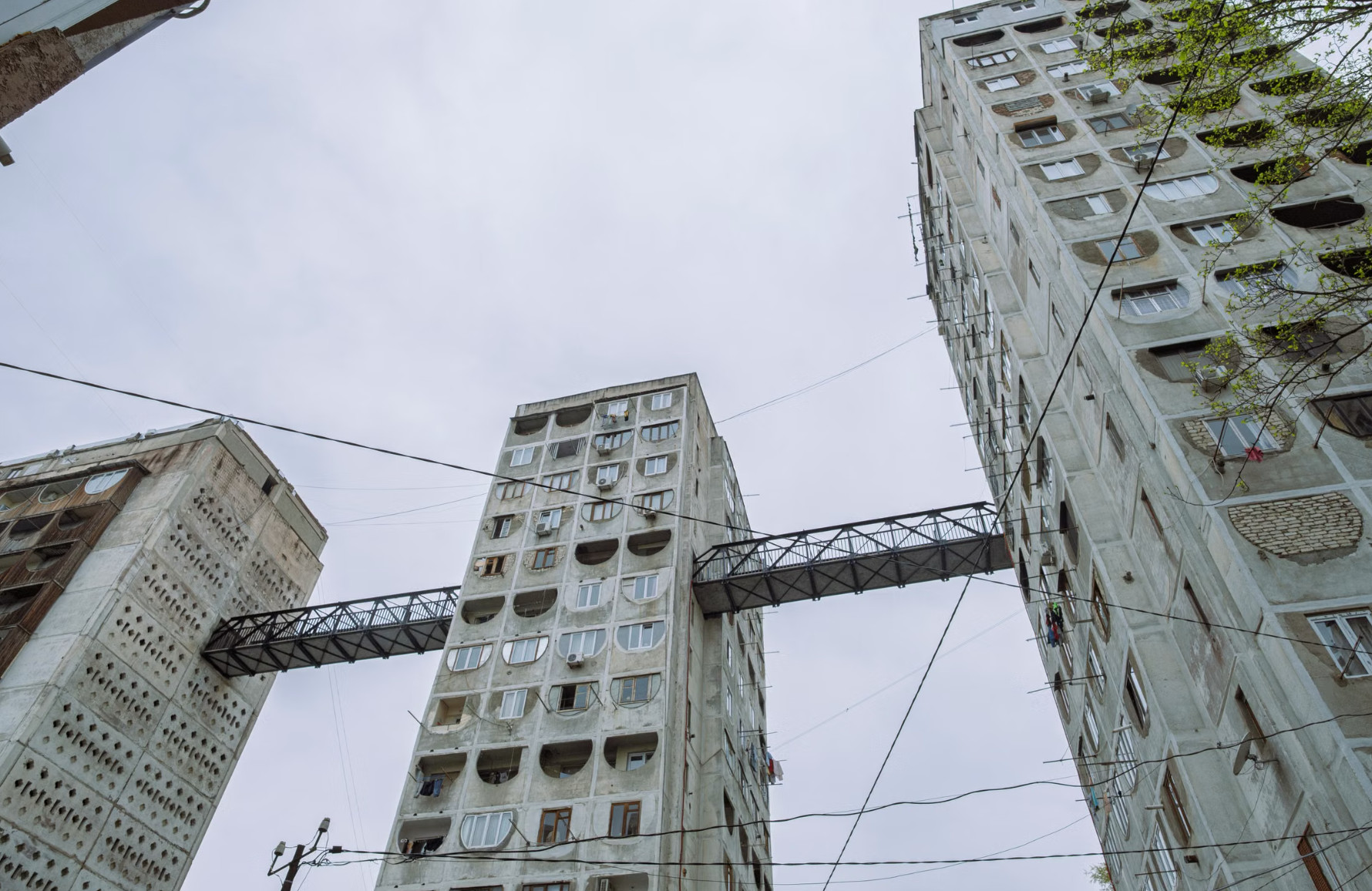
Chișinău has a mix of historic buildings and Soviet-era architecture, much of it built using the city's distinctive local limestone.
Some notable examples include the Romanița Collective Housing Tower, the Chișinău State Circus and Soviet-era mosaics found around the city. A walking or cycling tour is a practical way to find several of these buildings. You can also explore them independently without paying for a tour.
Chișinău has plenty of Soviet-era buildings and mosaics that are easy to miss if you’re simply walking from one attraction to another. A dedicated walking or cycling tour is useful if you want to understand what you’re looking at, although you can also explore the architecture independently if you prefer.
6. Visit a Moldovan Wine Estate
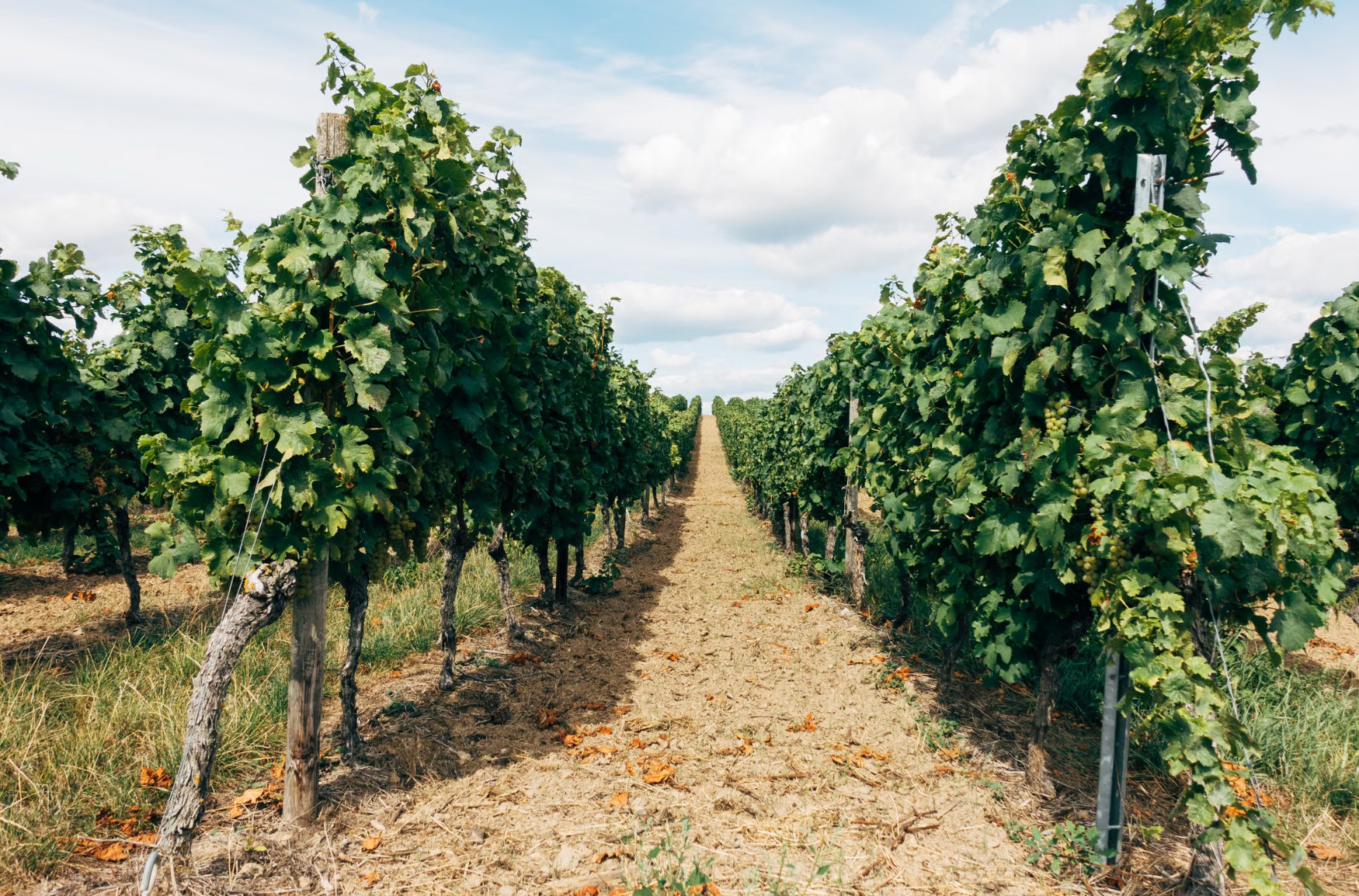
Moldova's wine scene extends beyond its large underground cellars. Several estates combine wine tasting with restaurants, accommodation and tours. Castel Mimi is a restored 19th-century wine estate near Chișinău with a restaurant, tastings and accommodation.
Further south, Château Purcari dates back to 1827 and is one of Moldova's best-known wineries. Look out for local grape varieties such as Fetească Neagră, Rară Neagră, Fetească Albă and Fetească Regală.
If you want to stay at a winery, booking in advance is recommended, particularly during the harvest season.
If you prefer a more traditional wine experience, spend some time at one of Moldova’s wine estates. Places such as Castel Mimi and Château Purcari combine tastings with vineyards, food and beautiful surroundings. It’s also a good opportunity to try local varieties such as Fetească Neagră and Rară Neagră.
7. Visit Central Market and Try Moldovan Food

For a look at everyday life in Chișinău, visit Piața Centrală, the city's main market. You can find local produce, cheese, honey and other food products while getting a feel for the city's daily routine.
Afterwards, stop at a local café or wine bar. Traditional dishes worth trying include mămăligă with cheese and sour cream, plăcinte filled with sweet or savoury ingredients, and zeamă, a traditional chicken soup.
Food and transport are generally affordable, making it easy to eat out without spending much.
Piața Centrală is a good place to get a feel for everyday life in Chișinău. Go hungry and try some local favourites, from plăcinte to zeamă and mămăligă. Food is also relatively affordable, so you can try a few different dishes without spending much.
8. Attend National Wine Day

If you are visiting in early October, National Wine Day is a good opportunity to experience Moldova's wine culture.
In 2026, the event will take place on October 3–4 in Chișinău. Wineries from across the country take part, with wine tastings, food, music and cultural activities. Accommodation can become more expensive and harder to find during the event, so book early if you plan to visit that weekend.
If you’re visiting Moldova in early October, check whether your dates line up with National Wine Day. It’s a chance to try wines from producers across the country and experience one of Moldova’s biggest annual celebrations. Accommodation can fill up quickly around the festival, so book ahead if you plan to attend.
Do you want same view?
Click here →9. Visit Soroca Fortress
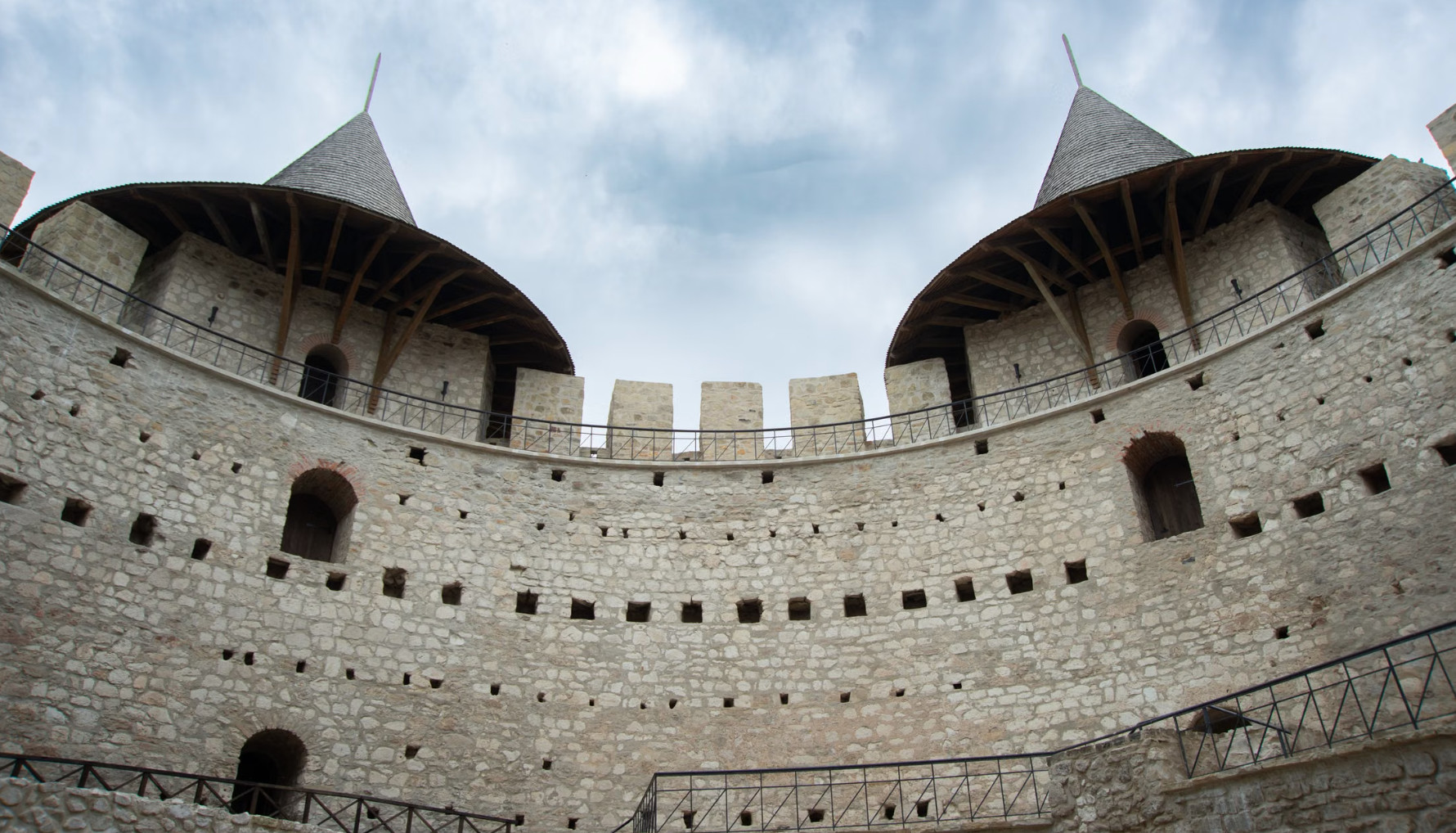
Soroca Fortress is a well-preserved medieval fortress on the banks of the Dniester River in northern Moldova. The circular fortress was built as part of Moldova's defensive system and is one of the country's main historic landmarks.
The nearby town of Soroca is also known for its Roma community and the large houses found on Gypsy Hill. Soroca is around 160 km from Chișinău and takes roughly 2.5–3 hours by car. It works best as a full-day trip or as part of a longer northern route.
Soroca Fortress takes more planning because it’s a long drive from Chișinău, but it’s worth considering if you have extra time and want to see a quieter part of Moldova. You can combine it with a visit to Gypsy Hill for a full day out. If you’re only in the country for a few days, though, the wine regions and Orheiul Vechi are easier to fit into your itinerary.
10. Visit Curchi Monastery and the Codru Region
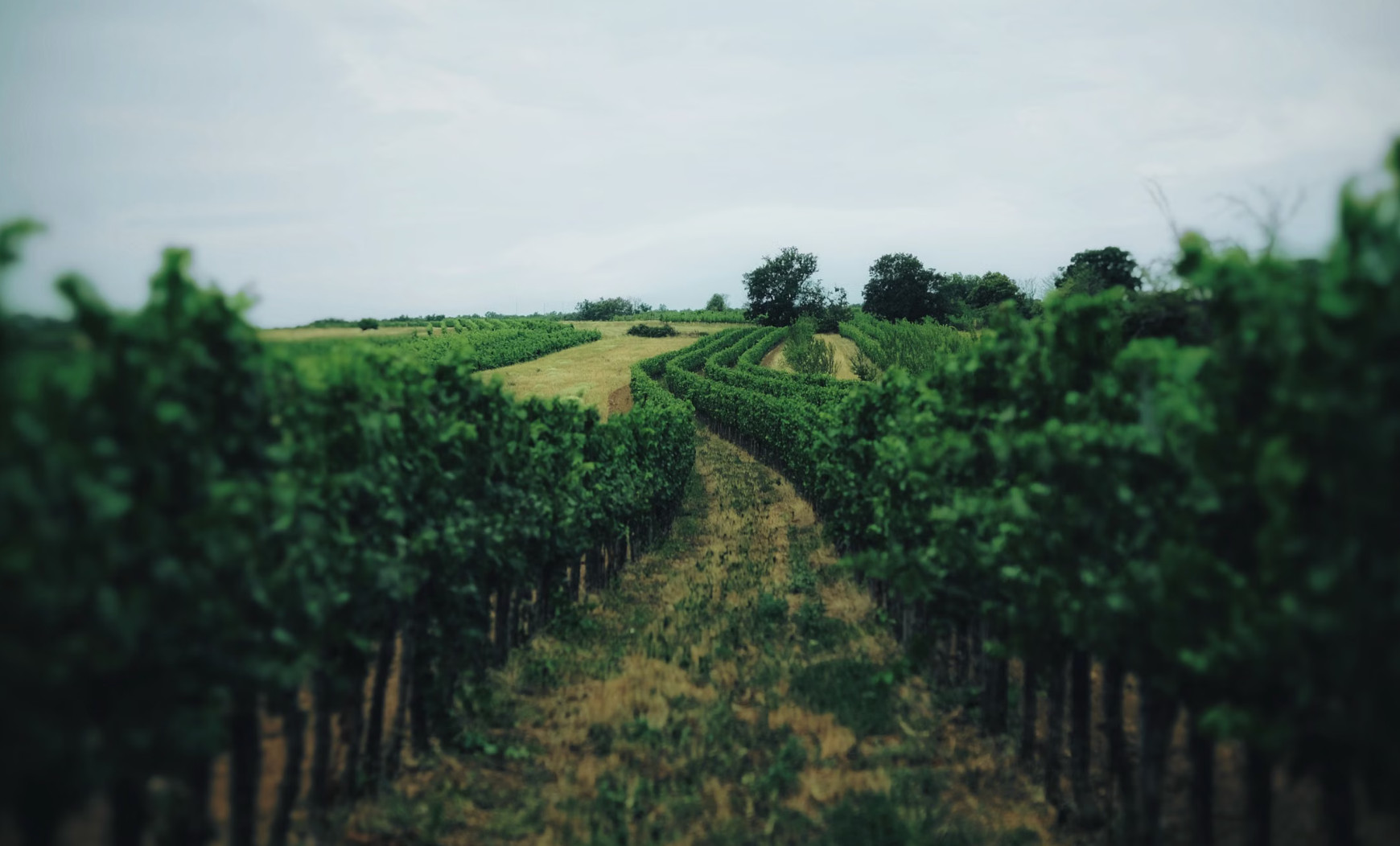
The Codru region is known for its forests, rolling hills and vineyards. It is a quieter part of Moldova and works well for a day outside Chișinău. One of the main attractions is Curchi Monastery, an 18th-century complex surrounded by wooded hills. It is often included in day trips that also visit Orheiul Vechi and nearby wineries.
If you are travelling through Moldova as part of a longer European trip, you can continue into Romania. Chișinău and Iași are connected by road and bus services, making the two destinations relatively easy to combine.
The Codru region is a good choice when you want a quieter day outside Chișinău. Curchi Monastery can also be combined with Orheiul Vechi, making it easier to see both without adding another long journey. If Moldova is part of a wider Europe trip, the connection between Chișinău and Iași also makes it convenient to continue into Romania.
Is Moldova Safe to Visit in 2026?
Moldova is generally considered a low-crime destination, although petty theft can occur in busy markets and transport areas. Central Chișinău is generally easy to walk around during the day.
The main consideration in 2026 is Moldova's proximity to the war in Ukraine and the situation around Transnistria. Check your government's latest travel advisory before your trip and avoid travelling to areas subject to specific warnings.
As with any destination, keep valuables secure, use registered taxis or reputable ride-hailing services, and take extra care when travelling alone at night.
Chișinău is generally easy to get around, but it’s still worth checking your government’s latest travel advice before travelling, particularly because of the situation near Ukraine and Transnistria. Keep the usual precautions in mind and check conditions again if you plan to travel outside the capital.
How to Book Your Moldova Trip with Epic
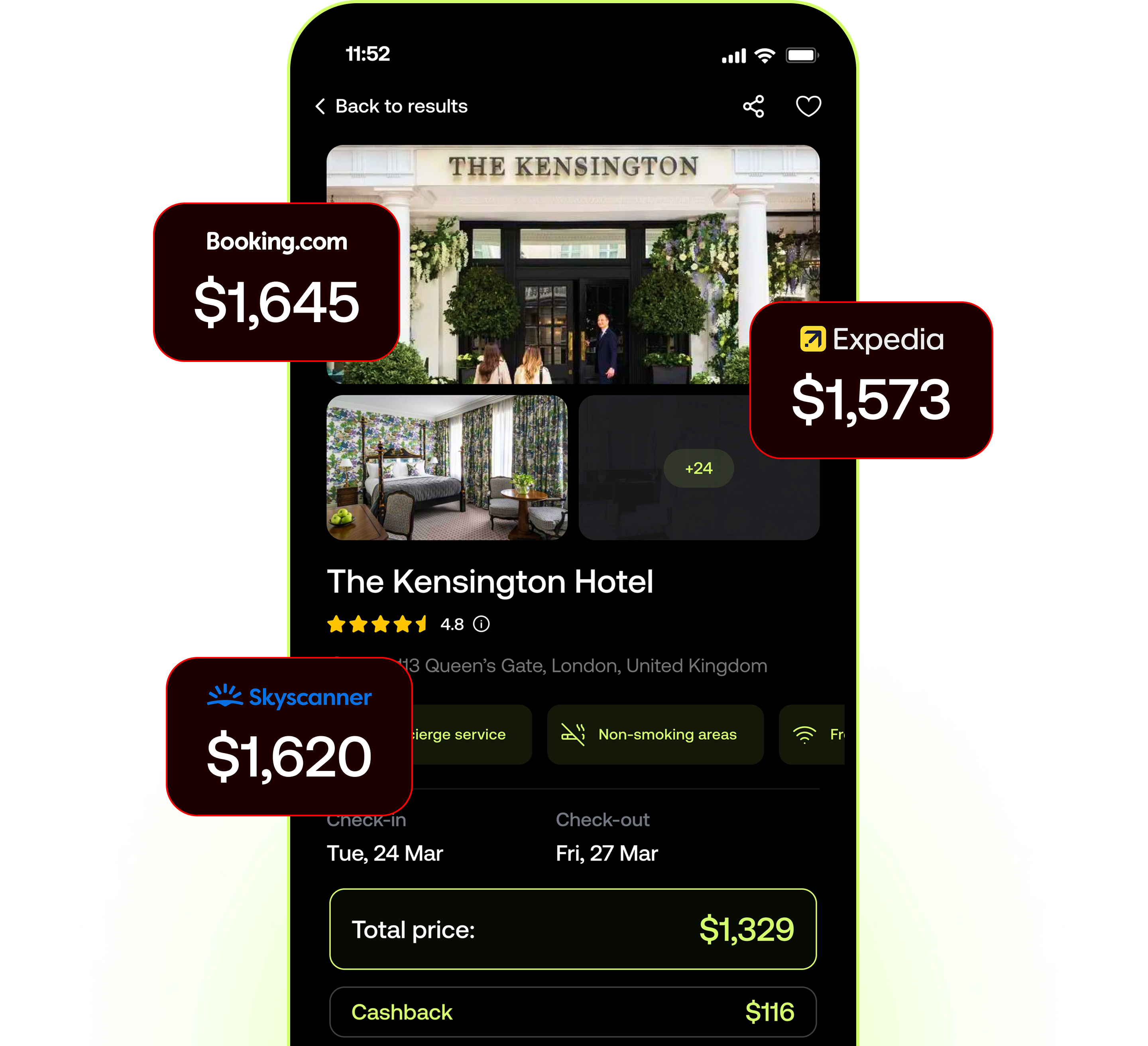
You can book flights and hotels in Moldova through Epic at up to 30% less than Booking.com. Payment options include Visa, Mastercard, Apple Pay, Google Pay and 200+ cryptocurrencies. New users can also get $25 off their first booking.
If you already use cryptocurrency, booking flights and hotels through Epic gives you another way to pay for your trip without first converting your crypto into fiat. You can book at up to 30% less than Booking.com and get $25 off your first booking, which can be useful when you’re already planning your travel costs.
Sources
- Binance Academy — What Is Epic Chain (EPIC)?
- Crypto Reporter — Epic Transitions into the Travel Layer for Crypto, Bringing Real-World Utility to the Web3 Space
- Business Wire — Epic Transitions into the Travel Layer for Crypto, Bringing Real-World Utility to the Web3 Space
- Guinness World Records — Largest wine cellar by number of bottles (Mileștii Mici): https://www.guinnessworldrecords.com/world-records/largest-wine-cellar-by-number-of-bottles
- Wine of Moldova — official National Wine Day 2026 page: https://wineday.wineofmoldova.com/en
.png)

Adrian Baschuk is the chief executive officer of Epic. Adrian has spent two decades in media as a producer, journalist, and founder, and has worked in crypto since 2017. He was a founding partner at Crypto Banter, worked on CNBC's Crypto Trader, and has produced and reported for CNN, Current TV, and Discovery.
His television production credits include Disengagement, South Beach Tow, and Kart Life. He became CEO of Epic in 2025 and leads the company's move into travel, building the first travel layer for crypto.
Based in Miami, Adrian earned a bachelor's degree in international relations from Tufts University.


Frequently Asked Questions


Yes, if you go in with the right expectations. Chișinău is a green, walkable, laid-back capital rather than a blockbuster city; its appeal is Soviet and brutalist architecture, leafy parks, cheap wine bars, and easy access to Moldova's wineries and monasteries. Most travelers leave pleasantly surprised. As one of Europe's least-visited capitals, it feels genuinely uncrowded and authentic.
May to October is the sweet spot. May and September–October are ideal comfortable walking weather, cooler than peak summer, and lined up with the wine harvest. Late September still delivers warm 23–27°C days. Time it for early October and you can catch National Wine Day in Chișinău (October 3–4, 2026), the country's biggest event.
Two to three days is plenty for the city itself, which is the average stay. That covers the cathedral and central parks, the Triumphal Arch, the national museums, a Soviet-architecture walk, and the Central Market. Add a day or two for the best day trips: Mileștii Mici or Cricova wineries, Orheiul Vechi, and Transnistria.
Wine, above all. Moldova is home to the world's two largest underground wine cellars: Mileștii Mici, a Guinness World Record holder with over 1.5 million bottles, and Cricova. It's also known for the breakaway Soviet time-capsule region of Transnistria, ancient cave monasteries at Orheiul Vechi, and for being one of Europe's least-visited, most underrated countries.
Very. Moldova is one of the cheapest countries in Europe. A daily budget of roughly €40–60 covers most independent trips comfortably, and often less. Local food is inexpensive, public transport costs a fraction of Western Europe, and even world-class winery tours are affordable. Bring cash for markets and rural areas, where cards often aren't accepted.
Found a hotel you like? Book it for up to 30% less

Found a hotel you like? Book it for up to 30% less