Content
Top 15 Things to Do in Ubud, Bali (2026 Guide)
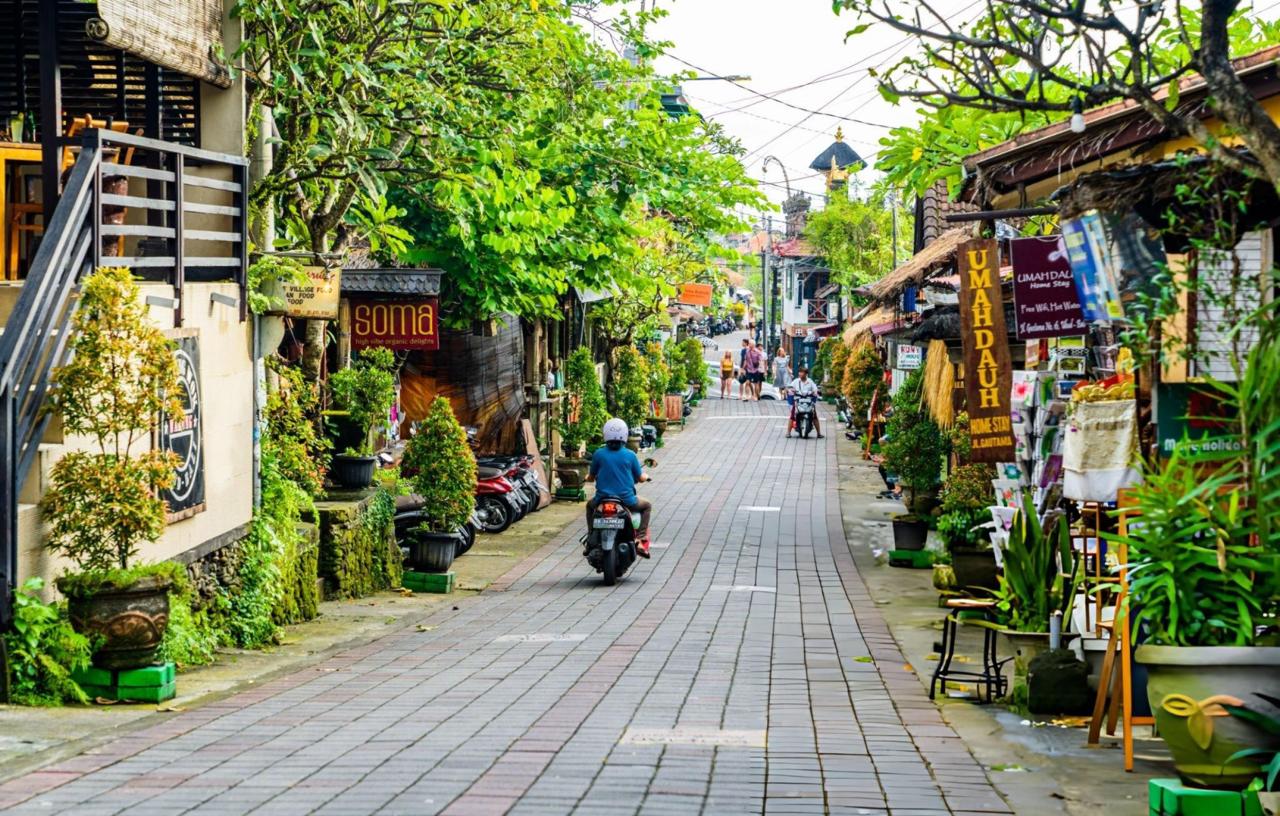

Most travel guides still describe Ubud as a quiet, mystical place where time has stood still. But that picture is outdated. The reality today includes heavy traffic, busy roads, and plenty of commercialized photo spots. If you want to experience Bali’s real cultural heart, you need to know which places still hold genuine spiritual importance, when to visit to avoid the crowds, and how to navigate Ubud’s changing roads and infrastructure.
Ubud sits in the cooler volcanic foothills of Gianyar Regency and is widely considered the cultural center of Bali. Its identity is deeply tied to traditional banjar communities and the centuries-old subak irrigation system, which helps create the lush green landscapes around the town.
According to the Bali Provincial Tourism Office (BPS Bali), Bali receives millions of international visitors every year, and a large share of cultural travelers choose to spend extended time in the Ubud highlands. At the same time, the regional government has introduced an updated foreign tourist levy to help fund cultural preservation projects, making it more important than ever to understand how Ubud’s top attractions actually work on the ground.
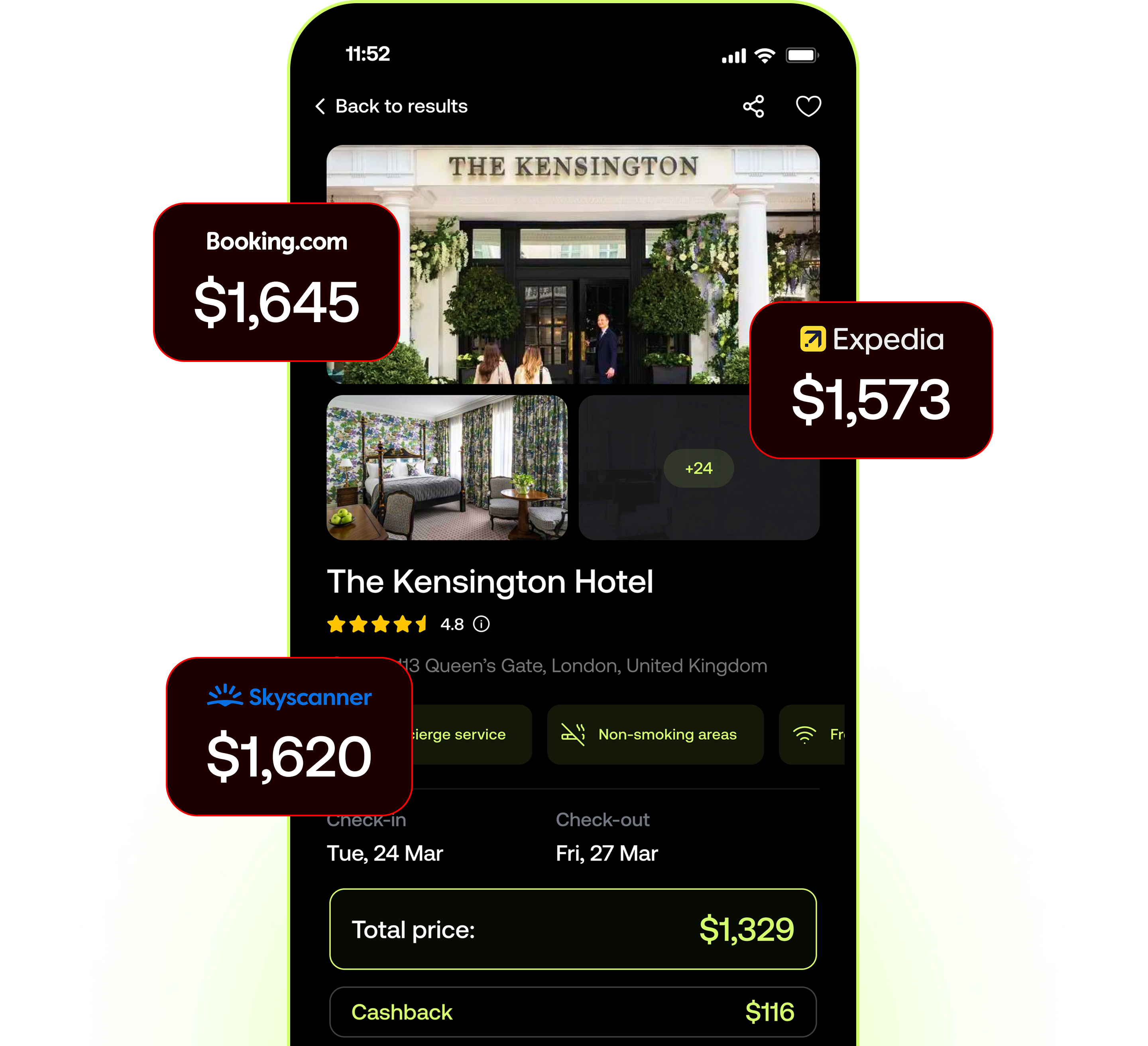
Planning a trip to Bali? Book your flights and hotels through Epic to get rates up to 30% cheaper than Booking.com. You can pay easily with Visa, Mastercard, Apple Pay, Google Pay, or your preferred cryptocurrency, and earn up to 8% cashback. Sign up using your email to claim $25 off your first booking now.
1. Tegalalang Rice Terraces
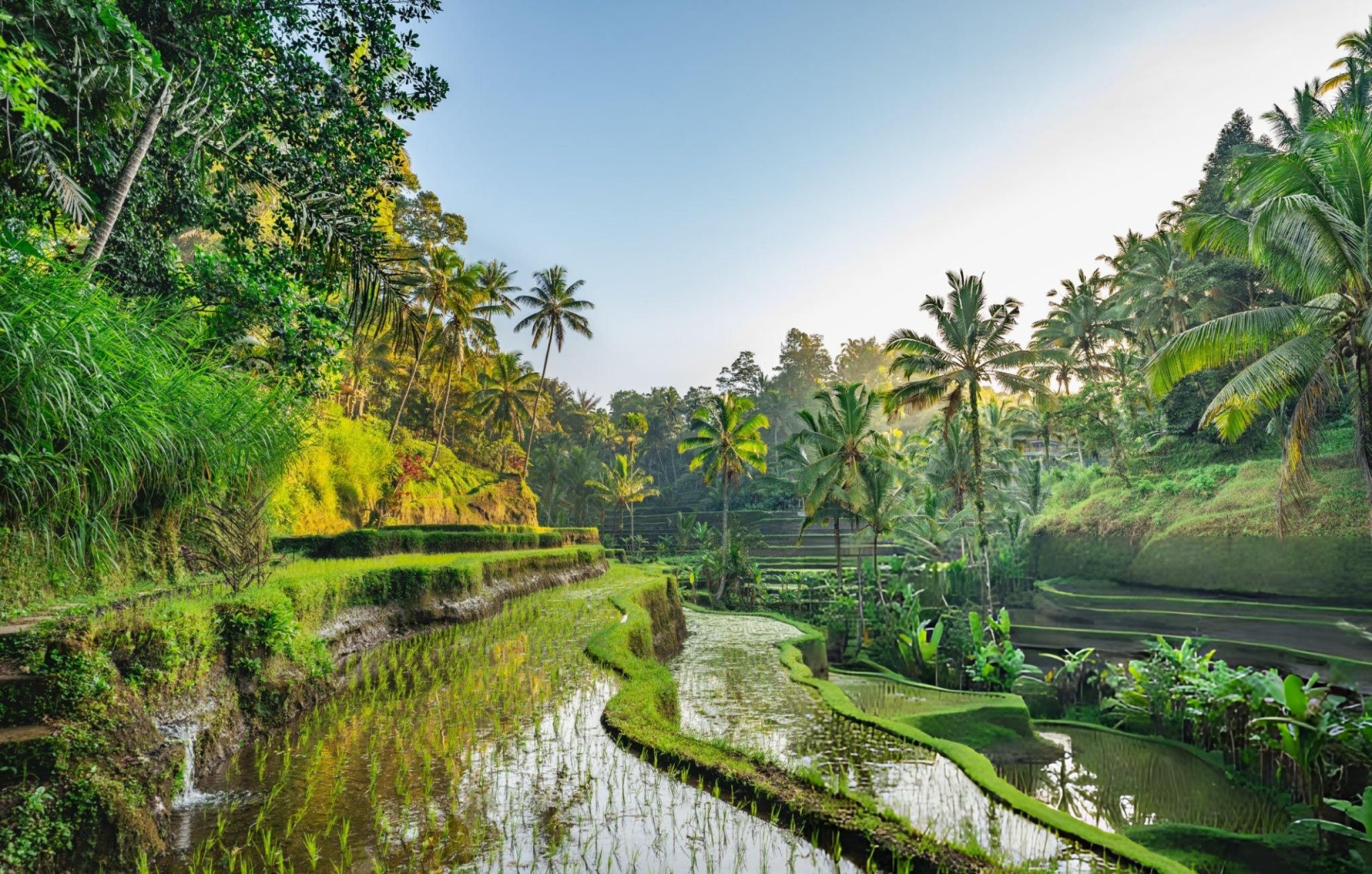
The bright green, stepped valleys of Tegalalang give you a close look at Bali’s traditional subak water management system, a cooperative farming system that has been in use since the 9th century. The terraces are an important part of the UNESCO Cultural Landscape of Bali Province and are both a working agricultural area and an impressive example of landscape engineering.
If you want to see Tegalalang before it turns into a crowded spot full of Instagram swings and photo crowds, you should get there by 6:30 AM. The standard entrance fee is IDR 25,000 (about $1.60 USD), but if you walk deeper into the valley and cross into active rice fields, you may also come across small donation checkpoints run by local farming families.
It’s best to skip the main roadside viewpoints entirely. Instead, walk down into the valley itself and climb up along the northern ridges, where traditional farmers still work in the rice fields, and the area feels much less crowded with tourists.
2. Sacred Monkey Forest Sanctuary

The Sacred Monkey Forest Sanctuary in Padangtegal covers 12.5 hectares of protected jungle and is both an active spiritual site and an important conservation area. The sanctuary is home to a growing population of around 1,260 long-tailed macaques (Macaca fascicularis), which are divided into different social groups across the forest.
The sanctuary is open every day from 9:00 AM to 6:00 PM. Adult tickets cost IDR 80,000 ($5.10 USD) on weekdays and IDR 100,000 ($6.40 USD) on weekends. Inside the forest, you’ll also find three 14th-century temples, which are beautiful examples of classical stone architecture, but the monkeys are the main attraction here.
It’s important to follow strict safety rules during your visit. Do not make direct eye contact with a macaque, do not carry food in your bags, and do not try to touch them. Even if local guides offer to attract a monkey onto your shoulders for a photo, it’s best not to do it.
3. Tirta Empul Water Temple
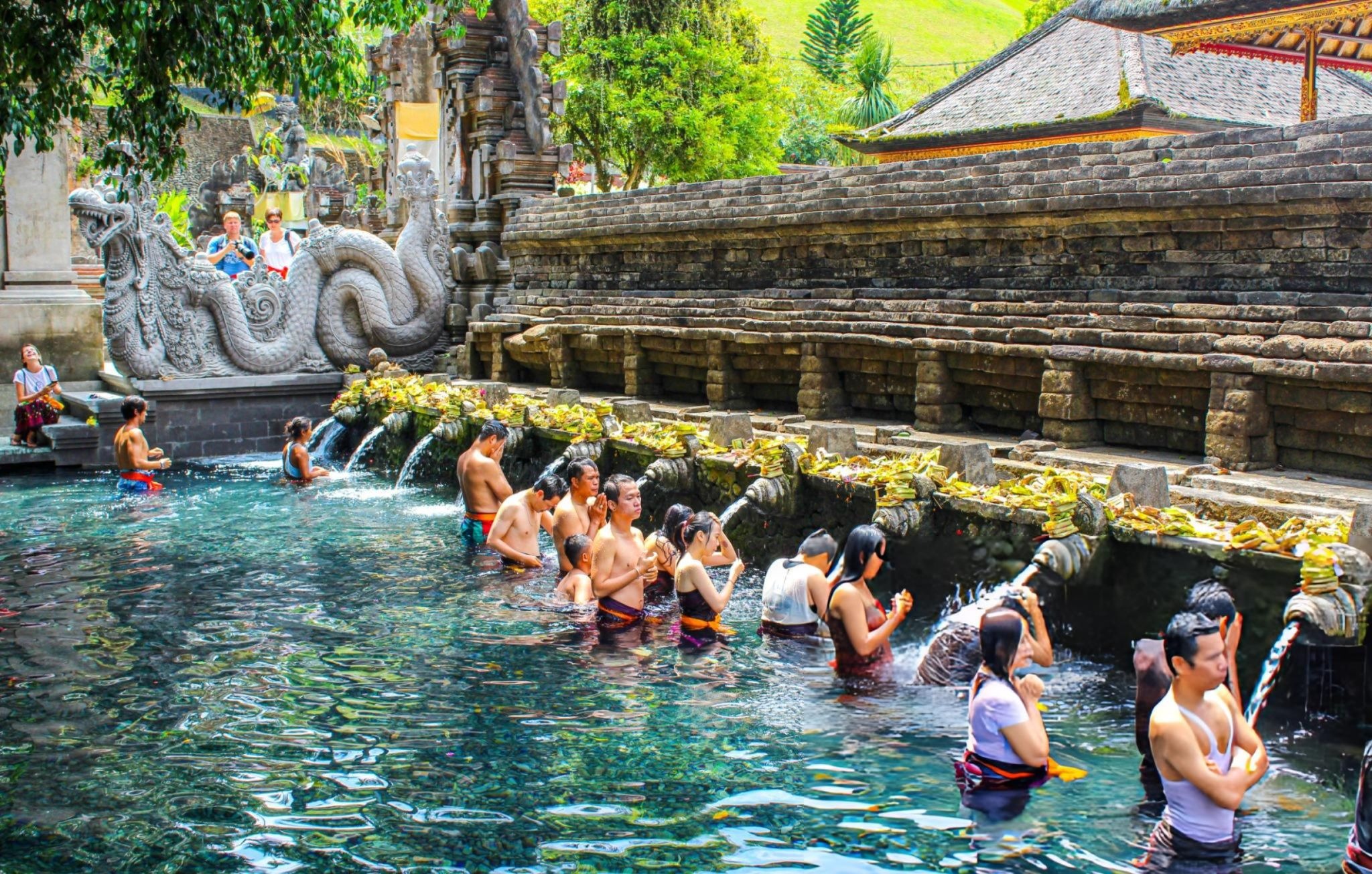
Pura Tirta Empul was founded around 962 AD during the Warmadewa dynasty and is one of Bali’s biggest and most active water temples. It is dedicated to Vishnu. The temple is built around a large stone pool filled by natural, crystal-clear volcanic springs. These sacred waters are protected by the Pura Tirta Empul Temple Authority and are used for melukat, a traditional Balinese purification ritual.
The entrance fee is IDR 50,000 ($3.20 USD), and this includes a traditional sarong, which is required to enter the inner courtyard. If you want to take part in the purification ritual, you’ll need to rent a separate heavy dark-red sarong for a small extra fee. After that, you join the line and move from left to right under the stone water spouts.
One important thing to know is that the first two water spouts are reserved only for funerary cleansing rituals, so casual visitors should skip them.
4. Campuhan Ridge Walk

If you want a break from the heavy scooter traffic and exhaust in central Ubud, the Campuhan Ridge Walk is a good open-air escape. It is a paved scenic trail that runs between the West Wos River and East Wos River. This free 2-kilometer trail follows a high ridge of land and gives wide views of green river valleys and distant countryside villas.
The best time to do this walk is between 5:45 AM and 6:30 AM, right when the sun rises and before the strong midday heat makes the exposed ridge uncomfortable. The trail starts down a hidden driveway beside the historic Gunung Lebah Temple. The walk has a gentle incline and usually takes about 45 to 60 minutes for a round trip. It ends near a small group of hillside organic cafés where you can stop and have fresh coconut water.
5. Ubud Art Market (Pasar Seni Ubud)
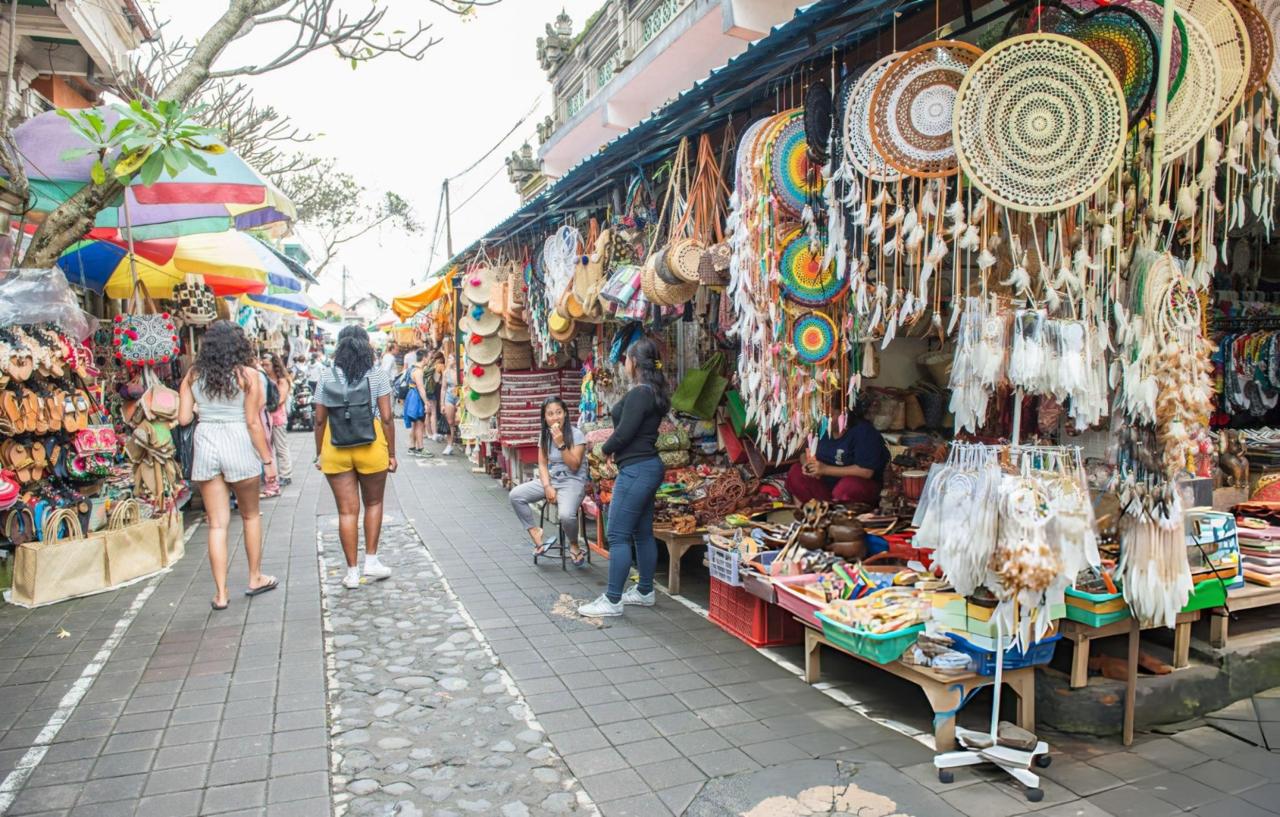
Located right across from the royal palace, the recently renovated Pasar Seni Ubud (Ubud Art Market) is the main commercial hub for traditional handicrafts coming from nearby artisan villages. Inside, vendors sell tightly packed stalls of handmade goods such as woven rattan bags, linen clothing, detailed wood carvings, and traditional shadow puppets.
The market is open every day from 8:00 AM to 6:00 PM. The best time to visit is around 8:30 AM, when it is still quiet, and you can shop more comfortably. This early time also gives you a chance to get the “first sale” of the day, which many local sellers consider good luck.
Bargaining is a normal part of shopping here and is expected. A common approach is to start by offering around 50% to 60% of the seller’s first price, then slowly negotiate until you both agree on a fair middle price.
6. Goa Gajah (Elephant Cave)
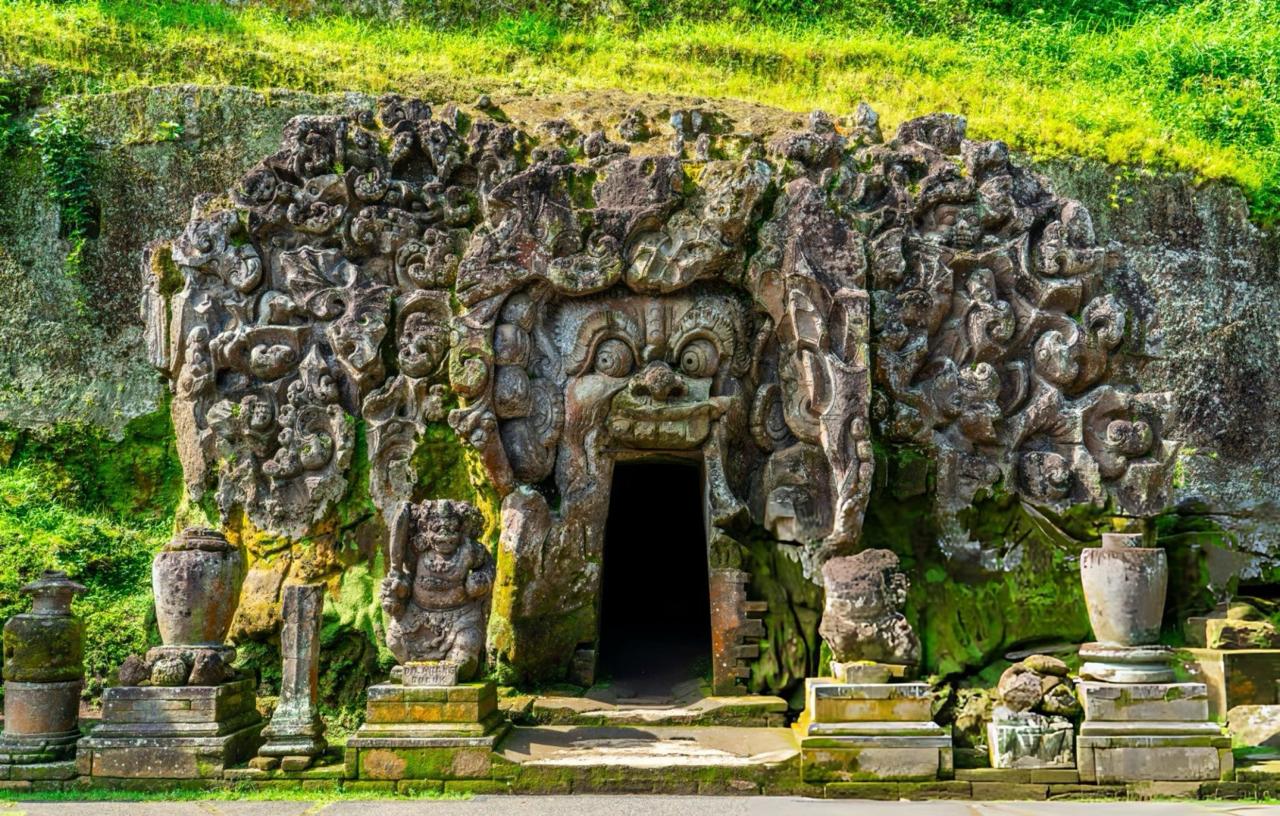
Goa Gajah (Elephant Cave) dates back to the 9th century and is a mysterious archaeological site located less than 5 kilometers from central Ubud. It is known for its dramatic cave entrance, which has a large, intimidating face carved directly into the rock. Early European visitors mistakenly thought it represented an elephant, but it is more likely a depiction of the earth god Bhoma.
The site is open every day from 8:00 AM to 6:00 PM, with an entrance fee of IDR 50,000 ($3.20 USD). Visiting requires walking down a steep set of stone stairs into a cool, shaded ravine.
Inside the T-shaped cave, you’ll see ancient, smoke-darkened niches that contain stone lingams and yonis, along with a large outdoor bathing pool. This pool features seven stone statues of water nymphs, each holding a spout used in devotional rituals.
7. Chase Ubud’s Waterfalls

The deep volcanic ravines around Ubud hide some of Bali’s most impressive waterfalls, and each one offers a different kind of landscape. Instead of traveling across the island, you can easily combine Tegenungan, Tibumana, and Kanto Lampo into one efficient half-day road trip.
Tegenungan Waterfall: This is the most powerful and also the most commercially developed waterfall in the area. It has large viewing platforms, restaurants nearby, and usually a high number of day-trippers.
Tibumana Waterfall: A calm, peaceful waterfall where a single stream drops into a wide, shallow swimming pool. It is surrounded by dense jungle ferns and feels much more relaxed compared to the busier spots.
Kanto Lampo Waterfall: A visually striking, multi-tiered waterfall where water flows over a jagged rock wall. To get the best view, you often need to wade waist-deep into the river.
Here’s a quick summary of the key details:
8. Ubud Palace (Puri Saren Agung)

Located at the junction of Jalan Raya Ubud and Jalan Monkey Forest, Puri Saren Agung (Ubud Palace) is still the official home of the royal family of Ubud. The palace is a great example of classical Balinese palace architecture (catra), with beautifully carved stone courtyards, gold-leaf decorated entrances, and neatly maintained banyan gardens.
The front courtyards are open to the public during the daytime and can be visited for free. This allows you to explore and appreciate the traditional stone carvings at your own pace.
At night, the atmosphere changes completely. The central courtyard becomes an open-air stage where cultural dance performances are held every evening, starting at 7:30 PM.
9. Watch a Traditional Balinese Dance Performance
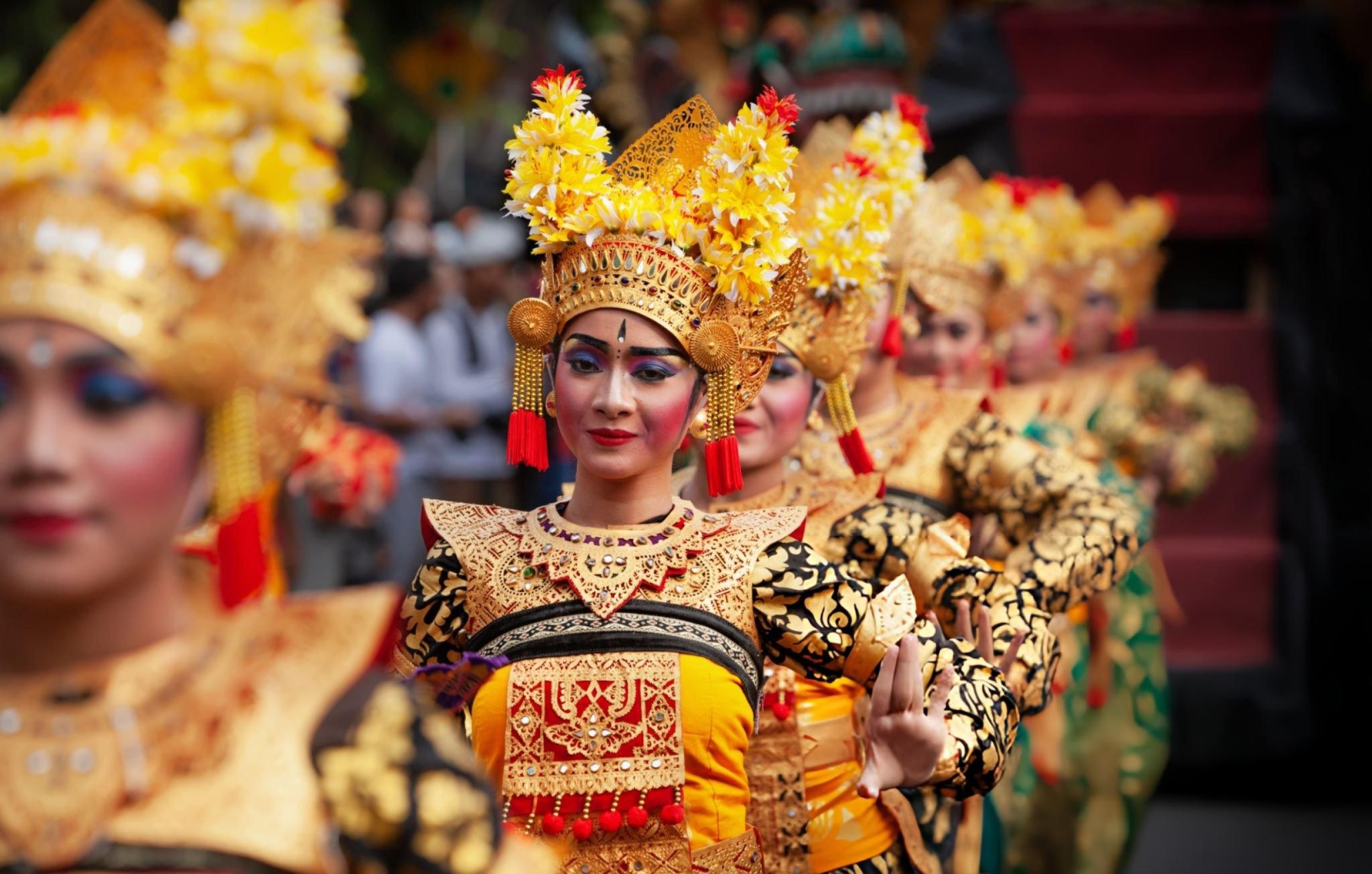
To really understand Balinese storytelling, you should attend one of the evening dance performances held at places like Ubud Palace, Pura Dalem Ubud, or the Saraswati Temple. These shows rotate every night and feature different classical dance styles. One of the most famous is the Kecak fire dance, which includes a rhythmic chorus of around a hundred men using their voices instead of instruments. Another well-known style is the Legong dance, which is known for its precise, graceful, and highly detailed movements.
Tickets usually cost between IDR 100,000 and IDR 150,000 ($6.40 to $9.60 USD). You can buy them directly from official community banjar representatives along the main street in the afternoon.
It’s best to arrive at least 30 minutes before the 7:30 PM start time to get a good seat. Sitting in the front row gives you a clear view of the dancers, especially their expressive eye movements and intricate finger gestures.
10. Take a Balinese Cooking Class
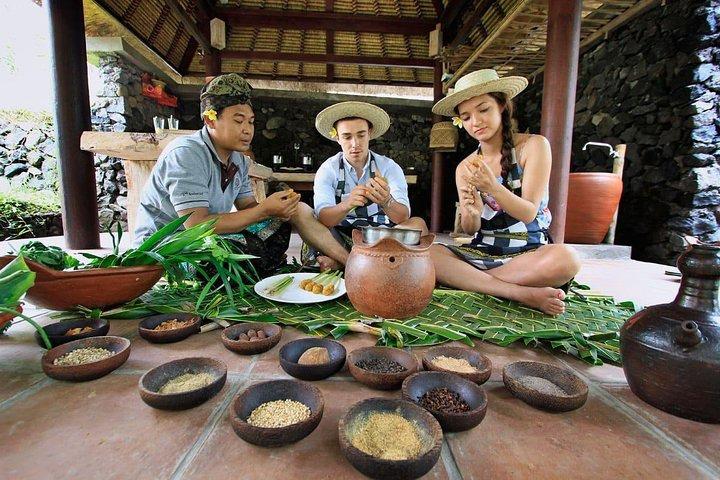
A traditional cooking class is a great way to understand the rich flavors of Balinese food, which is built around a key spice paste called base gede. Most trusted half-day cooking schools are located on family-run organic farms just outside Ubud’s center, and they usually cost between IDR 350,000 and IDR 500,000 ($22.50 to $32.00 USD) per person.
Book your next hotel for up to 30% less
A typical class starts at 7:30 AM with a guided visit to a local morning market, where you pick fresh ingredients like galangal, turmeric, lemongrass, and small bird’s eye chilies. After that, you return to an open-air kitchen and learn how to use a large stone mortar and pestle to grind the spices by hand.
You then finish the experience by cooking your own sate lilit (minced seafood or chicken skewers) and grilling them over charcoal on fragrant lemongrass sticks.
11. Join a Yoga or Wellness Class
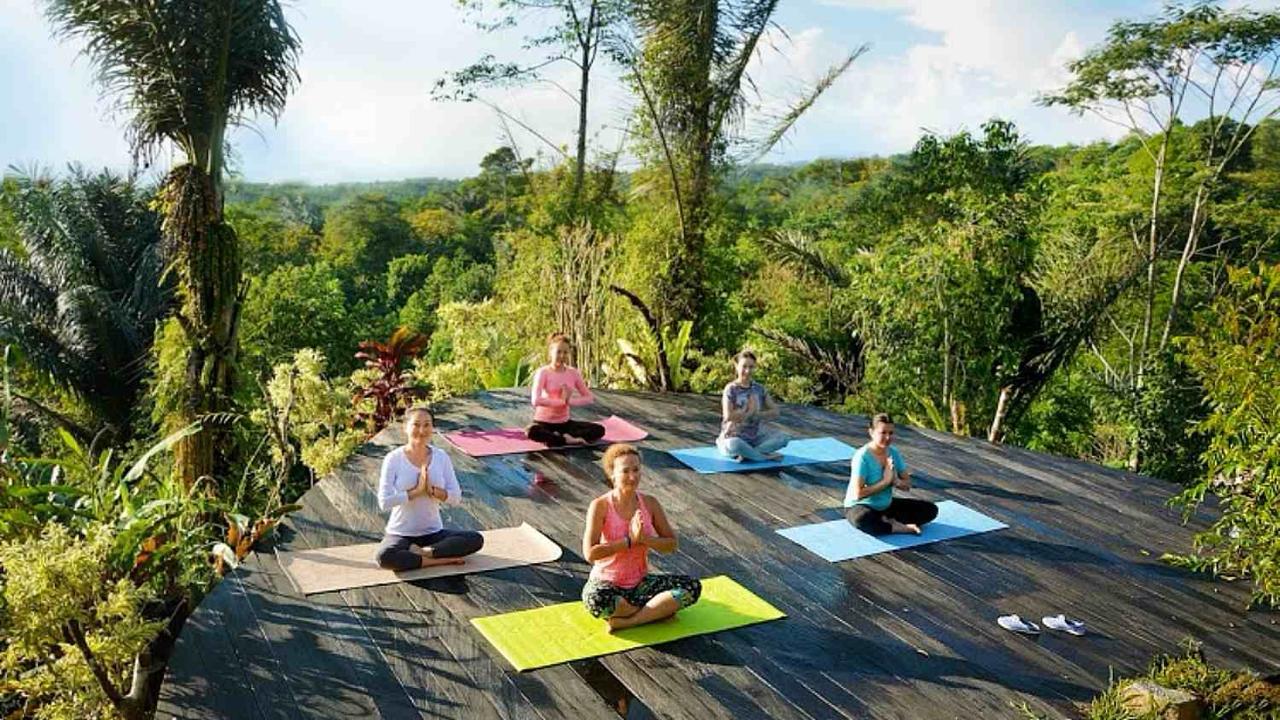
Ubud became a global center for wellness partly because of its long history as a place of traditional medicine. The town’s name comes from the Balinese word “ubad,” meaning medicine. Its international reputation grew strongly after the mid-2000s popularity of Eat Pray Love. Today, well-known places like The Yoga Barn offer large, open-air bamboo studios surrounded by jungle greenery.
Drop-in classes usually cost around IDR 140,000 to IDR 160,000 ($9.00 to $10.25 USD). These sessions include a wide range of options, from energetic Vinyasa yoga flows to relaxing sound healing sessions.
If you want a spot in popular morning classes, it’s best to arrive at least 30 minutes early and check in at the front desk, since mats fill up quickly with international visitors.
12. Get a Traditional Balinese Massage

A Balinese massage is a unique type of therapeutic treatment that blends several techniques, including gentle stretching, skin rolling, acupressure, and smooth flowing strokes. The goal is to release deep muscle tension and improve blood circulation.
In central Ubud, you’ll find local day spas on almost every side street offering these treatments. A standard 60-minute full-body massage can start as low as IDR 100,000 to IDR 150,000 ($6.40 to $9.60 USD).
For a more traditional experience, you can also request a boreh treatment, which is a warm healing spice wrap made from ingredients like ginger, cloves, and nutmeg. It is designed to warm the body and ease joint pain. Another option is a lulur body scrub, a turmeric-based ritual that was historically used by Javanese royalty before wedding ceremonies.
13. White Water Rafting on the Ayung River
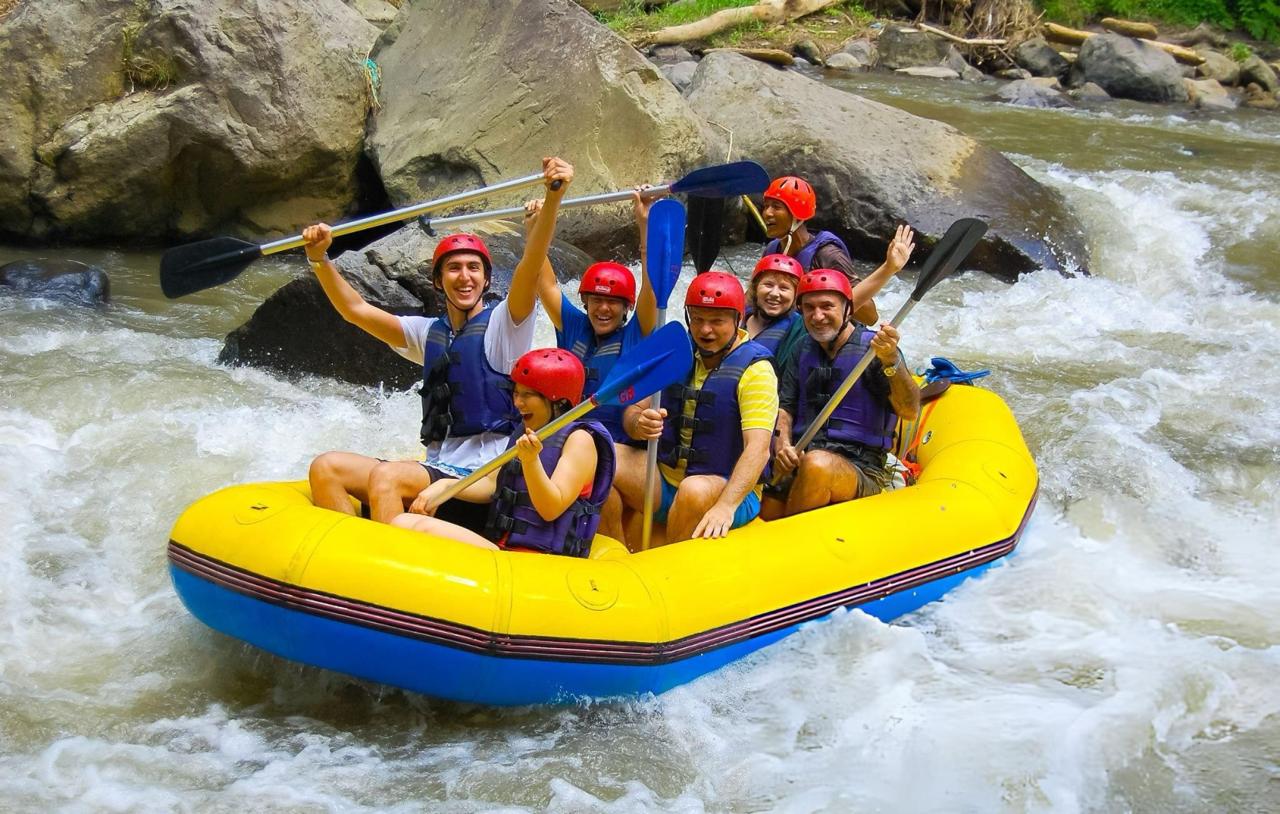
If you want an adrenaline rush, white water rafting on the Ayung River is a great option. The route covers a dramatic 12-kilometer stretch through deep jungle gorges and steep stone cliffs, some of which are carved with mythological reliefs. The river is rated Class II to III, which makes it suitable for beginners and families, while still offering fun drops and exciting sections.
Full-day packages with trusted, safety-certified operators usually cost between IDR 400,000 and IDR 600,000 ($25.50 to $38.50 USD). These packages include all safety gear, professional river guides, and a buffet lunch.
Be ready for a physically demanding finish to the trip. After rafting, you’ll need to climb more than 500 steep concrete steps to get out of the river gorge and reach the transport vehicles.
14. Hike Mount Batur for Sunrise
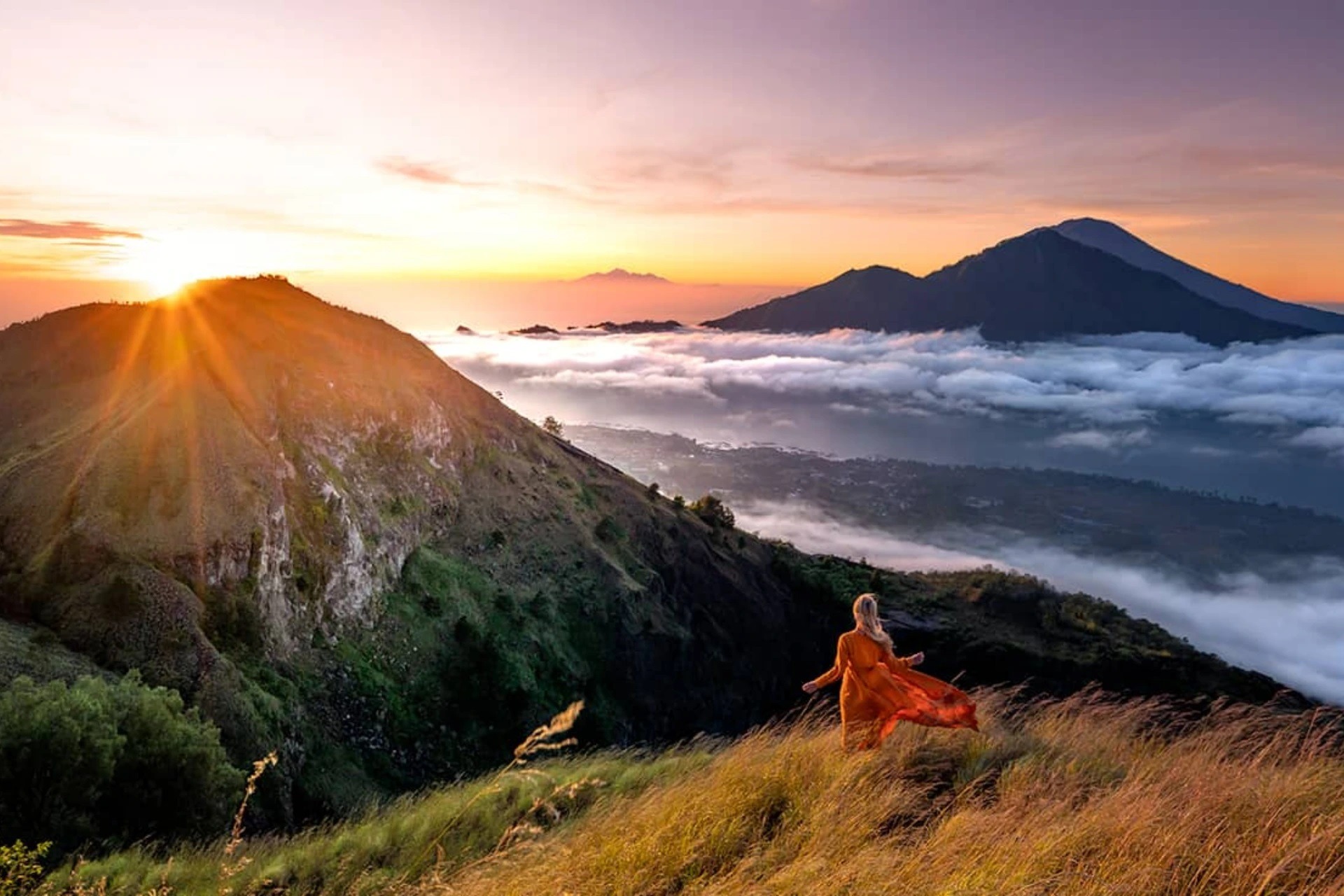
Although it is just north of the Ubud regional border in the Kintamani district, the sunrise hike up Mount Batur is an essential part of any active Ubud itinerary. This active stratovolcano rises to 1,717 meters above sea level and overlooks a huge volcanic caldera. From the top, you can see Lake Batur and, in the distance, the peak of Mount Agung.
The experience usually starts very early, with a mandatory pickup from your Ubud hotel at around 2:15 AM to reach the trailhead by 3:30 AM. The climb takes about two hours, done in the dark using a headlamp, and follows loose volcanic ash and gravel paths. All hikers must be accompanied by a local guide from the Association of Mount Batur Trekking Guides.
It’s important to bring a windbreaker and warm clothing, as temperatures at the summit can drop below 10°C (50°F) before sunrise, even in tropical Bali.
15. Try Balinese Coffee
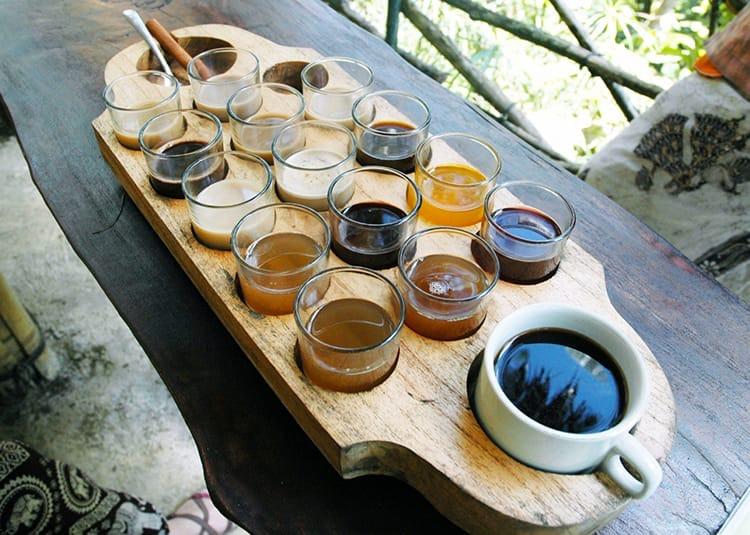
The high, fertile volcanic plateaus of the Kintamani region create an ideal climate for growing quality Arabica and Robusta coffee beans. A traditional Balinese coffee experience (kopi Bali) is usually served unfiltered, hot, and sweet, with fine coffee grounds settling at the bottom of the cup.
When visiting local coffee plantations, you will often come across Kopi Luwak, a coffee made from beans that have been eaten and then passed through the digestive system of Asian palm civets. However, it’s important to be very careful about ethics here. While wild-sourced civet coffee does exist, high demand has led many roadside attractions to keep civets in small, cramped cages.
Because of this, it’s best to avoid these exploitative setups completely. Instead, choose independent specialty roasters in central Ubud that source organic beans directly from fair-trade farming cooperatives in Kintamani.
Ready to plan a trip to Ubud? Book it for less.
If you’re ready to plan your trip to Ubud, you can book it for less and let someone else handle the booking part for you. Through Epic, you can save up to 30% compared to Booking.com on luxury jungle resorts and boutique villas in Ubud. You’ll also earn 8% crypto cashback paid directly in XRP on every flight and hotel booking. Payment is flexible too, with options including Visa, Mastercard, Apple Pay, Google Pay, and 200+ cryptocurrencies. If you’re planning your Ubud stay, it’s an easy way to save while keeping your payment options open. Moreover, you get $25 off your trip once you sign up now.
FAQs
1. Is Ubud, Bali, worth visiting?
Yes, Ubud is absolutely worth visiting if you want to explore Bali’s traditional arts, historic temple architecture, and rainforest landscapes. However, travelers seeking pristine white-sand beaches should look elsewhere, as Ubud is located in the inland volcanic highlands and focuses heavily on cultural heritage, wellness tourism, and outdoor adventures.
2. How many days do you need in Ubud?
To properly explore the region without rushing, plan for three to four days. This window gives you enough time to visit core cultural sites like Tirta Empul and the Monkey Forest, embark on an early morning trek up Mount Batur, and still leaves open afternoons for spa treatments, cooking classes, and exploring the surrounding waterfalls.
3. What is the best time of year to visit Ubud?
The best time to visit Ubud is during the dry season, which runs from April to October. July and August offer the coolest, clearest weather for hiking and outdoor sightseeing, though these peak months bring the highest crowds and accommodation prices. The shoulder months of May and September offer the ideal balance of sunny days and fewer tourists.
4. Where should you stay in Ubud (town center vs. rice-field/jungle edge)?
If you want immediate, walkable access to restaurants, markets, and evening dance performances, choose a boutique hotel in the town center near Jalan Monkey Forest. If you prefer peaceful views and clean air, book a luxury resort or private villa along the jungle ridges of Sayan or the rice-field edges of Tegalalang, making use of hotel shuttle vans to get into town.
5. How do you get around Ubud?
The most flexible option for confident riders is renting a scooter, which costs roughly IDR 80,000 to IDR 120,000 ($5.10 to $7.70 USD) per day. For longer day trips to waterfalls and temples, hiring a private driver for a flat daily rate of IDR 500,000 to IDR 700,000 ($32.00 to $45.00 USD) is much safer and more comfortable. Ride-hailing apps like Grab and Gojek are widely available, though local community taxi zones restrict them from picking up passengers in specific central drop-off locations.

Mithra Ghosh is a Dubai-based content writer and SEO copywriter with 2+ years of experience crafting search-optimised content across crypto, Web3, and digital finance. She combines strong editorial instincts with a deep understanding of blockchain ecosystems and on-chain trends.
At Epic, she writes about the growing world of crypto-native travel helping readers understand how holding and spending digital assets can unlock smarter, cheaper ways to see the world.
Found a destination you like? Book it for up to 30% less.

Found a destination you like? Book it for up to 30% less.