Content
Top 12 Best Things to Do in Tallinn, Estonia (2026 Guide)
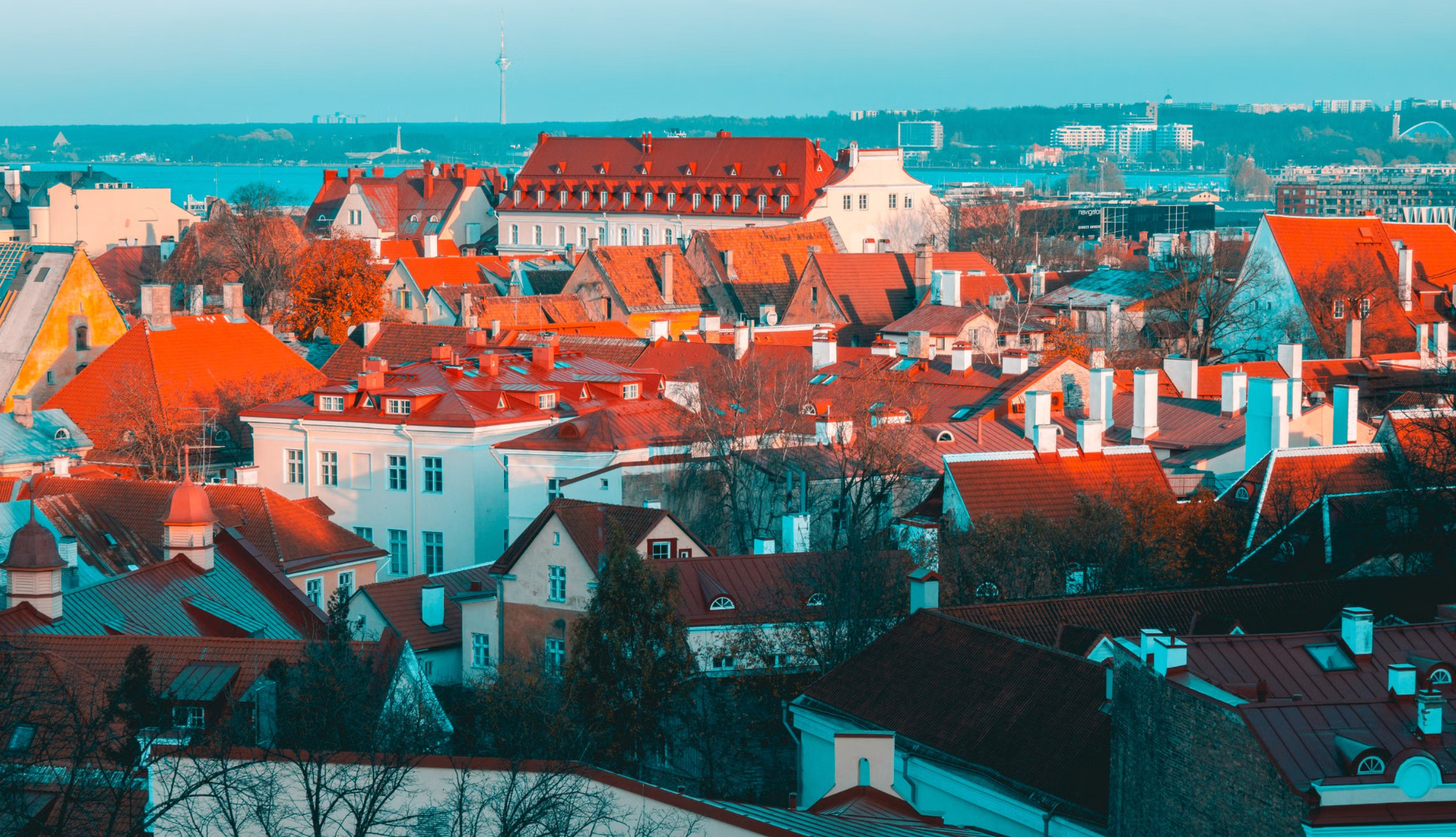


The best things to do in Tallinn include exploring the UNESCO-listed Old Town, visiting historic churches and viewpoints, and discovering the city's modern seafront and creative districts. Tallinn combines medieval architecture with a growing food and cultural scene.
This guide covers 12 of the best things to do in Tallinn in 2026. Whether you are visiting for a weekend, taking a Baltic road trip or arriving by ferry from Helsinki, this guide will help you plan your trip.
Book your flights and hotels through Epic at up to 30% less than Booking.com, with payment options including Visa, Mastercard, Apple Pay, Google Pay, and 200+ cryptocurrencies. New users can claim $25 off their first booking.
Key Takeaways
- Tallinn's UNESCO-listed Old Town is the heart of any visit, and most of its cobbled streets, squares, and viewpoints cost nothing to explore.
- 2026 gives returning visitors fresh reasons to come back: Noblessner's seafront promenade is now complete, the Vabamu occupation museum has been refreshed, and the new PoCo pop-art museum has joined the Tallinn Card.
- Summer brings long days and warm weather, while December delivers one of Europe's prettiest Christmas markets, open from 20 November 2026 to 6 January 2027.
- Two to three days suit most travellers; one focused day covers the Old Town, which matters if you are arriving by ferry from Helsinki.
Why Visit Tallinn in 2026?
Tallinn is easy to explore in a short trip. Its medieval Old Town, Soviet-era history, creative districts and waterfront attractions are all within a relatively small area, making it suitable for a day trip or a two- to three-day stay.
Summer brings long daylight hours, while December is popular for the Christmas market. If you are planning a wider European trip, July and August are good months to visit Tallinn and other northern European destinations.
Here are the 12 best things to do in Tallinn in 2026:
1. Wander the Old Town
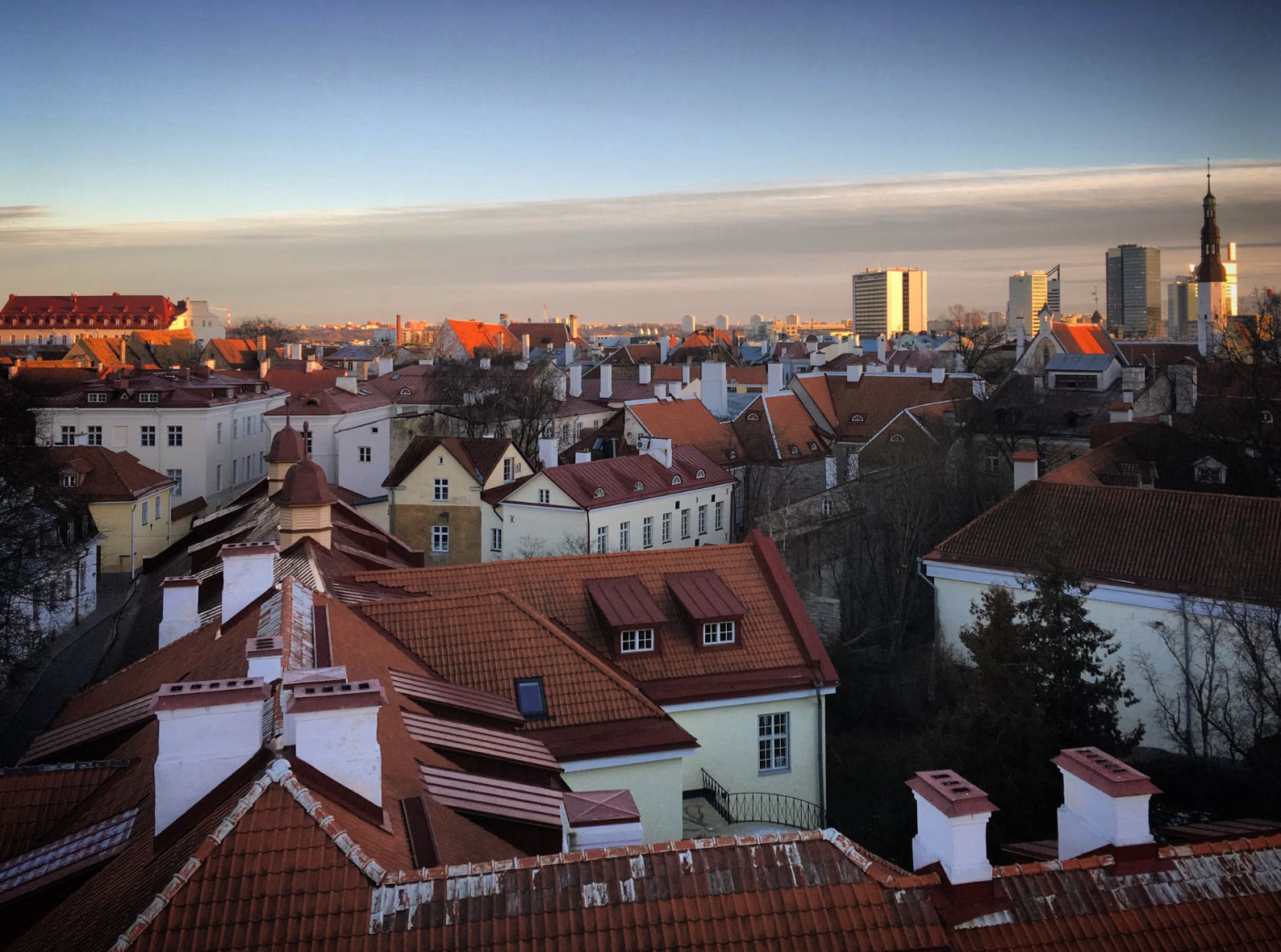
Tallinn’s Old Town is the starting point for most visits. A UNESCO World Heritage Site since 1997, it is known for its well-preserved medieval streets, merchant houses, and historic squares. Start at Town Hall Square and visit Raeapteek, one of Europe’s oldest pharmacies, dating back to 1422. Most of the Old Town is free to explore.
2. Take in the Views From Toompea Hill
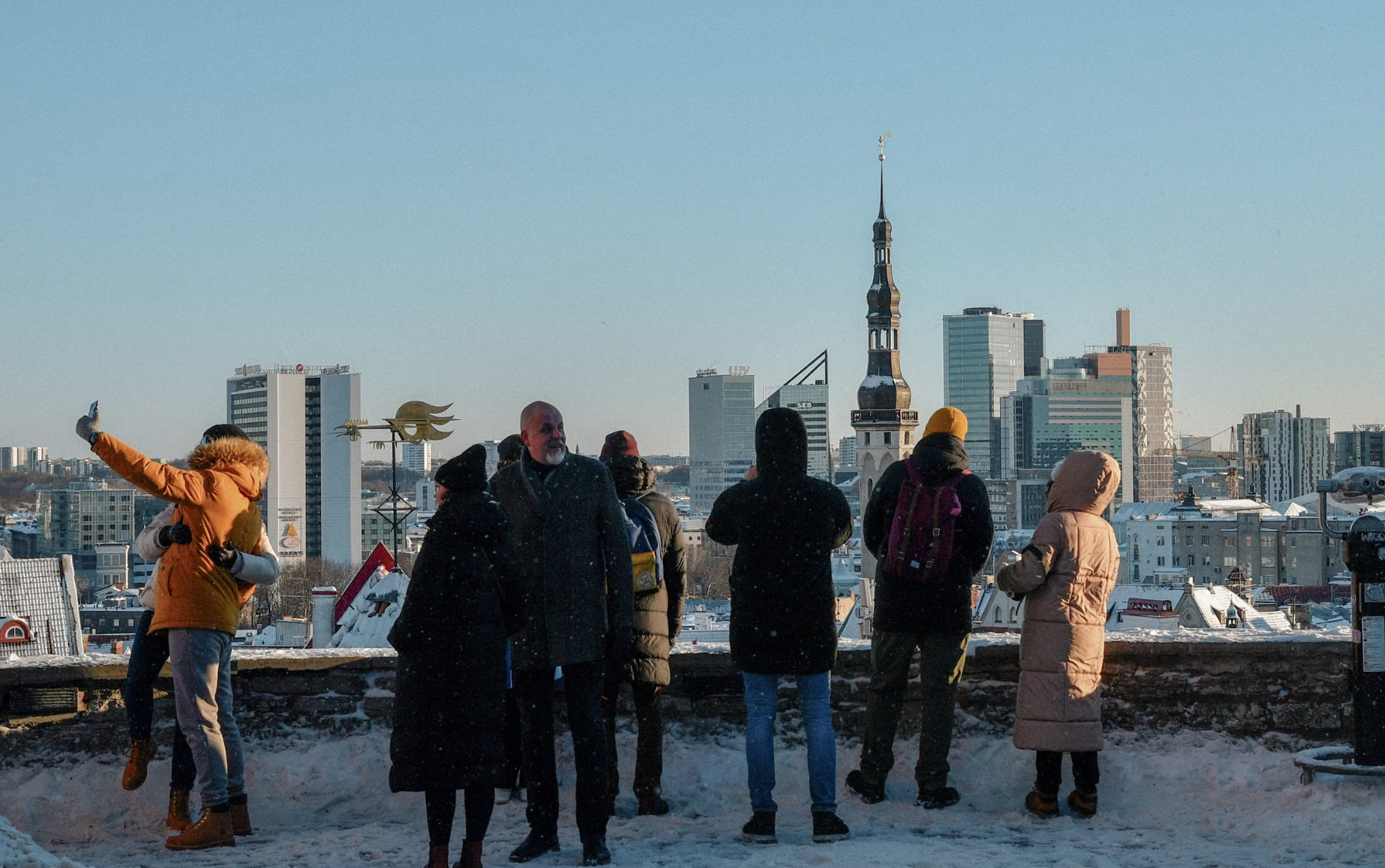
The upper town sits on a limestone ridge above the rest of the Old Town, and its two free viewing platforms deliver the postcard shots of Tallinn's rooftops. The Kohtuotsa and Patkuli platforms are open around the clock and cost nothing.
While you are up here, step inside the ornate, onion-domed Alexander Nevsky Cathedral, which is free to enter, and pass Toompea Castle, now the seat of the Estonian parliament.
3. Climb the Tower of St. Olaf's Church
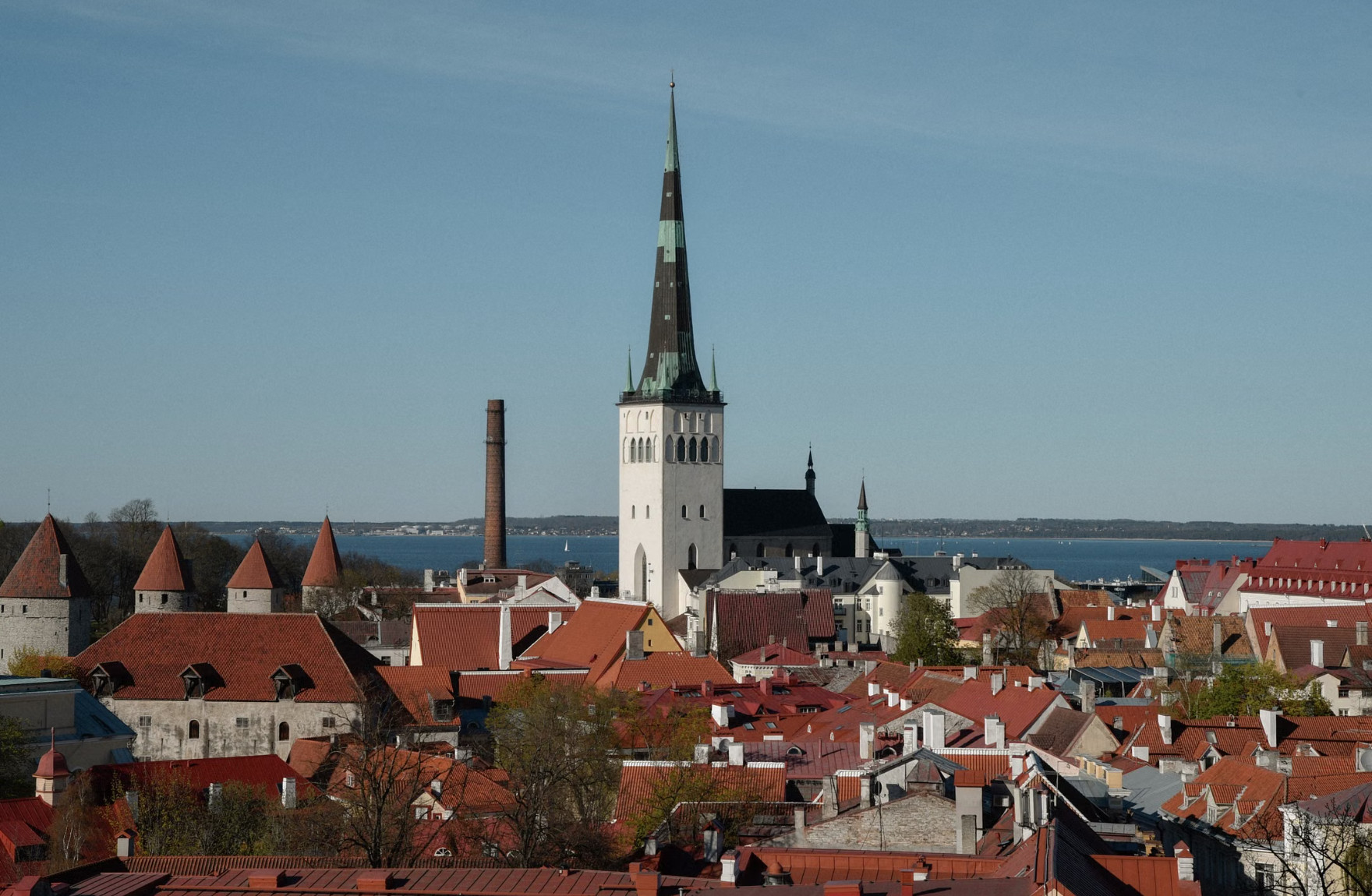
For the highest vantage point in the Old Town, climb the 232 steps up St. Olaf's Church tower to a viewing platform some 60 metres above the Lower Town. Once, in the fifteenth century, this was among the tallest buildings in the world.
The tower opens seasonally, from 1 April to 31 October, and entry costs around 5 euros. Do note that the church interior has been undergoing restoration, so check its current status before you go.
4. Step Aboard History at the Seaplane Harbour
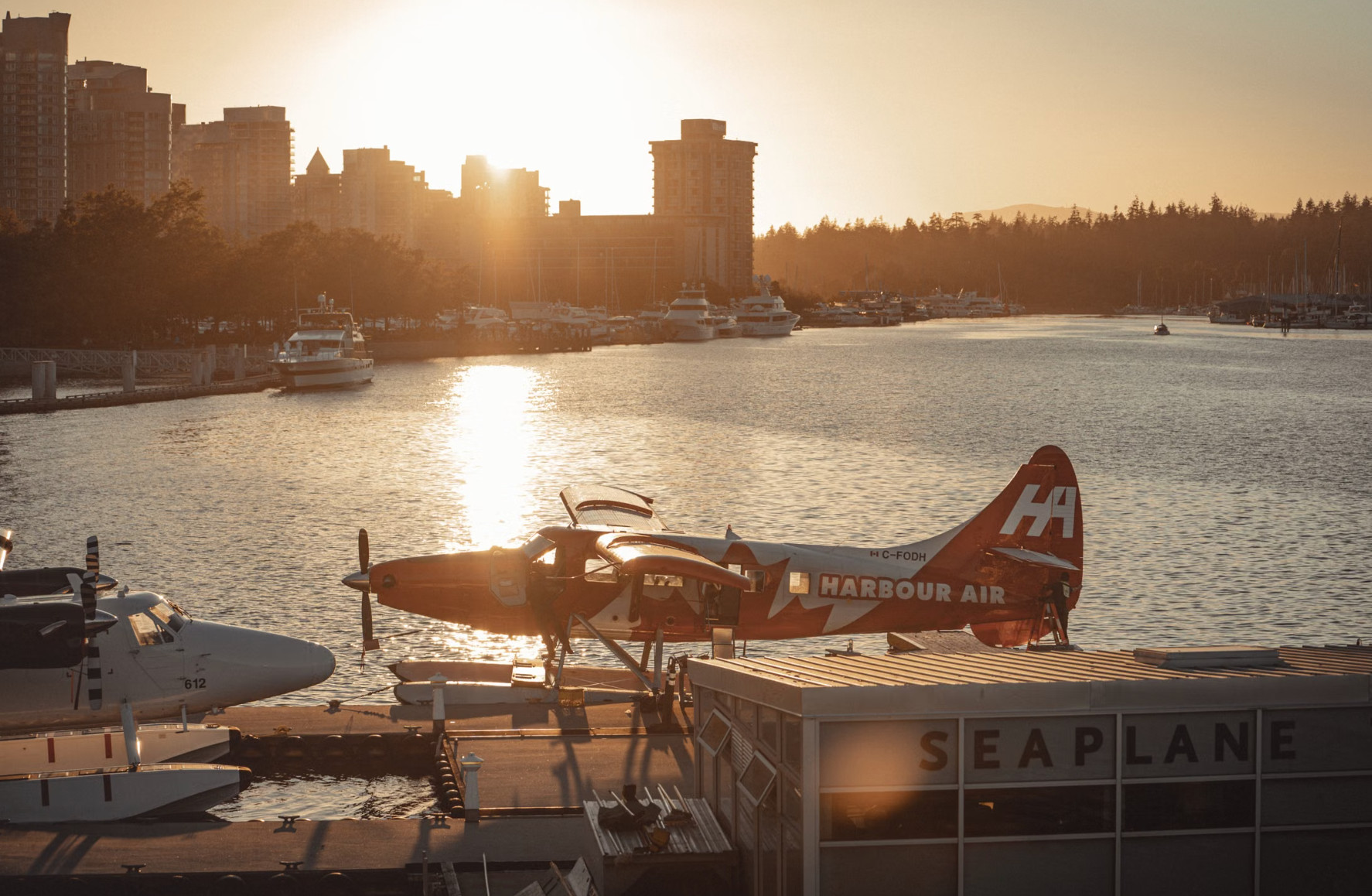
Housed in vast 1910s seaplane hangars, the Lennusadam Seaplane Harbour is widely rated as Tallinn's best museum. Inside you can walk through a real submarine, board historic vessels, and explore hands-on maritime exhibits that suit families as much as history buffs. Entry is around 18 euros, and it is included with the Tallinn Card.
5. Discover the Reborn Noblessner Seafront
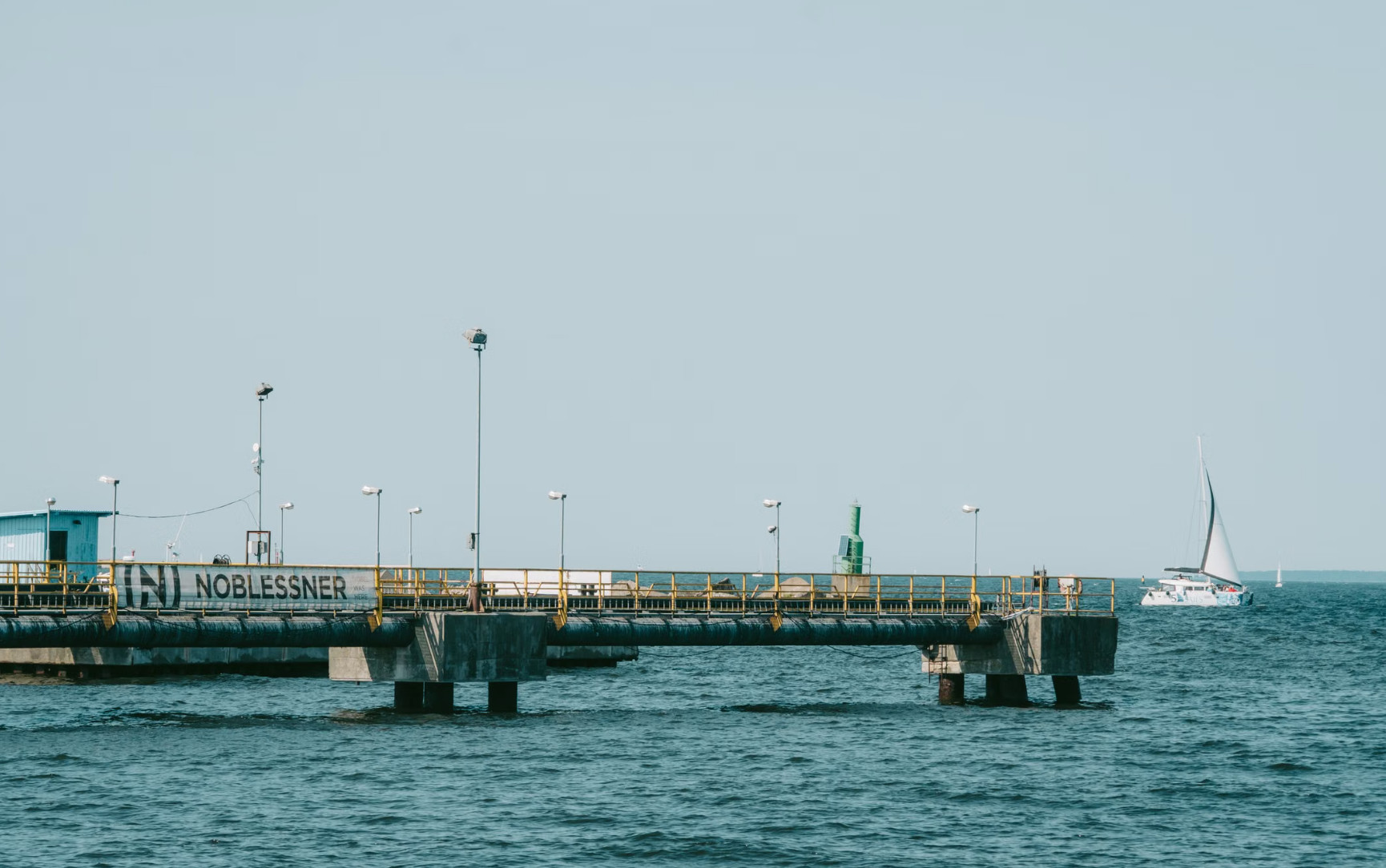
Noblessner is a former submarine factory turned waterfront district with cafes, restaurants, and a seafront promenade. The walk from the Old City Harbour takes around 20–25 minutes. For a traditional Estonian experience, visit Iglupark for its sea-view saunas.
6. Explore Kalamaja and Telliskivi Creative City
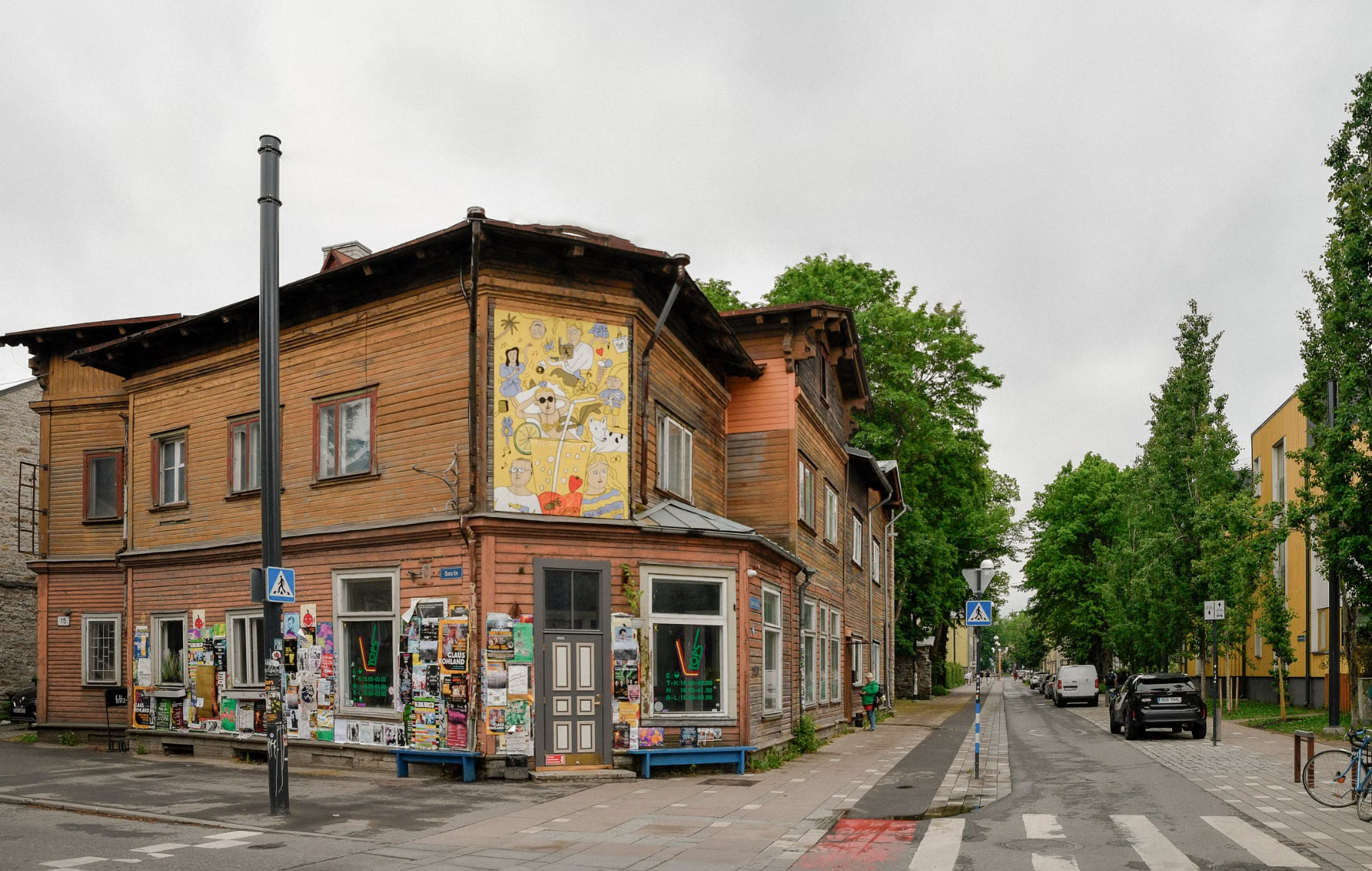
Kalamaja is a bohemian district known for its colourful wooden houses and creative spaces. Visit Telliskivi Creative City for street art, galleries, and design shops, then explore Balti Jaama Turg for local food and vintage finds. Fotografiska is another highlight for photography fans.
7. Stroll Kadriorg Park and Visit Kumu
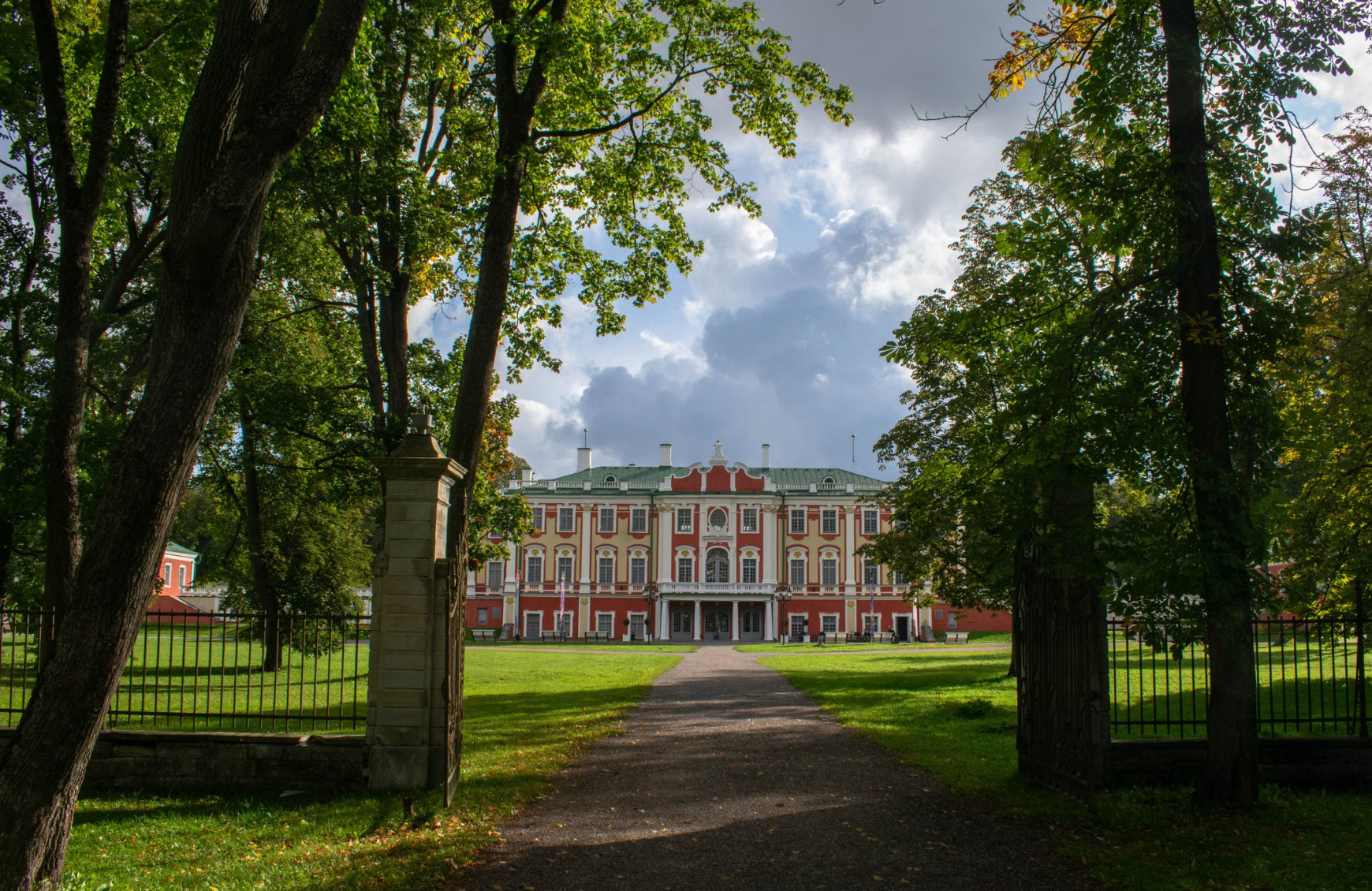
A short tram ride from the centre, Kadriorg Park surrounds a baroque palace built for Peter the Great, and it is a lovely place to slow down. Within the park sits Kumu, Estonia's flagship art museum, whose temporary exhibitions rank among the strongest in Northern Europe. Entry to Kumu is around 12 euros, and tram 1 takes you straight there.
8. Reckon With Recent History at Vabamu
The Vabamu Museum of Occupations and Freedom covers Estonia’s history under Nazi and Soviet rule and its return to independence. The exhibition was updated in 2025, with the 2026 display placing more focus on Estonia’s freedom and security today. Entry costs around €8.
9. Go Behind the Iron Curtain at the KGB Museum
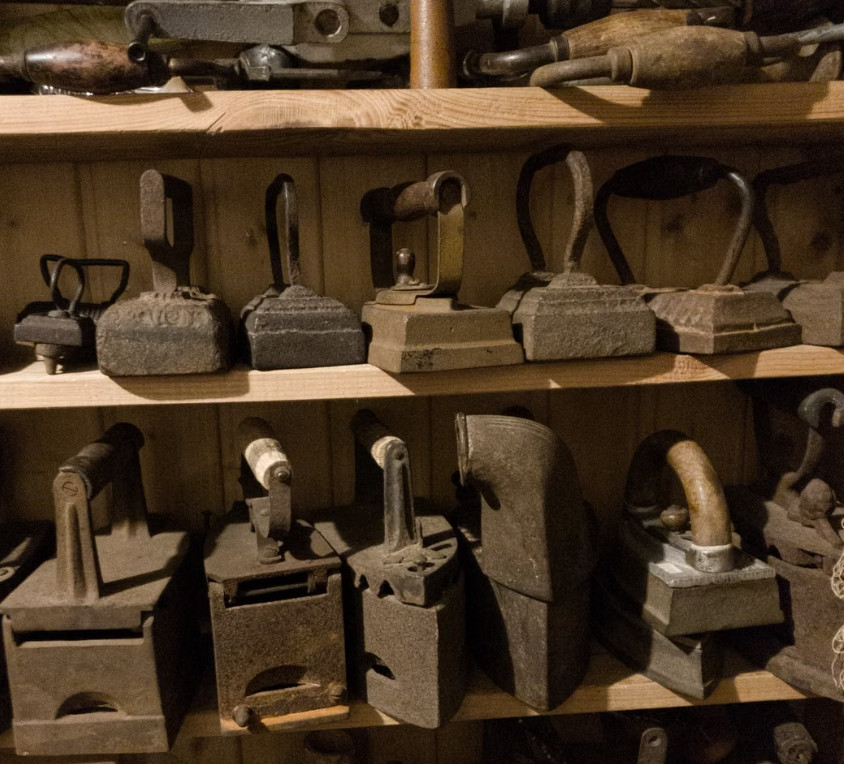
The KGB Museum on the top floor of Hotel Viru preserves a former Soviet listening post used to monitor foreign guests during Estonia’s occupation. Guided tours show the original surveillance equipment and explain how the KGB operated. Tours are held in small groups, so booking ahead is recommended.
10. Travel Back in Time at the Estonian Open Air Museum
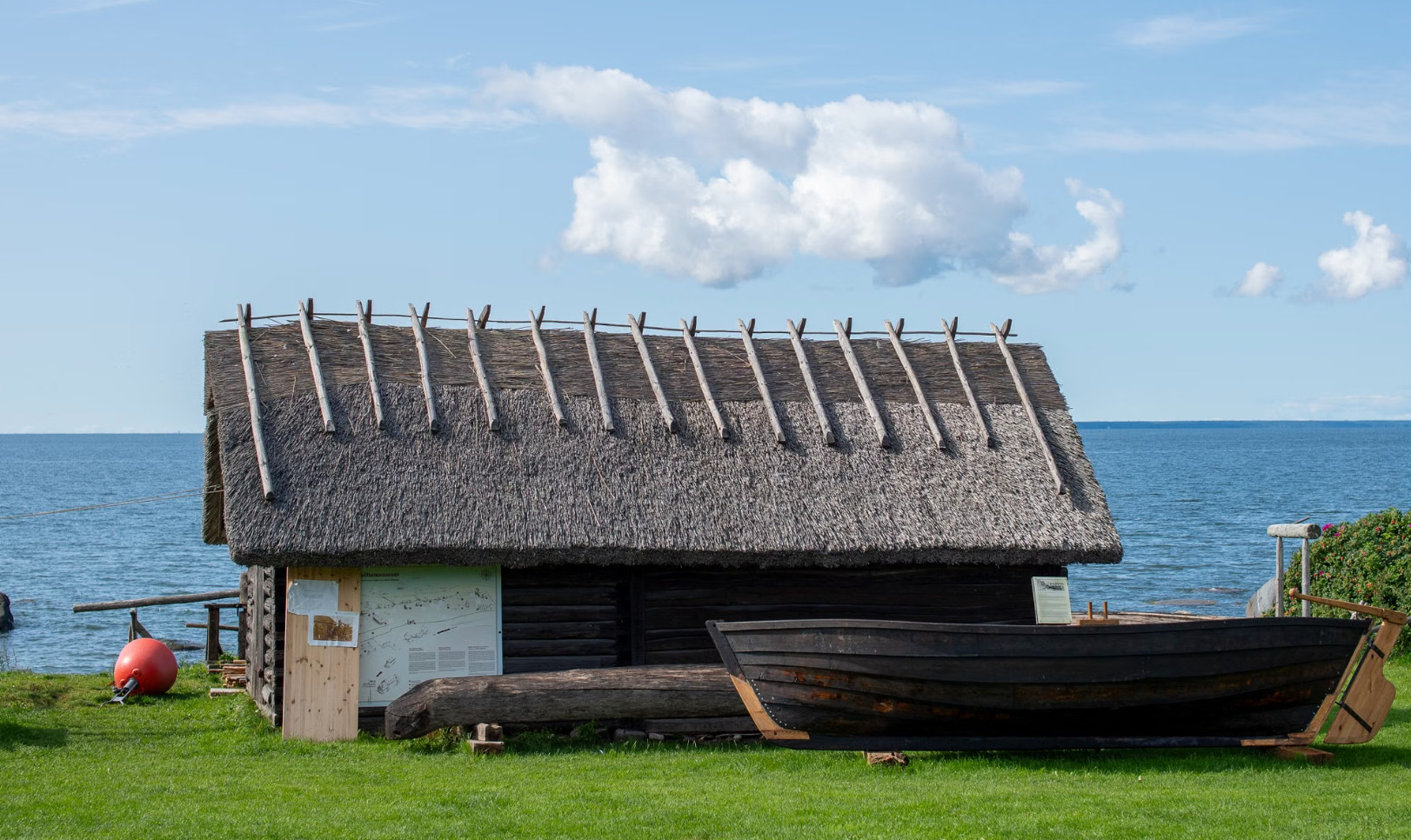
About fifteen minutes from the centre in Rocca al Mare, this open-air museum recreates rural Estonian life across the centuries with historic farmhouses, a wooden church, and a working village. Recent years have added several new buildings, including early twentieth-century urban homes. It is a green, spacious escape from the city and a firm family favourite.
11. Rise Above the City at the Tallinn TV Tower
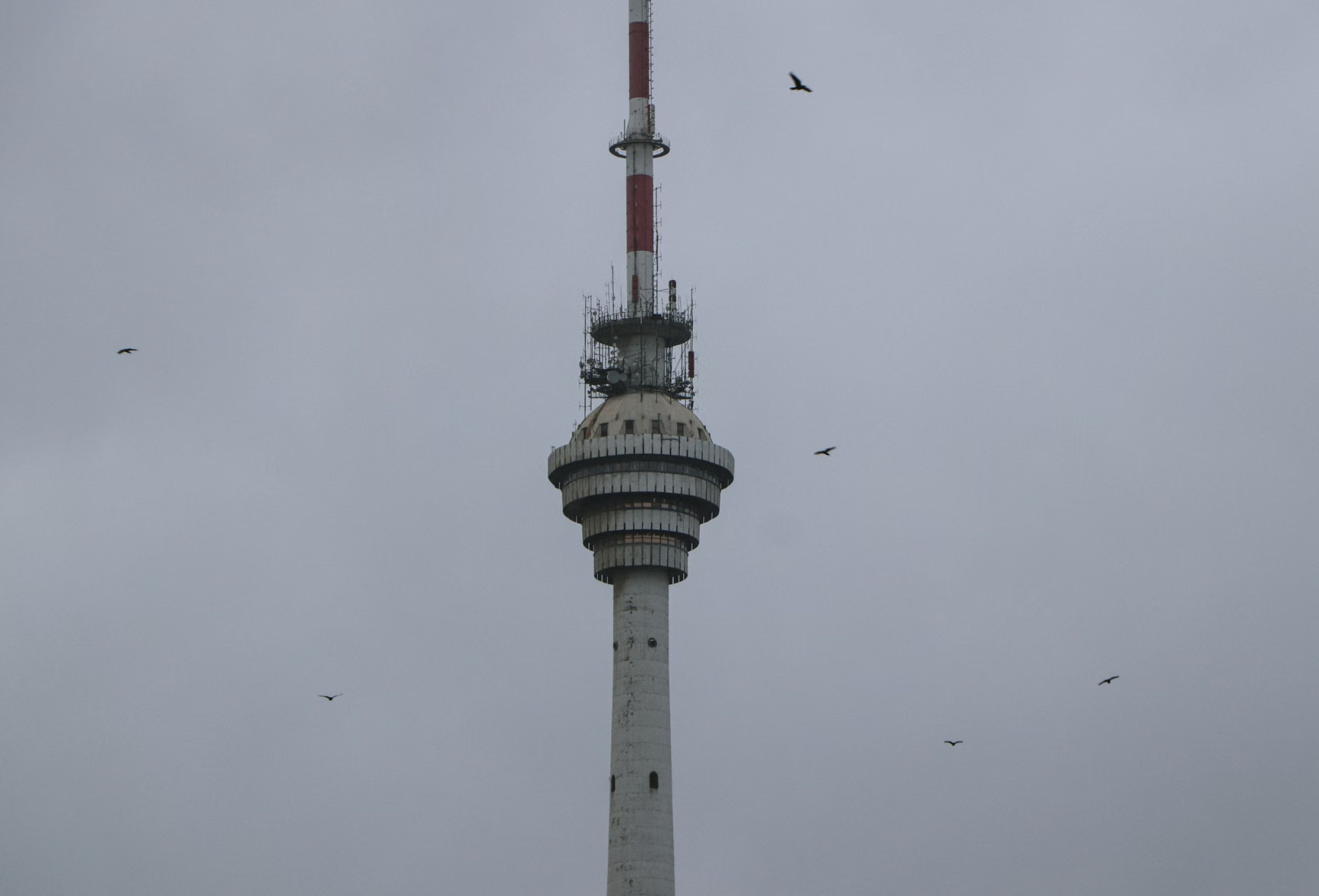
At 314 metres, the TV Tower is the tallest structure in Estonia, and its observation deck offers sweeping views over the city, the sea, and the forests beyond. Thrill-seekers can try the walk along the outer edge.
Pair it with the neighbouring Botanic Garden for an easy half-day away from the crowds, and note that both are included with the Tallinn Card.
12. See a Different Side of the City at PoCo
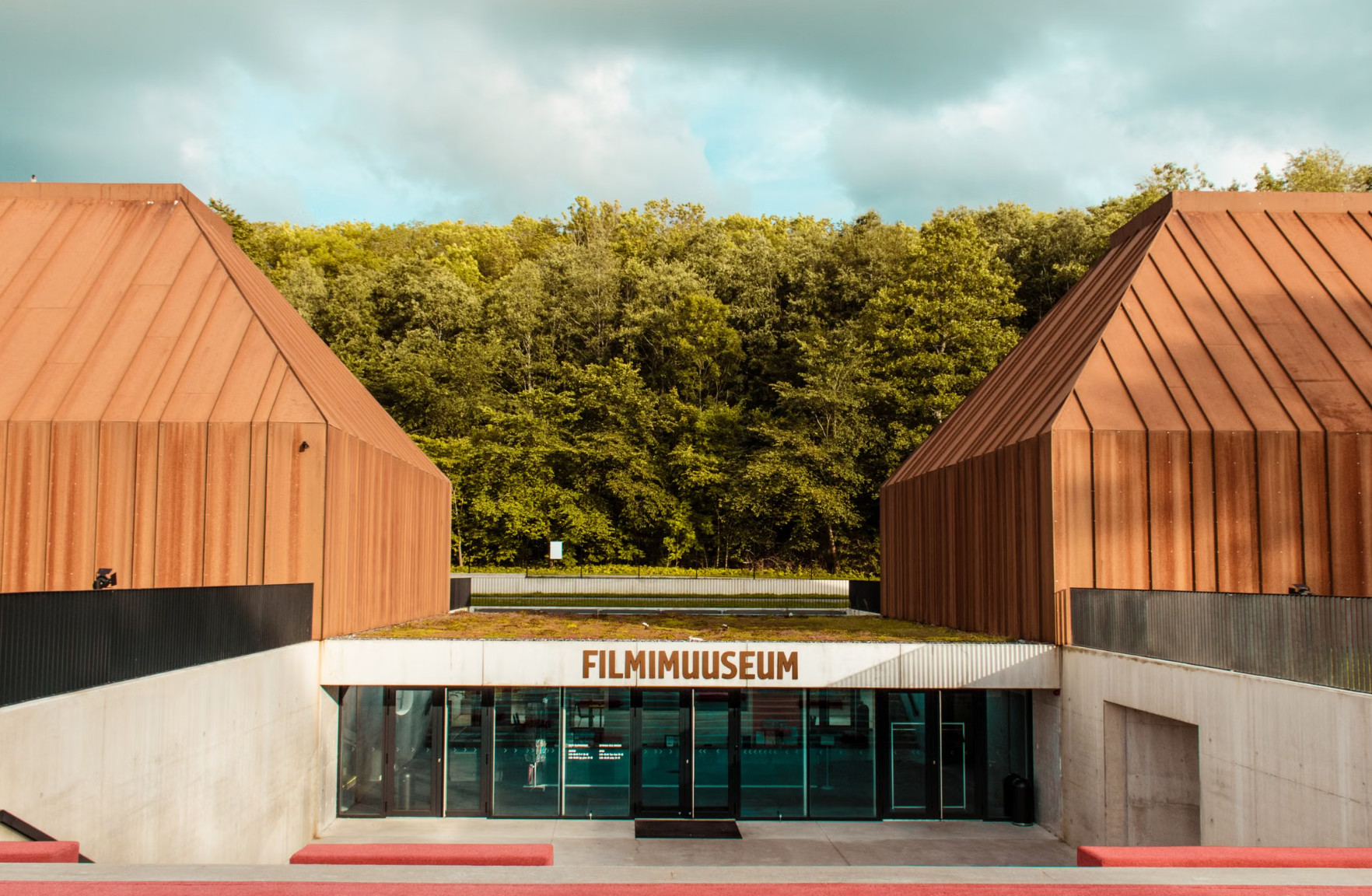
New for 2026, the PoCo Museum of Pop and Contemporary Art in the Rotermann Quarter is one of the fresh additions to the Tallinn Card offer. It signals where the city is heading, presenting Tallinn not only through castles and towers but through design, contemporary art, and experience. It makes an easy, modern contrast to a morning spent in the Old Town.
What Local Food Should You Try in Tallinn?
Estonian cuisine includes traditional dishes and modern Nordic-style cooking. Try rukkileib, a dark rye bread commonly served with meals, and marzipan at Maiasmokk, one of Tallinn’s oldest cafés. For a medieval setting, Olde Hansa serves traditional-style dishes in a historic atmosphere.
For modern dining, try restaurants such as NOA and Ribe, or visit Balti Jaama Turg for affordable food. Vana Tallinn, a local dark liqueur, is another Estonian speciality worth trying.
Who Is Tallinn Best Suited For?
Couples are drawn to the romance of the Old Town, its candlelit taverns, and the seaside walks around Noblessner and Kadriorg.
Families do well here thanks to compact distances, hands-on museums like the Seaplane Harbour, the Open Air Museum, and the TV Tower, plus a strong-value child rate on the Tallinn Card.
History lovers get a rare double bill: seven centuries of Hanseatic and medieval heritage alongside a raw, well-preserved Soviet legacy at Vabamu and the KGB Museum.
Day-trippers and cruise visitors, especially those crossing from Helsinki, can see the Old Town's highlights comfortably in a single focused day, then return for a longer stay.
What Does a Perfect Tallinn Itinerary Look Like?
One day: Spend the morning exploring the Old Town, including Town Hall Square, Raeapteek, and the Toompea viewpoints. Climb St Olaf’s Tower before lunch, then walk towards the Seaplane Harbour in the afternoon. Finish with dinner at a medieval tavern. This works well for ferry and cruise visitors.
Two days: Explore Kalamaja and Telliskivi in the morning, then visit the Noblessner seafront and Iglupark saunas in the afternoon. End the day at the KGB Museum.
Three days: Add Kadriorg Park, Kumu, the Vabamu Museum, the Estonian Open Air Museum, and the TV Tower. You can also visit the PoCo museum for modern pop art.
How Can You Start Planning Your Tallinn Trip?
Few European cities pack as much variety into such a small space as Tallinn. From the fairytale lanes of the Old Town to the submarines at the Seaplane Harbour, the street art of Telliskivi, and the reborn seafront at Noblessner, there is enough here to make every itinerary distinct, and 2026 gives even returning visitors fresh reasons to come back.
If you are still mapping out your route, early autumn is at its best, an ideal shoulder-season window for the Baltics.
Once your itinerary is set, the booking should be the easy part. Epic lets you reserve flights and hotels together, at up to 30% less than Booking.com, and pay the way you prefer: Visa, Mastercard, Apple Pay, Google Pay, or 200+ cryptocurrencies. Claim $25 off your first booking.
.png)

Adrian Baschuk is the chief executive officer of Epic. Adrian has spent two decades in media as a producer, journalist, and founder, and has worked in crypto since 2017. He was a founding partner at Crypto Banter, worked on CNBC's Crypto Trader, and has produced and reported for CNN, Current TV, and Discovery.
His television production credits include Disengagement, South Beach Tow, and Kart Life. He became CEO of Epic in 2025 and leads the company's move into travel, building the first travel layer for crypto.
Based in Miami, Adrian earned a bachelor's degree in international relations from Tufts University.

Frequently Asked Questions


Do not leave without walking the UNESCO-listed Old Town, its cobbled lanes, Town Hall Square, and merchant houses forming the heart of any visit. Climb to the free Kohtuotsa and Patkuli viewing platforms on Toompea Hill for the classic rooftop panorama, step inside Alexander Nevsky Cathedral, and visit the Seaplane Harbour, widely rated the city's finest museum.
One focused day covers the Old Town highlights, which suits ferry and cruise visitors crossing from Helsinki. Two days let you add the Noblessner seafront, the Seaplane Harbour and creative Kalamaja without rushing. Three days give room for Kadriorg Park, the Kumu and Vabamu museums, and a slower pace overall. Most travellers find two to three days ideal.
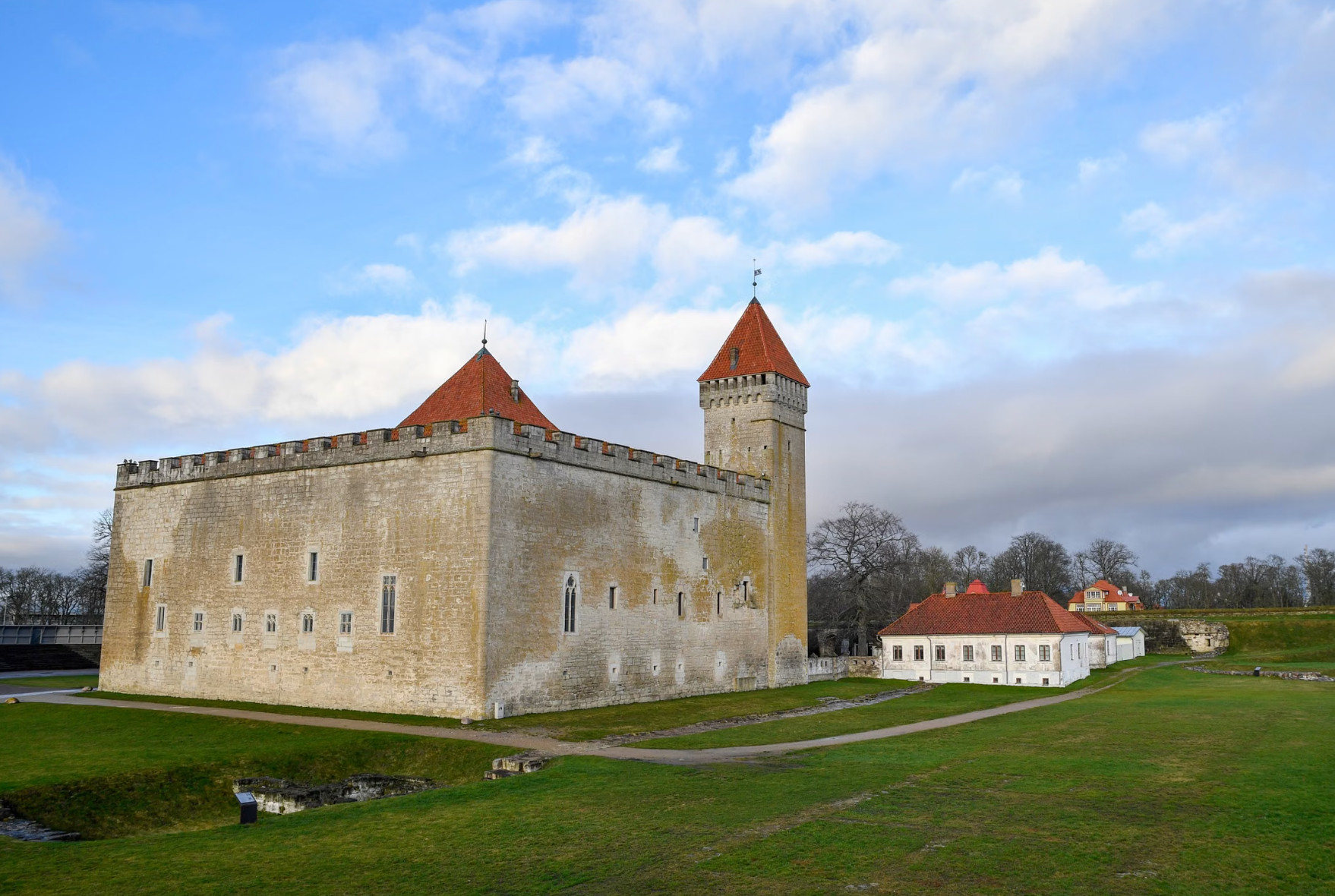
Beyond Tallinn's medieval Old Town, Estonia rewards those who explore further. Lahemaa National Park offers forests, bogs, and manor houses within easy reach of the capital. Tartu, the second city, charms with university heritage and bohemian energy. On Saaremaa island, the striking Kuressaare Castle stands as one of the best-preserved medieval fortresses in the Baltic region.
Skip the crowds for the Estonian Museum of Architecture in the Rotermann Quarter, noticeably quieter than the big-name sites. Explore Kalamaja's colourful wooden houses and the Telliskivi Creative City for street art and design. The reborn Noblessner seafront, with its Iglupark sea saunas, feels nothing like the Old Town and rewards anyone willing to wander further afield.
Tallinn is more affordable than the Nordic capitals across the water, though no longer a bargain. Budget travellers manage on 30 to 50 euros a night for a hostel and 10 to 15 for a casual meal. Mid-range visitors spend 90 to 150 euros nightly. Many Old Town sights, viewpoints and squares cost nothing to enjoy.
Tallinn is widely regarded as Estonia's most beautiful city, thanks to its remarkably intact medieval Old Town, a UNESCO World Heritage Site since 1997. Its cobbled lanes, Gothic spires, colourful merchant houses, and red-roofed towers give it a genuine storybook quality. Tartu and the island town of Kuressaare have their own charm, but Tallinn remains the standout.
Found a hotel you like? Book it for up to 30% less


Found a hotel you like? Book it for up to 30% less