Content
12 Best Things to Do in Puerto Plata, Dominican Republic in 2026
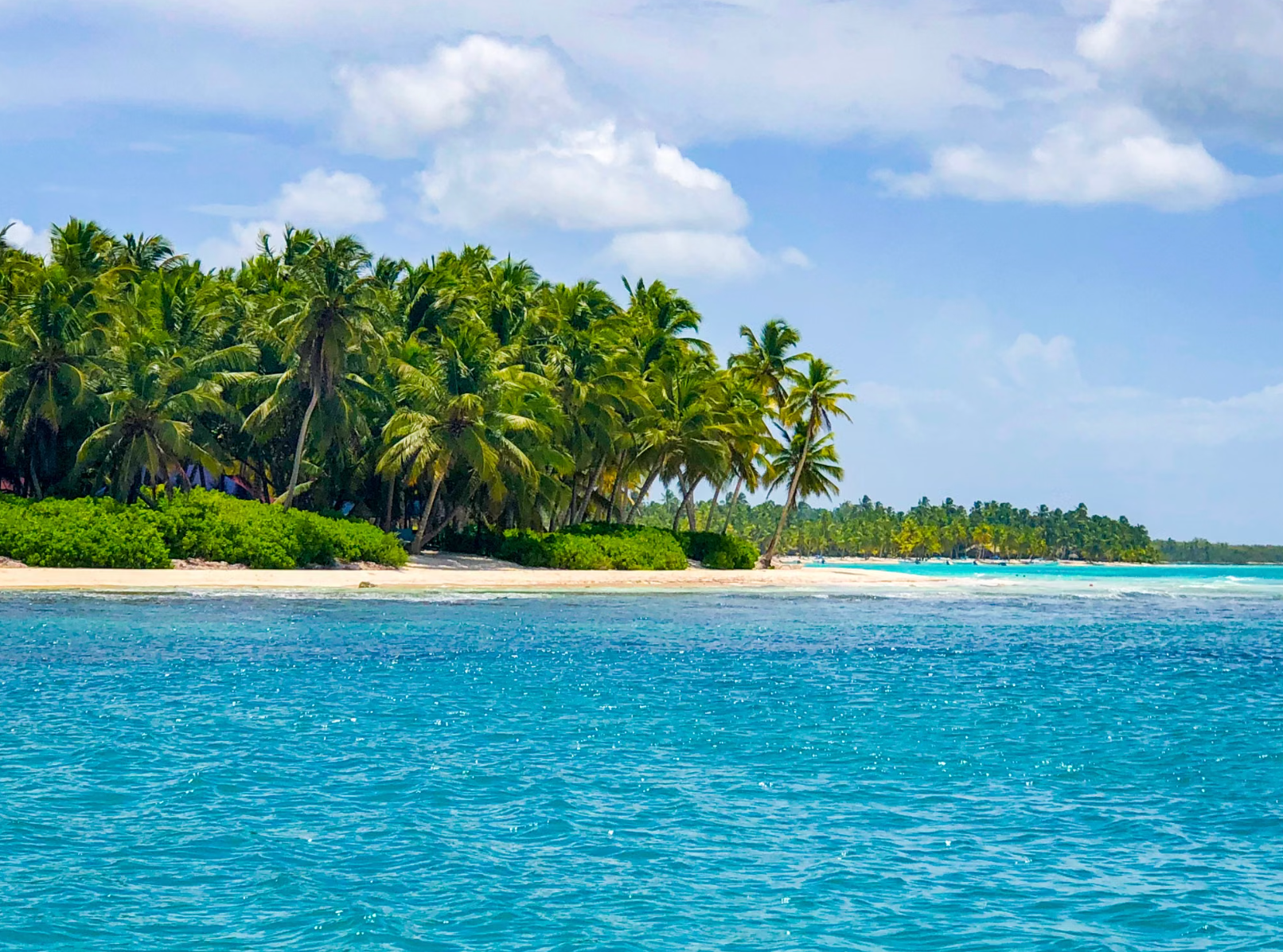
There are more things to do in Puerto Plata than most visitors realise, and that gap between what the city offers and what tourists actually find is the whole reason this guide exists.
Puerto Plata does not look like the Dominican Republic most tourists think they know. It is not Punta Cana. It is not another all-inclusive complex stacked along a strip. It is a proper city, the oldest on the island's northern coast, founded in 1502, full of Victorian gingerbread architecture, a 450-year-old Spanish fortress, and mountains that drop straight into the Atlantic.
Puerto Plata blends colonial history, beautiful beaches, and natural adventure in a way that few Caribbean destinations can match. And it happens to have excellent beaches on the side.
Puerto Plata's two cruise terminals, Taino Bay and Amber Cove, had already logged a combined 1.46 million passengers by mid-2025 738,136 through Amber Cove and 719,701 through Taino Bay, as the Dominican government projected cruise tourism nationwide would grow 7–9% for the year, making Puerto Plata the country's top cruise destination.
Want a summary of the best 12 things to do in Puerto Plata? Watch this 2-minute video below. For a more comprehensive overview, keep reading.
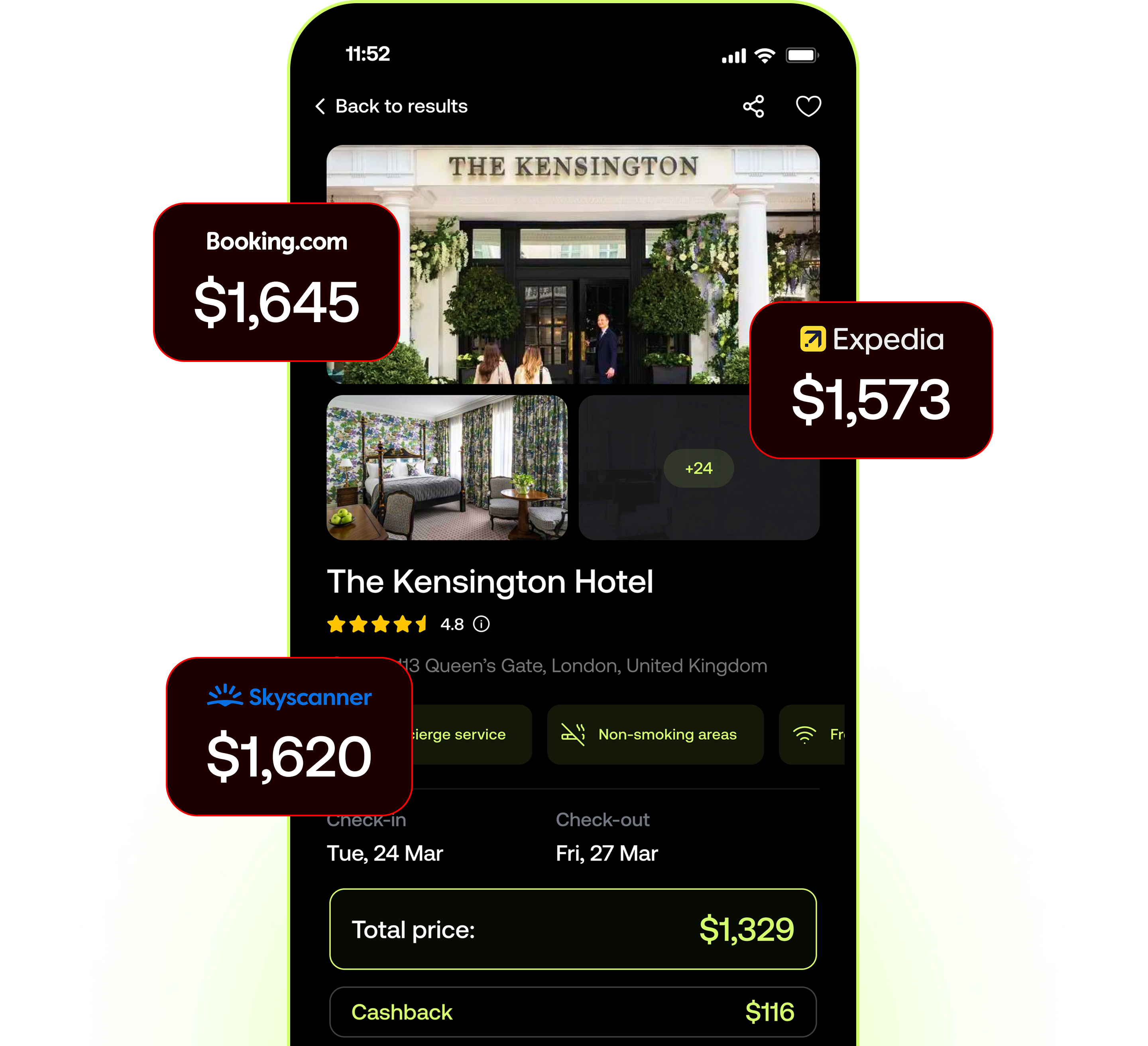
At Epic, you can book hotels and flights across Puerto Plata at up to 30% less than Booking.com. On a typical 7-night stay, that is roughly $330 back in your pocket, enough to cover the 27 Waterfalls, a rum distillery tour, a boat trip to Cayo Arena, and still have money left over, maybe even enough to start planning a second trip. Pay with Visa, Mastercard, Apple Pay, Google Pay, or crypto. Sign up with your email and get $25 off your first booking.
Which cruise port should you arrive at, Amber Cove or Taino Bay?
This is the most common question for first-time visitors arriving by ship, and almost no travel guide answers it with any specificity.
Taino Bay opened in 2021 and has grown 280% in passenger volume since then. It sits steps from Fort San Felipe and puts the entire historic district within walking distance. If you want to get into the city, Taino Bay is the better port. If your idea of a perfect port day is a pool, a cold drink, and a zip line without leaving the terminal, Amber Cove delivers that experience well.
Either way, most major cruise lines accept Visa, Mastercard, Apple Pay, and Google Pay for port excursions and onboard charges.
Where to go and what to do in Puerto Plata
1. Walk the historic district and Umbrella Street
Start here. Puerto Plata's downtown is one of the few Caribbean city centres that rewards genuine wandering. Parque Central is the anchor of a 19th-century Victorian bandstand surrounded by mahogany trees, locals playing dominoes, and the Cathedral of San Felipe rising at one end.
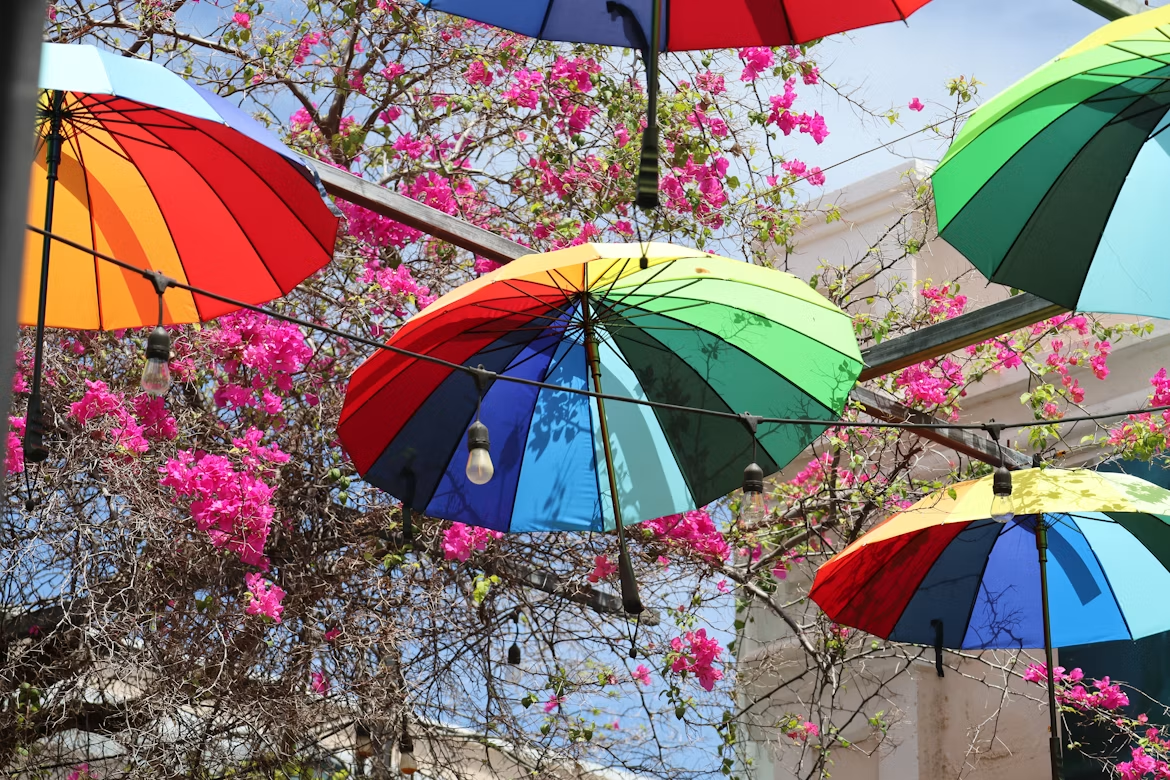
Two streets nearby have become the most photographed in the city. Umbrella Street (Calle San Felipe) is a covered pedestrian walkway canopied in hundreds of hanging coloured umbrellas, providing practical shade, absurd fun, and genuinely photogenic. Around the corner, Pink Street (Paseo de Doña Blanca) is exactly what it sounds like: a pink-painted alleyway with matching benches, lampposts, and doorways. Neither is a gimmick; both sit in the middle of an actual neighbourhood full of coffee shops, cigar bars, and small galleries.
The whole district is walkable from Taino Bay in 15 minutes. From Amber Cove, budget for a $10–15 taxi each way. Puerto Plata is the best single base on the north coast, but it is also the gateway to some of the most impressive experiences in the entire country. The 27 Waterfalls are 45 minutes south. Samaná, where 3,000 humpback whales arrive every January, is a few hours east. Santo Domingo, the oldest colonial city in the Western Hemisphere, is a day trip or an overnight away. If you are building a full Dominican Republic itinerary around a Puerto Plata base or deciding how many days to spend here before moving on, our complete guide to the best things to do in the Dominican Republic covers every region, every experience worth planning around, and exactly how to structure the trip so you see more than 20% of what the country actually offers.
Note: Go in the morning before cruise crowds arrive. Street vendors are friendly but persistent. A polite "no gracias" is sufficient.
2. Visit Fort San Felipe, Puerto Plata's 450-year-old fortress
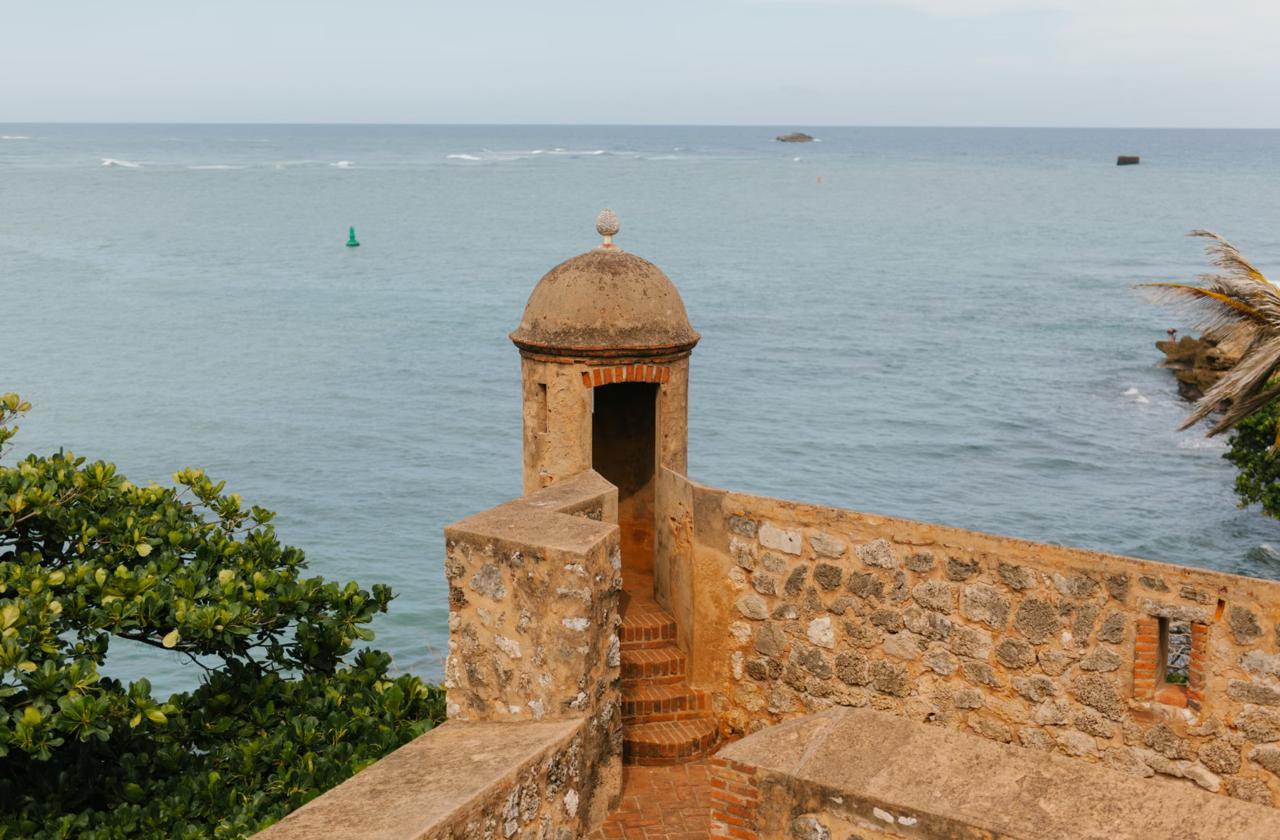
Built in 1564 under orders from King Philip II of Spain, Fortaleza San Felipe is one of the oldest standing European fortresses in the Americas. It was constructed to protect the city from pirates, a genuine problem at the time and later served as a prison during the Trujillo dictatorship. Today it is a museum with artillery, colonial artefacts, and some of the best panoramic views of the Atlantic in the city.
Entry costs around $2–5 USD. It anchors the western end of the Malecón, which makes it easy to pair with a walk along the waterfront promenade. Budget an hour. History lovers will want longer.
3. Hike or drive to the summit of Mount Isabel de Torres

Even without the cable car, Mount Isabel de Torres is worth the trip. The mountain rises 855 metres above the city, topped by a 30-metre Christ the Redeemer statue (a smaller sibling of the one in Rio de Janeiro), botanical gardens, walking trails, natural caves, and sweeping views of the entire coastline.
The truck service to the summit runs from the base station on Calle del Teleférico. If you have a rental car, a four-wheel-drive vehicle with good ground clearance is recommended the summit road is steep and can be demanding on smaller vehicles.
Go in the morning. Clouds roll in by mid-afternoon and can obscure the view entirely. Entry to the summit area and gardens is a few dollars.
✈ Epic tip: Loving Puerto Plata? Extend your stay into a full DR trip. Epic's concierge maps out the rest of the beaches, waterfalls, whale watching and lands you better deals on hotels, flights, and activities than the booking sites, up to 30% off. You just show up.
4. Do the 27 Waterfalls of Damajagua (Book Ahead)
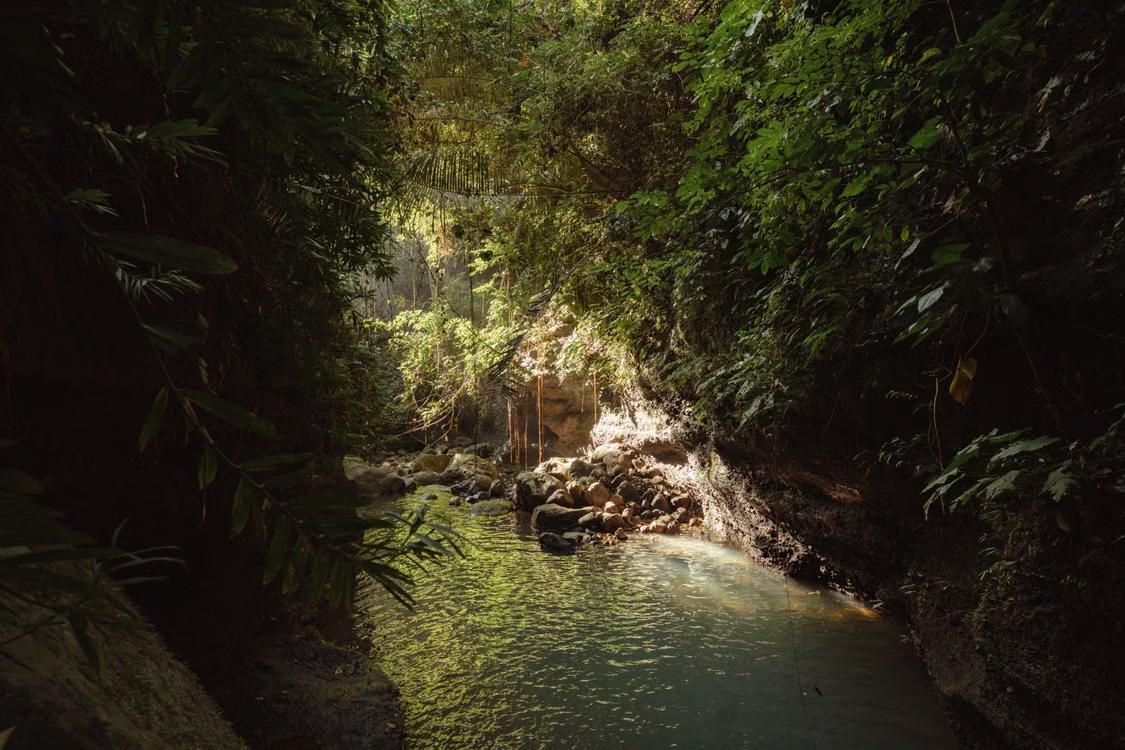
This is the best single-day adventure in Puerto Plata province, and the one most likely to sell out in peak season.
Damajagua, also called the 27 Charcos, is a series of 27 cascading waterfalls, natural rock slides, turquoise pools, and canyon passages tucked into the jungle about an hour's drive from the city. You hike in with a guide, then work your way back down by swimming, sliding, and jumping through the formations. It is physically active, entirely natural, and genuinely unlike anything else in the Caribbean.
A few things to know before you go:
- Book in advance: walk-ins are possible, but the site fills quickly during winter and spring break.
- Go early: arrive before 9 am if possible. Cruise ship excursion groups arrive mid-morning, and the pools get crowded.
- Wear water shoes: the rocks are slippery, and your regular trainers will be destroyed.
- The standard tour covers 7 of the 27 falls; longer tours go deeper. The 7-fall route is suitable for most fitness levels.
Tour operators run day trips from Puerto Plata city. Expect to pay $35–55 USD per person, including guide, safety equipment, and transport. Tip your guides; they do physically demanding work in difficult conditions.
5. Spend a day at Playa Dorada Puerto Plata's most popular beach
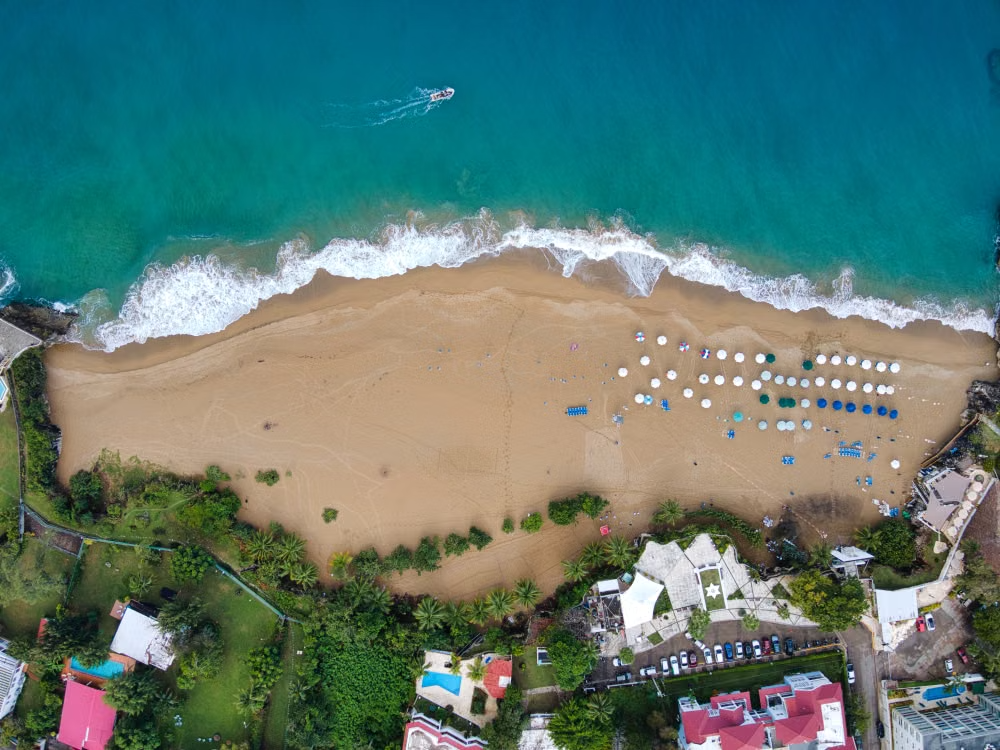
Playa Dorada is the beach that put Puerto Plata on the international travel map. A long stretch of golden sand with calm Atlantic water, lined with resort hotels, beach bars, water sports operators, and a golf course designed by Robert Trent Jones. It is about 5 km from the city centre, a short taxi or moto-concho ride.
The beach is open to the public. Non-resort guests can use most beach areas and rent loungers and umbrellas for a few dollars. Water sports available include paddleboarding, kayaking, parasailing, and windsurfing.
If you are staying at a resort here, note that Playa Dorada is one of the few beaches in the province where the water is reliably calm for swimming, important if you are travelling with children or non-swimmers.
6. Explore Sosúa Beach and its unusual history

Sosúa is a beach town about 25 km east of Puerto Plata, and it carries a story that most visitors never learn. In 1940, Dominican President Rafael Trujillo, in a calculated political gesture, offered asylum to 800 European Jewish refugees fleeing Nazi Germany. They settled in Sosúa, built a community, and established the agricultural industry that still shapes the region. The Jewish Museum of Sosúa documents this history in a small but genuinely moving exhibition.
The beach itself, Playa Sosúa, is one of the best in the province. Clear water, good snorkelling over a reef just offshore, and a long stretch of sand lined with restaurants and vendors. It is busier and livelier than Playa Dorada, with a more local and expat atmosphere.
Note: The beach gets packed on Sunday afternoons when Dominican families come out in force. Thursday or Friday morning is the sweet spot.
7. Go kitesurfing or windsurfing in Cabarete

Cabarete is about 17 km east of Sosúa, and it has been the wind sports capital of the Caribbean since the 1990s. The bay's reliable trade winds and warm water make it one of the best places in the world to learn kitesurfing or windsurfing, not one of the best in the Caribbean. The world.
Book your next hotel for up to 30% less
Several international-standard schools operate on the beach, offering lessons for beginners through advanced. If you are not a water sports person, Cabarete is still worth visiting for its beach bars, surf-town energy, and the nightly scene that starts when the wind dies down.
Magic Mushroom Canyon, a dramatic limestone cave system accessible by guided tour, is nearby and worth adding to a Cabarete day trip.
8. Take a boat to Cayo Arena (Paradise Island)
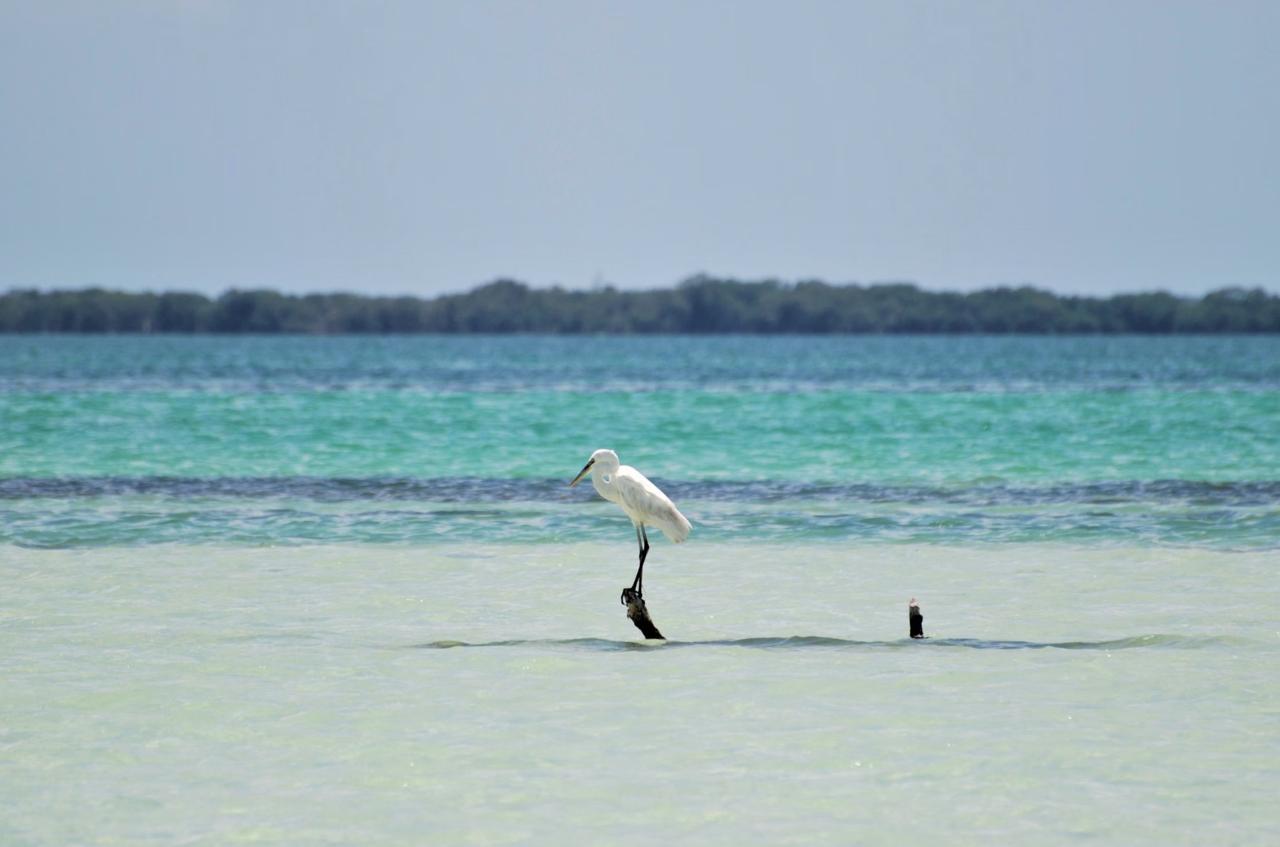
Cayo Arena, locally called Paradise Island, is a tiny sandbar surrounded by a coral reef about 90 minutes by boat from Puerto Plata. It is genuinely one of the most beautiful spots in the Dominican Republic: white sand, impossibly clear water, excellent snorkelling, and almost no development.
Boat tours leave from Punta Rucia or La Ensenada early in the morning. The trip usually includes snorkelling time over the reef and a few hours on the island before returning in the afternoon. Bring reef-safe sunscreen, water, and a dry bag for your phone.
This is the day trip most people wish they had done. Book it for your first or second day, not as a last-minute add-on.
9. Watch for West Indian manatees at Estero Hondo
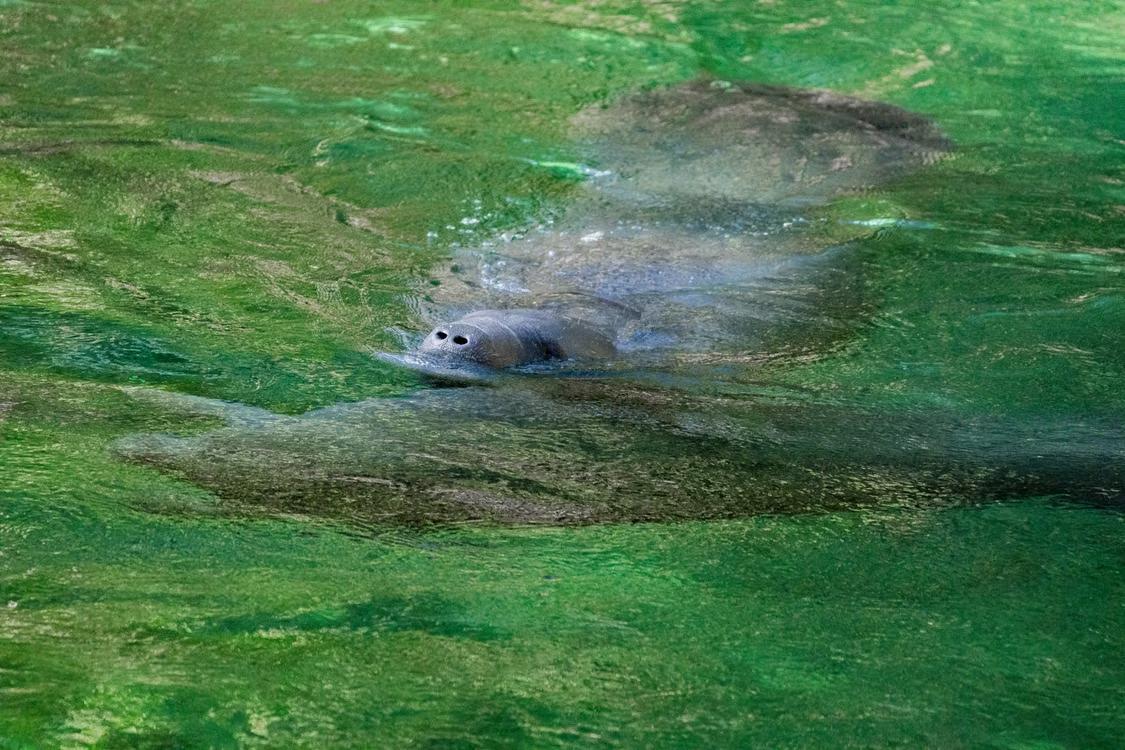
Estero Hondo Marine Mammal Sanctuary is one of the most underrated places in the entire country, and almost no mainstream travel guide mentions it.
Located near Playita Gulin, the sanctuary protects the largest population of endangered West Indian manatees in the Dominican Republic. A wooden watchtower overlooks the lagoon where manatees surface regularly throughout the day. The habitat also supports a significant bird population; egrets, herons, and various shorebirds are common.
Entry is inexpensive. The experience is quiet, unhurried, and completely unlike anything else on this list. If you are travelling with children, this is the one that will stick.
10. Tour the Brugal Rum Distillery (or the Macorix House of Rum)
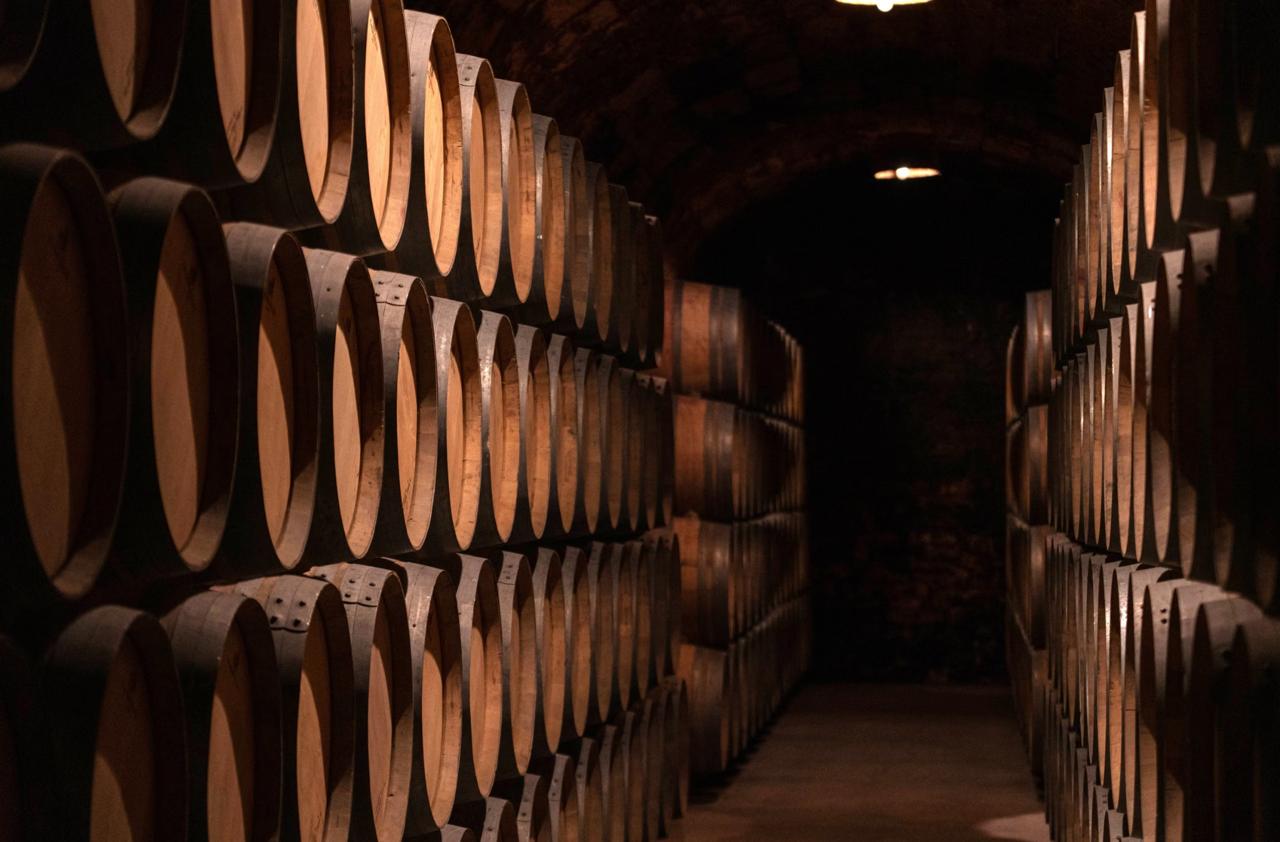
Puerto Plata is where Brugal, the Dominican Republic's most famous rum and one of the most widely distributed spirits in the Caribbean, has been produced since 1888. The distillery offers guided tours covering the history of the company, the production process, barrel ageing, and tastings. Tours typically run 20–30 minutes and are often incorporated into city tour packages.
If Brugal is not your style, the Macorix House of Rum offers a more boutique experience, smaller, more personal, and known for unusual flavours, including coconut and pineapple rum. Entry costs around $8 USD and includes several tastings.
Either visit is a legitimate cultural experience, not just a tourist tick. Rum is to the Dominican Republic what wine is to France; it is woven into the economy, the history, and the social fabric of the country.
11. Take a food tour of the historic district
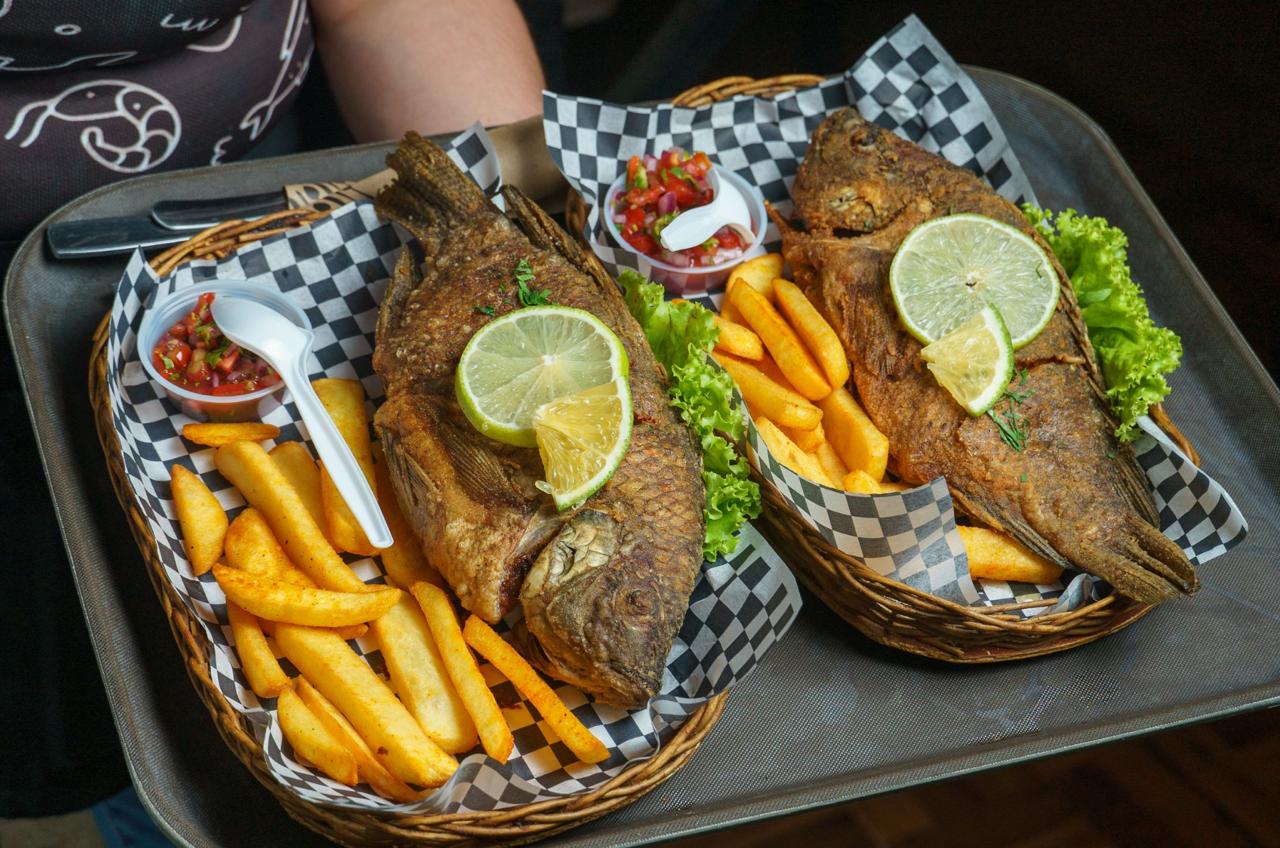
Dominican food is one of the most underappreciated cuisines in the Caribbean, and Puerto Plata's historic district is the best place in the province to explore it. Here is what to prioritise:
The best meals in Puerto Plata cost between $3–12 USD at local restaurants. The food inside cruise terminals and resort zones is more expensive and less interesting. Leave the terminal. The dishes in this table are a starting point, not the full picture. Dominican food runs deeper than most visitors realise and Puerto Plata's historic district gives you better access to the real version than most of the island's resort zones do. If you want to know what each dish actually costs at a local comedor, which neighbourhoods to find the best street food, and how to eat well across an entire trip without ever touching a buffet, our guide to the Dominican Republic food covers all 15 dishes worth finding, with prices, locations, and the context that makes the difference between eating in the Dominican Republic and actually tasting it. Bookmark it before you land.
12. Walk the Malecón at sunset
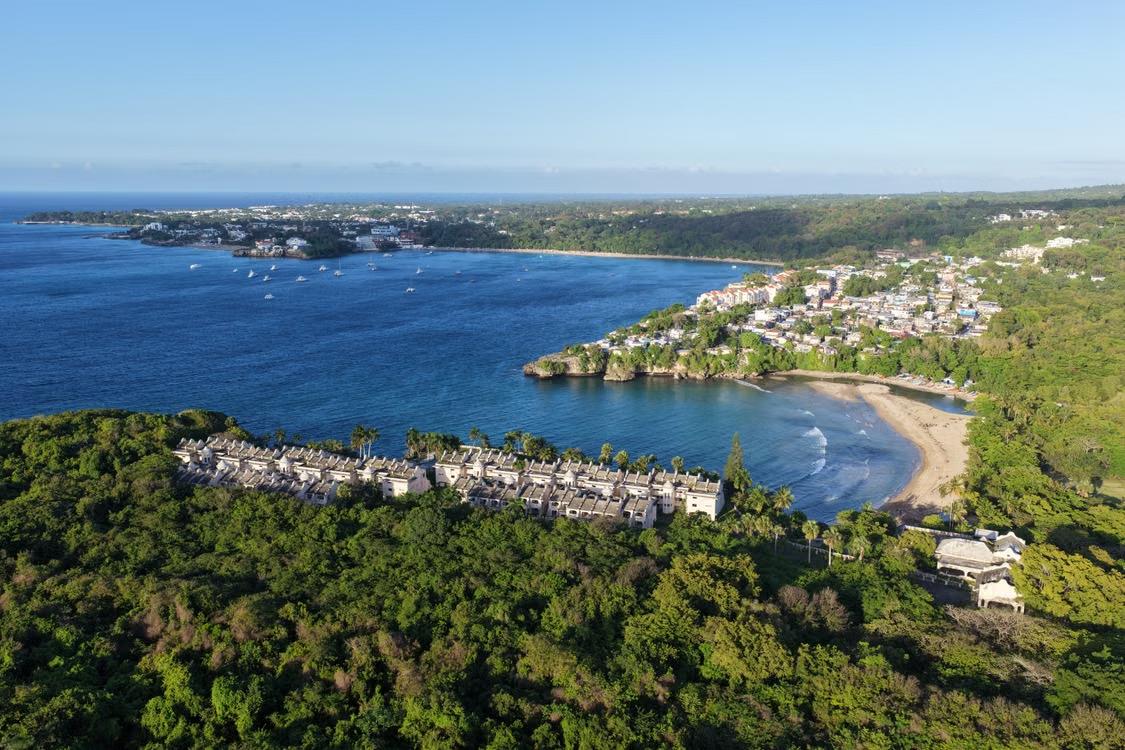
The Malecón is Puerto Plata's three-kilometre seafront promenade, running from Fort San Felipe in the west along the Atlantic coast. In the early evening, it is where the city comes to life: locals jogging, families gathering, vendors selling coconut water and fried snacks, domino games on folding tables, and the Atlantic turning orange and then deep purple as the sun drops.
It costs nothing. It requires no planning. It is the best possible way to end a day in Puerto Plata, and it will reset everything you thought this city was about.
Is Puerto Plata safe for tourists?
Puerto Plata is one of the safer tourist destinations in the Dominican Republic. The U.S. Department of State rates the Dominican Republic at Level 2: Exercise Increased Caution, the same classification applied to parts of France, Italy, and Mexico and notes that Puerto Plata has more reliable emergency services than most areas of the country, with ambulances more available here than in rural regions. The historic district, Malecón, Playa Dorada area, Sosúa, and Cabarete are all frequented by international visitors and generally considered safe for exploring during the day.
Standard precautions apply: keep your phone out of obvious sight in busy market areas, use registered taxis or pre-arranged transfers rather than flagging random cars, and avoid walking alone in unfamiliar neighbourhoods after dark. For any doubt about a specific area, ask your hotel concierge; local knowledge is more reliable than generalised online advice.
How to book your Puerto Plata trip through Epic
Epic is a travel booking platform that lets you book hotels and flights at up to 30% less than Booking.com across more than 2 million properties worldwide, including every major hotel brand in Puerto Plata.
Payment options:
- Visa, Mastercard, Apple Pay, and Google Pay are accepted on all bookings
Epic Concierge: Unlock access to a dedicated travel concierge who handles the full logistics, hotel selection, airport transfers, excursion bookings, and anything else your trip needs. Think of it as a personal travel assistant available around the clock. Ready to book? Claim your $25 off your first booking at Epic.
Frequently asked questions
1. What is Puerto Plata best known for?
Puerto Plata is best known for its position as the Dominican Republic's premier cruise destination, its historic Victorian architecture, the 27 Waterfalls of Damajagua, Fort San Felipe, and the Teleférico cable car (currently closed for rebuilding). It is the oldest city on the island's northern coast and holds a distinct identity separate from the resort zones of Punta Cana.
2. How many days do you need in Puerto Plata?
Three to four days gives you enough time to cover the historic district, do the 27 Waterfalls, spend a day at the beach, and make at least one day trip (Cayo Arena or Cabarete). Cruise visitors typically have 8–10 hours in port, more than enough for two or three activities if planned.
3. What is the best beach in Puerto Plata?
Playa Dorada is the most accessible and family-friendly. Playa Sosúa has better snorkelling and a more local atmosphere. Cabarete is the choice for water sports. For raw natural beauty, nothing in the province compares to Cayo Arena, but it requires a half-day boat excursion.
4. What is the difference between Amber Cove and Taino Bay?
Taino Bay is located in the heart of Puerto Plata city, within walking distance of the historic centre. Amber Cove is a Carnival Corporation private port complex about 15 minutes west, better suited to guests who want a beach day and pool experience without leaving the port area. See the comparison table earlier in this guide for a full breakdown.
5. What should I not miss on a first trip to Puerto Plata?
The 27 Waterfalls of Damajagua (book ahead), a walk through the historic district including Fort San Felipe and Umbrella Street, one of the rum distillery tours, and an evening on the Malecón. If you have a second day, add Sosúa or a boat trip to Cayo Arena.

Mithra Ghosh is a Dubai-based content writer and SEO copywriter with 2+ years of experience crafting search-optimised content across crypto, Web3, and digital finance. She combines strong editorial instincts with a deep understanding of blockchain ecosystems and on-chain trends.
At Epic, she writes about the growing world of crypto-native travel helping readers understand how holding and spending digital assets can unlock smarter, cheaper ways to see the world.
Found a destination you like? Book it for up to 30% less.

Found a destination you like? Book it for up to 30% less.