Content
Top 10 Unmissable Things to Do in El Salvador (2026 Guide)


The best things to do in El Salvador are hiking volcanoes, surfing on the Pacific coast, visiting colonial towns, and trying local food. The country is small, so you can fit several of these experiences into a 7–10 day trip without spending too much time traveling.
November to April is the dry season and generally the best time to visit. The coast stays hot, while the mountains are cooler, especially at night.
Bitcoin is no longer legal tender in El Salvador, but some businesses still accept it. You can also book flights and hotels through Epic at up to 30% less than Booking.com. Pay with Visa, Mastercard, Apple Pay, Google Pay, or over 200+ cryptocurrencies. Sign up with your email and get $25 off your first booking.
From volcano hikes and surf beaches to colonial towns and local food, here are the 10 unmissable things to do in El Salvador:
Key Takeaways
- El Salvador is small and easy to explore, with volcanoes, surf beaches and colonial towns usually within two hours of each other.
- November to April is the dry season and the most popular time to visit.
- El Salvador is rated Level 1 by the U.S. Department of State. Take normal precautions, especially in cities and after dark.
- Bitcoin is no longer legal tender but is still accepted by some businesses, particularly in El Zonte.
- A daily budget of $40–70 is enough for most independent trips. Tours and volcano hikes usually cost $10–55.
- Book popular tours early if you are visiting between December and April.
1. Hike Santa Ana Volcano (Ilamatepec)
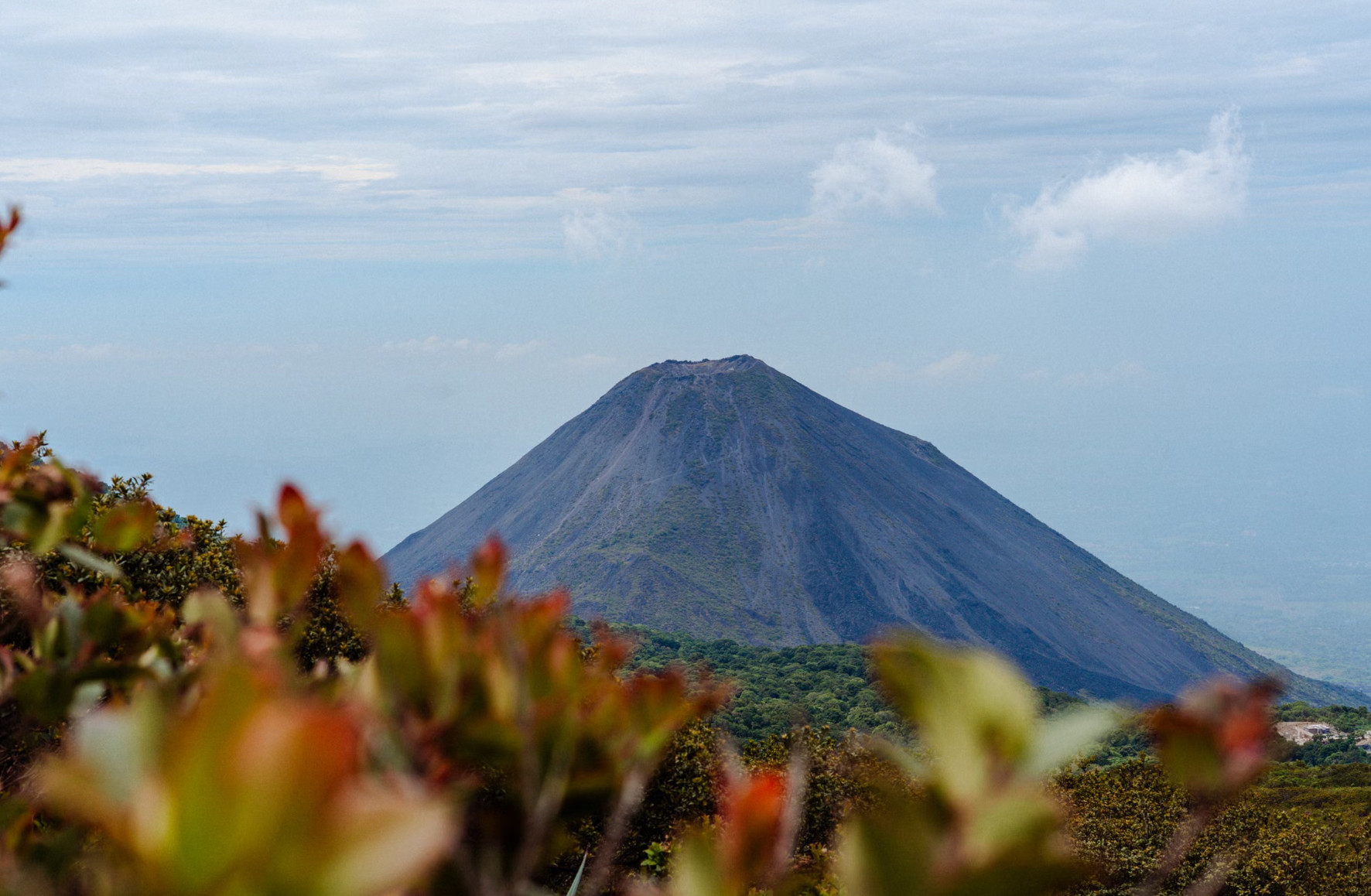
This is the country's marquee hike, and it earns its reputation. Santa Ana is El Salvador's highest volcano at 2,381 meters (7,812 ft), and it's still active; its last eruption was in 2005. The reward at the top is a turquoise, sulfur-fed crater lake ringed by steaming fumaroles, with views over Lake Coatepeque and the perfect cone of Izalco next door.
The hike starts inside Cerro Verde National Park, roughly a 90-minute drive from San Salvador. It's about 3–4 hours round trip, moderate but exposed and hot in stretches, so bring water, sun cover, and real shoes.
2. Surf and unwind at El Tunco and Surf City
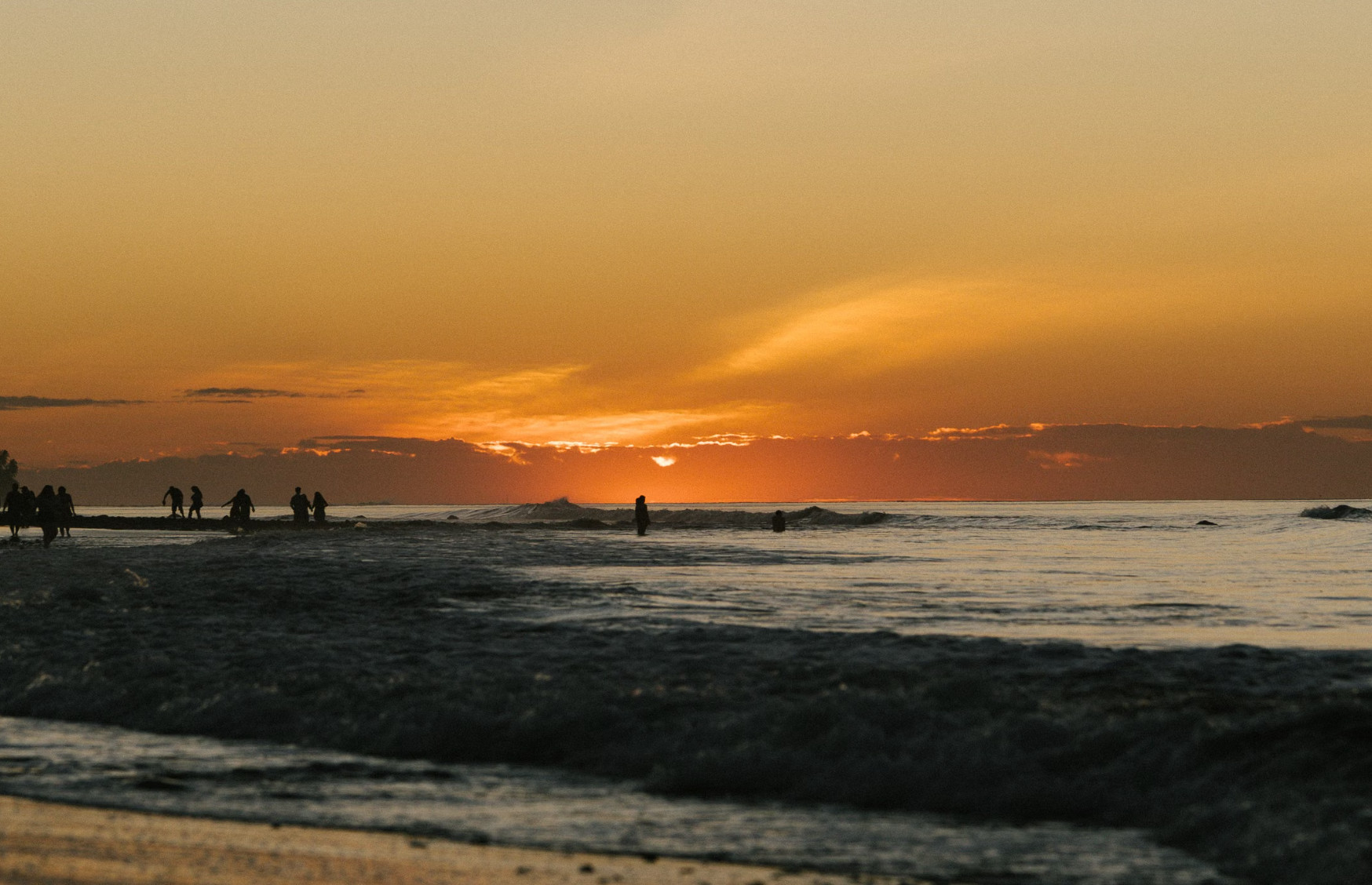
El Salvador has consistent surf conditions along its Pacific coast, and surfing is a major part of the country's tourism industry. Punta Roca has hosted a World Surf League Championship Tour event since 2021, while Oriente Salvaje became El Salvador's first World Surfing Reserve in November 2024.
El Tunco is the main surf town, about an hour from San Salvador. It has black volcanic sand, a walkable centre, surf shops, restaurants, and nightlife. Even if you do not surf, it is a convenient base for exploring the coast.
And if the waves hook you, El Salvador's Pacific breaks pair naturally with an Atlantic-side trip. Puerto Plata, home to Cabarete, the Caribbean's wind-sports capital, is a natural next stop.
3. Visit El Zonte, the original Bitcoin Beach
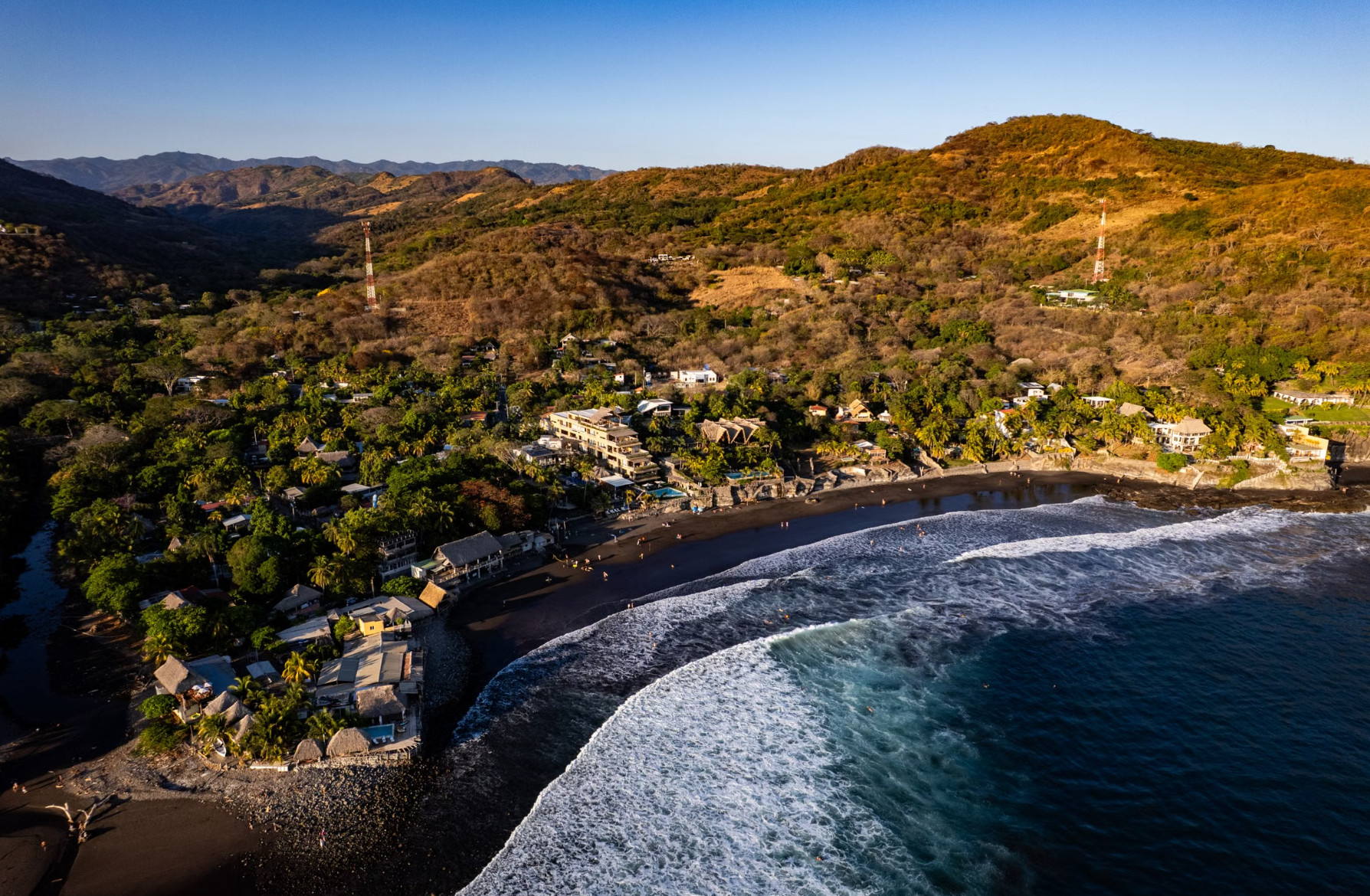
El Zonte is a fishing-and-surf village of about 3,000 people, 58 km southwest of San Salvador. In 2019, an anonymous donor sent Bitcoin to the community on one condition: it had to circulate as Bitcoin, not be cashed out.
Local shops, pupusa vendors, and fishermen started accepting it over the Lightning Network. The experiment worked well enough that it inspired the national government, earning El Zonte the nickname "Bitcoin Beach."
Today you can pay for coffee, a meal, or a room in sats, and the community still runs surf and education programs funded by that early Bitcoin. It's a genuinely good surf beach on its own merits, with fewer crowds than El Tunco.
4. Drive the Ruta de las Flores
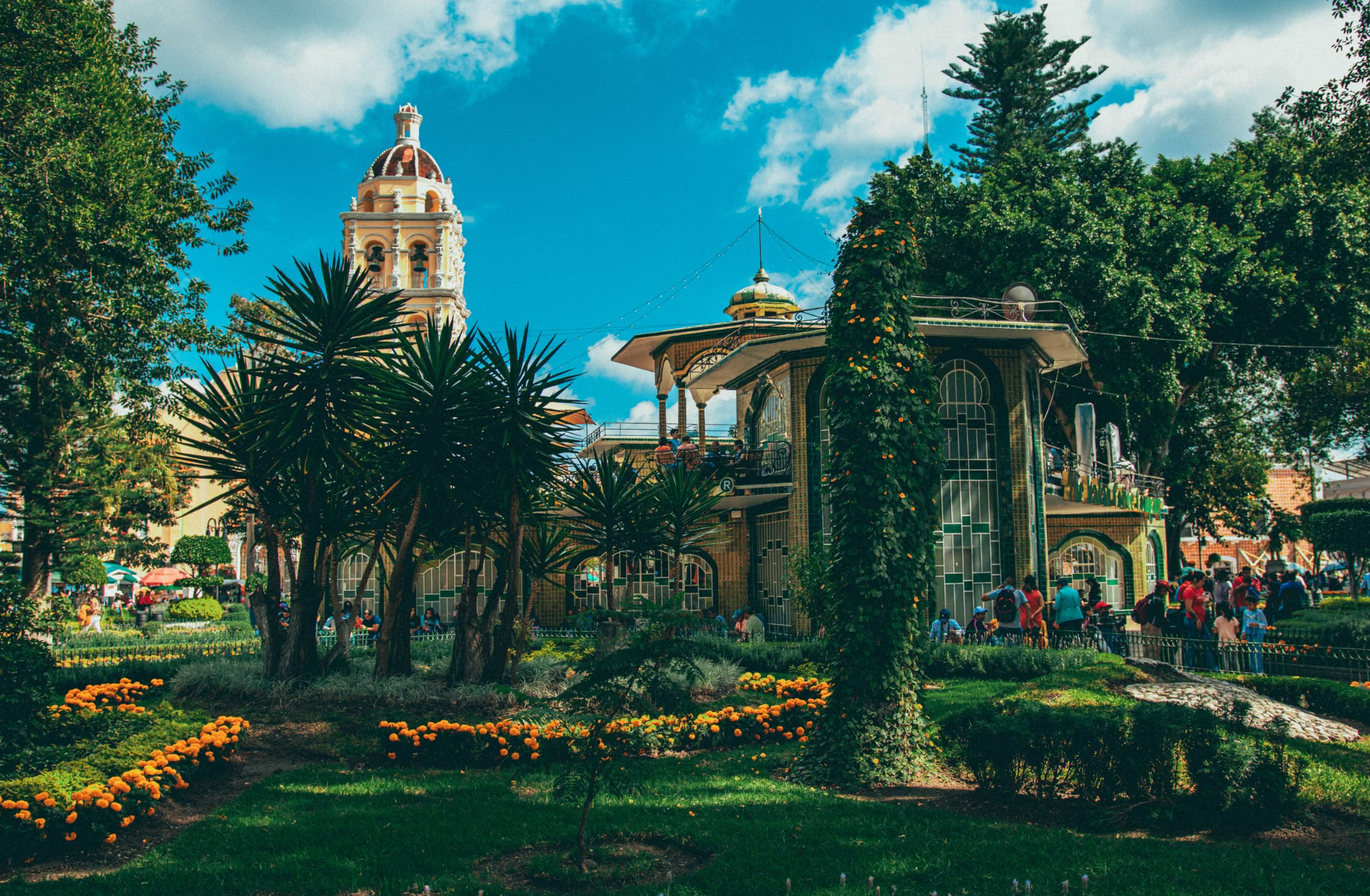
The Ruta de las Flores is a 36 km stretch of highland road through western El Salvador, linking a string of colonial coffee towns, each with its own character. Ataco is the mural town. Apaneca, the second-highest town in the country, is the base for ziplining and lagoon trips. Juayúa is the food town (more on that below).
Between them: coffee fincas, waterfalls, and craft markets. It's cooler up here than on the coast, which makes it a good midday break. You can drive the whole route in a day, but staying a night in Ataco or Juayúa is the better call.
5. Cool off at Lake Coatepeque
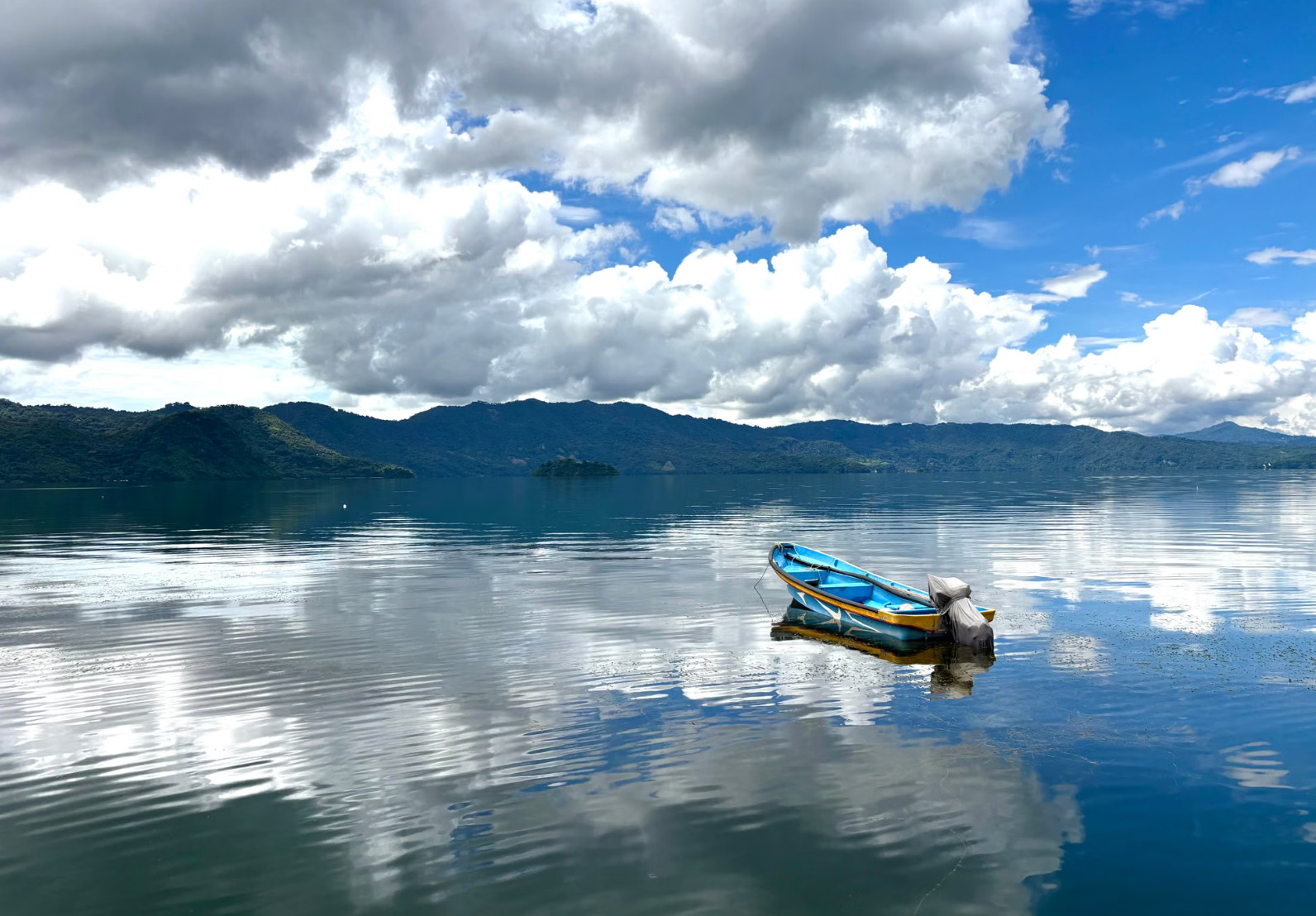
A volcanic crater lake just below Cerro Verde, Coatepeque is deep, blue, and, unlike the Santa Ana crater, safe to swim in. It pairs naturally with the volcano hike: hike Santa Ana in the morning, then come down for lunch and a swim.
6. Wander colonial Suchitoto
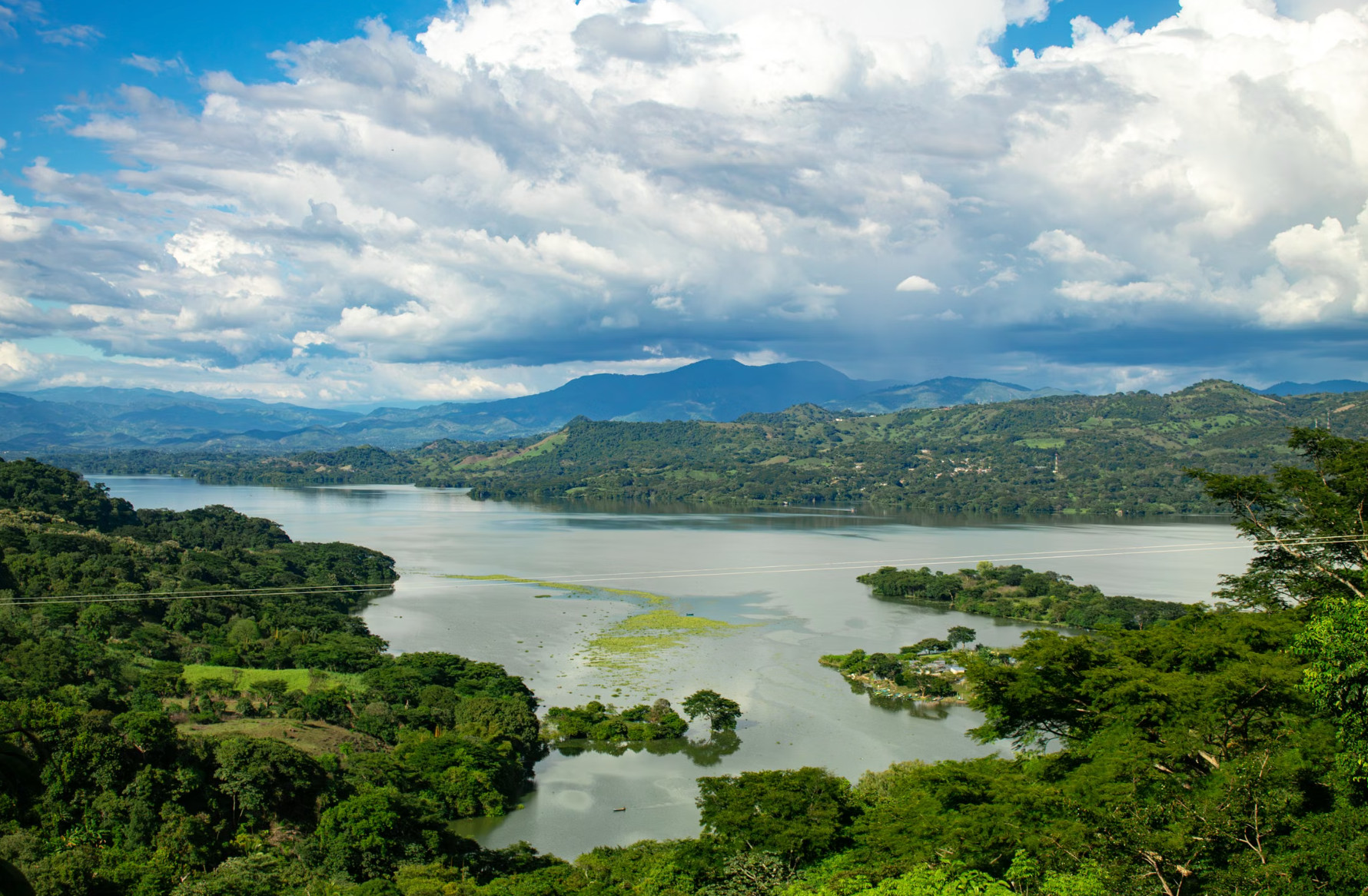
Suchitoto is the best-preserved colonial town in the country: cobblestone streets, whitewashed buildings, a photogenic main square, and a strong arts and indigo-dyeing tradition. It sits above Lake Suchitlán, which is good for boat trips and birdwatching.
Don't skip Los Tercios waterfall, known for its unusual hexagonal basalt columns. Evenings are when the town comes alive, as pupusa stalls set up around the plaza.
7. Explore San Salvador historic center and El Boquerón
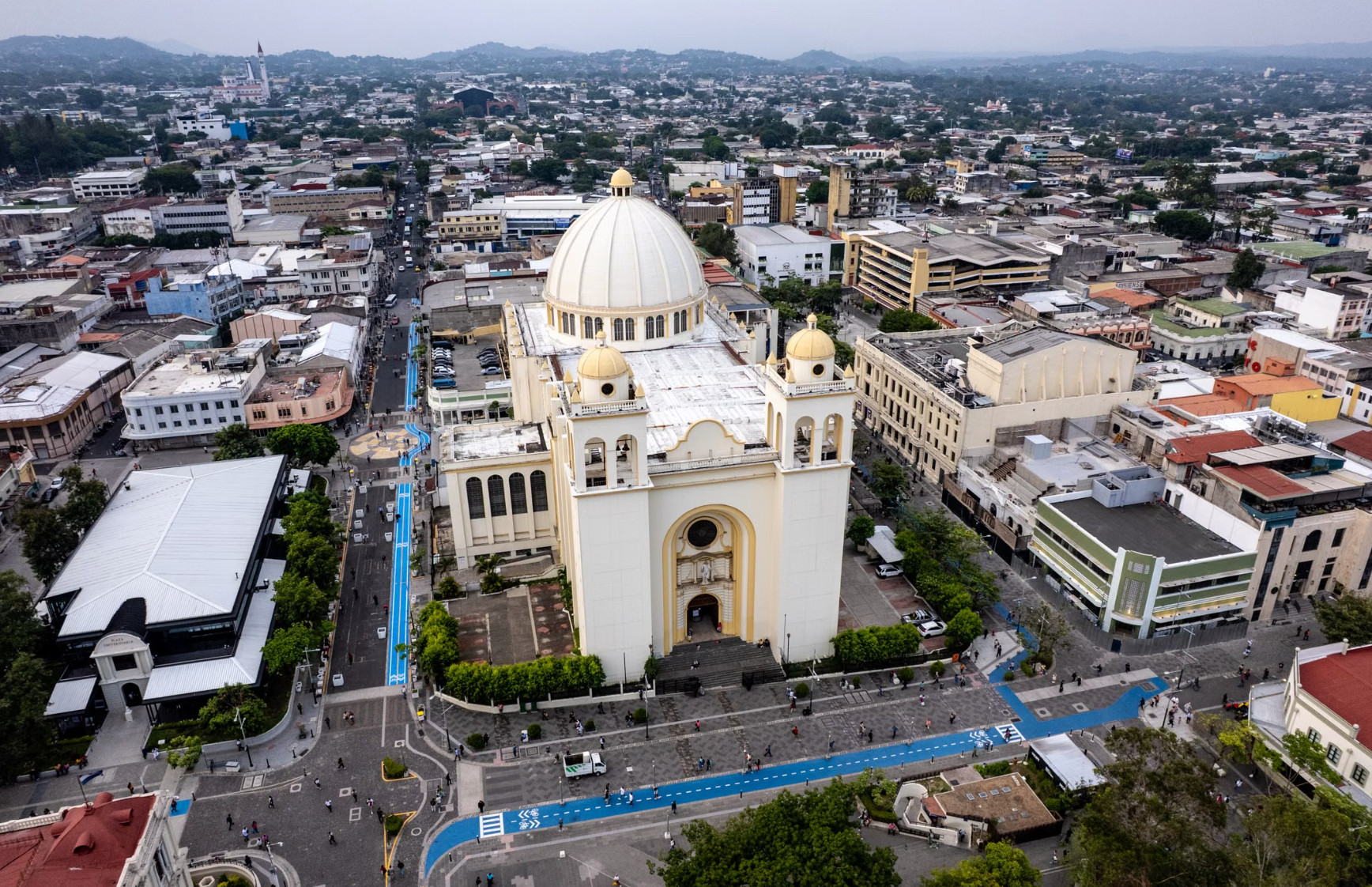
Most travelers used to blow through the capital. That's a mistake now. The downtown historic core, once a no-go zone, has been restored and is safe and walkable by day: the Palacio Nacional, the Metropolitan Cathedral, the stained-glass Iglesia El Rosario, and the National Theater are all within a few blocks.
The Zona Rosa and Colonia Escalón districts hold the best food and nightlife. For a half-day escape, drive up to El Boquerón National Park on the rim of an old volcano above the city.
There's a huge main crater with a smaller crater, El Boqueróncito, sitting inside it, and views straight down over San Salvador.
8. Walk through Maya history at Joya de Cerén and Tazumal
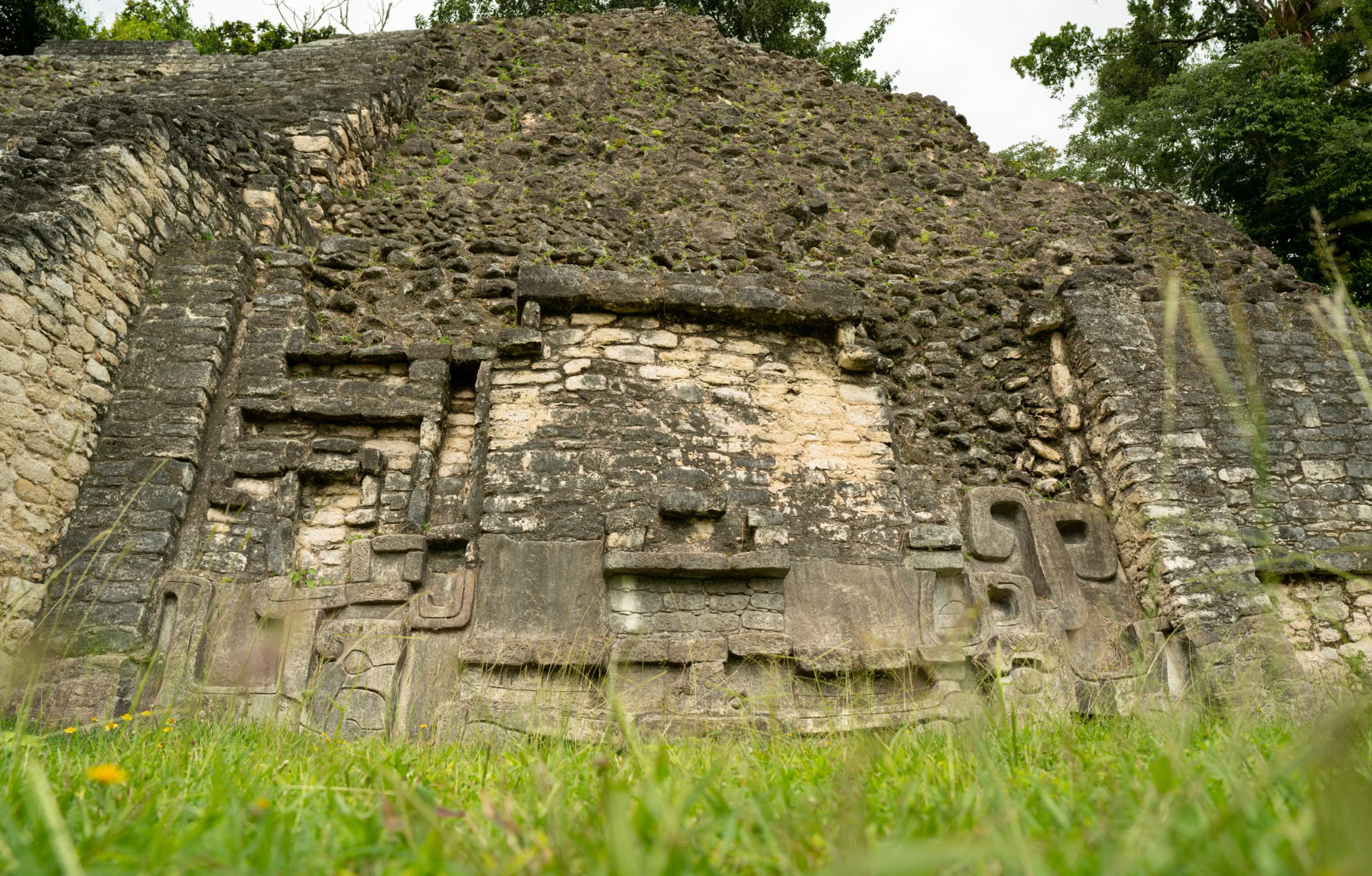
Joya de Cerén is El Salvador's only UNESCO World Heritage Site, a Maya farming village buried and preserved by a volcanic eruption around 600 AD, earning it the nickname "the Pompeii of the Americas."
Unlike grand ceremonial ruins elsewhere in Central America, this one shows how ordinary people actually lived.
Pair it with Tazumal, the country's largest and best-restored Maya ruin, about 30 minutes away near Chalchuapa. Together they make a solid half-day of Mesoamerican history, and both are easy day trips from Santa Ana.
9. Eat your way down the pupusa trail in Juayúa
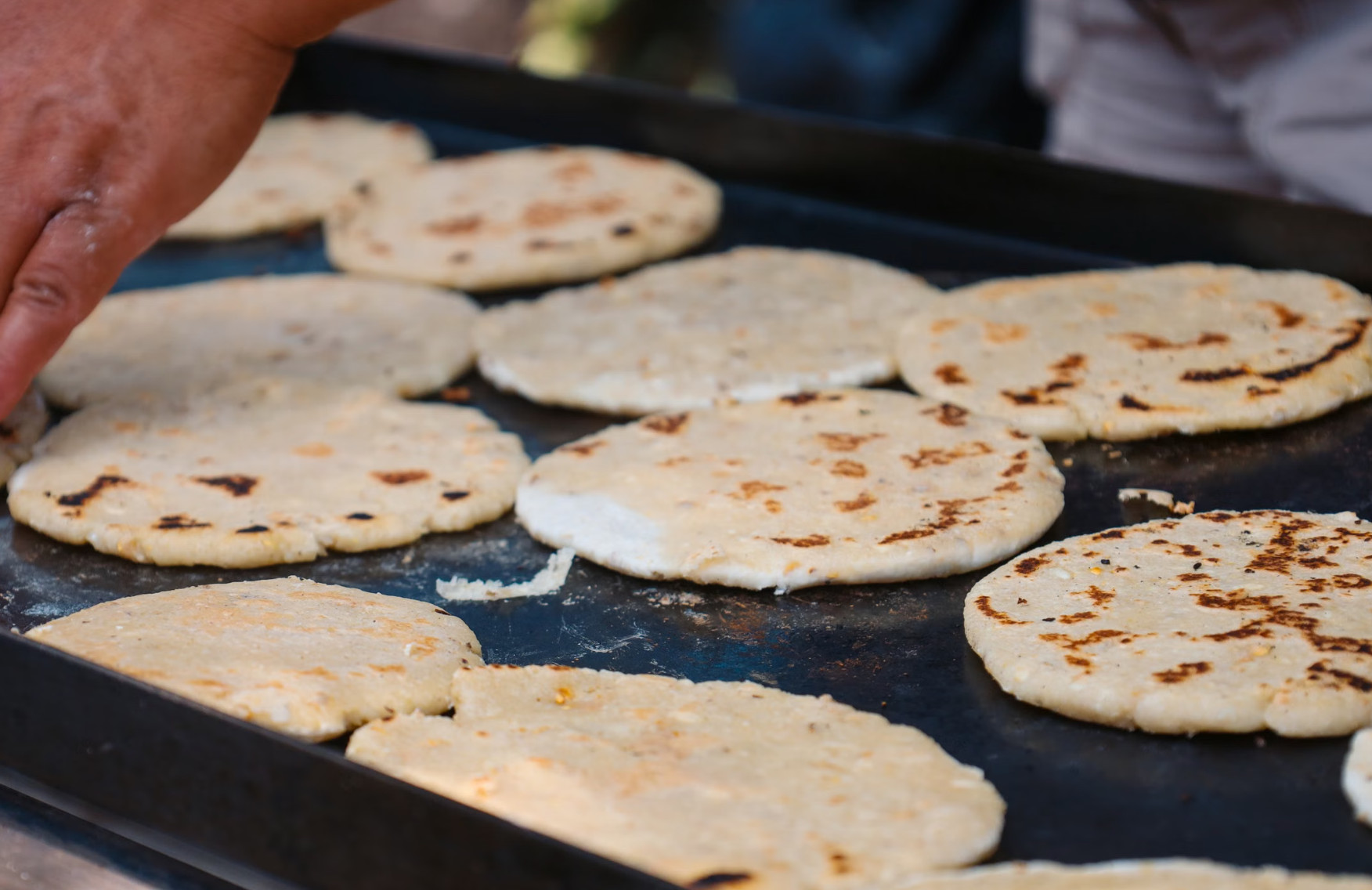
The pupusa, a thick, griddled corn tortilla stuffed with cheese, beans, or pork and served with curtido and salsa, is the national dish, and it's usually under a dollar.
You'll eat them everywhere, but Juayúa, on the Ruta de las Flores, holds a weekend food festival (feria gastronómica) every Saturday and Sunday that's worth timing your route around.
10. Escape east to the beaches of Oriente Salvaje
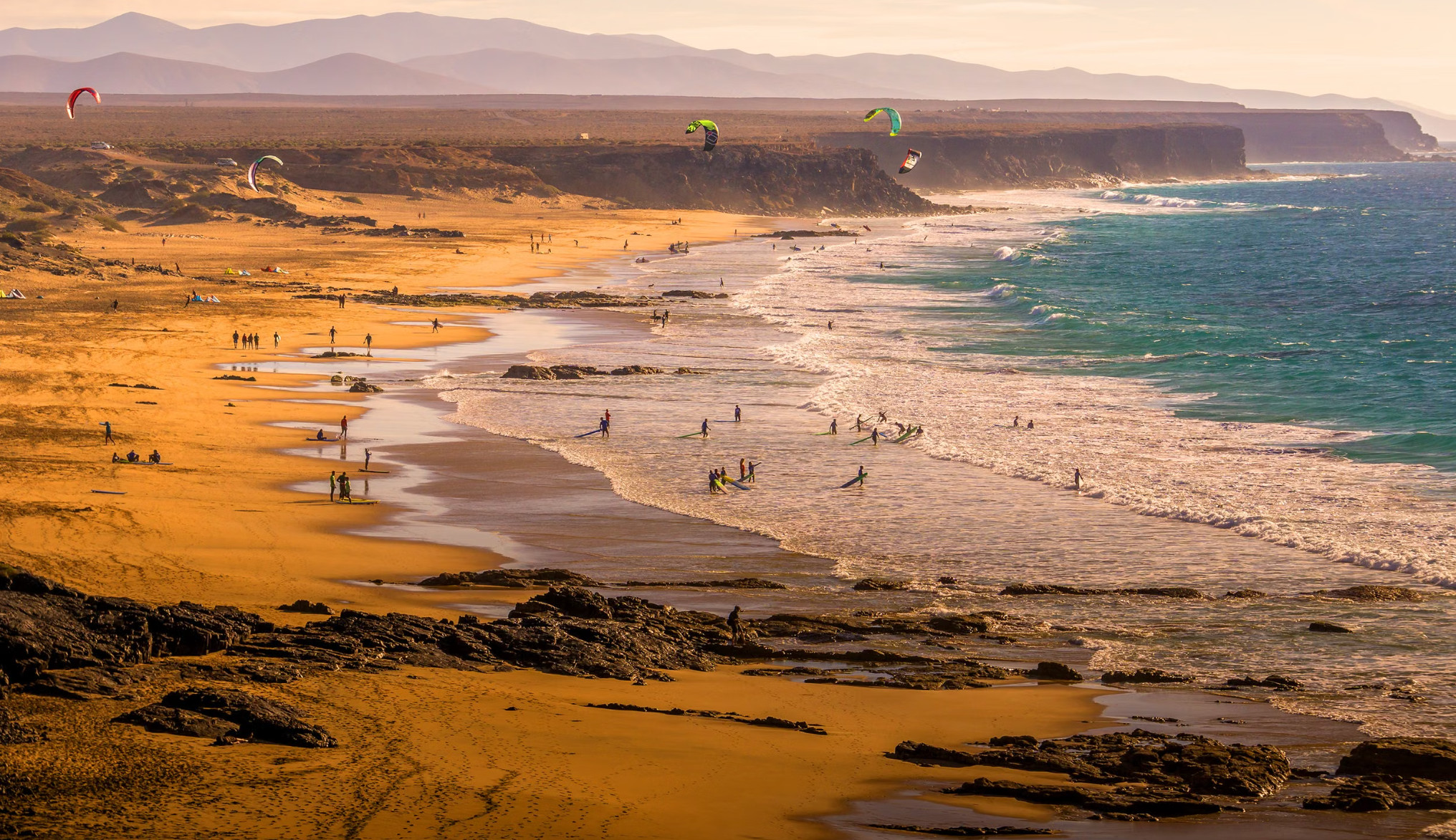
If you have extra days, head east. The eastern coast, now a designated World Surfing Reserve, is less developed than the Surf City strip, with remote breaks and near-empty beaches like Punta Mango and El Cuco.
This is where you go for quiet, not the scene. A 4x4 vehicle helps on the unpaved roads, and the area offers a genuine look at the coast before the crowds catch up.
And if El Salvador is one leg of a longer Latin America trip, its volcanoes-and-surf run pairs naturally with an easy Caribbean beach stop on the way home. Consider Punta Cana as your next stop.
Is El Salvador safe to visit in 2026?
Yes. El Salvador sits at Level 1 (Exercise Normal Precautions) in the U.S. The State Department's advisory scale is its lowest tier, and the same rating is given to Japan, Switzerland, and Australia.
Homicide rates have fallen dramatically under the security crackdown that began in 2022, and tourist corridors like El Tunco, El Zonte, Santa Ana, and Suchitoto are relaxed and well-patrolled.
That doesn't mean switching off. Petty theft still happens in crowded markets and bus terminals. Keep valuables out of sight, use registered taxis or pre-arranged transfers instead of flagging random cars, and avoid walking alone in unfamiliar neighborhoods after dark.
If you're unsure about a specific area, ask your hotel: local knowledge beats generalized advice online.
Can you still pay with Bitcoin in El Salvador?
Yes, but the rules changed. El Salvador made Bitcoin legal tender in 2021, then repealed that status in January 2025 as a condition of a $1.4 billion IMF loan. Bitcoin is now voluntary, businesses aren't required to accept it, and you can't pay taxes with it.
In practice, plenty of places still take it, especially in El Zonte, where Lightning payments have been part of daily life since 2019. Most travelers carry U.S. dollars (the primary official currency) for everyday spending and use Bitcoin where it's welcomed.
And if you're holding crypto, you don't have to spend it on pupusas to put it to work; you can book the whole trip with it.
How to book your El Salvador trip with Epic
You can book hotels and flights across El Salvador at up to 30% less than Booking.com at Epic. Pay with Visa, Mastercard, Apple Pay, Google Pay, or 200+ cryptocurrencies. Sign up with your email and get $25 off your first booking.
.png)

Adrian Baschuk is the chief executive officer of Epic. Adrian has spent two decades in media as a producer, journalist, and founder, and has worked in crypto since 2017. He was a founding partner at Crypto Banter, worked on CNBC's Crypto Trader, and has produced and reported for CNN, Current TV, and Discovery.
His television production credits include Disengagement, South Beach Tow, and Kart Life. He became CEO of Epic in 2025 and leads the company's move into travel, building the first travel layer for crypto.
Based in Miami, Adrian earned a bachelor's degree in international relations from Tufts University.
Frequently Asked Questions


Don't miss the big three: hiking Santa Ana Volcano to its turquoise crater lake, surfing or relaxing on the Pacific coast at El Tunco and El Zonte (Bitcoin Beach), and driving the Ruta de las Flores coffee towns. Add colonial Suchitoto, Lake Coatepeque, and the Maya ruins at Joya de Cerén and Tazumal if time allows.
There's no single answer, but most travelers love the western highlands and the Pacific coast. Ruta de las Flores has the prettiest colonial towns and coffee country, while El Tunco, El Zonte, and El Sunzal offer the best beaches. For scenery, Lake Coatepeque and the Santa Ana volcano area are hard to beat.
Yes. As of 2026, the U.S. State Department rates El Salvador Level 1: Exercise Normal Precautions, the lowest possible rating, reissued in July 2026, placing it in the same safety tier as France, Japan, and the United Kingdom. It's not a warning, but basic precautions still apply, and U.S. government staff avoid intercity travel at night as well as public buses.
El Tunco is the most popular beach town and the hub of the government's Surf City project, drawing the most international beach visitors. San Salvador, the capital, sees the most overall traffic as the transport gateway, while El Zonte (Bitcoin Beach) and Santa Ana Volcano are among the most visited day-trip attractions.
By U.S. advisory levels, El Salvador. It's rated Level 1, while Mexico's overall advisory sits at Level 2, with several states designated Level 3 or even Level 4 due to cartel-related violence. El Salvador also has a lower homicide rate than Mexico. Mexico is still safe in major resorts, but safety there varies far more by region.
Found a hotel you like? Book it for up to 30% less

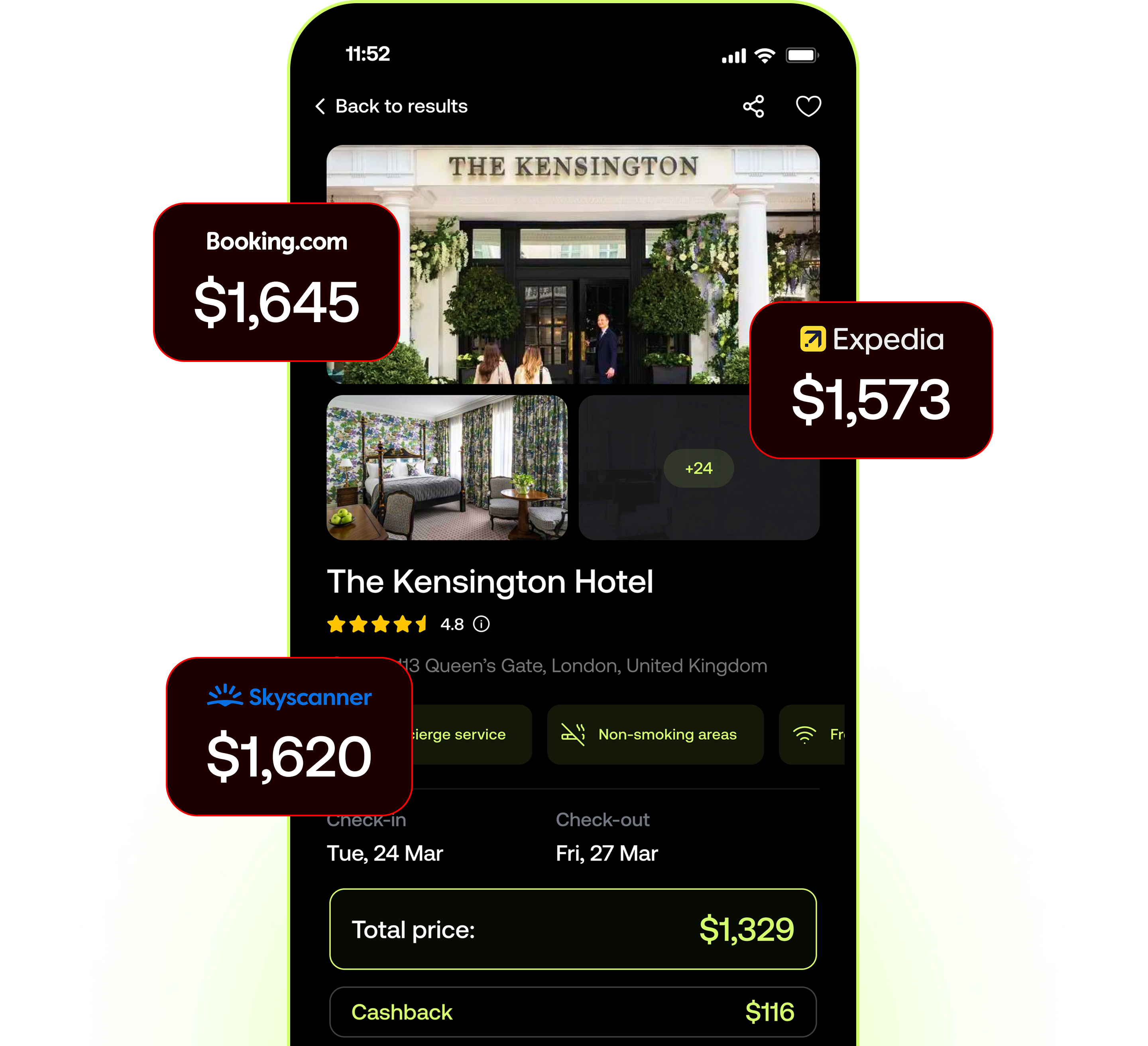
Found a hotel you like? Book it for up to 30% less