Content
15 Best Things to Do in the Dominican Republic (2026 Guide)

Here is the thing nobody says out loud about the Dominican Republic.
You book the trip for Punta Cana. The beach does exactly what the photos promised. The all-inclusive is fine. And then somewhere around day three, you start wondering what is actually out there—past the resort gates, past the organised excursion booth, past the version designed to be convenient.
The answer is: quite a lot. The country has 27 consecutive limestone waterfalls you can slide through, a bay where 3,000 humpback whales show up every January, the oldest colonial city in the Western Hemisphere, an untouched beach barely on maps, and rum aged in barrels since before most European brands existed. It has cenotes, cloud forests, a 16th-century cliff village, and a cable car that hauls you up a mountain to see all of it.
Most people who visit see about 20% of this. The other 80% is sitting there waiting. This guide covers 15 experiences that give you the full picture.
Want a summary of the 15 best things to do in the Dominican Republic? Watch this 2 minute video below. For a more comprehensive overview, keep reading.
Book your Dominican Republic trip on Epic for up to 30% less than Booking.com. On a typical 7-day trip, that's around $330 per person. New members get $25 off their first booking.
And while you are planning the trip, do not make the mistake most visitors make, booking the activities and forgetting to plan the eating. The Dominican Republic has one of the most underrated food scenes in the Caribbean, and the best of it is nowhere near a resort buffet. Our Dominican Republic food guide covers the 15 dishes worth finding, what each one costs at a local comedor, and exactly where to go for the real versions.
Now, let's get into it.
1. The 27 Waterfalls of Damajagua (Puerto Plata)
If you do one thing in the Dominican Republic that isn't lying on a beach, make it this. The 27 Waterfalls of Damajagua, officially Charcos de Damajagua sit in the forested hills outside Puerto Plata, where a river has been carving limestone into 27 consecutive natural pools over thousands of years. The setup is simple: you hike up through the jungle, and then you slide, jump, and swim your way back down through the whole cascade system. The rock is polished glass-smooth from centuries of moving water, the pools a cold, brilliant turquoise. The guides are mandatory and genuinely worth having they know every entry point, every depth, and exactly which jumps you should watch someone else attempt first.
Plan 3–4 hours depending on how many falls you tackle. The dry season runs December through April, and that's when conditions are at their best, water levels stay controlled, and the trail approach stays manageable. Most visitors pair this with an Amber Cove cruise stop or a day trip from Cabarete, which is about 45 minutes east along the north coast. Either works well.
Don't try to sort out the guide situation on arrival. Book in advance through your hotel or a reputable operator. This is one of the most popular day trips on the north coast and it fills up. Book your Puerto Plata hotels on Epic and you can lock in the whole north coast plan from one place.
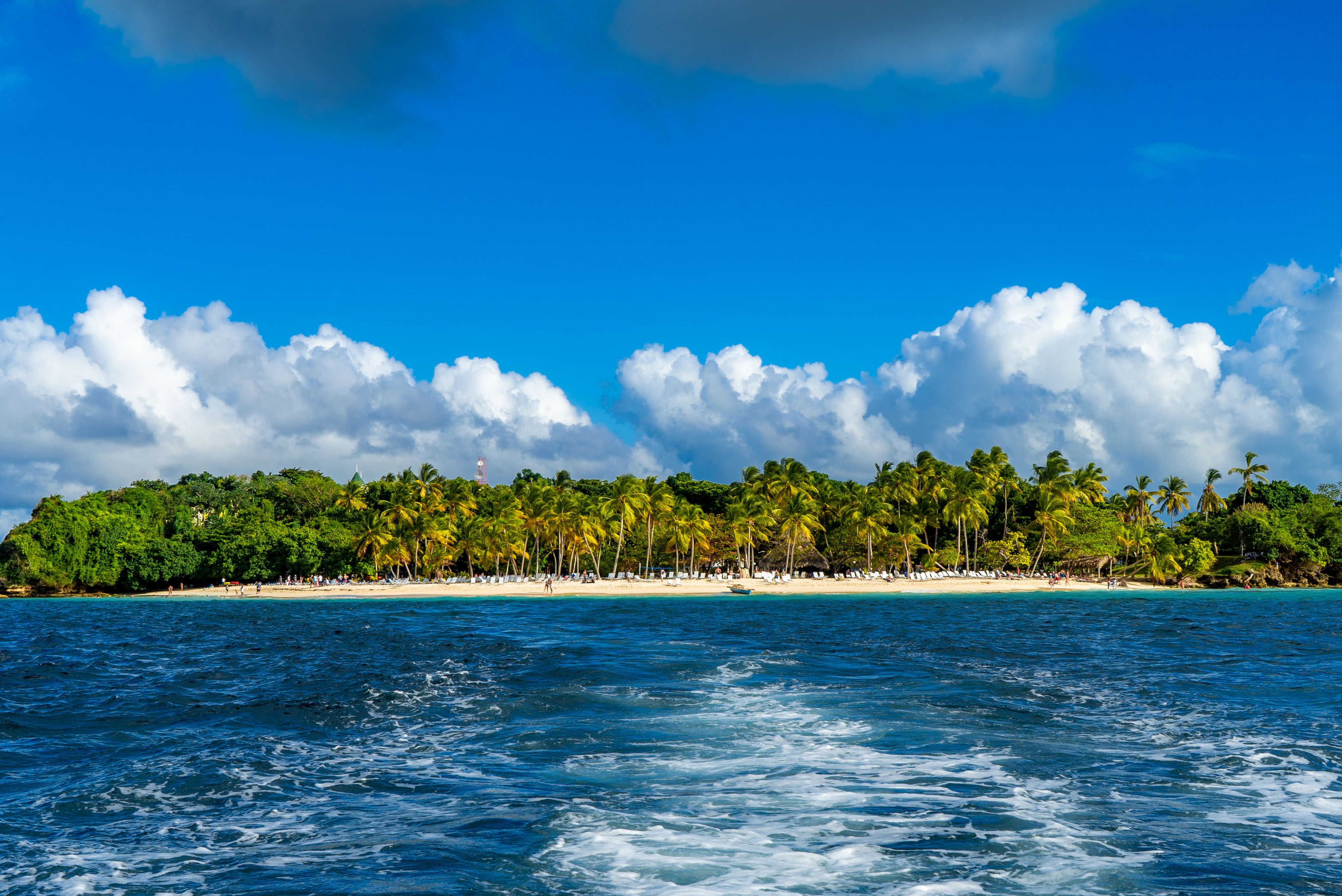
2. Saona Island (La Romana)

Saona Island looks exactly like its photos. You get there by catamaran from La Romana or Bayahibe, around 45 minutes on the water, usually with music on and a rum punch in your hand before you've fully registered that you're on a boat. Then you come around a headland and there it is: white sand that goes on forever, palm trees leaning at impossible angles, and water so shallow and clear you can stand 200 meters from shore and still see your feet on the bottom. The bright orange starfish spread across the sandy floor look completely staged. They're not.
Saona is a protected nature reserve part of Cotubanamá National Park with a small fishing community called Mano Juan at the far end of the island. Day trips run smoothly here: buffet lunch on the beach, open bar, snorkeling stops at natural swimming holes on the way back. It's a very well-run day and it absolutely earns its reputation as the DR's signature excursion.
That said, boats fill up fast during peak season from December through April. Book at least 48 hours ahead or you'll be on the dock watching someone else's catamaran leave.
Catamaran tours: approximately $60–90 USD per person, with lunch and resort transfers from Punta Cana included.
3. Zona Colonial, Santo Domingo
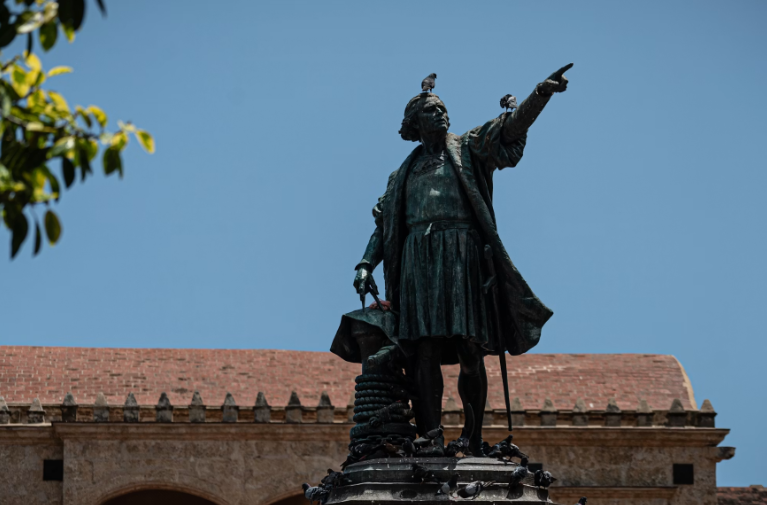
"Oldest city in the Americas" sounds like the kind of line that belongs in a brochure. In Santo Domingo's case, it's just true.
The Zona Colonial was founded in 1498 and has been continuously inhabited ever since. The streets you walk on were laid while Columbus's son was the sitting governor. The cathedral, the first one built anywhere in the New World, finished in 1541, is still holding mass on Sundays. The first hospital in the Americas is still standing a few blocks away. There's a university here that was enrolling students while Shakespeare was still in school. It's a UNESCO World Heritage Site for good reason, and it actually earns that designation in a way that a lot of UNESCO sites don't.
Walking through the colonial zone on a quiet weekday afternoon, when the tour groups have thinned and the late light catches the coral stone facades, is one of the best few hours you can spend in the Caribbean. It doesn't feel like a restoration project. It feels like history that just kept going without stopping to be photographed.
Within a half-day walk, hit these:
- Catedral Primada de Améica : The oldest cathedral in the New World, completed in 1541. Gothic arches, free to enter, and the kind of quiet that makes you automatically lower your voice.
- Alcázar de Colón: Diego Columbus's actual house, now a museum of colonial art and furniture. About $3 USD to get in.
- Calle El Conde: The main pedestrian boulevard. Grab a coffee, sit down, and watch the street go by.
- Parque Colón: The central square. Every major colonial building in the city is visible from one spot.
Budget at least half a day, and seriously consider booking a Ministry of Tourism-certified guided tour (~$20–30 USD). The historical context transforms a pleasant walk into something you'll actually remember. Book your Santo Domingo hotels on Epic to set yourself up within walking distance of the whole zone.
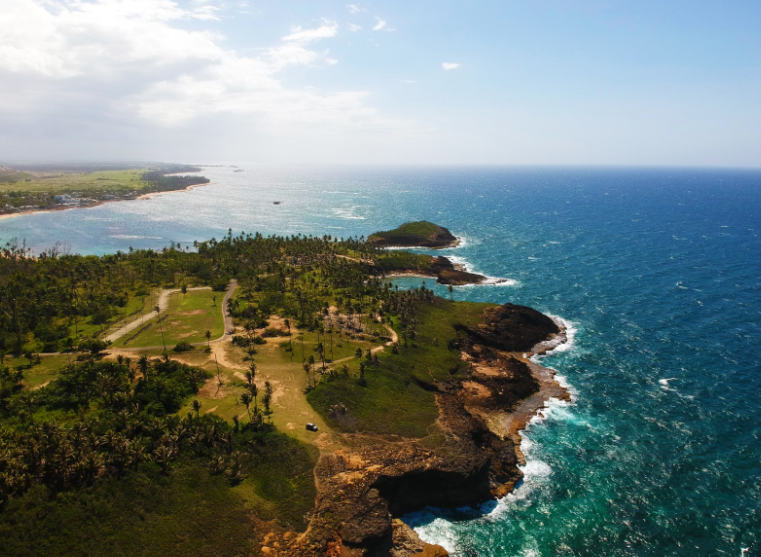
4. Hoyo Azul (Blue Hole) at Scape Park (Cap Cana)
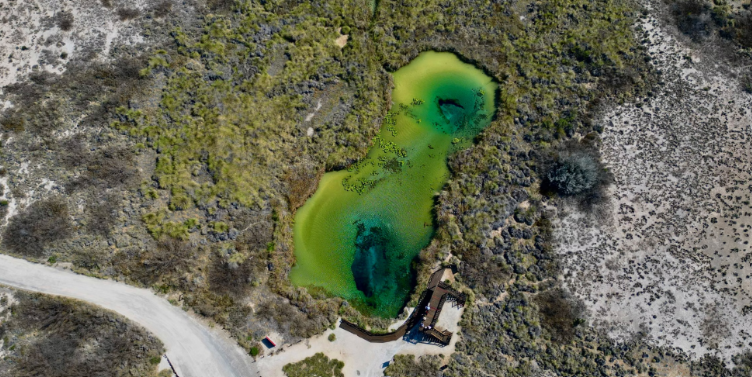
There's a natural sinkhole at the base of a 50-meter limestone cliff inside Scape Park in Cap Cana, and the colour of the water in it doesn't look real. It's fed by an underground spring that keeps it cold year-round, and it's a shade of electric turquoise that photographs always seem to overexpose or undersaturate. The actual thing is somewhere between those two failures, and the only way to understand it is to get in it.
You reach Hoyo Azul by a short jungle trail through orchid gardens and wooden boardwalks. It's not a hidden gem anymore; it gets proper crowds, so go to the park opening. Arriving early means the cliff walls and the pool are almost entirely to yourself. Arriving at noon means sharing it with several tour groups simultaneously, which changes the experience considerably.
Scape Park entry is approximately $49 USD and covers Hoyo Azul plus zip lines and an ATV circuit. The park is in Cap Cana, about 20 minutes from central Punta Cana, a natural half-day add-on from any Punta Cana base.
5. Whale Watching in Samaná Bay
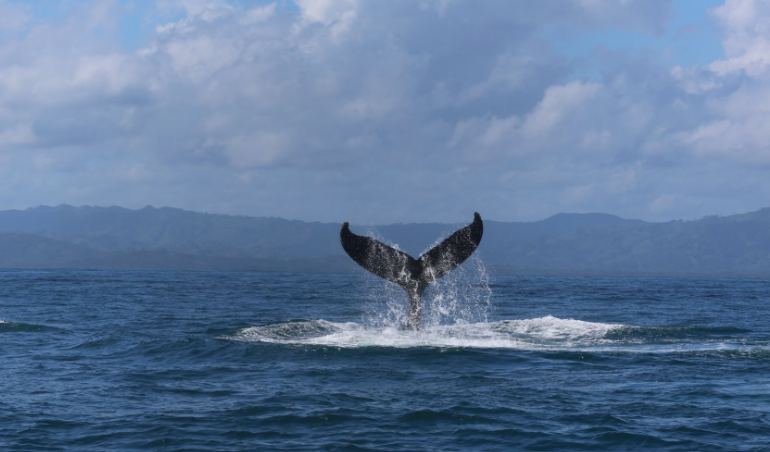
Every year between January and March, Samaná Bay receives the migration of roughly 3,000 North Atlantic humpback whales coming to breed and give birth in warm, sheltered water. It's one of the densest concentrations of humpback activity on earth during that seasonal window, and daily boat tours depart from the Santa Bárbara de Samaná dock throughout the season.
Tours run about three hours and are regulated by the Dominican Ministry of Environment, which sets approach distances to protect the whales and keep the whole thing sustainable. Full surface breaches happen. Tail slaps happen. Mother-calf pairs are regularly spotted. Nothing is guaranteed, but sightings are genuinely common; this isn't a "maybe you'll see one" situation.
If your travel dates have any flexibility at all, timing a DR trip around this window is one of the best decisions you can make. Pair it with El Limón waterfall and a few nights on the Samaná Peninsula and you have one of the most memorable Caribbean itineraries going.
Tours: $45–65 USD per person. Book your Dominican Republic accommodation on Epic and use the savings to extend your stay on the peninsula.
6. El Limón Waterfall
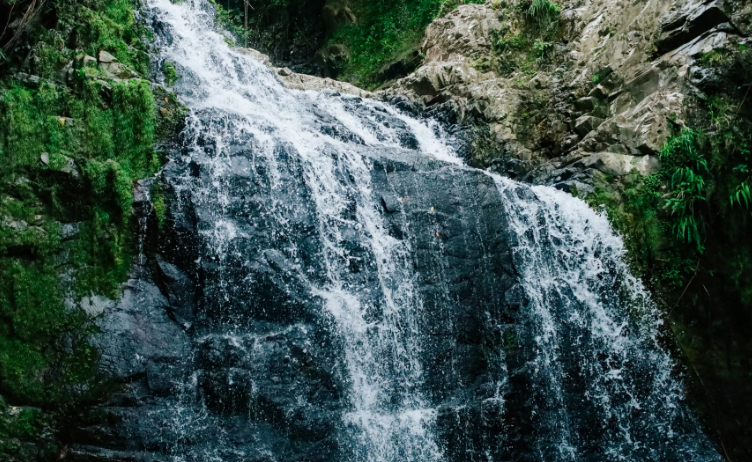
The trail to El Limón is too steep and too muddy to walk comfortably. The only way in is on horseback, which sounds like a gimmick until you're actually on the horse, moving through active cocoa plantations and banana groves with the forest thickening around you, and you realise the ride is as good as the destination.
The waterfall drops 52 meters into a natural swimming pool with rope swings over the water. The crowd here is a fraction of what you'll find at Damajagua on any given day, because most people don't make it this far into Samaná. That's their loss. Combined with whale watching if you time it right, the Samaná Peninsula makes a compelling 2–3 day base that most beach-first visitors skip completely, and they consistently say later that it was the part they most wished they hadn't missed.
Horseback plus guide: approximately $20–30 USD per person from Las Terrenas or El Limón village.
7. Kitesurfing and Watersports in Cabarete
.png)
Cabarete is one of those towns that exists because of one very specific geographical feature: a consistent northeast trade wind off the Atlantic that hits a shallow lagoon protected by a reef, producing conditions that have made this small beach town world-famous among kitesurfers and windsurfers. The Kiteboarding World Championship has been held here. European athletes fly in mid-winter to train here. It's not Caribbean-resort-famous; it's actually world-famous, among the people who care about this specific thing.
Book your next hotel for up to 30% less
And you don't have to be one of those people to benefit from it. The beginner infrastructure here is genuinely solid: certified instructors, rental equipment, and flat, shallow lagoon water that is very forgiving when you're learning. A 3-day course with certification runs approximately $350–500 USD; a single introductory lesson is around $80 USD.
Beyond the water, Cabarete functions as an actual beach town, with independent restaurants, real nightlife, a character that exists beyond the resort economy and it's worth at least one overnight on any north coast itinerary. Book your Cabarete hotels on Epic and combine it with a day trip to the 27 Waterfalls 45 minutes to the west.
8. Los Haitises National Park
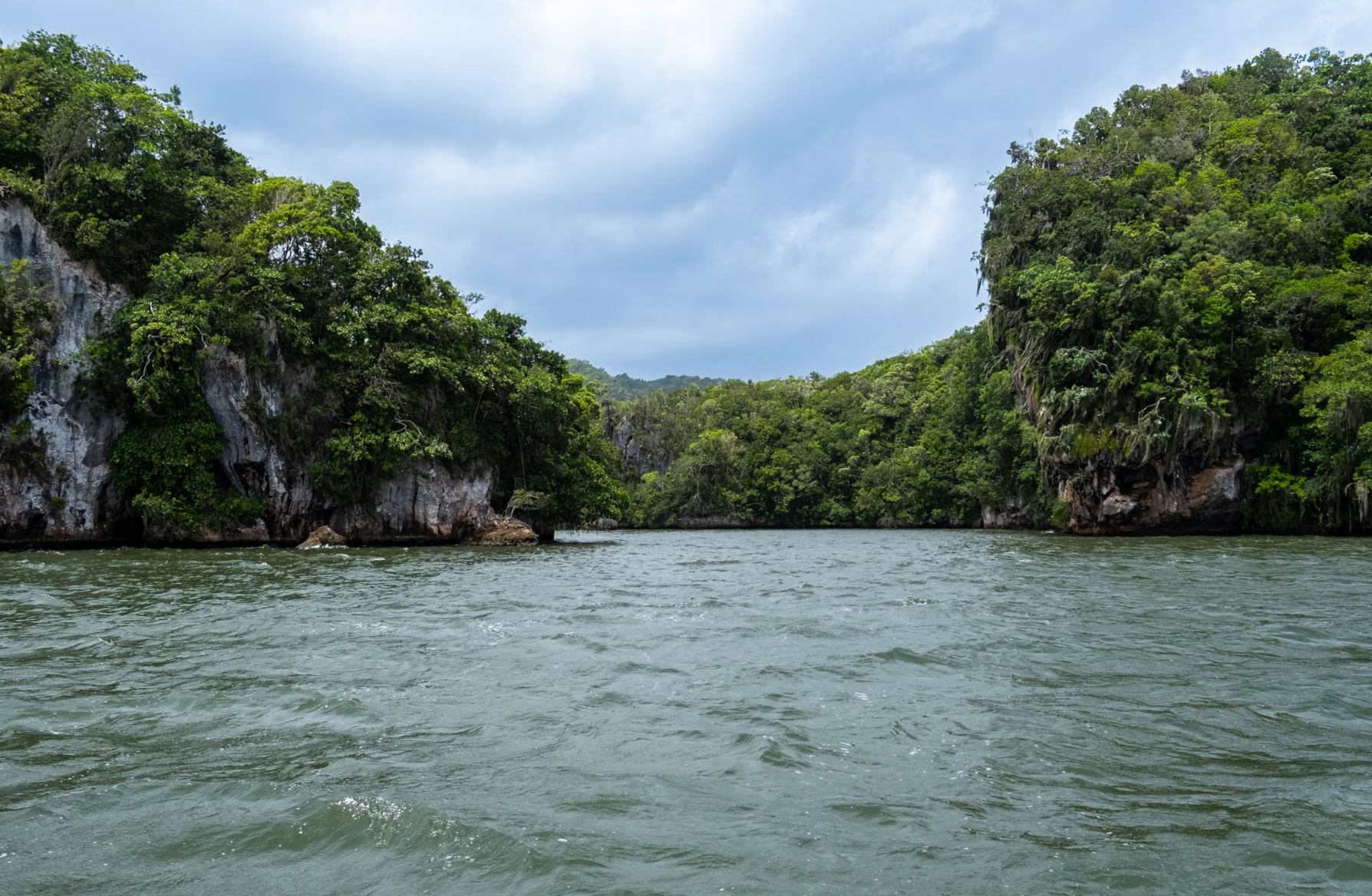
Los Haitises is one of the most biodiverse protected areas in the Caribbean, and it's one of the most undervisited relative to how good it actually is. The park covers a dramatic stretch of coastline on the southern edge of Samaná Bay, with steep limestone hills rising straight out of the water, dense mangrove forests, and cave systems with Taíno petroglyphs on the walls that are at least 500 years old. Access is by boat only, which keeps visitor numbers genuinely low.
Full-day tours combine kayaking through the mangrove channels, guided cave visits to the petroglyphs, and birdwatching; the park is home to pelicans, frigatebirds, and endemic species found nowhere else in the Caribbean. The Dominican Ministry of Tourism has been actively pushing Los Haitises as a 2026 ecotourism priority, which means the promotional spotlight is just starting to find it. The window to experience this at current crowd levels won't last forever.
Full-day tours with guide and transport: approximately $60–90 USD per person.
9. Bahía de las Águilas (Pedernales)

Getting to Bahía de las Águilas is a commitment. It's a 5–6 hour drive from Santo Domingo or Punta Cana into the far southwest of the country, near the Haitian border, through a region that sees almost no international tourists because there is no airport and no resort at the end of the road.
What is waiting at the end of the road is 8 kilometres of completely undeveloped coastline inside Jaragua National Park, the largest protected area in the entire Caribbean. No vendors, no music, no beach infrastructure of any kind. The sand is fine and white, the water runs from pale aquamarine near shore to deep blue offshore, and the quiet is total. It's the most pristine stretch of coastline in the Dominican Republic, and travel writers have been calling it the country's breakout destination for 2026 for months now. The secret is already getting out.
Plan and stay overnight at Rancho Típico eco-lodge near the park, canvas-tent accommodation with boat transfers to the beach included, and same-trip access to Laguna de Oviedo, a flamingo habitat lagoon nearby. Accommodation in Pedernales is limited, and it fills up. This is not a show-up-and-figure-it-out destination.
10. Altos de Chavón
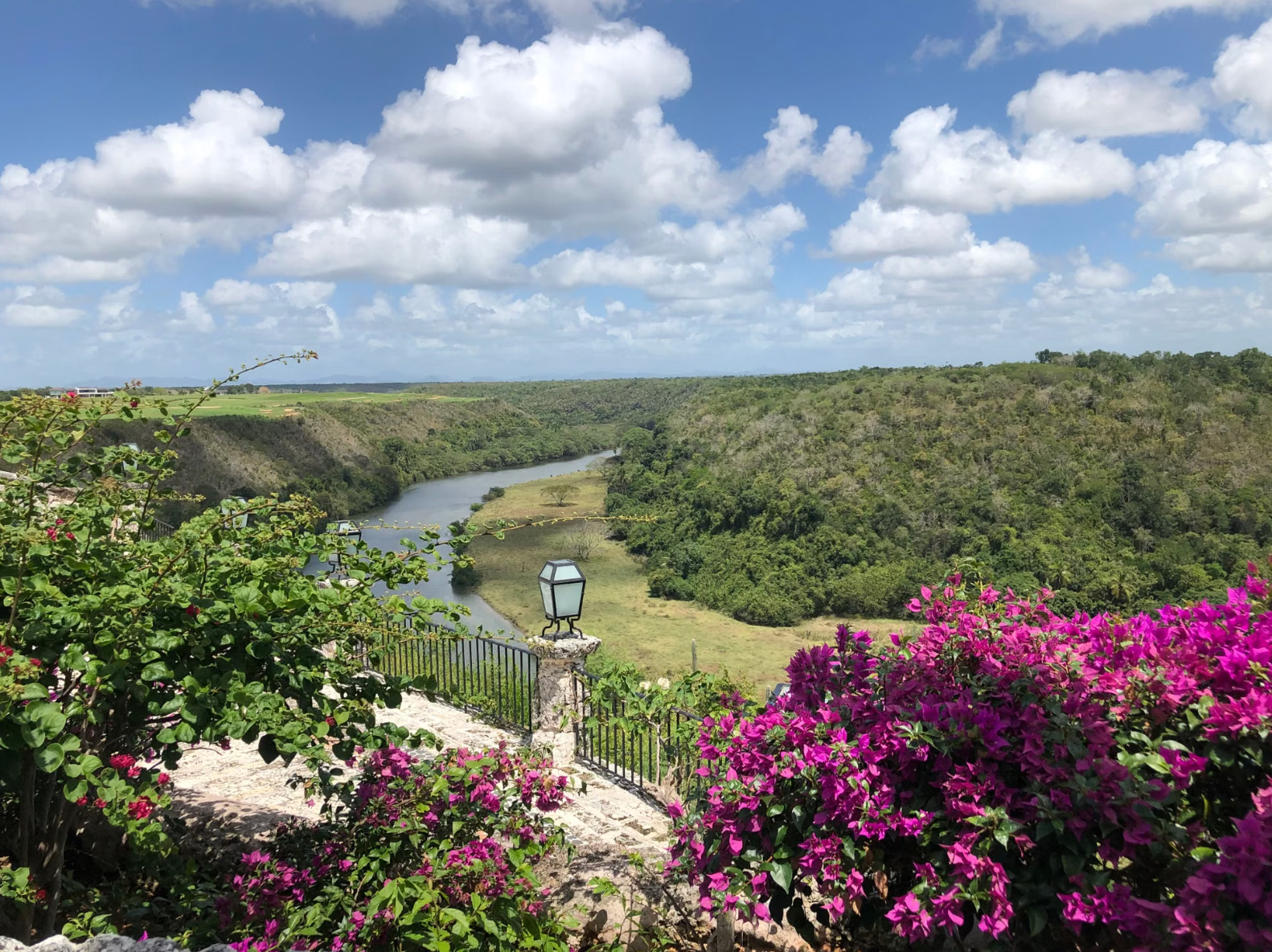
Here's a place that sounds like it should be skippable: a replica 16th-century Mediterranean village built in the 1970s, sitting on resort grounds near La Romana. It sounds like a theme park interlude on the way to a real beach.
It isn't. Altos de Chavón is built entirely from local coral stone and terracotta on a cliff above the Chavón River, and it's far more convincing than anything that description prepares you for. The cobbled lanes, the stone archways draped in flowering vines, the working artist studios affiliated with New York's Parsons School of Design it doesn't feel like a set. It feels like a place that was built by someone who genuinely loved what they were making. There's a regional museum of Taíno archaeology, several restaurants including La Cantina with solid river views, and a 5,000-seat open-air amphitheatre that has hosted Frank Sinatra and Julio Iglesias and still runs major events throughout the year. Check the calendar before you go.
Entry is free. It's attached to the Casa de Campo resort but fully open to non-guests. A day combining Altos de Chavón, La Romana town, and a catamaran to Saona Island makes for one of the strongest full-day circuits in the southeastern DR. Book your La Romana hotels on Epic to anchor the whole thing.
11. Surfing at Macao Beach (Punta Cana)

Most of Punta Cana's coastline faces east into the sheltered Caribbean, which is why the water at resort beaches looks like a swimming pool flat, calm, perfect for swimming, useless for surfing. Macao Beach faces northeast into the open Atlantic and gets consistent wave breaks that make it the only reliably surfable beach in the Punta Cana region.
It's also a public beach with no resort attached, no entry fee, and no $18 cocktails unless you go looking for them. Surf schools here run 2-hour beginner lessons at approximately $50–70 USD, including board rental, and the waves are manageable and forgiving in exactly the right conditions to try surfing for the first time without being humiliated. The beach has a local, unpretentious feel that's a real contrast to the polished resort corridor 20 minutes to the south, and that contrast alone makes it worth the drive.
12. Cable Car to Mount Isabel de Torres (Puerto Plata)
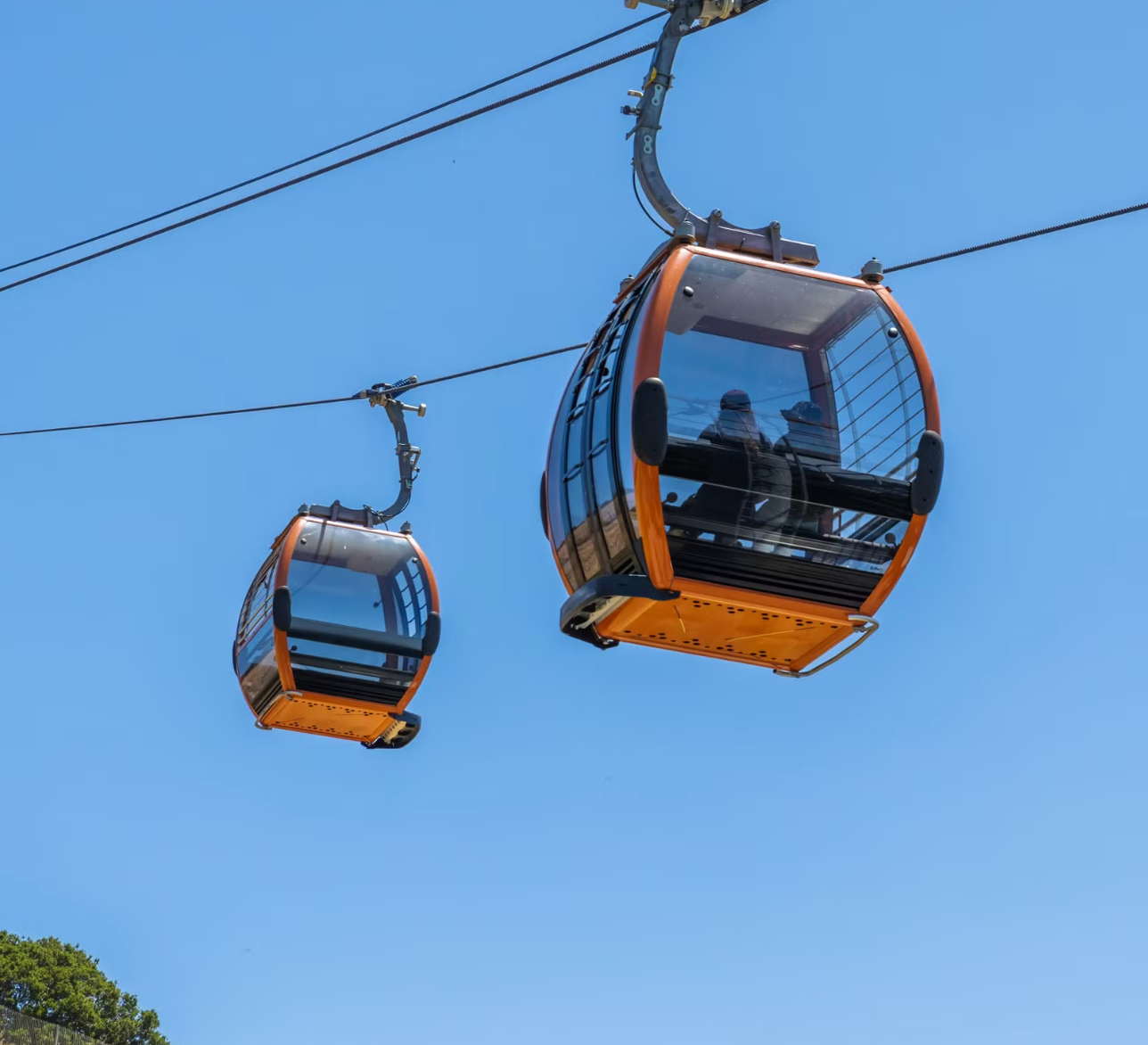
Puerto Plata has a cable car. Most people who visit the north coast don't know this, and that's a shame, because the teleférico climbs 793 meters up Mount Isabel de Torres and deposits you into a view across the city, the Atlantic coastline, and the mountain interior that is genuinely one of the best vantage points in the northern Dominican Republic.
The ride takes 8 minutes. At the top there's a botanical garden, a Christ the Redeemer statue smaller than Rio's but still impressive up close a café, and that panoramic view. The summit runs several degrees cooler than the coast, so bring a light layer and go in the morning before cloud cover builds. The teleférico runs Tuesday through Sunday, tickets are approximately $10 USD, and it pairs naturally with Cabarete 30 minutes east, and the Damajagua waterfalls 30 minutes south into a solid 2-day north coast loop. Book your Puerto Plata hotels on Epic to set the base.
13. Ron Barceló Rum Distillery (Santo Domingo)
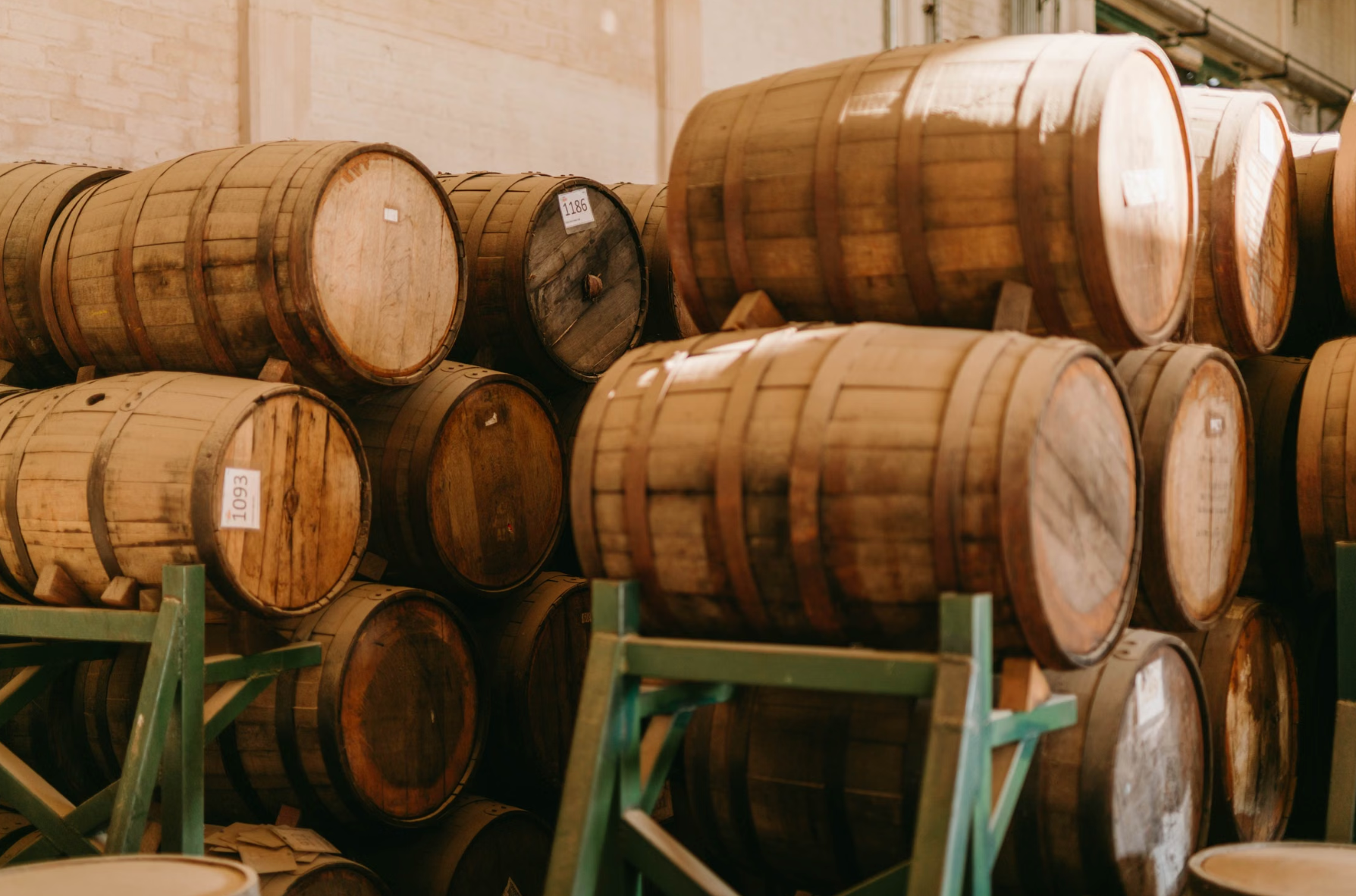
The Dominican Republic takes rum seriously not "Caribbean resort bar" seriously, but actually seriously, with centuries of sugarcane farming and barrel ageing that predate most of the European brands that eventually adopted Caribbean-style production. Ron Barceló is the label you'll see all over the island, and the distillery outside Santo Domingo runs proper tours of the actual working facility, harvesting, fermentation, distillation, and ageing warehouse, followed by a guided tasting of the premium expressions, including the Gran Añejo and the Imperial. Both are excellent and neat.
Tours run approximately $15–25 USD per person with tasting included. The distillery is about 45 minutes from the Zona Colonial and pairs naturally into a Santo Domingo day colonial zone in the morning, rum source in the afternoon. Book your Santo Domingo hotels on Epic to set the base for both.
14. Los Tres Ojos National Park (Santo Domingo)
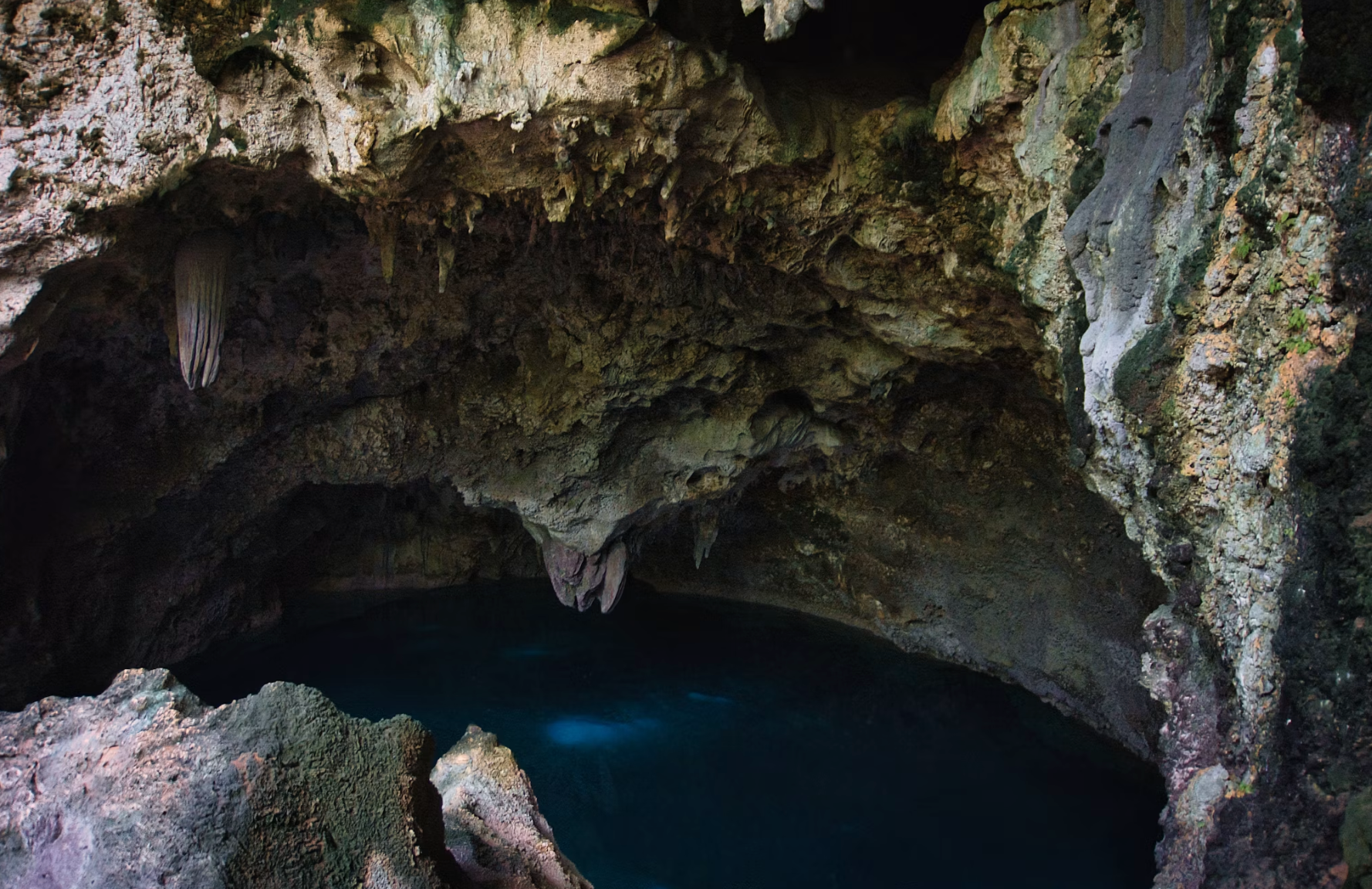
Twenty minutes east of central Santo Domingo, there's a national park containing three oval freshwater lakes sitting inside a limestone cave system. There's also a fourth lake discovered later, called Los Zaramagullones that you reach by a short wooden rowboat crossing from the third. The cave walls have Taíno petroglyphs and scattered pottery shards. The stalactites and stalagmites framing the lakes are dramatic. The whole thing costs $3 USD to enter and takes about 90 minutes to walk properly.
It's strange and quiet and genuinely unlike anything else in the Caribbean, the kind of place that earns its spot on the itinerary without asking much in return. Easy to combine with a Zona Colonial morning into a complete, varied Santo Domingo day.
15. Zip Lines and Natural Pools in El Valle
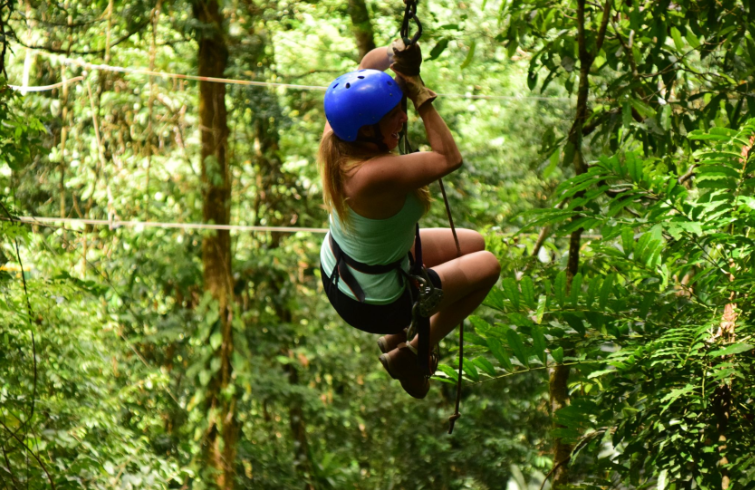
El Valle doesn't turn up on the first page of search results for Dominican Republic travel, which is a direct indication of how good it is.
The zip-line circuit here runs above dense jungle canopy with waterfall views and Atlantic coastline visible on the descent, one of the longer runs in the Caribbean and it's operated at a small enough scale that the groups stay genuinely limited and the atmosphere stays genuinely relaxed. Natural freshwater pools at the base provide swimming after the lines, and the nearby Playa El Valle is a short walk away: a clean, quiet beach with no vendors, no resort infrastructure, and almost nobody on it on a weekday.
Zip-line tours with transport from Las Terrenas run approximately $45–60 USD. Pair it with El Limón waterfall as a full activity day from a Samaná base, and you've built the kind of day that's very hard to find in the more heavily touristed parts of the island.
Is the Dominican Republic Safe in 2026?
Yes, with the same awareness you'd bring to any large, varied country.
The U.S. Department of State rates the Dominican Republic at Level 2: Exercise Increased Caution, the same classification applied to parts of France, Italy, and Mexico. Over 11.6 million tourists visited in 2025. The vast majority of those trips were completely uneventful because the vast majority of visitors stayed in the areas with proper tourist security infrastructure.
The key distinction in the DR is geographic. Resort corridors in Punta Cana, the historic districts of Santo Domingo, and established tourist zones across the north coast all maintain strong security. Urban neighbourhoods outside those zones carry meaningfully higher risk profiles, and the difference matters.
The thing that actually causes the most tourist accidents in the DR is traffic, not crime. Road conditions, unmarked speed bumps, stray animals, and the absence of lighting on rural routes make night driving a genuine hazard. Use resort shuttles (~$20–40 USD per transfer), Uber available in Santo Domingo, Punta Cana, Santiago, and Puerto Plata or InDriver for intercity travel. If you rent a car, keep to daylight hours.
How Many Days Do You Need in the Dominican Republic?
For a first visit: 7–10 days. That's enough time to anchor in one region, take 2–3 day trips, and make at least one longer excursion to Samaná or Santo Domingo without rushing every morning.
Five days: pick one region and commit to it. A Punta Cana base covering Saona Island, Hoyo Azul, and Macao Beach is a complete short trip. A Santo Domingo base covering the Zona Colonial, Altos de Chavón, and Los Haitises is a completely different but equally good 5-day cultural circuit.
Fourteen days: drive north to south. Cabarete to Puerto Plata to Santo Domingo to La Romana to Punta Cana. Every landscape, every travel style, one continuous trip and one of the best 2-week Caribbean itineraries going, at any budget level.
What's the Best Time to Visit the Dominican Republic?
One thing worth knowing about the wet season: it doesn't mean constant rain. From June through October, most rainfall comes in short afternoon bursts, and mornings are often clear. The north coast of Cabarete, Puerto Plata, gets more rain year-round than the east coast (Punta Cana), which sits in the rain shadow of the Cordillera Central mountains.
Timing your trip right can cut costs sharply, with some resorts dropping 40 to 50% outside peak season. Our guide to the best time to visit the Dominican Republic shows exactly which months bring the lowest prices.
Practical Entry Requirements for 2026
Before you fly, complete the digital E-Ticket at eticket.migracion.gob.do. It's free, takes about five minutes, and generates a QR code your airline will ask to see at check-in. It replaces all the old paper immigration, customs, and health declaration forms that don't show up without it.
The $10 USD tourist card fee is now automatically included in your airfare for travellers arriving by air. No separate payment, no queue at a kiosk. If you're arriving by land or sea, you still pay $10 at the border.
Book Your Dominican Republic Trip on Epic
The Dominican Republic is in the middle of its strongest tourism year on record, and hotel rates in peak season are moving up to match the demand. Booking early and through a platform that gives you real savings rather than loyalty points you'll never use is how you get the trip without overpaying for it.
At Epic, you can book hotels and flights across the Dominican Republic at up to 30% less than Booking.com. On a standard 7-day trip, that's roughly $330 saved per person, enough to cover your Saona Island catamaran, the 27 Waterfalls, a guided tour of the Zona Colonial, and still have money left over. The inventory covers every corridor in the country: all-inclusive resorts in Punta Cana, boutique guesthouses in Las Terrenas, properties within walking distance of Santo Domingo's Zona Colonial, and north coast hotels in Cabarete and Puerto Plata. Pay with Visa, Mastercard, Apple Pay, or Google Pay or with crypto if you prefer.
New users get $25 off their first booking, no conditions.
Claim your $25 and start booking your Dominican Republic trip at epicchain.io →
Frequently Asked Questions
1. Do I need a visa to visit the Dominican Republic?
Most travellers don't. Citizens of the United States, Canada, the United Kingdom, and the European Union can enter the Dominican Republic without a visa for stays of up to 30 days. What you do need is the free digital E-Ticket completed at eticket.migracion.gob.Do before you fly. It's not a visa; it's an entry form, and airlines will ask for the QR code at check-in. The $10 USD tourist card is now automatically included in your airfare if you're arriving by air, so no separate payment is required. Always check the current requirements for your specific nationality through your government's travel advisory page before booking.
2. What currency is used in the Dominican Republic, and can I pay in US dollars?
The official currency is the Dominican Peso (DOP), currently sitting at approximately RD$58–59 per US dollar as of late June 2026, down from a peak of around RD$63.70 earlier in the year. Exchange rates shift constantly, so check Wise or XE for the live rate before you travel. US dollars are widely accepted in tourist areas, resort corridors, and most tour operators, but you'll almost always get a better effective rate paying in pesos, and street vendors, local comedores, and small shops will prefer them. Withdraw pesos from ATMs on arrival rather than exchanging at the airport, where rates are poor. Most major resort hotels and restaurants take credit cards, but carry cash for markets, local food spots, and smaller towns where card readers are unreliable.
3. What's the best area in the Dominican Republic to stay for first-time visitors?
Punta Cana is the easiest entry point; the international airport is well-connected; the resort infrastructure is extensive, and Saona Island, Hoyo Azul, and Macao Beach are all within easy day-trip range. That said, Punta Cana is also the most resort-heavy part of the country, and it's the one that shows you the least of what the Dominican Republic actually is. If you have 7–10 days, consider splitting your time: a few nights in Punta Cana for the beach, then a move to Santo Domingo or Samaná for the second half. You'll come home having seen two completely different versions of the same country, which is the trip most people wish they'd planned. Browse Dominican Republic hotels on Epic across all regions to compare your options at up to 30% less than standard booking platforms.
4. Is Dominican food safe to eat at street stalls and local restaurants?
Yes, with the same common sense you'd apply anywhere. Eat at busy stalls where food is cooked fresh to order and turnover is high, the chimichurri carts in Santo Domingo, the empanada stands near markets, and the beach shacks frying whole fish to order at Macao are all perfectly safe. What you want to avoid is anything that's been sitting in the heat for an indeterminate amount of time. Stick to bottled or purified water throughout your trip. Tap water is not reliably safe for visitors — stick to bottled or purified water throughout your trip, and you will be fine. The best food in the Dominican Republic is almost entirely outside resort walls, and the health risk of eating it is minimal when you use basic judgment.
5. Can I book hotels and flights for the Dominican Republic on Epic using a regular card?
Yes, anyone can book on Epic; no account type or membership required. Pay with Visa, Mastercard, Apple Pay, or Google Pay just like any other travel platform. The difference is the price: Epic offers hotels and flights at up to 30% less than Booking.com, which on a standard 7-day Dominican Republic trip works out to around $330 saved per person. Crypto is also accepted if you prefer it. New users get $25 off their first booking automatically. Start browsing Dominican Republic hotels and flights at epicchain.io →

Mithra Ghosh is a Dubai-based content writer and SEO copywriter with 2+ years of experience crafting search-optimised content across crypto, Web3, and digital finance. She combines strong editorial instincts with a deep understanding of blockchain ecosystems and on-chain trends.
At Epic, she writes about the growing world of crypto-native travel helping readers understand how holding and spending digital assets can unlock smarter, cheaper ways to see the world.


Found a destination you like? Book it for up to 30% less.

Found a destination you like? Book it for up to 30% less.