Content
15 Best Things to Do in Athens, Greece
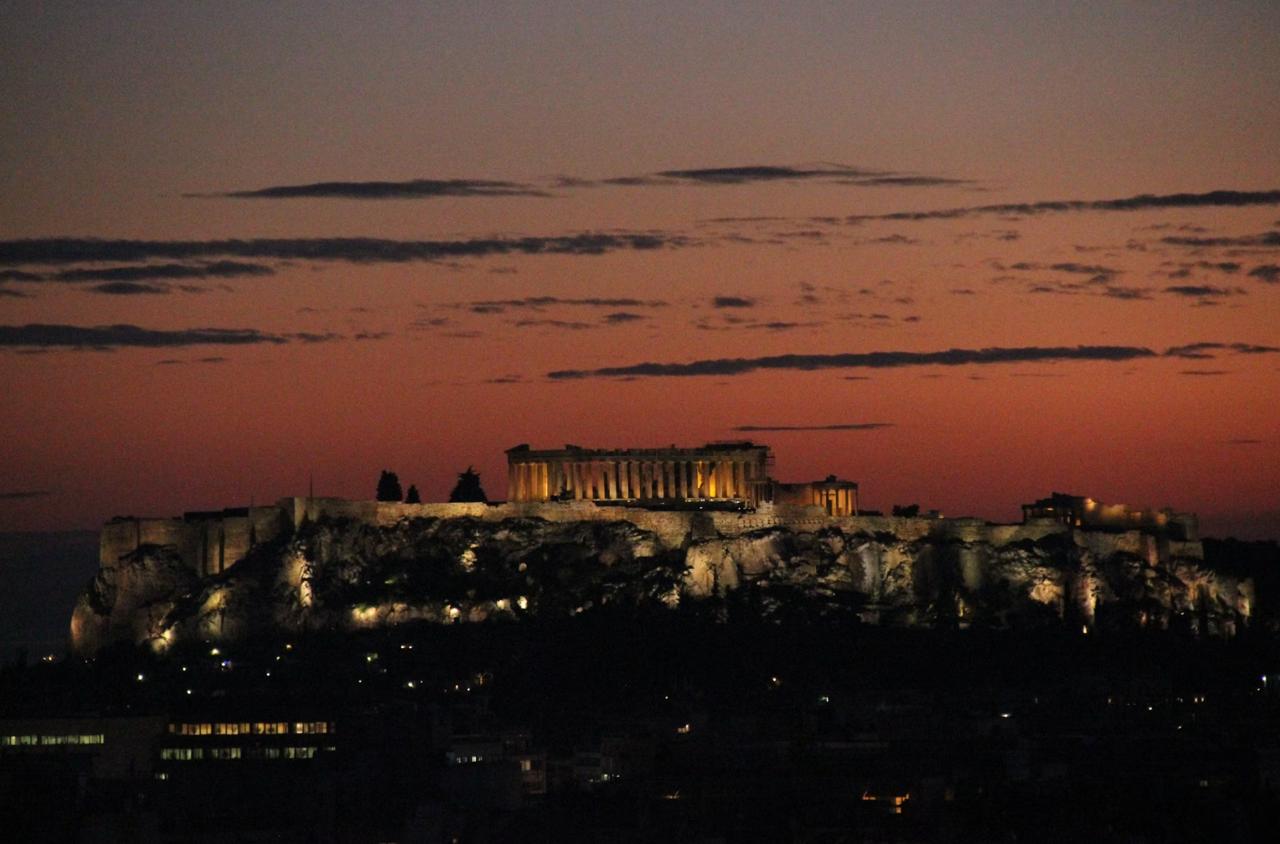

Things to do in Athens range from world-class ancient sites to thermal lake swims, and nearly all of them fit into three affordable days. Athens is a city where you can walk from a taverna to the Temple of Poseidon and encounter 2,500 years of continuous history underfoot. The Parthenon sits not behind museum glass but on a limestone ridge overlooking the modern city, visible from most neighbourhoods. That proximity is what makes Athens singular.
The challenge is that this appeal is well known; the Acropolis now requires advance reservation and costs 30 euros, with 4 million annual visitors. But nearly everything else functions with genuine ease. The historic centre is compact and walkable, the metro is clean and affordable, and a full day of sightseeing paired with a proper meal costs less than a cocktail on Mykonos. Three days is the optimal length for a first visit. This guide covers the 15 experiences worth those three days, with 2026 prices, practical timing, and realistic budgets included.
At Epic, we help travellers book hotels and flights for up to 30% less than Booking.com, so consider this the planning half of the equation. Join the early access list and claim $25 off your first booking. Let's get into the doing half.
How Many Days Do You Need in Athens?
Three days cover Athens well. Two full days are enough for the headline sights, meaning the Acropolis, the major ruins, and one or two museums, while a third day adds neighbourhoods, the food scene, or a beach afternoon on the Riviera. A week lets you fold in day trips to Delphi or Cape Sounion.
Here is how most travellers should split their time:
One structural tip before we start: Athens is a morning city in summer. Temperatures regularly push past 35°C between June and September, so front-load outdoor sites before 10 a.m. and save museums and markets for the heat of the day.
What Are the Must-See Ancient Sites in Athens?
Six ancient sites justify the flight on their own. Here they are in priority order, with the practical details that most guides skip.
1. The Acropolis and Parthenon
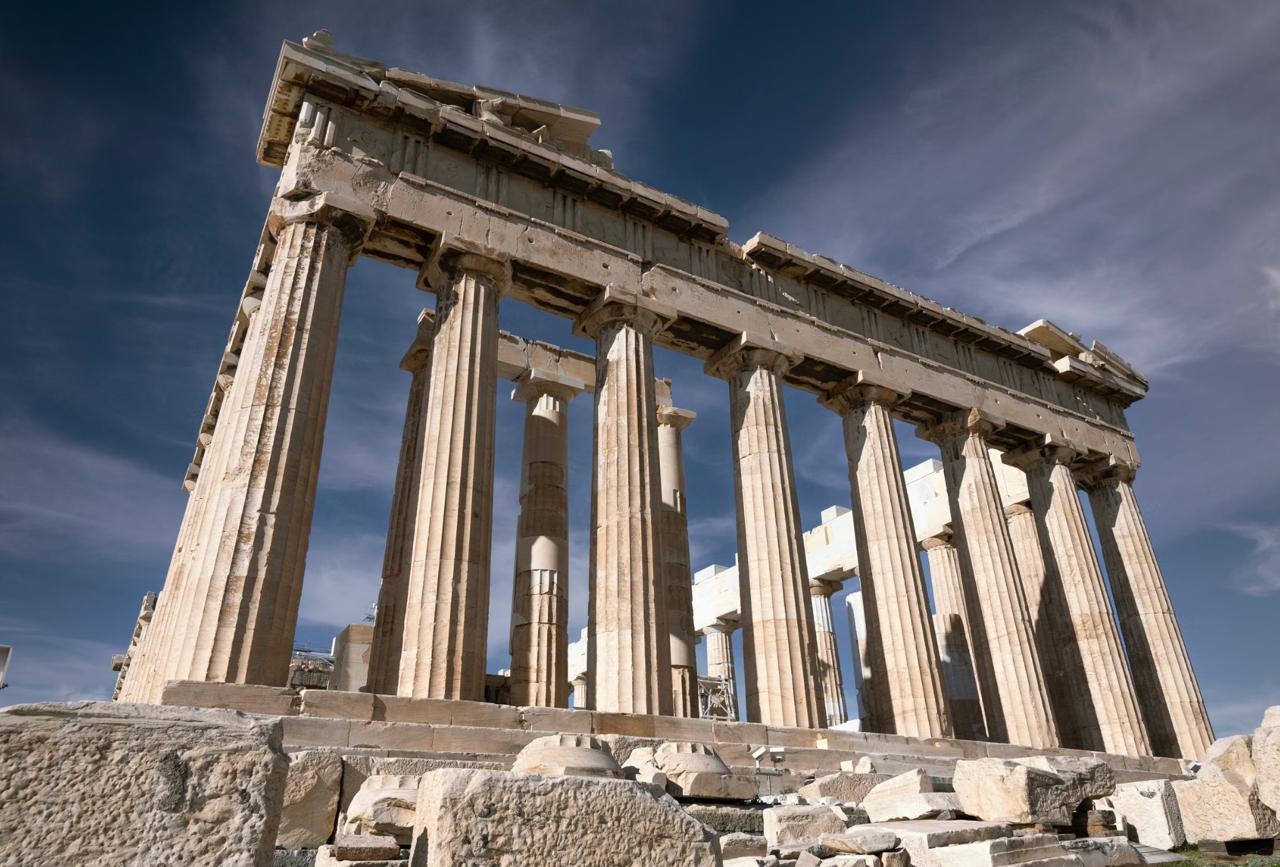
Start here, because everything else in Athens literally sits in its shadow. The 5th-century-BC citadel crowned by the Parthenon is a UNESCO World Heritage Site and the single most visited attraction in Greece.
The 2026 logistics matter more than ever. Entry requires a timed reservation booked through the official portal, hhticket.gr. Book at least a week ahead in summer, and closer to a month for July and August dates. Adult tickets cost 30 euros, and the old winter discount was discontinued in April 2025. The earliest morning slots (from 8 a.m.) sell out first because they are the coolest and least crowded, which tells you exactly which slot to grab.
If you plan to visit multiple ruins, the combined pass (around 36 euros as of 2026) covers seven major archaeological sites over five days, including most of the sites below. It pays for itself by your second stop.
2. The Acropolis Museum
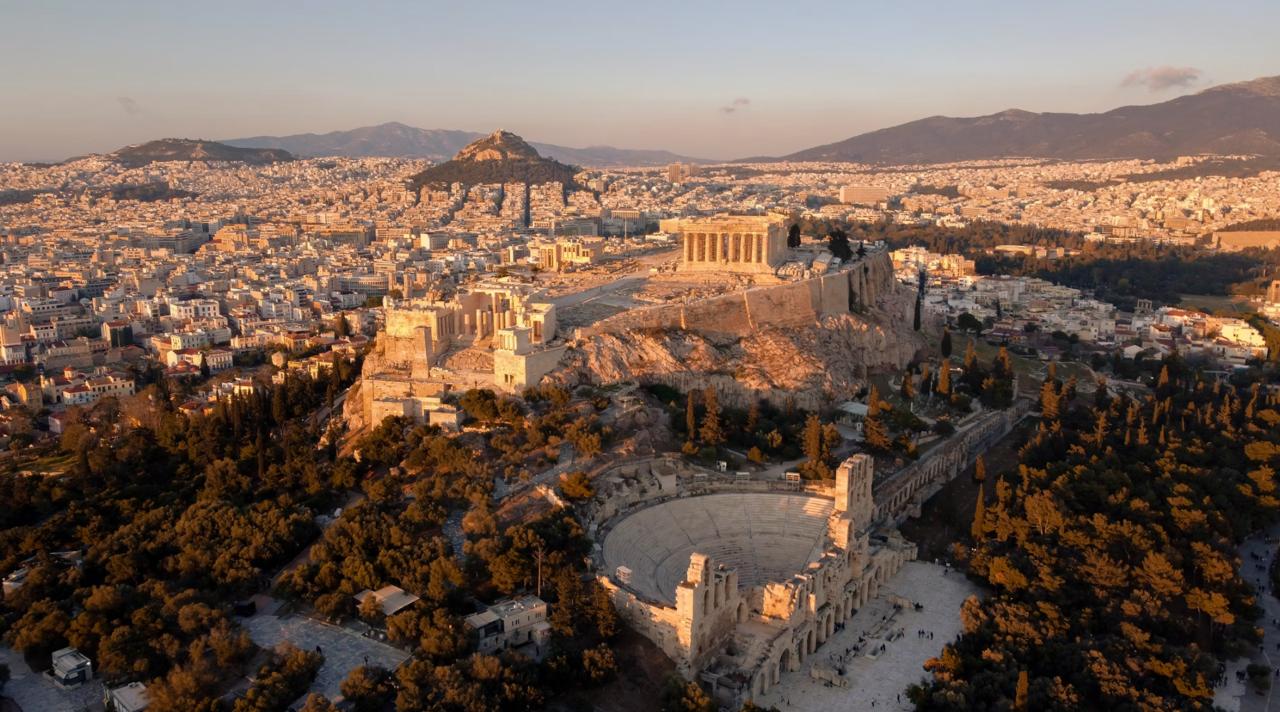
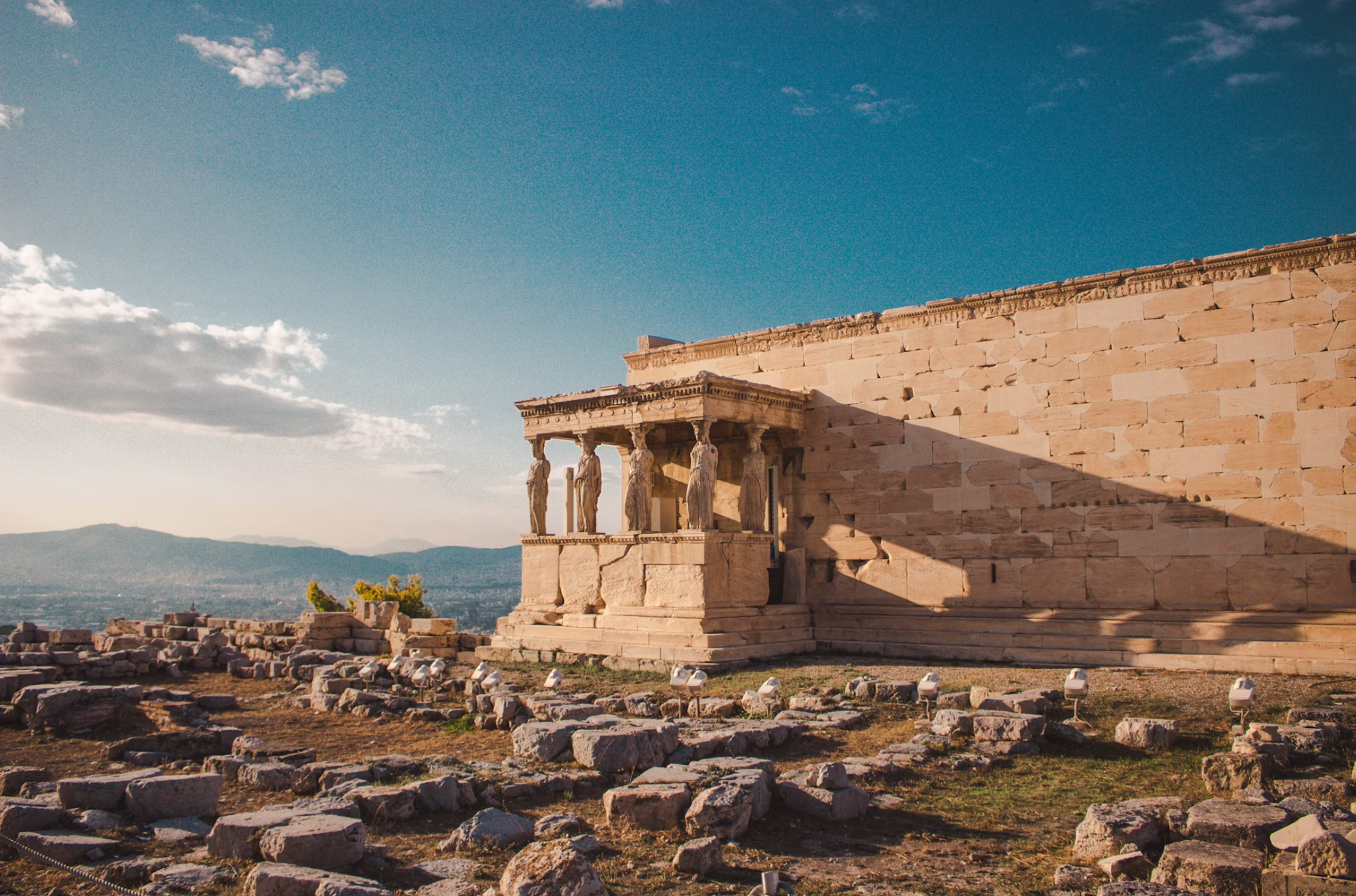
The glass-floored museum at the foot of the hill is where the story clicks into place. The original Caryatids are here. The top-floor Parthenon Gallery is aligned with the temple itself, and beneath the building, you can walk over an excavated ancient neighbourhood. Visit right after the Acropolis while the architecture is fresh in your mind.
3. The Ancient Agora and Temple of Hephaestus
The Agora was the beating heart of classical Athens, where Socrates argued, merchants haggled, and democracy was practised daily. The Temple of Hephaestus on its edge is Greece's best-preserved Doric temple; it is far quieter than the Parthenon. Entry is included in the combined pass.
4. Temple of Olympian Zeus and Hadrian's Arch

Fifteen colossal Corinthian columns are all that remain of what was once the largest temple in Greece, a project that took roughly 700 years to complete. Hadrian's Arch next door is free and makes the classic photo frame with the Acropolis in the background.
5. Panathenaic Stadium
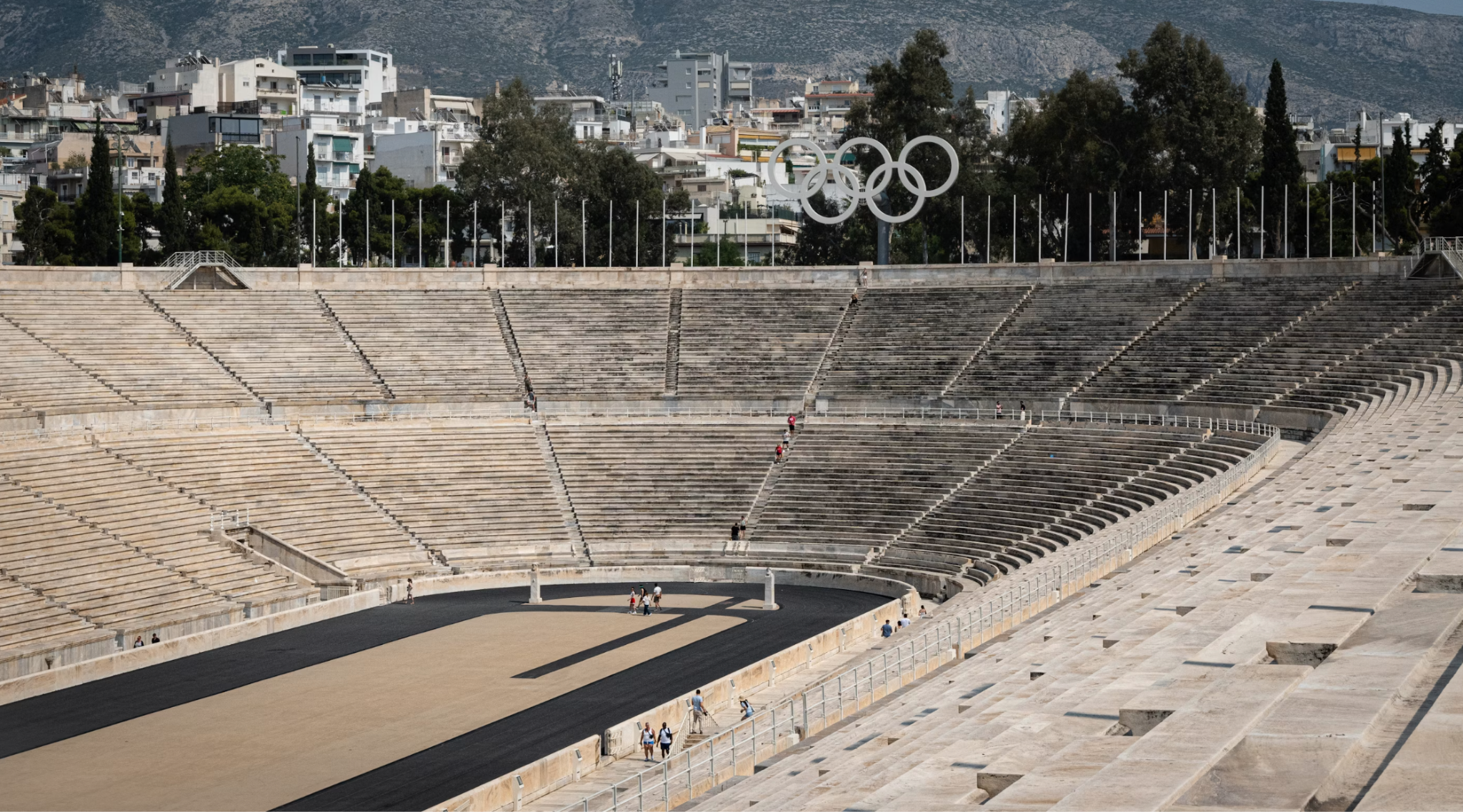
This is the only stadium in the world built entirely of white marble, and the venue of the first modern Olympic Games in 1896. Pay the small entry fee, take the audio guide, and run a lap on the original track. Yes, it is allowed, and yes, everyone does it.
6. National Archaeological Museum
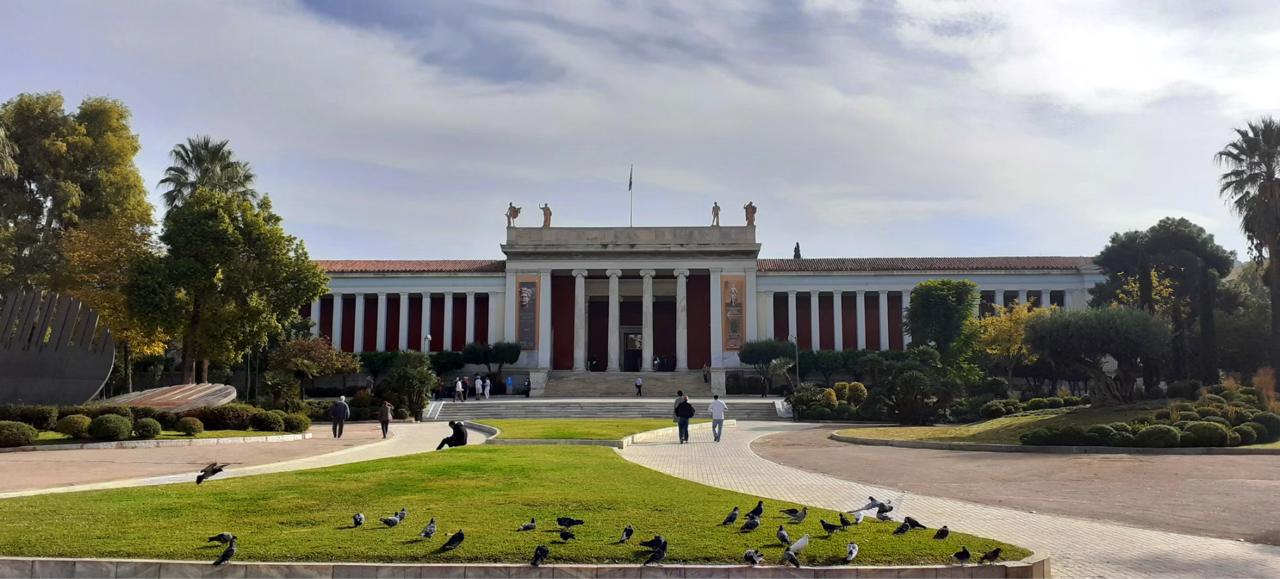
The largest museum in Greece holds more than 11,000 exhibits, including the golden Mask of Agamemnon and the Antikythera Mechanism, the 2,000-year-old device often called the world's first computer. You need two hours, and note that it opens at 1 p.m. on Mondays.
Which Athens Neighbourhoods Should You Explore?
Athens is a city of villages, and four of them belong on every itinerary.
7. Plaka, the Old Town
Plaka is the oldest continuously inhabited quarter in Athens. Walking Tripodon Street means walking one of the oldest streets in Europe still in use. Expect neoclassical houses, tavernas under the Acropolis walls, and the best window shopping in the city. Go early in the morning for empty lanes, or at dusk when the tavernas light up.
8. Anafiotika, the Island in the City
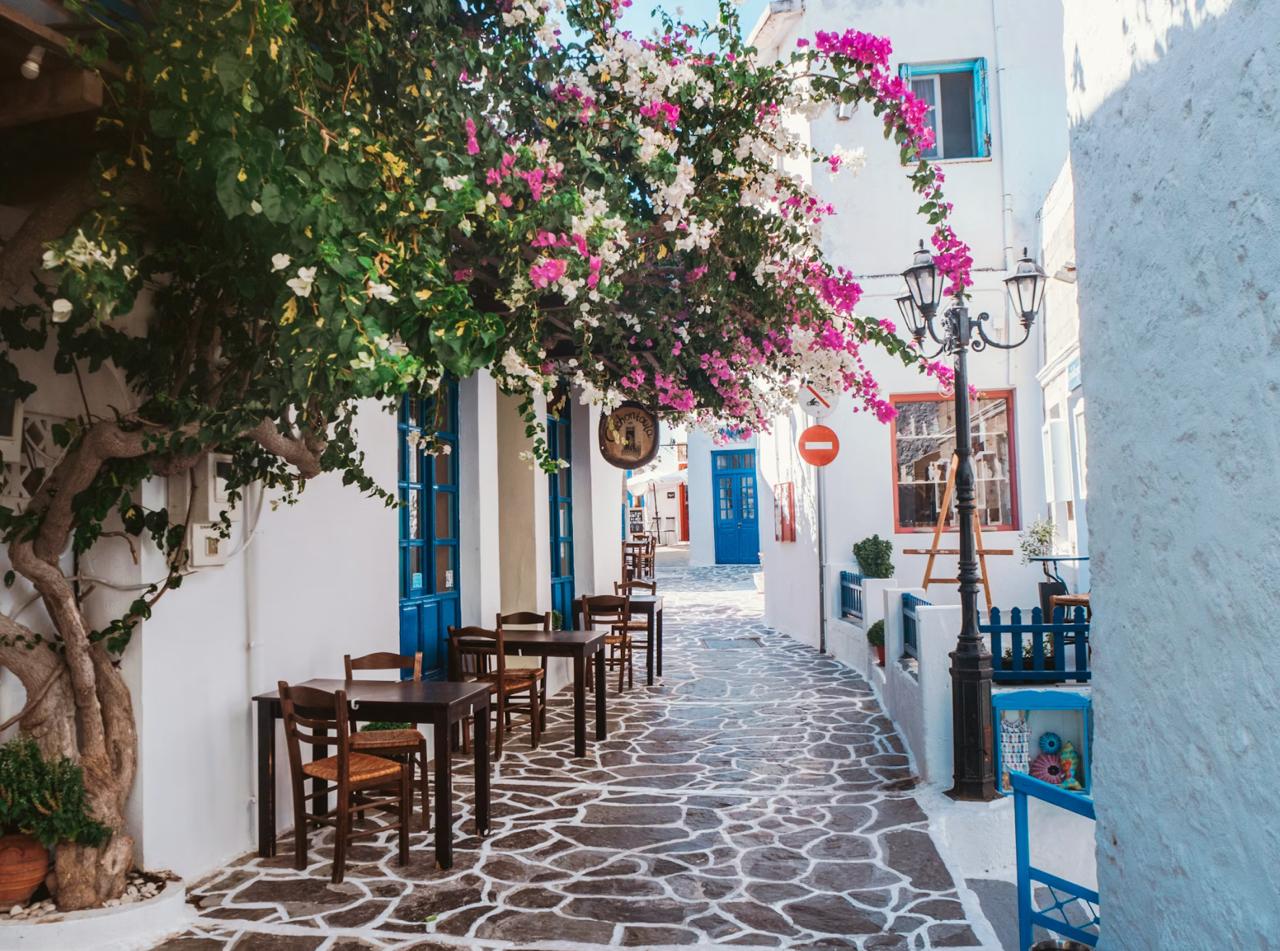
Hidden on the Acropolis's northern slope is a cluster of whitewashed, blue-doored houses that looks airlifted from the Cyclades. It was built in the 19th century by stonemasons from the tiny island of Anafi, who recreated their home while building the new capital, and only around 45 houses remain today. There are no tickets, no signs, and no queues. Just wander up from Plaka and get lost.
9. Monastiraki and Psiri
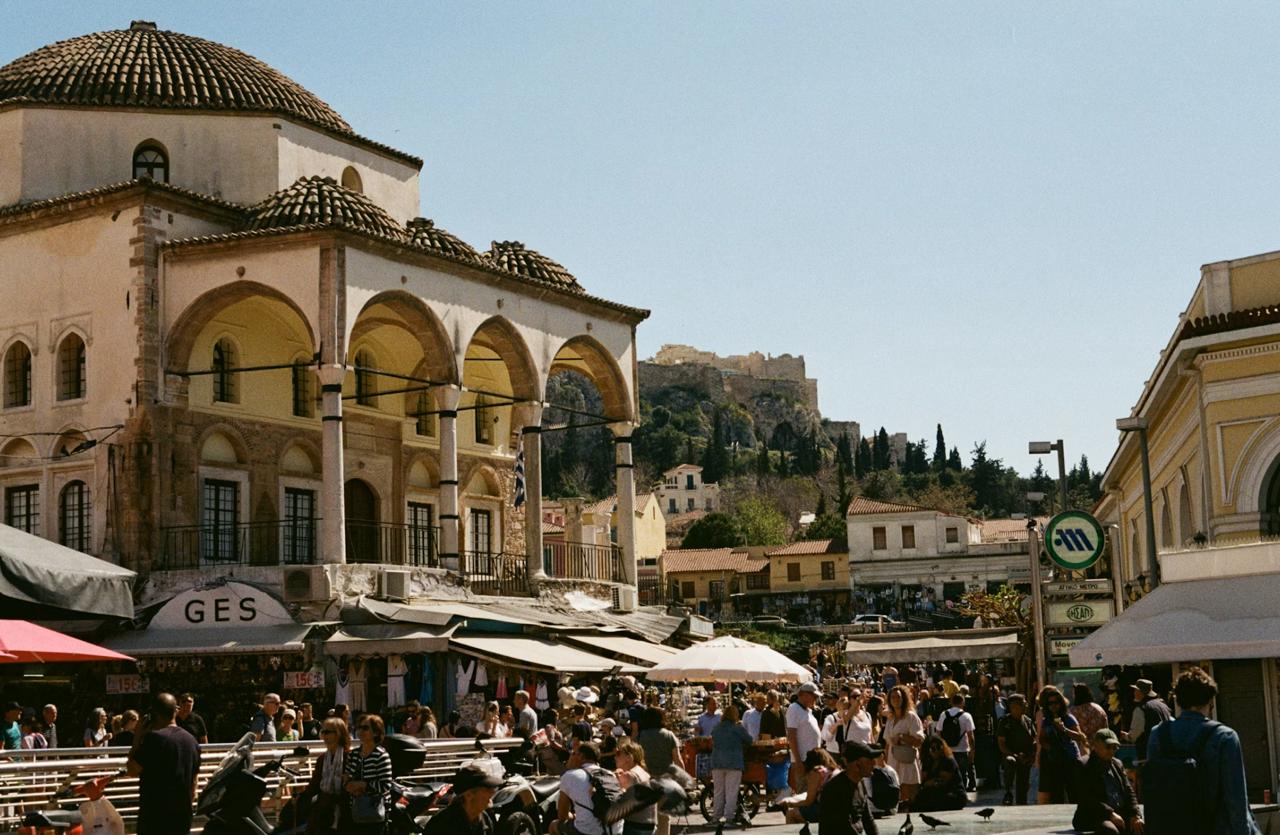
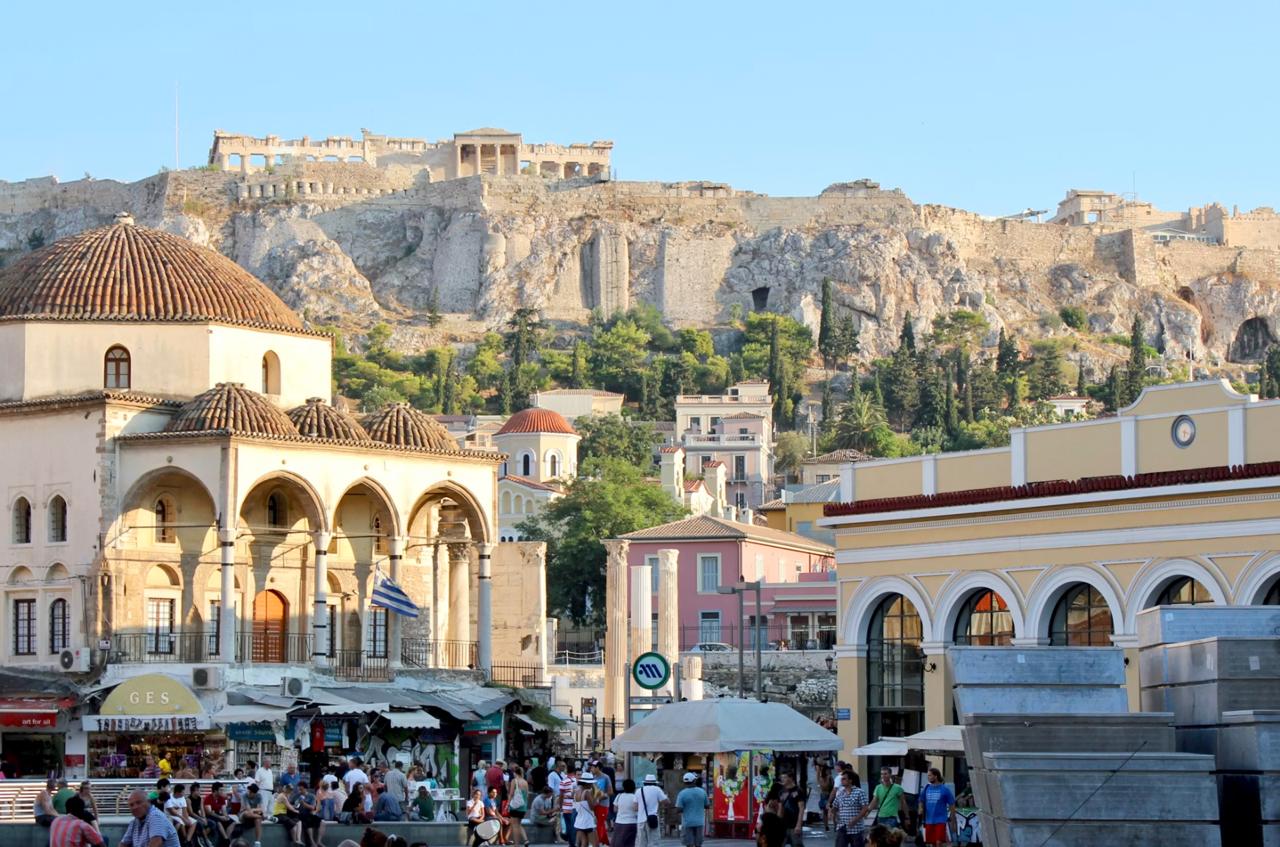
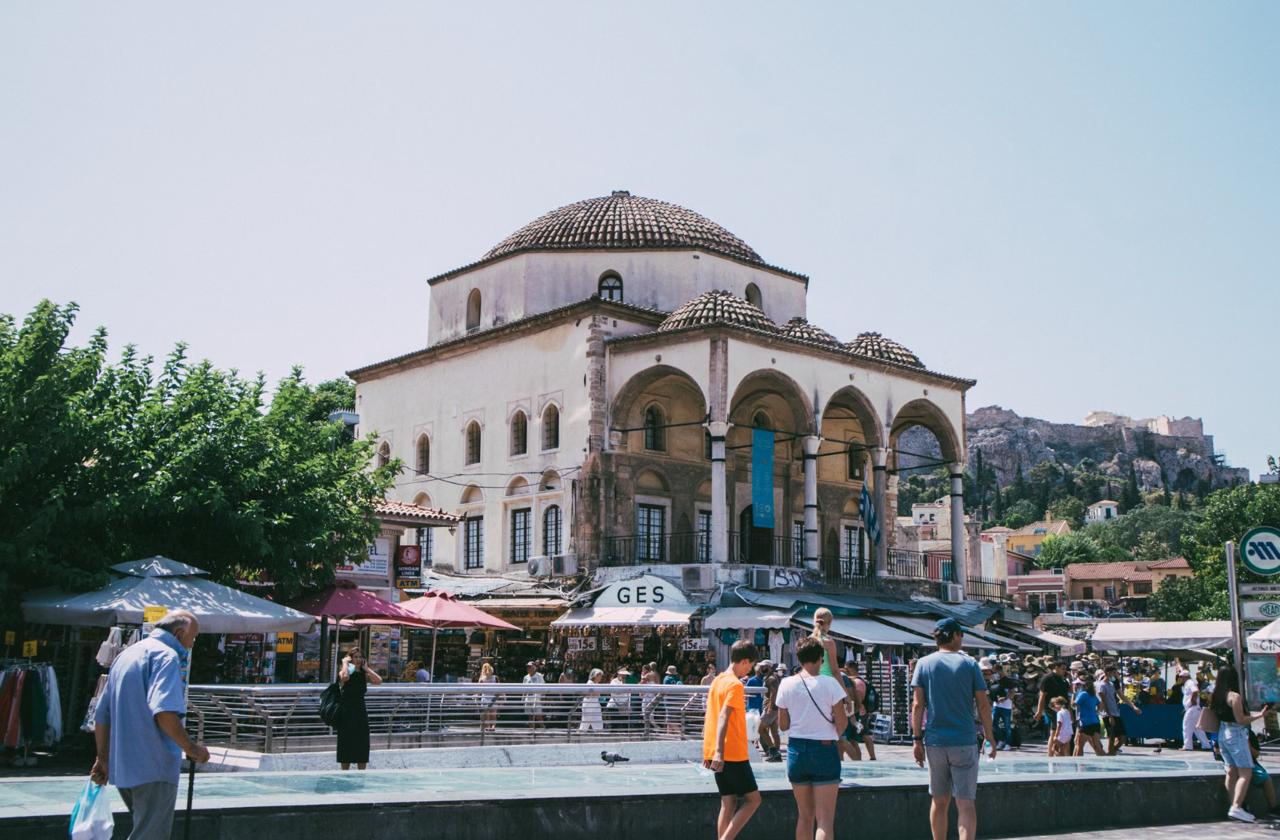
Monastiraki Square stacks ancient ruins, an Ottoman mosque, and a legendary flea market into one chaotic block, and vintage hunters can lose an entire afternoon here. Cross into neighbouring Psiri after dark: it is the city's street-art-covered nightlife district, where bars genuinely do not fill until midnight.
10. Mount Lycabettus at Sunset
The highest point in central Athens: the Acropolis, the city sprawl, and on clear days, the Saronic Gulf islands. Take the funicular up (or the 20-minute paved hike) and time it for sunset. The tiny whitewashed Chapel of St. George at the summit is free to enter.
11. The Changing of the Guard at Syntagma
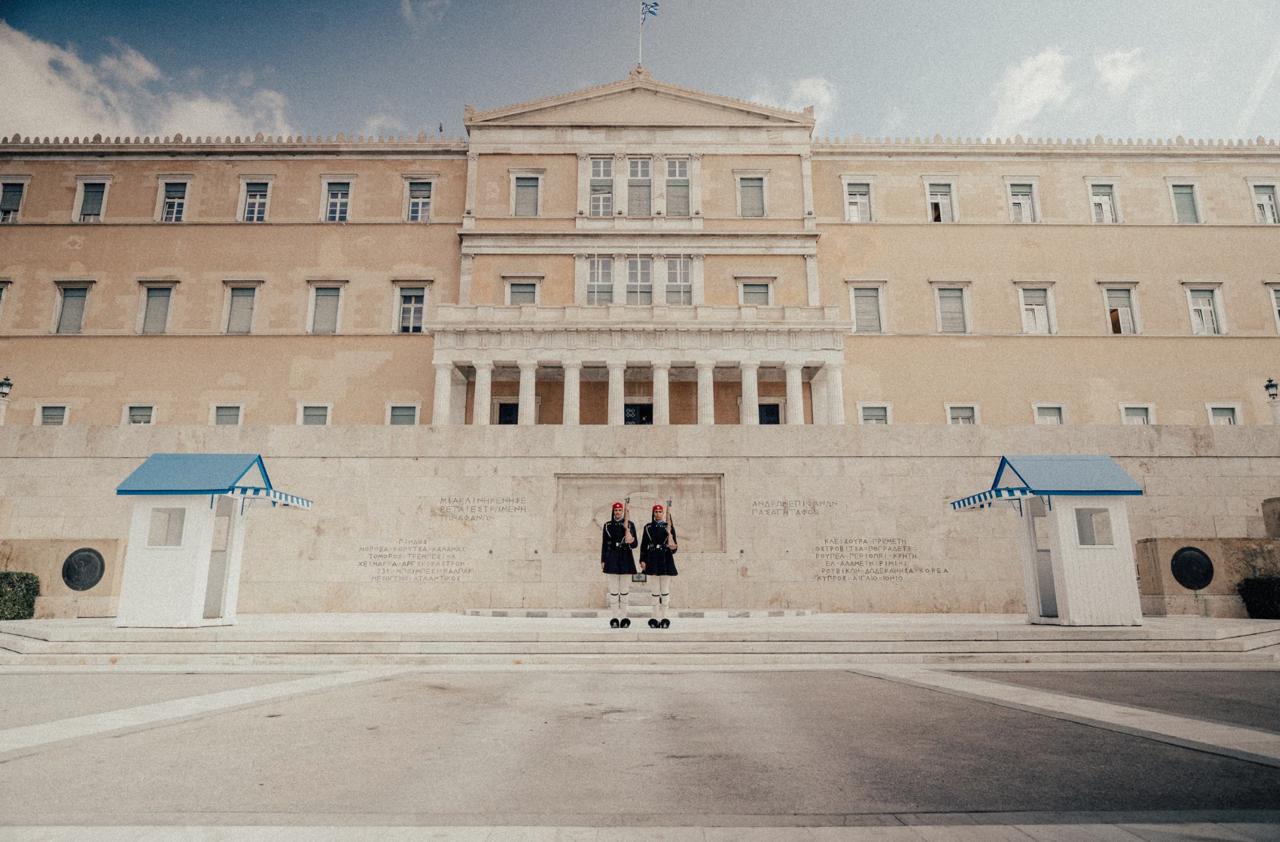
Every hour, the Evzones, the elite presidential guard in pom-pom shoes and pleated kilts, perform their slow, precise changeover at the Tomb of the Unknown Soldier. It is free. Sunday 11 a.m. ceremony adds a full military band and dress uniforms.
12. Filopappou Hill and the National Garden
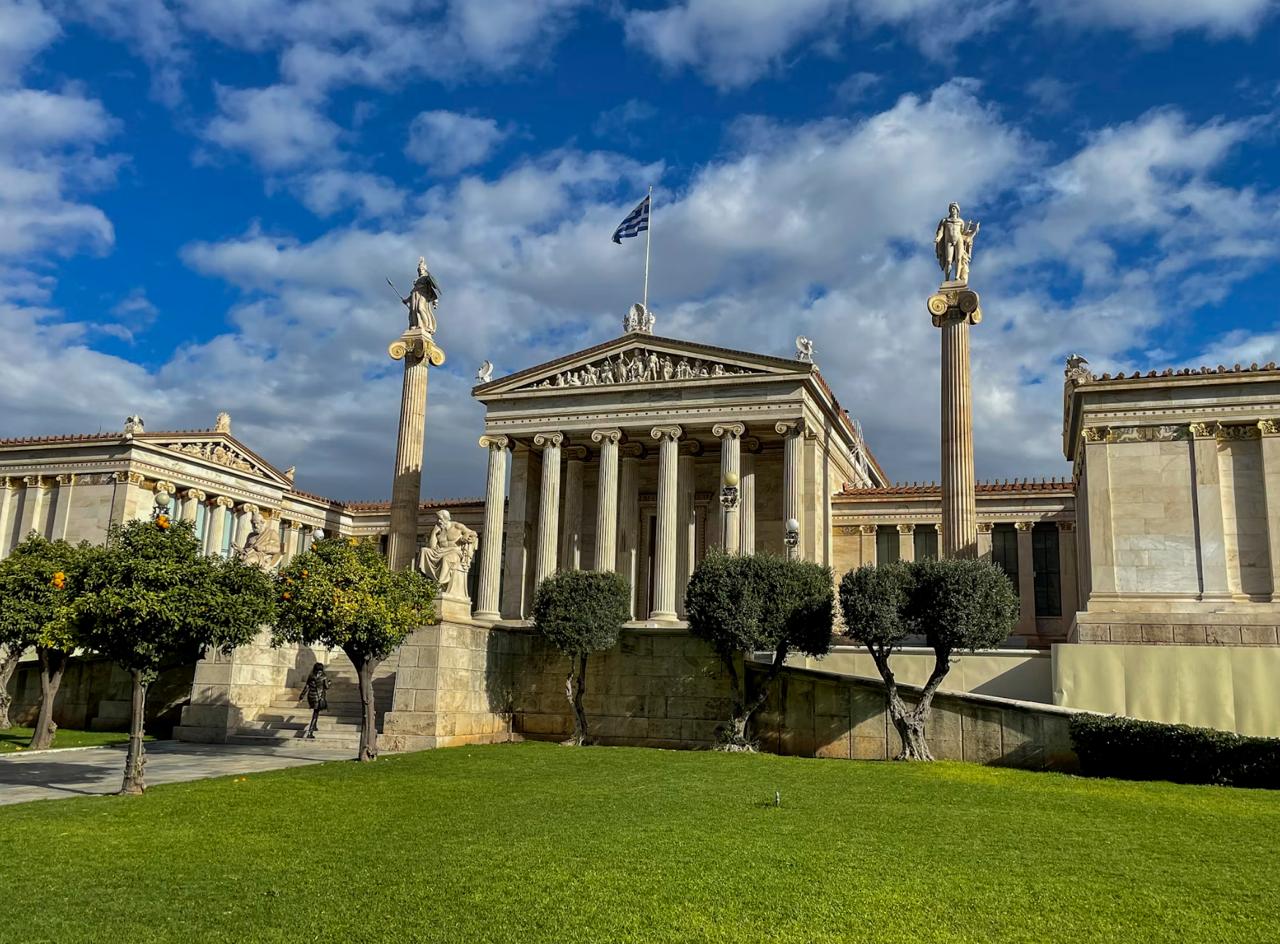
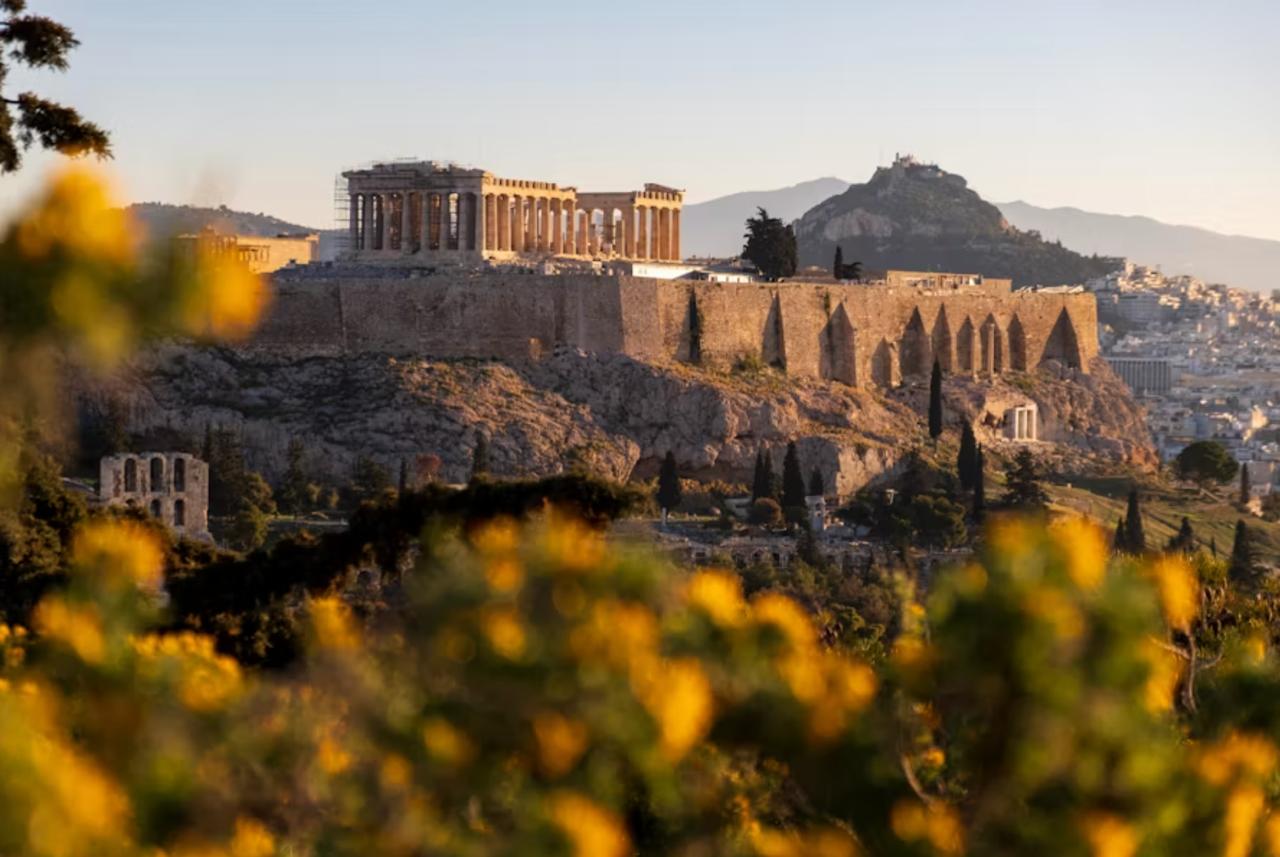
Filopappou Hill offers the single best free view of the Acropolis, and photographers camp here at golden hour. The National Garden beside Parliament is the city's green lung, perfect for escaping the midday heat between sights.
13. Varvakeios Central Market
Athens' central food market has been running since 1886. Fishmongers shout over crushed ice, butchers work in full view, and the surrounding stalls overflow with olives, herbs, and honey. It costs nothing to walk through, and it is the most honest look at daily Athenian life you will get. Wear closed-toe shoes, because the floors are wet.
What Should You Eat and Drink in Athens?
14. Eat Your Way Through the City
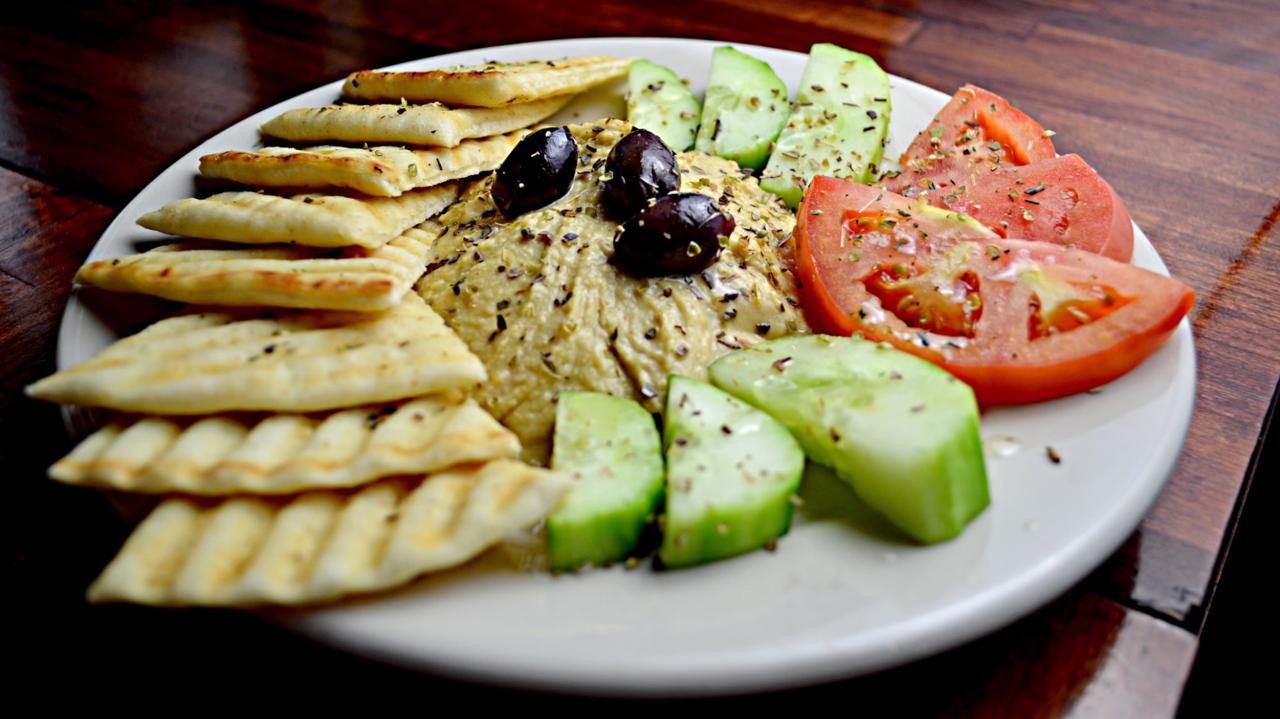
Treat food as an attraction, not fuel. The essential checklist: souvlaki and gyros (still around 3 to 4 euros for a wrap in 2026), koulouri sesame rings from street carts, bougatsa custard for breakfast, and loukoumades, honey-soaked doughnuts, for dessert. Order a freddo cappuccino, the iced espresso-and-foam drink Greeks treat as a national institution, and drink it slowly the way locals do.
Two food rules save money and disappointment. First, walk one block off any square before choosing a taverna, since menus with photos and touts outside are a price signal. Second, dinner runs late: most Athenians will not sit down before 9:30 or 10 p.m., so an 8 p.m. reservation gets you the best tables.
Is the Athens Riviera Worth Visiting?
Absolutely, and most first-timers do not know it exists. A tram or short drive from the centre puts you on a coastline of beaches, coves, and one geological oddity.
15. Beaches, Lake Vouliagmeni, and Cape Sounion
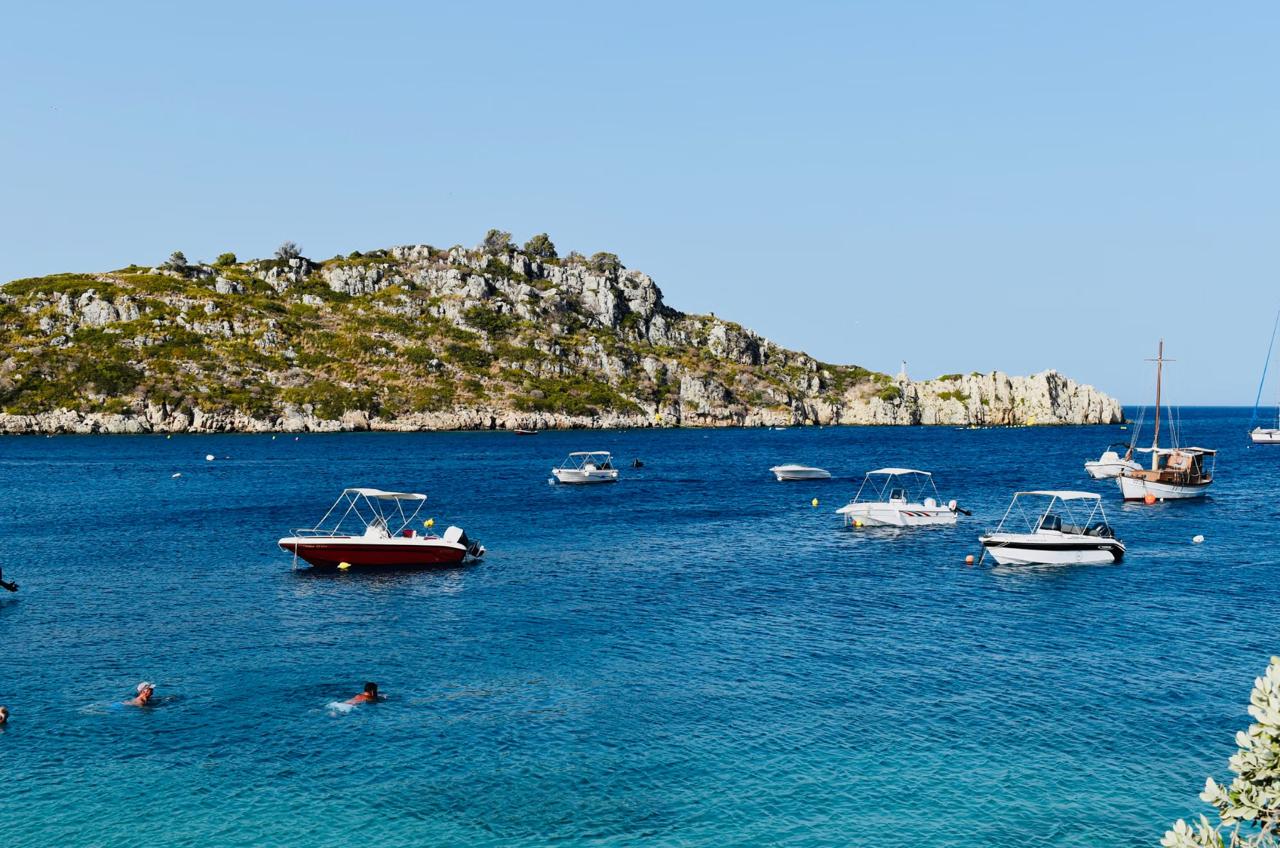
The Riviera offers something for every budget. Here is how the main options compare in 2026:
If you have half a day more, continue down the coast to Cape Sounion, where the Temple of Poseidon stands on a cliff above the Aegean. Sunset there is the single best day-trip payoff from Athens. With a full extra day, the two classics are Delphi, the mountain sanctuary the ancient Greeks considered the centre of the world, about 2.5 hours away, and the island of Aegina, reachable in roughly an hour by ferry from Piraeus, which delivers a genuine Greek-island afternoon without an overnight bag.
How Do You Get Around Athens?
Walk the centre, and ride the metro for everything else. That is the whole strategy, and it is part of what makes Athens such a low-friction city break.
The historic core is compact enough that you can stroll from Syntagma Square to the Acropolis, through Plaka, and into Monastiraki in under 30 minutes, much of it along pedestrianised streets. The metro is clean, safe, and inexpensive, and it even doubles as a museum: Syntagma station displays antiquities uncovered during excavation, including a preserved cross-section of centuries of city strata.
Book your next hotel for up to 30% less
Three transport notes are worth knowing before you land. First, Metro Line 3 connects the airport to the city centre in about 40 minutes, which is the cheapest arrival option. Second, Uber operates in Athens but dispatches licensed local taxis, so treat it as a convenient hailing app rather than a discount ride; FreeNow works the same way. Third, the coastal tram reaches the Riviera beaches from central Athens in about 30 minutes, turning a beach afternoon into a genuinely spontaneous decision.
One more thing surprises first-timers: Athens escapes itself easily. From Syntagma, you can be on a beach in half an hour, in the mountains within an hour's drive, or on an island by lunchtime. Few capitals anywhere offer that kind of range.
What Does a Trip to Athens Actually Cost in 2026?
This is the question most guides dodge, so here are real numbers. A comfortable mid-range day in Athens (sightseeing, three meals, and transport) runs roughly 70 to 110 euros per person before accommodation:
Paying in Athens is easy, with one trap to avoid. Visa and Mastercard tap-to-pay are accepted almost everywhere, including taxis, kiosks, and metro machines, and Apple Pay and Google Pay work wherever cards do. Keep small cash for tips and village tavernas.
The trap: when a card machine or ATM asks whether to charge in euros or your home currency, always choose euros, because the "dynamic currency conversion" option quietly adds a bad exchange rate. Skip the standalone Euronet ATMs in tourist areas for the same reason, since bank-attached ATMs charge far less.
Ready to Plan Your Athens Trip?
Here is your next step, in order: pick your dates (aim for spring or fall), reserve your Acropolis slot on hhticket.gr the same day you book flights, and lock in a hotel in Plaka, Monastiraki, or Koukaki, the three neighbourhoods that put everything on this list within walking distance.
Book your Athens hotel and flight on Epic, and you can save up to 30% less than Booking.com, pay with Visa, Mastercard, Apple Pay, Google Pay or 200+ Cryptocurrencies. Claim your $25 off your first booking and put it towards a trip to the Plaka rooftop with an Acropolis view.
Building a longer trip? Athens pairs beautifully with a summer island hop, so see our guide to the top 10 places to travel in July 2026 for timing ideas, or the top 10 places to travel in August 2026 if you are chasing shoulder-season value. And if this guide got you dreaming about Mediterranean coastlines in general, our 15 best things to do in Lagos, Portugal, make a strong case for your next stop after Greece.
FAQs
1. Is Athens worth visiting for 2 to 3 days?
Yes. Three days is the ideal first visit. You will cover the Acropolis, the major museums, two or three neighbourhoods, and a Riviera afternoon without rushing, and still have evenings free for tavernas.
2. Do I need to book Acropolis tickets in advance?
Yes. Timed-entry reservations are required year-round in 2026, booked through the official hhticket.gr portal. Reserve a week ahead in summer, since early-morning slots go first.
3. What is the best time of year to visit Athens?
March to May and September to November deliver warm weather without the extreme heat and crowds. July and August work if you are combining Athens with the islands; just plan outdoor sites for early morning.
4. Is Athens walkable, or do I need transport?
The historic core (Plaka, Monastiraki, the Acropolis, and Syntagma) is entirely walkable. Use the metro for the National Archaeological Museum, Piraeus port, or the airport, and the tram for the Riviera beaches.
5. Is Athens expensive compared to other European capitals?
No. It is one of the cheapest Western European capitals for food and transport. Sightseeing is the main cost (30 euros for Acropolis entry), but free attractions and 3-euro street food keep daily budgets low.

Mithra Ghosh is a Dubai-based content writer and SEO copywriter with 2+ years of experience crafting search-optimised content across crypto, Web3, and digital finance. She combines strong editorial instincts with a deep understanding of blockchain ecosystems and on-chain trends.
At Epic, she writes about the growing world of crypto-native travel helping readers understand how holding and spending digital assets can unlock smarter, cheaper ways to see the world.



Found a destination you like? Book it for up to 30% less.

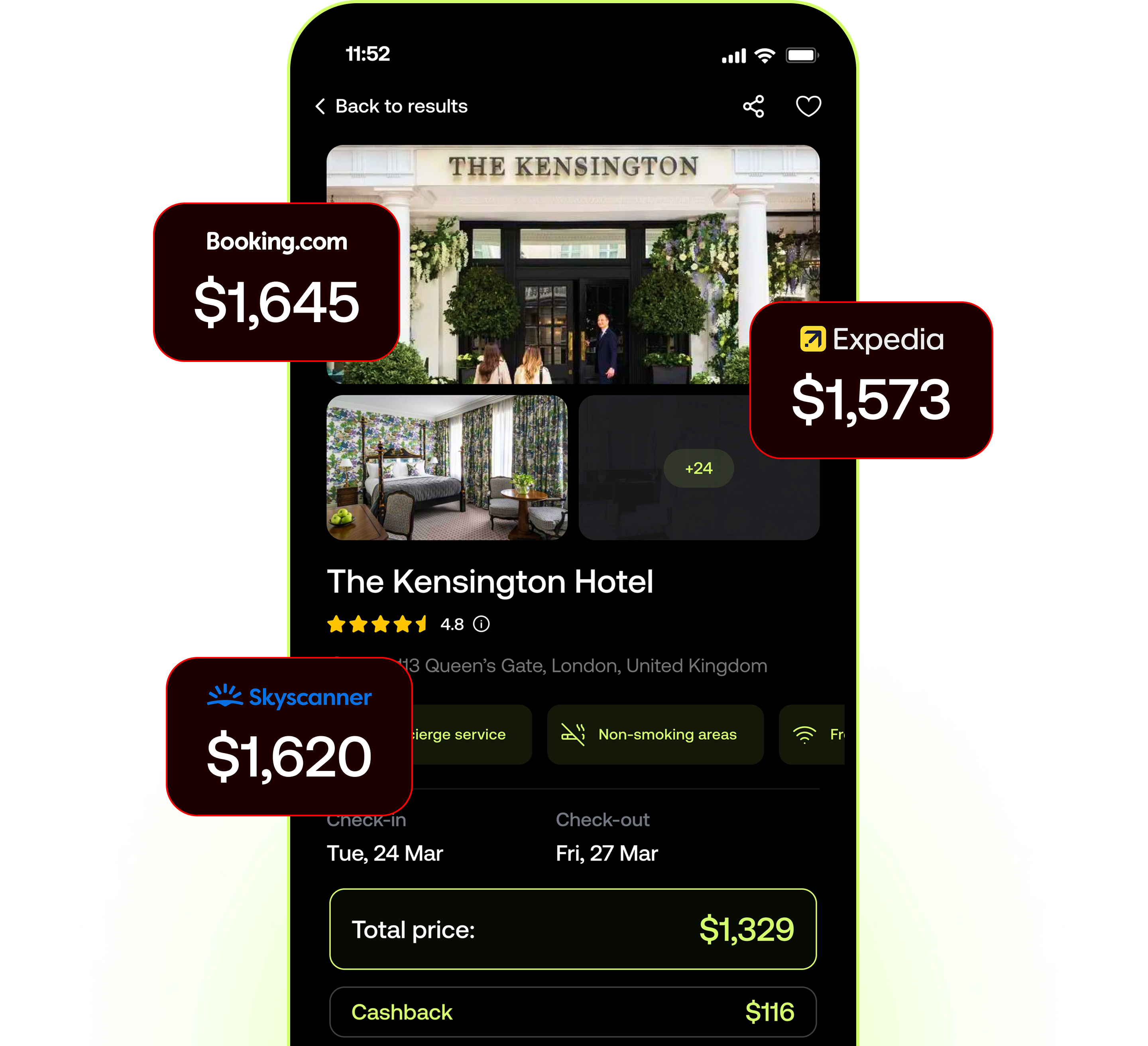
Found a destination you like? Book it for up to 30% less.