Content
Santo Domingo Guide: 12 Best Things to Do
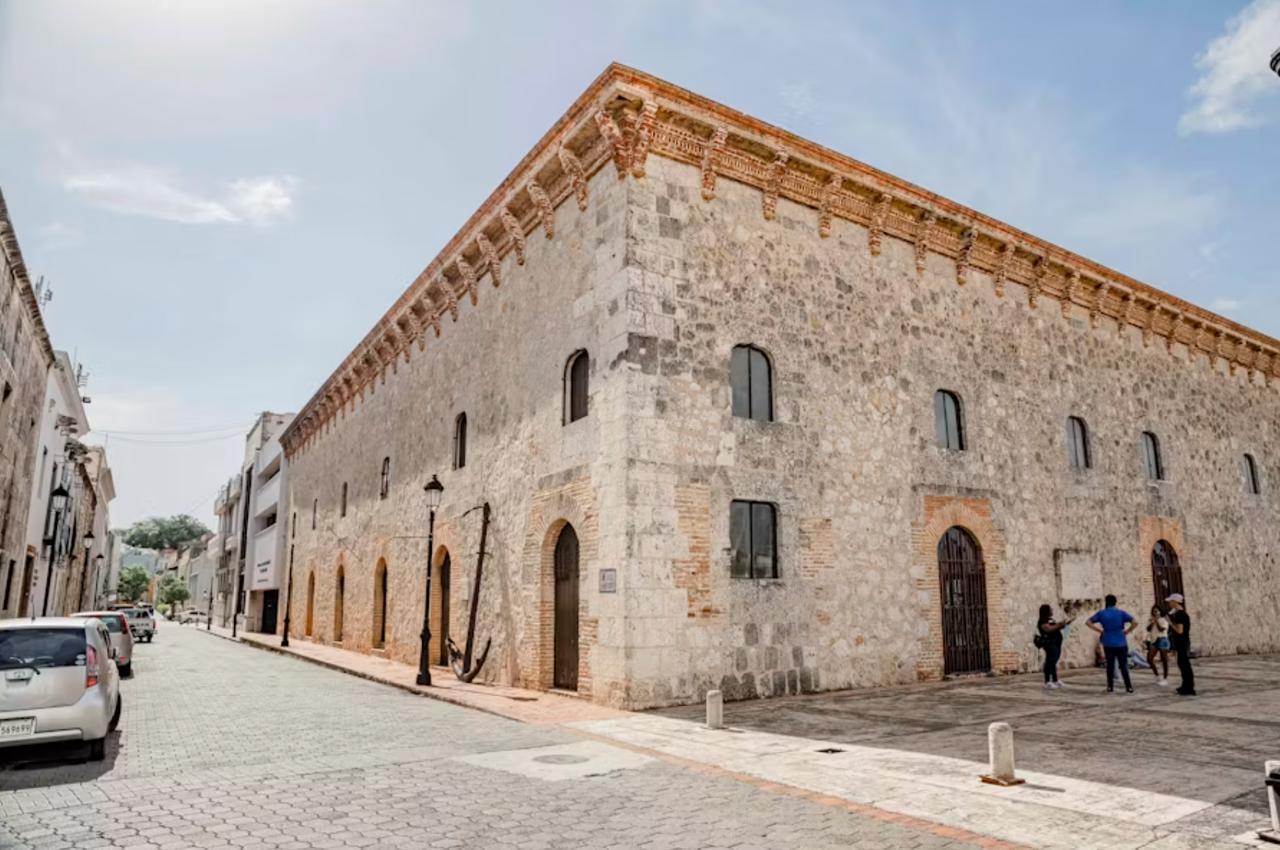

Long before it filled with cruise ships and rooftop bars, the land at the mouth of the Ozama River was home to the Taíno people, who lived across the island of Hispaniola when Christopher Columbus arrived in 1492. The settlement that became Santo Domingo was first established on the river's east bank in 1496 and formally founded in 1498 by Bartholomew Columbus, Christopher's younger brother, by order of the Spanish crown, according to UNESCO. In 1502, the governor Nicolás de Ovando moved the city to the west bank and laid it out on a grid that became the template for almost every colonial town in the Americas. That deep history is a big part of why Santo Domingo feels unlike anywhere else in the Caribbean.
Today, Santo Domingo is the capital of the Dominican Republic and the oldest continuously inhabited European city in the Americas, a working Caribbean metropolis split by the Ozama River on the country's south coast. The best things to do in Santo Domingo cluster inside the Zona Colonial, the walled historic core that holds the first cathedral, the first university, and the first paved street built in the New World. Beyond the old city, you get Los Tres Ojos, the seafront Malecón, and easy beach day trips. If you want a history-rich city break rather than an all-inclusive resort, this is the place to pick. Below is everything you need to plan your trip, starting with the twelve experiences worth your time.
The Dominican Republic closed 2025 with a record 11.6 million visitors, its strongest tourism year ever, and tourism now accounts for about 16% of national GDP, according to Ministry of Tourism data reported in early 2026. Santo Domingo is central to that story. A reported US$700 million upgrade to its Port of Ozama is turning the capital into a genuine cruise port of call, so you are arriving as one of the Caribbean's oldest cities gets easier to reach and busier every year.
Want the full picture of the country first? Our guide to Dominican Republic facts sums up its history, geography, and culture in one quick read before you zoom in on the capital. And if you are still deciding what to see, our roundup of the 15 best things to do in the Dominican Republic lays it out in one place.
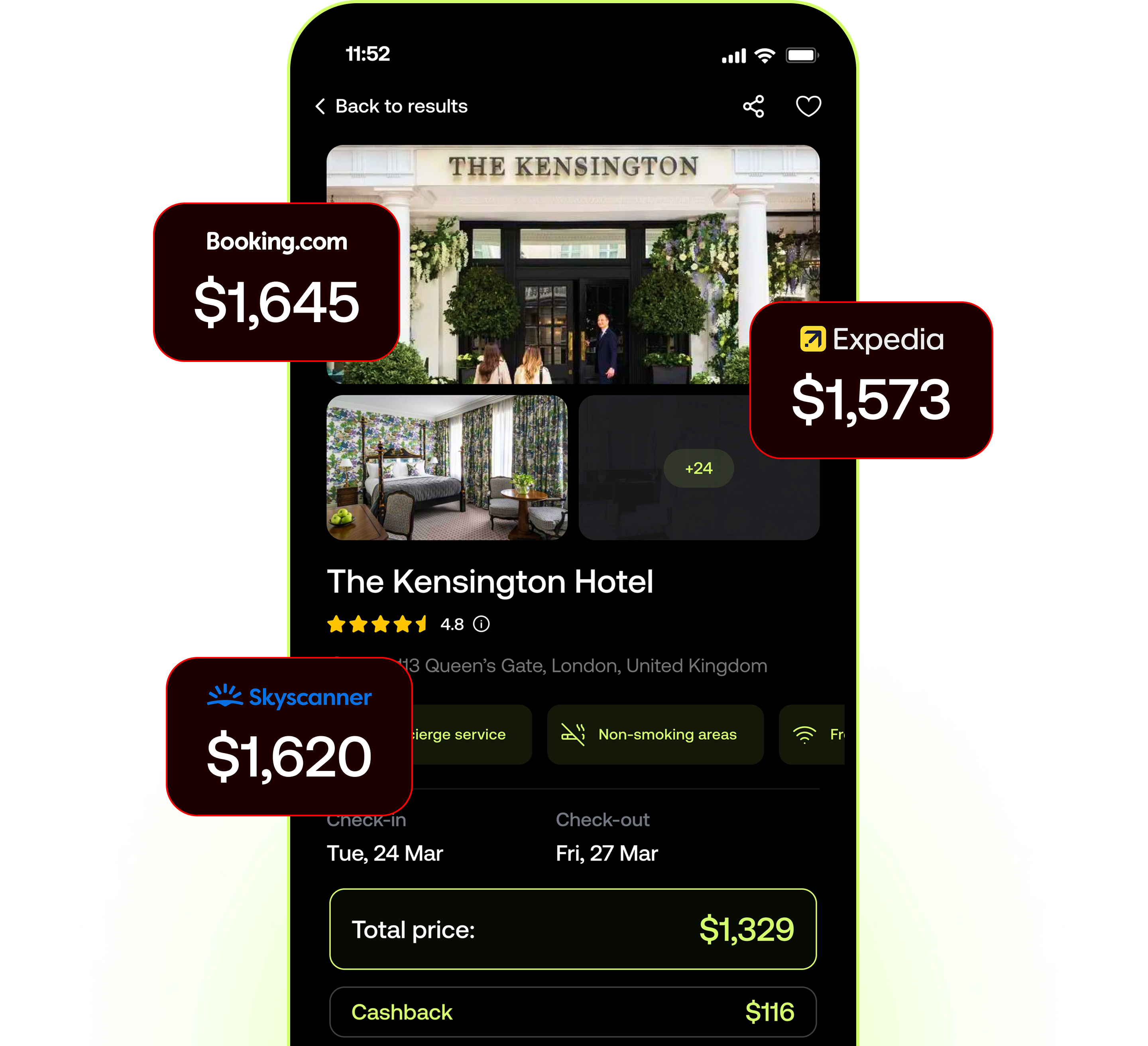
When you are ready to turn that bucket list into a dream trip, you can book hotels and flights across the Dominican Republic through Epic for up to 30% less than Booking.com. Join the early access list and claim $25 off your first booking.
Why is Santo Domingo worth visiting in 2026?
Because it packs five centuries of history into a walkable coastal city, and it delivers a side of the Dominican Republic the beach resorts never show. This is a city of firsts: the first cathedral, the first university, the first hospital, and the first paved street in the Americas all sit within a few blocks of each other in the Zona Colonial (UNESCO). It is also where the friar Antonio de Montesinos first preached for the rights of the island's native people in 1511, a moment often cited as an early milestone in the history of human rights.
Beyond the history, you get a genuine Caribbean capital rather than a resort bubble. Merengue drifts out of the plazas at night, rum and cigars are sold a few doors from 16th-century forts, and the seafront runs for kilometres. Add the growing cruise traffic through the upgraded Port of Ozama, and the easy flight connections into Las Américas airport, and Santo Domingo is both more reachable and more rewarding than most first-time visitors expect.
What are the best things to do in Santo Domingo?
Almost everything a first-time visitor wants sits inside or near the Zona Colonial, the compact historic quarter that holds more than 300 heritage sites and is protected as a UNESCO World Heritage Site (UNESCO). Note before you go: a large-scale restoration program is underway across the Colonial Zone, and some buildings may be temporarily closed, so check the current status. Here are the twelve experiences to build your trip around.
1. Stroll Calle El Conde and Parque Colón
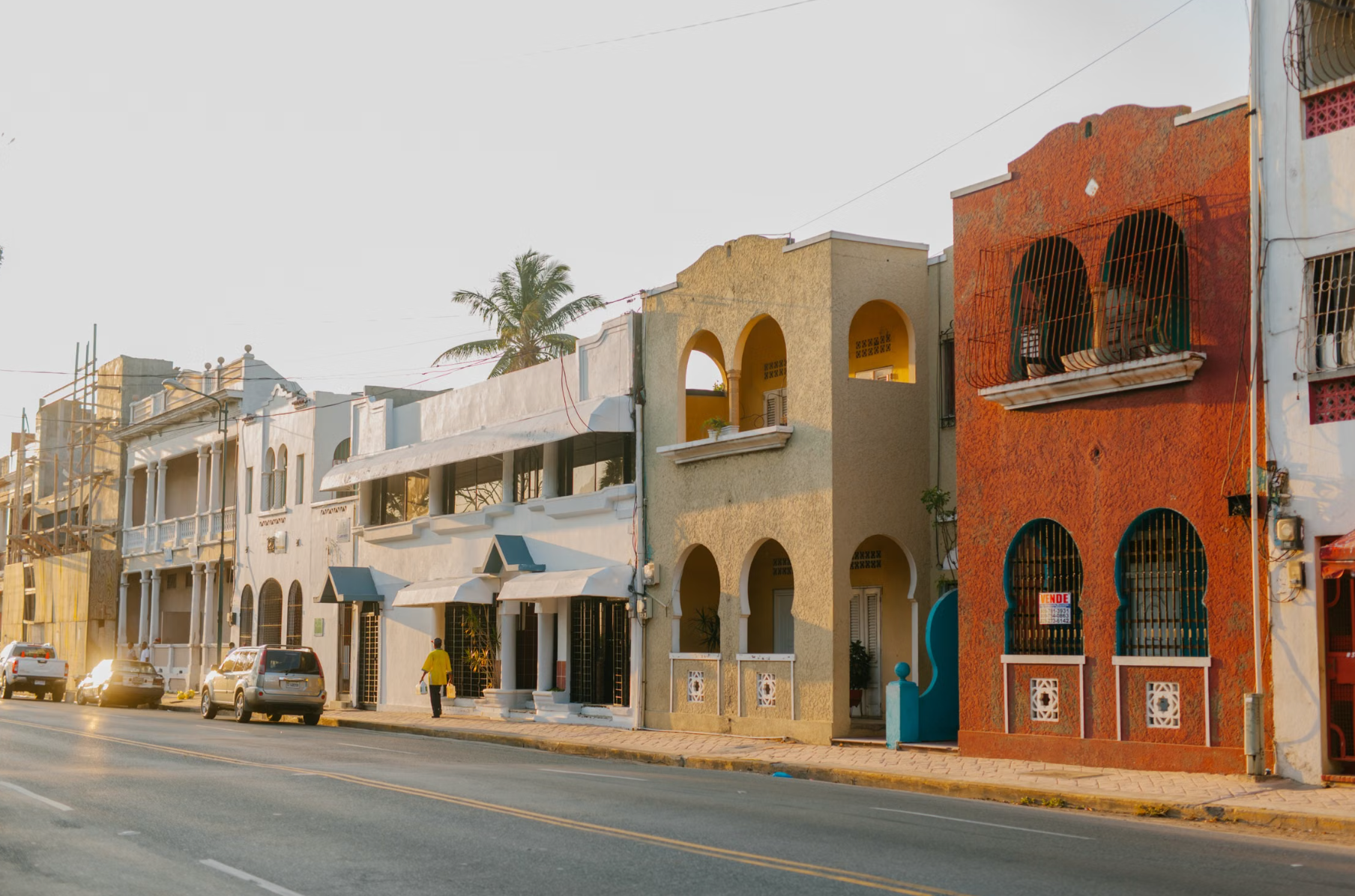
Start on Calle El Conde, the pedestrian spine of the Colonial Zone, lined with shops, cafés, street vendors, and live music by evening. It leads you into Parque Colón, the main square, watched over by a bronze statue of Christopher Columbus. It is the best free introduction to the city's rhythm.
2. Step inside the Catedral Primada de América
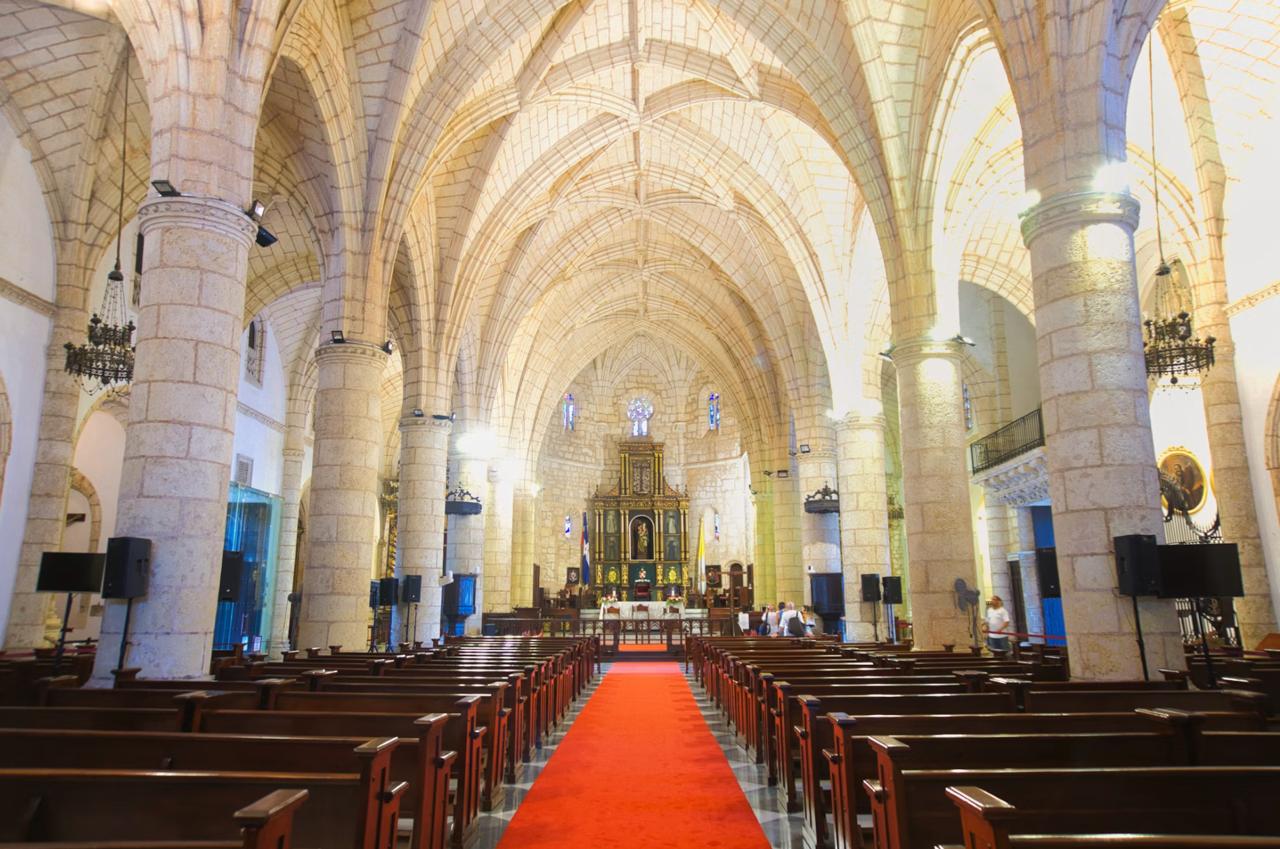
Completed in 1541, this is the first cathedral built in the Americas, a mix of Gothic and Baroque design on the edge of Parque Colón. Even a few minutes inside gives you a sense of how far back this city's story runs.
3. Explore the Fortaleza Ozama
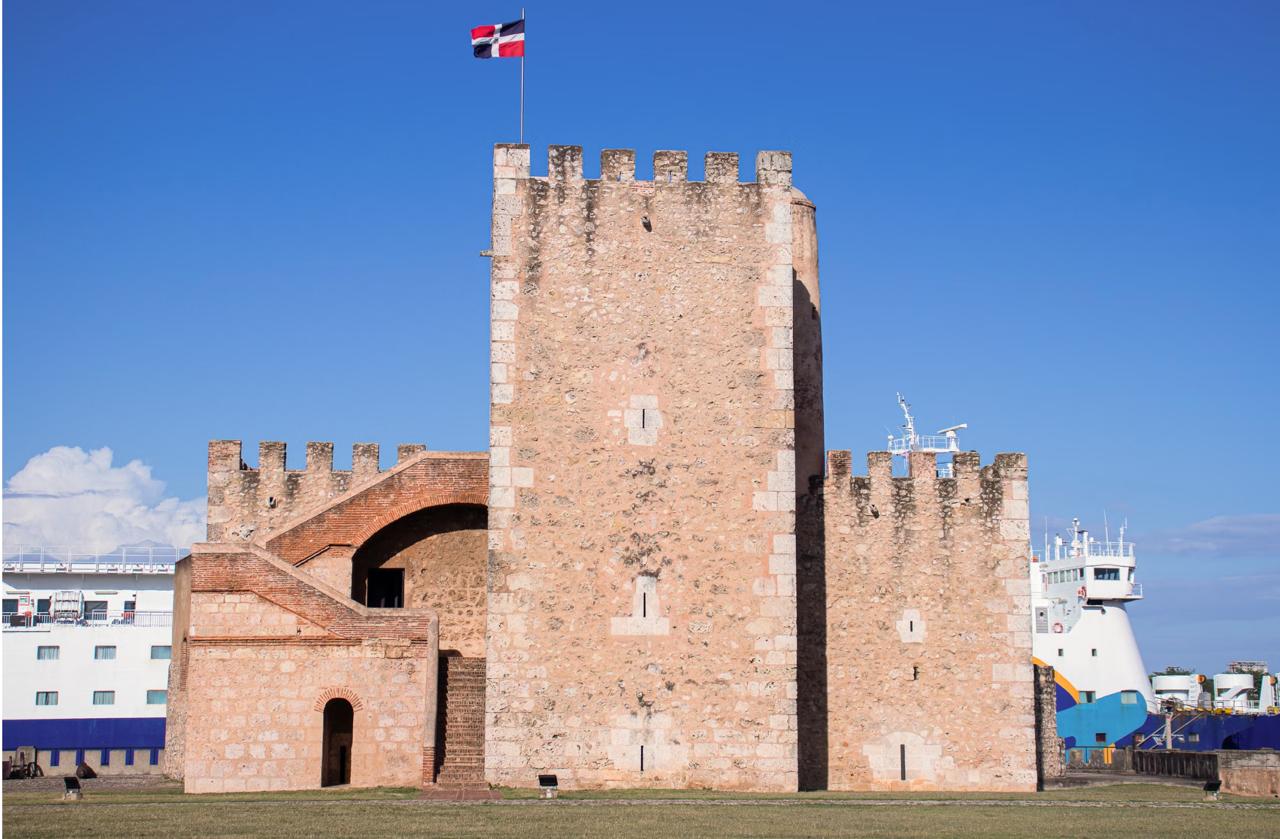
The oldest formal military fort in the Americas has guarded the mouth of the Ozama River since the early 1500s. Climb the Torre del Homenaje for river views, and budget a small entry fee that you can pay on site.
4. Tour the Alcázar de Colón
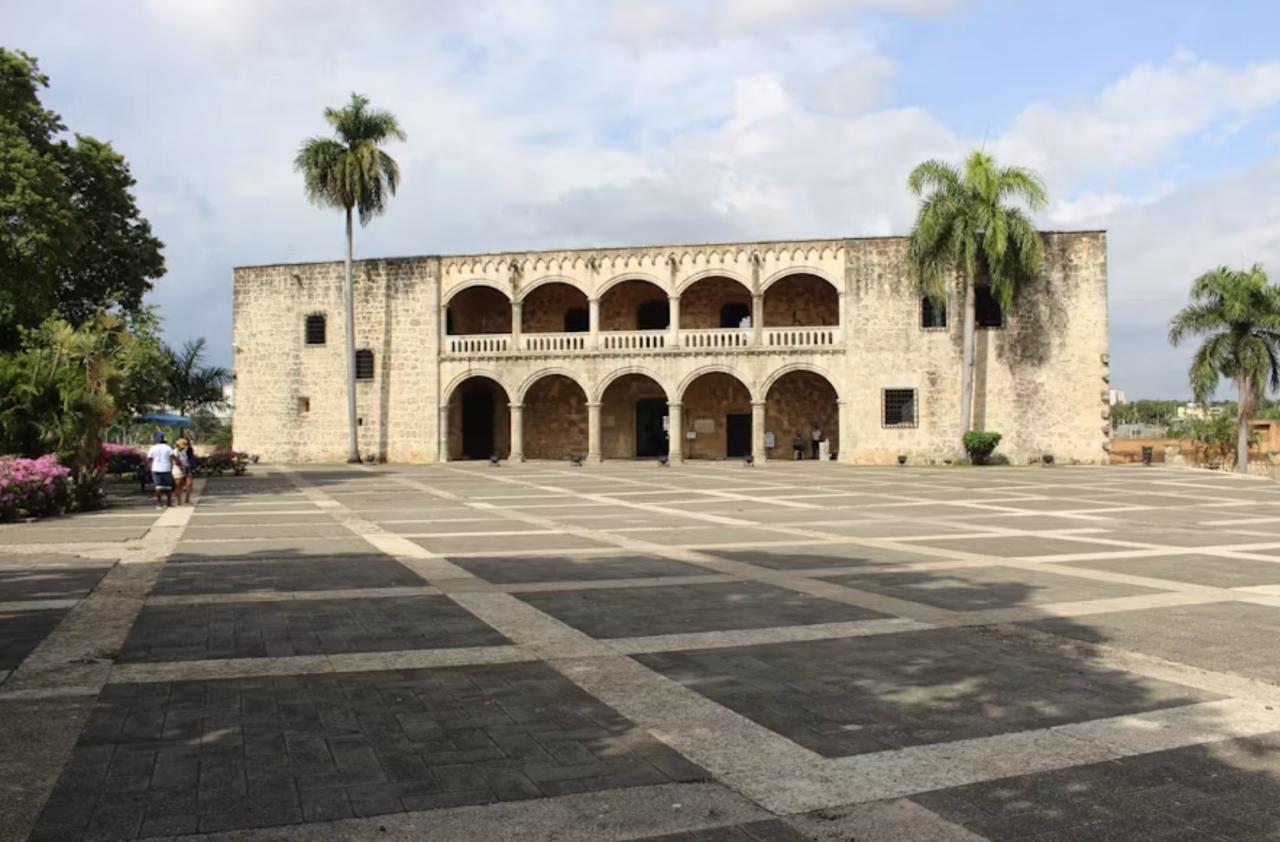
Built around 1510 as the palace of Diego Columbus, Christopher's son, it is now a museum of period furniture and art. It anchors the restored Plaza de España, one of the first commercial squares in the Americas.
5. Walk Calle Las Damas
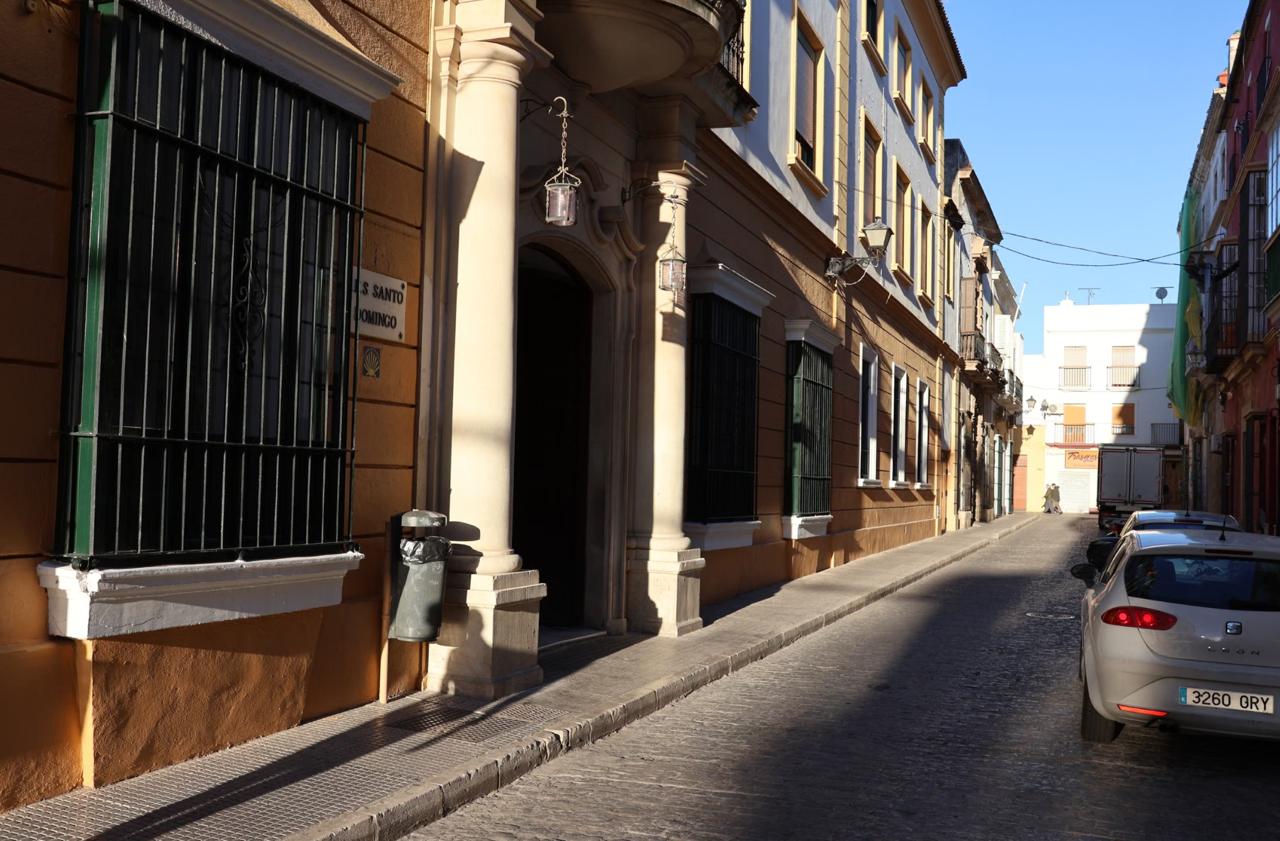
This is the oldest paved street in the New World, dating to 1502. A slow walk here takes you past colonial mansions, museums, and the Panteón de la Patria, where many Dominican national heroes are buried.
6. Learn the backstory at the Museo de las Casas Reales

Housed in a 16th-century royal building, this museum traces Spanish colonial rule in the Caribbean. Pick up the audio guide, as the context makes the rest of the Colonial Zone read very differently.
7. Descend into Los Tres Ojos
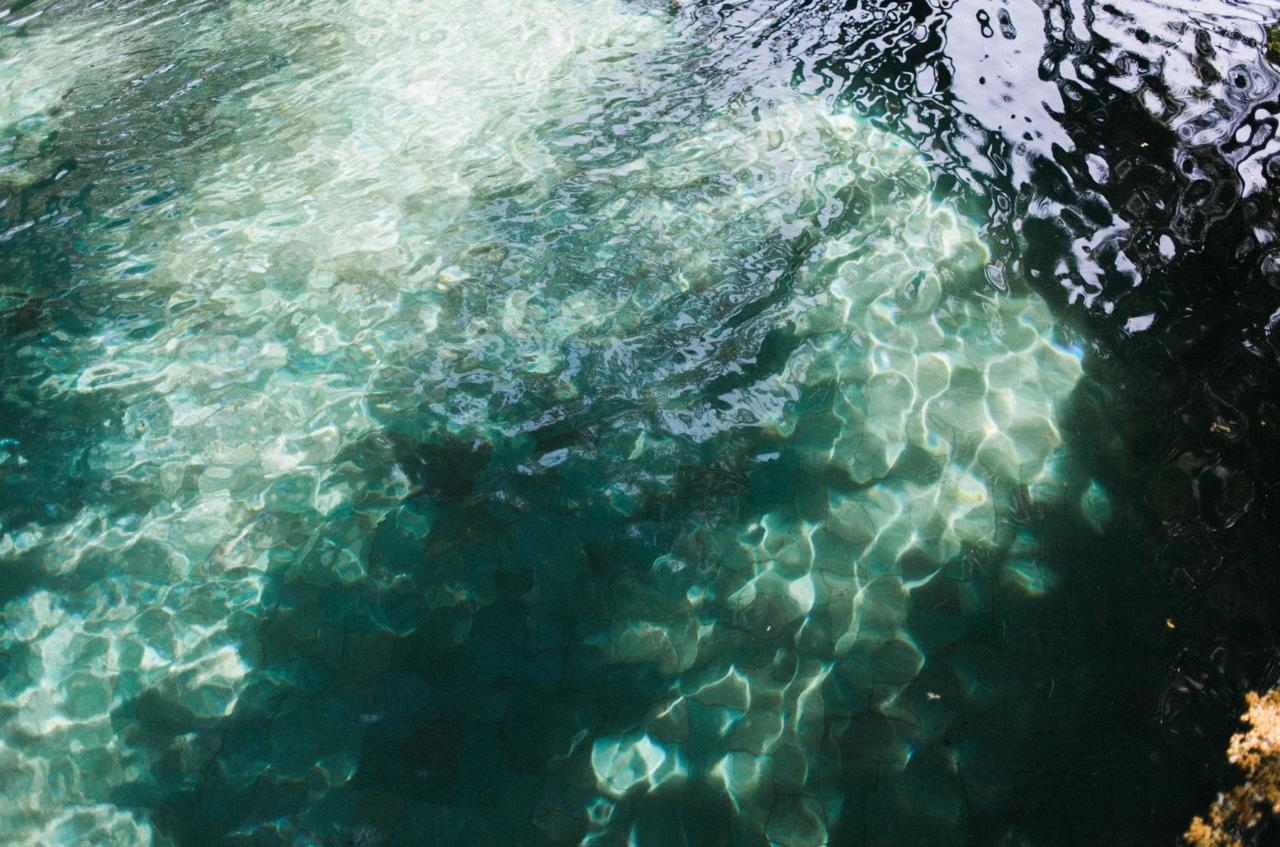
About a fifteen-minute drive from the historic centre, this national park hides three limestone caves filled with turquoise lagoons, plus a fourth reachable by a small hand-pulled ferry. It is the most striking piece of nature inside the city.
8. See the Faro a Colón
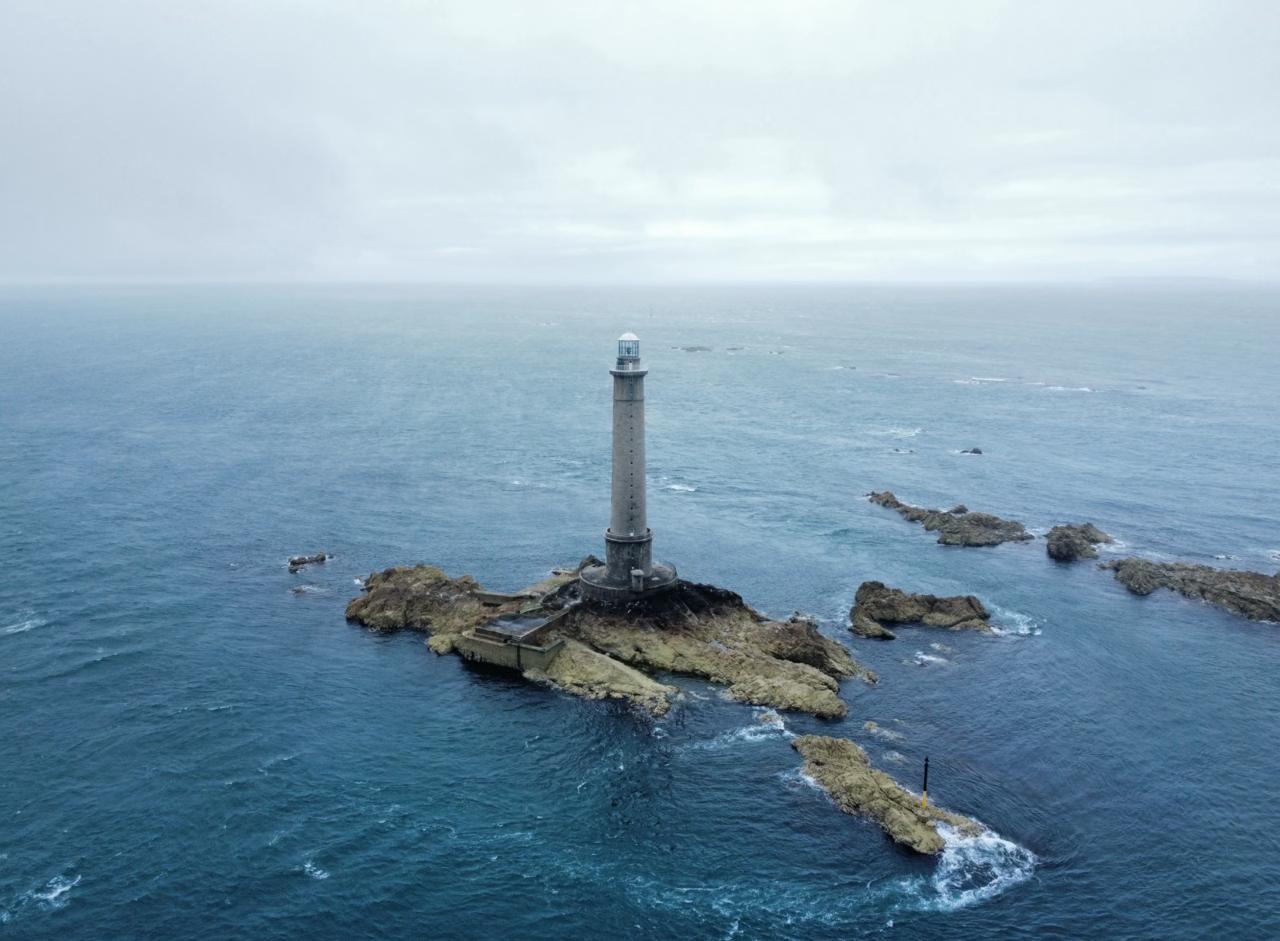
The Columbus Lighthouse is a massive cross-shaped monument east of the river that houses what the Dominican government says are Columbus's remains, a claim Spain disputes. Reach it by taxi or rideshare in about ten minutes from the centre.
9. Walk or bike the Malecón
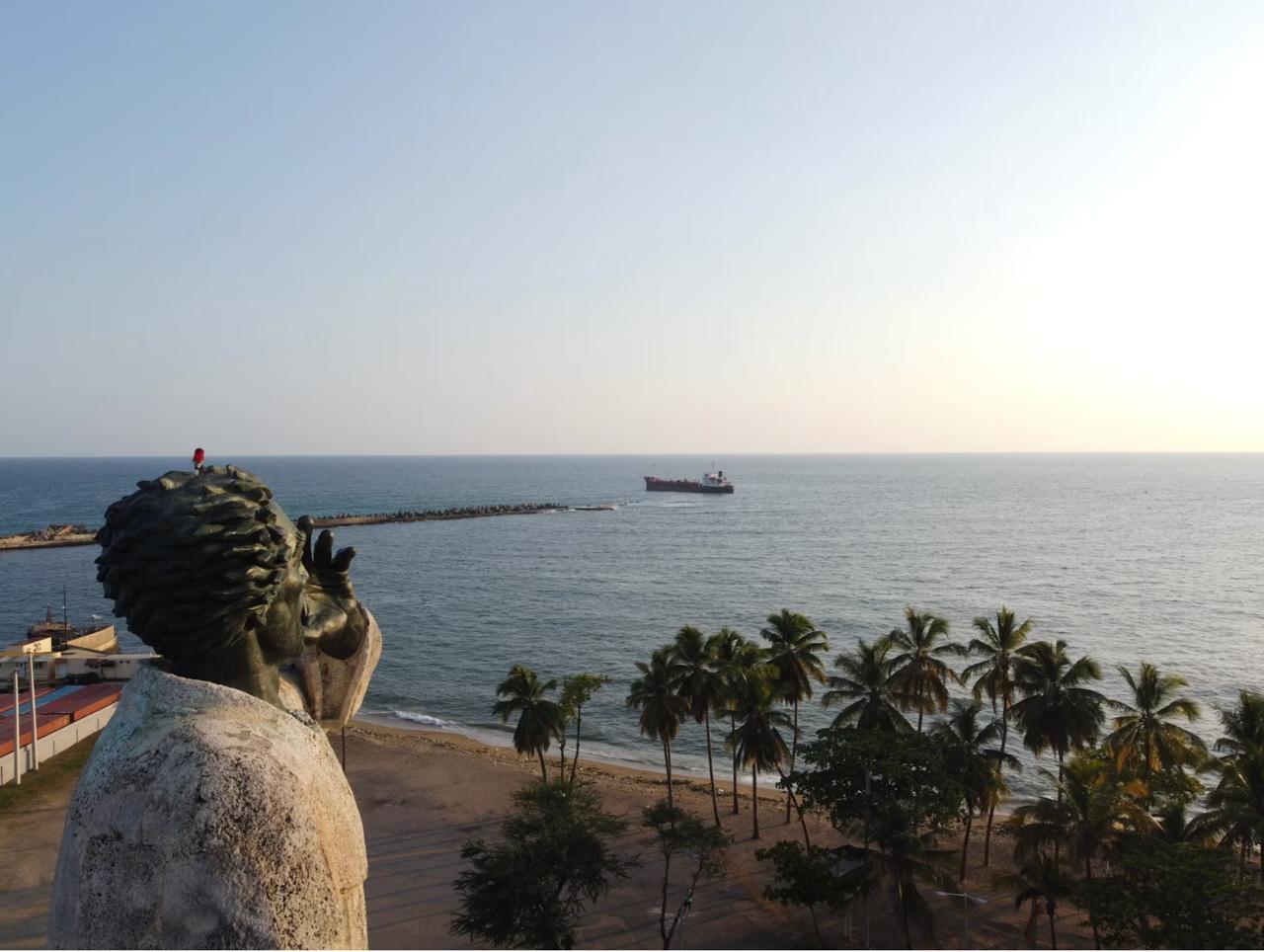
Santo Domingo's seafront runs roughly 14 kilometres along the Caribbean, lined with monuments, restaurants, and hotels. It is best at sunset for a stroll or a bike ride, though it is a promenade rather than a swimming beach.
10. Escape to the National Botanical Garden

The largest green space in the city offers a tram tour, a Japanese garden, and shaded trails. It is an easy reset from the heat and the cobblestones, and it sits in the modern uptown district.
Book your next hotel for up to 30% less
11. Dance to merengue, then taste Dominican rum

Merengue and bachata were born in this country, and the Colonial Zone plazas fill with live music most nights. Pair that with a tasting at the Museo del Ron, set inside a 16th-century building, for a proper introduction to Dominican culture. For a deeper dive into the flavours that go with it, our Dominican Republic food guide walks through the dishes to order.
12. Take a beach day trip to Boca Chica
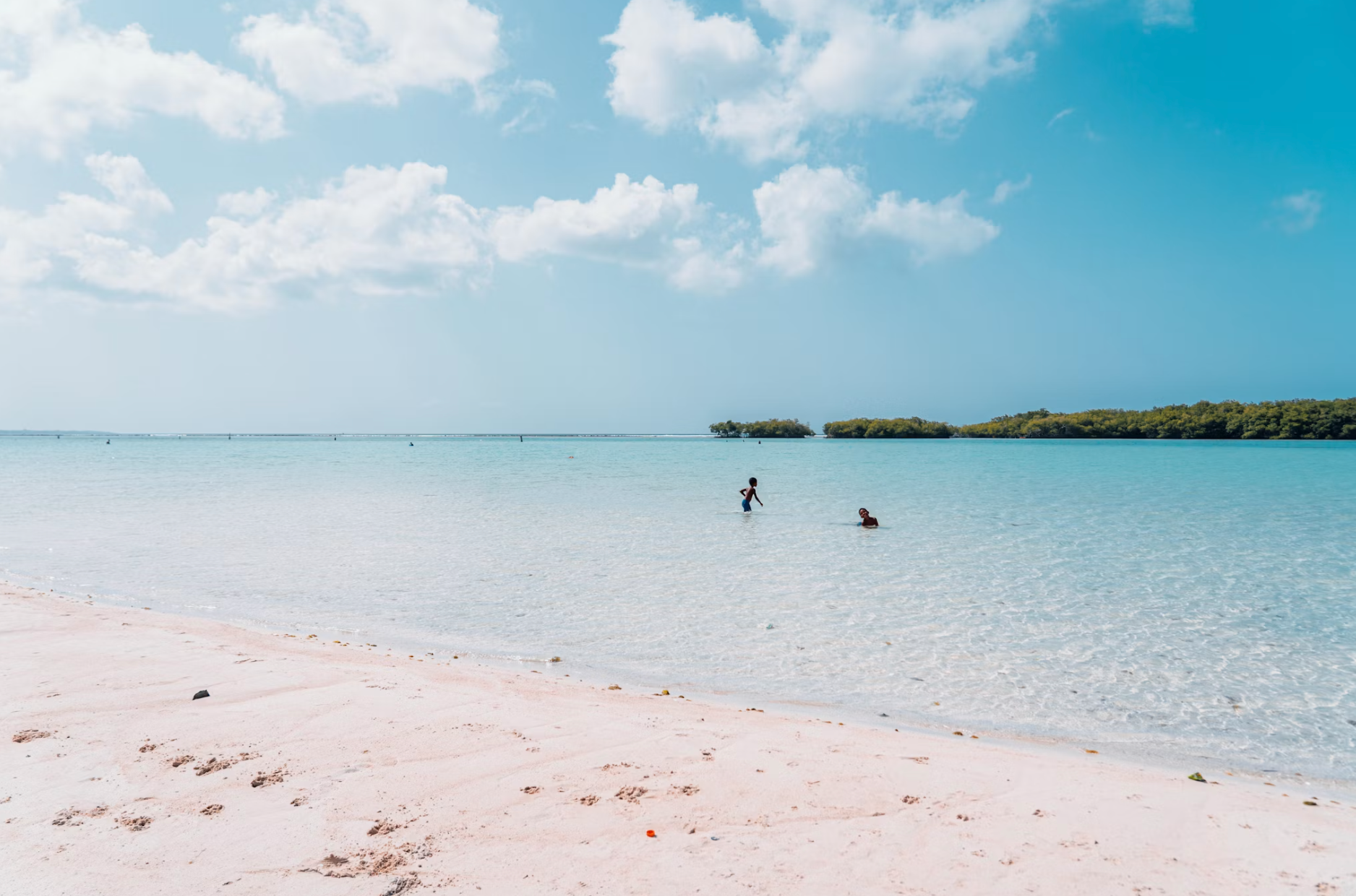
There are no beaches inside the city itself, a detail most guides bury. The fix is Boca Chica, a shallow, calm-water beach about 30 minutes east, near the airport. If you're weighing calm Caribbean resort beaches against wild Atlantic coast waves, or wondering what Bahía de las Águilas actually looks like compared to Punta Cana, our 17 Dominican beaches guide compares sand, vibe, and seasonality across the entire coastline. It's the guide to read if you can't decide between resort luxury and untouched exploration.
How big is Santo Domingo, and where is it?
Santo Domingo sits on the south coast, split by the Ozama River, with the Colonial Zone on the west bank. The population question trips up a lot of travellers because sources report wildly different figures, and the reason is simple: they are measuring different areas. Here is the clean version.
The city-proper figure is roughly 1,001,525, while the metro area reached about 3.65 million. When guides say "downtown," they usually mean one of two places. The historic downtown is the Colonial Zone. The modern downtown is the uptown business and nightlife district around Avenida Winston Churchill and Piantini, home to malls, casinos, and the newer hotels. Knowing which one someone means saves confusion when you book.
How many days do you need, and when should you go?
Two days is the sweet spot. You can see the Colonial Zone highlights on foot in a single full day, then use a second day for Los Tres Ojos, the Faro a Colón, the Botanical Garden, or a Boca Chica beach run. Three days let you slow down." You treat the duration as a single unit everywhere else without rushing. One day works only if you are arriving on a cruise or a day trip from Punta Cana, which is about a 2.5-hour drive.
Timing, the weather splits the year cleanly.
If you want the full country-wide breakdown by month, see our guide on the best time to visit the Dominican Republic.
Is Santo Domingo safe, and what do you need before you go?
Santo Domingo is broadly safe for tourists who use normal city sense. Stick to the Colonial Zone, the Malecón, and the uptown districts, keep valuables out of sight, use registered taxis or rideshare at night, and be aware that busy tourist strips attract pickpockets. For reference, the U.S. State Department places the Dominican Republic at Level 2, Exercise Increased Caution, the same advisory level it applies to many popular travel destinations. The waterfront looks inviting but is a promenade, not a swim spot, so save the beach for Boca Chica.
For entry, the rules have changed, and older guides still get this wrong. Most visitors, including United States and Canadian citizens, do not need a visa for stays under 30 days. What you do need is the free E-Ticket, a digital form you complete online a day or two before you arrive and again before you leave (official Dominican Republic tourism board). The old paper tourist card fee is now bundled into most airfares, so you rarely pay it separately anymore. Always confirm your own country's requirements before flying.
On money, the local currency is the Dominican peso. As of July 2026, one United States dollar is worth about 59 pesos (Wise), though the rate moves daily, so check it before you travel. Cards are widely accepted in hotels, restaurants, and malls, but carry some pesos for taxis, small vendors, and site entry fees.
How do you get to Santo Domingo, and where should you stay?
Getting there is straightforward. Las Américas International Airport sits about 30 minutes from the Colonial Zone, with direct flights from Miami, New York, Atlanta, and a growing list of other cities. Taxis and rideshares are easy to find on arrival, and once you are in the Colonial Zone, you can explore almost entirely on foot. If you are combining the capital with the rest of the island, our roundup of the best places to visit in the Dominican Republic maps out the options.
For where to base yourself, staying inside the Colonial Zone keeps the sights at your doorstep. Recent boutique openings have raised the bar: the Kimpton Las Mercedes is one of the newest arrivals in the Zone, joining restored-property stays like the Hodelpa Nicolás de Ovando and Casas del XVI. If you prefer modern comforts, malls, and casinos, the uptown Piantini area is your pick.
When you are ready to book, you can lock in hotels and flights to Santo Domingo on Epic for less than you would pay on Booking.com, with savings of up to 30%. You can pay with Visa, Mastercard, Apple Pay, Google Pay, or 200+ cryptocurrencies. New travellers can also claim $25 off a first booking to bring the numbers down further.
Your next step
Santo Domingo works best when you plan the shape of the trip before you arrive: two days, a Colonial Zone base, and a beach run built in. Once you have your dates, search Santo Domingo hotels and flights on Epic to see how much you can save, pay the way that suits you, and put the difference toward another stop on the island. If you are timing a wider Caribbean trip, our monthly guide to the top 10 places to visit in July can help you slot Santo Domingo into the right window.
FAQs
1. Is Santo Domingo worth visiting?
Yes. As the oldest European-founded city in the Americas, it offers a walkable UNESCO World Heritage core, real Caribbean culture, and easy day trips, all in a working capital rather than a resort strip. It rewards history lovers and city travellers especially.
2. How many days do you need in Santo Domingo?
Two days is ideal for most visitors. One full day covers the Colonial Zone on foot, and a second handles Los Tres Ojos, the Faro a Colón, and a beach run to Boca Chica. Add a third day if you want a slower pace with more food and nightlife.
3. Is Santo Domingo safe for tourists?
It is generally safe with normal precautions. Stay in the Colonial Zone, the Malecón, and uptown districts, keep valuables out of sight, watch for pickpockets in crowds, and use registered taxis or rideshare after dark.
4. What is Santo Domingo known for?
It is known for the Zona Colonial, the first cathedral, fort, and paved street in the Americas, along with merengue and bachata music, Dominican rum and cigars, and a lively seafront Malecón.
5. Is Santo Domingo expensive to visit?
It is one of the more affordable Caribbean capitals. Entry fees are low, street food and local restaurants are cheap, and booking hotels and flights through Epic can cut accommodation costs by up to 30% compared with the big travel sites.

Mithra Ghosh is a Dubai-based content writer and SEO copywriter with 2+ years of experience crafting search-optimised content across crypto, Web3, and digital finance. She combines strong editorial instincts with a deep understanding of blockchain ecosystems and on-chain trends.
At Epic, she writes about the growing world of crypto-native travel helping readers understand how holding and spending digital assets can unlock smarter, cheaper ways to see the world.
Found a destination you like? Book it for up to 30% less.

Found a destination you like? Book it for up to 30% less.