Content
Punta Cana Travel Guide 2026: 18 Things to Know Before You Go
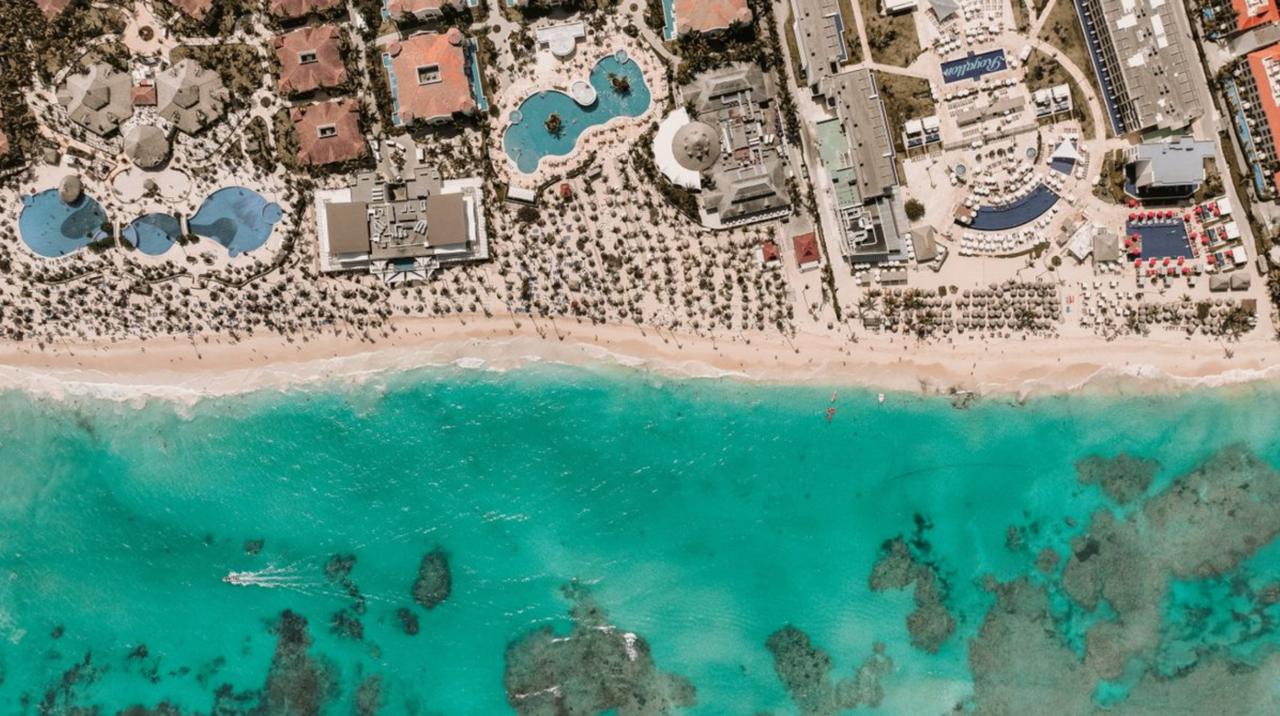

Few destinations make a Caribbean escape as effortless as Punta Cana. Think long ribbons of coconut palms leaning over powder-soft sand, warm turquoise water, and resorts where the hardest choice of the day is which pool to start at. It is a place travellers return to again and again, and a big reason the Dominican Republic keeps setting tourism records. Behind those easy beach days, though, sit the practical questions every first-timer asks about safety, entry rules, money, and timing.
Welcome to your Punta Cana travel guide for 2026, built to answer every one of them before you book. Punta Cana sits on the far eastern tip of the Dominican Republic, in La Altagracia province, where the Caribbean Sea meets the Atlantic. It is the country's most visited region, a string of white sand beaches and all-inclusive resorts served by the busiest airport in the Caribbean. The Dominican Republic closed 2025 with a record 11.6 million visitors, according to the Ministry of Tourism, and most of them passed through here. If you're new to the country and need a quick reference on population, capital, language, currency, and what actually happens here (not the myths), our Dominican Republic facts guide answers the baseline questions before you dig into the guide.
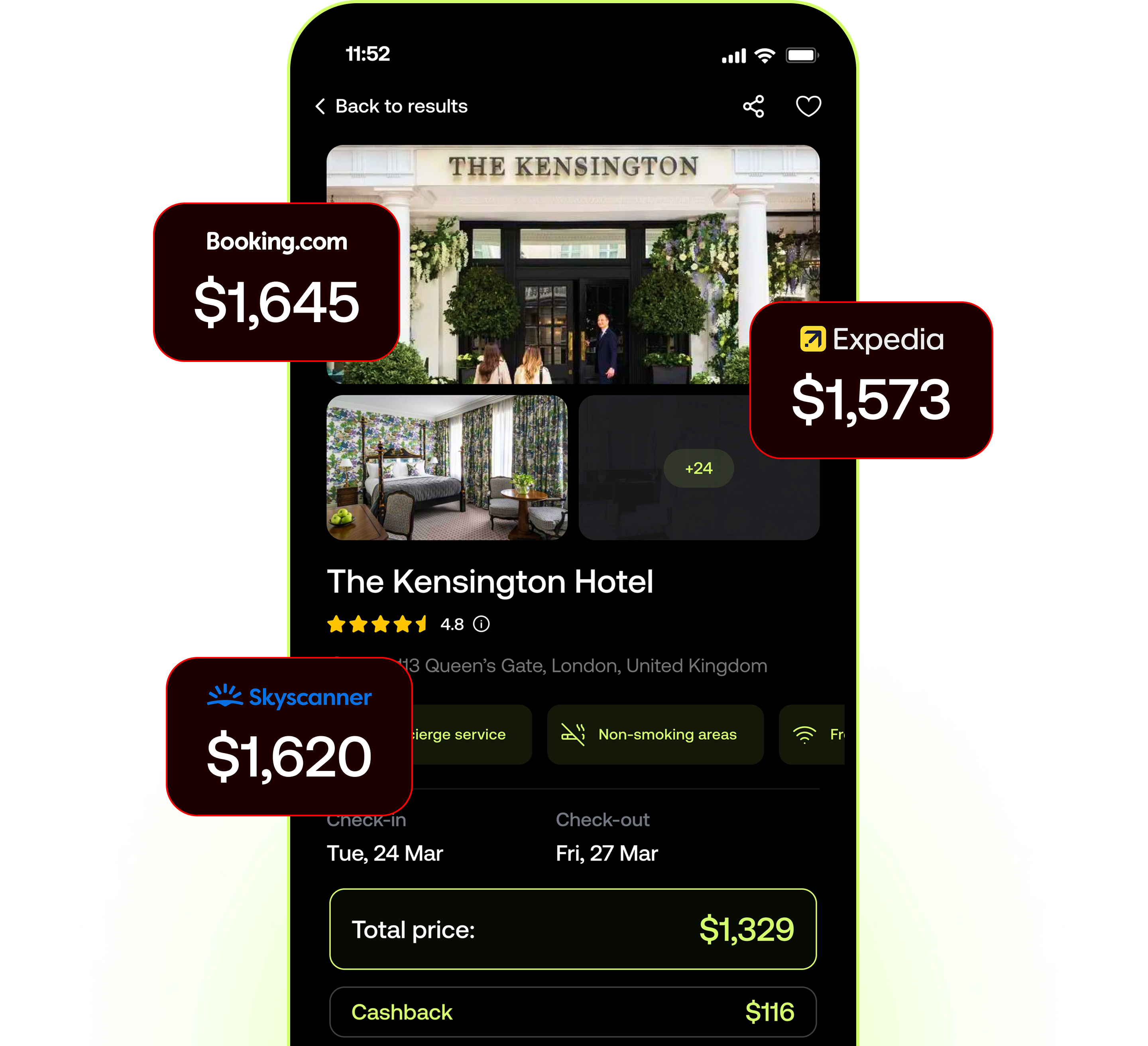
Below are the 18 things worth knowing, from entry rules and safety to the best time to go, real costs, beaches, and where to stay. When you are ready to turn your shortlist into a real trip, you can book hotels and flights across the Dominican Republic through Epic for up to 30% less than Booking.com. Join the early access list and claim $25 off your first booking. If you're short on time, you can watch the video below. For more details, keep on reading.
1. Where Punta Cana Is, and How It Is Laid Out
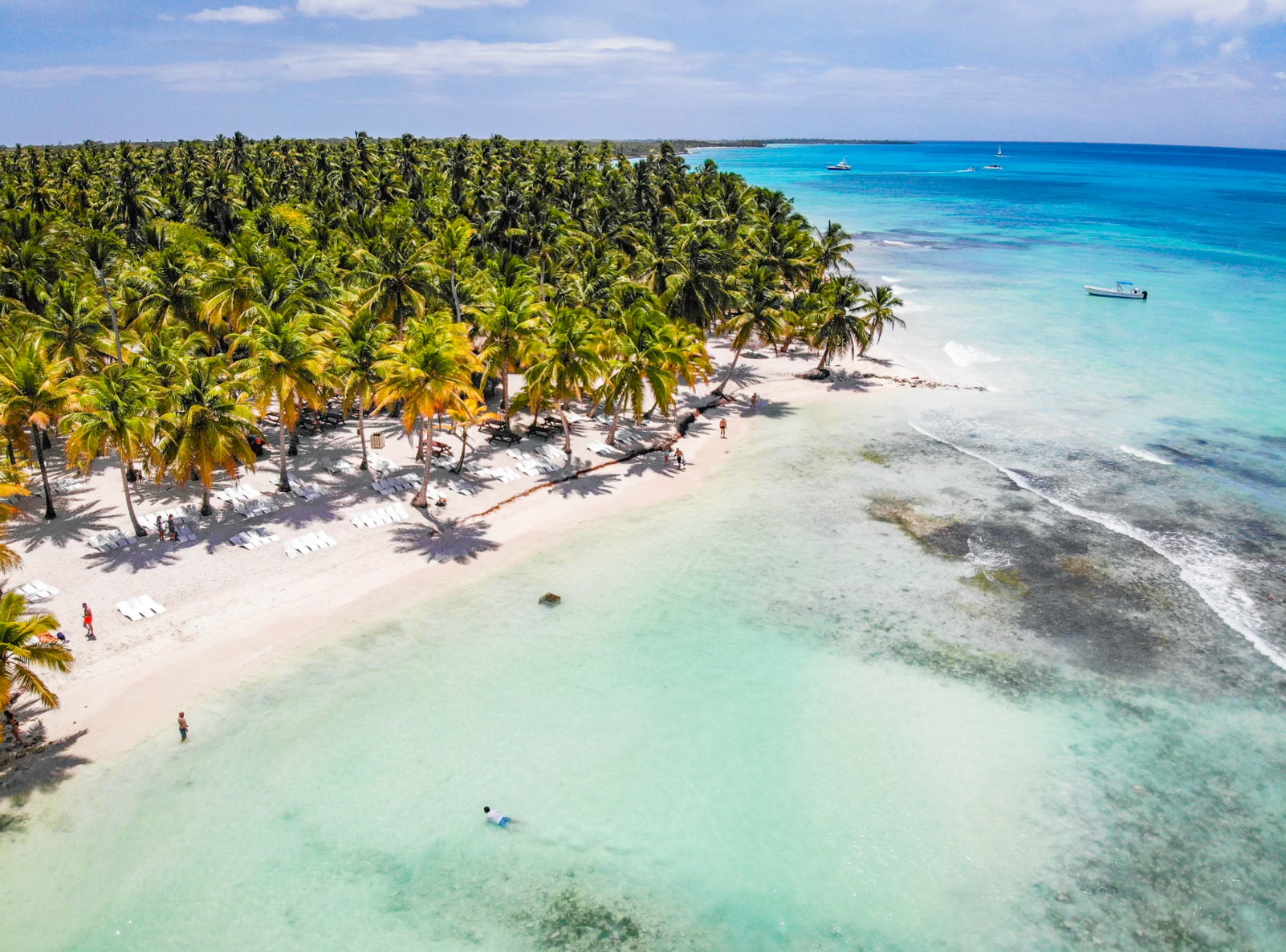
Punta Cana is the easternmost point of the Dominican Republic, roughly a two-hour drive from the capital, Santo Domingo. Most travellers never see the wider country on a first trip, because the resort strip has everything within a short taxi ride. It helps to picture Punta Cana as a set of districts rather than one town. Bávaro is the main hub, packed with resorts, beach bars, and shopping. Cap Cana to the south is the upscale marina and golf area. Uvero Alto sits to the north and feels quieter and more remote. El Cortecito is a small former fishing village with a local, walkable feel, and Cabeza de Toro is a calm pocket near the lagoon. Knowing these names makes choosing a hotel far easier.
2. The Best Time to Visit Punta Cana
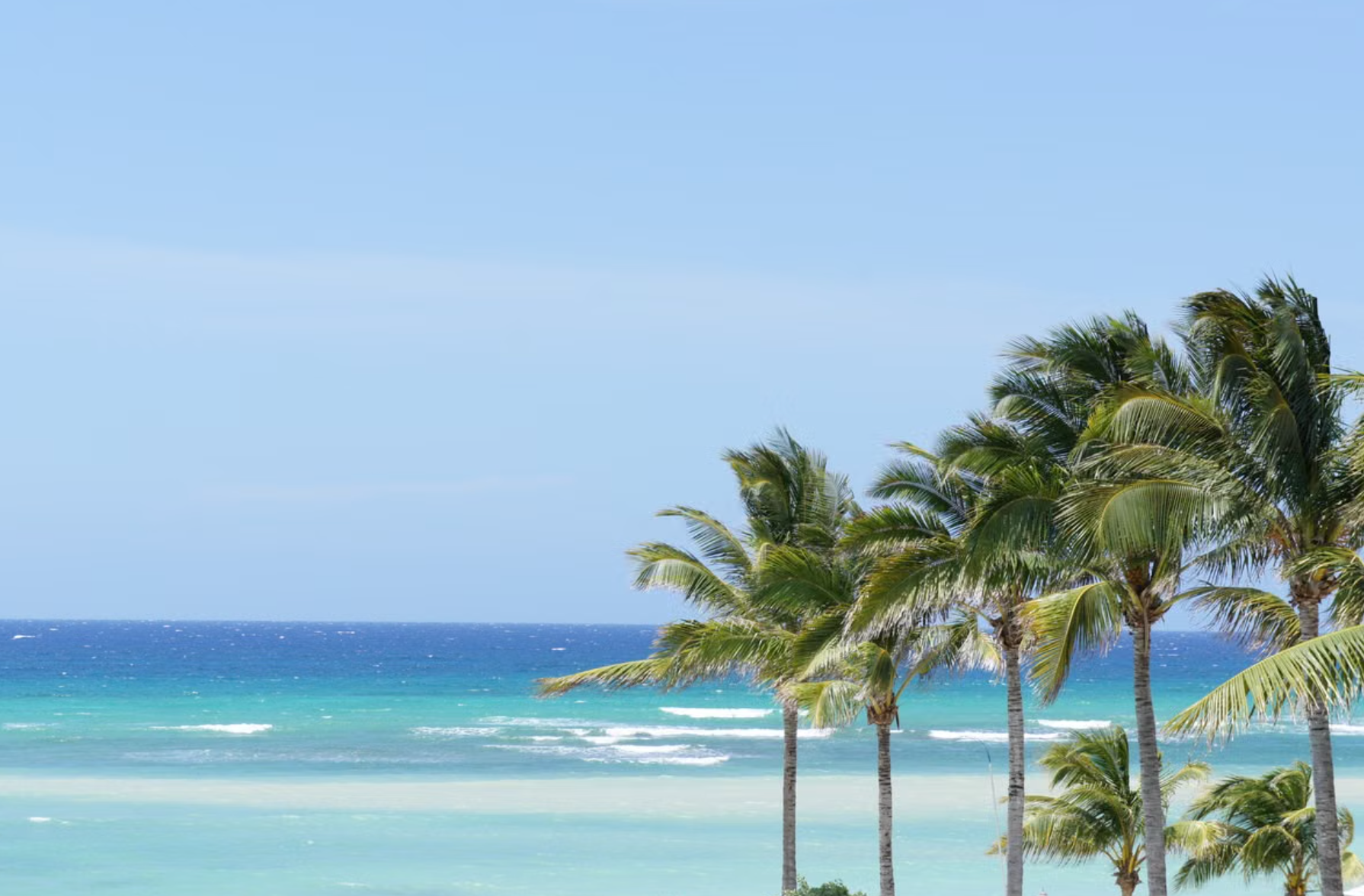
The best time to visit Punta Cana is from December to April, the dry season, when rainfall is low and humidity is comfortable. The weather is warm all year, with highs usually in the low to mid 80s Fahrenheit (around 28 to 31 Celsius), so there is no truly bad time to come for beach weather. If your priority is lower prices and thinner crowds, aim for May, early June, or November. These shoulder weeks give you the same warm sea with better rates on flights and rooms. January and February are peak season, so expect higher prices and busier beaches during those months. If you're timing your trip around Carnival, Día de Independencia, or any major celebration with real street parades and local traditions, our Dominican Republic holidays guide maps all 12 official holidays with dates and what each one actually feels like on the ground. It's the guide to read if you want your trip to sync with the country's rhythm, not fight against it.
3. Hurricane Season, Explained Honestly
Hurricane season in the Caribbean runs from June 1 to November 30, with the highest storm activity usually in late August through October. This does not mean you should avoid summer travel. Punta Cana is often spared direct hits, and a "rainy" day here frequently means a short afternoon downpour rather than a washout. That said, September and October are the wettest and riskiest months. If you travel in this window, book a flexible rate and add travel insurance that covers weather disruptions, so a storm forecast does not cost you the whole trip.
4. How Many Days Do You Need in Punta Cana
Most travellers need 4 to 7 days in Punta Cana. Four days is enough for a relaxed beach and resort trip with one excursion. Five to seven days lets you add bigger day trips, such as Saona Island, Hoyo Azul, and a run into Santo Domingo, without feeling rushed. A full week is the sweet spot for first timers who want both genuine downtime and a taste of adventure. Anything shorter than three nights tends to get eaten up by travel and check-in. If you're torn between December's perfect weather and September's rock-bottom prices, or wondering when whale season peaks versus hurricane risk, our best time to visit guide breaks it down month by month and region by region with honest trade-offs. It's the guide to read if you're optimizing for weather, crowds, cost, or a specific activity.
5. Is Punta Cana Safe?
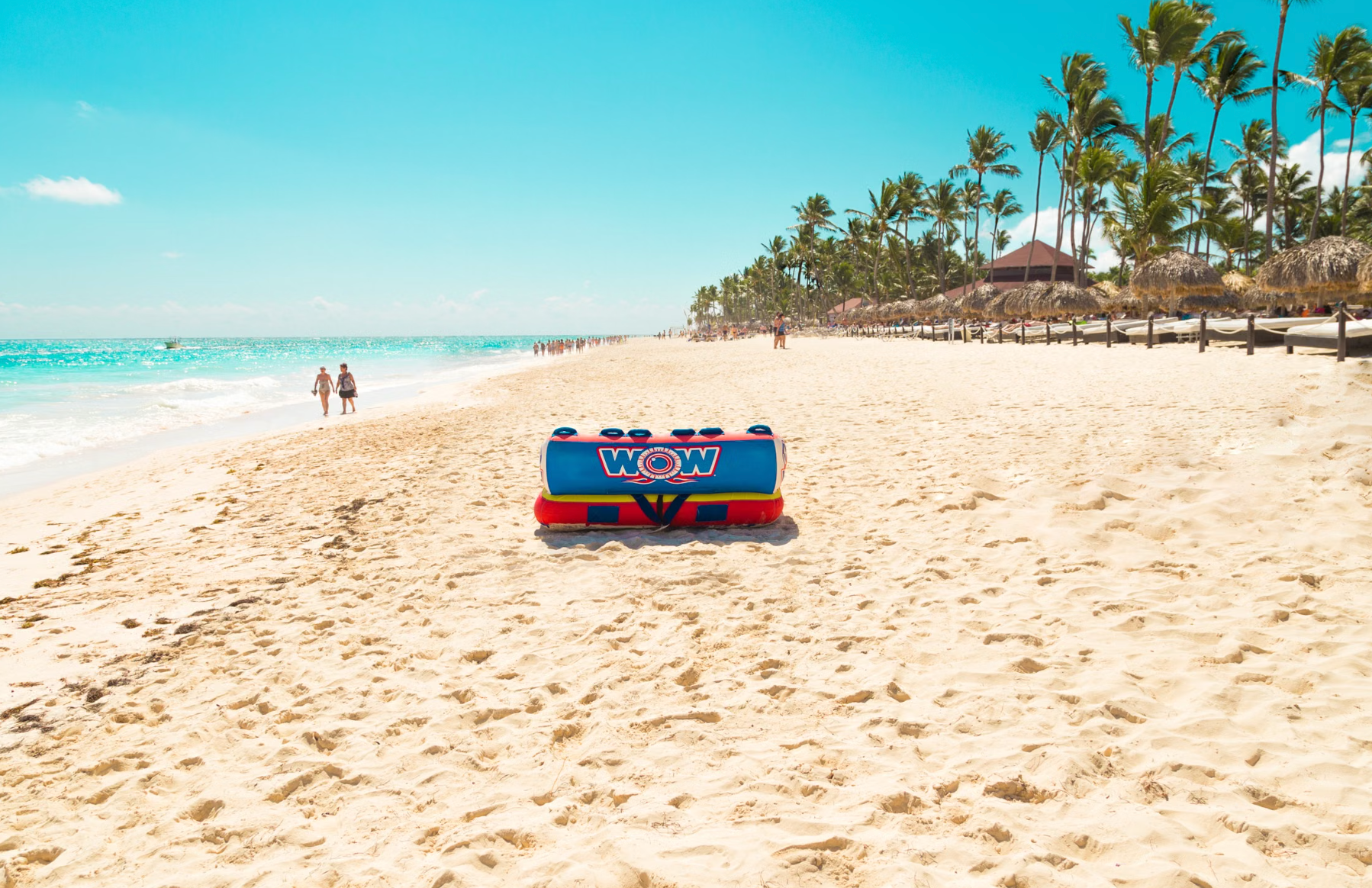
Yes, Punta Cana is one of the safest areas in the Dominican Republic. The gated resort zones have heavy private security and a dedicated tourist police force (POLITUR), and serious crime against tourists in these areas is rare. The United States currently places the Dominican Republic at Level 2, "Exercise Increased Caution", the same tier as popular European destinations like France and Italy. The bigger real-world risks are petty theft on public beaches and traffic, not violent crime.
To break it down by area:
- Resort zones (Bávaro, Cap Cana, Uvero Alto): very high safety, with high police and security presence. Petty theft on public beaches is the main concern, so do not leave a phone on your towel while you swim.
- Santo Domingo and other cities: safe in tourist and business districts by day, but use more caution at night and skip flashy jewellery.
- On the road: traffic accidents are statistically the biggest danger in the country, so choose reputable transport and avoid unlit rural roads at night.
6. Entry Requirements and the E-Ticket
Every traveller entering or leaving the Dominican Republic must complete the free digital E-Ticket, which combines the old immigration and customs forms into one online document. You fill it out before your flight and receive a QR code that officials scan at Punta Cana International Airport (PUJ). Two things save people the most stress. First, the form is genuinely free on the official government portal, so do not pay third-party sites that charge 40 to 90 dollars to "process" it. Second, you need a separate E-Ticket for entry and for exit, so fill out both. The code no longer requires the old 72-hour window, so you can complete it as soon as your travel dates are locked in.
7. Do You Need a Passport or Visa?

Citizens of the United States, Canada, the United Kingdom, and the European Union do not need a visa for tourist stays of up to 30 days. You do need a passport that stays valid for at least six months beyond your arrival date, and this is enforced, so check the expiry now rather than at the airport. If you want to stay longer than 30 days, you can extend at the Migration Department for a fee. Bring proof of a return or onward flight, since airlines sometimes ask for it at check-in.
8. Common Scams to Watch For
Punta Cana is not a scam-heavy destination, but a few tricks target tourists, and knowing them keeps your trip smooth. The E-Ticket "processing fee" sites mentioned above are the most common, followed by taxi drivers quoting inflated fares, so agree on a price before you get in or use your resort's transport desk. Card cloning happens, so use ATMs inside a bank branch or your hotel lobby rather than a standalone machine on the street. In the rare event you deal with local police, be aware that so-called "pirate lawyers" sometimes approach detained foreigners near tourist police stations and charge excessive fees. Your embassy can provide a proper list of lawyers if you ever need one.
9. Health, Water, and Vaccinations
There are no mandatory vaccinations to enter the Dominican Republic, though it is smart to be up to date on routine shots. The single most useful health habit is simple: drink bottled water, not tap, and be moderate with ice outside resorts. Bring reef-safe sunscreen because the Caribbean sun is stronger than most visitors expect, and pack insect repellent for dawn and dusk, especially near lagoons and greenery. Travel insurance with medical and evacuation coverage is strongly recommended, since local hospitals often expect payment up front and do not accept foreign health plans.
10. Money, Currency, and Tipping
The official currency is the Dominican peso (DOP), but United States dollars are widely accepted across resorts and tourist areas, usually at a poorer exchange rate than you would get locally. Carry some pesos for small shops, street vendors, and tips. Watch your bill in hotels and restaurants: an 18% sales tax (known as ITBIS) plus a 10% service charge are commonly added. That service charge does not always reach your server, so if the service was good, a small additional tip of 10% is genuinely appreciated. Notify your bank before you travel so your card is not frozen for "suspicious" foreign activity.
Book your next hotel for up to 30% less
11. How Much a Punta Cana Trip Costs
Punta Cana works on almost any budget, which is a big part of its appeal. PVer person per day outside of flights and your resort rate:
- Budget: around 30 to 60 dollars a day, sticking to your all-inclusive, local eats, and one or two excursions across the trip.
- Mid-range: around 80 to 150 dollars a day, adding several excursions, some off-resort dining, and private transfers.
- Luxury: 250 dollars a day and up, with premium resorts, private tours, fine dining, and spa days.
Excursions are the variable that moves your total the most. A group catamaran trip might run 60 to 100 dollars, while a private Saona Island day can cost several times that. Booking a few key tours in advance, rather than at the resort desk, usually saves money.
12. Language and Staying Connected
Spanish is the official language, but English is widely spoken across resorts, tours, and shops, so most visitors get by with none at all. A few polite phrases (hola, gracias, por favor) go a long way with local staff. For data, most resorts offer Wi Fi, and an eSIM or a local SIM card bought on arrival is cheap and beats international roaming charges. Staying connected is also a quiet safety tool, since it lets you book verified transport and share your location.
13. Getting There and Getting Around

Punta Cana International Airport (PUJ) is the busiest airport in the Caribbean and sits close to most resorts, so transfers are short. From the airport, a shared shuttle runs around 10 dollars per person, while a private transfer for a small group is roughly 25 to 40 dollars depending on your resort, as of 2026. Once you are there, the region is not very walkable outside El Cortecito and Punta Cana Village, and public buses (guaguas) are cheap but built for locals rather than tourists. For day trips and airport runs, a pre-booked private transfer is the easiest option.
Epic arranges private airport transfers and excursions across Punta Cana, and travellers save up to 30% lower than Booking.com.
14. Where to Stay: Districts and La Altagracia Resorts
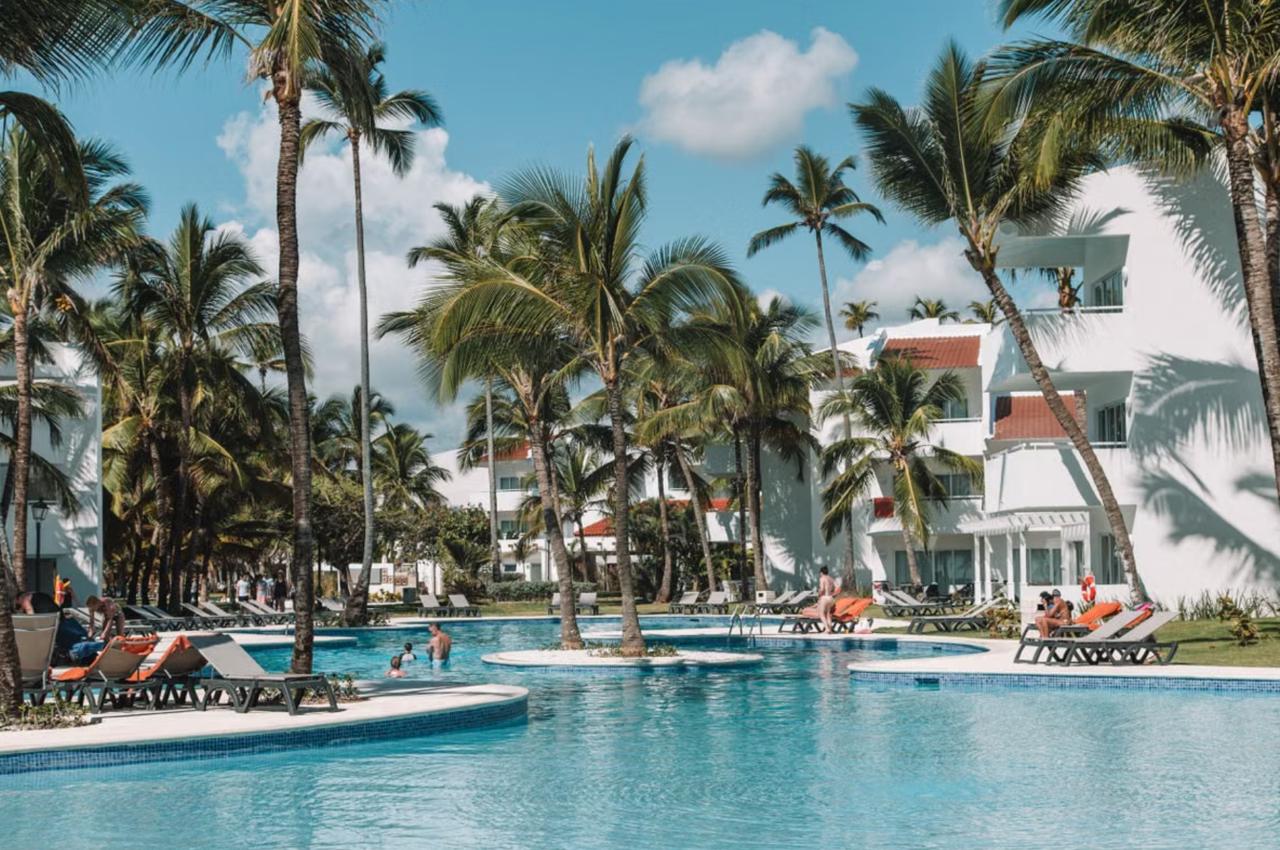
The right base depends on your travel style, and Punta Cana sits within La Altagracia province, home to the bulk of the country's resorts. Families do well in Uvero Alto and Bávaro, where large all-inclusive properties have kids' clubs, water parks, and calm swimming beaches. Couples and honeymooners lean toward Cap Cana for its marina, golf, and adults-only options, or El Cortecito for a more local, laid-back feel. First-timers who want to be near the action and other beaches usually pick Bávaro, the central hub. If you value quiet over nightlife, the northern stretch around Uvero Alto trades convenience for calm.
15. All Inclusive Versus Boutique: Which to Pick
Punta Cana is famous for all-inclusive resorts, and for good reason. One upfront price covers your room, meals, drinks, and most activities, which makes budgeting painless and suits families and first-timers. The trade-off is that it nudges you to stay on the property and eat buffet-style rather than exploring local restaurants. Boutique and smaller hotels, more common around El Cortecito and Las Terrenas further afield, give you a more independent, local-flavoured trip, but you pay per meal and per activity. A popular middle path is an all-inclusive base with two or three days set aside for off-resort excursions and meals.
16. The Best Beaches in Punta Cana
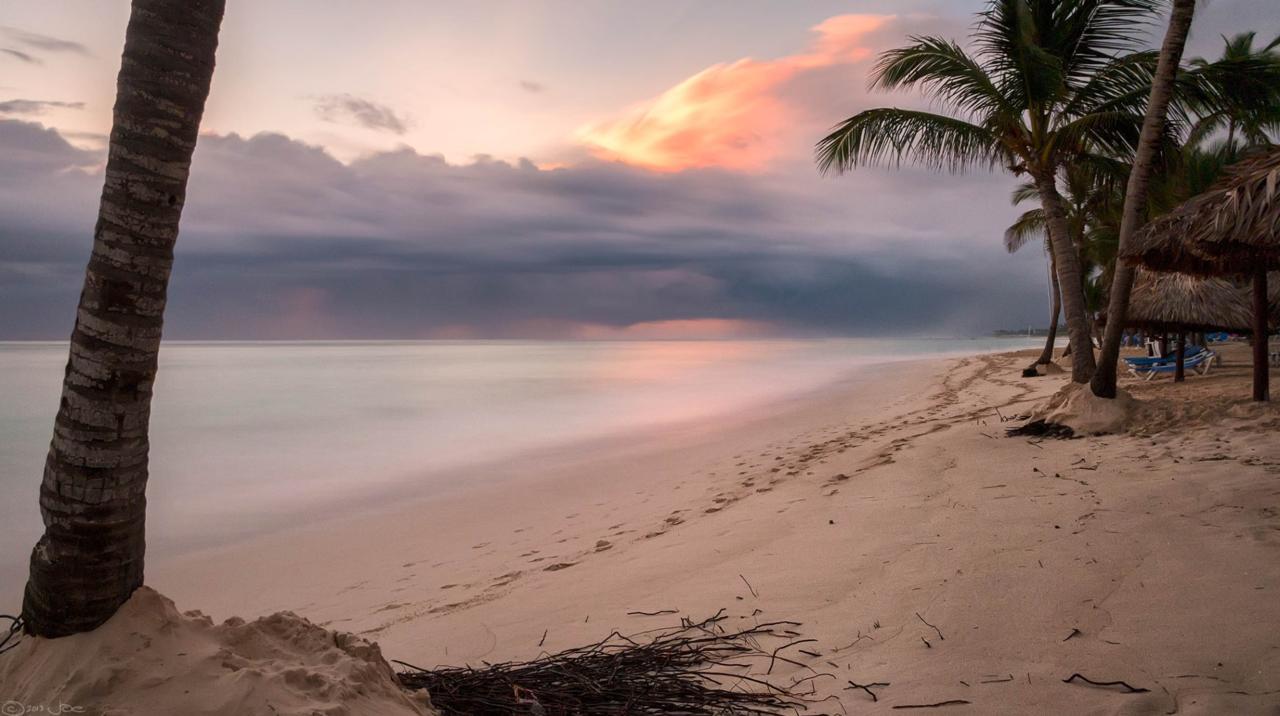
The beaches are the whole point, and they are excellent. Bávaro Beach is the classic: wide, palm-fringed, and protected by an offshore reef that keeps the water calm and swimmable. Playa Macao, to the north, is wilder and less developed, with real waves that make it the local surf spot. Juanillo Beach in Cap Cana is the calm, upscale choice, with clear, shallow water and beach clubs. Arena Gorda suits families thanks to its gentle, shallow entry, and El Cortecito offers a livelier, local beach close to restaurants and shops. Each has its own character, so it is worth sampling more than one.
If you are weighing Punta Cana against the country's other coastlines, our 17 Dominican Republic beaches guide comparing Punta Cana and Samaná breaks down the differences in sand, surf, and vibe. It is the guide to read if you cannot decide between an easy resort beach and a wilder, nature-first coast.
17. Top Things to Do and Excursions

Beyond the sand, Punta Cana packs in more than most people expect. Saona Island, reached by catamaran or speedboat, is the signature day trip, all sandbars and palm islands. Hoyo Azul is a striking blue cenote (natural pool) inside Scape Park in Cap Cana, often paired with zip lines and cave walks. Water lovers can snorkel the reef, dive, or take a party catamaran along the coast, while land-based options include buggy rides through the countryside, horseback riding on the beach, and chocolate and coffee tastings. For a full country perspective, our guide to the 15 best things to do in the Dominican Republic rounds up experiences well beyond the resort strip. It is worth a look if you plan to combine Punta Cana with Santo Domingo or the mountains.
You can also branch out to nearby regions on a longer trip. Our overview of the 8 best places to visit in the Dominican Republic maps out Santo Domingo, Samaná, Puerto Plata, and the interior. It is a helpful starting point if you want to turn a beach week into a multi-stop itinerary.
18. Nightlife, Food, and Local Culture
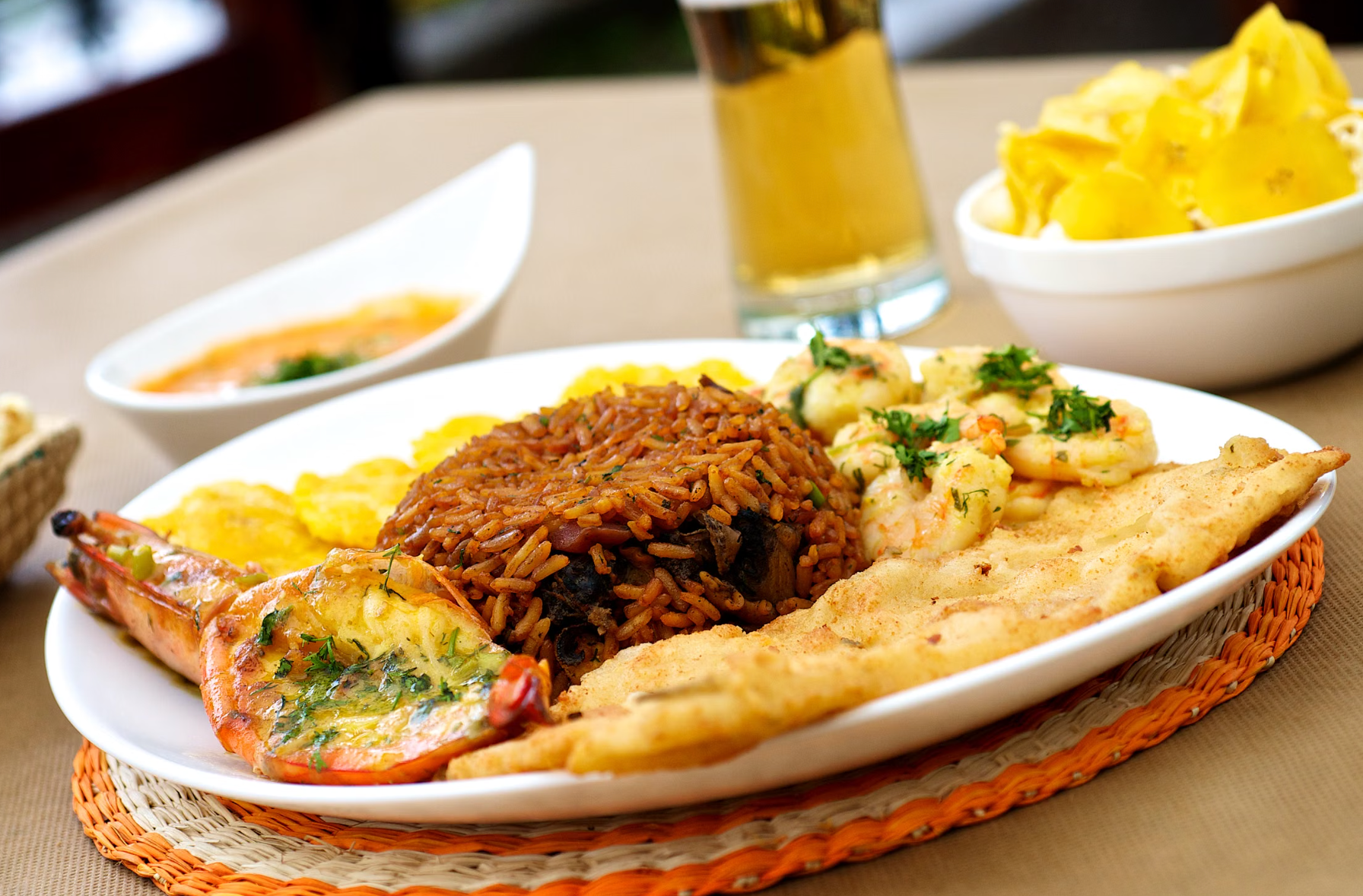
Nights in Punta Cana range from beachfront lounges to full-scale clubs. Coco Bongo puts on a high-energy show, while spots like ORO keep going late for those who want to dance. On the food side, do try to eat beyond the buffet at least once. The national dish, La Bandera Dominicana (rice, red beans, stewed meat, and fried plantains), is comfort food at its best, and fresh seafood, tostones, and local coffee are everywhere. Bachata and merengue are the sound of the country, and catching live music is one of the easiest ways to feel the local culture. To eat your way through the country properly, our Dominican Republic food guide covers the dishes, drinks, and street food worth seeking out. It pairs well with this guide if food is a big part of how you travel.
Is Punta Cana Worth It?
For most travellers, yes. Punta Cana delivers reliable sunshine, some of the Caribbean's best beaches, easy logistics, and prices that flex to almost any budget, which is exactly why it draws so many visitors each year. The honest caveat is that it is a purpose-built resort destination, so if you are hoping for a raw, off-the-beaten-path cultural immersion, you will need to plan day trips to find it. Come for the beaches and the ease, add a couple of excursions to break out of the resort bubble, and it is hard to leave disappointed.
How to Book Your Trip with Epic Travel
Epic Travel is a booking platform built to make the whole trip cheaper and simpler in one place. You can pay the way you already do, with Visa, Mastercard, Apple Pay, Google Pay, or 200+ cryptocurrencies, and book flights and hotels for up to 30% less than Booking.com.
New to Epic? Sign up now to claim $25 off your first booking, then book directly, keep the savings, and put the difference toward another day trip.
Frequently Asked Questions
1. Is Punta Cana expensive?
Punta Cana can be very affordable or quite luxurious. All-inclusive resorts keep daily costs low and predictable, and budget travellers can manage on 30 to 60 dollars a day beyond their room, while luxury trips run 250 dollars a day and up. Excursions and off-resort dining are what raise the total.
2. Can you drink the tap water in Punta Cana?
No, stick to bottled water. Tap water is not considered safe for visitors to drink, and it is best to be moderate with ice outside of resorts. Bottled water is cheap and available everywhere, so this is an easy habit to keep.
3. Is Punta Cana walkable?
Mostly no. The resort strip is spread out, and only areas like El Cortecito and Punta Cana Village are genuinely walkable. To move between beaches, resorts, and attractions, plan on taxis or pre-booked private transfers rather than walking.
4. Do you need vaccinations for Punta Cana?
No vaccinations are required to enter the Dominican Republic. It is wise to be current on routine vaccinations, drink bottled water, and use insect repellent, but there are no mandatory shots for a standard tourist trip.
5. What is the best area to stay in Punta Cana?
Bávaro is best for first timers who want to be central, Cap Cana suits couples and luxury travellers, and Uvero Alto is the quiet, remote choice. Families do well in Uvero Alto and Bávaro, where resorts are geared toward kids.
6. Is Punta Cana good for families?
Yes. Many resorts are designed around families, with kids' clubs, water parks, and calm, shallow beaches such as Arena Gorda. The area is safe, easy to navigate, and full of family-friendly excursions like Saona Island and dolphin encounters.
7. How far is the airport from the resorts?
Punta Cana International Airport (PUJ) is close to most resorts, typically a 10 to 40 minute drive depending on your district. Transfers are short and easy, which is one reason the destination is so popular with first-time Caribbean travellers.
8. What should you pack for Punta Cana?
Pack light, breathable clothing, swimwear, reef-safe sunscreen, insect repellent, a hat, and sandals. Bring any personal medications, a copy of your passport, and a light layer for cool evenings near the end of the year.

Mithra Ghosh is a Dubai-based content writer and SEO copywriter with 2+ years of experience crafting search-optimised content across crypto, Web3, and digital finance. She combines strong editorial instincts with a deep understanding of blockchain ecosystems and on-chain trends.
At Epic, she writes about the growing world of crypto-native travel helping readers understand how holding and spending digital assets can unlock smarter, cheaper ways to see the world.


Found a destination you like? Book it for up to 30% less.

Found a destination you like? Book it for up to 30% less.