Content
8 Places to Visit in the Dominican Republic (2026)
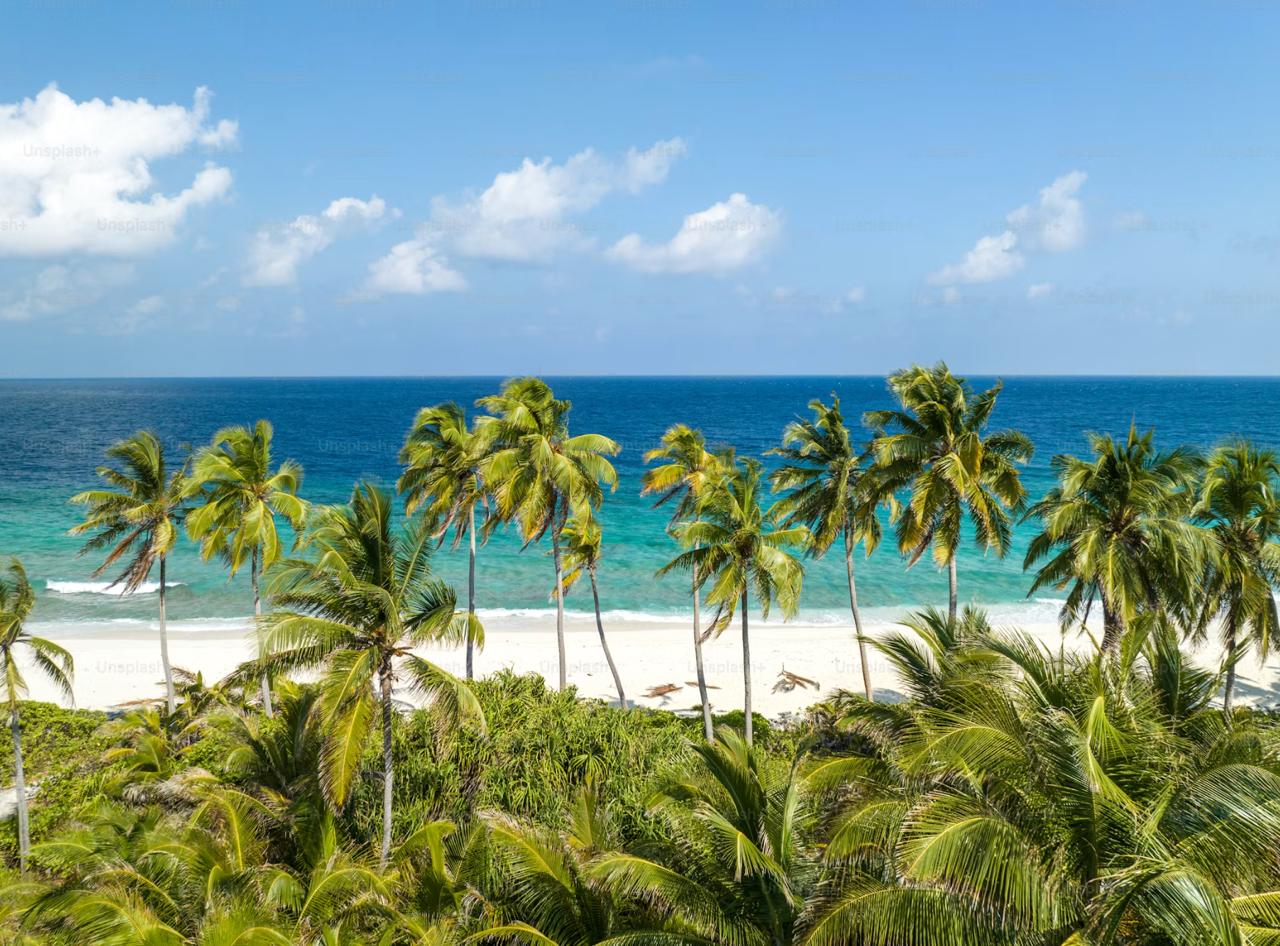

Most first-time visitors picture one thing when they think of the Dominican Republic: a Punta Cana resort with a swim-up bar. That picture is real, but it leaves out most of the country. The best places to visit stretch from a 500-year-old colonial capital to whale-filled bays, pine-covered mountains, and some of the emptiest beaches in the Caribbean. If beaches are what you're after, our 17 Dominican Republic beaches guide covers the best ones from Punta Cana to Samaná. The country splits into four rough travel zones: the resort-heavy east, the historic south around the capital, the adventure-focused north coast, and the wild, less-visited southwest and central mountains. Knowing which zone matches your trip is the most useful decision you'll make.
The demand is real, too. The country welcomed a record 11.19 million visitors in 2024 and broke that record again in 2025, and in a Ministry of Tourism survey, 93% of visitors said they would return. So where should you actually go? Each of the eight places below gives you a real reason to plan around it. Pick the ones that fit your trip, then keep reading for when to visit, what it all costs, and how to book. And if you would rather start from activities than destinations, our guide to the 15 best things to do in the Dominican Republic lays them all out. When you are ready to turn your shortlist into a real trip, you can book hotels and flights across the Dominican Republic through Epic for up to 30% less than Booking.com. Join the early access list and claim $25 off your first booking.
1. Santo Domingo, the Colonial Capital

Santo Domingo is where the Americas' colonial history begins. Founded in 1496, it holds the oldest cathedral, the oldest paved street, and the oldest European fortress in the New World, all inside the Zona Colonial, a UNESCO World Heritage Site since 1990. You can walk from the Catedral Primada to the Alcázar de Colón and Fortaleza Ozama in an afternoon, then finish with dinner on the Malecón. Just outside the old town, Los Tres Ojos is a set of open-air limestone caves with turquoise underground lakes, an easy half-day stop. Modern Santo Domingo matters too, with neighbourhoods like Piantini and Naco holding the country's best restaurants, rooftop bars, and live merengue.
The city is also the country's main southern gateway. Las Américas International Airport handled 22% of national arrivals in 2025, second only to Punta Cana. Note that parts of the Zona Colonial are under an active restoration program, so a few sites may be closed on short notice. Give the capital two or three days, and try the local cooking covered in our Dominican Republic food guide.
2. Punta Cana and the Bávaro Beaches
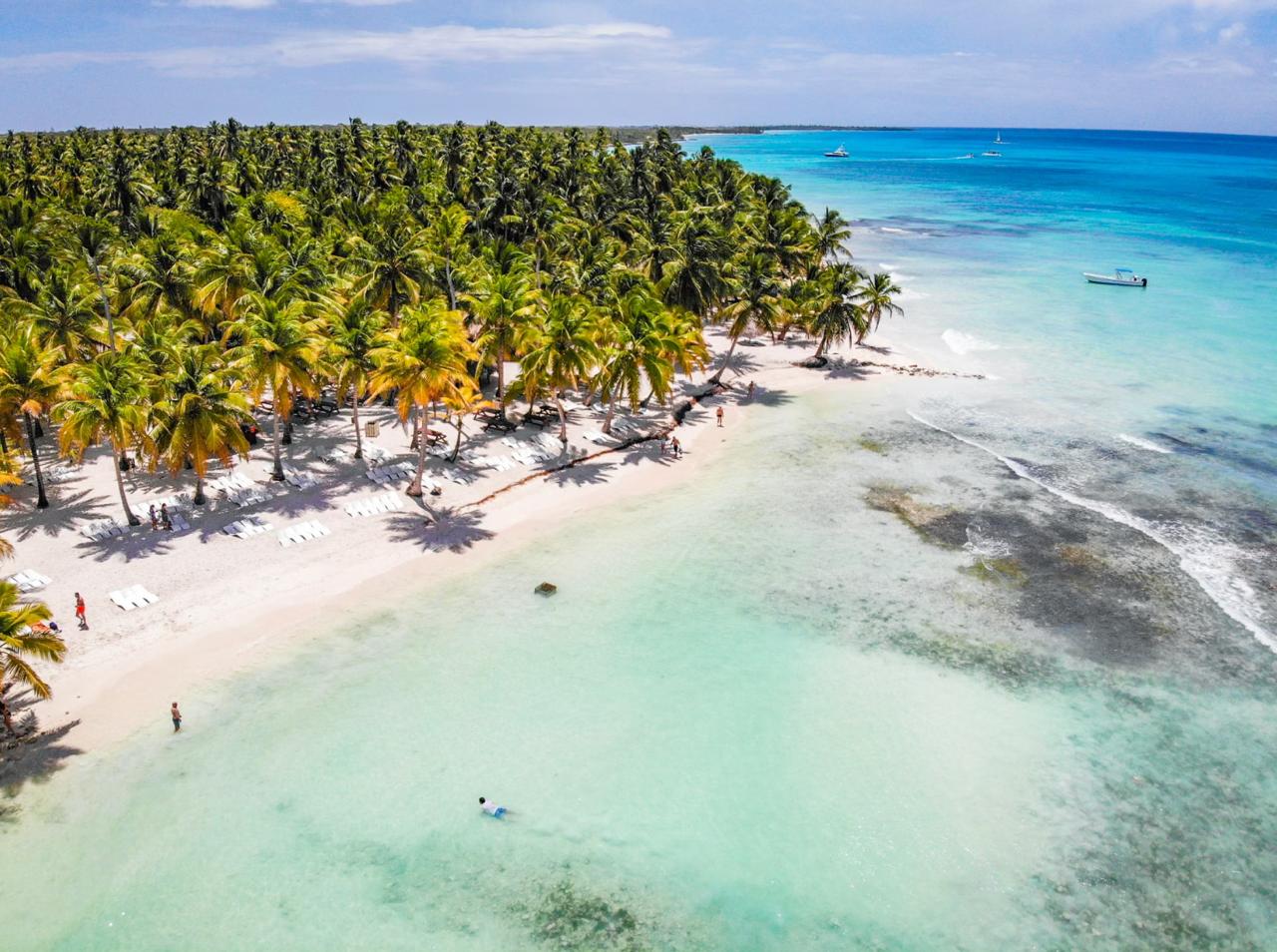
Punta Cana earns its reputation. The east coast holds the country's most polished all-inclusive resorts, calm turquoise water, and long white beaches at Bávaro and Cabeza de Toro. It is also the busiest entry point by a wide margin, with Punta Cana International Airport taking 62% of all arrivals in 2025.
Beyond the pool, there is more to do than the resort brochures suggest. Hoyo Azul is a cenote-style blue lagoon at the base of a cliff, Scape Park runs ziplines and cave swims, and the region has some of the best golf in the Caribbean. Catamaran trips run from the coast to natural pools and reefs, and Isla Saona is within day-trip reach to the south. Punta Cana suits first-time visitors, families, and anyone who wants a low-effort beach week with the option to add day trips. It works best as a base rather than the whole itinerary.
3. Samaná, for Whales and Waterfalls

The Samaná Peninsula in the northeast is the country's nature headquarters. From mid-January to mid-March, thousands of humpback whales gather in Samaná Bay to breed, making it one of the most reliable whale-watching spots in the Atlantic. Boats leave from Samaná town, and sightings in season are close to guaranteed.
The peninsula delivers outside whale season, too. The El Limón waterfall drops 40 metres and is reached by a short hike or horseback ride through the forest. Los Haitises National Park, across the bay, is a maze of mangroves, caves, and limestone islets. Playa Rincón regularly appears on lists of the best beaches in the Caribbean. Samaná is the pick for travellers who want the Dominican Republic's wild side rather than its resort side.
4. Puerto Plata and the Amber Coast
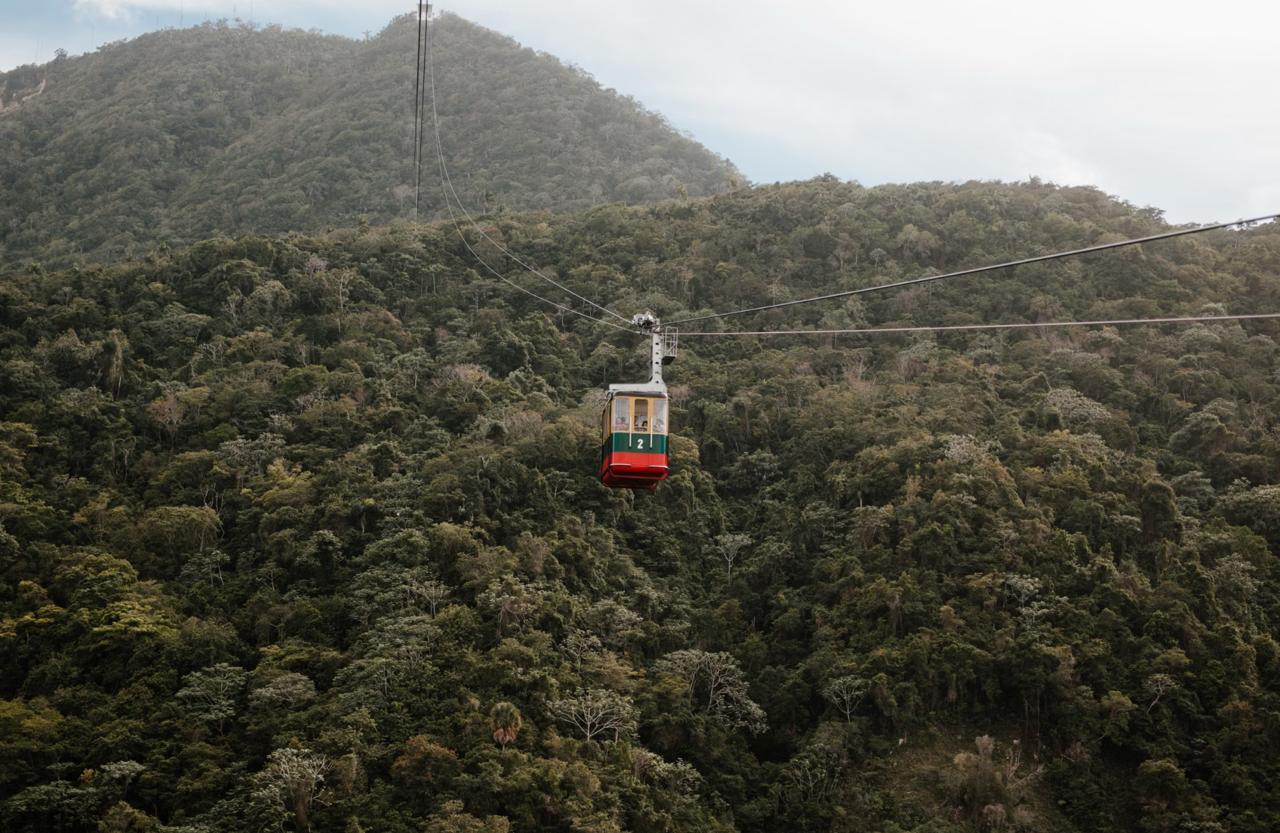
Puerto Plata, on the north coast, mixes history, beaches, and mountains in one compact area. It is home to the only cable car in the Caribbean, which climbs Mount Isabel de Torres for panoramic views, plus the 16th-century Fort San Felipe and an Amber Museum that explains the region's most famous export. Playa Dorada and nearby Sosúa cover the beachside.
The bigger draw sits just inland: the 27 Waterfalls of Damajagua, where guides lead you to jump and slide down a chain of natural pools. Puerto Plata is a cruise hub as well, though air arrivals through its airport made up only 4% of the 2025 total, which keeps it quieter than the east coast. For a full breakdown, read our 12 best things to do in Puerto Plata. It walks through the waterfalls, the cable car, Fort San Felipe, and the best local food, with 2026 prices and logistics you can drop straight into your itinerary.
5. La Romana, Bayahíbe, and Saona Island
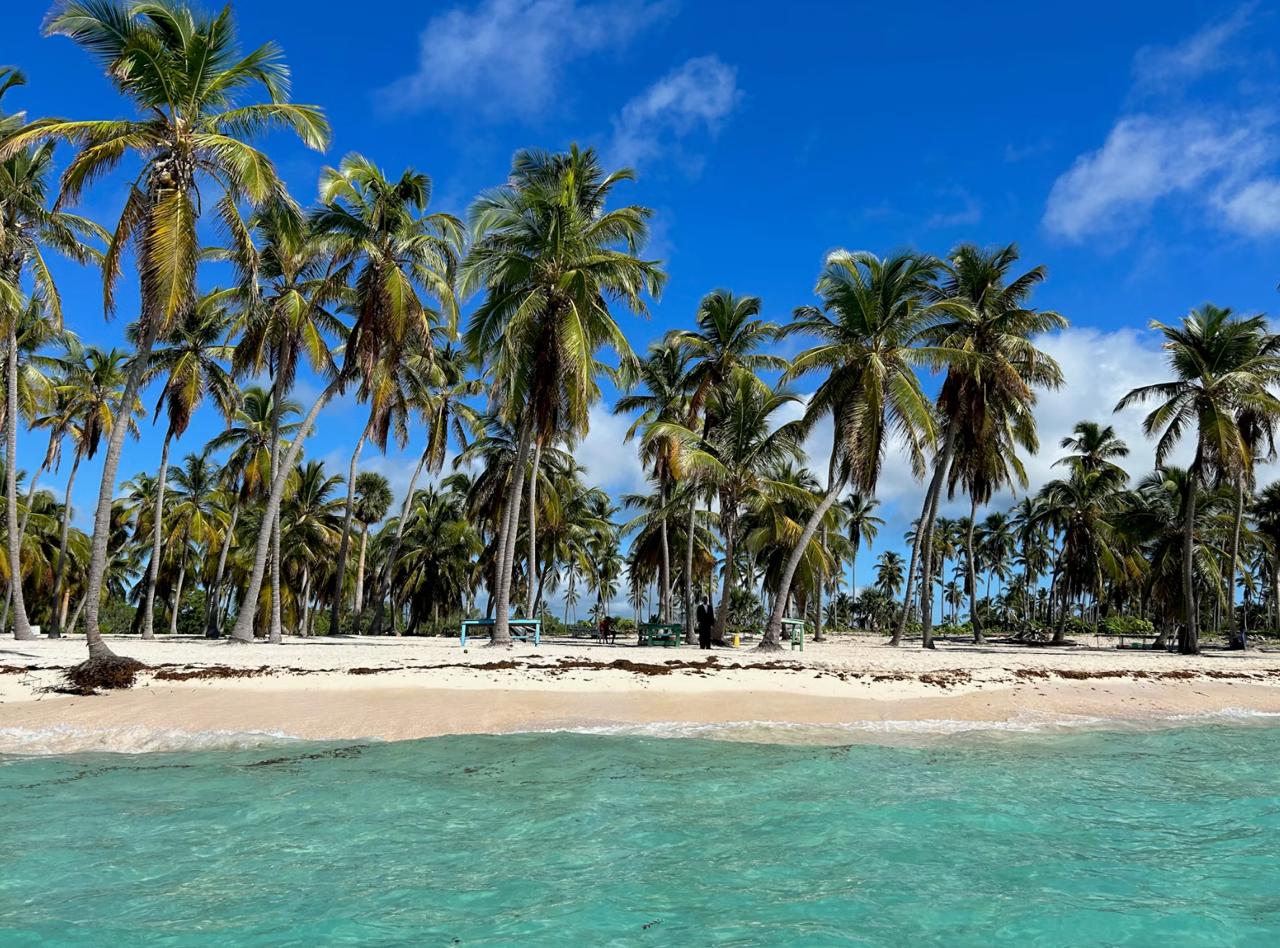
The southeast around La Romana is where luxury meets easy island access. Casa de Campo is the country's most exclusive resort estate, with its own marina and golf, and Altos de Chavón is a stone-built recreation of a 16th-century Mediterranean village perched above the Chavón River.
The real reason to be here is the water. The fishing village of Bayahíbe is the launch point for boat trips to Saona and Catalina islands, both inside Cotubanamá National Park. Saona Island and Catalina Island rank among the most popular excursions in the whole country, with white sand, shallow reefs, and palm-fringed shorelines. La Romana sits about an hour from Punta Cana's airport, making it an easy add-on to an east-coast trip.
6. Cabarete, the Watersports Capital

Cabarete, a short drive east of Puerto Plata, is the adventure-sports capital of the Caribbean. Steady trade winds and a wide bay have made it a global centre for kitesurfing and windsurfing, with a separate reef break that draws surfers. Lessons are cheap and plentiful, so beginners are as welcome as pros.
The town has a distinct rhythm. Days are for the water, and evenings move to beach bars and restaurants built right on the sand. A growing community of remote workers has added cafés and co-working spots to the mix. Cabarete is the clear choice for active travellers, younger crowds, and anyone who wants a beach town with energy rather than a gated resort. It pairs naturally with Puerto Plata and Samaná on a north-coast loop.
7. Jarabacoa in the Mountain Highlands

Not everything in the Dominican Republic is a beach. Jarabacoa sits in the Cordillera Central, the mountain range that runs down the middle of the island, and is nicknamed the City of Eternal Spring for its cool, fresh climate. It is a welcome break when the coast turns hot and humid.
This is the country's outdoor-adventure base. White-water rafting runs on the Yaque del Norte river, the Salto de Jimenoa and Salto Baiguate waterfalls sit a short drive from town, and the trailhead for Pico Duarte, the highest peak in the Caribbean at 3,098 metres, is nearby. Coffee farms and pine forests fill the surrounding hills. Jarabacoa suits hikers, families who want a change of pace, and travellers looking for a side of the Dominican Republic that few first-timers ever see.
8. Bahía de las Águilas in the Wild Southwest
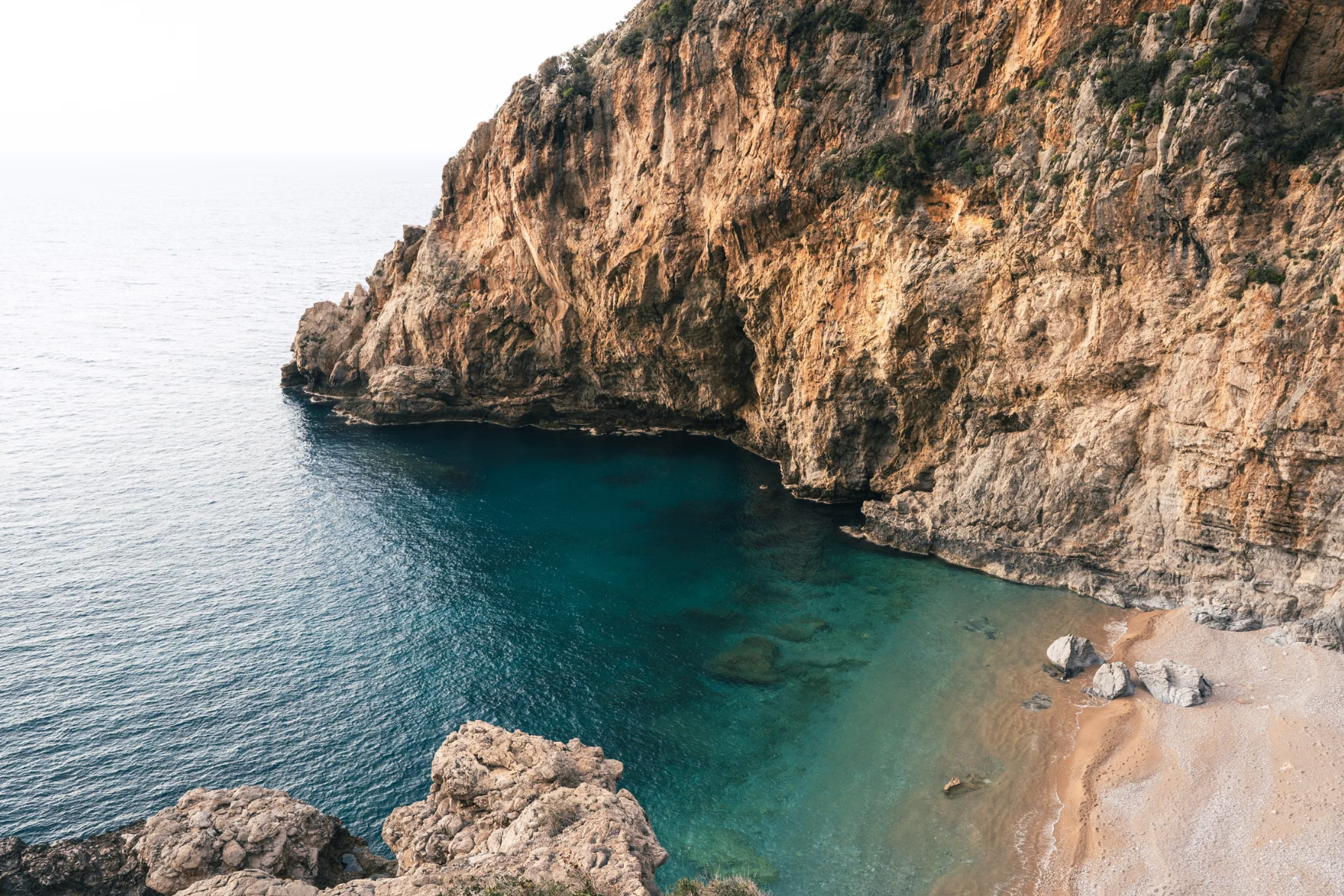
Bahía de las Águilas is the reward for going far. Tucked into the remote Pedernales province in the southwest, this protected beach runs for roughly eight kilometres of pale sand and clear water with almost no development behind it. Reaching it takes effort, usually a long drive to the village of Las Cuevas plus a short boat ride or a 4x4 track along the coast, and that is exactly why it stays empty.
Book your next hotel for up to 30% less
The wider region backs it up. Bahía de las Águilas sits inside Jaragua National Park, and nearby Cabo Rojo offers red cliffs and quiet coves. The government has named Pedernales as its next major tourism project, so the area is likely to grow in the coming years. For now, this corner is for travellers who want the Caribbean before the crowds arrive, and who are happy to trade convenience for space.
When to Visit the Dominican Republic?
The dry season runs from December to April, with warm days, lower humidity, and the smallest chance of rain. This is peak season, so book early. Whale watchers should target January to March for Samaná. The wettest and least predictable stretch is the Atlantic hurricane season, roughly August to October, when storms are possible even if most days stay sunny. For the full month-by-month and region-by-region breakdown, see our complete guide to the best time to visit the Dominican Republic.
Value hunters do well in the shoulder weeks of late April, May, and late November, when crowds thin and rates drop. Timing around events adds another layer: Dominican Carnival fills the streets every Sunday in February, and the Santo Domingo Merengue Festival brings the capital's music scene outdoors in summer. If your dates are fixed to summer school holidays, the country still works, though you will trade some price and weather. For a month-specific view across destinations, see our roundup of the top 10 places to travel in July 2026.
Getting Around and Staying Safe
The Dominican Republic has four main international airports, and where you fly in should match your first destination.
Between regions, most travellers use a rental car, a private transfer, or the comfortable Caribe Tours intercity buses. Inside Santo Domingo, both Uber and DiDi operate and are safer and cheaper than street taxis, and the city has a clean, modern metro. On safety, the U.S. State Department places the Dominican Republic at a Level 2 advisory, meaning exercise increased caution. Millions visit without incident each year. Stick to well-populated tourist areas, use registered rides at night, and keep valuables out of sight.
Because the country is compact, pairing two regions in one trip is straightforward. A common north-coast loop flies into Puerto Plata (POP) and strings together Cabarete, the 27 Waterfalls, and Samaná over five to seven days. A classic south-and-east route flies into Santo Domingo (SDQ) for history, then drives two to three hours east to Punta Cana or La Romana for the beach finish. Drive times stay reasonable, but rush-hour traffic around Santo Domingo is heavy, so plan long transfers for the middle of the day.
What a Dominican Republic Trip Costs in 2026
The local currency is the Dominican peso (RD$). As of early February 2026, one U.S. dollar was worth about RD$62.75, so carry pesos for local shops, food stalls, and small purchases. Cards are accepted at hotels, resorts, and larger restaurants, though a 10% service charge is often already added to the bill. Small cash tips for guides, drivers, and housekeeping are customary and appreciated. The table below shows typical 2026 planning ranges per person. Actual prices vary by season, location, and how far ahead you book.
A week of mid-range travel, covering a comfortable hotel, meals, one or two tours, and transport, typically lands between $900 and $1,600 per person before flights.
How to Book Your Trip with Epic Travel
Epic Travel is a booking platform built to make the whole trip cheaper and simpler in one place. You can pay the way you already do, with Visa, Mastercard, Apple Pay, Google Pay, or crypto, and book flights and hotels for up to 30% less than Booking.com.
New to Epic ? Sign up now to claim $25 off your first booking, then book directly, keep the savings, and put the difference toward another day trip.
Frequently Asked Questions
1. What is the best area to stay in the Dominican Republic?
It depends on your trip. Punta Cana is best for resort beaches, Santo Domingo for history and city life, Samaná for nature, and Cabarete for watersports. Many travellers combine two regions, using one as a beach base and the other for culture or adventure.
2. Is the Dominican Republic safe for tourists?
Yes, for most visitors. The country sits at a U.S. State Department Level 2 advisory, and the large majority of trips pass without incident. Stay in populated tourist areas, use Uber or DiDi rather than street taxis at night, and avoid displaying expensive items in public.
3. How many days do you need in the Dominican Republic?
Plan on at least five to seven days. Three days cover one region well, such as Santo Domingo or Punta Cana. A week lets you combine a beach base with a second destination like Samaná or Puerto Plata, plus a day trip to Saona Island or a waterfall.
4. What is the best month to visit the Dominican Republic?
The stretch from December to April offers the driest, most comfortable weather, which is why it is peak season. For humpback whales in Samaná, aim for January to March. For lower prices and thinner crowds, consider the shoulder weeks in May or late November.
5. Which airport should I fly into for the Dominican Republic?
Match the airport to your first stop. Punta Cana (PUJ) serves the east coast resorts, Las Américas (SDQ) serves Santo Domingo, Cibao (STI) serves the central north and Santiago, and Puerto Plata (POP) serves the north coast and Cabarete.

Mithra Ghosh is a Dubai-based content writer and SEO copywriter with 2+ years of experience crafting search-optimised content across crypto, Web3, and digital finance. She combines strong editorial instincts with a deep understanding of blockchain ecosystems and on-chain trends.
At Epic, she writes about the growing world of crypto-native travel helping readers understand how holding and spending digital assets can unlock smarter, cheaper ways to see the world.
Found a destination you like? Book it for up to 30% less.


Found a destination you like? Book it for up to 30% less.