Content
Is Bali Safe to Visit in 2026? What Travellers Need to Know
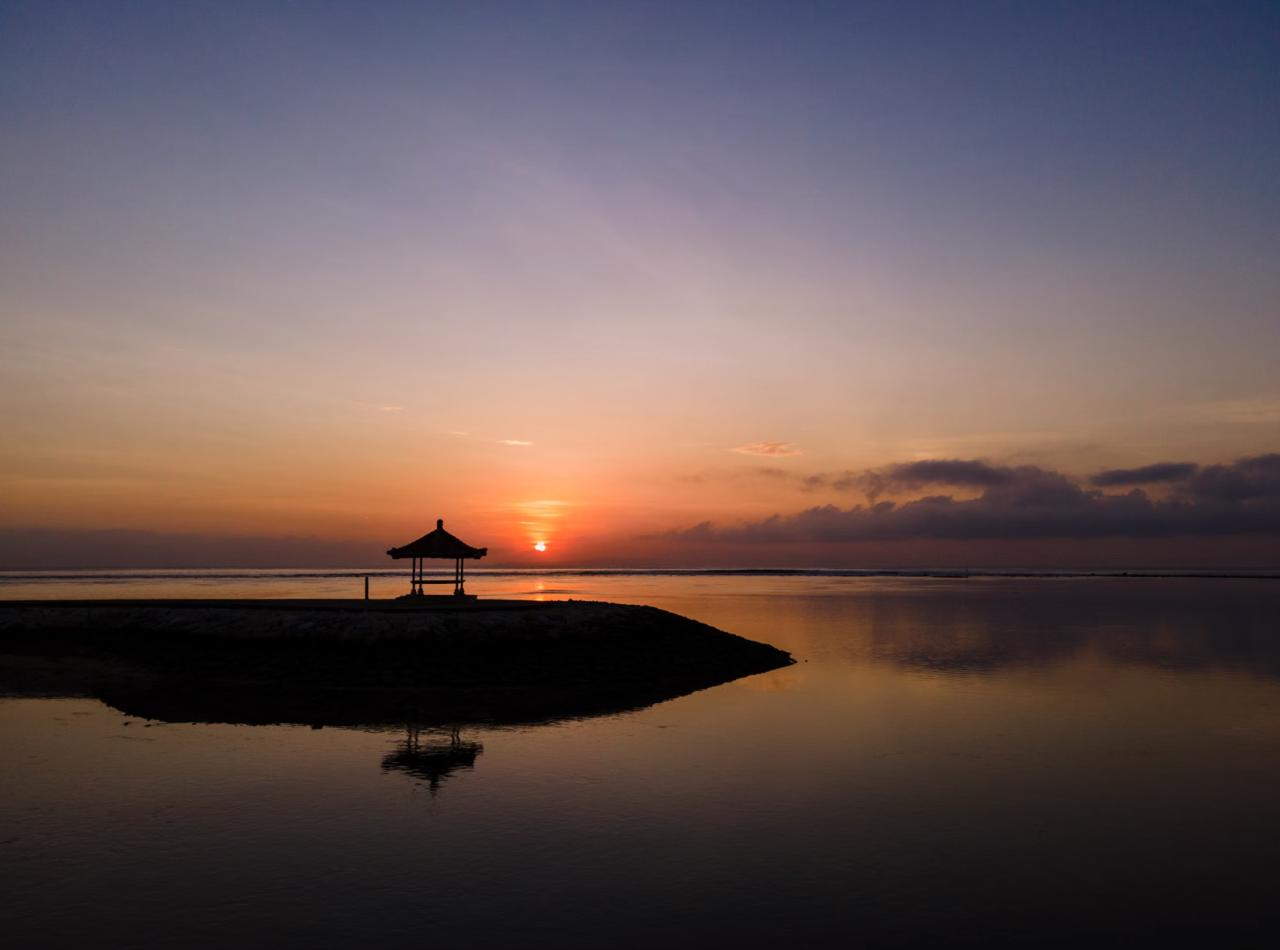

Over 553,328 international visitors arrived in Bali in April 2026 alone, according to data from BPS Bali. Violent crime remains extremely rare, with the homicide rate at 0.4 per 100,000 people, 92% lower than the global average. The real risks are predictable: petty theft in Kuta and Canggu, dengue fever during the rainy season, and motorcycle accidents if you're renting scooters. These are manageable with basic awareness and proper planning.
Most people asking "Is Bali safe?" aren't really asking whether they'll survive the trip. They're asking something more specific: Is it the kind of place where I can relax? Where unexpected things won't ruin my experience? Where can I actually trust the surrounding systems, the hotels, the transport, the food?
Yes, Bali is safe. The island has been welcoming travellers for decades, with solid infrastructure and a local economy built on tourism, which means locals take safety seriously. But safety isn't a single story; it's a collection of specific realities that shift depending on where you are and what you're doing.
We've worked with thousands of travellers heading to Bali, talked to people who live there year-round, and looked at actual incident data rather than travel forum drama. What we've found is that most of the worry dissolves once you understand what you're actually walking into. The real risks aren't dramatic. They're predictable. And they're mostly preventable when you know the patterns.
This guide is built on that kind of practical knowledge. We're not here to convince you Bali is risk-free; nowhere is. We're here to help you understand what matters and what doesn't, so you can book your trip with actual confidence instead of just hoping for the best.
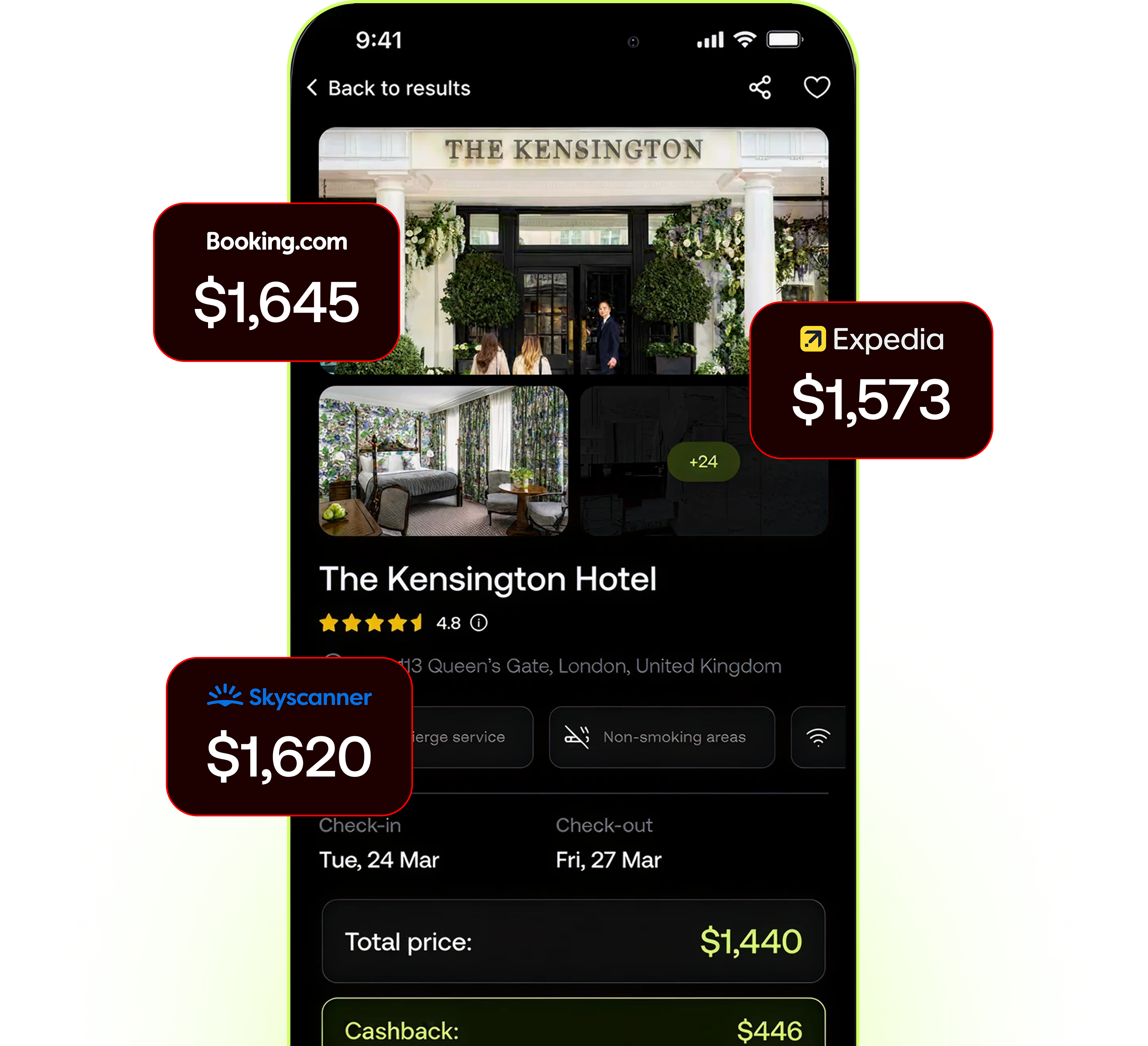
Before you book, know this: you don't have to pay full price on your next trip. Book your flights and hotels to Bali through Epic for 30% less than Booking.com and Expedia. You can pay with your card, Apple Pay, Google Pay, or 200+ cryptocurrencies. Sign up now and claim $25 off your first booking.
Is Bali safe for solo female travelers?
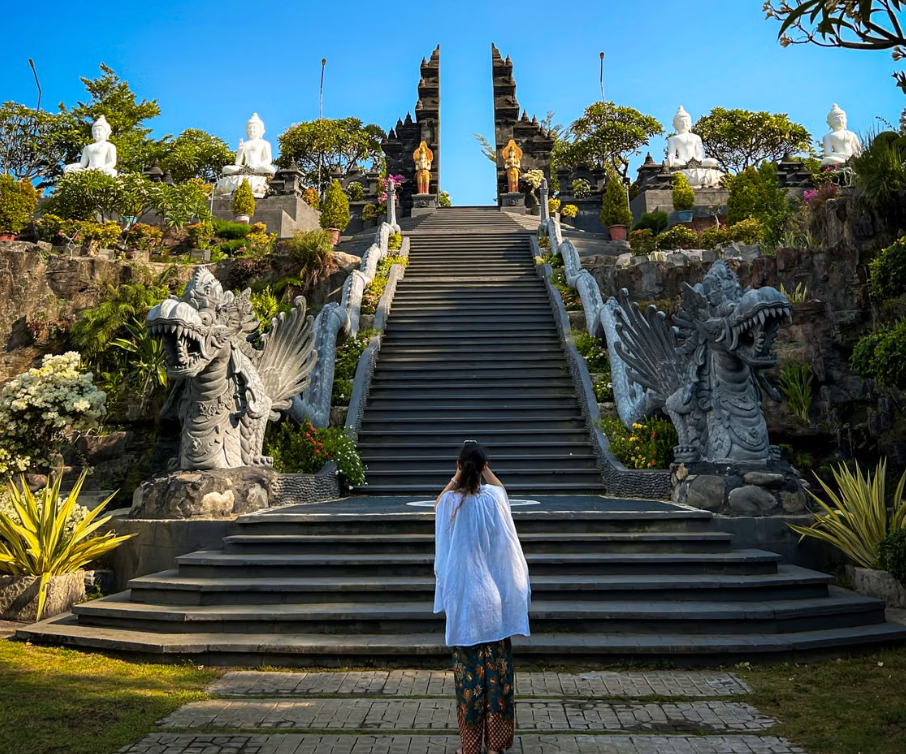
Yes, Bali is one of Southeast Asia's safest destinations for solo female travellers. Violent crime is exceptionally rare. Street harassment is minimal compared to other destinations. The main risks are petty theft in crowded areas and unwanted attention in nightlife zones. Most solo women report feeling safer in Bali than in major European or North American cities.
Hundreds of thousands of solo female travellers visit Bali annually, particularly in Ubud, Canggu, and Seminyak. Most report feeling safer and more comfortable here than in major European or North American cities. Harassment is minimal compared to other global destinations. There's a large established community of solo female travellers here, which creates built-in social networks, women-focused accommodations, and an atmosphere where solo travel feels completely normal.
Balinese culture is grounded in spirituality and respect. Street harassment isn't a cultural practice. When uncomfortable situations happen, they typically involve drunk tourists rather than locals.
Sexual harassment, while uncommon, does occur. It's most likely in nightlife zones like Oberoi Street in Seminyak on weekends, or after drinking in bars. Prevention is simple: watch your drink while it's being prepared, never leave drinks unattended, stick to well-lit areas with other people, and use ride-hailing apps for transport instead of walking alone.
Unwanted attention from local men can happen, particularly in less-touristy areas where foreign women are less common. It's usually mild, persistent offers for dates or "tours", but it can feel uncomfortable. A modest dress that covers the shoulders and knees helps reduce attention. Direct, polite responses work well: "No, thank you" without elaborate explanations.
Health challenges can feel more acute when you're travelling solo. Dengue fever, UTIs from dehydration, and traveller's diarrhoea hit harder without a travel companion managing logistics.
Choose your accommodation with intention. Book through established platforms like Epic and read recent reviews carefully, particularly comments from other solo female travellers. Look for mentions of helpful staff, safe location, and responsive hosts. Consider women-focused hostels or female-only dorms if you want built-in community and reduced isolation.
Use Grab and Gojek exclusively for transport. These apps eliminate the vulnerability of negotiating with taxi drivers, provide transparent pricing, and create a digital record of your journey. Every transport decision is recorded, which provides security and recourse if something goes wrong.
Connect with other travellers naturally. Ubud and Canggu have active communities in yoga studios, cafes, and beach clubs. Solo travel in Bali rarely feels isolating; you'll meet other travellers quickly and often end up travelling together for parts of your trip.
Register with your embassy before you travel. Most countries maintain traveller registries that help authorities locate you in emergencies. It takes five minutes online and can be critical if something unexpected happens.
Carry a small portable lock and doorstop, especially if staying in budget hostels. A lock secures your locker; a doorstop adds extra security to your room door.
Is Bali safe for families with children?
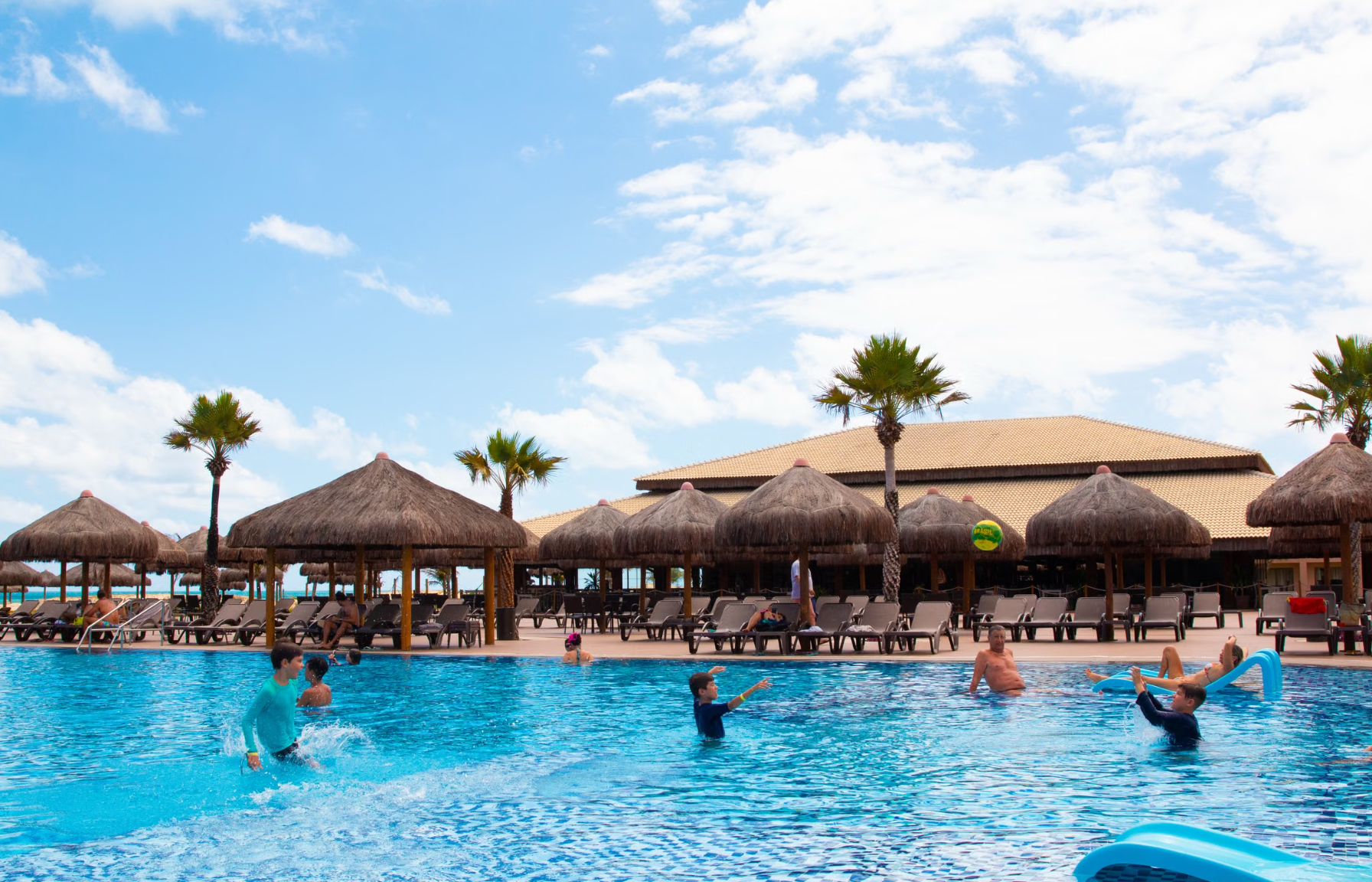
Yes, families thrive in Bali with proper planning. The main risks aren't crime but environmental: traffic accidents when renting scooters, sun exposure, strong ocean currents, and dengue fever during the rainy season. Book family resorts with gated pools, hire private drivers instead of renting motorbikes, and stay in calm areas like Sanur or Ubud rather than party zones.
Family life works in Bali. You'll see families everywhere on beaches, in temples, at restaurants, in yoga studios, on scooters with kids seated between parents. Locals are genuinely warm toward children. Kids get smiles, waves, and extra patience from shopkeepers and restaurant staff.
Family safety in Bali requires a different approach than solo or couples travel. The risks aren't crime; they're environmental and activity-related.
Traffic and scooter accidents represent the highest statistical risk for families. Bali's roads are narrow, congested, and don't particularly enforce traffic rules compared to Western standards. Helmets are legally required but frequently ignored.
Tourists renting scooters without local experience, riding while intoxicated, or unfamiliar with Bali's traffic patterns have accidents at significantly higher rates. If you're travelling with young children, hire a private driver rather than renting scooters. The cost is reasonable, 30 to 60 USD per day through apps like GetYourGuide or via your hotel, and it eliminates significant risk.
Sun exposure in the tropics is intense and easy to underestimate. Even on cloudy days, UV rays penetrate and cause severe burns quickly. Children's skin is more sensitive than adults'. High-SPF sunscreen (50+) needs reapplication every two hours, especially for kids. Most families underestimate this risk until someone gets burned.
Ocean conditions vary by area and season. Beaches in Uluwatu and Canggu can have strong rip currents. Always observe local flag warnings and lifeguard recommendations. Don't let children swim alone or unsupervised in the ocean.
Pool safety matters if you're renting private villas. Many have unfenced pools with shallow areas where toddlers can wander. Request pool fencing in advance when you book, or choose family resorts with gated, supervised pools and lifeguards present.
Mosquitoes and dengue fever spike during the rainy season from November to March. Use high-DEET insect repellent, wear light long sleeves in evenings, and stay in air-conditioned accommodations with screens or mosquito nets when possible.
Food safety concerns are often overstated in older guides, but they're worth acknowledging. Tap water is unsafe for children. Stick to bottled water for drinking and brushing teeth. Eat at reputable restaurants serving freshly cooked food. Street food from busy vendors, where high turnover means fresher ingredients, is generally safer than food sitting in the heat.
Book family resorts or villas with child-friendly infrastructure. Look for gated pools, restaurants with kids' menus, activity programs, and English-speaking staff. Sanur and Nusa Dua tend to attract more families than Kuta or Canggu.
Hire a private driver for day trips. The cost is modest, and it eliminates navigation stress and safety concerns from unfamiliar traffic patterns.
Pack a comprehensive first-aid kit including oral rehydration salts, anti-diarrhoeal medication formulated for kids, antihistamines, and pain relievers. You'll save time and stress with essentials on hand.
Schedule main activities during the early morning or late afternoon. Avoid midday beach time when the sun is strongest.
Choose accommodations in calmer areas like Sanur or Nusa Dua rather than party zones like Kuta or Canggu.
Is it safe to drive or rent a scooter in Bali?

Only if you're an experienced rider comfortable with chaotic traffic. Motorcycle accidents are the most common tourist injuries in Bali. Roads are narrow, traffic is informal, and many tourists ride without helmets or while intoxicated. The safer option is hiring a private driver for 30 to 60 USD per day through Grab or your hotel, which eliminates accident risk entirely.
Motorcycle accidents represent one of the highest injury risks for tourists in Bali, yet many travellers underestimate this danger because scooter rental is cheap and convenient.
Bali's roads are narrow, congested, and operate with informal traffic rules compared to Western standards. Helmets are legally required but frequently ignored. Tourists renting scooters without local experience, riding while intoxicated, or unfamiliar with Bali's traffic patterns have accidents at significantly higher rates than locals. Many accidents result in injuries ranging from minor scrapes to serious fractures and head trauma. Some are fatal.
If you're not an experienced rider comfortable with heavy traffic, the honest answer is: don't rent a scooter.
The safer alternative costs far less than you'd think. Hiring a private driver through Grab or via your hotel runs 30 to 60 USD per day. For comparison, a week of scooter rental (250,000 to 400,000 IDR) plus potential accident costs, medical bills, insurance deductibles, and damaged rental fees makes hiring a driver economically sensible even before factoring in safety.
If you do choose to rent a scooter, wear a helmet every single ride, with no exceptions. Never drink and ride. Avoid riding at night, especially on unfamiliar roads. Understand local traffic norms; they're different from your home country. Check your travel insurance to confirm it covers motorcycle accidents (many basic policies exclude them or require a valid local motorcycle licence). Carry your International Driving Permit.
A better option is to use Grab or Gojek for all transport. These apps provide transparent pricing, tracked routes, and professional drivers familiar with local conditions. You can relax instead of navigating.
Is it safe to go out at night in Seminyak? What are the best neighbourhoods?
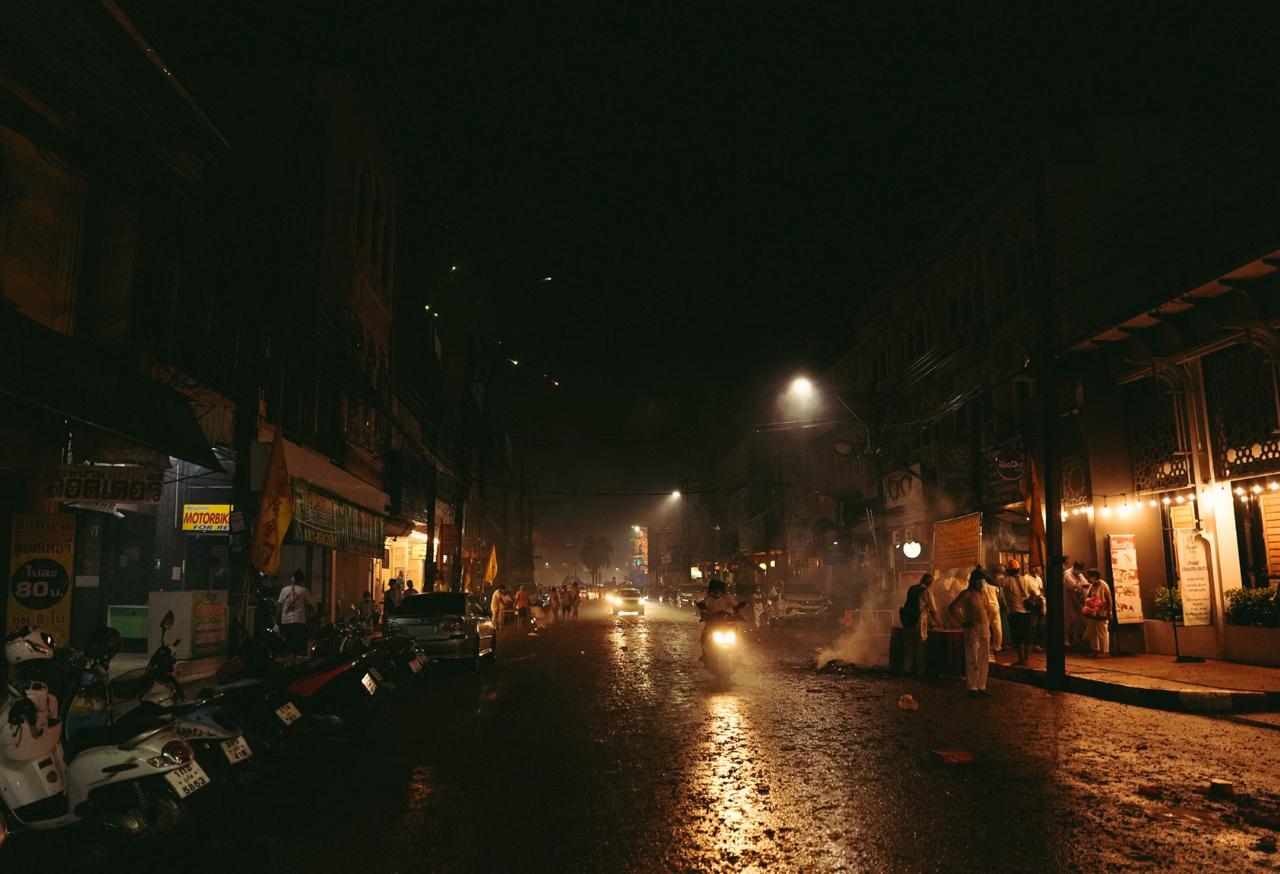
Generally yes, but context matters. Well-lit tourist areas like Ubud, Seminyak, and Sanur feel safe at night. Nightlife zones like Oberoi Street in Seminyak and Batu Bolong in Canggu experience higher rates of petty theft and alcohol-related incidents. Avoid walking alone late at night in unfamiliar areas. Always use ride-hailing apps like Grab or Gojek for transport after dark. Safety at night in Bali depends almost entirely on where you are and what you're doing.
Well-lit tourist areas like Ubud's main streets, Seminyak's beach promenade, Sanur's waterfront, and established restaurant and bar districts feel safe to walk at night. Locals and tourists move freely. Street lighting is adequate. Police presence is visible. Most people walk around without incident.
Nightlife zones like Oberoi Street in Seminyak (packed with clubs) and Batu Bolong in Canggu (home to Old Man's bar and similar venues) have higher incident rates. Not violent crime, but petty theft and drunk-related problems. These areas attract high concentrations of intoxicated tourists and opportunistic thieves. Phone snatching, pickpocketing, and altercations between drunk visitors happen more frequently here than elsewhere.
Quiet residential streets, narrow alleys in less-touristy neighbourhoods, and rural areas lack street lighting and police presence. Avoid walking alone through these areas at night, particularly if you're unfamiliar with the location.
Use Grab or Gojek for every nighttime transport. These apps eliminate the need to walk looking for taxis or negotiate with drivers. Your route is tracked. You have recourse if something goes wrong.
- Stick to well-lit main streets and established tourist areas if you're walking at night.
- Go out with friends rather than solo after dark.
- Avoid walking while holding your phone visibly.
- Watch your drink in bars; drink spiking happens occasionally in crowded venues.
- If you're planning to drink, budget for a ride home via an app.
Is tap water safe to drink in Bali?

No, tap water is not safe to drink in Bali, even for locals. Your digestive system isn't adapted to local bacteria. Use bottled or filtered water for drinking and brushing teeth. Most hotels and villas provide filtered water dispensers. Bottled water is inexpensive and widely available. Avoid ice from street vendors; use ice from hotels or restaurants.
This is straightforward: don't drink tap water in Bali.
Not because it's "dirty" or toxic in an absolute sense. Residents drink it. But your digestive system isn't adapted to the bacteria present in the local water supply. Even minimal exposure can trigger traveller's diarrhoea in visitors.
Most hotels and villas provide bottled water in rooms or have filtered water dispensers available. Confirm this when booking your accommodation.
Bottled water is inexpensive, roughly 10,000 to 20,000 IDR per litre (about $0.60 to $1.20 USD) and available everywhere: convenience stores, restaurants, hotels, and street vendors.
Book your next hotel for up to 30% less
Use bottled water for drinking and brushing teeth.
Avoid ice from street vendors or small shops. Use ice from hotels or established restaurants, where it's made from filtered or bottled water.
Bali's food safety has improved significantly over the past decade. Real prevention focuses on water and raw food.
Eat at busy restaurants where high turnover means fresher food. Avoid raw food from street vendors. Stick to hot foods. Start slowly with unfamiliar spices; your stomach typically acclimates within a few days.
Most travellers experience zero stomach issues. Some experience a minor upset for a day or two. Serious cases are uncommon when you're careful about water and food sources.
Is dengue fever a real risk in Bali? When is the rainy season?
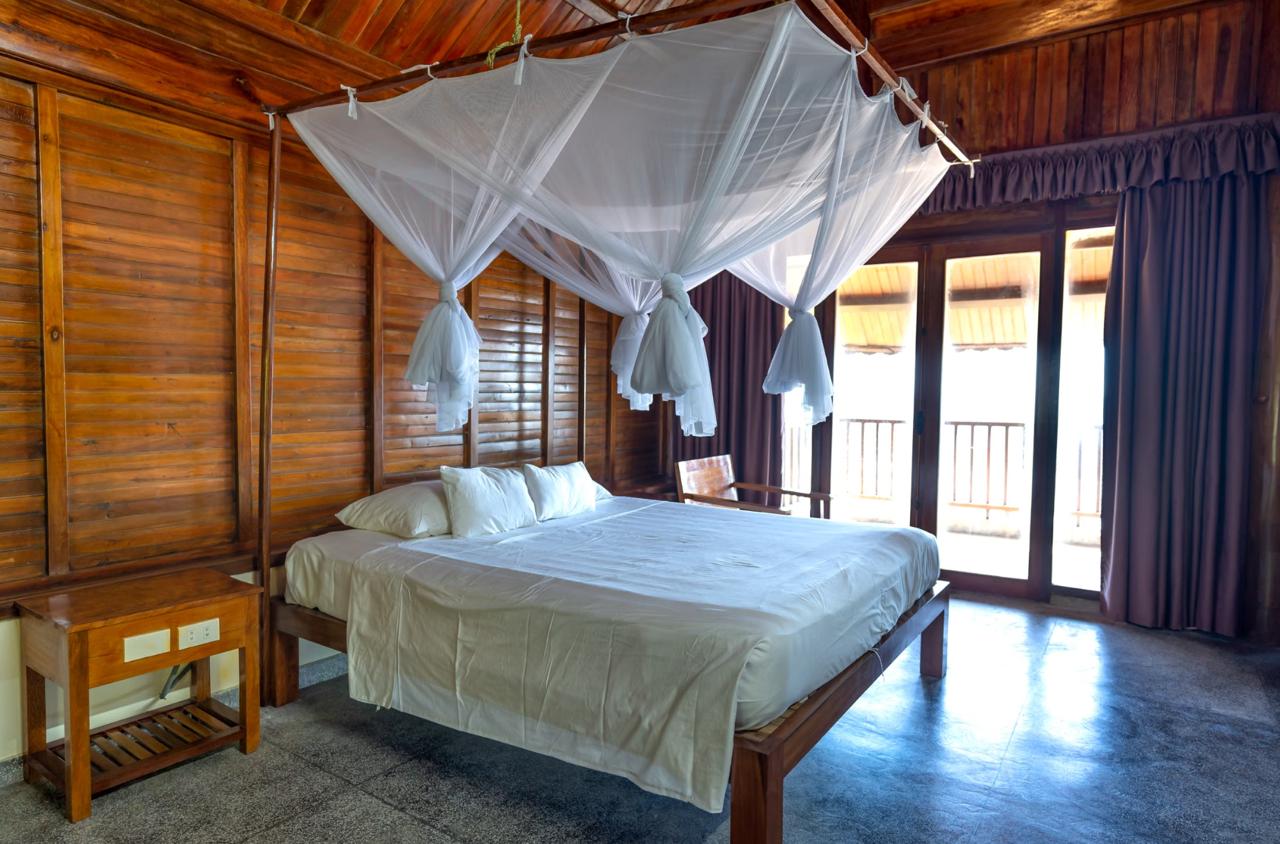
Yes, dengue fever is present in Bali, particularly during the rainy season from November to March. Symptoms resemble severe flu: high fever, body aches, and headache. Dengue is rarely fatal but can require hospitalisation. Prevention includes using DEET-based insect repellent, wearing light long sleeves in evenings, sleeping under mosquito netting, and staying in air-conditioned spaces. Most travellers experience zero dengue cases.
Dengue fever is a mosquito-borne illness present year-round in Bali but most common during the rainy season from November to March. Cases spike during these months because standing water creates mosquito breeding grounds.
Symptoms include high fever (often 104 to 105 degrees Fahrenheit or 40 to 40.5 degrees Celsius), severe body aches, headache, and a rash that usually appears 3 to 4 days after the fever starts. Dengue is sometimes called "breakbone fever" because joint and muscle pain can be intense.
Dengue is rarely fatal. Most cases resolve on their own as your immune system clears the virus within about a week. Severe dengue (dengue haemorrhagic fever) is rare in tourists but requires hospitalisation. Dehydration is the biggest risk factor in severe cases.
Use DEET-based insect repellent consistently, particularly during dawn and dusk when mosquitoes are most active. 20 to 30% DEET is effective. Wear light long sleeves and pants in the evenings. Sleep under mosquito netting when available, or request mosquito netting from your hotel. Stay in air-conditioned accommodations when possible (mosquitoes are less active in cooled spaces). Avoid stagnant water areas.
If you think you have dengue, seek medical care immediately. Bali's private hospitals like BIMC in Kuta and Siloam Hospital in Canggu can confirm dengue via blood test and manage symptoms through hydration and rest. Travel insurance covers dengue treatment. Hospital stays for moderate dengue typically cost 200 to 400 USD, depending on severity.
Is violent crime a real concern in Bali?

No. Violent crime is extremely rare in Bali. The homicide rate is 0.4 per 100,000–92% lower than the global average. No significant terrorist attacks have occurred in 20+ years. Armed robbery doesn't exist. Assault is uncommon, especially against tourists. Why? Bali's economy depends entirely on tourism; locals are protective of that reputation. You're statistically safer from violent crime in Bali than in most American or European cities.
Most Bali travel guides make violent crime sound either nonexistent or omnipresent. Both extremes are unhelpful. Here's what actually happens:
Bali hasn't experienced a significant terrorist attack in over 20 years. The last major incidents were the bombings of 2002 and 2005, which were tragic but isolated. Since then, nothing comparable has occurred. Bali remains one of the safest destinations in Southeast Asia regarding terrorism risk.
Murders are almost unheard of, especially involving tourists. This isn't luck; it's because the island's entire economy depends on tourism. Local authorities take this seriously. Crimes that would damage tourism's reputation are investigated thoroughly and prosecuted heavily.
Armed robbery doesn't exist in Bali as a real category. Thieves target visible valuables like phones, cameras, and bags through quick, opportunistic theft rather than armed confrontation. The risk calculus doesn't favour robbers: Bali has a visible police presence in tourist areas, and violent crime brings serious legal consequences.
Assault happens occasionally, but it's rare and doesn't specifically target tourists. Most incidents involve drunk tourists fighting each other in nightlife areas rather than assaults by locals against visitors.
Bali's economy is entirely tourism-dependent. Locals are protective of the island's reputation. The local culture emphasises harmony and non-confrontation. Police presence is visible in tourist areas. The legal consequences in Indonesia are severe enough to deter most criminals. Tourists don't typically carry enough valuables to make violent theft worthwhile.
You can spend two weeks in Bali without worrying about violent crime. Statistically, you're safer from physical assault here than walking through downtown Los Angeles, Chicago, or Manchester.
What about petty theft and scams in Bali?
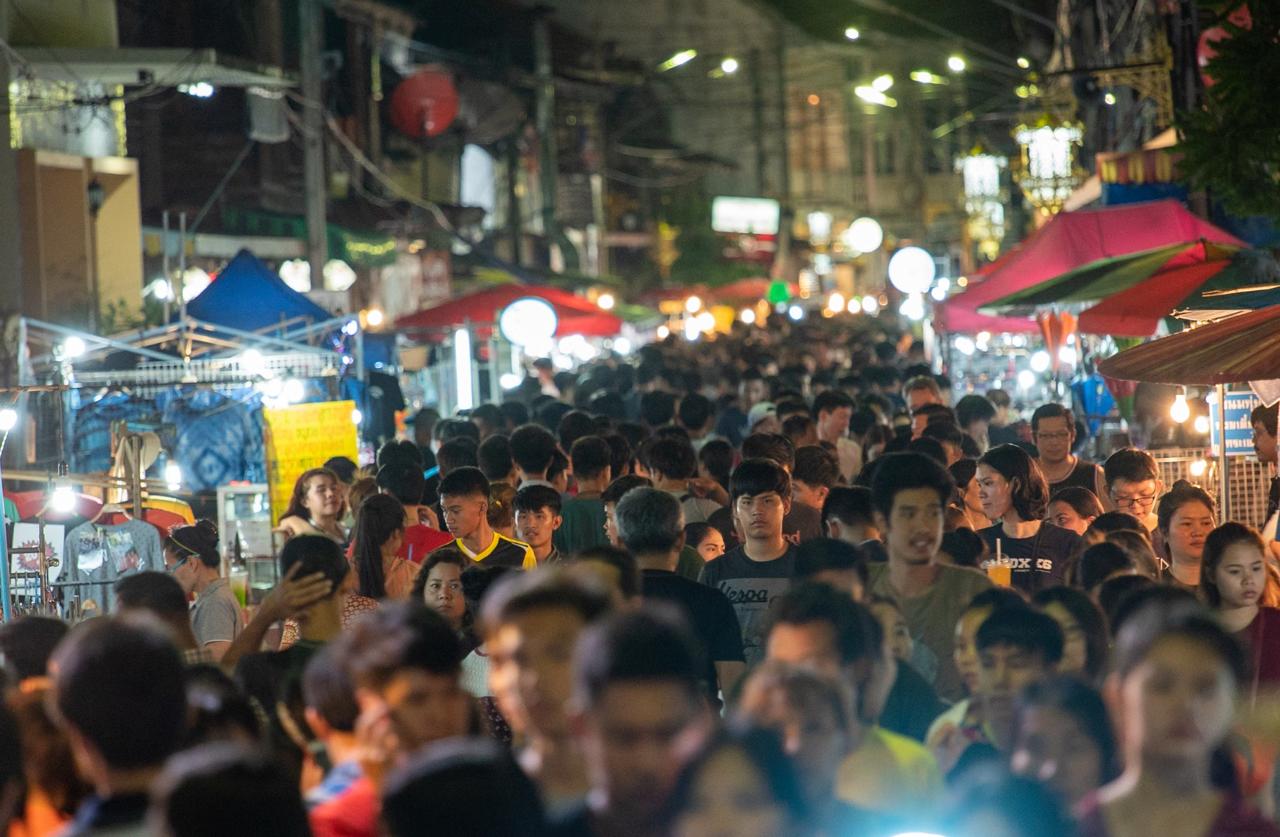
Petty theft is common but predictable. Phone snatching from scooters happens in Kuta, Seminyak, and Canggu during peak hours. Pickpocketing occurs in crowded bars and restaurants. Scams involve fake villas, fake guides, and inflated fares. Prevention: use ride-hailing apps, book through verified platforms like Booking.com and Agoda, keep your phone in a bag, and use authorised currency exchangers.
Petty theft is where Bali's actual risks live. Not because it's dramatic or violent, but because it happens often enough that you should understand the patterns.
Phone snatching is the most common incident. A rider pulls alongside you on a scooter, grabs your phone from your hand, and leaves. It takes three seconds. It happens most frequently in Kuta, Seminyak, and Canggu during peak hours, morning rush, lunchtime, and early evening.
Prevention: Keep your phone in your bag or a secure cross-body strap. Never hold it in your hand near the road. If you need directions, stop walking, use your phone, then put it away before moving.
Pickpocketing happens in crowded bars and restaurants, particularly tourist venues where staff can't watch every table. Keep bags close to your body. Don't leave valuables unattended. Use money belts if carrying significant cash.
Bag snatching occurs at beaches and markets, but it's less common than people think. Usually, it targets obviously expensive items left unattended. Don't leave bags unattended. Keep valuables in your bag, not on tables or chairs.
What's notable: this theft is opportunistic, not organised. Criminals target visible valuables like phones, cameras, and watches rather than pursuing systematic theft. They're looking for quick wins, not planned robberies.
Fake villa listings appear on social media or personal websites. Scammers create convincing websites and take payments without providing properties. Book through Epic. We provide vetted properties and hold your payment in escrow.
Fake tour guides operate as street hustlers offering "free tours" that end in high-pressure sales pitches for overpriced merchandise or timeshare presentations. Book through your hotel or established tour operators.
Inflated taxi fares happen when unmarked taxi drivers negotiate rates instead of using meters. Use Grab or Gojek apps exclusively.
Currency exchange tricks involve unofficial money changers using sleight of hand or quick tricks to give less cash. Use authorised exchangers (marked "Authorised," registered with Bank Indonesia). Count your cash on the spot with a calculator before leaving.
Is Bali safe during the rainy season?
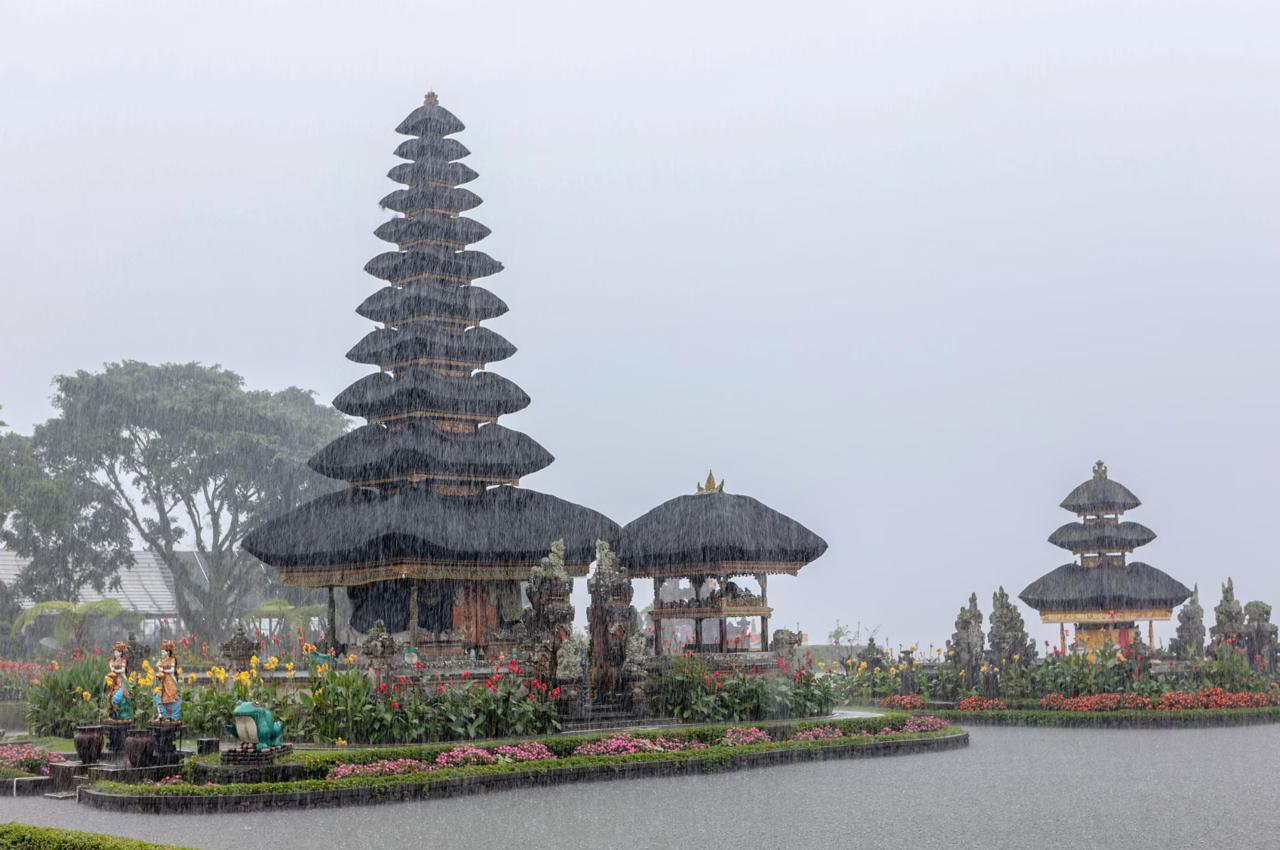
Yes, but with caveats. Dengue fever is most common during the rainy season from November to March. Flooding and landslides can disrupt travel plans in some areas. Volcanic activity isn't seasonal. If you're travelling during the rainy season, book flexible flights and accommodations, use insect repellent religiously, and monitor weather updates. Most travellers visit safely during this period.
The rainy season runs from November through March. During this period, rainfall is heavy and frequent, creating specific conditions worth understanding.
Dengue fever is most common during the rainy season because standing water creates mosquito breeding grounds. Cases spike during these months. Prevention: use DEET-based insect repellent, wear long sleeves in evenings, stay in air-conditioned accommodations.
Flooding and landslides can disrupt road travel in some areas, particularly in rural regions and areas with poor drainage. This is more of an inconvenience affecting a day trip plan than a safety threat. Coastal areas and tourist zones are generally protected with proper drainage.
Volcanic ash from Mount Agung or heavy storms can occasionally disrupt flight schedules. This is rare but worth knowing. Book travel insurance covering flight cancellations.
Rainy season has positive aspects too: fewer tourists, lower hotel prices, lush landscape, and fewer crowds at attractions. Many travellers prefer the rainy season for these reasons despite the weather and dengue risk.
Book flexible flights and accommodations so you can adjust if weather disrupts plans. Use insect repellent religiously. Monitor local weather updates through the Indonesian meteorological service or your hotel. Check that your travel insurance covers weather-related cancellations. Pack rain jackets or ponchos, but understand that "rainy" in Bali usually means afternoon downpours, not all-day rain.
Safest areas to stay in Bali: Which neighbourhood suits your travel style?

The safest areas are Sanur, Ubud, and Uluwatu, calm, low-crime, and family-friendly. Moderate-energy areas include Seminyak and Nusa Dua (good balance). Bustling areas are Kuta, Canggu, and Legian (higher petty theft, scooter accidents, party atmosphere). Choose based on your travel style: families and solo women choose calm areas; party travellers choose bustling areas with common-sense precautions.
Not all areas of Bali carry the same risk profile. Where you stay significantly shapes your experience and the specific risks you'll encounter.
Sanur, Ubud, and Uluwatu attract families, long-term visitors, and travellers seeking peace rather than party crowds. Crime is minimal. The atmosphere is genuinely calm.
Sanur is a historic fishing village with calm reef-protected beaches, a peaceful promenade, and a strong expat community. Early morning fish markets are worth seeing. The beach is suitable for families with young children.
Ubud is inland, cultural, and surrounded by rice terraces and temples. It's the wellness hub of Bali yoga studios, meditation retreats, and health-focused restaurants. It attracts artists, long-term visitors, and travellers seeking spiritual experiences. If you're planning to explore the area, check out our guide to 15 things to do in Ubud, Bali for detailed recommendations on activities, temples, and local experiences.
Uluwatu offers clifftop temples and high-end resorts with stunning ocean views and a minimal party atmosphere. It's more expensive but excellent for couples and travellers seeking luxury with peace. For a comprehensive overview of the area, explore our 18 things to do in Uluwatu guide, which covers temples, beaches, restaurants, and viewpoints you won't want to miss.
These areas are best for families, couples, solo travellers seeking peace, people over 40, and wellness-focused travellers.
Seminyak and Nusa Dua are popular with tourists, have well-developed infrastructure, excellent restaurants and spas, and active nightlife that's not aggressive. Security is visible. Petty theft is opportunistic rather than organised. Scooter accidents are more common due to higher traffic and more tourists renting bikes without local experience.
Seminyak has evolved significantly; it's no longer just a party beach; it now has upscale dining, wellness centres, and quiet neighbourhoods away from the beach clubs.
Nusa Dua is a planned resort area with consistent infrastructure, lower crime, and family-friendly environments.
These areas are best for couples, groups, people seeking balance between culture and comfort, and social solo travellers.
Kuta, Canggu, and Legian have high energy. They're party-focused areas with high tourist density, heavy nightlife, and chaotic traffic. Petty theft is most common here: phone snatching, pickpocketing, and bag snatching. Scooter accidents spike due to a combination of inexperienced riders, alcohol, and congested streets. Police presence is visible but spread thin across high-density areas.
Kuta was Bali's first major tourist beach and remains the backpacker hub.
Canggu attracts digital nomads, surfers, and younger travellers. It's modern, chaotic, and constantly evolving. Rip currents make swimming risky at some beaches.
Legian is adjacent to Kuta with similar energy.
These areas are best for younger solo travellers, people comfortable in party scenes, experienced scooter riders, and backpackers.
You can visit Kuta or Canggu safely. Millions do annually. The key is awareness: don't carry valuables, use ride-hailing apps, avoid walking alone late at night, and don't rent a scooter unless you're experienced and sober.
Your Bali travel action plan: Booking safely from start to finish
Plan 3 to 4 months: check visa requirements, book flights and accommodations through verified platforms, and purchase travel insurance. One month before: finalise details, download Grab and Gojek apps. One week before: confirm bookings, notify your bank. Upon arrival: register with your embassy, get a local SIM. During your stay: use ride-hailing apps, keep valuables secured, and use sunscreen. Millions of travellers execute this safely annually.
3-4 months before travel:
- Check visa requirements for your nationality. Most nationalities can get a Visa on Arrival (valid for 30 days, 500,000 IDR or roughly 35 USD) or apply online for an e-Visa in advance.
- Book flights using airline websites or established platforms. Check routing; confirm your airline's flight path doesn't rely on affected Middle East corridors.
- Purchase comprehensive travel insurance covering medical evacuation and trip cancellation.
- Visit your doctor for routine vaccinations and malaria medication if recommended.
1-2 months before travel:
- Book accommodations through Epic. Choose based on your travel style (Sanur/Ubud for calm, Seminyak for balance, Kuta/Canggu for energy). Verify SLF certification if booking a villa.
- Check zone designation (RDTR) for your accommodation.
- Research day trips and activities. Book reputable tour operators through your hotel, not freelance guides.
- Download Grab and Gojek apps on your phone.
- Subscribe to our Epic Travel Safety Checklist for a free pre-trip guide.
1 week before travel:
- Confirm all bookings. Take screenshots and save confirmations offline.
- Notify your bank of travel dates to prevent credit card freezes.
- Make copies of your passport and store in separate locations.
- Share your itinerary with someone at home.
Upon arrival:
- Complete the All Indonesia Declaration Form (digital, required within 72 hours).
- Register with your embassy if available.
- Get a local SIM card or eSIM for reliable connectivity.
- Exchange money at authorised currency exchanges in banks or hotels.
- Test transport apps to familiarise yourself with local pricing.
During your stay:
- Keep your phone in your bag, not in your hand.
- Use ride-hailing apps exclusively for transport.
- Wear reef-safe sunscreen consistently.
- Stay hydrated and use insect repellent.
- Respect local customs (dress modestly at temples, don't photograph ceremonies without permission).
Enjoy yourself. Millions of travellers have wonderful, incident-free experiences in Bali annually.
Booking your Bali trip with Epic
Before you finalise your booking, consider comparing prices. Epic's rates on Bali hotels and flights ARE up to 30% cheaper than Booking.com and Expedia. You can also pay using a credit card, Apple Pay, Google Pay, or 200+ cryptocurrencies. Sign up now to get $25 off your first booking.
Ready to book?
Start here: Browse Epic's Bali hotels, flights, and activity packages. Use our destination filters to find accommodations in your preferred area (Ubud, Seminyak, Sanur, etc.). Read recent guest reviews. Book with confidence knowing every property meets our safety standards.
Key Takeaways
- Bali is safe to visit in 2026
- Violent crime is rare (homicide rate 0.4 per 100,000—92% below global average)
- Main risks: petty theft (preventable), dengue fever (manageable), natural disasters (well-monitored)
By traveller type:
- Solo female travellers report feeling safe and welcome
- Families thrive in calm areas like Sanur and Ubud
- Party-focused travellers can safely enjoy Kuta and Canggu with common-sense precautions
Before you go:
- Book through verified platforms like Epic
- Verify accommodation certification (SLF)
- Purchase travel insurance covering medical evacuation
- Use ride-hailing apps (Grab, Gojek) exclusively
- Carry minimal valuables
- Stay hydrated and use sunscreen
- Respect local customs
Bottom line:
- Millions of travellers visit Bali safely annually
- Preparation transforms worry into confidence
Frequently Asked Questions
1. Is it safe to drink alcohol in Bali?
Alcohol is widely available, and consumption is safe in most contexts. Drink spiking happens occasionally in busy bars, particularly in Kuta and Seminyak nightlife zones. Prevention: watch your drink being prepared, never leave drinks unattended, go out with friends, use ride-hailing apps for transport. A critical rule: don't drink and swim, dive, or ride a scooter. Drowning and motorcycle accidents are the real concerns.
2. Do I need vaccinations before visiting Bali?
Consult your doctor, but common recommendations include routine vaccinations (measles, polio, tetanus), hepatitis A and B, Japanese encephalitis (if spending extended time in rural areas), and potentially yellow fever (depends on your origin country). Malaria medication is typically not required for the main tourist areas of Bali. Start this process at least 4 to 6 weeks before travel.
3. Is Bali safe during the rainy season (November to March)?
Yes, but with caveats. Dengue fever is most common during the rainy season. Flooding and landslides can disrupt travel plans. Volcanic activity isn't seasonal. If you're travelling during the rainy season, book flexible flights and accommodations, use insect repellent religiously, and monitor weather updates. Many travellers visit safely during this period and enjoy lower prices and fewer crowds.
4. What should I do if I need medical help while in Bali?
Private hospitals and international clinics are well-equipped in Kuta, Seminyak, Canggu, Nusa Dua, Sanur, and Ubud. Call 118 for an ambulance. Save your hotel number for assistance in communicating with medical staff. Serious cases requiring advanced care may need evacuation to Denpasar or Jakarta. Travel insurance covering medical evacuation is essential.
5. What should I do if something goes wrong, such as theft, assault, or legal issues?
Police emergency: 110 (not all operators speak English). Fire: 113. Call your embassy if arrested or in serious legal trouble. For theft or minor incidents, contact your hotel immediately; they can help coordinate with police and insurance. Most tourist-oriented businesses and hotels have English-speaking staff to assist.

Mithra Ghosh is a Dubai-based content writer and SEO copywriter with 2+ years of experience crafting search-optimised content across crypto, Web3, and digital finance. She combines strong editorial instincts with a deep understanding of blockchain ecosystems and on-chain trends.
At Epic, she writes about the growing world of crypto-native travel helping readers understand how holding and spending digital assets can unlock smarter, cheaper ways to see the world.


Found a destination you like? Book it for up to 30% less.

Found a destination you like? Book it for up to 30% less.