Content
The 12 Dominican Republic Holidays and the Traditions Behind Them

The Dominican Republic celebrates 12 official public holidays each year, and most of them come wrapped in traditions worth planning a trip around. Before the guide itself, a little history helps, because Dominican Republic holidays are essentially a map of the country's past.
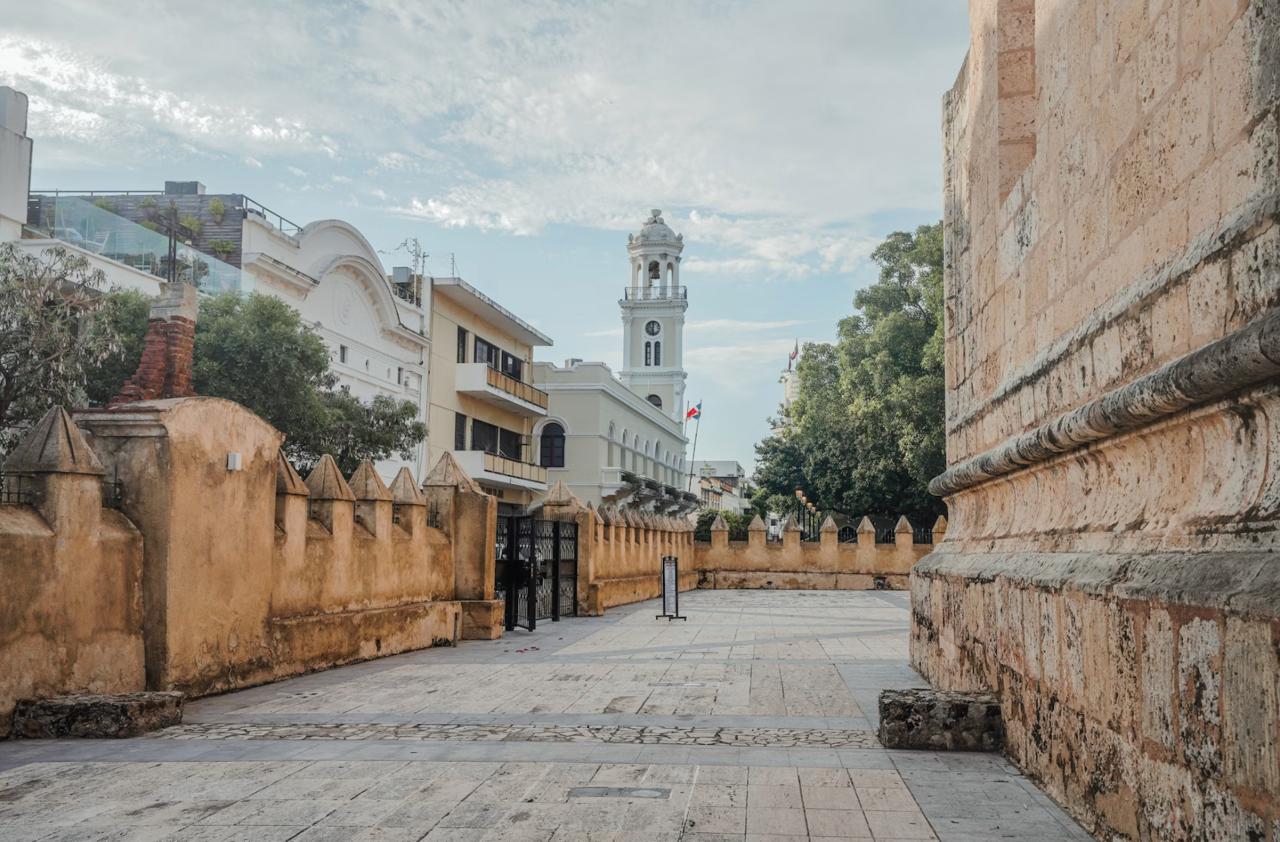
The island holds the oldest European settlement in the Americas, claimed for Spain by Christopher Columbus in 1492. Independence came hard, and twice over. The country broke free from neighbouring Haiti on February 27, 1844, and then restored its sovereignty from Spain in 1863. Centuries of Catholic influence on religious feast days on top of those patriotic milestones, while Afro-Dominican traditions added their own drums and dances. That blend is why the calendar swings from quiet pilgrimages to street parades pulsing with merengue.
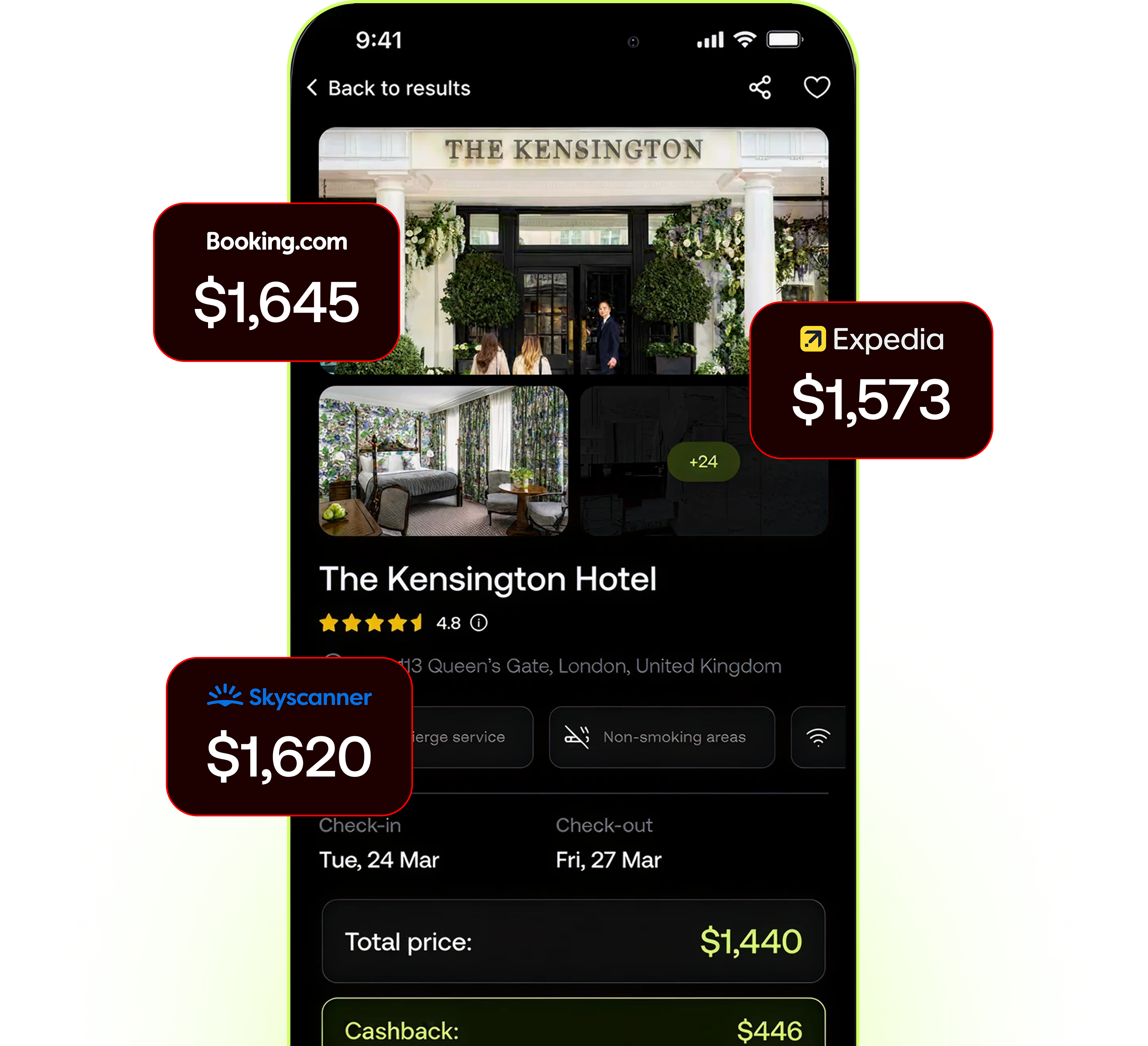
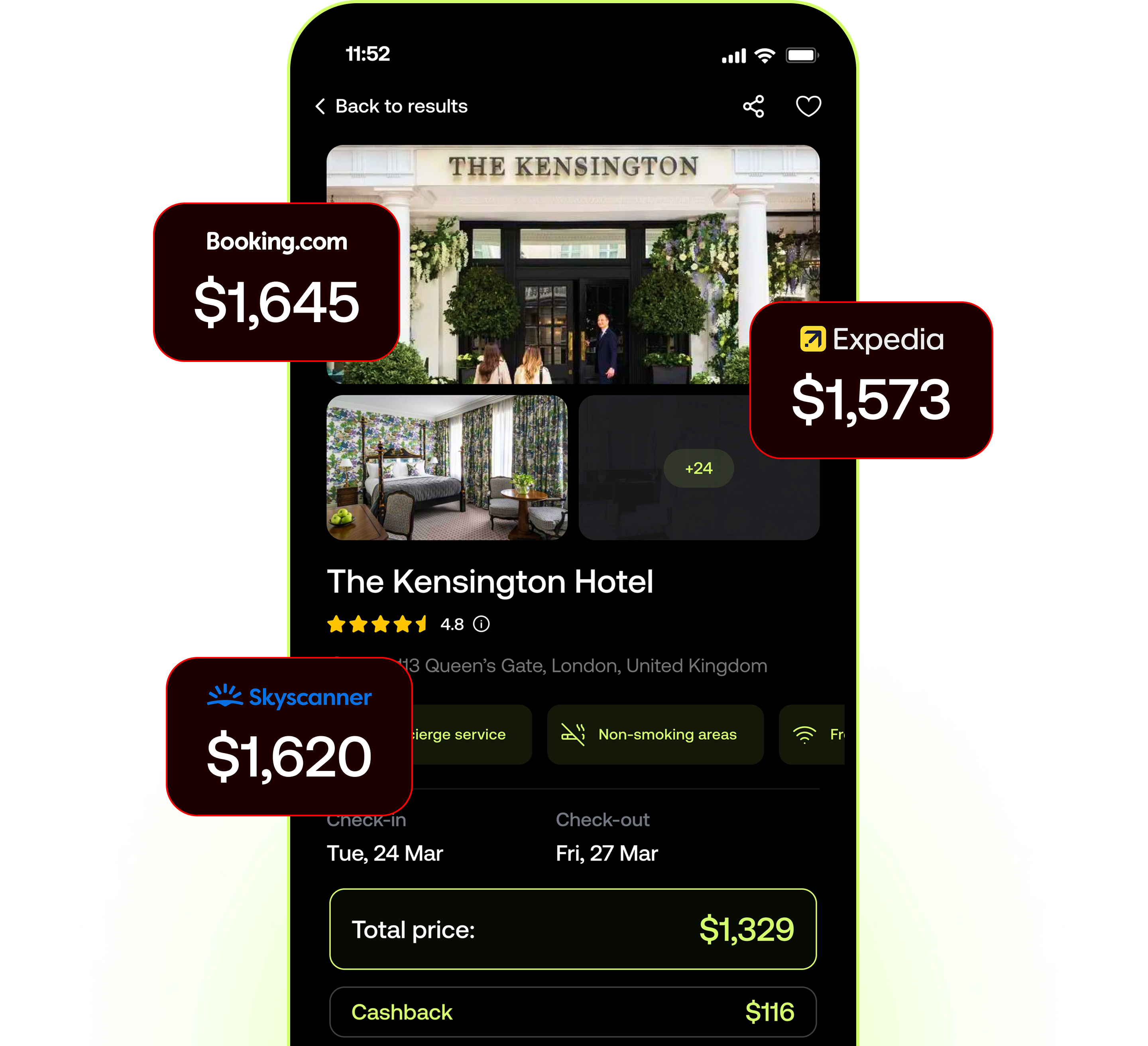
This guide covers all 12 holidays: what each one marks, how Dominicans actually celebrate it, and which ones reward travellers who time their visit right. The country is having a moment, too. It welcomed a record 11,192,047 visitors in 2024 and had already passed that total by late December 2025, according to the Ministry of Tourism. At Epic, you can book hotels near any of these celebrations for up to 30% less than Booking.com, and pay with Visa, Mastercard, Apple Pay, Google Pay or 200+ cryptocurrencies. Sign up with your email and claim $25 off your first booking.
The 12 public holidays at a glance
Some of these move to the nearest Monday to create long weekends, which is covered further down. Always confirm the exact observed dates for your travel year with the Ministry of Labour, since the movable ones shift.
1. New Year's Day, January 1

New Year in the Dominican Republic is a family night, not a street party. The big tradition happens before midnight, when households do a deep clean to sweep out the old year and make room for good luck. Dinner is the centrepiece, usually roast pork or chicken with "Ensalada Rusa," the local potato salad made with carrots, eggs, corn and raisins. Some people wear white or new clothes to attract good fortune. Fireworks go off in Santo Domingo and other cities, though they tend to be modest compared with Punta Cana's resort galas, where New Year's Eve dinners often sell out weeks ahead.
2. Epiphany, January 6

Also called Three Kings' Day, this is when Dominican children actually get their gifts, not on Christmas morning. The tradition follows the Spanish custom of the Three Wise Men. On the night of January 5, kids leave out grass and water for the camels, along with sweets for the kings, then wake up to presents. Santo Domingo marks the day with a parade of the Three Kings on horseback. For most travellers at the beach resorts, the day passes quietly, but in Dominican homes, it is one of the most anticipated dates on the calendar.
3. Our Lady of Altagracia, January 21

This is the country's most important religious day, honouring the patron saint of the Dominican people. The devotion is one of the oldest on the island, tied to the founding of Higüey. Festivities continue for a week, with novenas, prayers and drumming beginning around January 12, a huge pilgrimage to the Basilica of Higüey in the east. Thousands travel to pray before the 16th-century image of the Virgin. If you want to witness genuine Dominican faith and community rather than a tourist show, the Higüey pilgrimage is the one to see.
4. Juan Pablo Duarte Day, January 26
Duarte Day honours the founding father who led the Trinitaria movement and the fight for independence from Haiti. Because it is one of the movable holidays, it is usually observed on the closest Monday. Dominicans lay wreaths and flowers at his tomb in the Altar de la Patria in Santo Domingo, and children march in parades alongside military units across the country. The liveliest gathering takes place around the Duarte statue in the capital. It is a patriotic, ceremonial day rather than a festive one, and a good window into how seriously the country takes its national heroes.
5. Independence Day, February 27
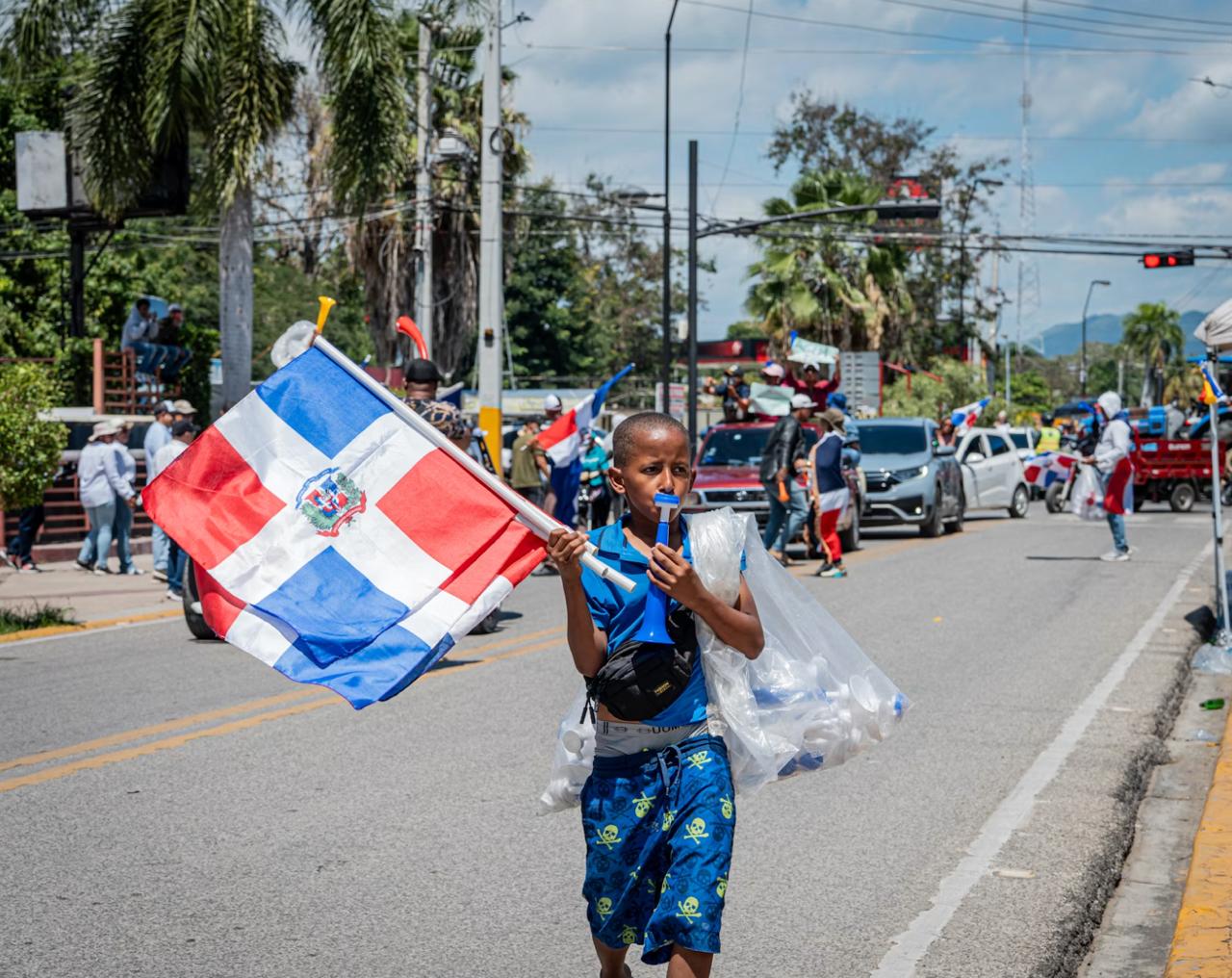
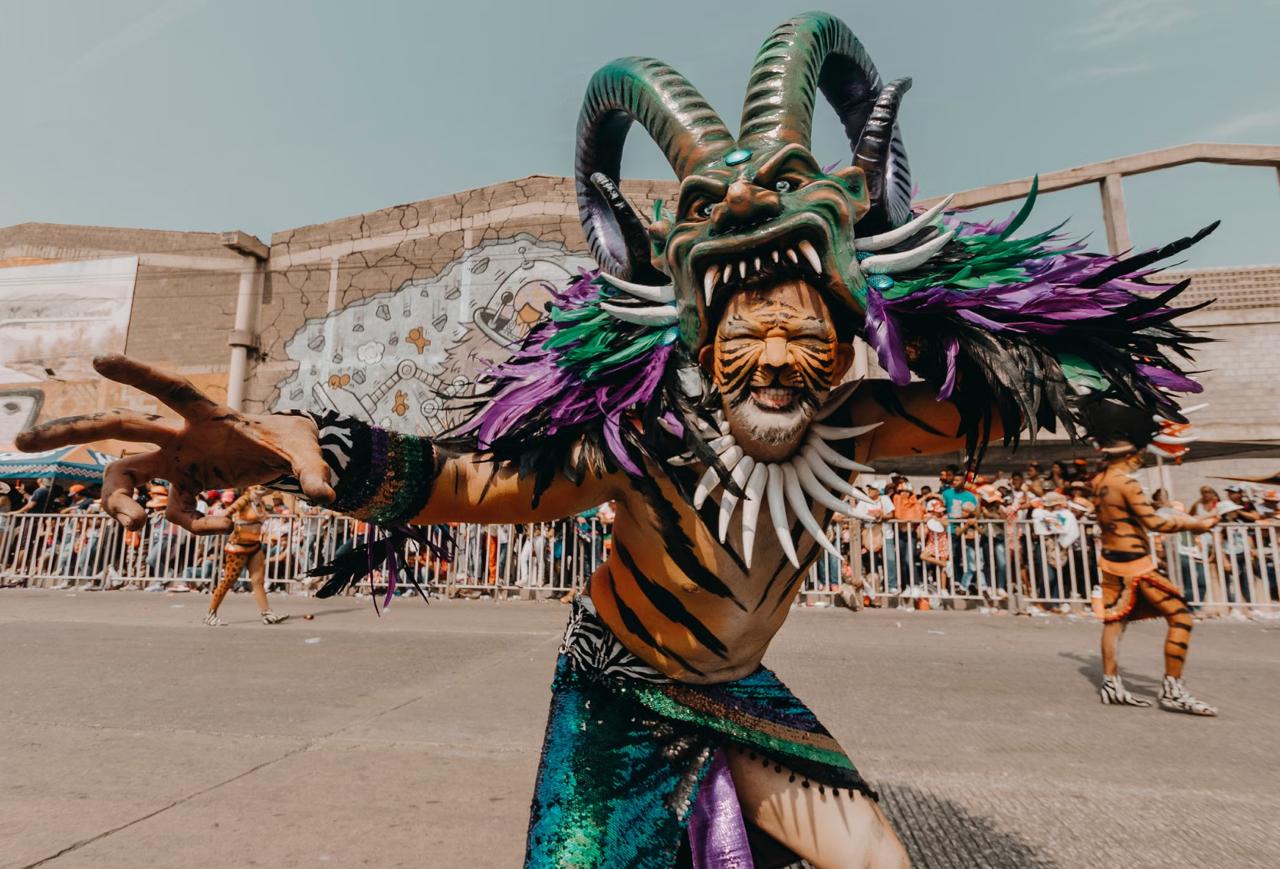
February 27 marks independence from Haiti in 1844 and doubles as Flag Day, making it the emotional peak of the year. It also lands on the final day of Carnival, so the patriotism and the party collide. Streets fill with tricolour flags, and Santo Domingo's Carnival closes with a giant parade down the Malecón featuring groups from every province. Expect elaborate costumes, drumming, and the horned "diablos cojuelos" masks that the Dominican Carnival is famous for. If you plan to see one Dominican Republic holiday in person, this is the headline act. When the weather and the festival calendar line up, see our guide on the best time to visit the Dominican Republic. It breaks down the seasons month by month and flags which events are worth building a trip around.
6. Good Friday, April 3
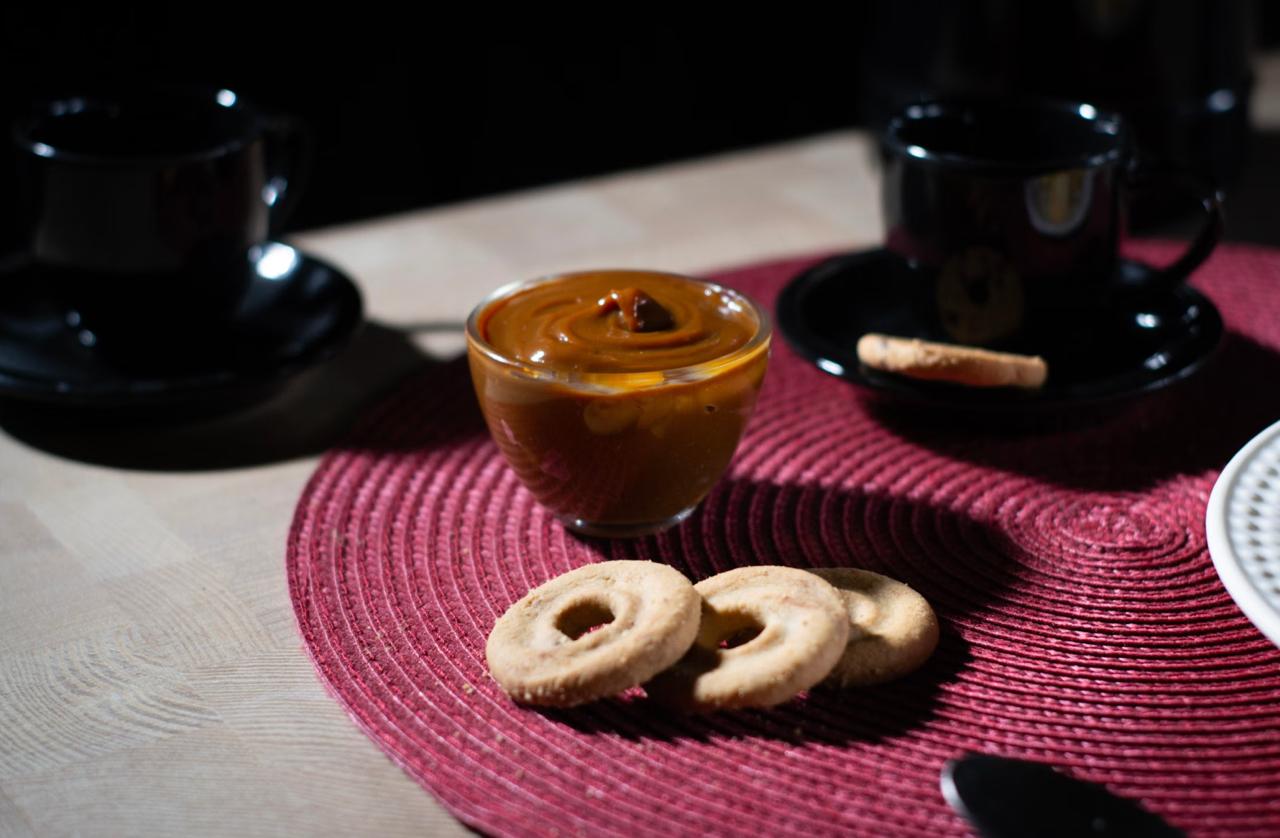
Semana Santa, or Holy Week, is the most widely observed religious period in the country, and the normally lively Dominican Republic slows right down. Expect solemn processions, church services, and many businesses closing on Thursday and Friday. Coastal towns fill with local families, so beaches get busy. The signature taste of the season is habichuelas con dulce, a sweet cream of beans made with coconut milk, cinnamon and raisins that appears only around this time of year. If you want to try it and other seasonal Dominican dishes, our Dominican Republic food guide covers the classics and where to find them. It runs through everything from mangú to sancocho with local spots worth seeking out.
7. Labour Day, May 1
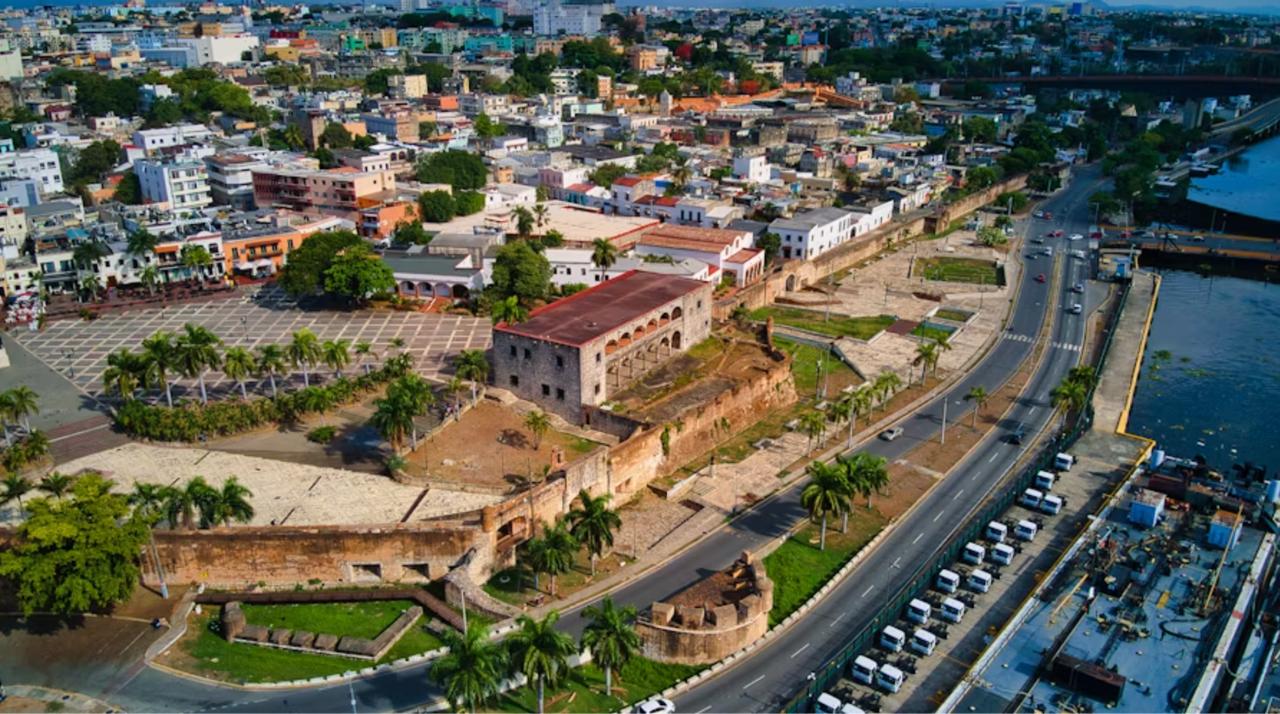
Labour Day, celebrated across the world, is a national day off in the Dominican Republic and one of the holidays that can shift to a Monday to make a long weekend. It is a low-key holiday for visitors, marked more by closures than by celebrations. Government offices, banks and many businesses shut for the day. If your trip includes early May, plan errands, money exchange and any official business around it, because services can be limited and reopening times vary from one town to town.
8. Corpus Christi, June 4
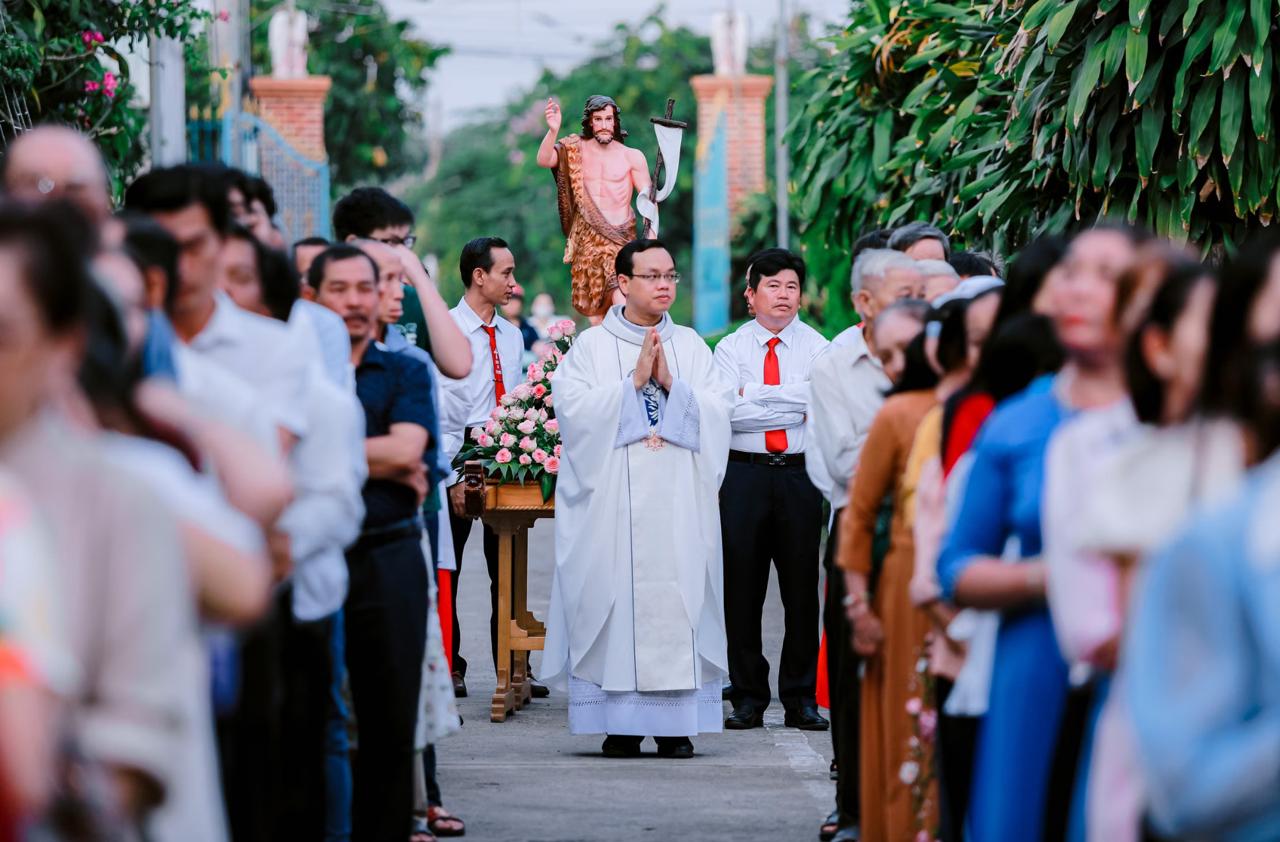
Corpus Christi is a Catholic holiday observed 60 days after Easter, which places it in early June. It is a quieter religious observance without the scale of Altagracia or Semana Santa, centred on church services and processions in Catholic communities. For travellers, it rarely disrupts a trip, though some businesses and government offices close. Its exact date changes every year because it is tied to the movable date of Easter, so if you are visiting in late spring or early summer, check whether it falls within your dates.
9. Restoration Day, August 16
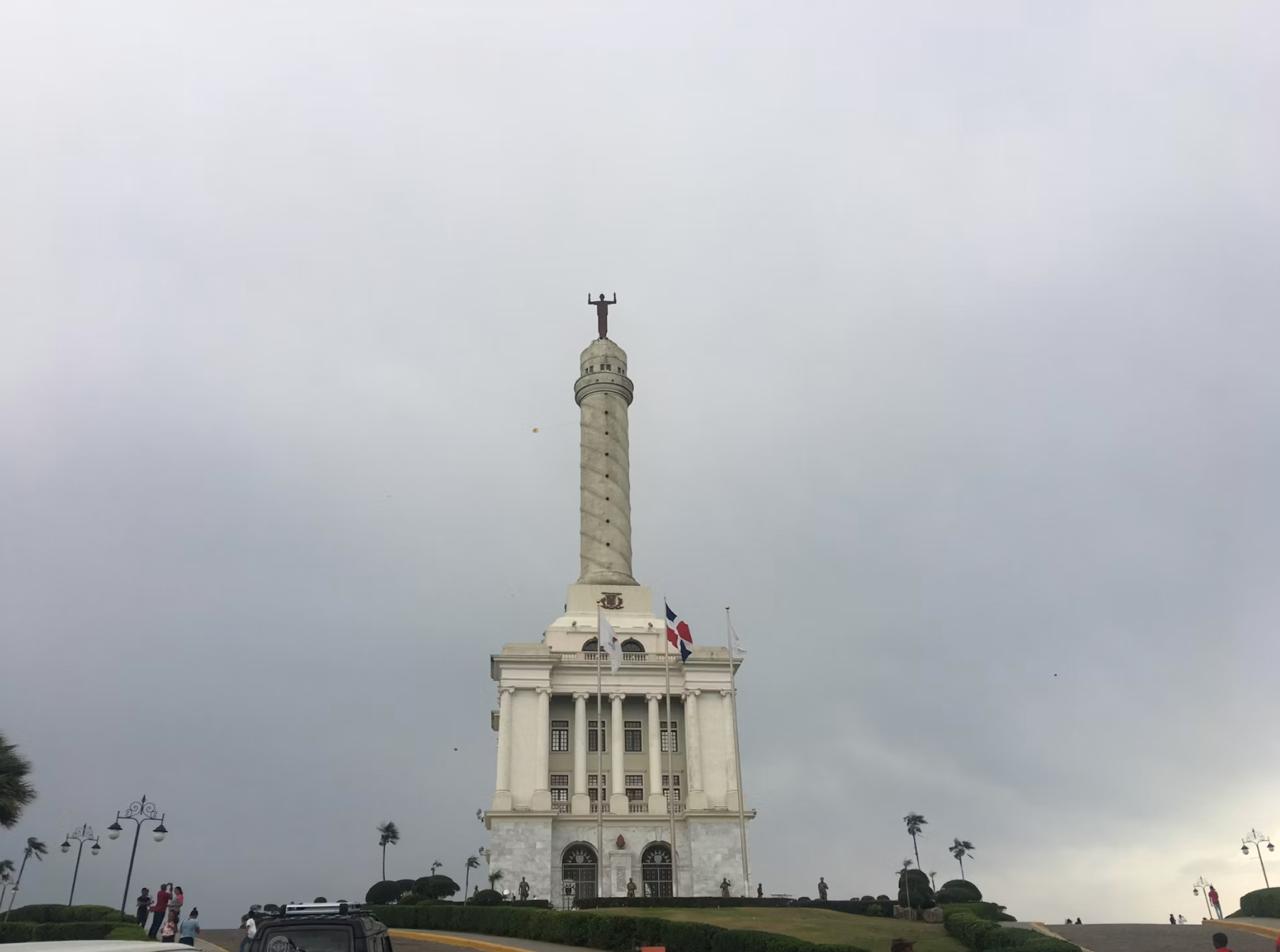
Restoration Day, or Día de la Restauración, celebrates the second fight for independence, this time from Spain in 1863. Dominicans call it their "second independence." Celebrations centre on Santiago, the city where the restoration war began, with costumes, parades and merengue in the streets. Santo Domingo's Plaza España also hosts festivities. It is one of the movable holidays and often creates a long weekend, so expect busy roads and full hotels in Santiago and the Cibao region. It is a strong pick if you want patriotic energy without the crowds of February's Carnival.
10. Our Lady of Mercedes, September 24
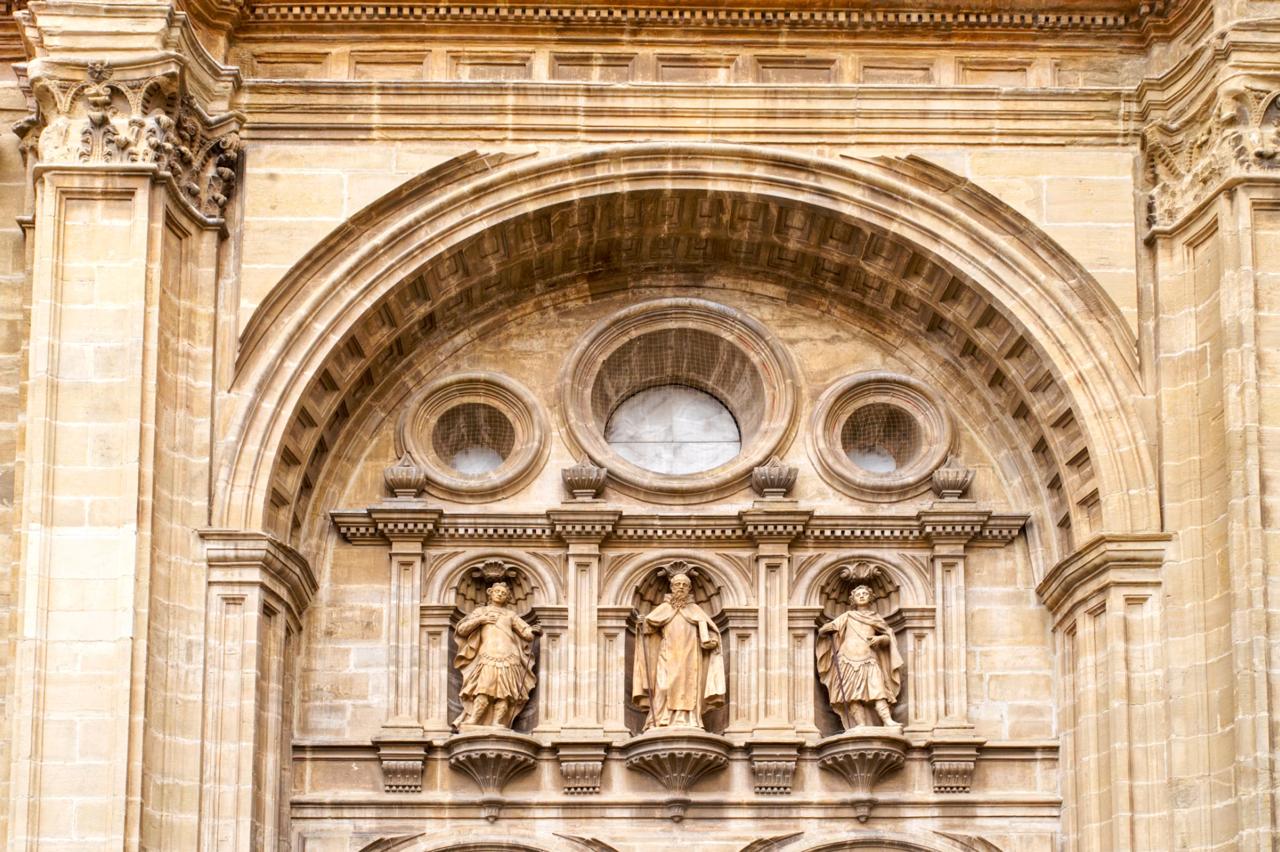
Las Mercedes honours the Virgin of Mercedes, regarded as a spiritual protector of the country, and it has been declared Intangible Cultural Heritage of the Nation. The main celebrations happen in Santo Domingo, home to the Cathedral of Santa María la Menor, the first cathedral built in the Americas. Banks and public institutions typically close, and many Dominican families mark the day even outside the capital. It is a meaningful religious date on the calendar and a chance to see historic churches in the Colonial Zone at their most active.
Book your next hotel for up to 30% less
11. Constitution Day, November 6
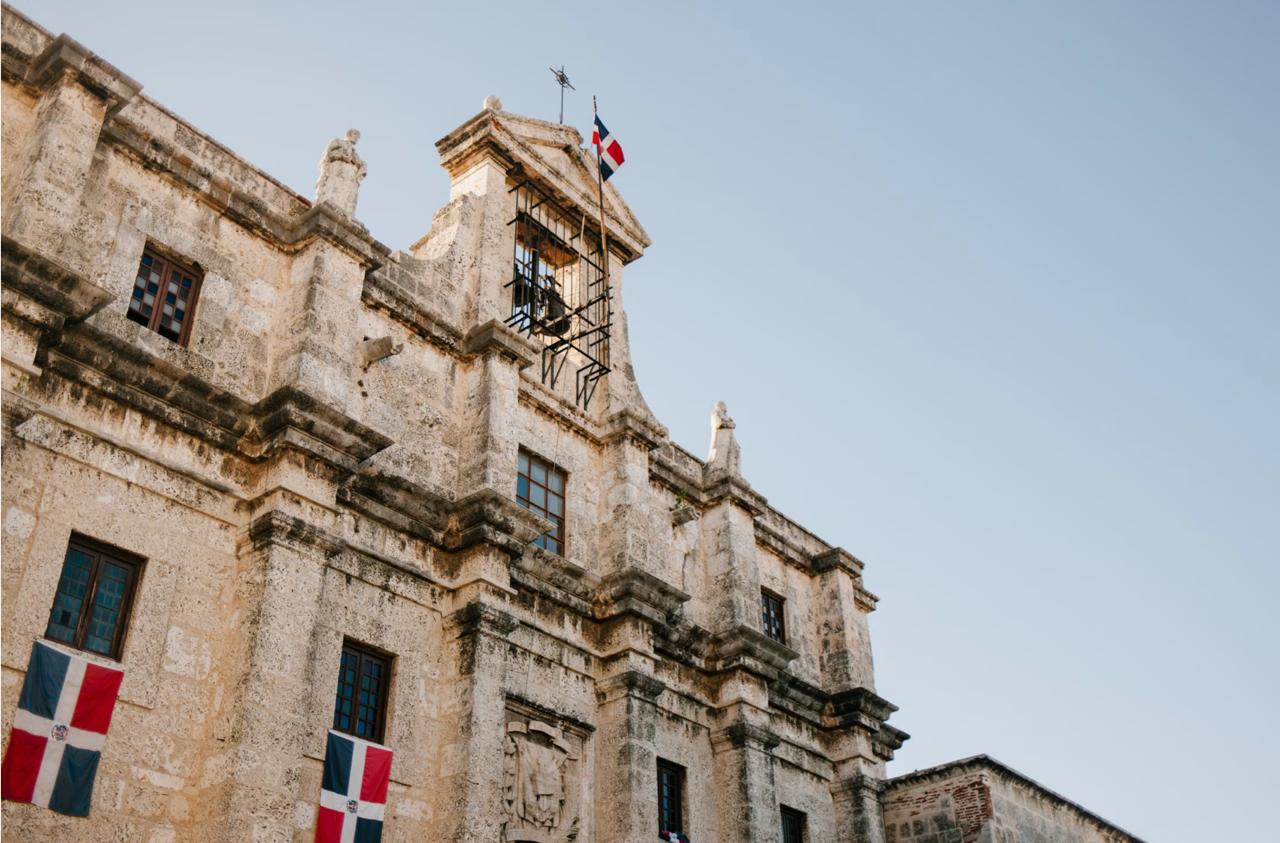
Constitution Day commemorates the drafting of the country's first constitution in San Cristóbal in 1844, the same founding year as independence. It is a patriotic public holiday that leans on civic and ceremonial rather than festive, with official events and a day off for many workers. As one of the holidays that can move to a Monday, it sometimes stretches into a long weekend. For visitors, it mostly means closures rather than street celebrations, so it is worth noting on your calendar if you are travelling in early November.
12. Christmas Day, December 25
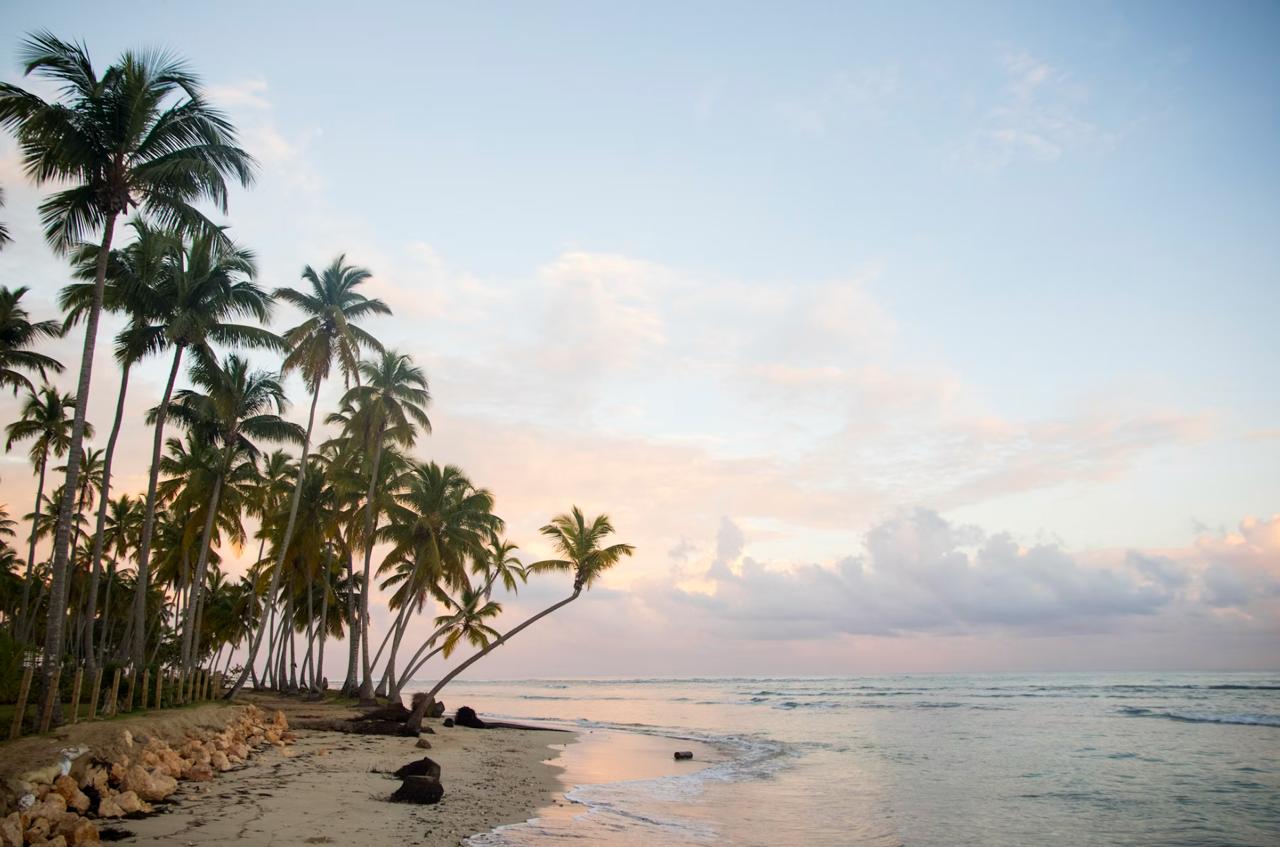
Christmas is a fixed holiday, a long, warm festive season across the country. The Colonial Zone in Santo Domingo lights up with displays along Calle El Conde, and free performances of villancicos, traditional Christmas carols, mix with merengue holiday songs. Family gatherings, roast pork and the low hum of celebration run from December well into Epiphany in early January. Resort areas stay fully booked through the season, so book early if you want a Christmas in the Caribbean. It is the busiest travel window of the year here for good reason.
Holidays versus festivals in the Dominican Republic
It helps to separate two things that search results often blur. The 12 dates above are legal public holidays, fixed by the Dominican Labour Code, which are days off. Festivals are cultural events that may or may not fall on a holiday. The biggest are Carnaval Dominicano throughout February, the Santo Domingo Merengue Festival in late July, and the Espíritu Santo celebrations in Villa Mella that blend Catholic and Afro-Dominican traditions. Merengue and bachata run through nearly all of them, which is fitting given both were born here. So a public holiday guarantees a day off, while a festival guarantees a party, and February is when the two overlap most. Both are part of a bigger cultural story, and our Dominican Republic facts guide fills in the history and national identity behind the celebrations. It covers the milestones, symbols and everyday customs that shape how the country marks its calendar.
The rules behind movable holidays
This is the detail most guides get wrong, so it is worth being precise. Under the Dominican Labour Code, holidays that are not strictly religious or patriotic can be shifted to the nearest Monday to create a long weekend, while fixed dates such as Independence Day on February 27 and Christmas on December 25 never move. The country recognises 12 national holidays, with the government retaining the authority to declare one-off holidays when needed, such as during election years. The practical takeaway for travellers is simple. The official holiday calendar is usually published in late December for the year ahead, so confirm the exact observed dates with the Ministry of Labour before you lock in flights, especially for January's cluster of holidays.
Planning your trip around the celebrations
Timing is everything with Dominican Republic holidays. February gives you Carnival and Independence Day, which is the single best window for culture and colour. Semana Santa in spring means beautiful processions but also crowded beaches and some closures. Christmas through early January is a festive time that is fully booked. Whenever you go, the numbers show you will have company: tourism accounts for nearly 20% of the country's GDP and United States citizens make up around half of all arrivals, so popular resorts fill fast around the holidays.
If you want to build a full itinerary rather than just catch one festival, our guide on things to do in the Dominican Republic is a good next stop. It covers the beaches, the historic Colonial Zone, and day trips that pair well with a holiday visit.
When you are ready to book, Epic lets you reserve hotels and stays with Visa, Mastercard, Apple Pay, Google Pay, or 200+ cryptocurrencies and travellers can save up to 30% on average compared with rates on sites like Booking.com. Around peak holiday dates, that margin can be the difference between a beachfront room and a compromise, so it pays to compare before February and December fill up. Sign up with your email and claim $25 off your first booking.
FAQs
1. How many public holidays does the Dominican Republic have?
The Dominican Republic has 12 official public holidays each year, set by the Labour Code. They mix Catholic religious days, patriotic anniversaries, and civic dates such as New Year's Day and Labour Day. Several movable holidays shift to the nearest Monday, so the observed dates can change slightly from year to year.
2. What is the biggest celebration in the Dominican Republic?
Carnival, known as Carnaval Dominicano, is the biggest celebration. It runs every Sunday through February and peaks on February 27, Independence Day, with parades, drumming, and the horned diablos cojuelos costumes. The most famous versions take place in La Vega, Santo Domingo and Santiago, each with its own characters and traditions.
3. What is celebrated on February 27 in the Dominican Republic?
February 27 is Dominican Independence Day, marking independence from Haiti in 1844. It also serves as Flag Day and closes the Carnival season, so patriotic parades and festivities happen together. The largest event is the national Carnival parade along the Malecón in Santo Domingo, featuring groups from every province.
4. What is the most important religious holiday in the Dominican Republic?
Our Lady of Altagracia Day on January 21 is the most important religious holiday. It honors the patron saint of the Dominican people, with a major pilgrimage to the Basilica of Higüey. Christmas and Holy Week are also deeply significant, but Altagracia is the day most tied to national religious identity.
5. Do shops and banks close on Dominican Republic holidays?
Yes, banks, government offices and many businesses close on official public holidays, and closures are widest during Holy Week, when some shut on both Thursday and Friday. Resort areas and tourist services usually stay open, but hours can be reduced, so plan money exchange and errands around the dates.

Mithra Ghosh is a Dubai-based content writer and SEO copywriter with 2+ years of experience crafting search-optimised content across crypto, Web3, and digital finance. She combines strong editorial instincts with a deep understanding of blockchain ecosystems and on-chain trends.
At Epic, she writes about the growing world of crypto-native travel helping readers understand how holding and spending digital assets can unlock smarter, cheaper ways to see the world.
Found a destination you like? Book it for up to 30% less.

Found a destination you like? Book it for up to 30% less.