Content
Dominican Republic Facts: Capital, Population & Key Questions Answered
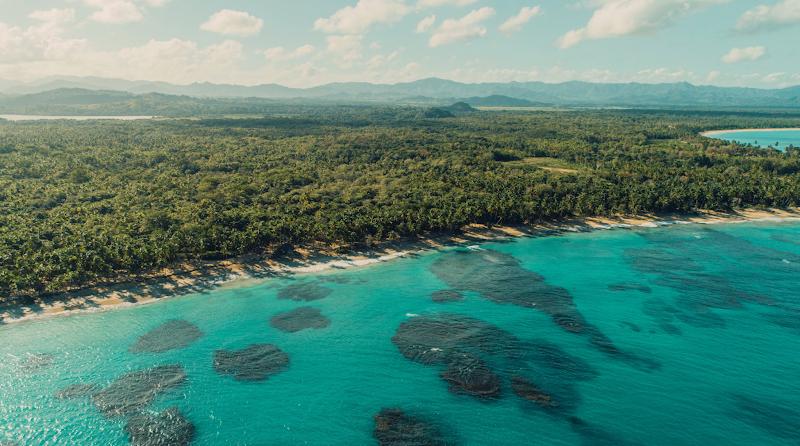

Most people picture the Dominican Republic as Punta Cana beaches and all-inclusive resorts, and that is part of it. But there is a lot more going on. This is the country with the oldest European city in the Americas, the tallest mountains in the Caribbean, and a soundtrack of merengue and bachata that seems to follow you around. It sits on the island of Hispaniola, which it shares with Haiti, and it fits a surprising amount of history and landscape into a fairly small stretch of the Caribbean. If it is the beaches that first drew you in, our 17 best Dominican Republic beaches guide maps out the best of them, from the lively Punta Cana strip to the quieter shores of Samaná. It is a quick way to work out which coast fits the trip you have in mind.
Whether you are planning a trip or just curious, these Dominican Republic facts cover the basics worth knowing before you go: where the country is, its capital, how many people live there, the language, the currency, and a few things that catch most first-time visitors off guard. Everything here is sourced and checked for 2026, so you can trust the numbers.
And if you have reached the trip-planning stage, you can book your flights and hotels through Epic and get $25 off when you join the early access list.
Dominican Republic at a glance
Where is the Dominican Republic?
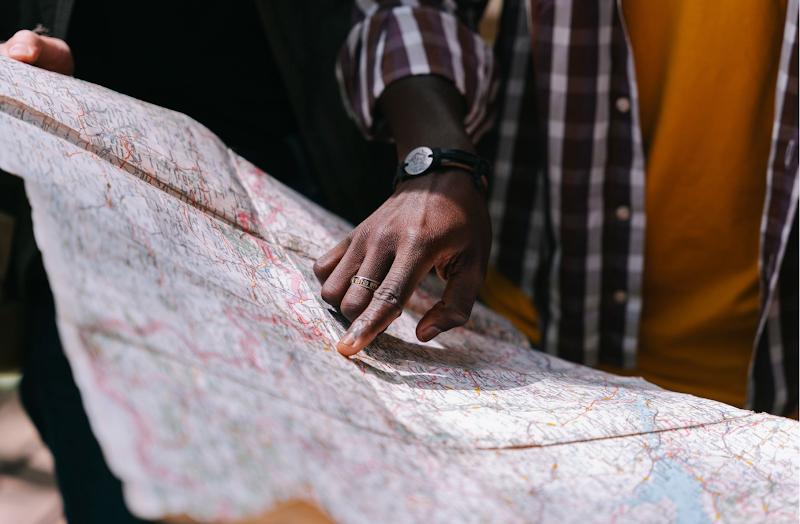
The Dominican Republic sits on the eastern part of the island of Hispaniola, in the Greater Antilles of the Caribbean Sea. It shares that island with Haiti, which sits to the west. The Atlantic Ocean lies to the north and the Caribbean Sea to the south, with Puerto Rico just across the water to the east.
Hispaniola is the second-largest island in the Caribbean after Cuba, and the Dominican Republic takes up a little more than half of it. That coastal position is exactly why the country has the long stretches of beach it is famous for, plus mountains and valleys inland that most visitors never expect.
What continent is the Dominican Republic in?
The Dominican Republic is not on a continent at all. It is an island nation in the Caribbean, and it is usually grouped with the North American region rather than South America. A lot of people assume it sits off the coast of South America, but it is well to the north of it, roughly between Cuba to the west and Puerto Rico to the east.
What is the capital of the Dominican Republic?

The capital of the Dominican Republic is Santo Domingo. Founded in 1496, it is the oldest continuously inhabited European-established city in the Americas, and its historic core, the Colonial Zone (Zona Colonial), is a UNESCO World Heritage Site.
Santo Domingo is also the country's largest city and its main hub for business, government, and culture. Its greater metropolitan area is home to roughly 3.6 million people, which is close to a third of the entire country. If you ever see the capital written as the "capital of the Dominican Republic," that is simply a common misspelling of Dominican.
If you plan to walk those cobblestone streets yourself, our guide to the 15 best things to do in the Dominican Republic covers Santo Domingo alongside the rest of the country. It runs through the top experiences region by region, so you can build a trip around the places that actually interest you.
What is the population of the Dominican Republic?

The Dominican Republic has an estimated 11.6 million people as of 2026, which makes it the second most populous country in the Caribbean after Haiti. About 3.6 million of those people live in the greater Santo Domingo area, so the capital region alone accounts for a large share of the national total.
The population skews young, with a sizeable portion under the age of 25, and it is growing steadily rather than sharply. Here is a quick breakdown.
Common myths about the Dominican Republic (and the facts)

Is the Dominican Republic part of the USA?
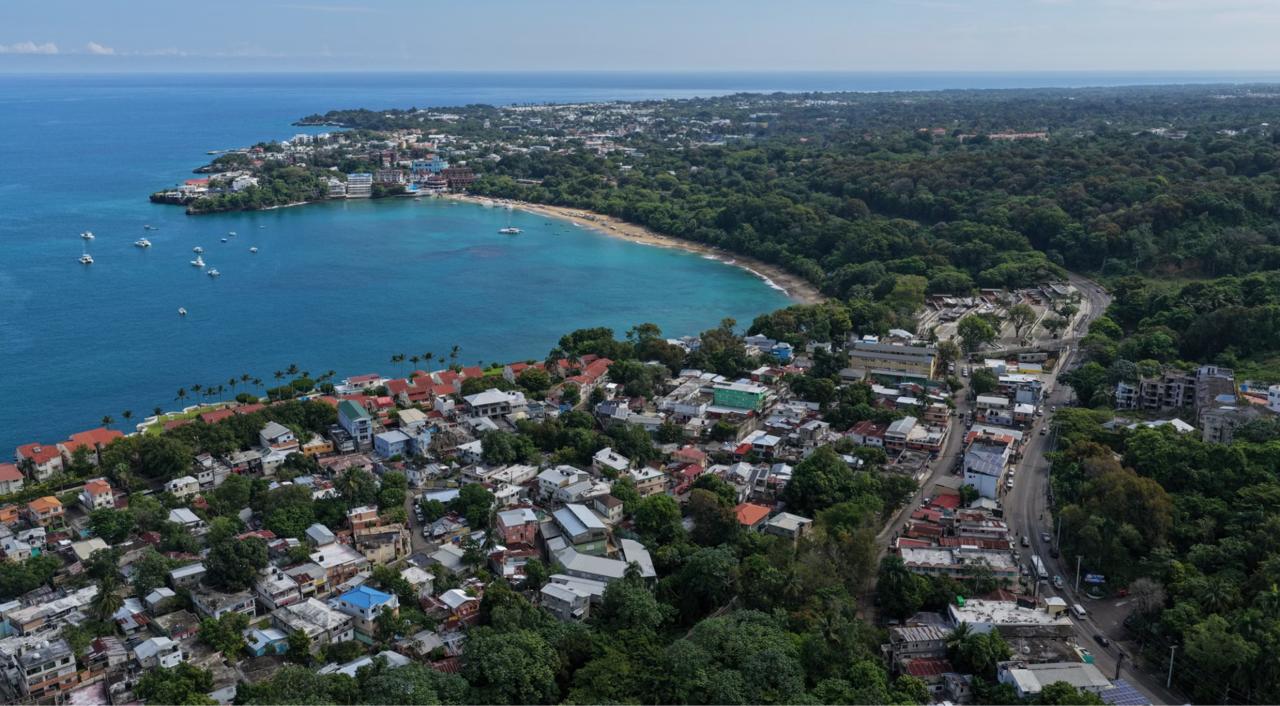
No. The Dominican Republic is a sovereign, independent country and has governed itself since it declared independence from Haiti in 1844. It is not a US state or a US territory. The confusion usually comes from Puerto Rico, which is a US territory and sits just to the east. Dominicans are citizens of their own nation, with their own president, congress, and currency.
Is the Dominican Republic a country?
Yes. The Dominican Republic is an independent, sovereign nation and a member of the United Nations. It has its own government, its own currency (the Dominican peso), and its own capital city (Santo Domingo). It gained independence from Haiti on February 27, 1844, a date still celebrated as the country's Independence Day.
Is the Dominican Republic a third-world country?
"Third world" is an outdated term from the Cold War era, when it described countries that were not aligned with either major power bloc. It was never really about wealth. Today, the Dominican Republic is classified as an upper-middle-income country. It ranks 82nd out of 193 nations on the United Nations Human Development Index for 2023 to 2024, and it has the largest economy in the Caribbean.
The fuller picture is a country that has grown fast over the last two decades, driven by tourism, manufacturing, mining, and construction, while still working to spread that growth more evenly. The government has set a goal of reaching high-income status by 2036. So a more accurate description than "Third world" is a developing, upper-middle-income economy on a steady upward path.
Is the Dominican Republic the same as Haiti?
No. The Dominican Republic and Haiti are two separate, sovereign countries that happen to share one island, Hispaniola. The Dominican Republic occupies the eastern portion, Haiti the western, and a land border of roughly 376 km runs between them. The two nations differ in language, culture, and history: the Dominican Republic is Spanish-speaking with strong Spanish and African roots, while Haiti is French and Haitian Creole-speaking.
What language do they speak in the Dominican Republic?
The official language of the Dominican Republic is Spanish, and nearly everyone speaks it. English is common in resorts, hotels, and busy tourist areas, but it becomes much less common once you head into smaller towns and rural areas. Dominican Spanish has its own accent, slang, and quick rhythm, so even confident Spanish speakers sometimes need a moment to tune in.
What currency does the Dominican Republic use?
The official currency of the Dominican Republic is the Dominican peso, written as DOP or with the symbol RD$. US dollars, euros, and Canadian dollars are widely accepted at hotels, resorts, and major tourist sites. That said, you will usually get better value paying in pesos once you step away from the resort strip, especially at local restaurants, markets, and smaller shops.
The exchange rate moves over time, so it is worth checking the current figure with the Central Bank of the Dominican Republic before you travel, rather than relying on last year's number.
What is the Dominican Republic known for?
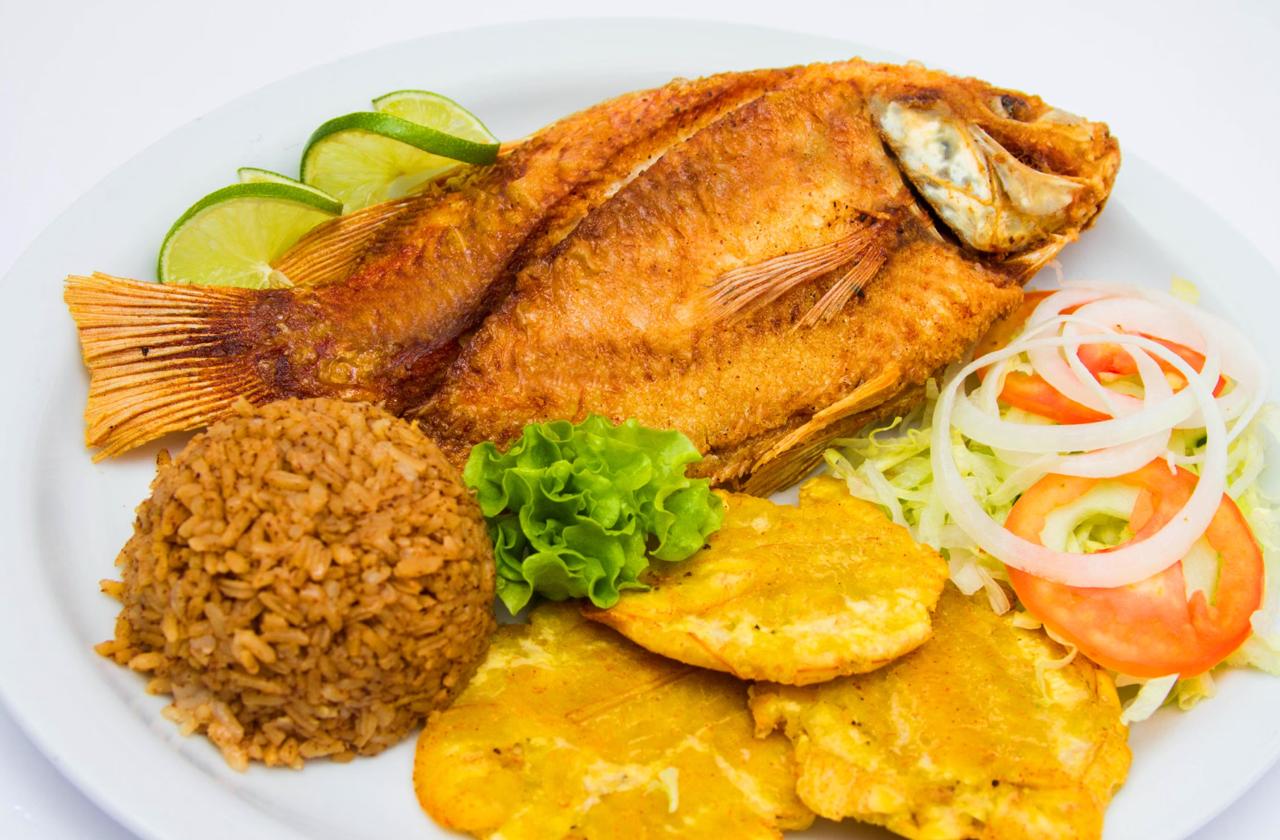
The Dominican Republic is best known for its Caribbean beaches, especially around Punta Cana, along with the colonial history of Santo Domingo, its merengue and bachata music, a deep love of baseball, and natural treasures like larimar and amber that are found almost nowhere else on earth.
Book your next hotel for up to 30% less
Two of our guides go deeper here. Our dominican-republic-beaches-guide-punta-cana-samana breaks down the best stretches of sand from the resort coast to the wilder Samaná peninsula. It helps you match the right beach to the kind of trip you want, whether that is nightlife, calm water, or whale watching. And if food is your thing, the Dominican Republic food guide walks through the dishes worth ordering, from La Bandera to fresh seafood. It reads like a menu you can actually plan meals around.
What is the climate like in the Dominican Republic?
The Dominican Republic has a tropical climate, warm and humid for most of the year, with average temperatures in the mid to high 20s Celsius (upper 70s to 80s Fahrenheit). There is a wetter season and an Atlantic hurricane season that runs roughly from June to November, so many travellers aim for the drier months on either side of it. Up in the mountains, temperatures drop noticeably, and the peaks can feel genuinely cool at night.
For a month-by-month view of when conditions are at their best, our guide to places-to-visit-in-dominican-republic lines up the top regions with the seasons. It is a useful starting point if you are still deciding when to go and where to base yourself.
What are the natural resources of the Dominican Republic?
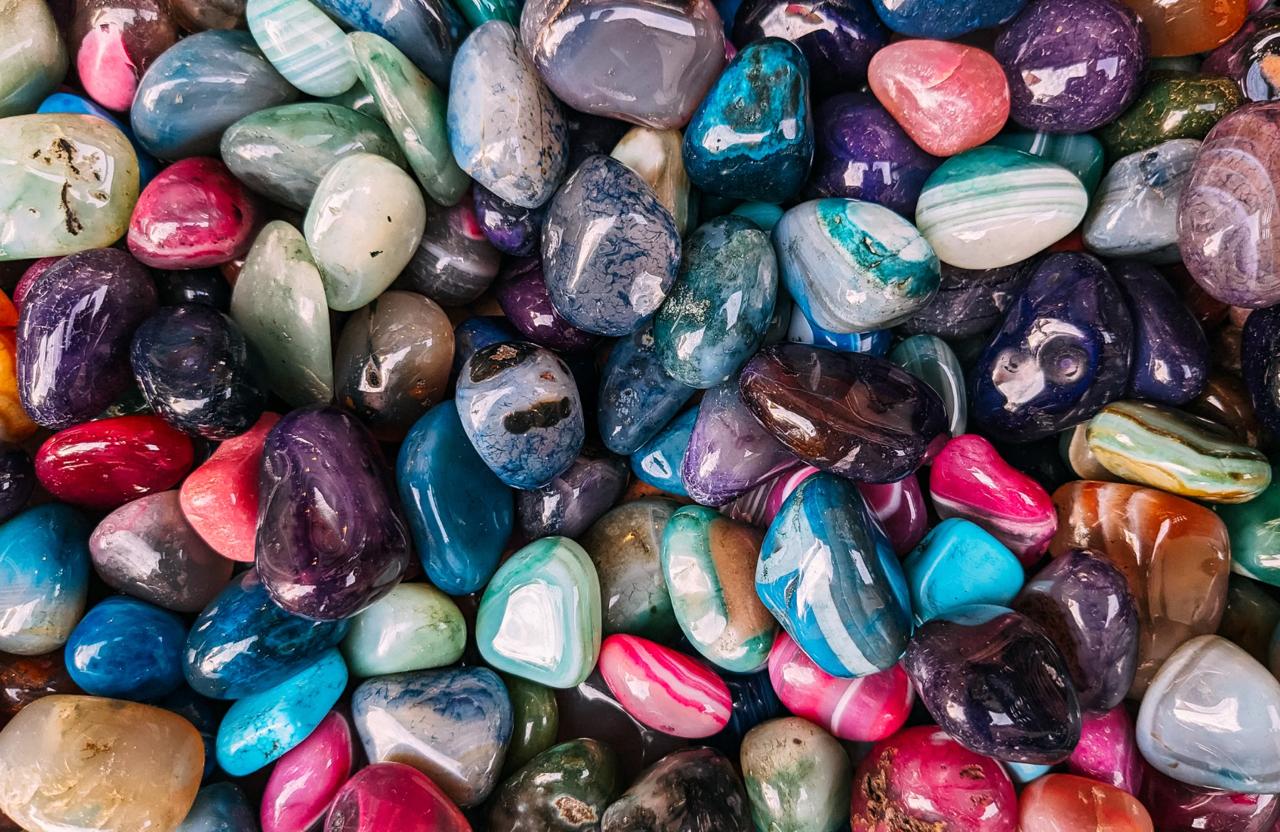
The Dominican Republic is richer in natural resources than most people expect. It is home to the Pueblo Viejo mine, one of the largest gold mines in the world, and it also produces silver, nickel, and other minerals. Its farmland yields sugarcane, coffee, cacao, and organic bananas, and the country is one of the world's leading exporters of organic bananas. On top of that, it is the only place on earth where the pale blue gemstone larimar is found.
Is the Dominican Republic safe to visit?
Millions of people visit the Dominican Republic safely every year, and the main tourist areas such as Punta Cana are generally well secured. As with any popular destination, petty theft can happen, so the usual sensible precautions apply: keep valuables out of sight, use registered transport, and stay aware in crowded spots. For the most current guidance, check your government's official travel advisory before you go, since advice is updated from time to time.
National symbols: the flag, coat of arms, and motto
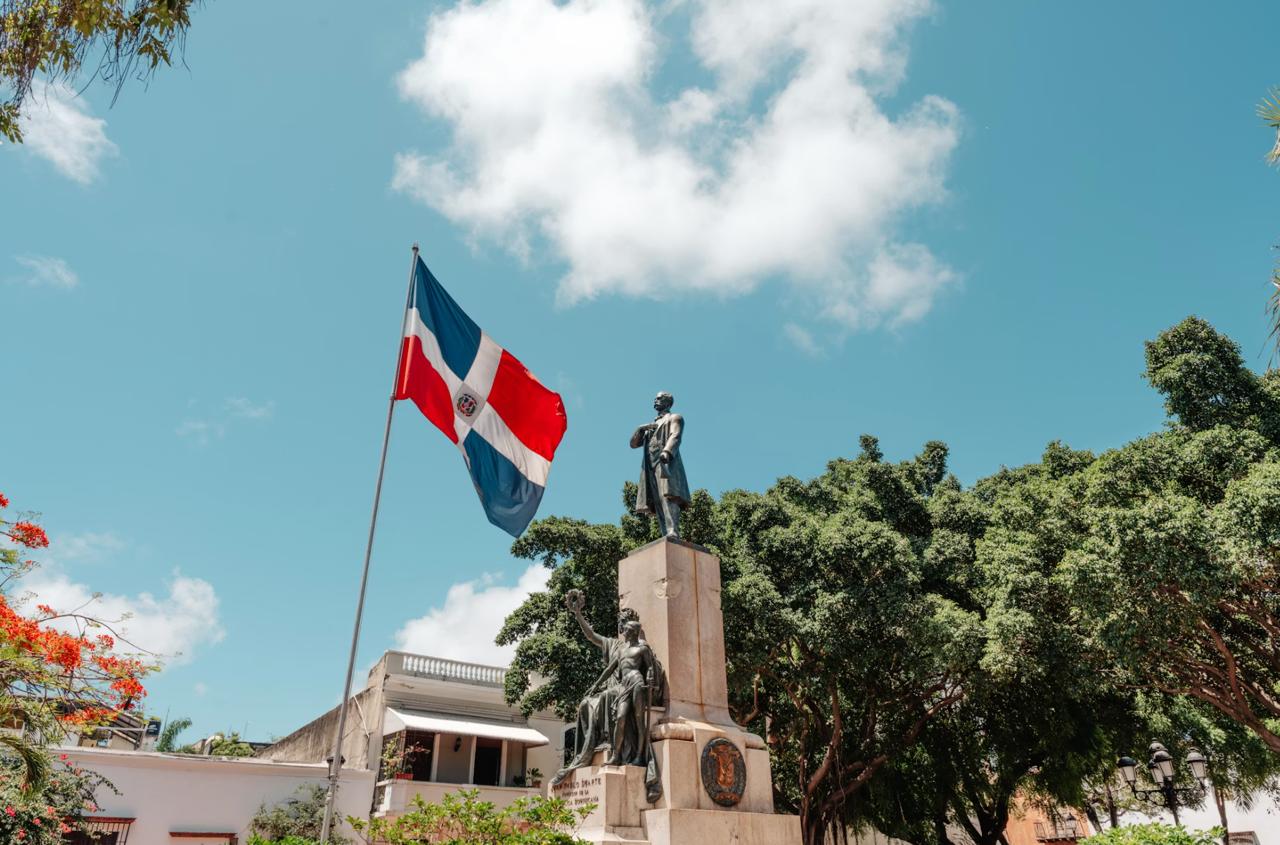
The Dominican flag is the only national flag in the world that features a Bible. It sits open at the centre, resting on a coat of arms placed over a white cross that divides the flag into four sections. Above the shield runs a ribbon with the national motto, "Dios, Patria, Libertad," which means "God, Homeland, Liberty."
The colours carry meaning too. Blue is said to stand for liberty, red for the blood of the country's heroes, and white for salvation and peace. It is a compact summary of the country's history and faith, all in one design.
Random and fun facts about the Dominican Republic
A few of these surprise even people who have visited more than once.
- The country has the highest peak in the Caribbean, Pico Duarte, and also its lowest point, Lake Enriquillo, which is a saltwater lake that sits below sea level.
- Lake Enriquillo is the largest lake in the Caribbean and is home to American crocodiles.
- Larimar, the soft blue stone sold across the country, is found nowhere else on the planet.
- Dominican amber is unusually clear, and pieces have been found with prehistoric insects trapped inside.
- The daily lunch of rice, beans, and meat is called La Bandera, meaning "the flag," because its colours echo the national flag.
- Merengue is the national dance and, along with bachata, was born in the Dominican Republic.
- Baseball is close to a national religion, and the country has sent a remarkable number of players to the Major Leagues.
- Santo Domingo holds the oldest cathedral, the oldest university, and the oldest paved street in the Americas.
- The Dominican Republic is one of the world's largest exporters of organic bananas.
- Parts of the first Jurassic Park film were shot in the country, drawn by its lush landscapes.
Planning a trip to the Dominican Republic?
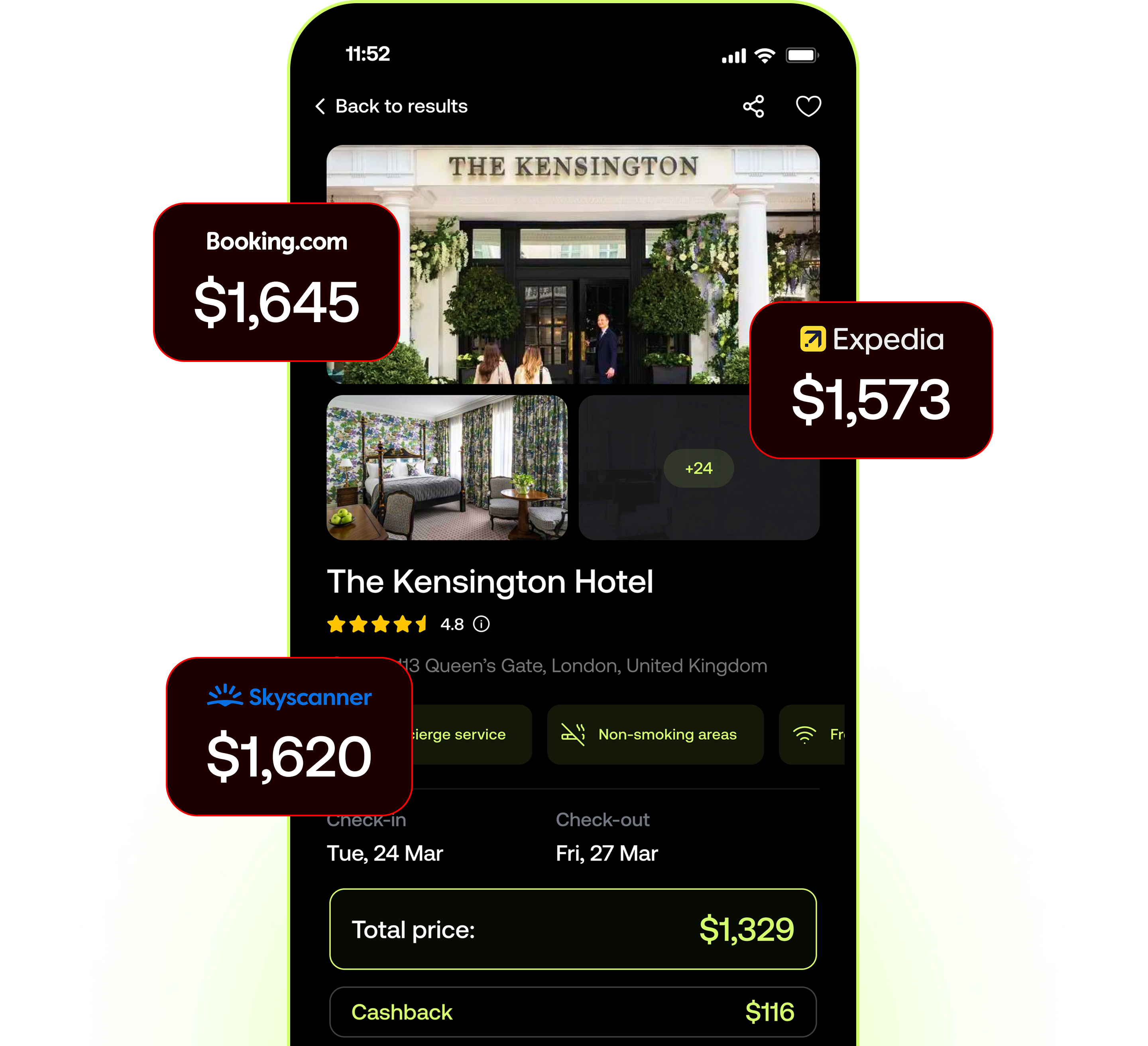
Now that you have the facts, the fun part is putting them to use. Epic Travel is a booking platform built to make the whole trip cheaper and simpler in one place. You can pay the way you already do, with Visa, Mastercard, Apple Pay, Google Pay, or crypto, and book flights and hotels for up to 30% less than Booking.com.
New to Epic? Sign up now to claim $25 off your first booking, then book directly, keep the savings, and put the difference toward another day trip.
Frequently Asked Questions
1. What is the capital of the Dominican Republic?
The capital is Santo Domingo, the oldest continuously inhabited European-established city in the Americas.
2. What is the population of the Dominican Republic?
Around 11.6 million people as of 2026, making it the second most populous Caribbean nation after Haiti.
3. Where is the Dominican Republic located?
On the eastern part of the island of Hispaniola in the Caribbean, sharing the island with Haiti.
4. Is the Dominican Republic part of the USA?
No. It is an independent, sovereign country and has been since 1844.
5. What language do they speak?
Spanish is the official language, with English common in tourist areas.
6. What currency is used?
The Dominican peso (DOP, RD$). US dollars are widely accepted at tourist sites.
7. Is the Dominican Republic the same as Dominica?
No. They are two different countries in the Caribbean.
8. Is the Dominican Republic safe to visit?
Millions visit each year safely. Take normal precautions and check the current official travel advisory before you go.

Mithra Ghosh is a Dubai-based content writer and SEO copywriter with 2+ years of experience crafting search-optimised content across crypto, Web3, and digital finance. She combines strong editorial instincts with a deep understanding of blockchain ecosystems and on-chain trends.
At Epic, she writes about the growing world of crypto-native travel helping readers understand how holding and spending digital assets can unlock smarter, cheaper ways to see the world.
Found a destination you like? Book it for up to 30% less.

Found a destination you like? Book it for up to 30% less.