Content
Dominican Republic Culture Explained: A Local's Guide
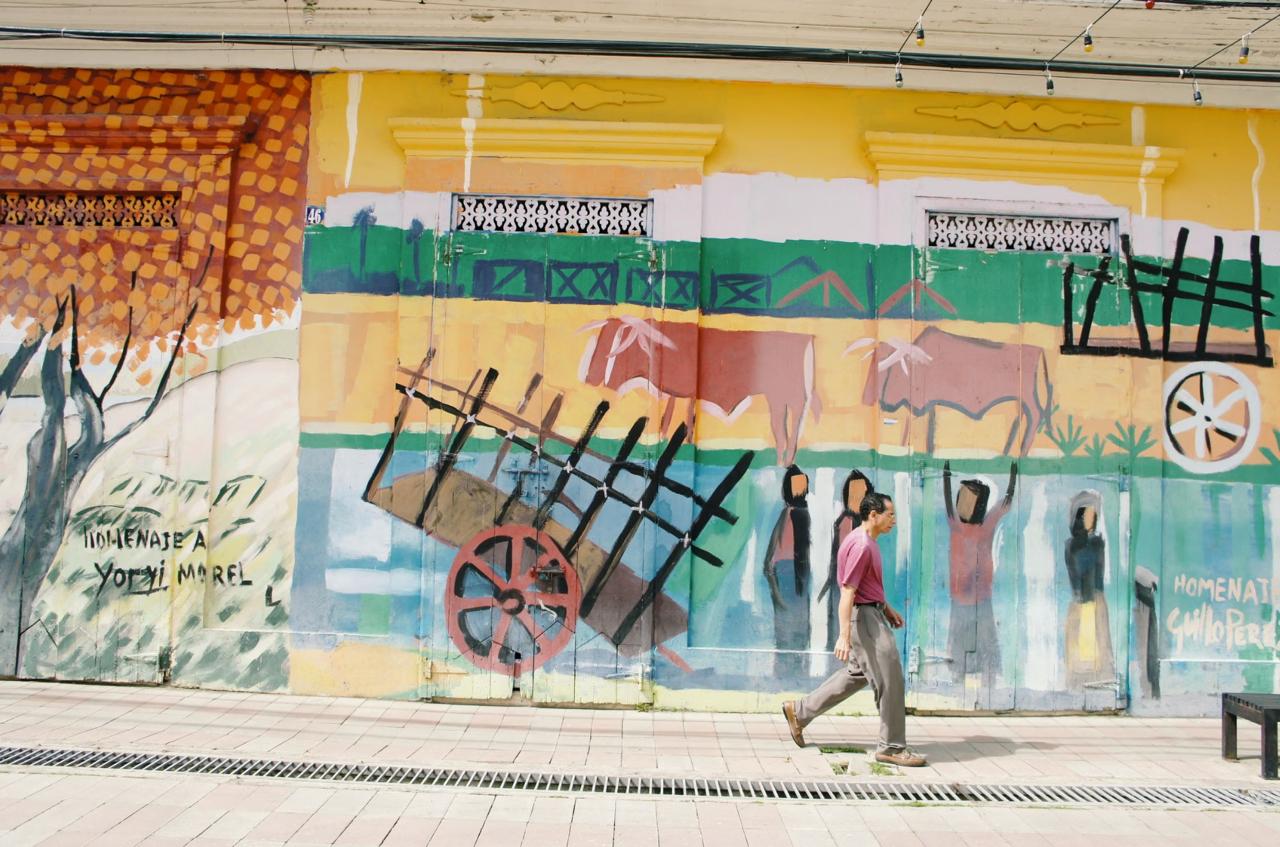
The Dominican Republic welcomed a record 6,616,671 visitors during the first half of 2026, the highest total in its history and the most of any country in the Caribbean, according to the Ministry of Tourism. Most of them landed in Punta Cana, spent a week behind an all-inclusive wristband, and flew home having tasted almost none of the country. That is a beach holiday. It is not the Dominican Republic.
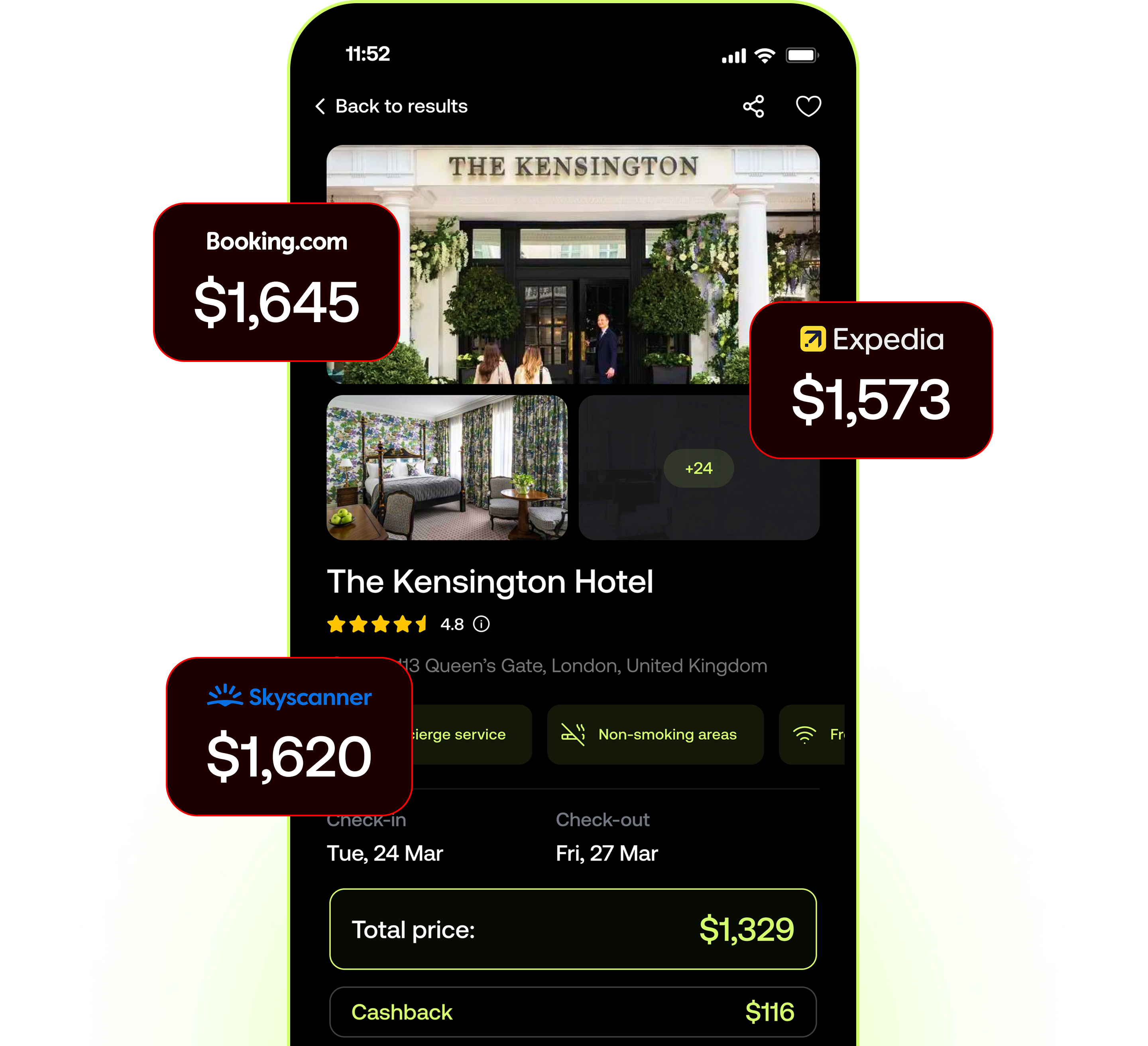
Dominican Republic culture is a real, living blend of Taíno, African and Spanish influence, and it is everywhere once you know how to look: in the food on a lunch plate, the merengue leaking out of a corner colmado at nine in the morning, the way a stranger calls you "mi amor" within thirty seconds of meeting you. This guide is written for the traveller who wants that version of the country. At Epic, you can book hotels and flights across the Dominican Republic for up to 30% less than Booking.com. Join the early access list and claim $25 off your first booking.
Below, you'll find what Dominican culture actually is, where it came from, and how to step into it without feeling like an outsider.
What Is Dominican Culture Based On?

Dominican culture rests on three roots that fused over more than five centuries, and understanding them explains almost everything else in this guide.
The Taíno were the island's Indigenous people. They called the land Quisqueya, meaning "mother of all lands," and although Spanish colonisation devastated their population, their imprint survived in food, farming and language. Words that travelled from Taíno into English, like "hurricane," "barbecue", and "canoe," started here.
What Music and Dance Is the Dominican Republic Known For?
Spanish colonisers arrived with Christopher Columbus in 1492 and founded Santo Domingo in 1498, the oldest continuously inhabited European city in the Americas. Five centuries of Spanish presence gave the country its language, its Roman Catholic faith, its legal traditions and its colonial architecture.
Enslaved Africans were brought to the island soon after Spanish settlement, and their traditions became the rhythmic and spiritual backbone of Dominican life. African heritage drives the drumming behind merengue, the folk-Catholic spiritual practices of the countryside, and much of the national cuisine.
What sets the Dominican Republic apart from many of its Caribbean neighbours is that all three roots survived in the blend rather than one erasing the others. Dominicans call this fusion mestizaje, and it is a genuine source of national pride. The table below shows how each root still surfaces in everyday life.
If you're new to the country and need a quick reference on population, capital, language, currency, and what actually happens here (not the myths), our Dominican Republic facts guide answers the baseline questions before you dig into regional guides. It's the guide to read if you want context without the deep dive.
Who Are the Dominican People?
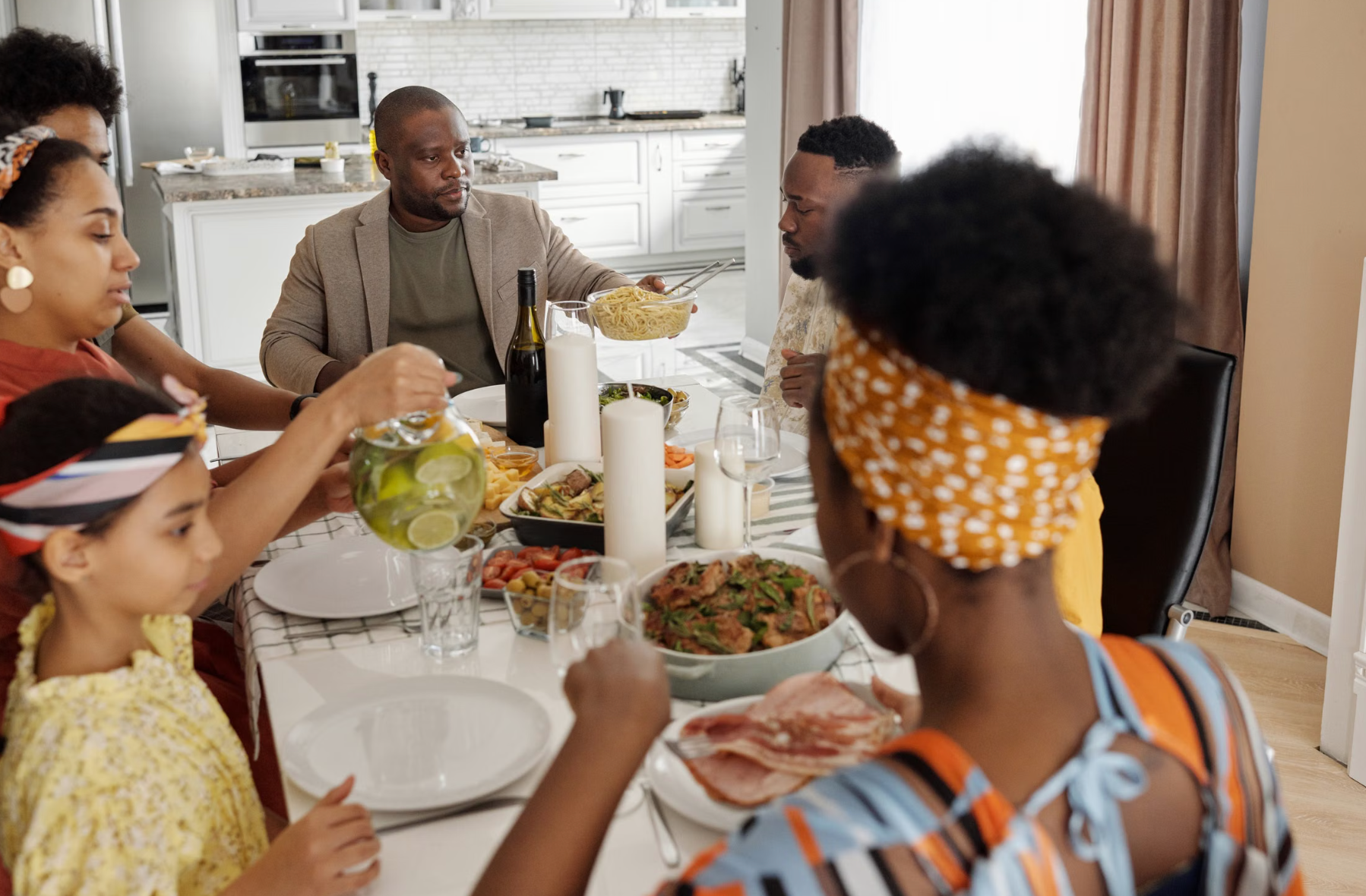
Dominicans have a reputation as some of the warmest people you will meet anywhere, and it is earned rather than marketed. Courtesy and hospitality are treated as core values, especially in rural areas, where sharing a plate of food with a stranger is simply what you do.
Communication here is close and expressive. People stand near you when they speak, hold steady eye contact, talk quickly and loudly, and use their hands constantly. Personal questions about your family, your relationship status or your age are not considered rude; they are a sign of friendly interest. Physical affection is normal, and greetings tend to involve a handshake or a kiss on the cheek rather than a wave from a distance.
Family is the true centre of Dominican society. Multigenerational households are the norm, with grandparents, parents and children under one roof, and it is common for young adults to stay at home until they marry, then settle nearby. Social life orbits the family, from long Sunday lunches to constant visiting between relatives. If you understand this single fact, most of what you observe in the country starts to make sense.
That warmth also shapes how the country presents itself to visitors. In 2025, the Ministry of Tourism launched a global campaign built entirely around the friendliness of its people, called "Dominicana Smiles at You".
What Food Do Dominicans Eat?
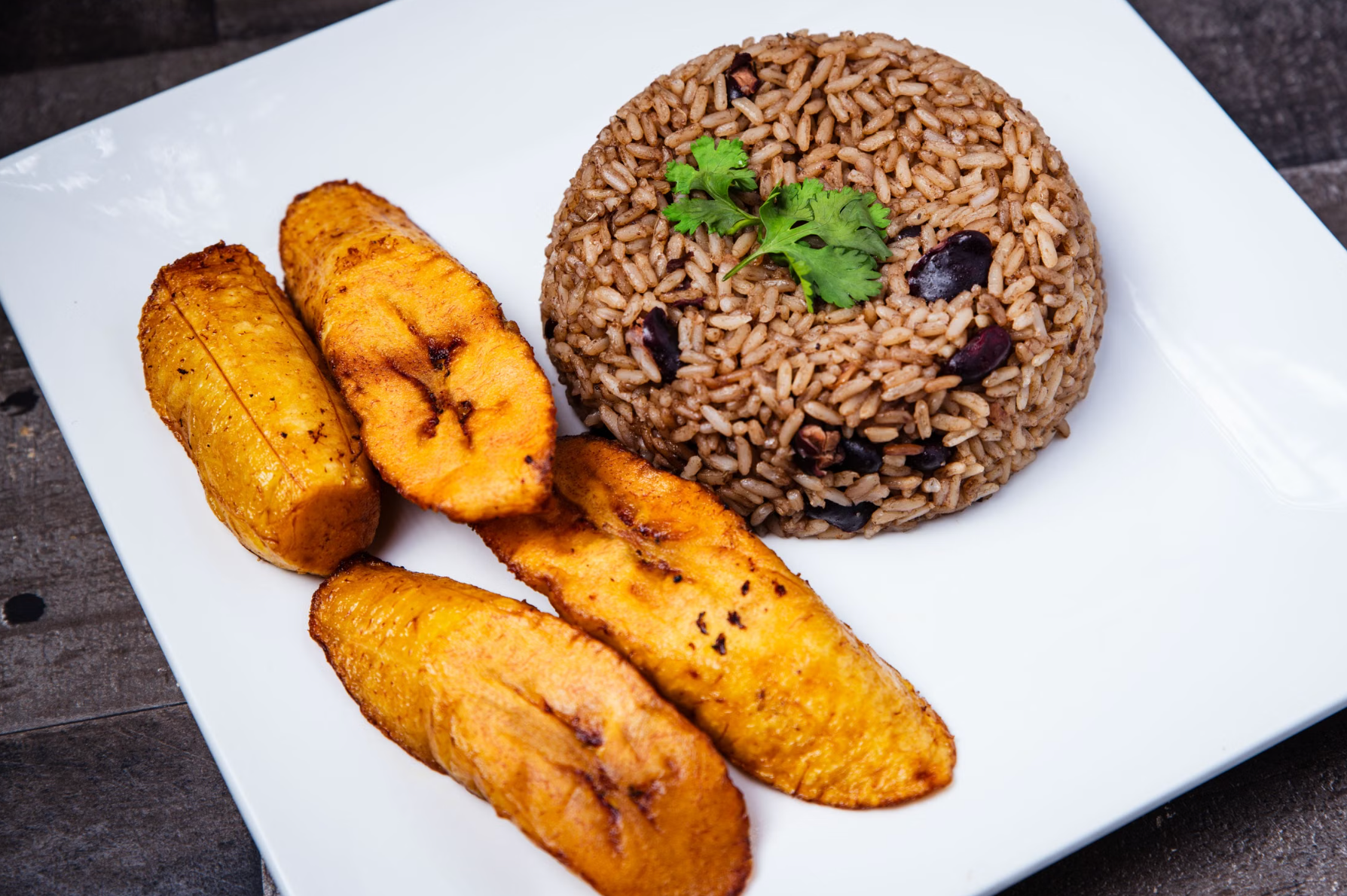
Dominican food is built on depth rather than heat. It is hearty, slow-cooked and generous, centred on rice, beans, plantains and stewed meats. Where some Caribbean cuisines chase spice, Dominican cooking chases comfort and flavour built through slow braising and heavily seasoned iron-pot rice.
If you eat only one dish, make it la bandera. La bandera Dominicana, meaning "the Dominican flag," is the national lunch: white rice, stewed red beans and meat, usually with a small side salad. It is named after the flag itself and eaten daily by millions of people. Breakfast is often mangú, mashed green plantains topped with sautéed red onions, most famously served with fried cheese, fried salami and eggs, a trio locals call "los tres golpes," the three hits.
There is also a daily rhythm worth planning around: lunch is close to sacred. Many businesses close from roughly noon until two in the afternoon, and you will notice traffic genuinely spike as people head home to eat with family. If you are on a guided tour, expect a real, unhurried break in the middle of the day, and do not fight it.
For a deeper breakdown of what to order, where to find it and how much it costs in 2026, our Dominican Republic food guide walks through 15 dishes worth seeking out on a first trip. The staples below are the ones to recognise before you sit down anywhere.
What Music and Dance Is the Dominican Republic Known For?
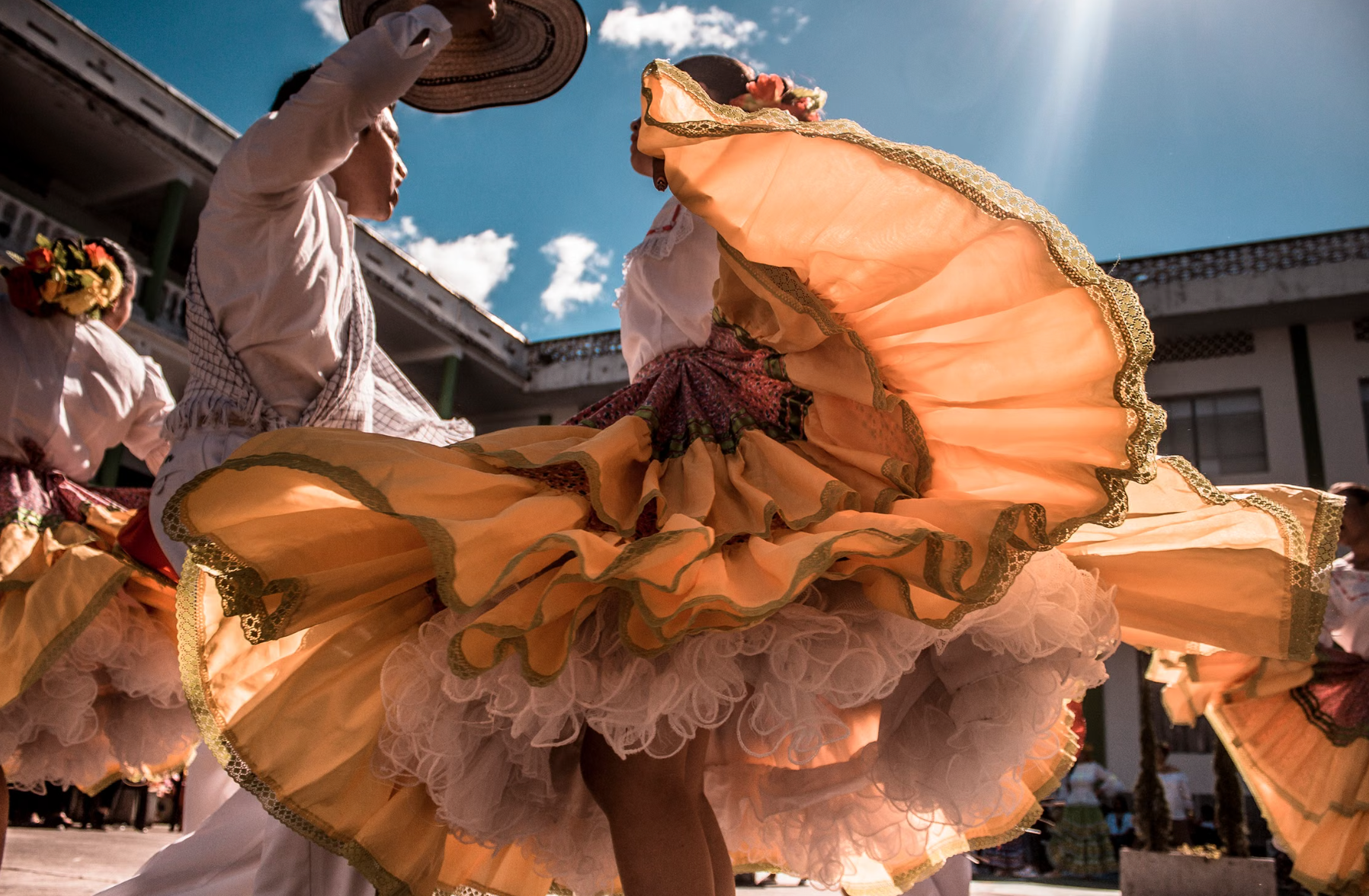
Two sounds define the country, and both were born on this island: merengue and bachata.
Merengue is the national music and dance, a fast, propulsive rhythm built on three core instruments: the tambora drum, the metal güira scraper and the accordion. It is so tied to national identity that November 26 is officially National Merengue Day, a designation made in 2005. UNESCO went further, inscribing merengue on its Representative List of the Intangible Cultural Heritage of Humanity in 2016, and adding bachata in 2019. Bachata began in poor rural neighbourhoods as slow, romantic guitar music, once dismissed as lower-class and played only in cabarets and clandestine bars, before growing into one of the most streamed genres on the planet.
Here is the practical truth about music in the Dominican Republic: you do not need to dance well, you just need to dance. Locals will pull you onto the floor, and stumbling cheerfully through a merengue earns far more goodwill than sitting stiffly against the wall.
Beyond the two headline genres, the country carries deeper musical layers. Palo, rooted in Central-West African traditions, is played at religious ceremonies and saints' feast days. Son and salsa are woven through the national songbook, and Dominican-born Johnny Pacheco was one of the architects of modern salsa. These older forms are where the African root of the culture is most audible.
Baseball is the other national passion, and it functions as a cultural institution rather than just a sport. Introduced through United States influence in the early twentieth century, it became an obsession, and Dominicans now make up more than a tenth of Major League Baseball players despite the country's small size. The professional winter league runs from October to December, and catching a game, packed with drums, horns and roaring crowds, is one of the most authentic cultural experiences available. It seldom appears on a resort itinerary, which is exactly why it is worth doing.
What Are the Main Dominican Traditions and Festivals?
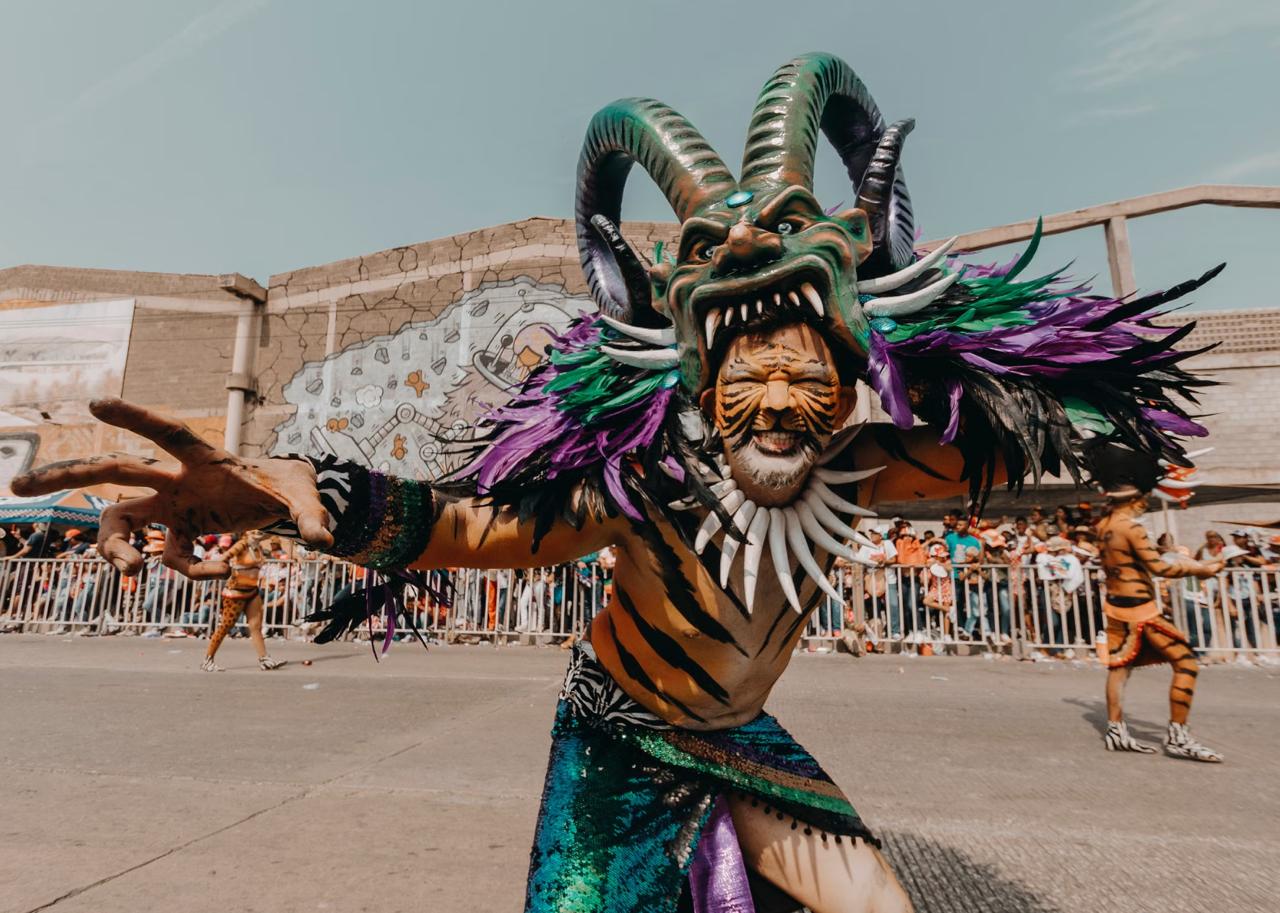
Dominican traditions are loudest at festivals, and those celebrations are the clearest window into the culture's African, Taíno and Catholic layers all at once.
Carnival is the biggest event of the year. It runs across the weekends of February and peaks around Independence Day on February 27, filling streets nationwide with parades, music and elaborately costumed characters. The most iconic is the Diablo Cojuelo, a grinning, horned "limping devil" whose mask is a recognised folk art form, hand-made and passed down through families and towns for generations. Each region has its own Carnival style, with Santiago and La Vega famous for theirs.
Semana Santa, or Holy Week, blends genuine religious observance with a very Dominican twist. Families go to church on Good Friday and Holy Saturday, then head to the coast, and nearly everyone eats habichuelas con dulce, a sweet cream-of-beans dessert made almost exclusively at this time of year. Altagracia Day on January 21 honours the Virgin of Altagracia, the country's spiritual patroness, and draws pilgrims to the basilica in Higüey.
Family customs run just as deep as the public festivals, and these are the traditions and customs of the Dominican Republic you are most likely to witness up close.
- Children and younger relatives ask elders for a blessing, saying "bendición," and receive "Dios te bendiga," God bless you, in return.
- Weddings include padrinos and madrinas, godparents who serve as formal witnesses and carry real social weight.
- Funerals carry an obligation called "cumplir," the duty to attend and pay respects whether or not it is convenient.
If you're timing your trip around Carnival, Día de Independencia, or any major celebration with real street parades and local traditions, our Dominican Republic holidays guide maps all 12 official holidays with dates and what each one actually feels like on the ground. It's the guide to read if you want your trip to sync with the country's rhythm, not fight against it.
What Religion Do Dominicans Follow?
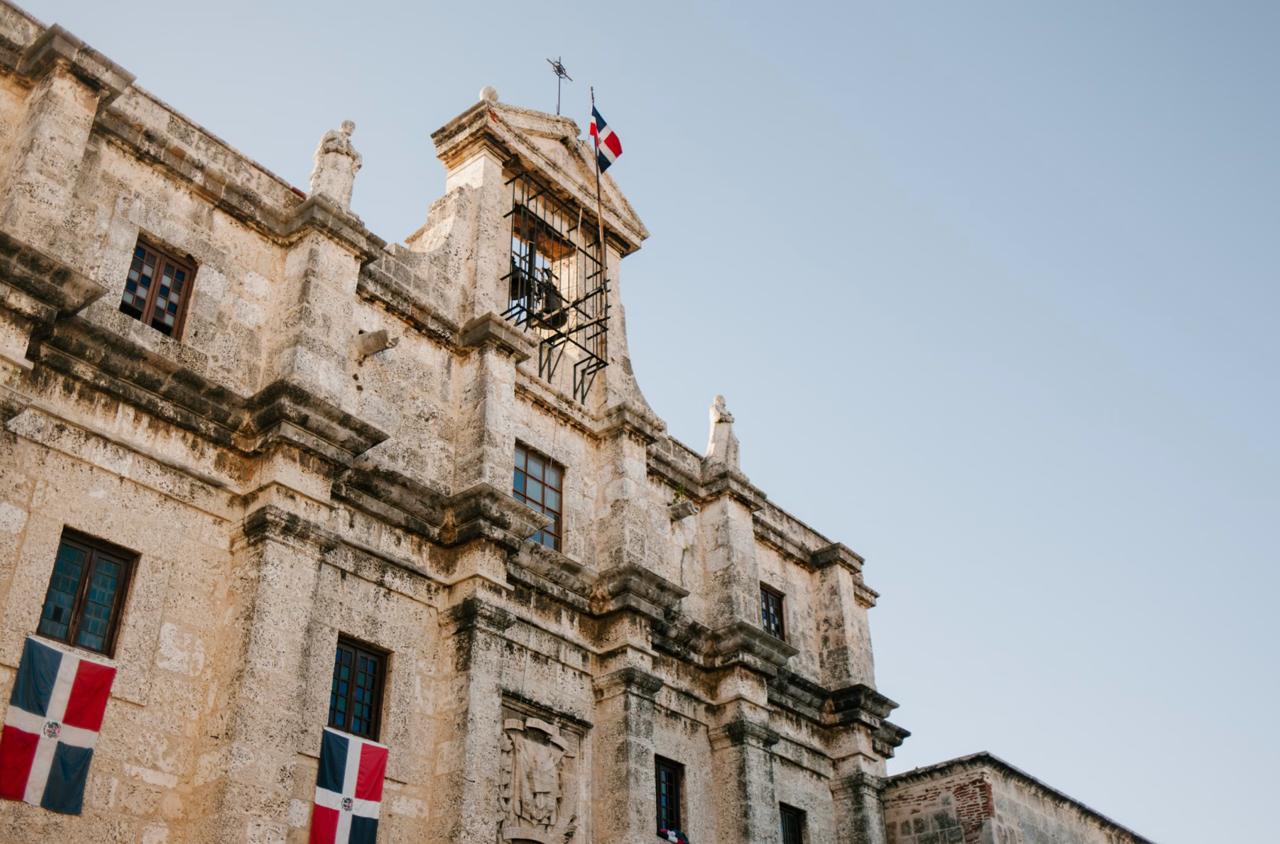
Roman Catholicism, introduced by Spain, remains the dominant faith and still shapes the national calendar, from saints' days to the rhythms of Holy Week. The picture is shifting, though, and it is worth getting the numbers right because many older articles do not.
Recent survey data puts the country at roughly 69% Roman Catholic and around 18% Evangelical or Protestant, with a growing share of the population reporting no religious affiliation. Sources still claiming a figure like "95% Catholic" are out of date and reflect a country that no longer exists demographically. The Catholic majority is real but shrinking, and evangelical churches are the fastest-growing religious segment.
Beneath the official religion runs a persistent layer of folk-Catholic and African-derived spiritual practice, particularly in rural areas, where Catholic saints blend with older traditions into something distinct. Whatever they formally practice, Dominicans are broadly a people of faith, and references to God saturate daily speech. You will hear "si Dios quiere," God willing, attached to almost any plan, and "gracias a Dios," thank God, as a reflex.
What Are the Cultural Norms and Etiquette for Visitors?
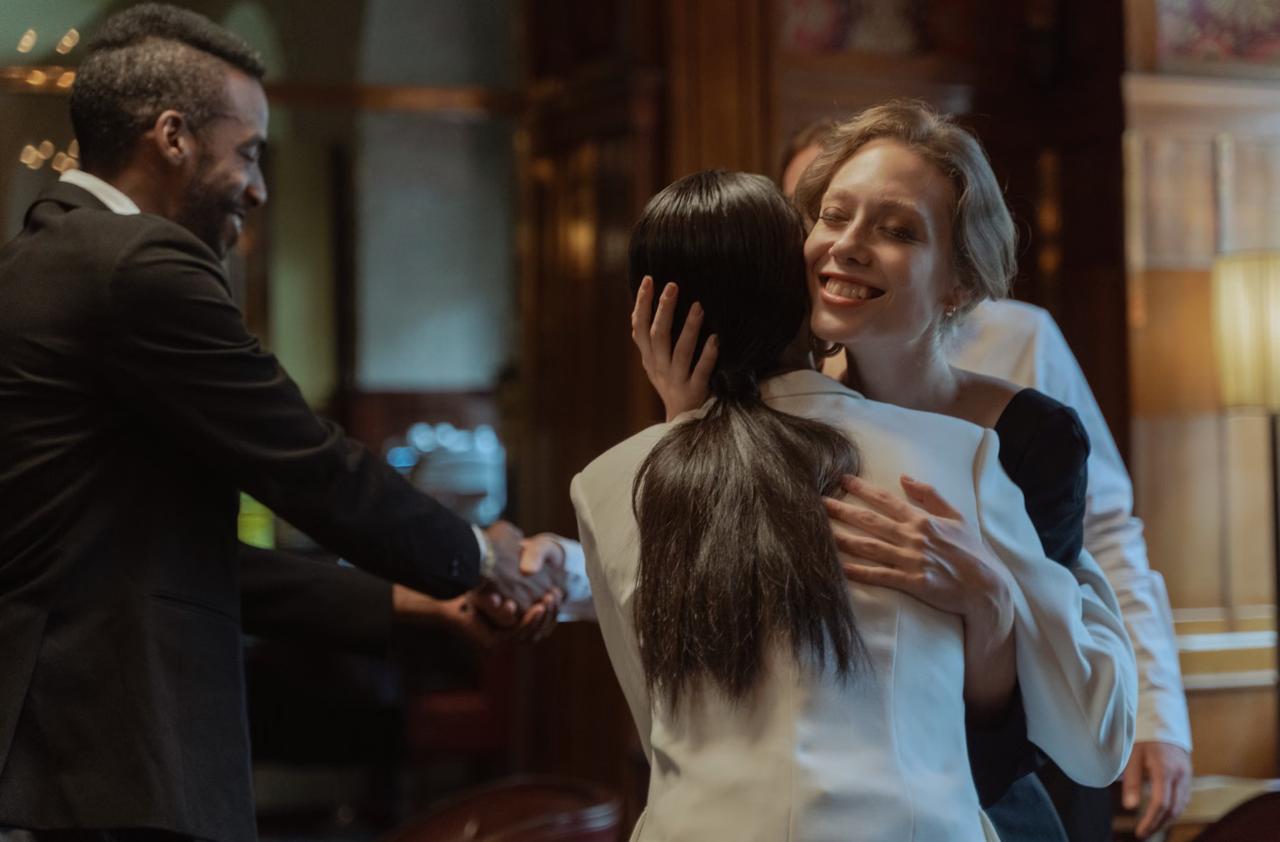
This is the section most travel guides skip, and it is the one that will make locals warm to you fastest. Getting the cultural norms in the Dominican Republic right is the difference between being a tourist who passes through and a visitor who is genuinely welcomed.
Book your next hotel for up to 30% less
- Greet people properly. A handshake or a kiss on the cheek, along with a "buenos días" or "buenas tardes," matters. Use Señor or Señora with people you have just met, and do not launch straight into a request without a greeting first.
- Dress with a little care away from the beach. Beachwear is fine at the resort and on the sand. In towns, churches and rural areas, cover up more; Dominicans value a neat, put-together appearance and dress well even for casual errands.
- Handle tipping correctly. Restaurants usually add a 10% service charge to the bill, and leaving an extra 5 to 10% for good service is appreciated. Keep small change on hand for the people who help with bags, parking or directions.
- Learn a little Spanish. It is the official language, and even a handful of basic phrases earns real goodwill. English is common in tourist zones but should not be assumed elsewhere.
- Respect the midday pause. Service slows or stops between roughly noon and two in the afternoon as people break for lunch. Slow down with the country rather than pushing against it.
A quick word on safety, since it is the question most visitors ask. The main tourist regions, Punta Cana, the Colonial Zone of Santo Domingo, Samaná and Puerto Plata, are well policed and see millions of visitors a year without incident. Use the same common sense you would in any unfamiliar country: keep valuables out of sight, use registered transport rather than unmarked cars, and stay aware in crowds and nightlife areas.
How Does Culture Differ Across the Regions?
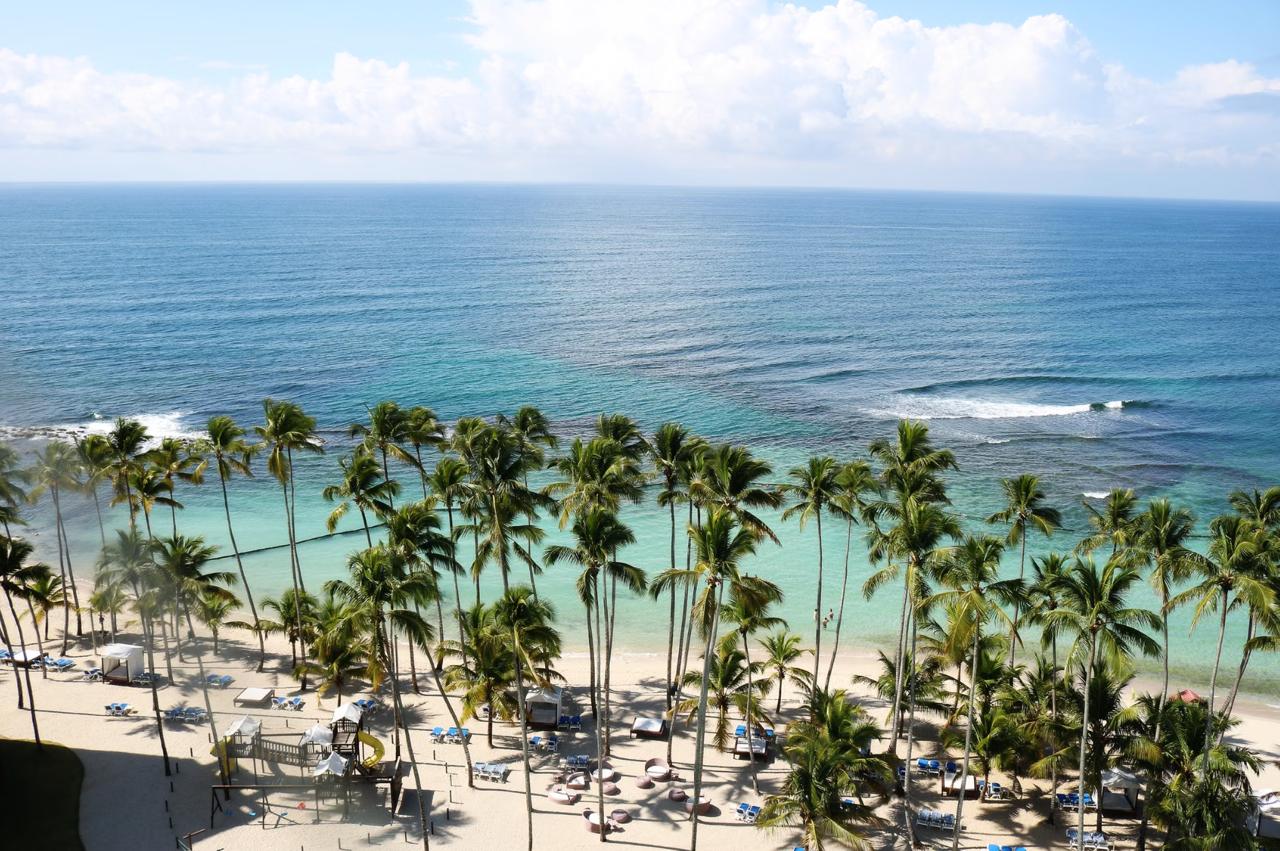
The Dominican Republic is not one uniform culture, and knowing how it changes from region to region helps you decide where to go and what you will actually experience once you are there.
The country also holds smaller communities that quietly enrich the mix. Sosúa is home to a Jewish community founded by roughly 600 refugees who arrived, escaping Nazi persecution during the Second World War, commemorated today in the town's Jewish Museum. Long-settled Lebanese, Syrian and Palestinian families have integrated over the past century, some rising to the top of national politics.
Punta Cana International Airport alone handled 51% of the country's arrivals in 2025, followed by Las Américas in Santo Domingo at 28%, which tells you where most first-time visitors land, and also where the resort bubble is thickest. To see how this regional variety translates into actual places to go, our 15 things to do in the Dominican Republic guide maps the highlights region by region with honest 2026 logistics.
How To Book Your Dominican Republic Trip
The fastest way to actually understand Dominican Republic culture is to stand inside it: order la bandera at a roadside comedor, spend an evening at a winter-league baseball game, let someone teach you two clumsy steps of merengue, and time a visit around Carnival if you can. Reading about the culture is the start; booking the trip is the point.
On Epic, you can access over 2 million properties across 190+ countries, including every major destination in the Dominican Republic, at rates up to 30% lower on average than Booking.com. You can pay by Visa, Mastercard, Apple Pay, Google Pay or 200+ cryptocurrencies. New to Epic? Sign up now and claim your $25 off your first booking.
Frequently Asked Questions
1. Is the Dominican Republic safe for tourists?
Yes, particularly in the main tourist areas such as Punta Cana, the Colonial Zone of Santo Domingo, Samaná and Puerto Plata, which are well policed and welcome millions of visitors a year. Use normal travel caution: keep an eye on your belongings, use registered transport, and avoid flashing valuables at night.
2. What is the Dominican Republic best known for?
Merengue and bachata music, its beaches, baseball, and a warm, expressive culture built from Taíno, African and Spanish roots. It is also the most visited country in the Caribbean, with 6,616,671 visitors during the first half of 2026.
3. What language do they speak in the Dominican Republic?
Spanish is the official language, spoken with a distinctive, musical Dominican accent and a lot of local slang. English is widely understood in resort and tourist areas, but far less so in rural towns, so a few Spanish phrases go a long way.
4. Is the Dominican Republic the same as Dominica?
No, they are two different countries. The Dominican Republic is a Spanish-speaking nation on the island of Hispaniola, which it shares with Haiti. Dominica is a much smaller, English-speaking island in the eastern Caribbean.
5. What should I not do in the Dominican Republic?
Do not wear beachwear into towns or churches, do not skip the greeting when you enter a shop or start a conversation, and do not expect fast service during the midday lunch break. Small courtesies carry real weight here.

Mithra Ghosh is a Dubai-based content writer and SEO copywriter with 2+ years of experience crafting search-optimised content across crypto, Web3, and digital finance. She combines strong editorial instincts with a deep understanding of blockchain ecosystems and on-chain trends.
At Epic, she writes about the growing world of crypto-native travel helping readers understand how holding and spending digital assets can unlock smarter, cheaper ways to see the world.
Found a destination you like? Book it for up to 30% less.

Found a destination you like? Book it for up to 30% less.