Content
Best Time to Visit the Dominican Republic
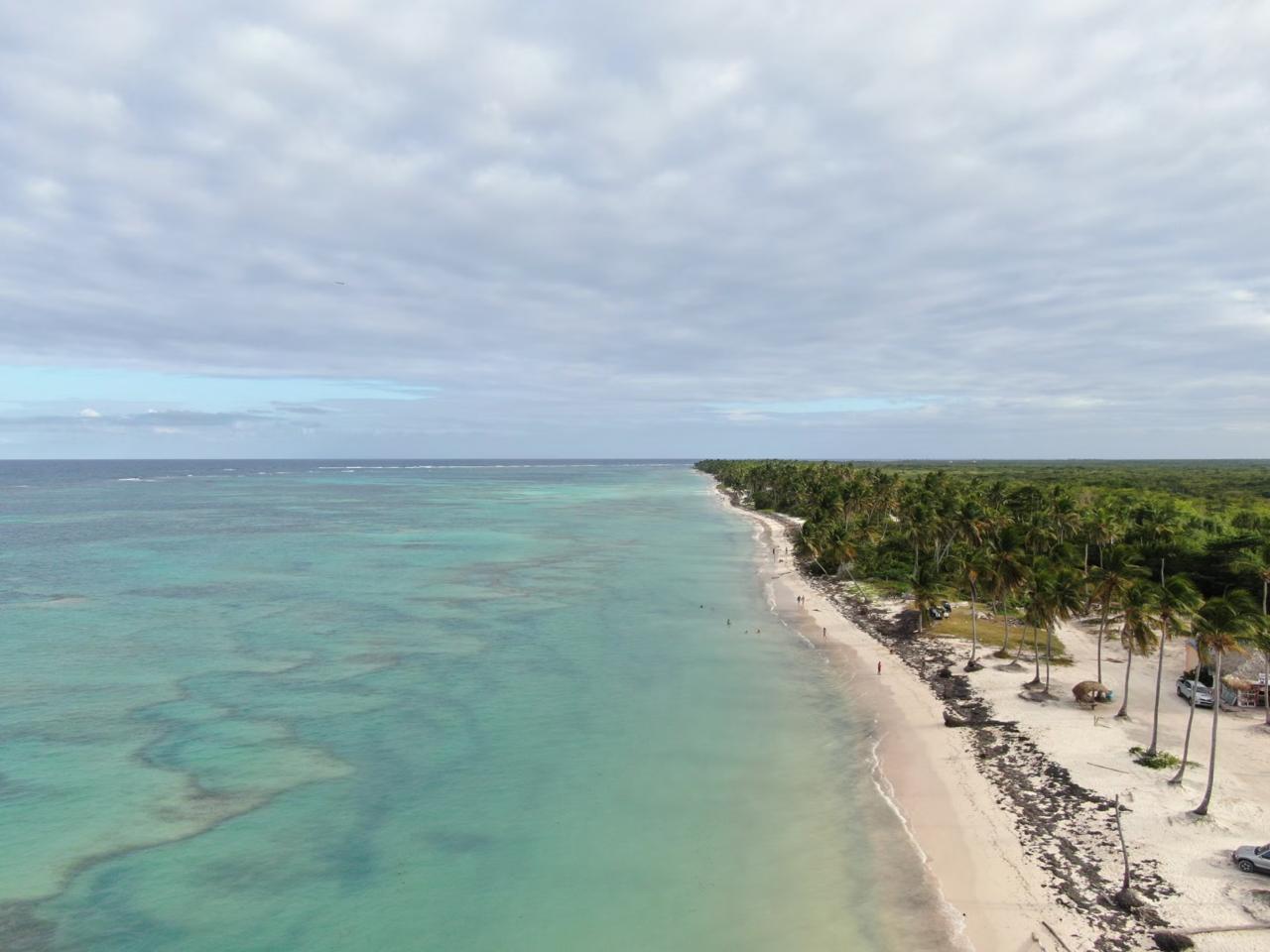

The Dominican Republic is the second-largest country in the Caribbean, and it fits a lot into one island. There are white-sand beaches and all-inclusive resorts on the east coast, 500-year-old colonial streets in Santo Domingo, whale-filled bays in the northeast, and cool mountain towns inland. The weather is warm all year, so the real question is not whether to go, but when.
The best time to visit the Dominican Republic is December to April, when the weather is dry, sunny, and comfortable, with low humidity and very little rain. That stretch is also peak season, so if price matters more to you than crowds, September and October bring the lowest rates of the year. Planning your trip around humpback whales in Samaná? Aim for mid-January to mid-March.
The honest answer is that there is no single best month. The right time depends on what you want most, whether that is perfect beach weather, the cheapest flights, thin crowds, or clear water with no seaweed. This guide breaks it down month by month and region by region, so you can match your dates to the trip you actually want.
Once this guide helps you settle on the right dates, the next step is booking. You can reserve flights and hotels through Epic for up to 30% less than Booking.com. Join the early access list to claim $25 off your first booking, and put the difference towards your next trip.
When to Visit the Dominican Republic: Quick Answer
The country stays warm all year, with temperatures that rarely drop below the high 70s Fahrenheit (around 25 Celsius). So "bad weather" here usually means rain and humidity, not cold. Even in the wet season, showers tend to blow through in an hour rather than settle in for the day.
Dominican Republic Weather Month by Month
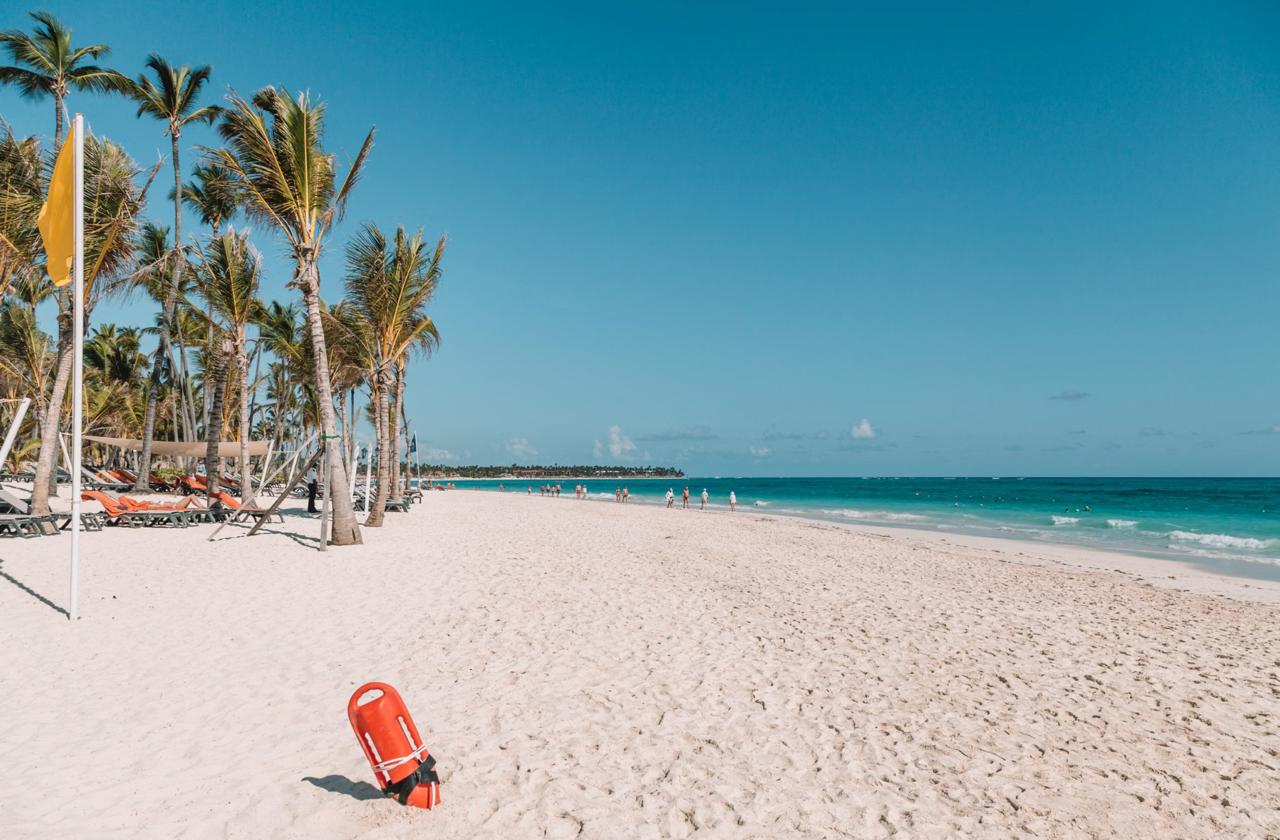
Here is what each month actually feels like on the ground, including crowds and price signals.
January
Peak season is in full swing. Days are warm and dry, nights are pleasantly cool, and whale watching in Samaná begins. Expect high prices and busy resorts, especially in the first week around New Year.
February
The driest, most popular month of the year. Whale watching peaks, and the Dominican Carnival fills the streets every Sunday. Crowds and prices are at their highest, particularly around Carnival weekends and Valentine's Day.
March
Excellent weather continues, which makes it a favourite for spring breakers. Whale watching runs through mid-March. Book well ahead if you want an oceanfront room.
April
The tail end of the dry season and, for many, the sweet spot. Weather is still reliable, and prices soften after Semana Santa passes. Rain starts to creep back in late in the month.
May
Warmer, with the occasional passing shower, but still plenty of sun. Crowds thin out and rates drop, which makes May one of the best value months of the year. Seaweed can start to appear on the East Coast.
June
Hurricane season officially opens on June 1, and the rains pick up. It is hot and humid, but downpours are usually short. Prices are low, and deals are easy to find.
July
Hot, humid, and firmly in the wet season, with more seaweed on Atlantic-facing beaches. The Merengue Festival brings music to the streets. Good for pool days and budget travel.
August
One of the hottest, stickiest months, and the start of the higher-risk hurricane window. Seaweed is often at its worst on the East Coast. Rates stay low.
September
The quietest and cheapest month, and the peak of hurricane season. Rain is frequent and the risk of storms is highest now. If you are flexible and price is your priority, this is where the deals live.
October
Still deep in hurricane season and very quiet, with rock-bottom prices. Late October starts the winter baseball season, a genuine local obsession. Seaweed begins to ease on many beaches.
November
A shoulder month and an underrated one. The rain usually clears, crowds are thin, and rates are low before the December rush. Thanksgiving week sees a small bump in visitors.
December
Early December is a quiet, well-priced window with good weather before the holidays. From about the third week, peak season and holiday prices kick in hard around Christmas and New Year.
Dry Season vs Rainy Season, and the Shoulder Sweet Spots
The country has two clear seasons. The dry season runs from December to April, with warm days, low humidity, and the smallest chance of rain. This is high season, so book early. The wet season runs from May to November, bringing more rain, more humidity, and lower prices.
Between them sit the shoulder weeks: late April into May, and late November into early December. These are the value windows, when you get decent weather, thinner crowds, and softer rates all at once. One local quirk works in your favour too. Trade winds keep humidity lower here than on many neighbouring Caribbean islands, and on the north coast, the rain often falls as a quick evening downpour, leaving the days clear.
Best Time to Visit the Dominican Republic by Region
The island is bigger and more varied than the resort brochures suggest, and the best time to go shifts depending on where you land.
Punta Cana and the East Coast
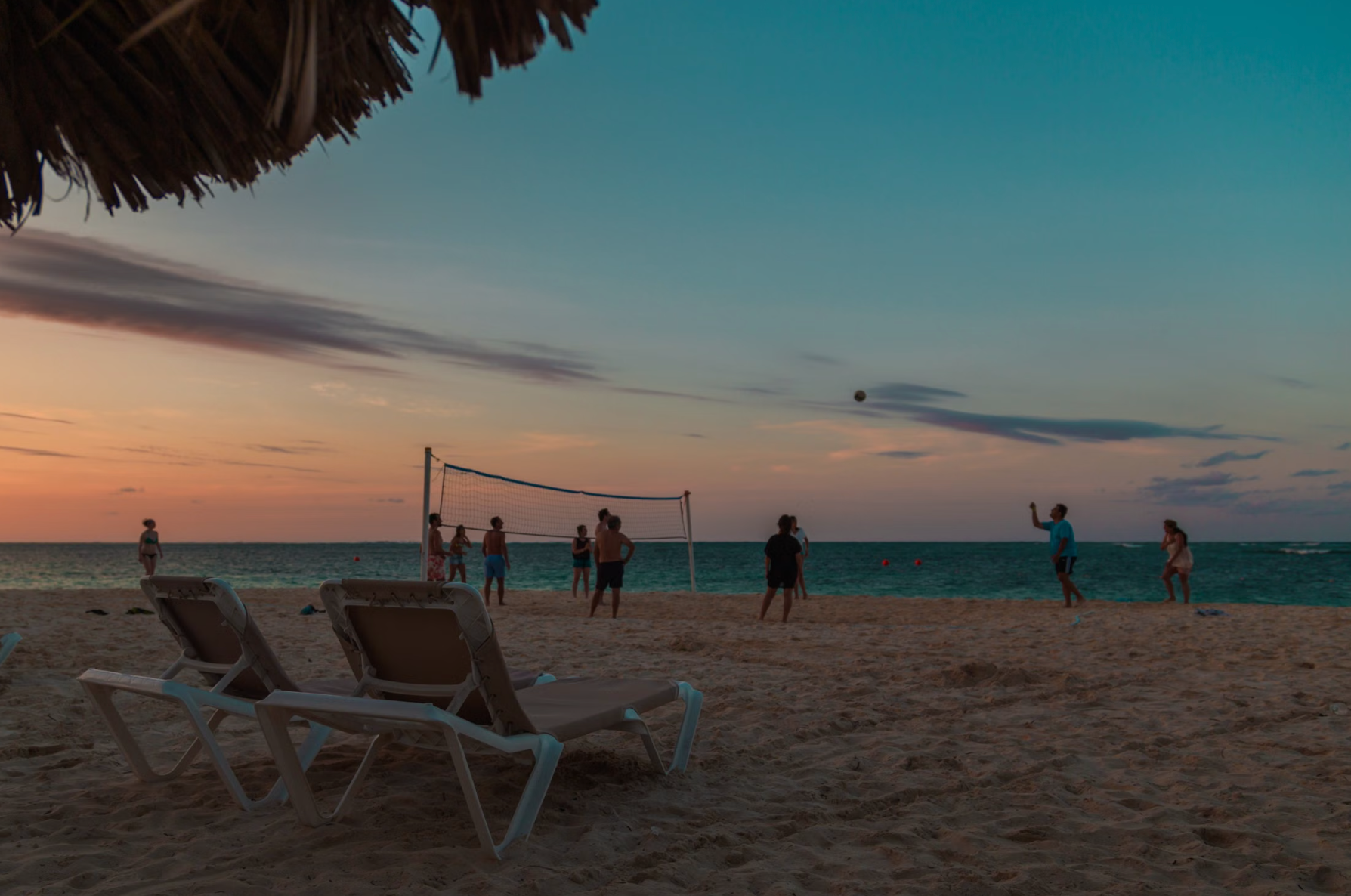
The resort capital. Weather is at its best from December to April, and this is the busiest region year-round, so it stays lively even in the low season. The trade-off is seaweed, which hits this Atlantic-facing coast hardest in summer.
Santo Domingo and the South
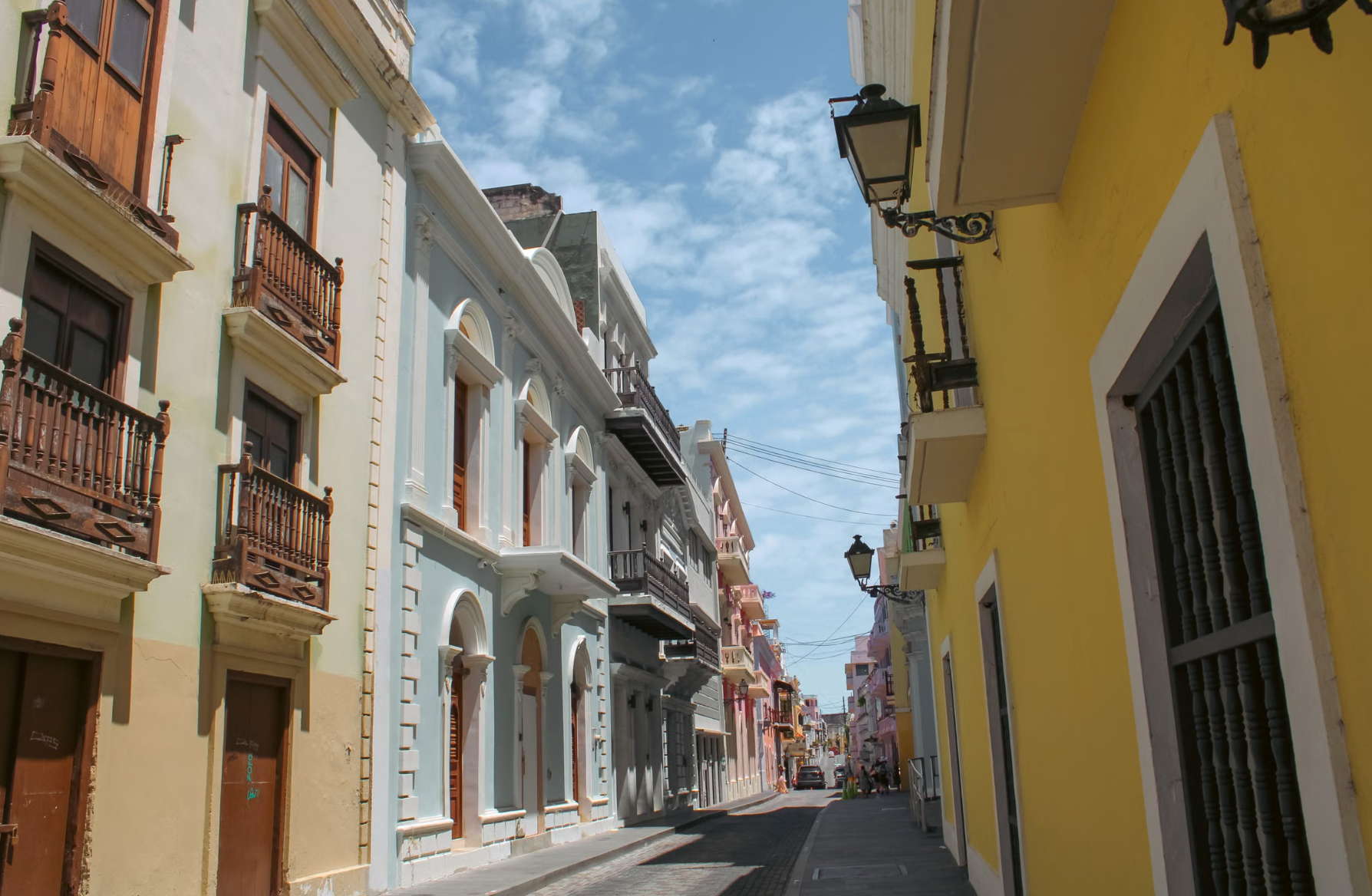
The historic South is drier and hotter than the North. December and January are ideal for walking the Zona Colonial without wilting in the humidity. Summer in the capital can feel heavy and sticky.
Puerto Plata and the North Coast

The north coast is greener than the south, and its rain often falls as a short shower after sunset, so the days usually stay sunny. December to April is still the driest and most reliable time to visit, in line with the rest of the country.
For a closer look at what to do here across the year, our 12 Things to Do in Puerto Plata guide walks through the waterfalls, the cable car, the beaches, and the best local food. It is the natural next read once you have picked your dates for the north coast.
Samaná
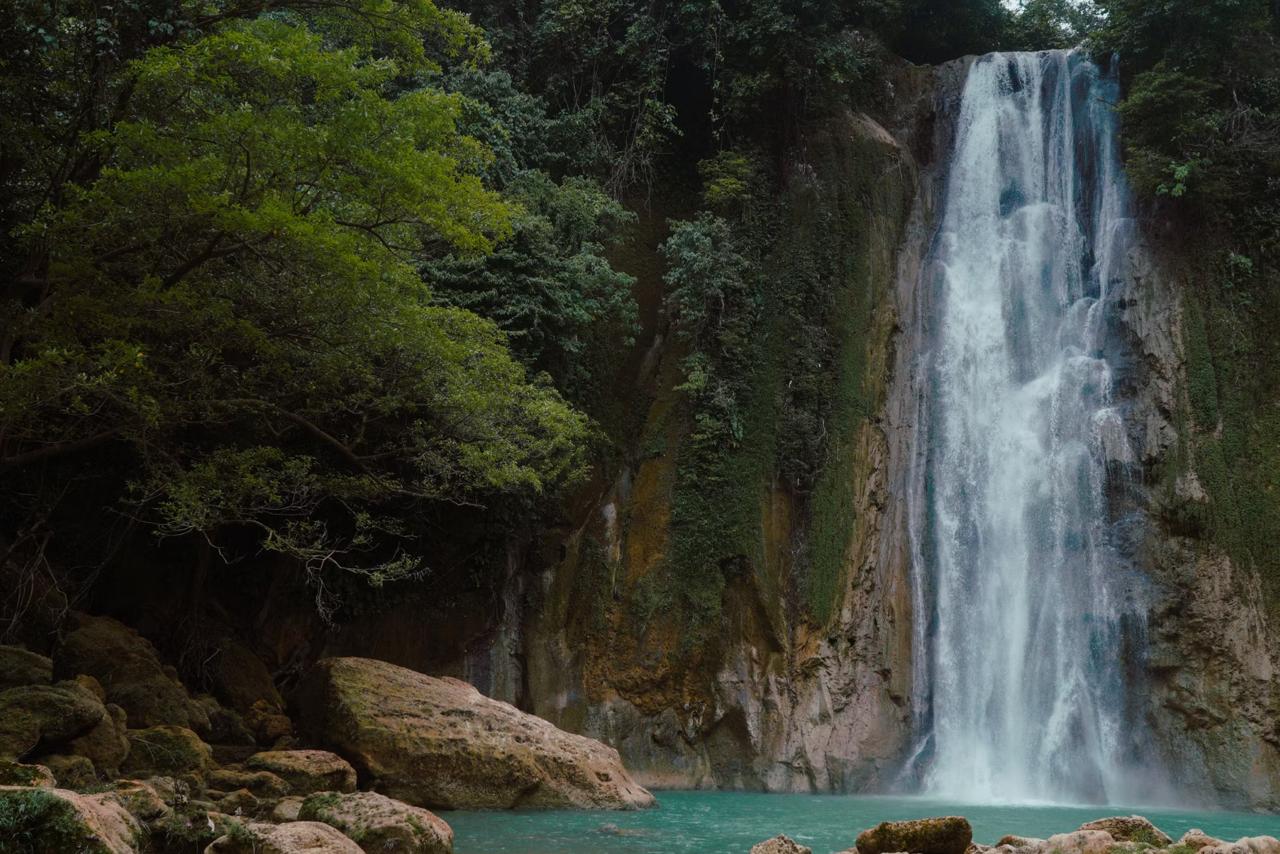
The natural headquarters of the country. Mid-January to mid-March for whales, but the peninsula rewards a visit any time with waterfalls, mangroves, and some of the best beaches in the Caribbean.
Jarabacoa and the Mountains
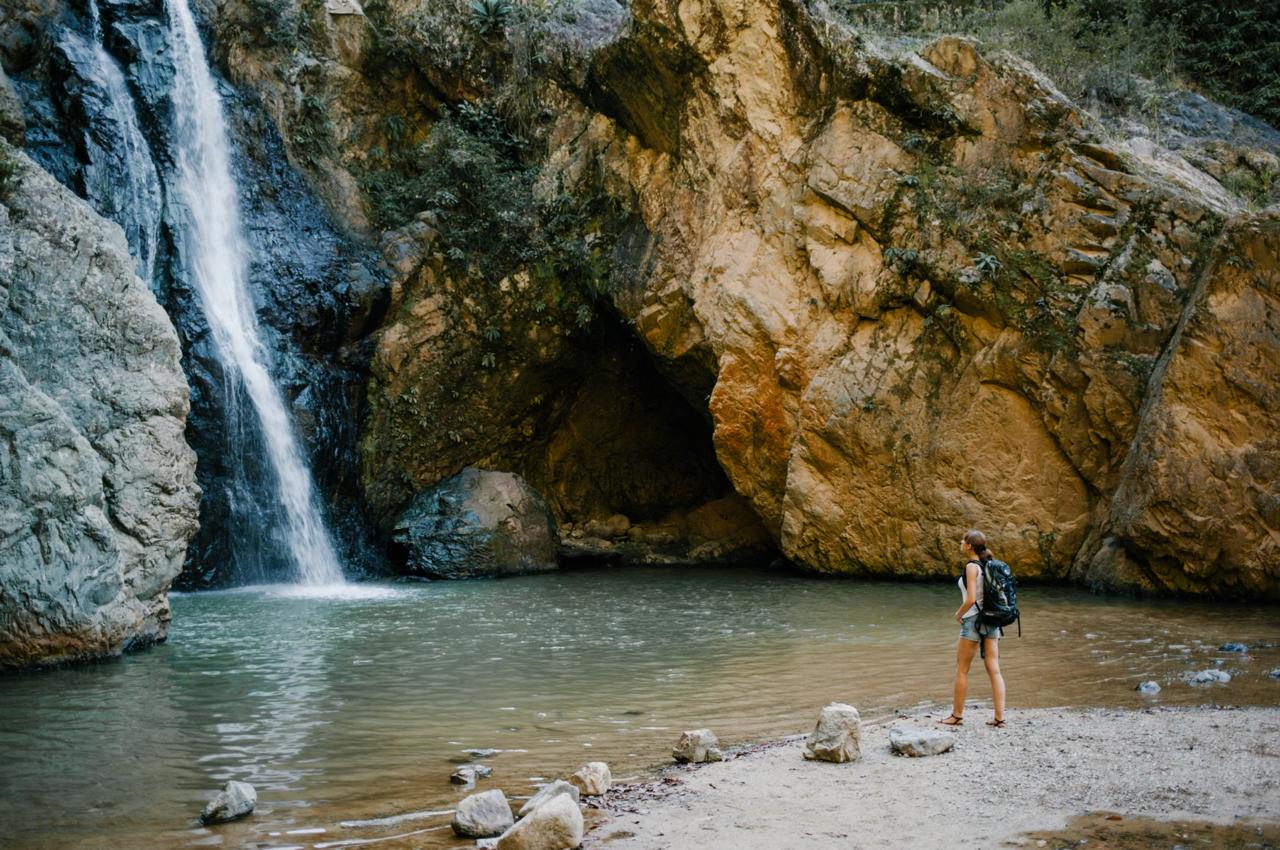
The Cordillera Central runs cool all year and is nicknamed the City of Eternal Spring. It is the perfect escape when the coast turns hot and humid in summer.
If you want help deciding which of these to build a trip around, our guide to the 8 best places to visit in the Dominican Republic maps out the whole country by zone. It covers when to go, what each area costs, and how to combine two regions into one trip.
Hurricane Season in the Dominican Republic
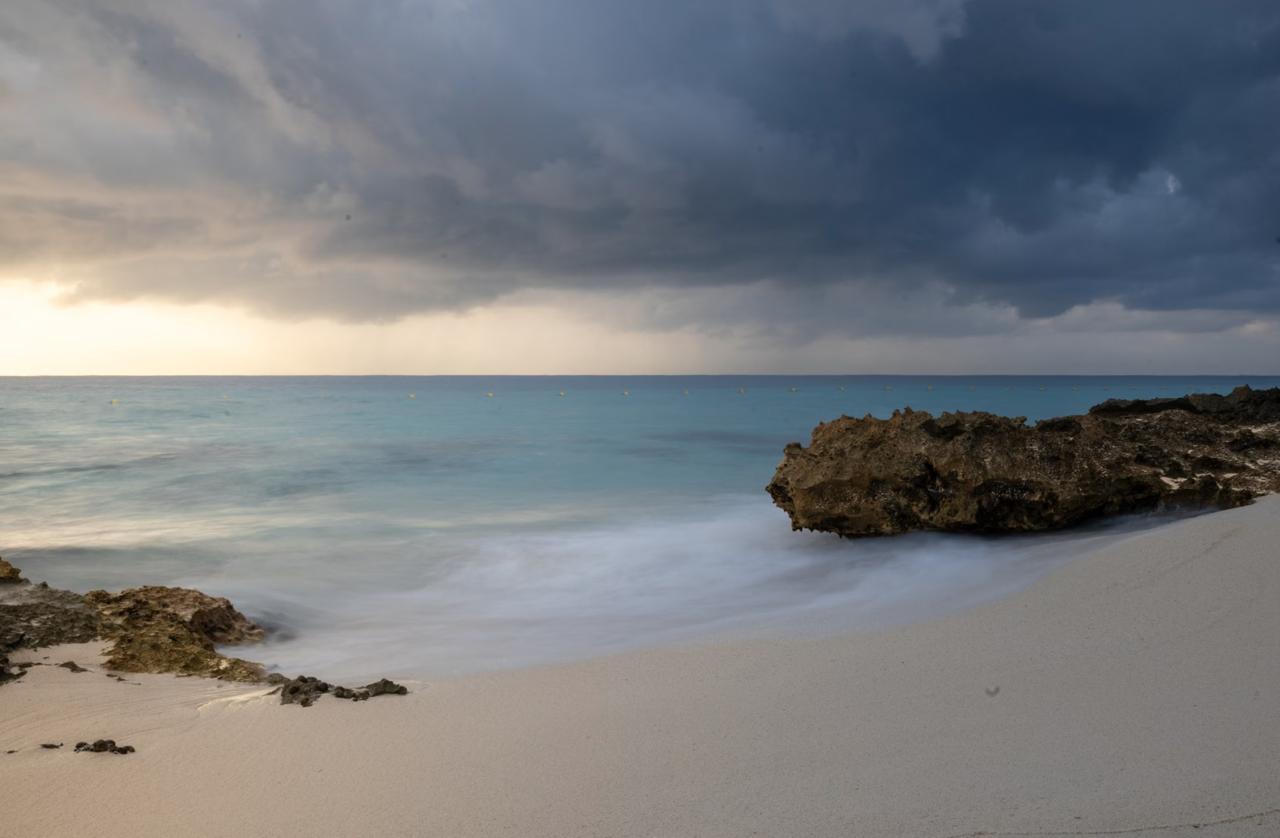
The Atlantic hurricane season officially runs from June 1 to November 30, and the highest-risk stretch is August to October, peaking in September, according to the U.S. National Hurricane Centre. The Dominican Republic sits inside the storm belt, but direct hits are rare. Over the last century, only a handful of major hurricanes have made landfall, and hotels and airlines track incoming weather closely, so you usually get plenty of notice.
Recent years are a reminder to stay flexible. Hurricane Beryl brushed the island and caused some damage in July 2024, and forecasters note that Caribbean weather has grown a little less predictable. None of this should scare you off a summer trip. It simply means that if you travel between June and November, refundable bookings and travel insurance are worth the small extra cost.
Risk by month, in plain terms: June and July are hot and wet but usually calm, August to October carry the real storm risk with September the peak, and by late November the season is effectively over.
Seaweed (Sargassum) Season in the Dominican Republic
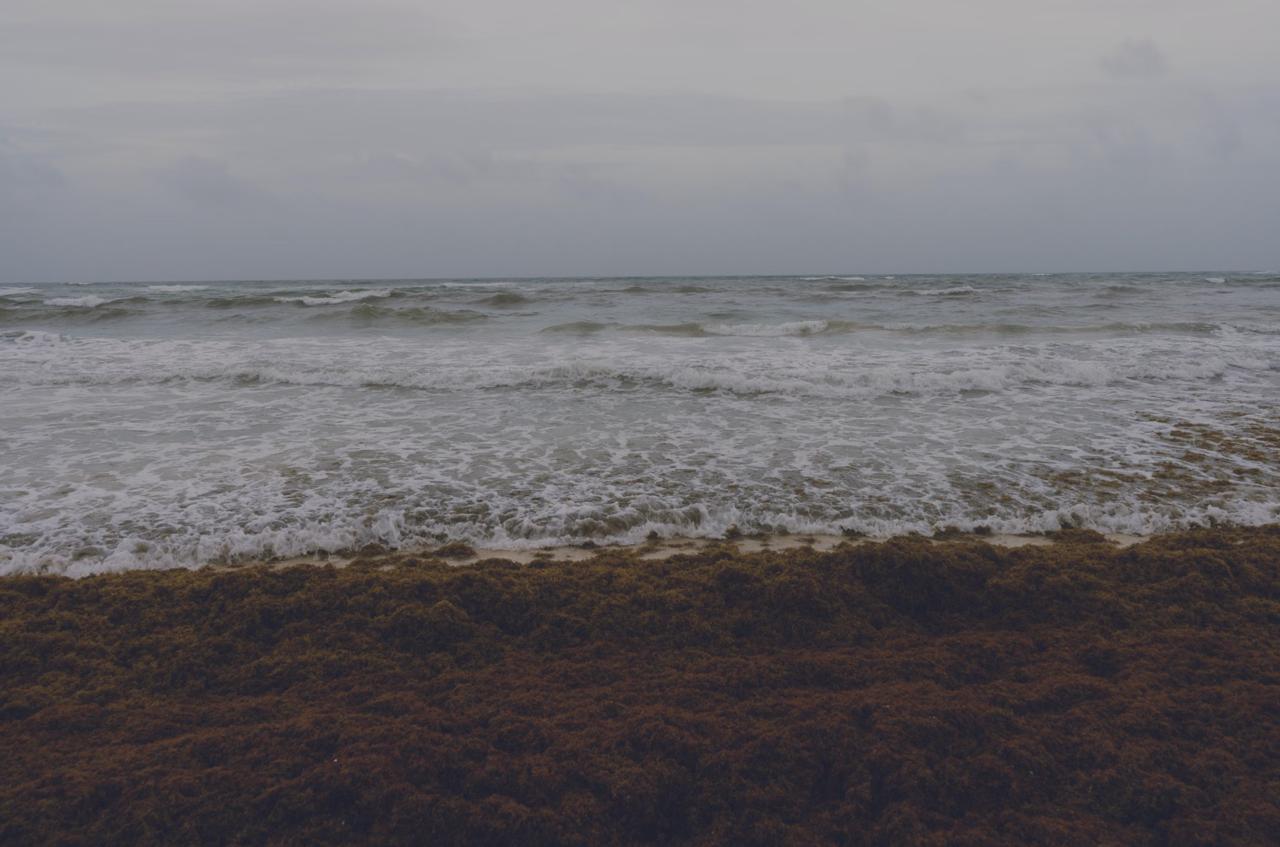
Seaweed is the detail that catches many first-time visitors by surprise, and it often decides whether a beach day matches the photos. Sargassum is a brown seaweed that drifts in on Atlantic currents, and in recent years it has become a regular summer visitor to Caribbean shores.
The single biggest lever is location, not just timing. The east coast around Punta Cana takes the brunt of it. The north coast (Puerto Plata and Samaná), the west-facing beaches around Bayahíbe on the south coast, and day trips to Isla Saona tend to stay clean even in peak seaweed months, because they are sheltered from the currents that carry it ashore. Larger resorts also rake and manage their beaches daily.
Book your next hotel for up to 30% less
One caveat worth stating: seaweed levels swing from year to year with Atlantic Ocean temperatures, so no month is ever fully guaranteed. If clear water matters most to you, travel in the dry season and lean towards the sheltered coasts.
For a full breakdown of which specific beaches stay cleanest and when, our 17 Best beaches in the Dominican Republic guide covers seaweed conditions coast by coast, from Punta Cana to Samaná.
Cheapest Time to Visit the Dominican Republic
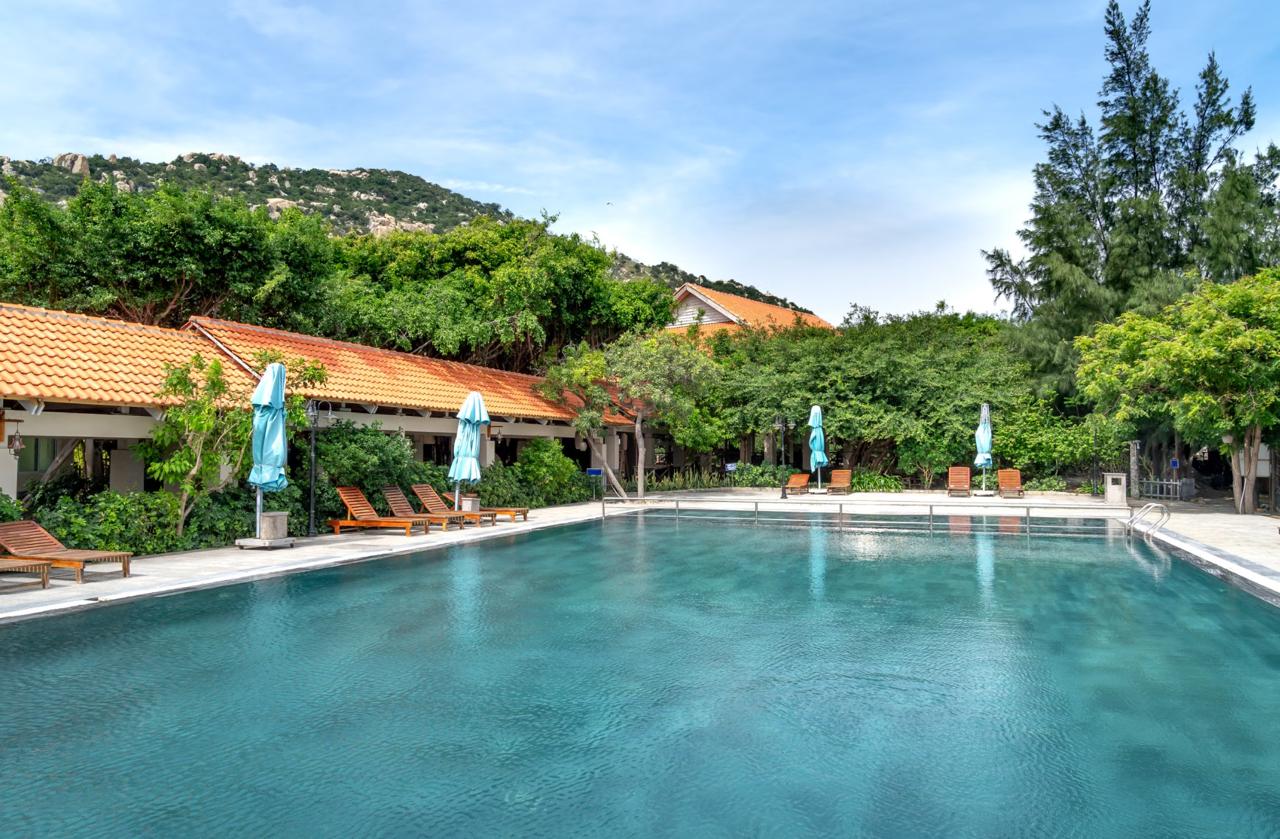
The cheapest time to visit the Dominican Republic is September and October, at the peak of hurricane season. Hotel and resort rates fall sharply, with some all-inclusive properties dropping 40 to 50% compared to winter, and five-night packages starting under 600 US dollars per person. The trade-off is a real chance of rain, so it suits flexible travellers more than once-in-a-lifetime trips.
If you want a better balance of price and weather, the shoulder weeks in May and late November give you softer rates without the storm risk. Prices climb hard around three periods: Christmas, New Year, and Easter week.
Here is a rough guide to how price tracks the calendar.
When you are ready to turn dates into a booking, you can reserve flights and hotels through Epic for up to 30% less than Booking.com. Sign up with your email and claim $25 off your first booking.
Best Time to Find Cheap Flights to the Dominican Republic
Flight prices follow their own rhythm, separate from hotel rates. Mid-week departures, especially Tuesday and Wednesday, are usually cheaper than weekend flights. May and October tend to see the lowest fares of the year, lining up with the low season.
If you are travelling in high season, book roughly three to six months ahead, because seats and good fares to popular resorts go early. In the low season, you have more room to wait for a deal, and price-alert tools can help you catch a drop.
Best Time for Whale Watching in Samaná

Every year, thousands of North Atlantic humpback whales migrate to the warm waters of Samaná Bay to mate and give birth. The season runs from mid-January to mid-March, and January is often the peak. Boats leave from Samaná town, and in season, the sightings are close to guaranteed.
This is one of the few places in the world where you can reliably watch humpbacks this close, and it is a strong reason to time a winter trip around the northeast coast rather than the resort-heavy east.
Festivals and Events Worth Timing Your Trip Around
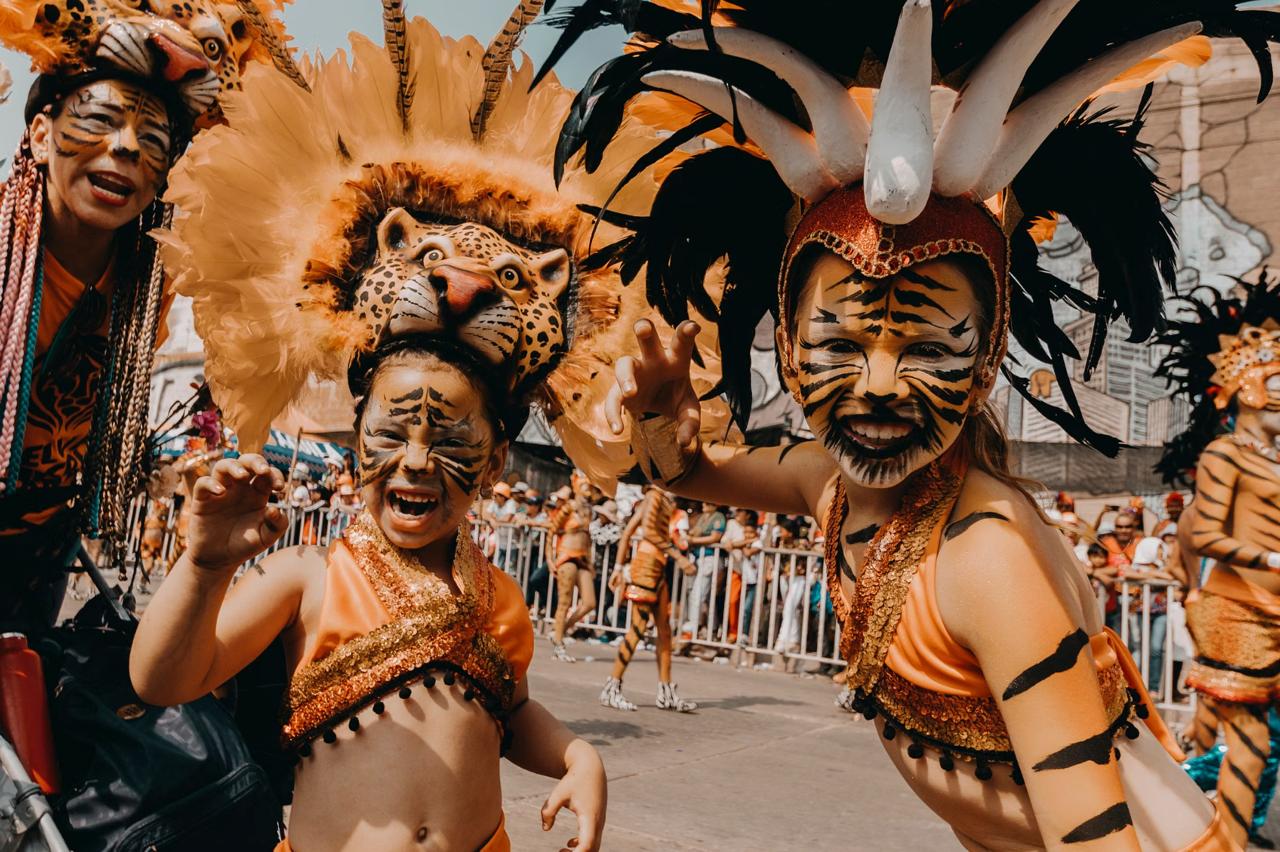
Timing your visit to a festival can turn a good trip into a memorable one.
- Dominican Carnival runs every Sunday through February, with the biggest celebrations in La Vega and Santo Domingo, full of elaborate masks and street parades.
- Independence Day on February 27 caps off the Carnival season with national celebrations.
- Semana Santa (Holy Week), usually late March, is a major holiday when the whole country travels, so beaches and resorts get busy.
- The Merengue Festival celebrates the national music and dance, typically in mid-summer in Santo Domingo or Puerto Plata.
- The Dominican Republic Jazz Festival brings a week of music to the north coast in November.
Food is a big part of every one of these. If you want to eat your way through the country, from Carnival street stalls to a proper Dominican breakfast, our Dominican Republic Food Guide covers the dishes worth seeking out and where to find them.
The Worst Time to Visit the Dominican Republic
If you want the blunt version: the toughest window is September and October. These are the wettest months and the peak of hurricane season, so they carry the highest chance of your plans being affected by weather. The wider summer, June to August, is hot and humid with the most seaweed on the east coast, though it is drier than early autumn. September and October are also, not coincidentally, the cheapest months of the year.
That does not make it a write-off. Storms rarely make direct landfall, downpours are usually brief, and resorts manage seaweed daily. Plenty of travellers happily take the low prices and the quiet beaches and simply keep their plans flexible. But if you are booking a honeymoon, a wedding, or a trip where the weather has to cooperate, these are the months to avoid.
Best Time for Beaches, Diving, Surfing, and Golf

Different activities have different sweet spots.
Beaches and swimming are best from December to April, when the water is calm and clear, and the sand is seaweed-free, though the sea stays warm all year. Diving is good year-round, with the best visibility often in the calmer summer months. Surfing and kitesurfing in Cabarete peak from October to March, when the trade winds are strongest. Golf plays best in the dry season, when the fairways are firm and the afternoons are rain-free.
For a fuller list of what to actually do once you have picked your dates, our 15 Best Things to Do in the Dominican Republic walks through the top experiences across the country. It pairs neatly with this timing guide when you start building an itinerary.
What to Pack, by Season
In the dry season, pack light, breathable clothes, strong sun protection, and a layer for cool evenings, plus something warmer if you are heading into the mountains around Jarabacoa. In the wet season, add a light rain jacket and quick-dry clothing, and pack insect repellent, since mosquitoes are more active. Whenever you go, bring reef-safe sunscreen and a refillable water bottle.
See more of the world for up to 30% less.
Before You Go: Practical Notes for 2026
A few things worth sorting before you travel. The Dominican Republic requires an electronic entry and exit form, the E-Ticket, which you fill in online before you fly. The local currency is the Dominican peso, and as of early 2026, one US dollar was worth about 62 to 63 pesos, so carry some pesos for small purchases even though cards work at hotels and larger restaurants.
On safety, the U.S. State Department places the country at a Level 2 advisory, meaning exercise increased caution. Millions of people visit without incident every year. Stick to well-populated tourist areas, use registered rides at night, and keep valuables out of sight. It is also fair to note that the region's weather has grown a little more variable in recent years, so checking a forecast close to your dates is always smart.
When Should You Go? A Quick Verdict
To pull it all together, here is the shortest possible answer for each kind of traveller.
Beach purists should go from December to April for guaranteed sun and clear water. Budget travellers should target September, October, or the May shoulder for the lowest prices. Couples and honeymooners do well in November or early December, quiet and well-priced with low storm risk. Families tied to summer holidays can still have a great trip in June or July, just plan around the heat and pick a sheltered coast. Adventure and nature travellers should come mid-January to mid-March for whales, or head to the cool mountains in summer.
Whichever window you choose, the country delivers something worth the trip. When your dates are set, you can book flights and hotels through Epic for up to 30% less than Booking.com and claim $25 off your first booking. Join the early-access list.
Frequently Asked Questions
1. What is the best month to visit the Dominican Republic?
December to April offers the driest, most comfortable weather, which is why it is peak season. February is the driest and most popular month. For the best balance of good weather and lower prices, aim for the shoulder weeks in May, late November, or early December.
2. What is the cheapest month to visit the Dominican Republic?
September and October are the cheapest, at the peak of hurricane season. Some all-inclusive resorts drop 40 to 50 % compared to winter rates. The trade-off is a higher chance of rain and storms.
3. What is the worst time to visit the Dominican Republic?
September and October are the toughest months, with the heaviest rain and the highest storm risk. Summer, June to August, is hot and humid with the most seaweed. Direct hurricane hits are still rare, and prices are at their lowest, so many flexible travellers visit anyway.
4. When is hurricane season in the Dominican Republic?
Hurricane season officially runs from June 1 to November 30, with the highest risk from August to October, peaking in September. Direct hits are uncommon, but travel insurance and refundable bookings are recommended for trips in these months.
5. When is seaweed season in the Dominican Republic?
Sargassum seaweed is heaviest from roughly May to August, mainly on the east coast around Punta Cana. The water is clearest from December to April. The north coast, Bayahíbe, and Isla Saona tend to stay clean even in summer.
6. When is the best time for whale watching in the Dominican Republic?
Mid-January to mid-March, when thousands of humpback whales gather in Samaná Bay. January is often the peak, and boats depart from Samaná town.
7. What is the rainy season in the Dominican Republic?
The wet season runs from May to November, overlapping with hurricane season. Rain usually comes in short, heavy bursts rather than all-day downpours, and the north coast often sees its rain after sunset.
8. How many days do you need in the Dominican Republic?
Plan on at least five to seven days. Three days cover one region well, while a week lets you combine a beach base with a second destination like Samaná or Puerto Plata, plus a day trip.

Mithra Ghosh is a Dubai-based content writer and SEO copywriter with 2+ years of experience crafting search-optimised content across crypto, Web3, and digital finance. She combines strong editorial instincts with a deep understanding of blockchain ecosystems and on-chain trends.
At Epic, she writes about the growing world of crypto-native travel helping readers understand how holding and spending digital assets can unlock smarter, cheaper ways to see the world.


Found a destination you like? Book it for up to 30% less.

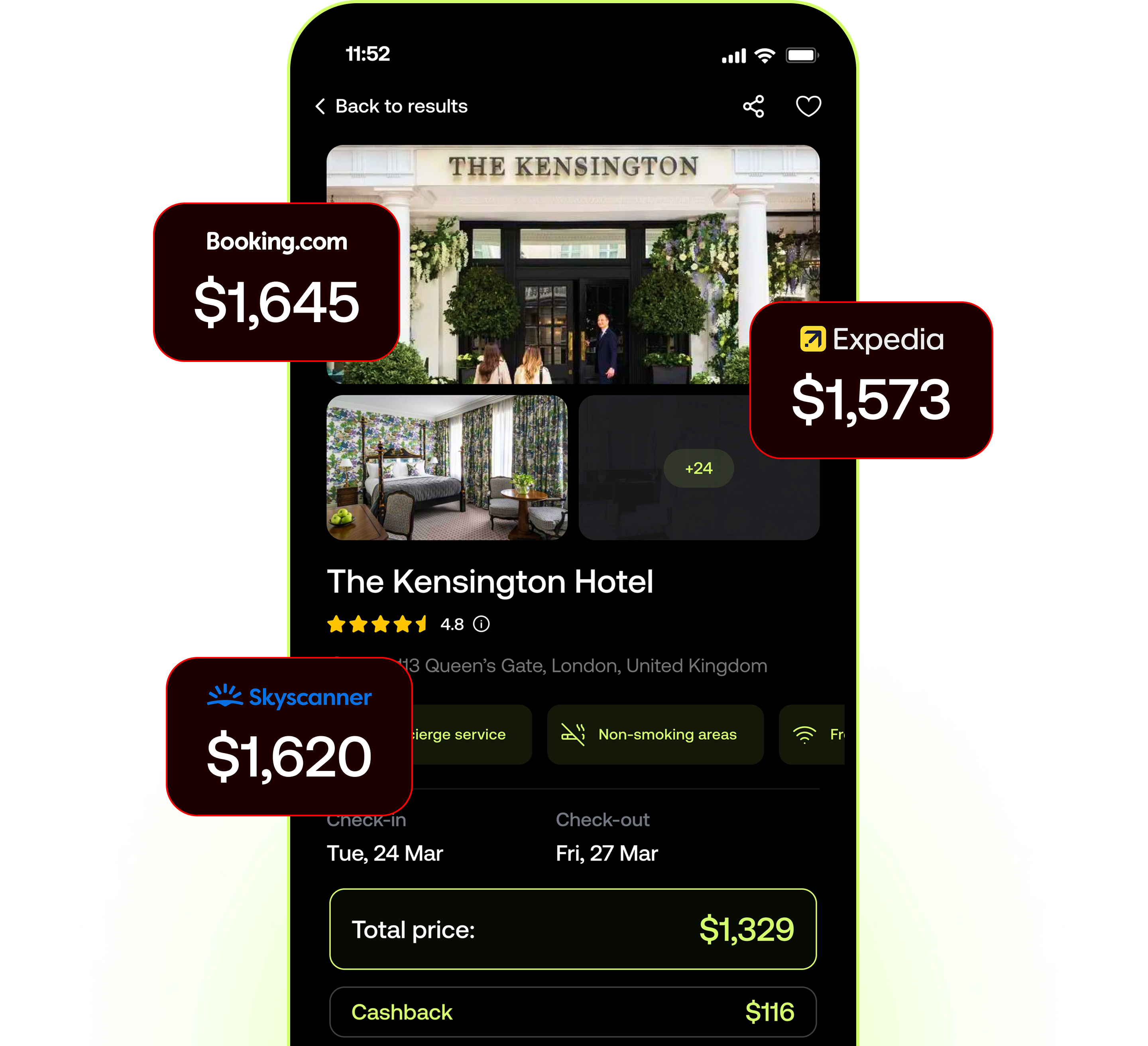
Found a destination you like? Book it for up to 30% less.