Content
Beaches in Mexico: 15 Best Picks for 2026
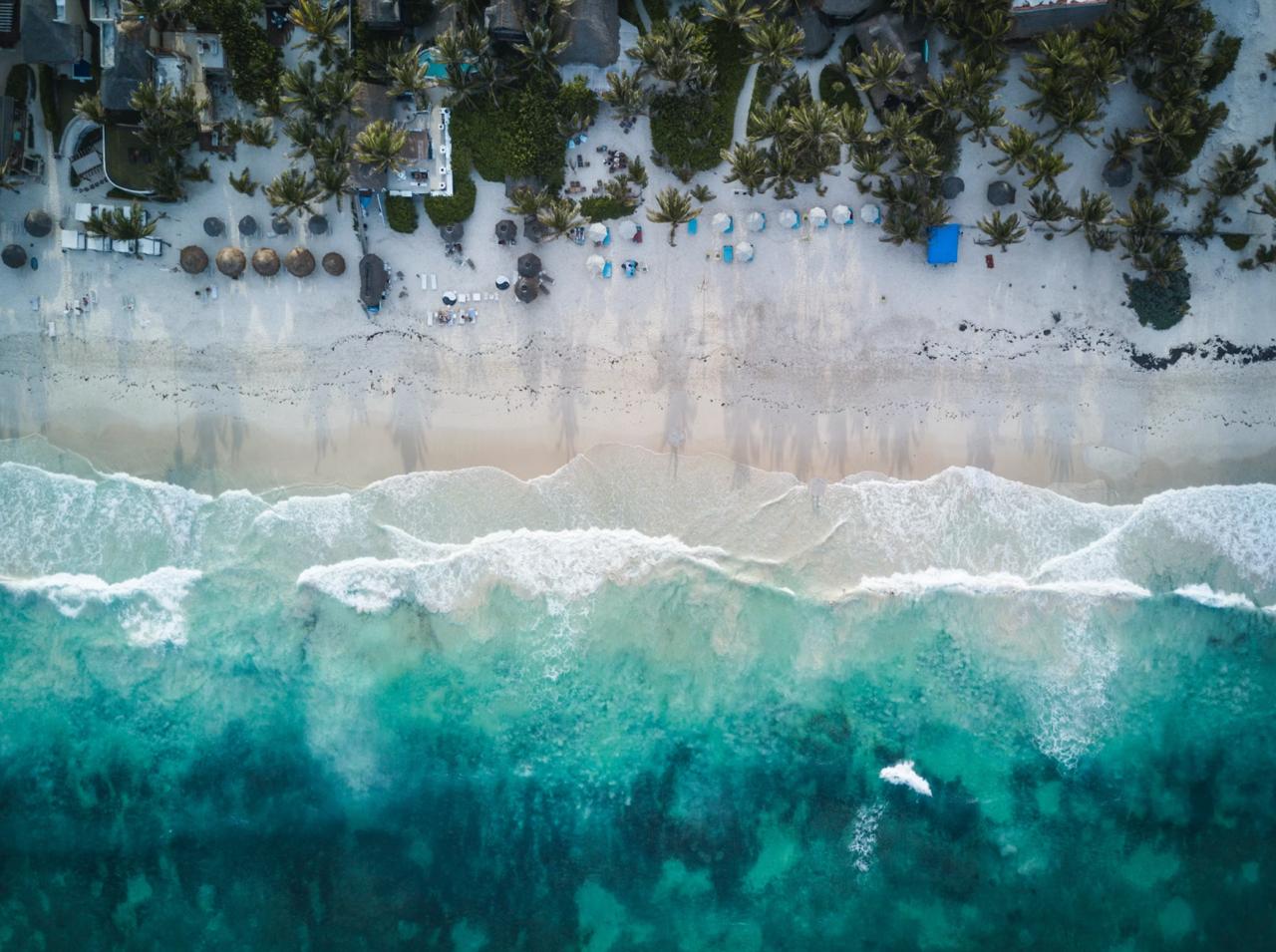

The best beaches in Mexico span 5,800 miles of coastline across three separate seas: the Caribbean, the Pacific, and the Sea of Cortez. Coral reefs, whale shark corridors, volcanic surf breaks, cenote-fed lagoons, and Mayan ruins perched on cliffs above the water. Mexico is the second-most visited destination in the Americas, and in 2025 it set a national record with 98.2 million international visitors (of which roughly 47.8 million were overnight international tourists).
You already know Mexico has good beaches. The catch is timing. Book a Caribbean-facing beach in Tulum in July, and you may spend your first morning looking at a wall of brown seaweed rather than turquoise water. Show up in Cabo expecting calm swimming and discover the Pacific undertow makes most beaches unsafe to enter.
Pick a resort in the Riviera Maya and pay three times the rate you would have paid for the same water quality in Huatulco, two hours down the Oaxacan coast. The gap between what Mexico's beaches can deliver and what travellers actually experience comes down almost entirely to information. Which coast? Which month? Which beach, specifically, not just which town?
In 2026, that decision matters more than it used to. The Maya Train now connects the Yucatán Peninsula in ways that change how you move between resorts. A new airport has opened in Tulum. Cancún's new Nichupté Lagoon Bridge has fixed years of hotel-zone traffic gridlock.
And sargassum, the brown seaweed that washes onto Caribbean beaches from roughly April through October (with the heaviest influxes between May and August), is forecast to arrive earlier and heavier than last year, according to University of South Florida satellite data.
Prefer to watch instead? Check out our 2-minute visual guide below. Looking for the details on Sargassum issues and how to book without overpaying? Keep reading.
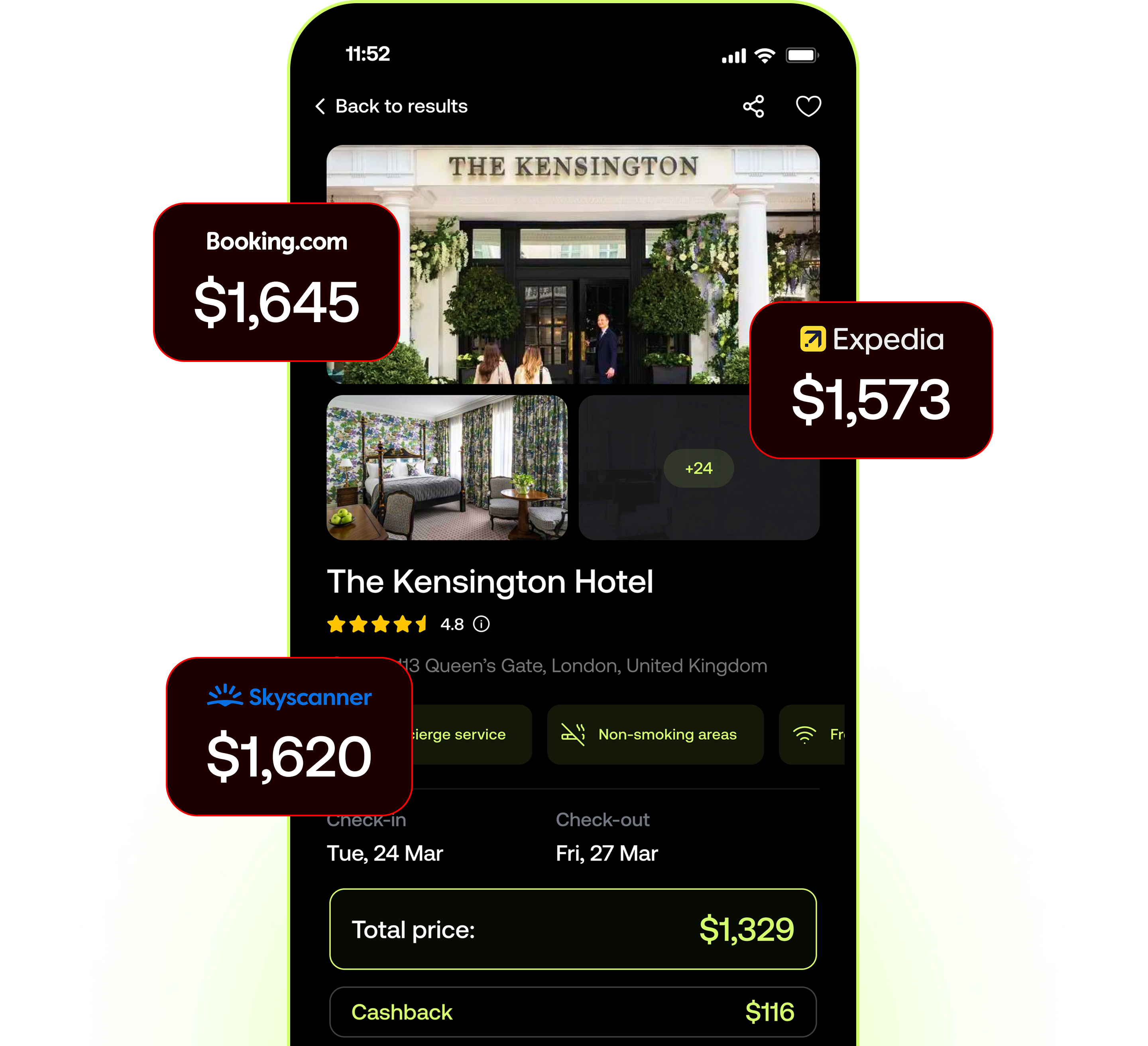
This guide covers the 15 best beaches in Mexico for 2026, organised by coast, with honest sargassum risk ratings, the right traveller type for each beach, and the practical details that actually affect your trip. You can book hotels and flights across every destination in this guide (Cancún, Tulum, Puerto Escondido, Cabo, and beyond). At Epic, you can book hotels and flights across Mexico for up to 30% less than booking.com. Join the early access list and claim $25 off your first booking.
The 15 Best Beaches in Mexico: Quick-Pick List
Sargassum affects only the Caribbean/Riviera Maya coast. The season runs roughly April–October, peaking May–August, and exact timing varies year to year. The Pacific and Baja beaches are unaffected.
Caribbean Coast Beaches: Calm Water, High Crowds, Sargassum Awareness Required
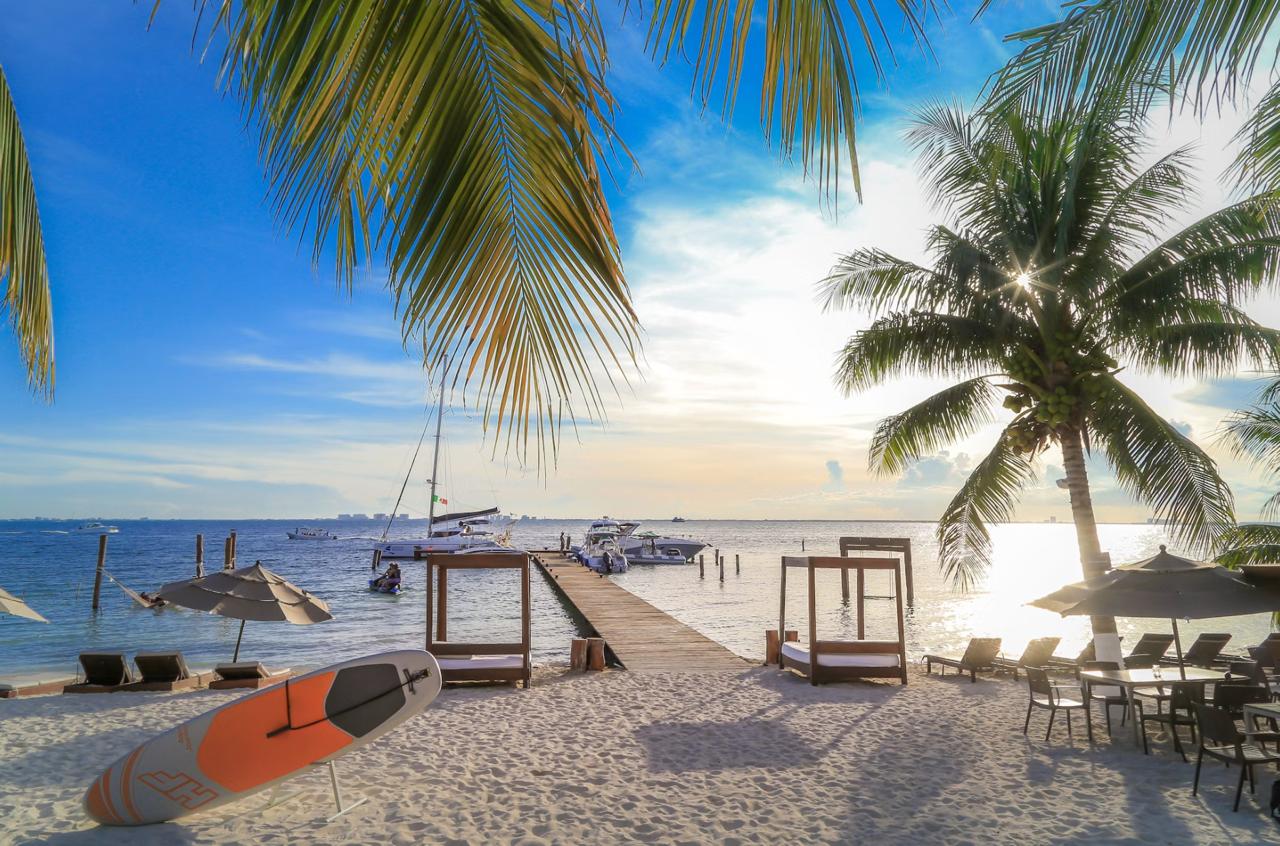
The Caribbean coast is Mexico's most-visited stretch of coastline and for good reason. The water is impossibly clear, the sand is fine and pale, and resort infrastructure is world-class. The trade-off in 2026 is sargassum. University of South Florida satellite data for early 2026 shows the Great Atlantic Sargassum Belt tracking approximately 15–20% above the same period in 2025, meaning Caribbean-facing beaches may see above-average accumulation during the April-to-October sargassum season, which peaks between May and August. The beaches below are selected specifically because they have natural protection or strong cleanup operations.
1. Playa Norte, Isla Mujeres
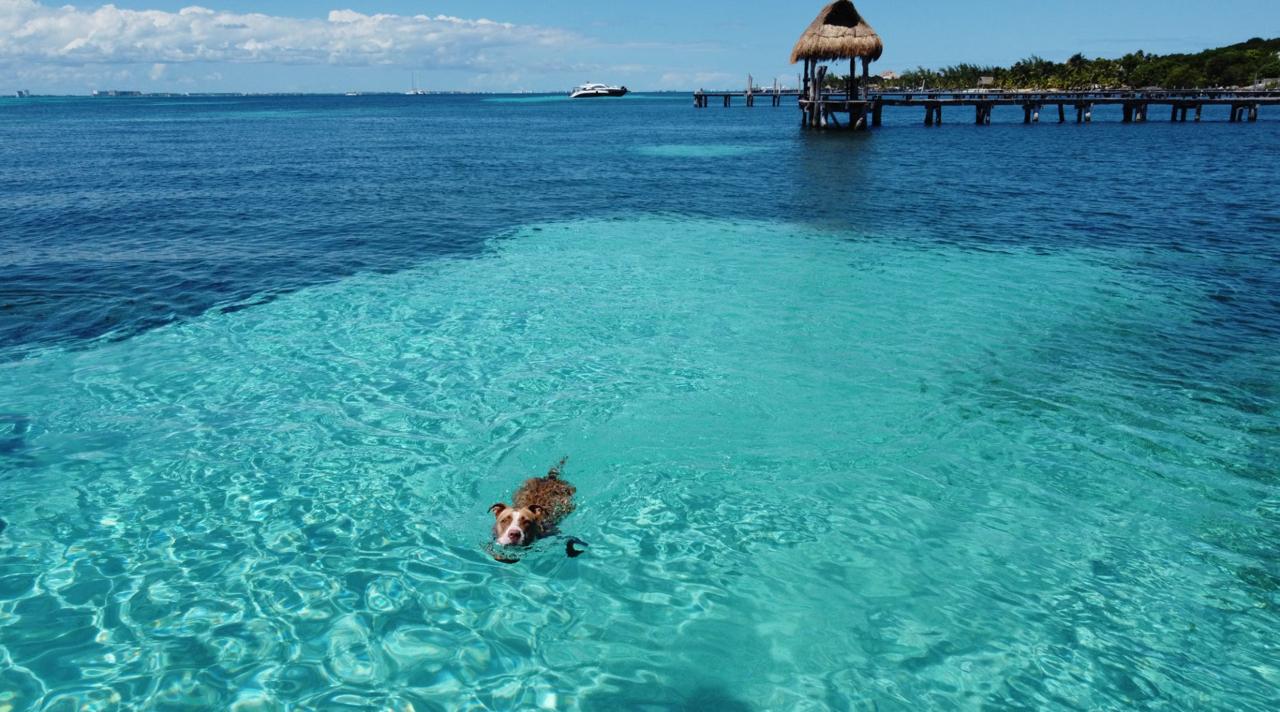
Playa Norte is consistently the highest-rated beach in the Mexican Caribbean, and in 2026 it still deserves that reputation. The bay faces north and west, which means sargassum currents arriving from the east and southeast largely bypass it. Water depth is negligible for the first 60 metres offshore, the sand stays cool underfoot despite full sun, and hammocks in the shallows are standard.
The island is a 15-to 20-minute ferry ride from Cancún's Puerto Juárez terminal. Golf cart rentals give you the entire island in an afternoon. Crowds peak before noon; arrive early or return after 3 pm for the best experience.
Best for: Families, couples, first-time Mexico visitors, anyone recovering from an overcrowded holiday. Avoid if: You want surfable waves or long walks, the beach is short.
2. Playa Delfines, Cancún
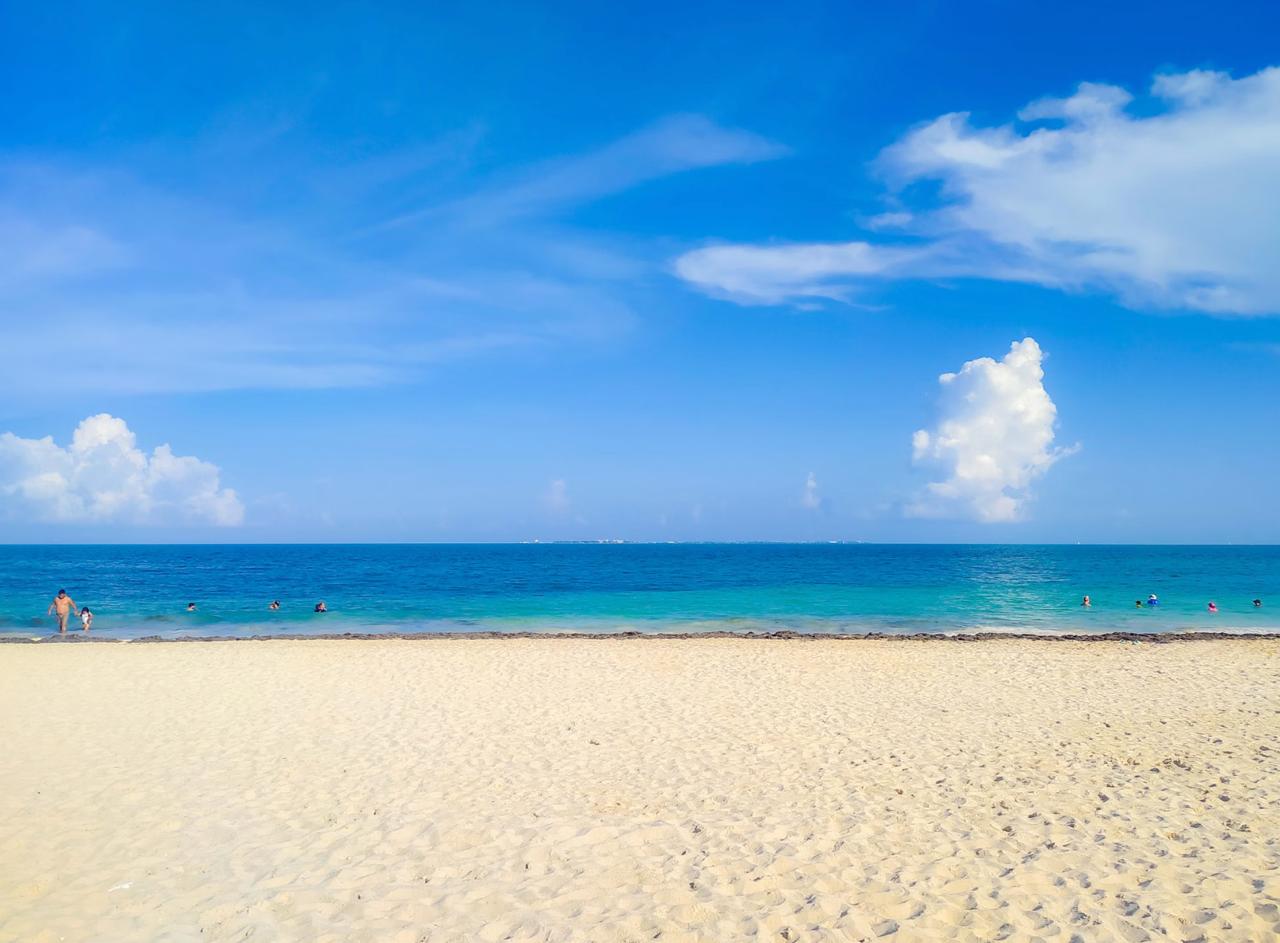
Most of the Cancún Hotel Zone's beaches belong to resorts. Delfines is one of the few long, genuinely public stretches with no minimum spend, no wristband, and no queuing. It also faces north-east rather than due east, which gives it some protection from incoming sargassum compared to the beaches in the hotel zone's middle section.
Cancún's hotels achieved average room occupancy of 65.3% in October 2025, strong for the shoulder season, meaning prices hold firm year-round. Book early. The new Nichupté Lagoon Bridge, opened in 2026, has significantly cut transit time between the airport and the northern hotel zone, so airport-to-beach transfers are now faster than they have been in years.
Best for: Budget travellers, families wanting public facilities, those who want to surf (one of the few spots in Cancún with rideable waves).
3. Playa Maroma
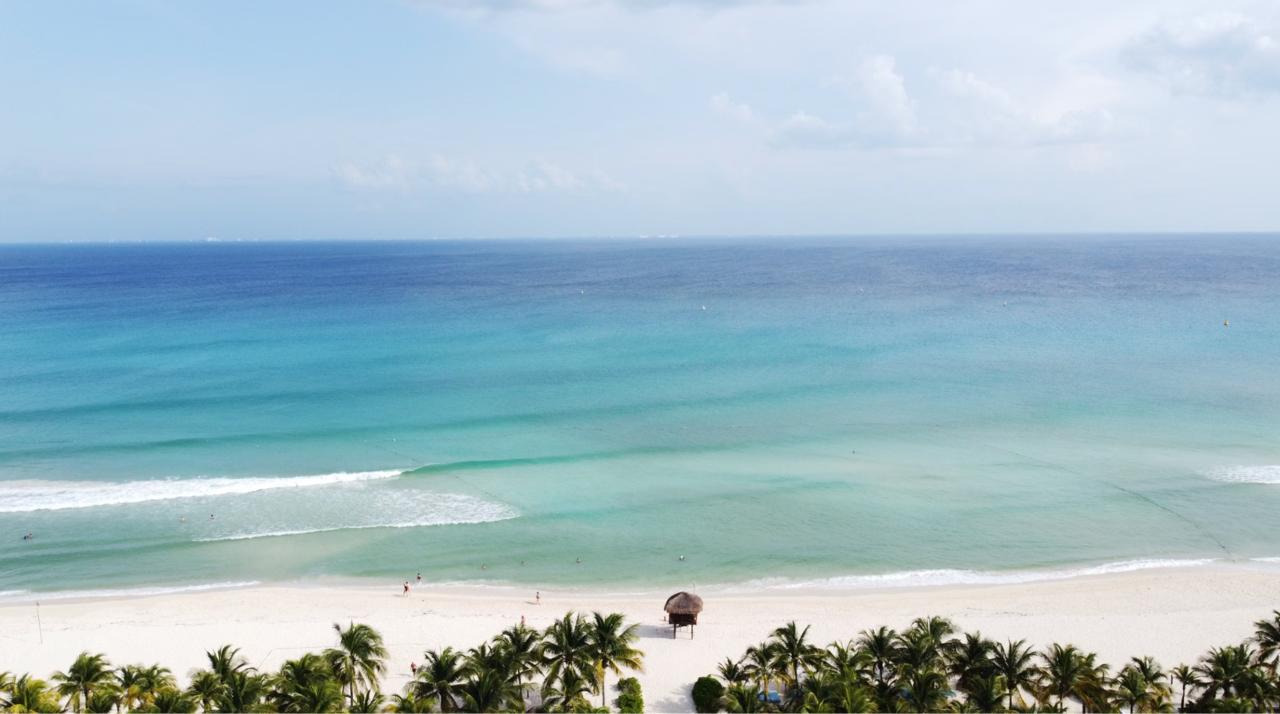
About 45 minutes south of Cancún by car, Maroma is a 3km arc of powdery pale sand backed by palms with no high-rise towers on the skyline. The beach benefits from its slightly north-facing position and a reef break that buffers Atlantic swell.
This is premium territory: high-end all-inclusive resorts line the back of the beach, and a day-pass arrangement from a few properties lets non-guests access the lounges and restaurants. If Tulum's styling appeals but the prices and crowds do not, Maroma delivers a similar visual without the premium minimums.
Best for: Couples, honeymoon travel, luxury travellers who want something quieter than Cancún.
4. Tulum Beach

Let us be straightforward: Tulum beach photographs beautifully, and the Mayan ruins on the clifftop above are one of Mexico's most striking visual combinations. It is also one of the most photographed coastlines in the world for a reason. The water is turquoise, the sand is white, and the jungle backdrop is real.
The honest caveats for 2026: Tulum faces southeast, making it one of the more exposed beaches to incoming sargassum from April through October, with the heaviest influxes from May to August. Beach club minimum spends range from $100–$200 USD per person per day. The new Tulum International Airport opened in 2024 and has expanded international routes for 2026; access is no longer the hurdle it once was, which means crowds have followed.
If timing allows, visit between November and March. The sargassum threat is minimal, prices are lower than peak season, and the ruins are far less crowded in morning light.
Best for: Style-conscious travellers, photography, short stays between December and March. Avoid during the May-to-August peak if sargassum is a priority concern.
5. Cozumel West Coast
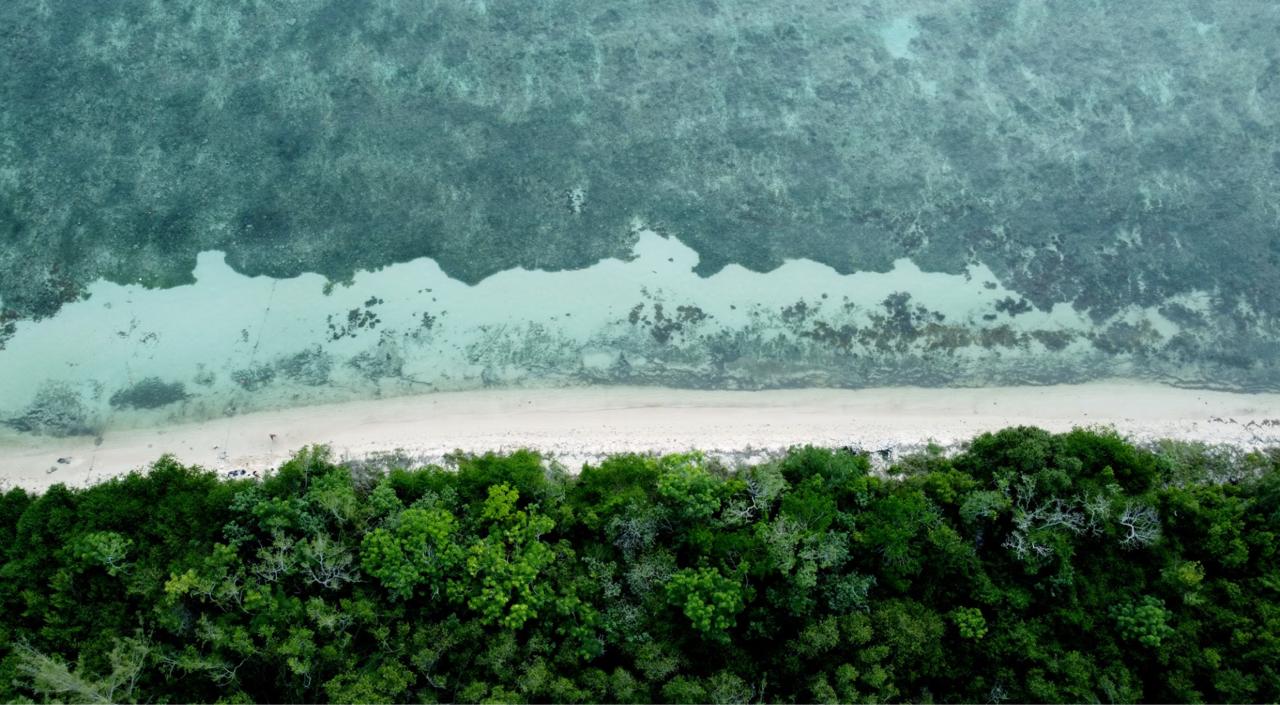
Cozumel's resort and beach club strip faces west away from the prevailing sargassum current. The Mesoamerican Reef (the world's second-largest coral reef system) runs along the island's eastern side and acts as a natural barrier. The result: consistently clear water at the most accessible beaches even in peak seaweed season.
Cozumel is primarily a diving destination, and drift diving here competes with anywhere in the world. Non-divers are not left out. Playa Palancar and Playa San Francisco offer calm swimming, good snorkelling in the shallows, and beach clubs without the Playa del Carmen price tags.
A short ferry from Playa del Carmen makes Cozumel an easy day trip or overnight escape.
Best for: Divers, snorkellers, families wanting calm water without sargassum anxiety.
6. Holbox Beach
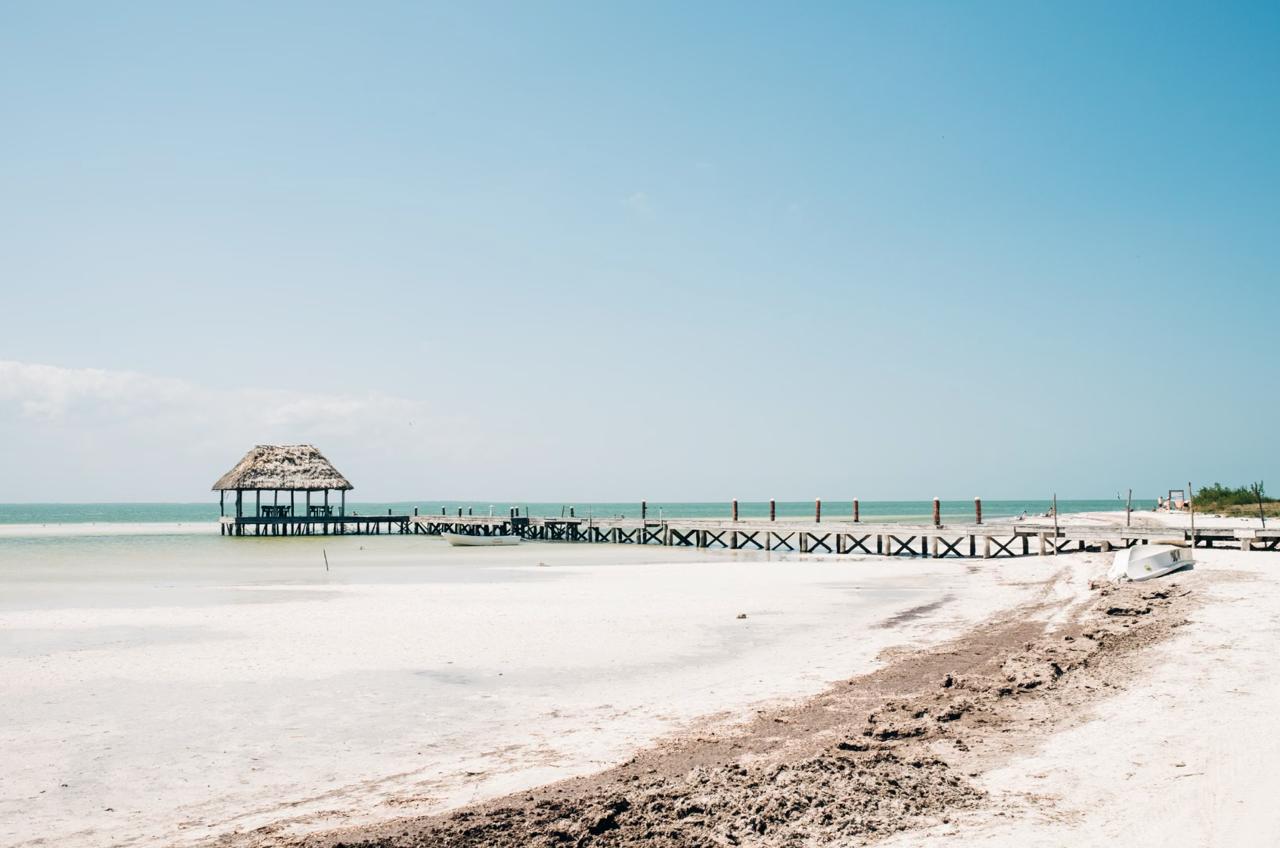
Holbox (pronounced hol-BOSH) sits at the northern tip of the Yucatán Peninsula, positioned well away from the main sargassum corridors. The island is car-free, the beach is wide and wind-swept, and the shallow water stretches so far you can wade for several minutes without it reaching your waist.
From June to August, whale sharks congregate in the waters around Holbox in numbers that rival any marine wildlife spectacle in the Americas. Swimming with them on an organised tour is a genuinely rare experience that rewards planning. Note that the island's infrastructure is limited; ATMs are scarce, accommodation books out months ahead in high season, and the road from Chiquilá via ferry is the only access.
Best for: Nature-focused travellers, whale shark season (June–August), off-grid escapes.
7. Playa del Carmen
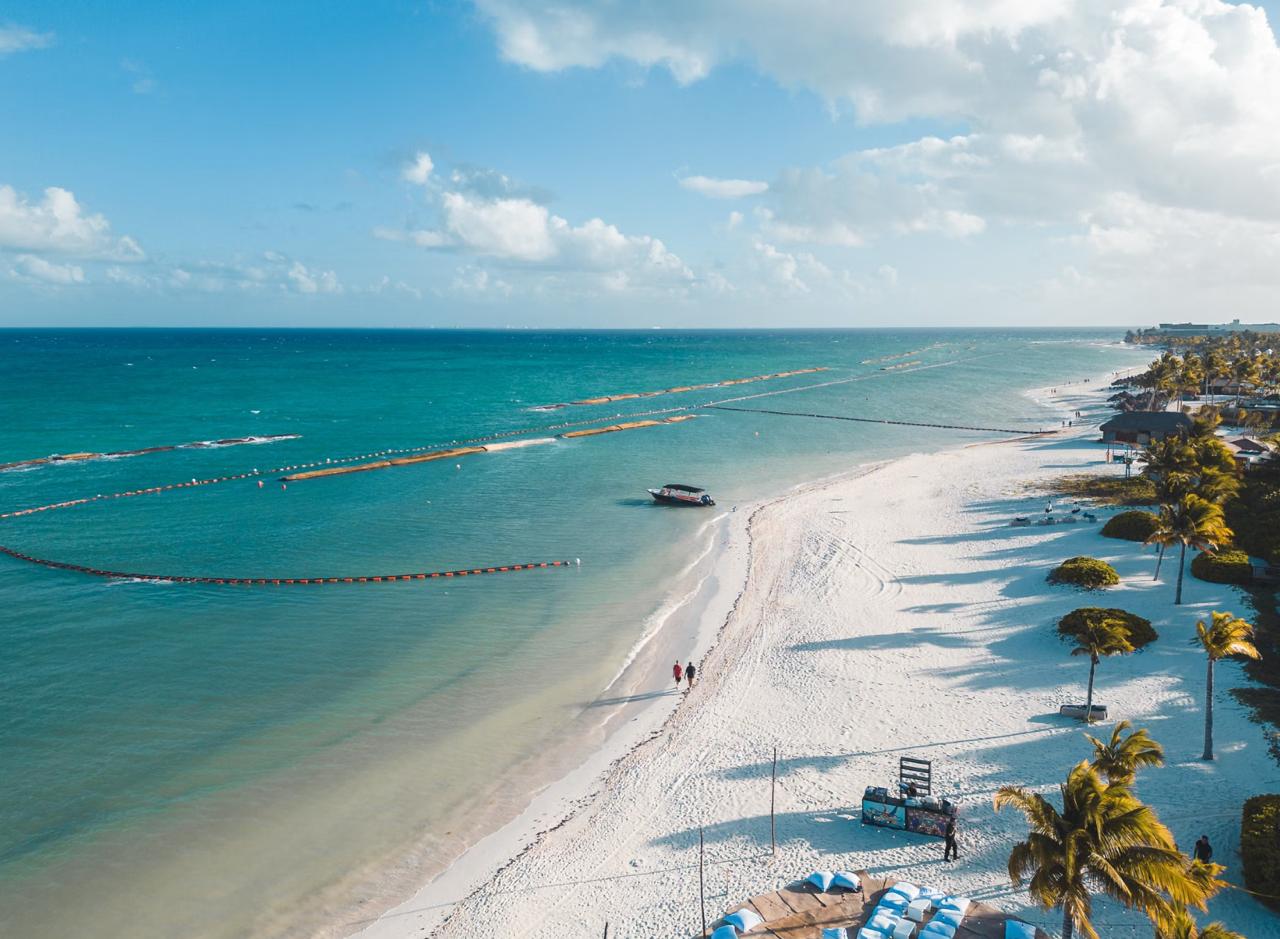
Playa del Carmen is the most walkable beach destination in the Mexican Caribbean. The city grid means you can navigate on foot; the famous pedestrian artery of Quinta Avenida runs parallel to the coast for miles, and the beach itself stretches for kilometres with consistent access. It has also cemented itself as one of Mexico's leading digital nomad hubs, meaning reliable internet and co-working infrastructure are standard.
Sargassum risk here is moderate; east-facing beaches in the central stretch can accumulate seaweed during the peak May-to-August window, though hotel cleanup operations manage it daily. The beach around Mamitas and the Playacar area generally stays cleaner than average.
Best for: Solo travellers, digital nomads, those wanting city life alongside beach access.
8. Puerto Morelos
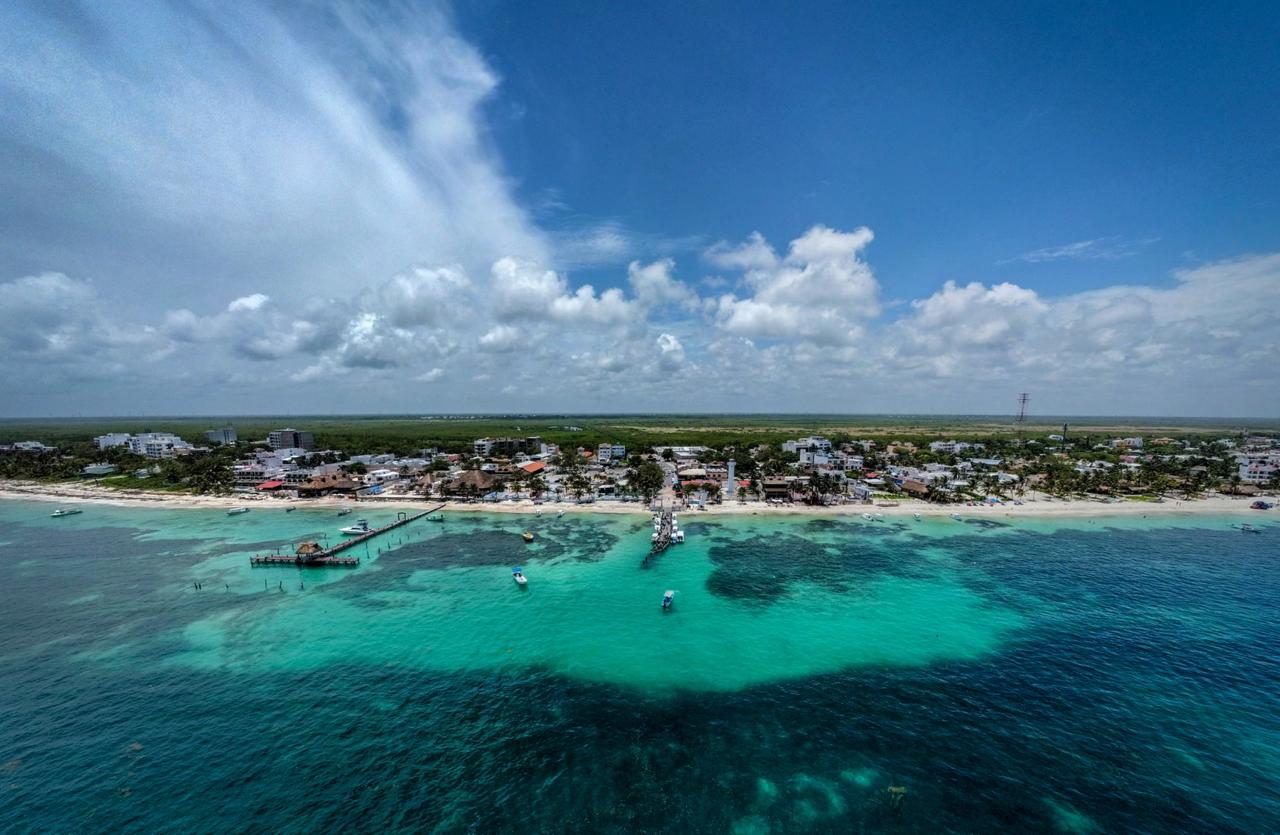
Sandwiched between Cancún and Playa del Carmen, Puerto Morelos is protected by the Mesoamerican Reef close to shore, keeping water calm, clear, and shallow. It is a genuine fishing village rather than a resort corridor with one main square, a lighthouse, and a relaxed pace, which makes it increasingly popular with families who want Caribbean beach quality without resort pricing.
A Blue Flag–certified beach in 2025, Puerto Morelos is considered one of the cleaner, more consistently sargassum-free options in the Riviera Maya due to its reef protection.
Best for: Families with young children, reef snorkelling, travellers who want calm without paying Cancún rates.
Pacific Coast Beaches: Zero Sargassum, Bigger Waves, Authentic Atmosphere
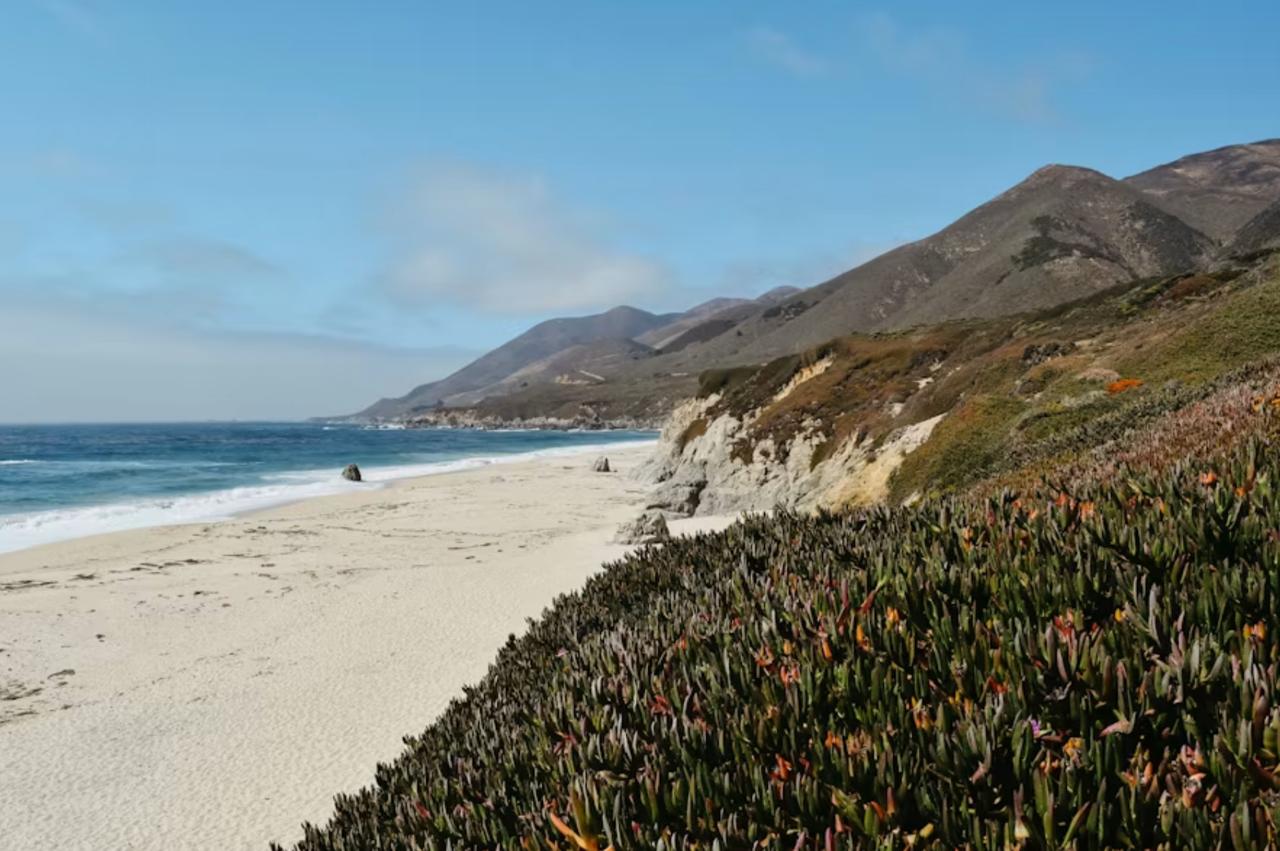
The Pacific coast operates differently. Sargassum does not exist here; Atlantic currents simply do not reach the Pacific side. The trade-off is stronger surf, cooler water temperatures (typically 24–26°C compared to the Caribbean's 28–30°C), and less polished infrastructure. What you gain is authenticity, far smaller crowds, and some of the most spectacular coastal scenery anywhere in Mexico.
9. Zicatela, Puerto Escondido
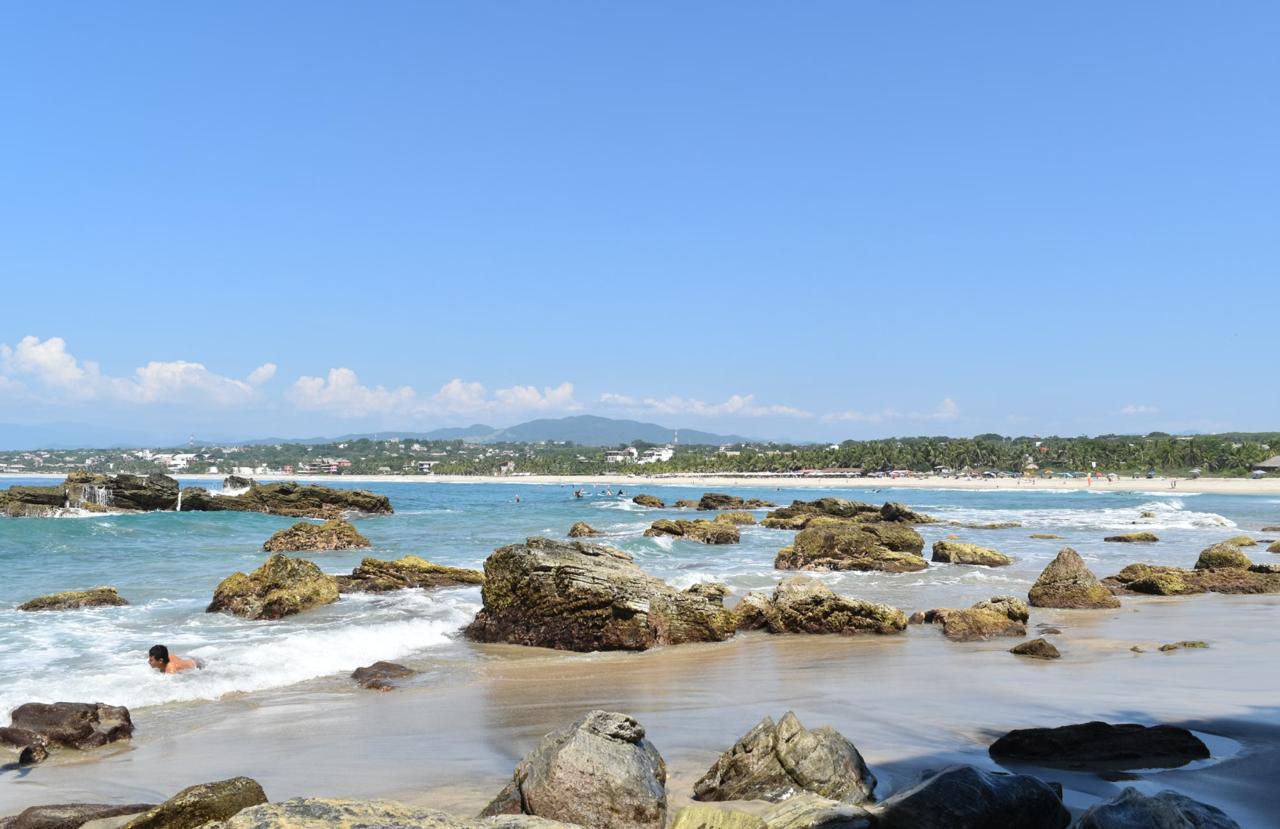
Zicatela is Mexico's most famous surf break, known internationally as "the Mexican Pipeline" for the powerful, barrelling shore break that peels across a shallow sand bottom. Waves here regularly reach 3 to 6 metres during the May–September swell season, and international surf competitions including the Campeonato Mundial de Surf are held on this stretch.
This is not a swimming beach. But the spectacle is extraordinary even from the restaurant terraces that line the waterfront. Puerto Escondido as a town is the most characterful beach destination on the Oaxacan coast, with a restaurant and nightlife scene that has developed substantially since 2022 without crossing into resort territory.
Best for: Experienced surfers, spectators, travellers who want something genuinely different.
10. Carrizalillo, Puerto Escondido
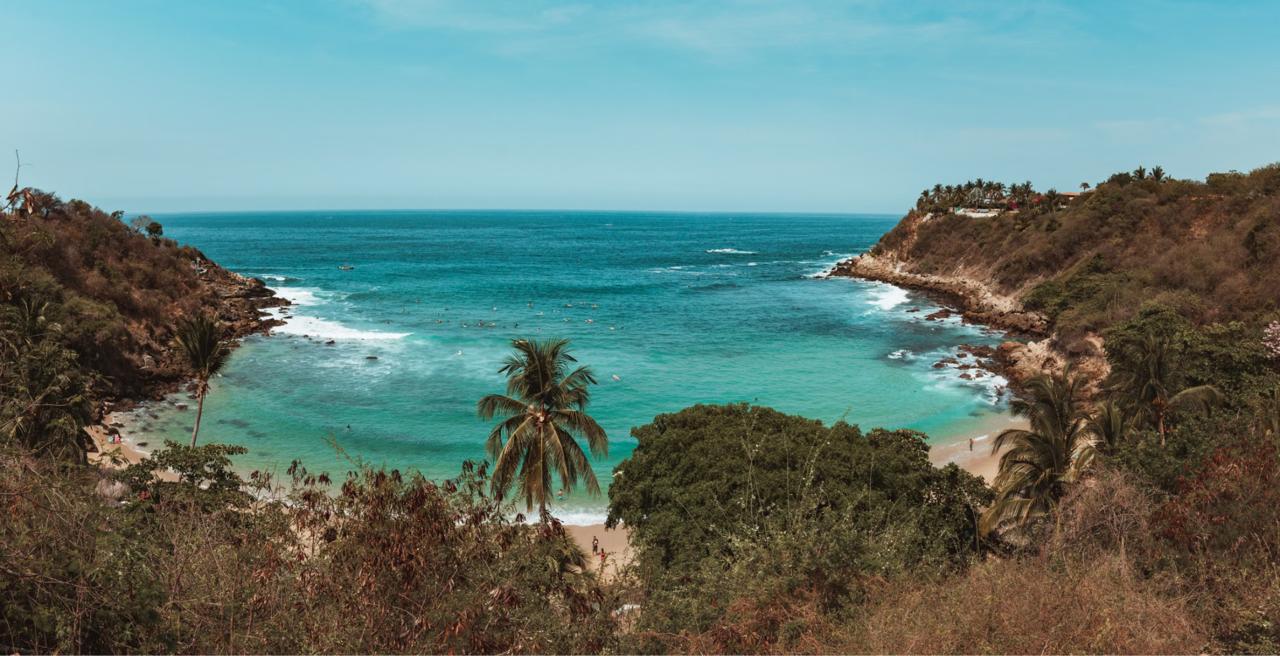
A short distance from Zicatela sits Carrizalillo: a sheltered bay accessible via a steep staircase down the cliffside. The bay is small enough that wave energy is absorbed by the headlands, making the water swimmable and calm by Oaxacan Pacific standards. A left-hand surf break on the bay's edge suits beginners and intermediate surfers.
Book your next hotel for up to 30% less
There are no resort chains here, just a handful of beach bars, palapas, and a consistent local crowd. Facilities are limited (bring cash), but the quality of the water and the visual drama of the bay make it one of the Pacific coast's best-kept secrets.
Best for: Beginner and intermediate surfers, swimmers, families comfortable with basic infrastructure.
11. Huatulco Bays

Huatulco is nine interconnected bays along the Oaxacan coast, each sheltered, calm, and free of the commercialisation that has consumed stretches of the Caribbean. Hotel prices here run 40–60% lower than comparable Caribbean resorts. The bay of Santa Cruz has full services; Cacaluta and Órgano are virtually empty on weekdays.
Playa La Entrega within the bays offers calm water perfect for families, the snorkelling is good without the crowds that attach themselves to Cozumel, and a bioluminescent lagoon nearby gives evening tours a genuinely memorable dimension.
Best for: Budget-conscious travellers, families, those wanting pristine beaches without a premium.
12. Sayulita, Riviera Nayarit
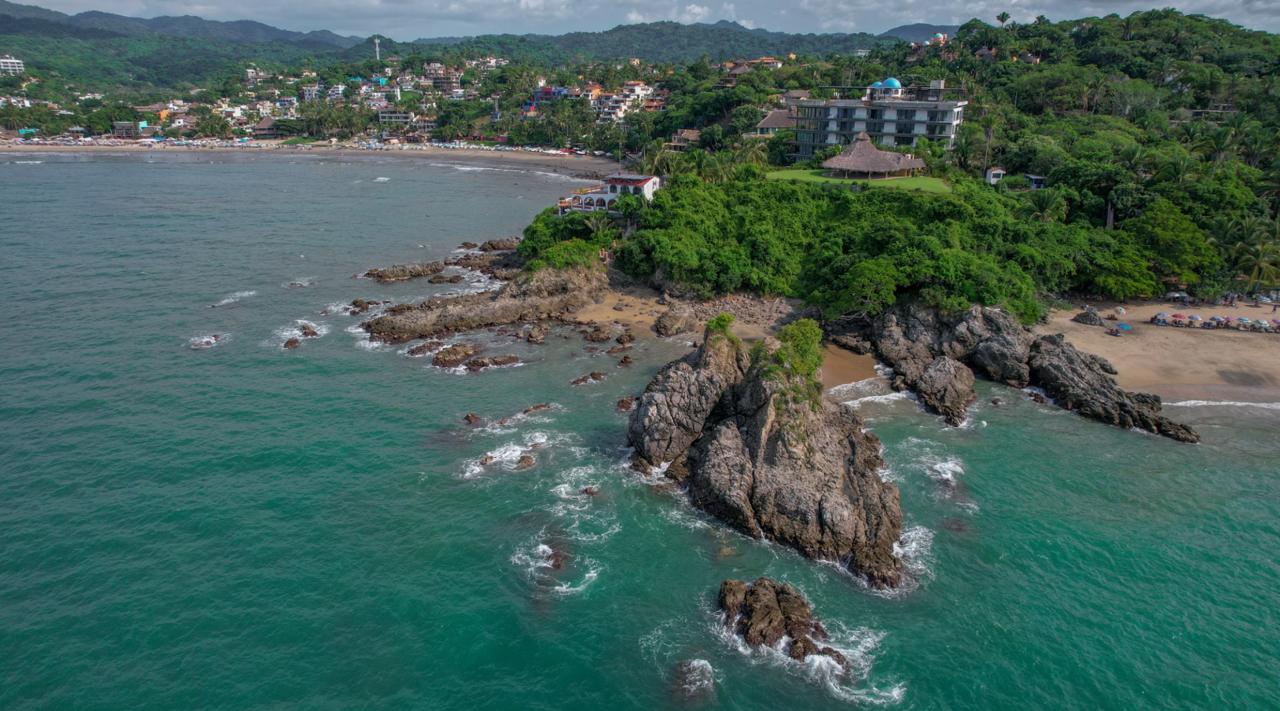
Sayulita is a small surf town on the Riviera Nayarit coast, about 40 minutes north of Puerto Vallarta. The bay provides a gentle beach break suitable for beginners learning to surf, the streets are colourful and walkable, and the town retains an unhurried feel despite growing tourism pressure.
The Tepic International Airport (Riviera Nayarit International) was expanded in 2025–2026, meaning direct access to the northern Nayarit coast is now possible without routing through Puerto Vallarta. If you want what Sayulita looked like before the Instagram saturation point, the villages immediately north of San Pancho, Lo de Marcos, are worth exploring on a day trip.
Best for: Surf beginners, couples, those wanting a village feel over a resort experience.
13. Playa de los Muertos, Puerto Vallarta
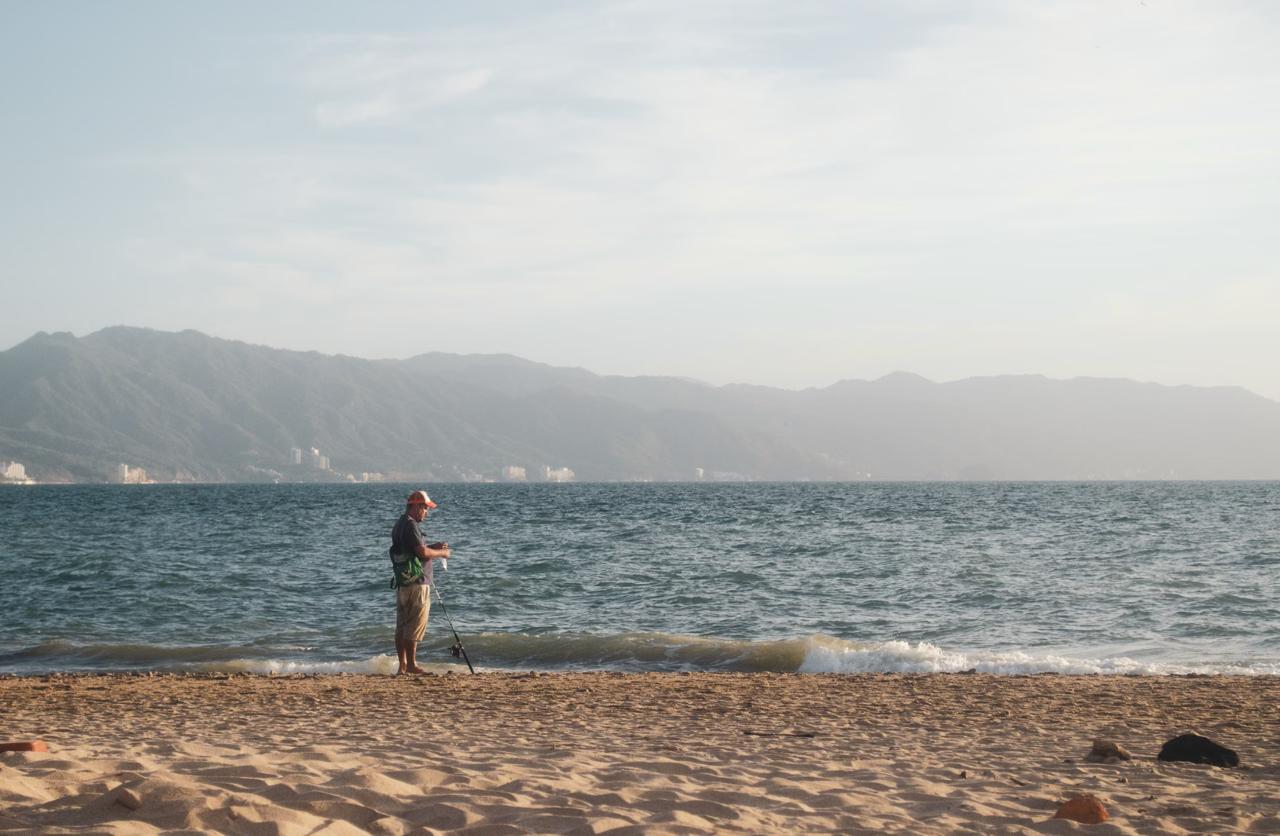
Puerto Vallarta's most central and beloved beach sits in the Romantic Zone (Zona Romántica), within walking distance of restaurants, bars, and the famous Malecón waterfront promenade. Los Muertos Beach is lively rather than quiet, with vendors, water sports, the pier, and beach clubs, but it is a genuinely excellent city beach with all the infrastructure to make a full day easy.
Puerto Vallarta is consistently rated Mexico's most LGBTQ+-friendly destination, and Los Muertos is the social centre of that community. The surrounding neighbourhood is walkable, excellent for food, and far more authentically Mexican in character than the Hotel Zone in Cancún.
Best for: Solo travellers, city-beach explorers, LGBTQ+ travellers, foodies.
Baja California Beaches: Desert Meets Sea, Year-Round Sunshine
Baja California Sur has a completely different feel from the rest of Mexico's beach scene. The landscape is arid, the light is stark, whale watching (December–March) is world-class, and the beaches flip between the calm, impossibly blue Sea of Cortez and the dramatic Pacific swells of Land's End.
14. Playa Balandra, La Paz

Playa Balandra is one of the most visually striking beaches in all of Mexico, a shallow lagoon with neon-blue water and the iconic mushroom-rock formation rising from the sand. It sits on the Sea of Cortez, which means no sargassum, minimal waves, and water temperatures that stay warm enough to snorkel comfortably year-round.
Important 2026 note: the government has imposed strict capacity limits at Balandra requiring timed-entry wristbands. The queues start before opening. If you want a similar experience without the bottleneck, Playa El Tecolote is a few minutes further down the same road — same water, same bay view, no permit restrictions, and beach clubs serving cold beer and fresh seafood on the sand.
Best for: Snorkellers, photographers, calm-water swimmers, families.
15. Médano Beach, Cabo San Lucas

Médano is Cabo's main town beach and the only swimming beach on the famous Land's End peninsula (most Cabo beaches are dangerous for swimming due to strong undertow; the iconic Lovers Beach at the Arch requires a water taxi). Médano faces the calm Sea of Cortez, meaning swimmable water in a location that is otherwise known for Pacific surf drama.
The beach is lively, with jet skis, paddleboards, beach clubs, and the ATV scene is all immediately present. In the mornings between December and March, grey and humpback whales can sometimes be spotted breaching from the waterline. This is peak-season territory: Los Cabos International Airport now receives a wide range of direct international flights, and hotel rates reflect the demand.
Best for: First-time Baja visitors, those wanting nightlife and beach in the same place, winter whale watching.
Which Beach in Mexico Has No Seaweed?

Sargassum brown macroalgae carried from the tropical Atlantic affects east-facing Caribbean beaches between approximately April and October each year. In 2026, University of South Florida satellite data tracking the Great Atlantic Sargassum Belt showed biomass running 15–20% higher than the same period in 2025, suggesting an above-average accumulation year along parts of the Riviera Maya.
The short answer: every Pacific coast beach on this list (Zicatela, Carrizalillo, Huatulco, Sayulita, Los Muertos) has zero sargassum risk. On the Caribbean side, beaches that face north or west, such as Playa Norte on Isla Mujeres, Cozumel's west coast, and Puerto Morelos, are naturally protected by their geography or reef systems.
The table below summarises 2026 risk by beach:
What Is the Best Beach in Mexico for Families?
Four beaches stand out specifically for families travelling with children:
- Playa Norte, Isla Mujeres: knee-deep water for 60 metres offshore, no currents, no surf. The safest paddling in the Mexican Caribbean.
- Puerto Morelos: reef-protected, calm, free of resort crowds. Kids can snorkel directly from shore.
- Huatulco (Playa La Entrega): sheltered bay, clear shallow water, basic facilities, and very few vendors.
- Carrizalillo, Puerto Escondido: the gentlest water on the Oaxacan coast, accessible via steps, with a beach-bar infrastructure that works for all ages.
The key variable for families on the Caribbean side is the sargassum calendar. Booking between December and March avoids peak seaweed season entirely and coincides with dry, sunny weather, the best possible window.
When Is the Best Time to Visit Mexico's Beaches?
The correct answer depends on which coast you choose.
Hurricane season on the Caribbean coast runs from June through October, with the highest risk in September. This does not make those months impossible for many travellers to visit without incident, but travel insurance and flexible booking conditions are strongly advisable.
Is Cancún or Tulum Better for Beaches?
They serve different travellers, and the honest comparison is more useful than a ranking:
Cancún offers the most complete resort infrastructure in Mexico, direct international flights, consistent hotel availability, a well-developed Hotel Zone, and the cleanest beach conditions year-round relative to Caribbean neighbours. Playa Delfines (free, public) and the northern hotel zone beaches consistently outperform Tulum on sargassum scores. The new Nichupté Lagoon Bridge will make transport within the zone significantly faster in 2026.
Tulum has the visual edge: the ruins, the jungle backdrop, and the boutique hotel aesthetic are genuinely stunning. But the honest caveats: south-east facing means higher sargassum exposure, beach club minimums are among the highest in Mexico, and Tulum has rapidly become expensive in ways that no longer match its off-the-beaten-track reputation.
The verdict: First-time visitors and families should default to Cancún or Isla Mujeres for reliability. Tulum rewards travellers who visit outside peak sargassum season (November–March), book accommodation in advance, and are not surprised by beach club pricing.
What Are Mexico's Best Pacific Coast Beaches?

The Pacific coast is the most underrated beach region in Mexico for international travellers, almost entirely because it lacks the resort infrastructure of the Riviera Maya. What it offers is everything that resort infrastructure takes away: uncrowded beaches, zero sargassum, exceptional seafood, powerful surf, and an authentically Mexican atmosphere.
The standout destinations for 2026:
- Puerto Escondido (Oaxaca) – the combination of Zicatela surf spectacle and Carrizalillo calm water makes it genuinely two beaches in one trip. Direct flights from Mexico City and some US cities are now available.
- Huatulco (Oaxaca) – nine sheltered bays, consistent weather, and prices 40–60% lower than comparable Caribbean resorts.
- Sayulita (Nayarit) – the most accessible Pacific surf town from a North American gateway, with improved airport access via Tepic International in 2026.
- Puerto Vallarta (Jalisco) – the Pacific coast's most full-service city, with a genuine old town, excellent restaurants, and Los Muertos Beach at its social centre.
How to Book Mexico Beach Hotels for Less
Mexico is among the most visited destinations in the Americas, and that demand means smart booking timing matters: on the same hotel, the gap between peak and shoulder-season pricing can exceed 40%. Book accommodation as early as possible for peak season (December to April on the Caribbean coast), and flex your flights to mid-week departures and returns, where pricing is typically lower.
On Epic, you can access over 2 million properties across 190+ countries, including every major Mexican beach destination, at rates up to 30% lower on average than Booking.com and Expedia. Payments are accepted via Visa, Mastercard, Apple Pay, and Google Pay. New to Epic? Sign up now and claim your $25 off your first booking.
Still narrowing down your dates? Timing is half the trip. If you can travel in late autumn, our November 2026 guide makes the case for the Caribbean's shoulder-season sweet spot: hurricane season has wound down, the worst of the sargassum has cleared, the dry season is setting in, and room rates still sit well below the December-to-April peak, so you get close to high-season conditions without high-season prices. It also rounds up where else in the world travels well in November, if you are weighing Mexico against other warm-weather escapes.
Planning a summer trip instead? Our August 2026 guide leans into the Pacific side, where sargassum never reaches, and the Oaxacan coast (Puerto Escondido and Huatulco) is deep into its big-swell surf season. Alongside Oaxaca, it compares beach destinations further afield, so you can see how Mexico's Pacific stacks up against the best global beaches for peak summer travel.
Frequently Asked Questions
1. Which beach in Mexico has the clearest water?
Playa Norte on Isla Mujeres and the west-coast beaches of Cozumel consistently record the clearest water in the Mexican Caribbean, thanks to their protected geography and proximity to the Mesoamerican Reef. On the Pacific side, Playa Balandra near La Paz (Sea of Cortez) offers extraordinary visibility in its shallow lagoon. Clarity is highest between December and April, before any sargassum accumulation on the Caribbean coast.
2. What beach in Mexico has no seaweed?
All Pacific coast and Baja California beaches are permanently free of sargassum; the seaweed originates in the Atlantic and does not reach the Pacific. On the Caribbean side, Isla Mujeres (Playa Norte), Cozumel's west coast, and Puerto Morelos have low sargassum risk year-round due to their geographic orientation and reef protection. The high-risk window across the Riviera Maya runs from approximately May to August each year.
3. What is the most beautiful beach in Mexico?
Beauty here depends on what you are looking for. For dramatic scenery: Tulum beach with the Mayan ruins on the cliff above. For colour and calm: Playa Balandra near La Paz. For pure natural perfection: Playa Norte, Isla Mujeres. For Pacific wildness: Zicatela in Puerto Escondido. The 2026 Corona Top 100 World Beach ranking included five Mexican beaches, with strong representation from Baja California Sur.
4. Is Cancún or Tulum better for beaches?
Cancún is more reliable, more accessible, and consistently cleaner year-round. Tulum is more photogenic and quieter but is more exposed to sargassum from April through October (peak May to August), and beach club costs are significantly higher. For families and first-time visitors, Cancún or Isla Mujeres is the smarter starting point. For couples visiting between November and March who prioritise aesthetics over convenience, Tulum delivers.
5. When is the best time to go to the beach in Mexico?
December through April is the optimal window for the Caribbean coast: dry weather, minimal sargassum, and the best snorkelling visibility. For Pacific coast destinations, November through April is the dry season with the calmest swimming conditions. Hurricane season on the Caribbean side runs June through October. Travel is possible but requires flexible bookings and travel insurance.

Mithra Ghosh is a Dubai-based content writer and SEO copywriter with 2+ years of experience crafting search-optimised content across crypto, Web3, and digital finance. She combines strong editorial instincts with a deep understanding of blockchain ecosystems and on-chain trends.
At Epic, she writes about the growing world of crypto-native travel helping readers understand how holding and spending digital assets can unlock smarter, cheaper ways to see the world.

Found a destination you like? Book it for up to 30% less.

Found a destination you like? Book it for up to 30% less.