Content
21 Best Things to Do in Seminyak Bali (2026): Where Luxury Meets Local Life
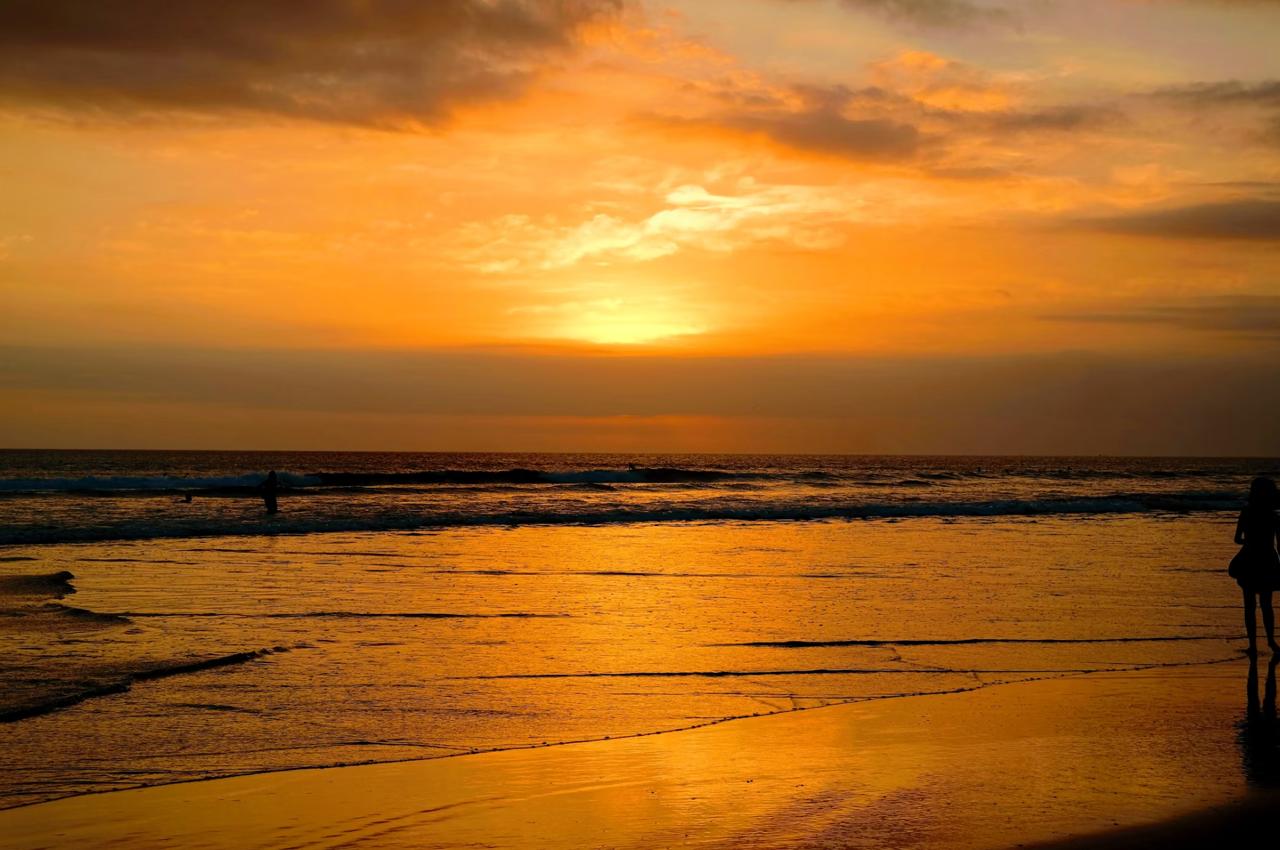
Seminyak wasn't built overnight. When Bali first opened to the world in the 1960s and 70s, Seminyak quietly established itself as something different, a place where creative minds, established travellers, and cosmopolitan locals could gather without pretence.
If you're looking for the best things to do in Seminyak in 2026, you'll discover why this coastal town has endured while others have faded. Unlike its louder neighbours to the south, Seminyak developed its own rhythm: upscale but unpretentious, sophisticated but welcoming, lively but never frenetic.
Today, Seminyak sits on Bali's southwest coast as a destination that works for nearly everyone. Families find calm stretches of beach alongside world-class spas. Solo travellers discover yoga studios and cooking classes alongside genuine local markets.
Couples enjoy fine dining with sunset views. Digital nomads settle into beachfront cafes with their laptops. What makes Seminyak special isn't that it tries to be everything; it's that it excels at being authentically itself.
This guide covers 21 experiences in Seminyak, based on what both first-time visitors and long-term residents actually do when they're here. We've skipped the Instagram-only spots in favour of places that deliver real value and authentic encounters.
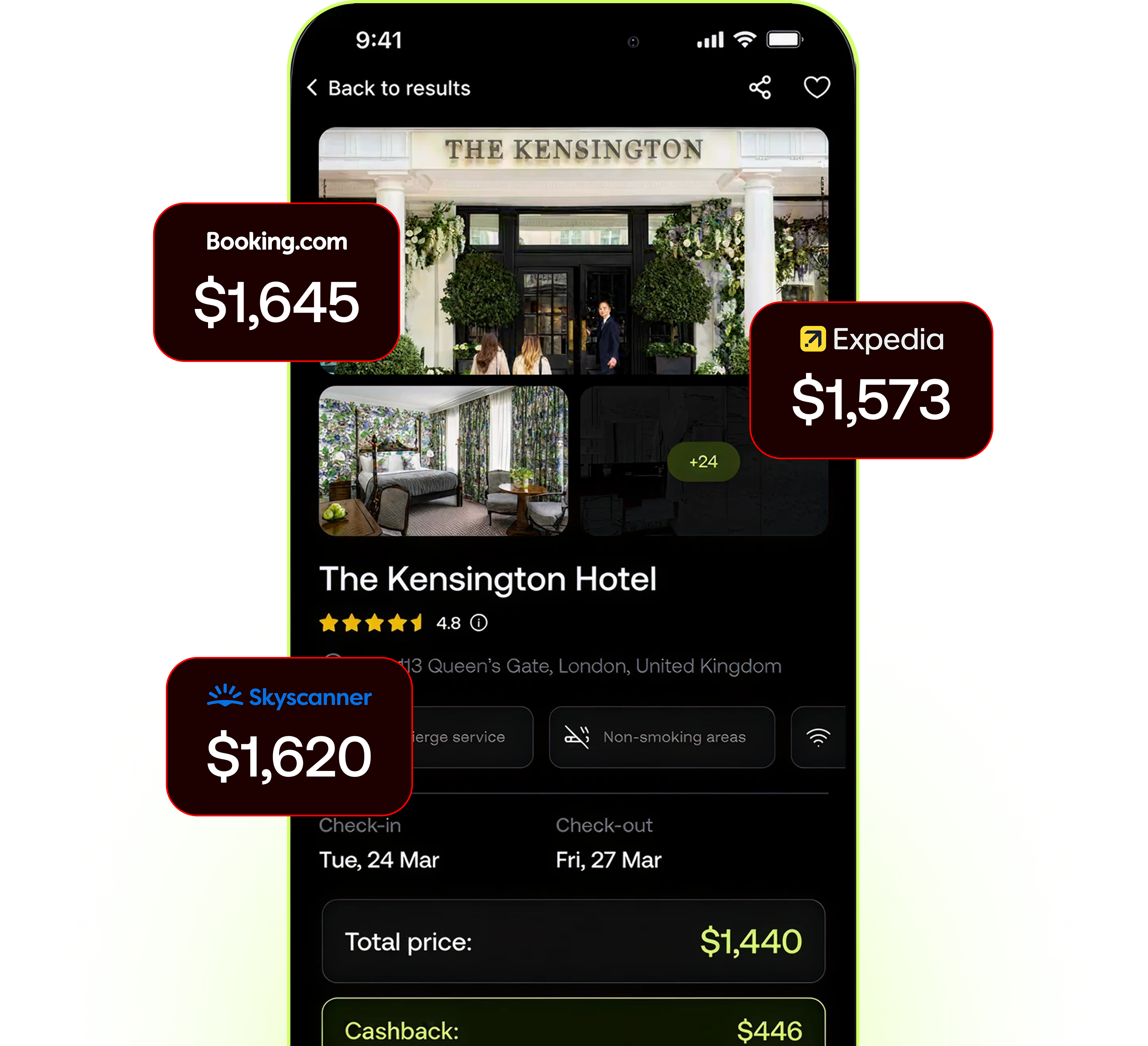
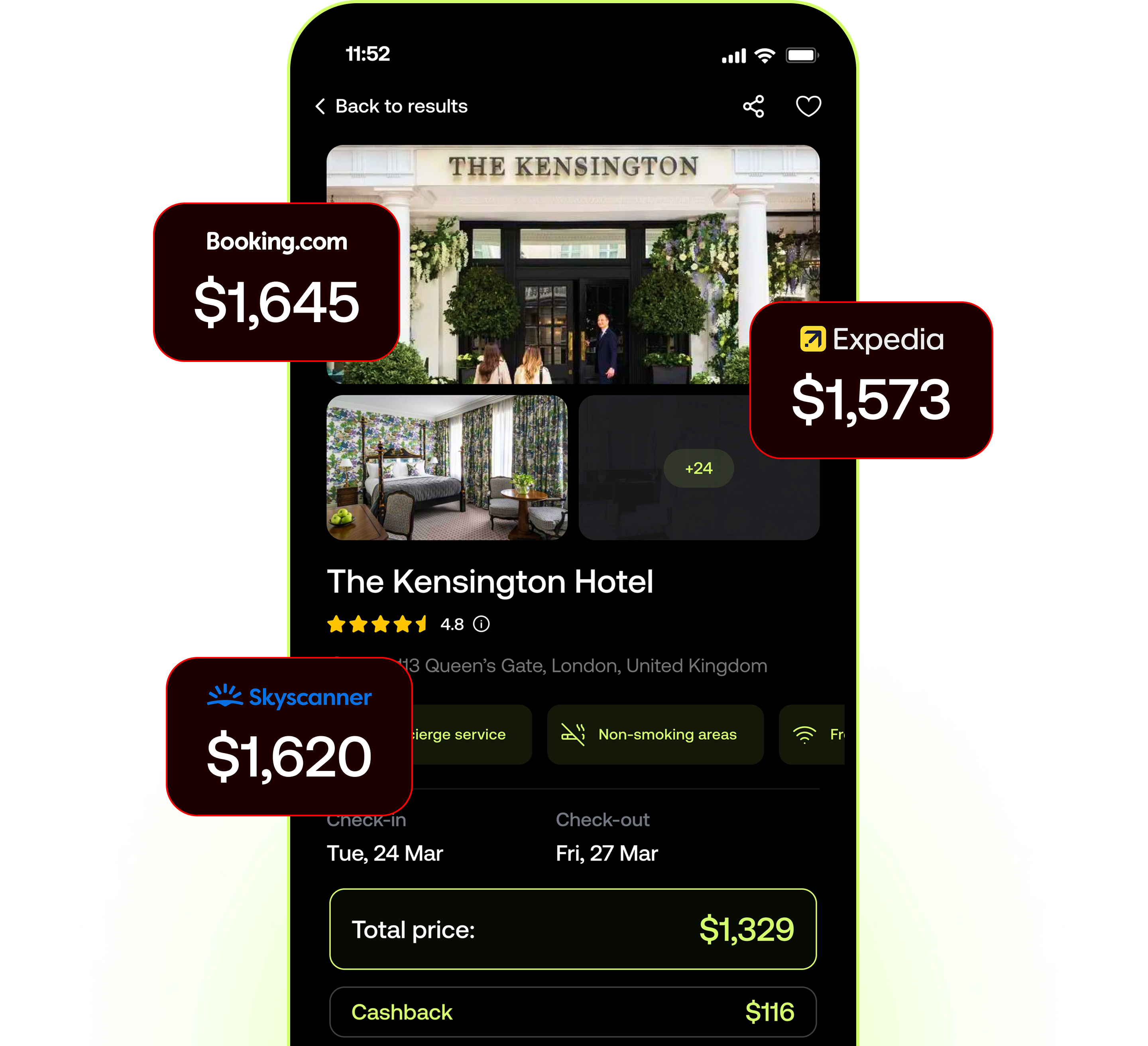
Before you book, know this: you don't have to pay full price on your next trip. Book your flights and hotels through Epic to Bali at up to 30% less than Booking.com and Expedia. You can pay with your card, Apple Pay, Google Pay, or 200+ cryptocurrencies. Sign up now and claim $25 off your first booking.
1. Seminyak Beach

Seminyak Beach is where everything happens. The 3-kilometre stretch of golden sand bears the imprint of decades of visitors; each wave of travellers left something behind, whether it's a restaurant, a tradition, or simply the expectation of what a Seminyak evening should feel like. In the morning, you'll see local fishermen, families, and yoga practitioners.
By midday, the beach clubs open their beanbags and loungers. By evening, it transforms into a social gathering ground where strangers become friends over cocktails and shared sunsets.
This isn't a pristine, undeveloped beach; it's a living, breathing social space. Beach vendors move along the sand selling sarongs, fresh coconuts, and jewellery. The atmosphere is relaxed but purposeful. People come here to see and be seen, but not in a way that feels forced or commercial. It feels natural.
The best strategy: arrive early (before 9 AM) if you want quiet time in the water, or come in late afternoon (after 4 PM) if you want the social energy without the midday heat.
Cost: Free entry. Beach chair rentals: 50,000–100,000 IDR ($2.75–5.50 USD) depending on the operator and season. Vendor prices are negotiable.
2. Double Six Beach

Double Six sits at the border where Seminyak fades into Legian, and it occupies a different emotional space than the main beach. The sand is wider, the vendors are fewer, and the whole atmosphere feels like you've stepped one degree closer to peace without leaving the action entirely.
The waves here are gentle and forgiving, which is why families and less experienced swimmers prefer it. Surfers come here too, though typically beginners or those practising moves rather than chasing big waves. What you notice most about Double Six is the breathing room, physical and psychological.
This is where you come when you want beach time but didn't realise you were feeling overwhelmed by Seminyak's main energy. It's a five-minute scooter ride or a fifteen-minute walk north, but psychologically it feels like another world entirely.
Cost: Free entry. Beach clubs nearby charge 100,000 IDR ($5.50 USD) entry (often waived with a drink purchase).
3. Petitenget Beach:
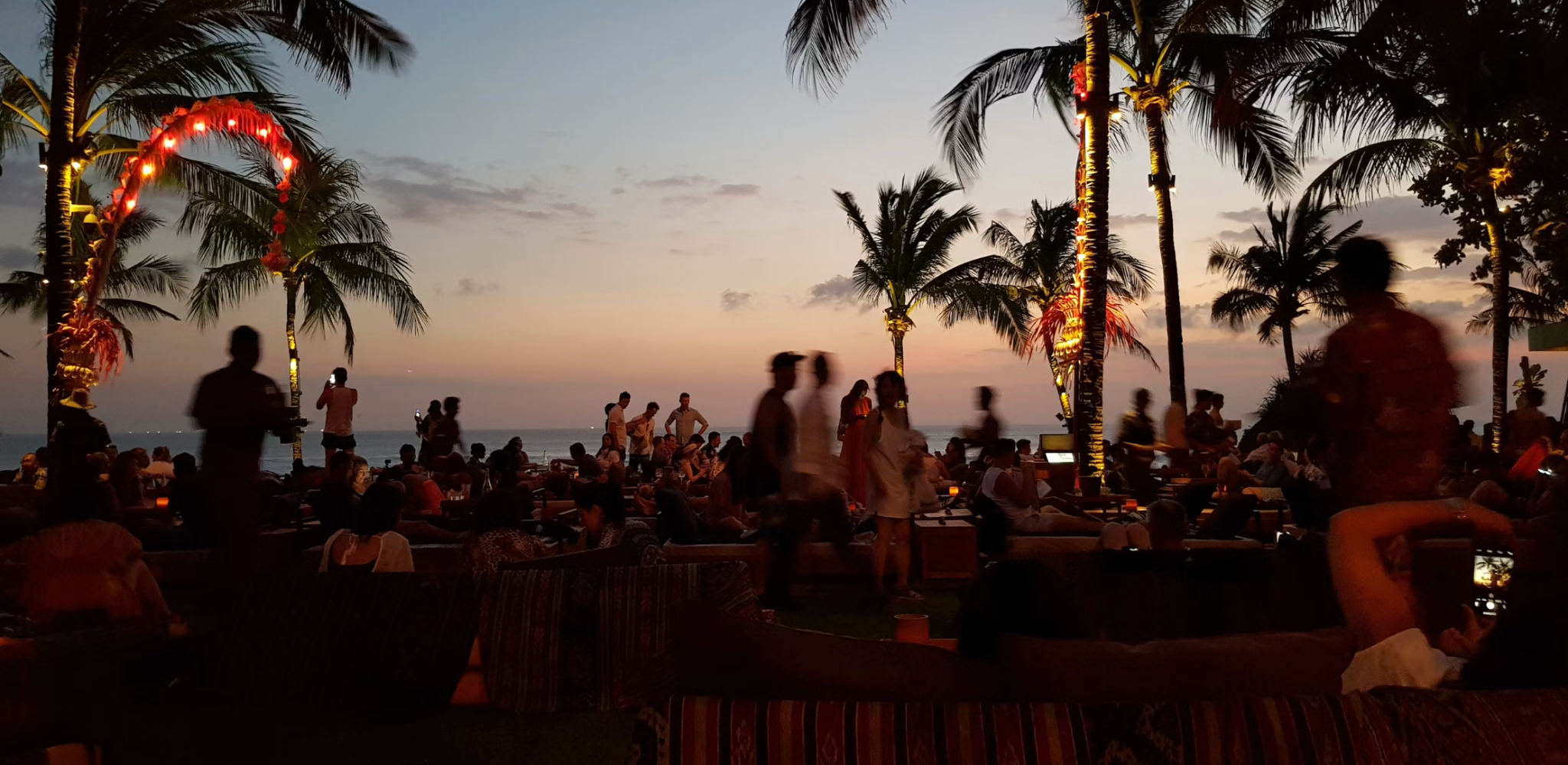
Petitenget Beach exists in a quiet corridor between the main Seminyak action and the hipster energy of Canggu to the north. It's where Bali's wealthier residents and long-term expatriates spend their beach time. The hotels here are high-end but understated. The beaches are rarely crowded. The whole feeling is understated luxury, expensive without being flashy.
This isn't a destination beach where you plan to spend the whole day. It's more of a place to understand how the other half lives in Bali. Walk along the shore, have a coffee at one of the quieter beach clubs, and watch the sunset without crowds.
Cost: Free entry. Most venues here don't have aggressive entry fees because the clientele values discretion over volume.
4. Potato Head Beach Club
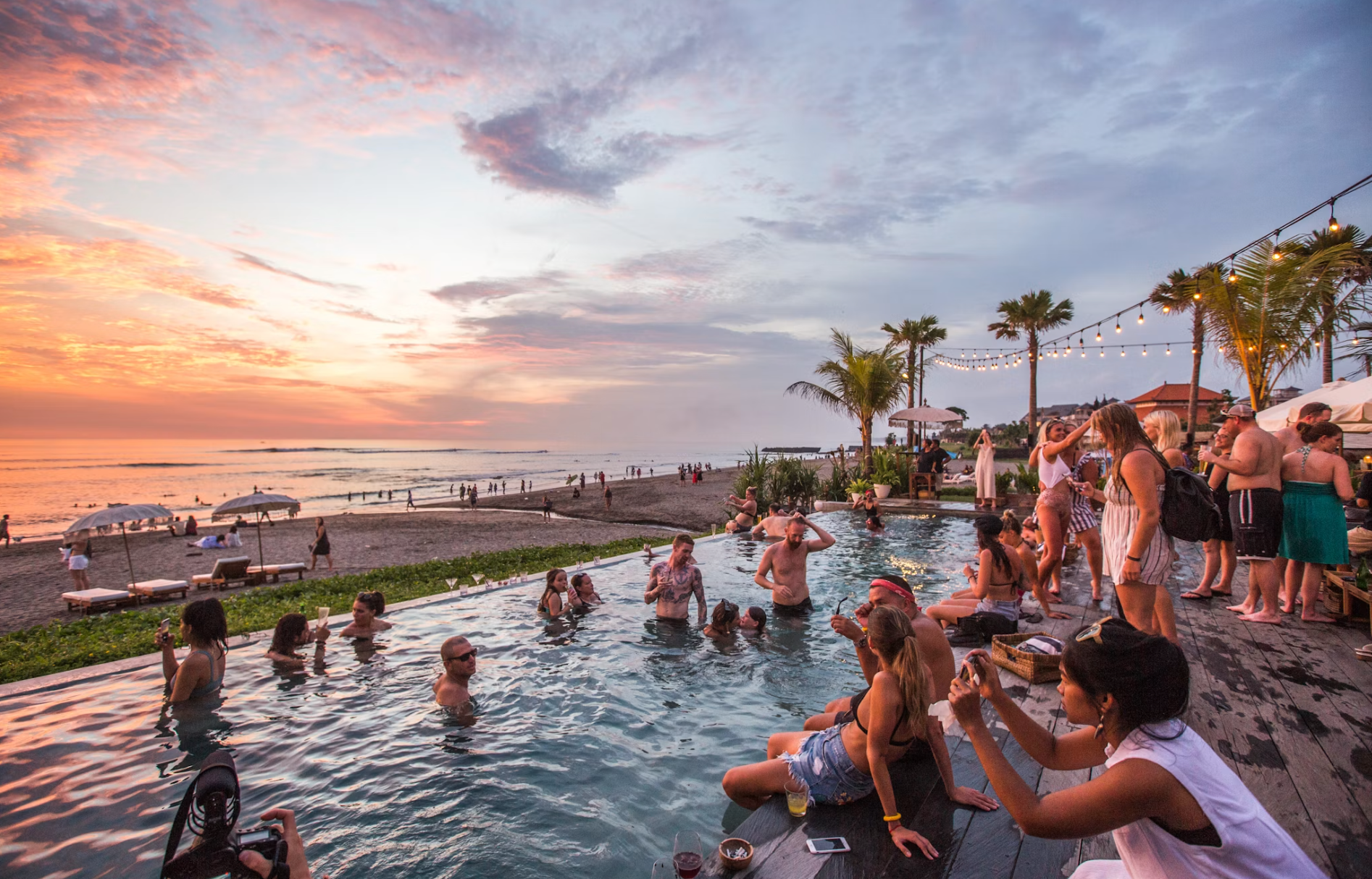
Potato Head occupies a strange position: it's the most famous beach club in Bali, yet it somehow doesn't feel like a tourist trap. Part of that is the sustainability story. Part of it is the design, all-natural materials, zero-waste philosophy, and genuine commitment to responsible tourism.
Part of it is simply that the venue is so well-executed that it works whether you're there for the first time or the fiftieth. The infinity pool genuinely feels like it spills into the ocean. The beachfront areas have loungers with beanbags positioned exactly where you'd want them.
The cocktails are well-made. The food is excellent. The crowd is sophisticated but not stuffy. The energy builds naturally as the day progresses without ever feeling forced or commercial.
The dress code (no flip-flops after 6 PM, no athletic wear) exists, but it's enforced with hospitality rather than gatekeeping. It's designed to maintain a certain energy, not to exclude people. If you're respectfully dressed, you're welcome.
Cost: Entry is typically waived with a drink minimum (cocktails: 100,000–150,000 IDR or $5.50–8.25 USD). Sunbeds available for day use at no charge.
5. La Plancha
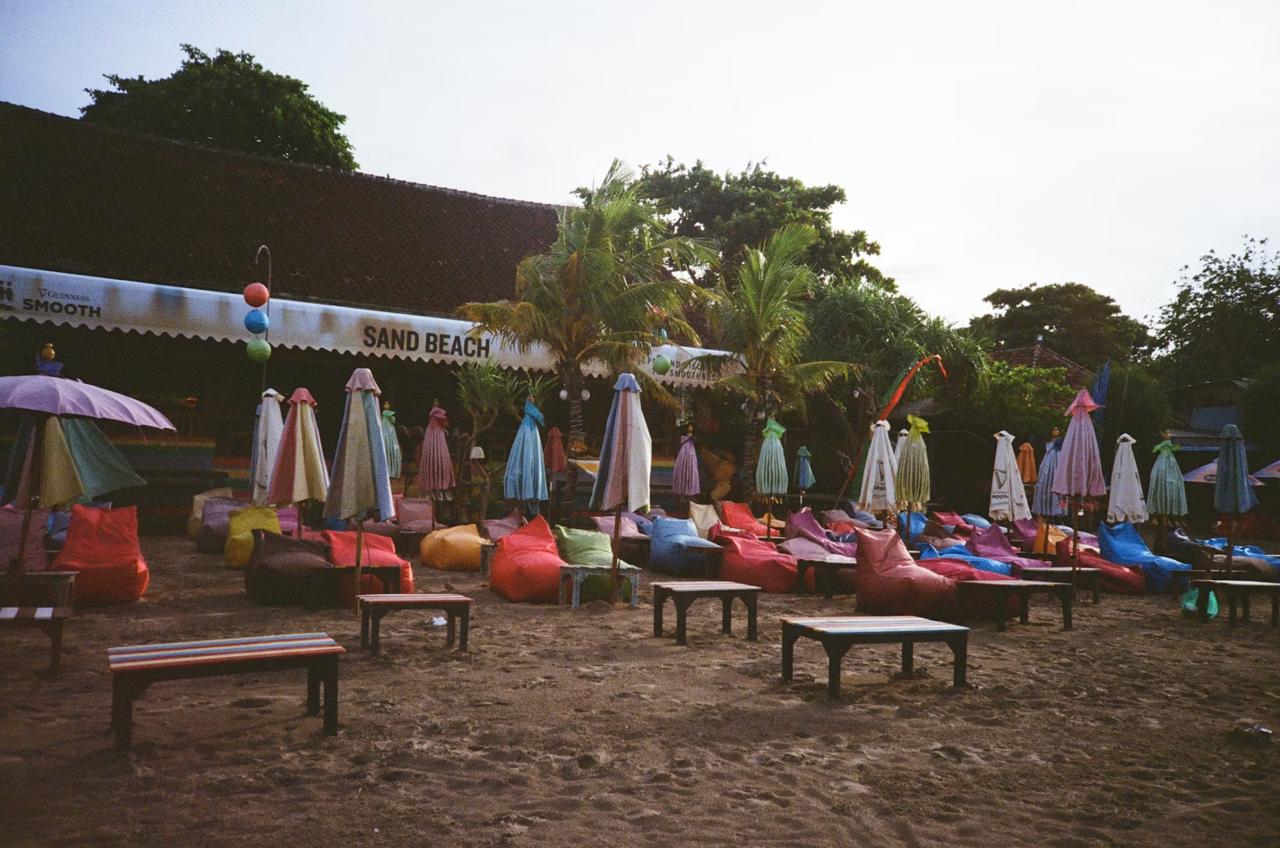
La Plancha exists as Seminyak's most unpretentious beach club, which is exactly why locals and repeat visitors prefer it to Potato Head. The Spanish theme (the name means "flat plate" or "griddle" in Spanish) gives it character without trying too hard. The colourful parasols are genuinely charming rather than calculated. The beanbags on the sand feel comfortable rather than aspirational.
What you should know: the food is secondary here. This isn't where you come for a sophisticated dinner. You come for the atmosphere, for people-watching, for the ease of the social experience. The cocktails are good, the prices are fair, and the sunset view is as genuine as it gets.
Cost: Beanbags are free with a drink purchase. Cocktails: 80,000–120,000 IDR ($4.40–6.60 USD).
6. Ku De Ta
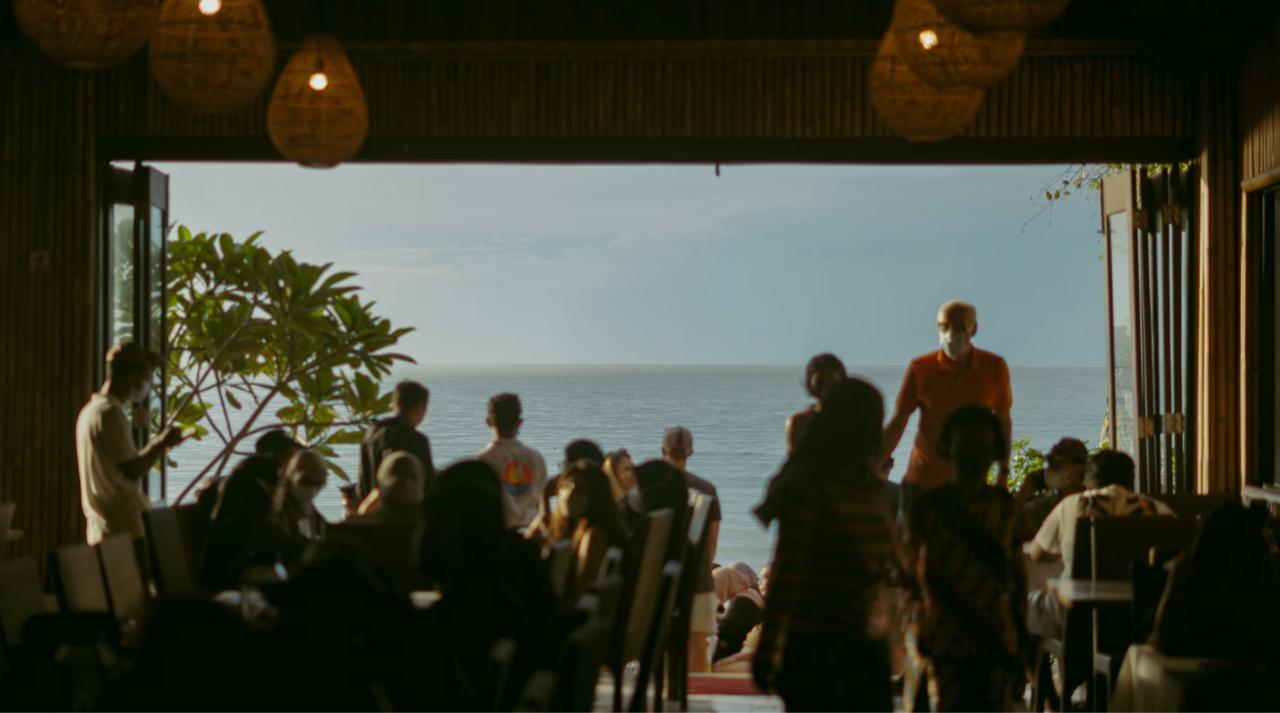
Ku De Ta is the original Seminyak institution, and it's maintained that position through consistency rather than hype. This is where you come when you want dinner to feel deliberate rather than casual, when you want to experience Seminyak's culinary ambition rather than its beach-bar energy.
The sunset views are genuinely spectacular. The service is attentive without being intrusive. The wine list is serious. The food is creative without being pretentious. It's the kind of place where you feel like you're part of something established rather than participating in a trend.
Cost: Dinner mains: 180,000–300,000 IDR ($10–16.50 USD). Cocktails: 120,000–180,000 IDR ($6.60–10 USD). Full dinner experience: 600,000–1,200,000 IDR ($33–66 USD) per person with wine pairings.
7. Surfing Lessons
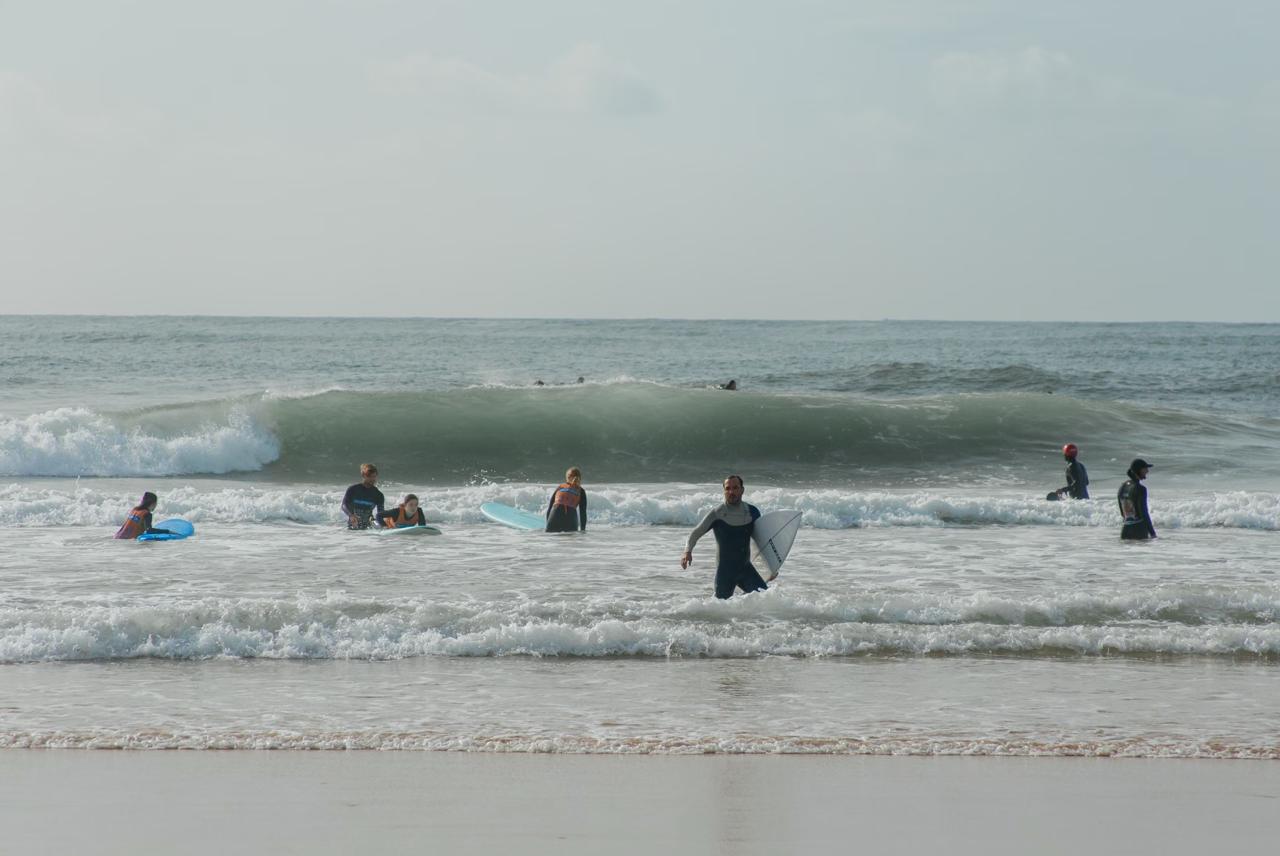
Surfing in Seminyak has an interesting history. Before Canggu became famous as Bali's surf capital, Seminyak was where serious surfers came. The waves here are more forgiving than they are powerful, which makes it an obvious choice for a beginner-friendly surf destination. That hasn't changed. Today's difference: you can book lessons with trained instructors. Twenty years ago, you'd have hoped the guy on the beach actually knew how to teach.
The experience is straightforward: you meet your instructor on the beach, spend 30 minutes on land learning technique, then spend 1–2 hours in the water with the instructor giving you real-time feedback. You won't become proficient at surfing in one lesson, but you'll understand what's happening on the board, and you'll catch actual waves.
The best part: surfing humbles you immediately. It's impossible to take yourself seriously on a board, and that creates connection. You'll likely make friends with your fellow lesson participants.
Cost: 300,000–500,000 IDR ($16.50–27.50 USD) for a single lesson. Group lessons are cheaper; private instruction is available. Board rentals are available if you want to practice solo afterwards.
8. Yoga Classes
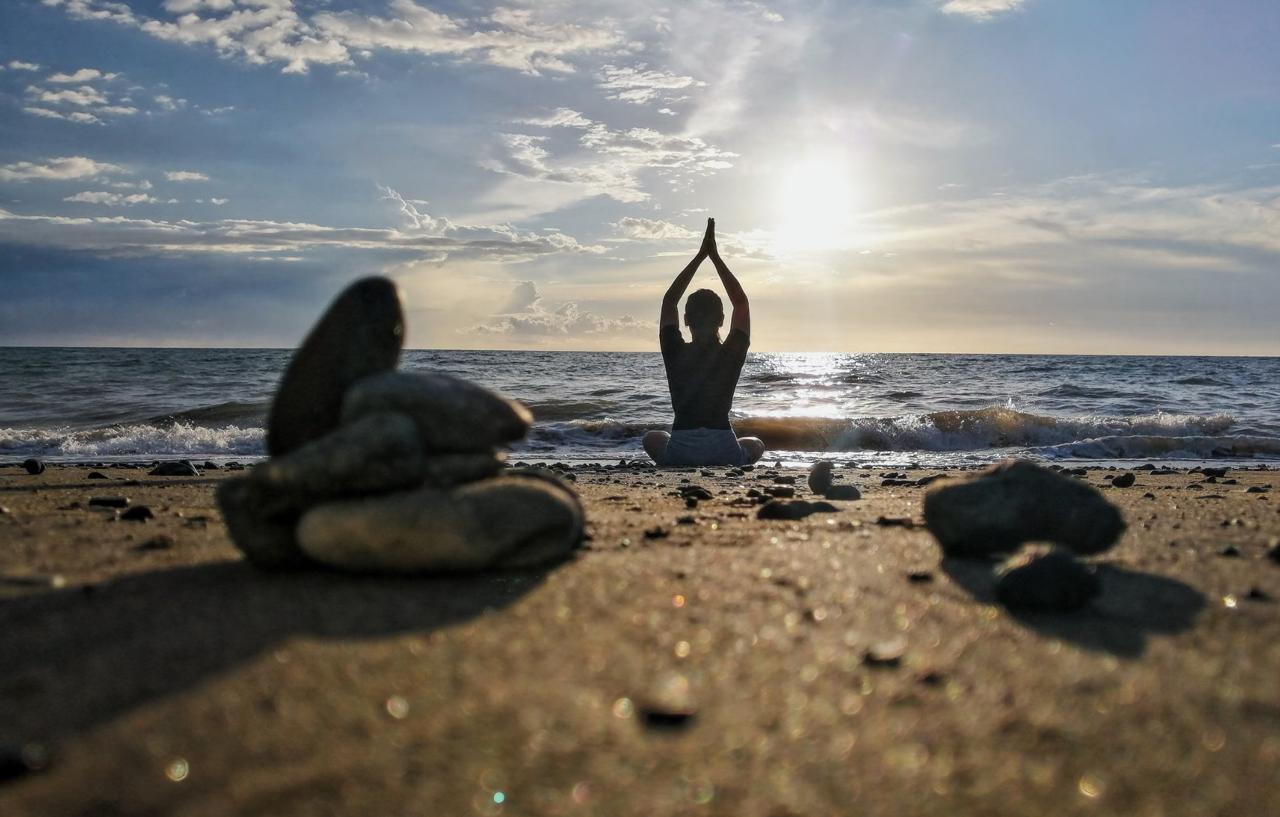
Yoga in Bali has become relatively infamous as a cliché, but that reputation misses something important: yoga actually works better near the ocean. The combination of movement, breath, and natural soundscape creates something genuinely restorative. Whether you've practised yoga for years or never tried it, a sunrise or sunset session in Seminyak shifts something.
Studios like Jiwa Yoga, Yoga 108, and Pondok Yoga (which specialises in aerial yoga) attract both tourists and locals. The quality of instruction varies, but the good studios have trained teachers and classes that are genuinely well-designed. The best approach: try a few different studios and teachers. You'll find one that resonates.
Morning sessions (6–8 AM) are quieter and less crowded, which means better instruction. You'll also have the beach to yourself afterwards if you want to sit quietly with coffee.
Cost: Drop-in classes range from 120,000–200,000 IDR ($6.60–11 USD). Monthly passes are available if you're staying longer.
9. Cooking Classes
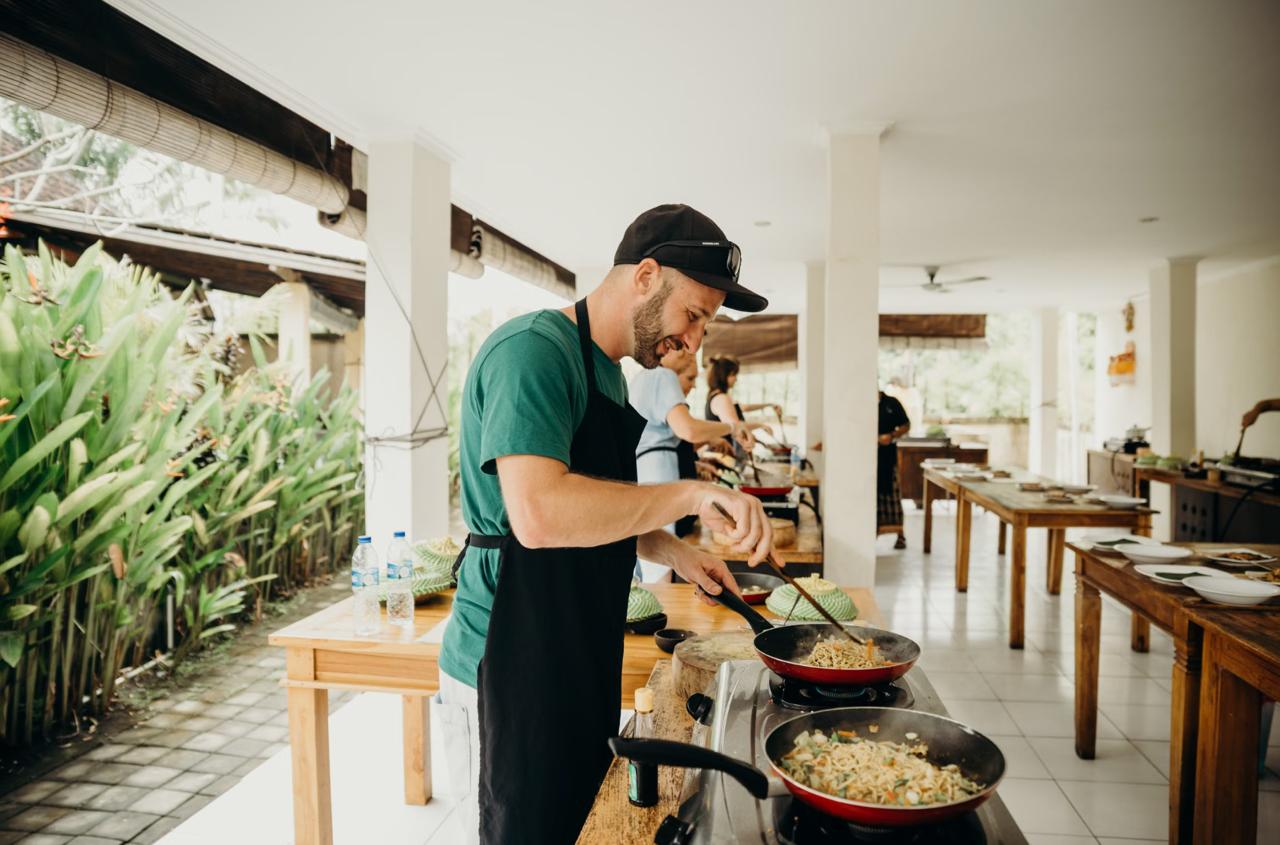
Cooking classes exist as a strange category of tourism activity: they're touristy by definition, yet somehow they're also the most authentic way to understand local food culture. The best classes start with a market visit. Your instructor walks you through a local market, pointing out herbs and spices you've never seen before, explaining how each ingredient is used throughout Balinese cuisine.
Then you return to the kitchen and actually prepare dishes. You're not watching a demonstration; you're doing the work. By the end of the class, you'll have made satay, curry, sambal, and nasi goreng. You sit down and eat everything you've made. The whole experience takes 3–4 hours, and you leave with actual skills and a genuine understanding of Balinese cuisine.
The classes are genuinely popular with long-term residents, which tells you something about their quality. You're getting genuine technique taught by professional cooks, not a watered-down tourist version designed for Instagram.
Cost: 450,000–600,000 IDR ($25–33 USD) per person, including market tour and all ingredients.
10. The Cafe Culture
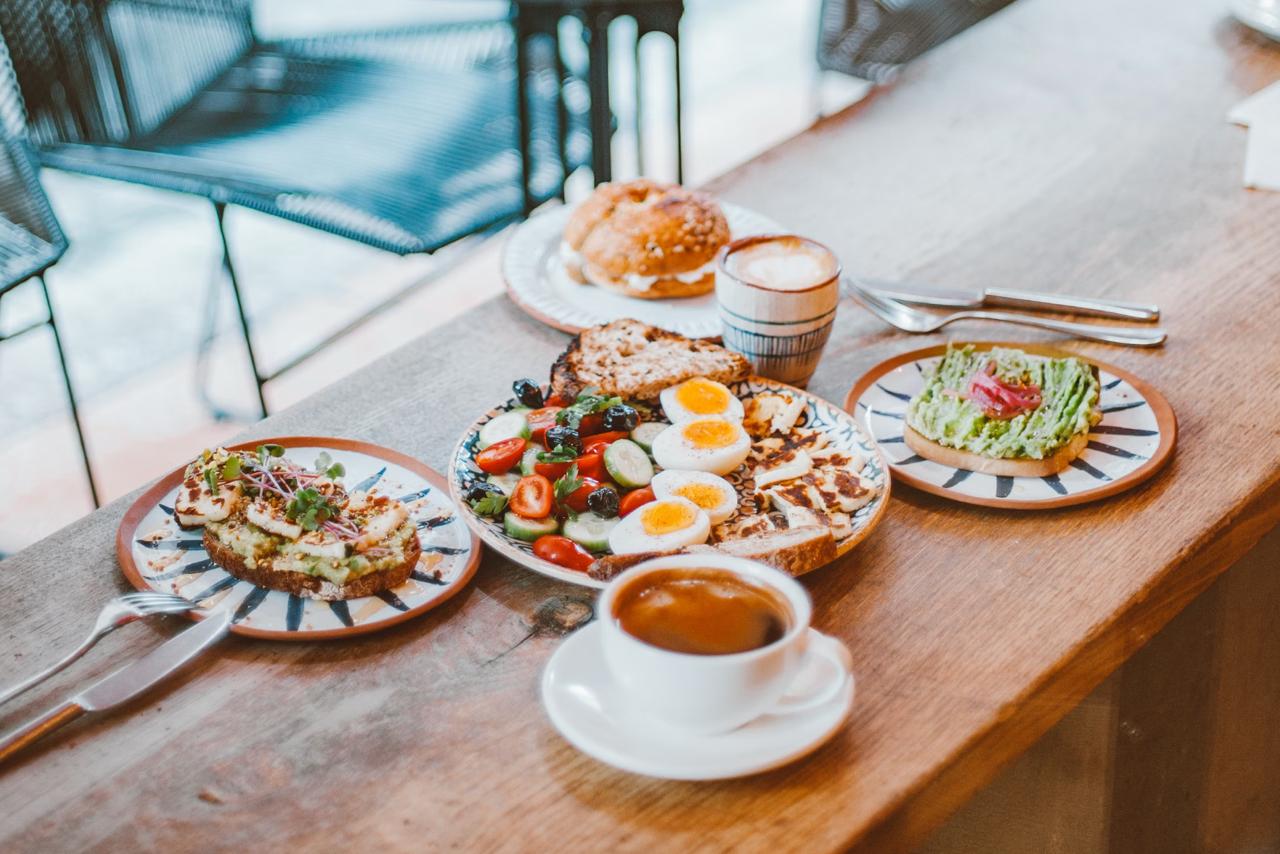
Seminyak's cafe culture exists at an intersection of global traveller preferences and genuine local ingredients. The avocado toast you'll eat here is made with local ingredients prepared by people who genuinely care about food. The smoothie bowls are colourful because they're made fresh daily, not because someone read about Instagram trends.
Book your next hotel for up to 30% less
Popular spots like Kynd (entirely plant-based, famous for its all-pink interior) and Hut Bali (a rooftop space with a genuinely tropical vibe) attract both tourists and locals. What distinguishes good cafes from trendy ones is whether the food is genuinely delicious or just visually interesting. The best ones excel at both.
Brunch pricing has gone up. Expect 120,000–180,000 IDR ($6.60–10 USD) for a plate, plus 80,000–150,000 IDR ($4.40–8.25 USD) for cocktails. It's still reasonable by international standards, but it's not the budget experience some travellers expect from Bali.
Want to avoid crowds? Arrive by 8 AM. The cafes that overflow by 10 AM are quiet and manageable in the early morning.
11. Eat Street (Jalan Kayu Aya)

Eat Street is a two-block pedestrian zone where restaurants, cafes, and small shops exist in proximity. What makes it work is precisely that it doesn't feel designed. It evolved organically as Seminyak developed, and today it has a neighbourhood feeling despite being in the middle of the tourist zone.
The best approach: don't plan where you're eating. Walk the street, look at what's interesting, and decide based on what actually appeals to you at that moment. You could eat Thai, Italian, contemporary Asian fusion, seafood, pizza, ramen, or tapas. The point isn't that there's one best restaurant; it's that the whole street works because of its diversity.
Most meals run 150,000–250,000 IDR ($8.25–13.75 USD) per person. The strength of Eat Street is choice, not price. You're paying for the ability to browse and discover rather than hunting for a specific venue.
12. Fine Dining

Seminyak has an unusual concentration of serious restaurants run by trained chefs with international experience. Many came here initially as tourists, fell in love with Bali, and decided to stay and open restaurants. What they brought with them was technique, vision, and genuine commitment to quality.
The best restaurants sit along Jalan Kayu Aya, Jalan Petitenget, and the quiet side streets leading toward the beach. You'll find everything from wood-fired seafood to tasting menus to contemporary takes on Balinese cuisine.
The common thread: the chefs aren't trying to recreate something from somewhere else. They're trying to interpret local ingredients through their own experience, which creates something unique.
Cost: Mains: 250,000–400,000 IDR ($13.75–22 USD). Multi-course dinners with wine pairings: 600,000–1,200,000 IDR ($33–66 USD) per person. This is expensive by Bali standards, but reasonable by international standards for this quality.
Seminyak's wellness industry blends two worlds. One is traditional Balinese practice massage techniques and healing rituals refined over centuries. The other is modern wellness: juice cleanses, oxygen therapy, cutting-edge beauty treatments. The best experiences combine both.
13. Spa & Massage

Balinese massage exists as more than a tourist experience. It's a genuine healing practice with roots in traditional medicine. The technique uses scented herbal oils, rhythmic pressure, and an understanding of energy flow based on centuries of local knowledge. A good Balinese massage doesn't just feel good; it actually creates physiological change.
The quality of massage varies dramatically depending on where you go. Budget options (100,000–150,000 IDR or $5.50–8.25 USD per hour) can be excellent if you find the right practitioner, but consistency is harder to guarantee. Mid-range spas (200,000–300,000 IDR or $11–16.50 USD per hour) typically offer better consistency and atmosphere. Luxury spas charge premium prices but also provide a premium experience, nicer facilities, more attentive service, and better quality oils.
Pricing Guide (2026 rates):
14. Full-Day Wellness Retreats
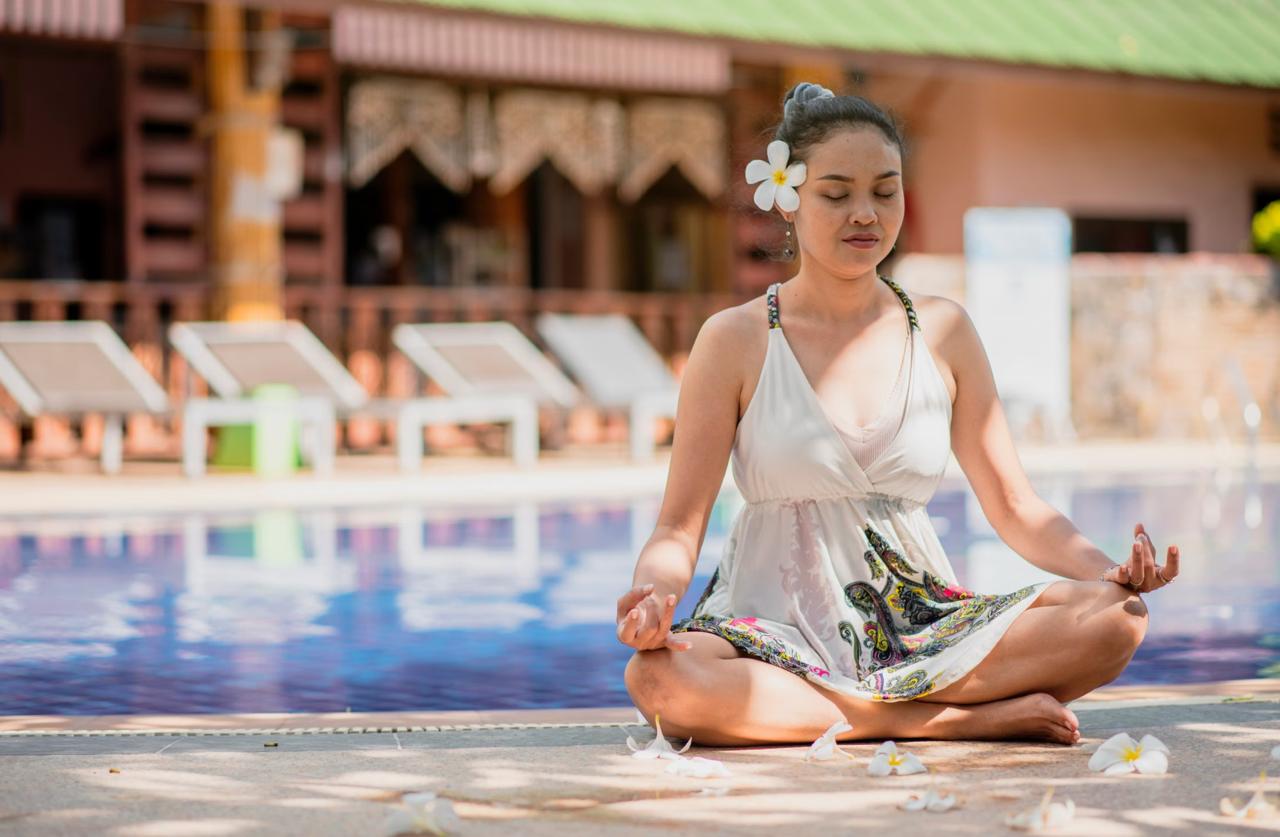
If you have a full day and want something more immersive than a single treatment, full-day wellness packages offer structure and variety. These typically include massage, facial, yoga, meditation, and meals designed around wellness principles. Each element builds on the previous one, creating a cumulative effect that's greater than the sum of its parts.
Several resorts offer these programs. Bodyworks combine multiple treatments in varied spaces. Prana Spa creates a Moroccan aesthetic that's genuinely transportive. What distinguishes good wellness packages from mediocre ones is the thoughtfulness of sequencing and the quality of instruction.
Cost: 1,200,000–1,800,000 IDR ($66–99 USD) including all treatments and meals.
15. Seminyak Square & Seminyak Village
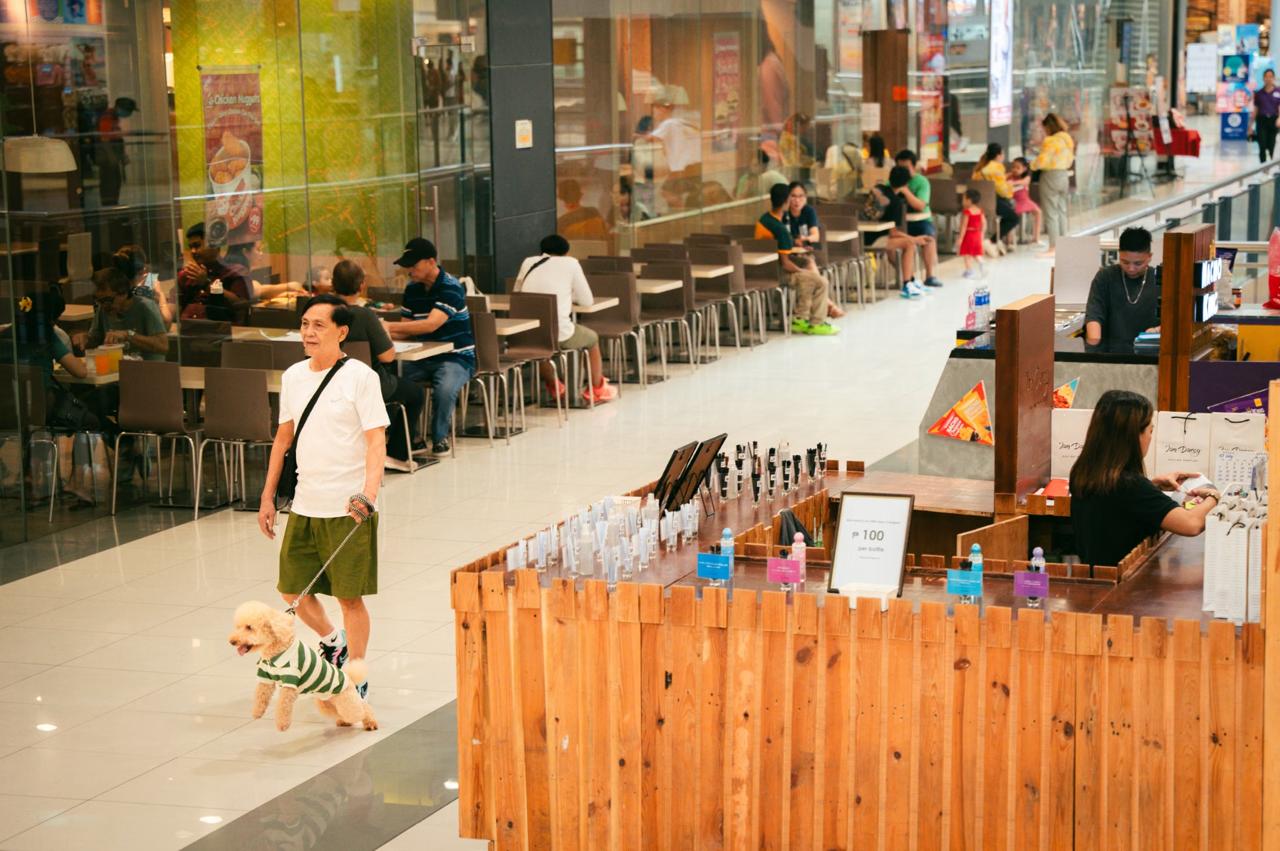
Seminyak Square is a compact mall with genuinely distinctive architecture; the wavy frontage is architecturally interesting rather than gimmicky. What distinguishes it from generic shopping centres is the curation: local designers and international brands exist side by side. You can buy something made by a local Balinese designer in the same space where you find established international labels.
Seminyak Village follows a similar model but feels even more neighbourhood-focused. This is where locals actually shop, not just tourists. The prices reflect the upscale location; nothing here is cheap, but nothing feels overpriced either.
What you'll find: Clothing, shoes, glasses, homewares, toiletries, and cafes. Expect to spend 2–3 hours if you're genuinely shopping.
16. Night Markets

Night markets in Bali exist at the intersection of tourism and actual life. The Kereneng Night Market operates in the evenings and weekends, and it's where actual residents come to shop not tourists looking for souvenirs, but Balinese people buying food, clothes, and household items.
What you notice first about night markets: the prices are genuinely lower. Not by massive amounts, but meaningfully lower than daytime shops. Second, the energy is different. Nobody's trying to sell you something you don't want. People are here to buy actual things for actual reasons.
The culture of bargaining exists, but it's respectful rather than combative. A polite offer of 10,000–20,000 IDR less on something that costs 150,000 IDR is expected and appreciated. It's not about extracting the lowest possible price; it's about acknowledging that negotiation is part of the transaction.
When to go: Wednesday–Saturday evenings after 6 PM. Avoid Sunday–Tuesday when markets are quieter and sometimes closed.
17. Art Galleries
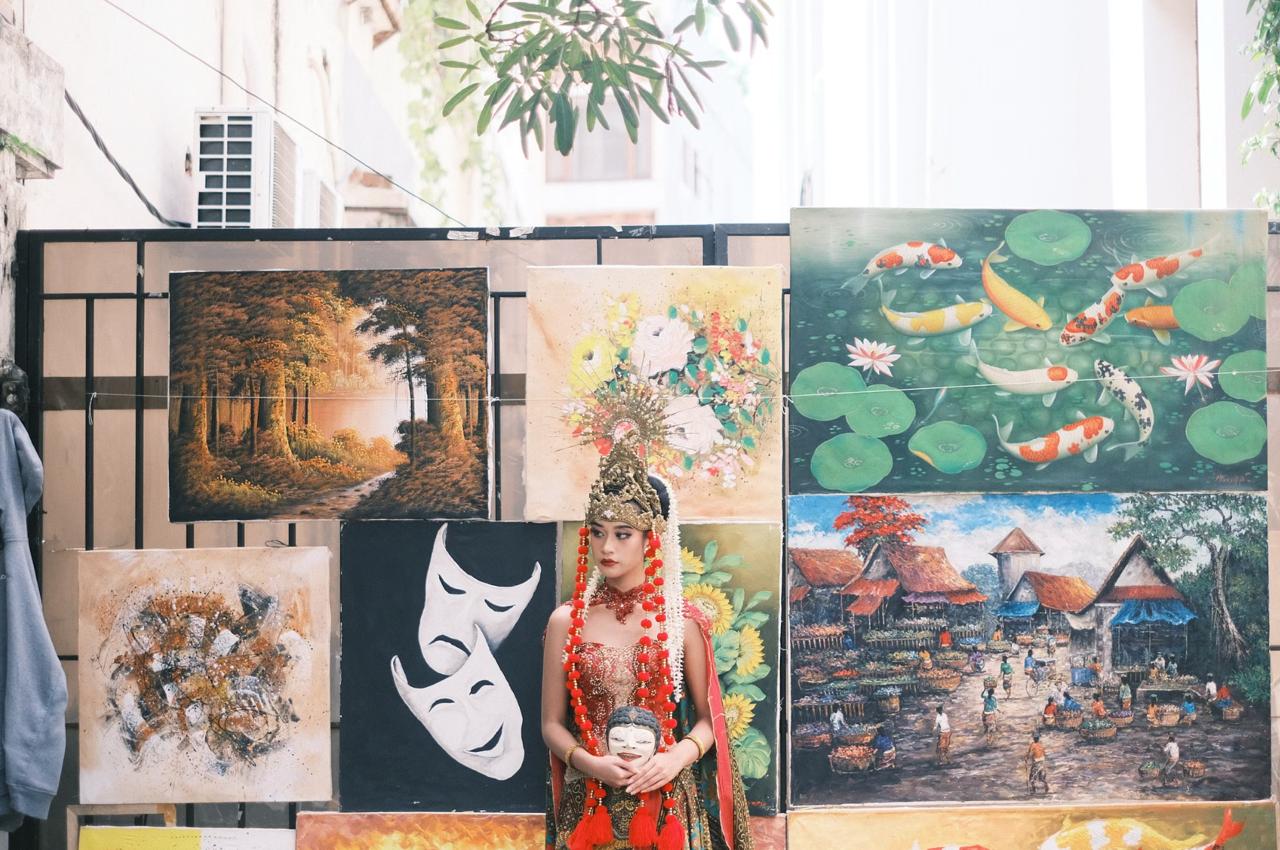
Art galleries in Seminyak exist primarily to support artists rather than to make money from tourists, which creates a different energy. Nyaman Gallery (the word means "comfortable" in Indonesian) was designed to feel like visiting an artist's living room rather than entering a museum. Purpa Fine Art Gallery features work from people of all nationalities who live in Bali.
These galleries are free to enter. Most pieces are for sale, but there's no pressure. You're welcome to spend ten minutes or an hour. The gallery owners appreciate genuine interest more than purchases. This feels fundamentally different from the commercial energy of tourist-oriented shops.
18. Beach Clubs After Dark
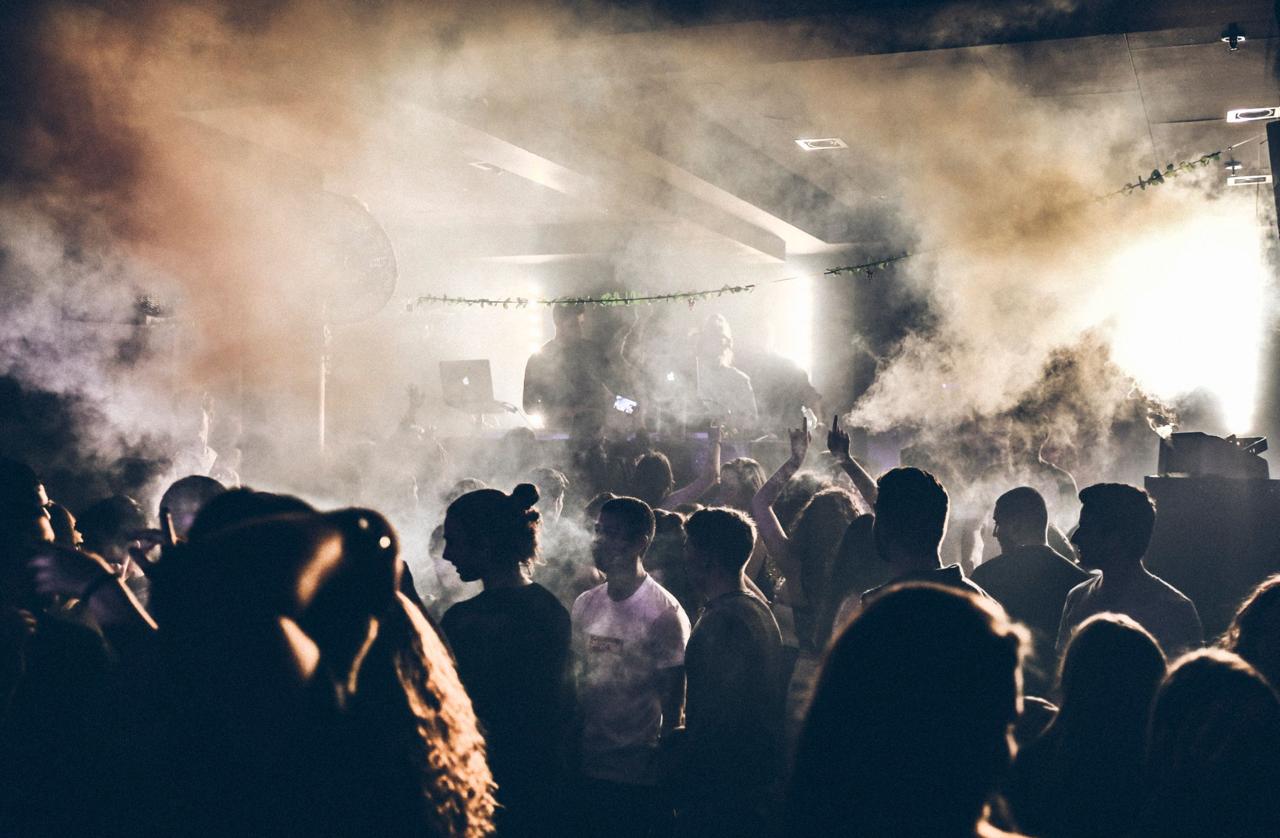
Beach clubs in Seminyak don't dramatically transform after sunset; they amplify. The music volume increases. The crowd shifts incrementally younger. The dancing that started casually at sunset becomes more structured and energetic by midnight. But the vibe remains sophisticated. Nobody's standing on tables. People aren't looking for trouble.
The three major clubs, Potato Head, La Plancha, and Ku De Ta, each maintain their own personality throughout the evening. Potato Head becomes more dance-focused. La Plancha remains more social and conversational. Ku De Ta shifts to a lounge energy with ambient music rather than dance.
The practical reality: most clubs don't actually peak until 11 PM or midnight. If you show up at 9 PM, you'll be there before the crowd, which means better access, quieter conversation, and a chance to see the evening evolve.
Dress code matters at upscale clubs: closed-toe shoes for men, no athletic wear for anyone. This isn't arbitrary gatekeeping; it's designed to maintain a certain energy and clientele.
19. Live Music Venues
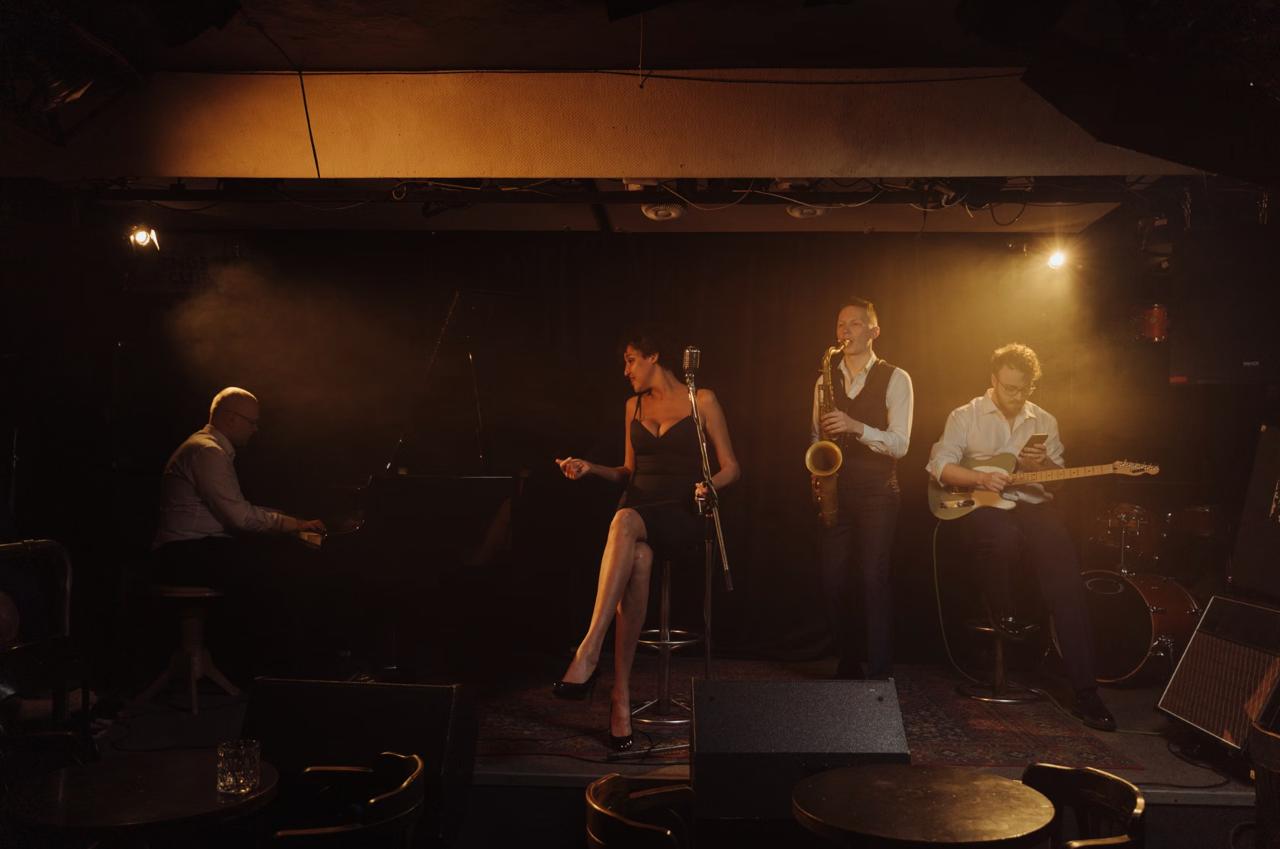
Live music in Seminyak exists at several venues, but jazz occupies a special place. Pison Petitenget hosts Thursday nights with live jazz bands, a genuinely rare offering in Bali. The Orchard Bar offers more varied live music across genres (blues, indie rock, acoustic). Both venues have created spaces where the music is genuinely the focus rather than background accompaniment to drinking.
The energy at live music venues is different from that of clubs. People actually listen. Conversations are quieter. The whole experience is designed around the music rather than around socialising. If that appeals to you, these venues are worth seeking out.
Cost: No cover charge typically, but drink minimums expected (cocktails: 80,000–150,000 IDR or $4.40–8.25 USD).
20. Nightclubs

Dedicated nightclubs in Seminyak occupy a different niche than beach clubs. Motel Mexicola starts as a restaurant but transforms into a nightclub as evening progresses; the atmosphere becomes increasingly energetic, fuelled by tequila and pop music. Iron Fairies creates a more upscale nightclub experience with higher production values.
What distinguishes Seminyak's nightclubs from the chaos of Kuta : the crowd is typically older (25–40s rather than 18–25s). The crowds tend to be older; people are here to dance with friends rather than lose themselves in anonymity, and the security remains alert without feeling oppressive. Nightclubs in Seminyak don't hit their stride until close to 11 PM. Arriving earlier means spending hours watching the venue gradually fill up.
21. Day Trip to Ubud
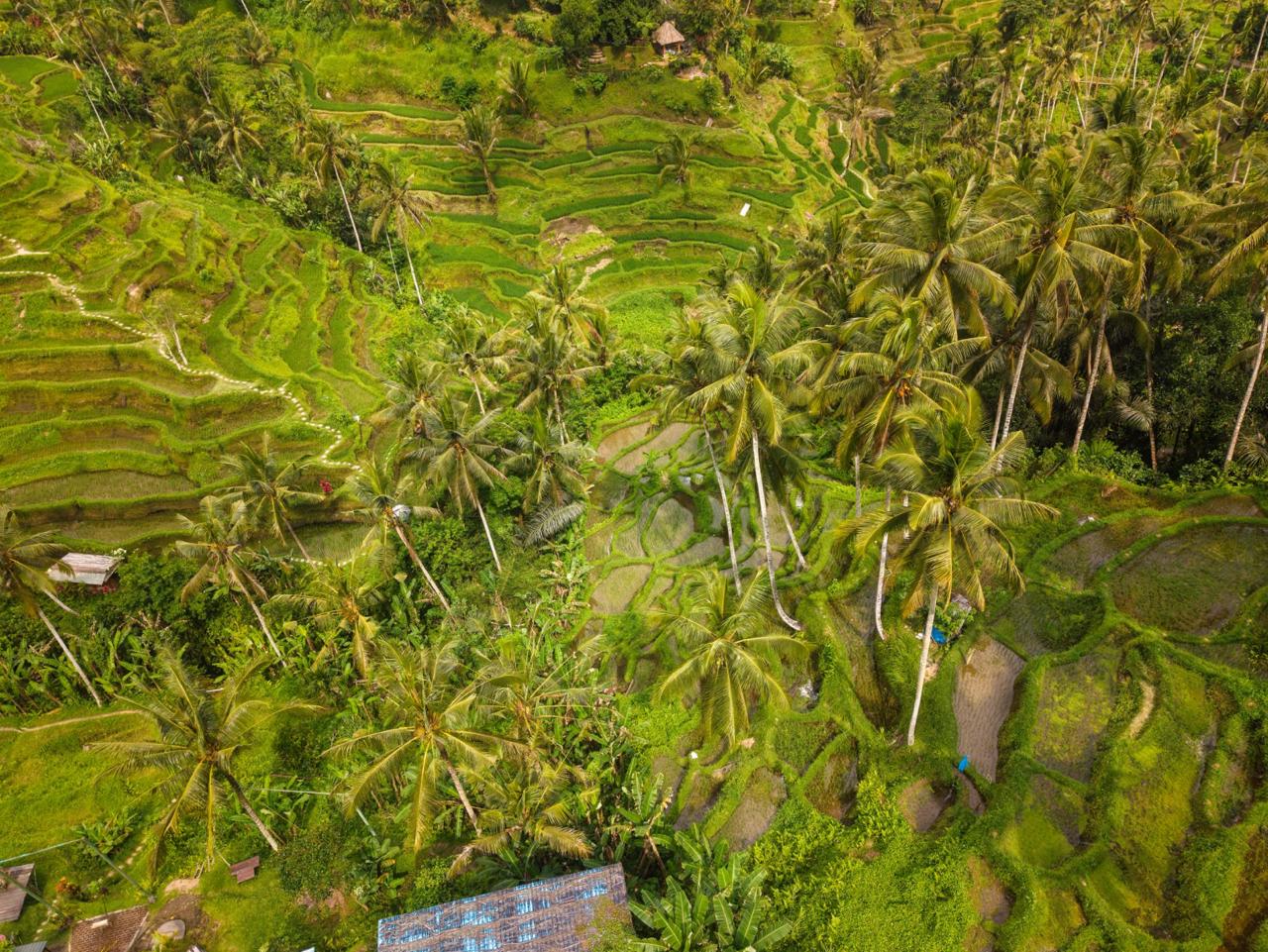
Ubud sits at the heart of Bali's culture and spirituality. Dense jungle surrounds it, dotted with temples, rice terraces, and art galleries. The drive from Seminyak takes 1–1.5 hours depending on traffic. Most day trips are structured as 8–10 hours total, which gives you genuine time to explore rather than rushing through a checklist.
In a single day, you can experience rice terraces (Tegallalang), Ubud Monkey Forest (filled with gray monkeys and ancient structures), the town market (chaotic and genuine), several temples, and local galleries. The pace feels deliberate rather than hurried.
The honest assessment: Ubud is worth a day trip if you want to understand Bali's culture and geography. If you're already tired or short on time, skip it and rest in Seminyak instead. There's no obligation to see everything part of wise travel is knowing what to skip.
Want a deeper dive into what Ubud offers? Read our 15 things to do in Ubud guide for detailed itineraries, restaurant recommendations, and insider tips.
Cost: Guided tours: 600,000–900,000 IDR ($33–50 USD) per person. Private driver hire: 500,000–700,000 IDR ($27.50–38.50 USD) for the full day (can be split among multiple people).
A Sample Itinerary: Four Days in Seminyak
Day 1: Arrive, settle into accommodation, explore central Seminyak on foot, sunset at Seminyak Beach, casual dinner on Eat Street.
Day 2: Morning yoga (6–8 AM), brunch at a favourite cafe, half-day at beach club (Potato Head or La Plancha), spa treatment in the afternoon, casual dinner.
Day 3: Surfing lesson or cooking class in the morning, lunch, shopping at Seminyak Square, evening at a live music venue or beach club.
Day 4: Either a day trip to Ubud (8–10 hours) or a relaxed morning, final lunch at a favourite spot, evening flight prep.
Seminyak: Key Takeaways
- Best duration: 3–4 days minimum; 5–7 days ideal
- Daily cost: $40–60 (budget) | $100–150 (mid-range) | $200–400+ (luxury)
- Best time: May–September (dry season); September offers best value
- Top activities: Beach clubs, surfing lessons, cooking classes, Balinese massage, fine dining
- Getting around: Grab/Gojek ($1.50–4 USD), scooter rental ($3–5 USD), private driver ($35–50 USD)
- Airport distance: 10–15 km north (30–45 minutes; $11–19 USD by Grab)
- Safety: Very safe for solo travellers
- Vibe: Upscale but unpretentious, sophisticated but welcoming
- Why visit: World-class dining, calm beaches, genuine spas, relaxed energy without chaos
Book on Epic : Save up to 30% on flights & hotels.
Ready to Book Your Seminyak Experience?
You now understand what makes Seminyak genuinely special: not that it tries to be everything, but that it excels at being authentically itself. It's where travellers come expecting paradise and leave understanding why residents choose to stay.
The final step is booking in a way that doesn't require you to overpay.
Why Book Through Epic:
- Save up to 30% on flights and hotels compared to Booking.com and Expedia
- Pay with your card, Apple Pay, Google Pay, or any of 200+ cryptocurrencies
- Access to 2 million properties across 190+ countries
- Transparent pricing with no hidden fees
Ready to experience Seminyak? Sign up now to claim $25 off your first booking.
Explore Beyond Seminyak
Ready to venture further? Seminyak is perfectly positioned for day trips and nearby destinations. Discover 18 best things to do in Uluwatu. Just south of Seminyak, Uluwatu offers dramatic clifftop temples, world-class surf breaks, and sunset bars with views that rival Seminyak's but with fewer crowds. Explore ancient temples perched on 70-meter cliffs, watch traditional Kecak fire dance performances, and discover secluded beaches accessible only by steep stairs.
FAQs
1. How many days do you need in Seminyak?
Three to four days is ideal if combining Seminyak with other Bali destinations. This allows time for beaches, beach clubs, spas, dining, and a day trip. If staying only in Seminyak, five to seven days lets you relax, revisit favourites, and absorb the atmosphere without rushing. Most visitors find 4–5 days offers the best balance.
2. Is Seminyak or Canggu better for tourists?
Seminyak suits travellers seeking upscale, relaxed vibes with world-class dining and spas. Canggu appeals to younger crowds seeking vibrant nightlife and surf culture. Seminyak is more sophisticated and less chaotic; Canggu is trendier and more bohemian. Choice depends on your travel style and energy level.
3. What's the best time to visit Seminyak?
May through September offers clear skies, warm weather, and calm ocean conditions. September is a particularly good dry season, but prices drop and crowds thin. December–January is rainy but cheaper. Avoid April and October (transition months with unpredictable weather).
4. How much does it cost to visit Seminyak per day?
Budget travellers: $40–60 USD (street food, budget hotels, free beaches). Mid-range: $100–150 USD (casual dining, mid-range hotel, activities). Luxury: $200–400+ USD (fine dining, premium accommodations, private experiences). Costs vary significantly based on dining choices and accommodation preferences.
5. Is Seminyak safe for solo travellers?
Yes, Seminyak is very safe for solo travellers, especially solo women. The area is upscale, well-developed, and heavily touristed. Standard precautions apply (awareness, valuables security), but violent crime is rare. The respectful crowd and good infrastructure make it one of Bali's safest destinations.
6. How far is Seminyak from Bali Airport?
Seminyak is 10–15 km north of Ngurah Rai International Airport (DPS). Drive time: 30–45 minutes depending on traffic and time of day. Grab rides cost 200,000–350,000 IDR ($11–19 USD). Hotel airport transfers cost more but offer convenience and avoid negotiation hassles.

Mithra Ghosh is a Dubai-based content writer and SEO copywriter with 2+ years of experience crafting search-optimised content across crypto, Web3, and digital finance. She combines strong editorial instincts with a deep understanding of blockchain ecosystems and on-chain trends.
At Epic, she writes about the growing world of crypto-native travel helping readers understand how holding and spending digital assets can unlock smarter, cheaper ways to see the world.


Found a destination you like? Book it for up to 30% less.

Found a destination you like? Book it for up to 30% less.