Content
18 Incredible Things to Do in Uluwatu, Bali (2026 Guide)

Almost every photo you see of Uluwatu shows the same scene: the temple in silhouette, an orange sunset behind it, and a Kecak dancer frozen mid-pose in the amphitheatre below. That scene is real, and it’s absolutely worth seeing for yourself.
But it’s also only a small part of what a week in Uluwatu actually feels like. The rest of the time is more likely to look like barefoot mornings at a café on the cliffs, carrying a surfboard down toward the beach, and somehow ending up with a beach club bill right around golden hour.
Uluwatu sits at the southern tip of Bali’s Bukit Peninsula, a limestone plateau that feels quite different from the rest of the island, both geologically and culturally. You won’t find Ubud-style rice terraces here, Kuta’s all-night party strip, or Canggu’s endless rows of laptop-and-matcha cafés.
What you do get is dramatic scenery: cliffs that drop 70 metres straight into the Indian Ocean, some of the best left-hand surf breaks in the world, and a beach club scene that’s arguably more polished than anywhere else in Bali. It’s only around a 30 to 45 minute drive from the airport, but it feels much more removed from the rest of Bali than that.
It’s also much busier than it used to be. Bali welcomed nearly 6.95 million foreign visitors in 2025, which was almost 10 percent more than the year before. Uluwatu has taken a real share of that growth, and you can feel it. The best-known spots get crowded.
That doesn’t mean you should skip them. It just means you need to plan a little smarter, and that’s exactly what this guide is here to help with.
Below, you’ll find 18 things worth doing in Uluwatu in 2026. They’re listed in roughly the same order they usually come up when you talk to people who’ve actually spent proper time here, not just stopped by for one sunset. Yes, the temple and the Kecak dance are included, but so are the quieter beaches, a market that has nothing to do with surfing, and places to eat once you’ve had your fill of nasi goreng, if that ever happens.
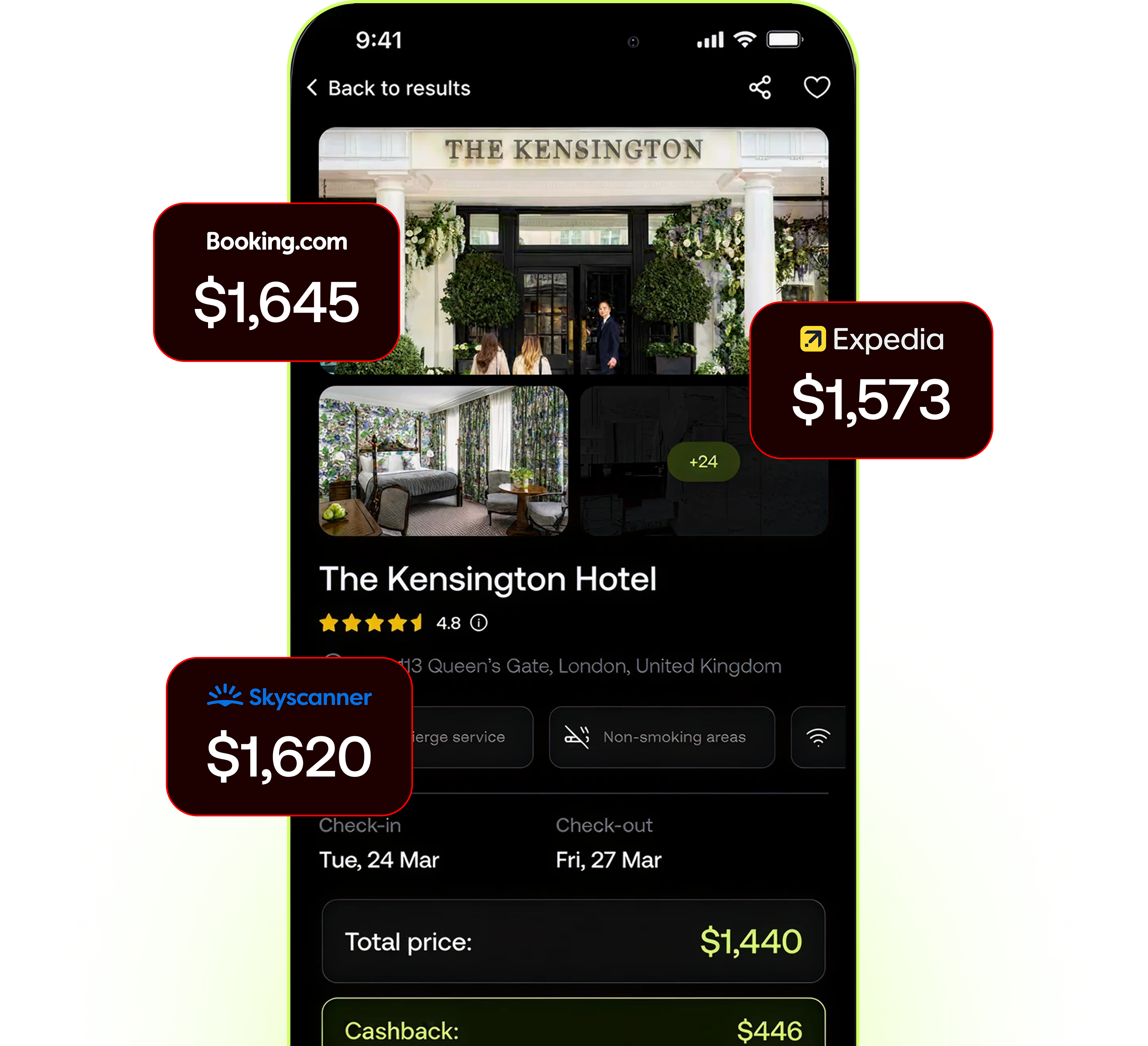
Planning a trip to Bali? Book your flights and hotels through Epic to get rates up to 30% cheaper than Booking.com. You can pay easily with Visa, Mastercard, Apple Pay, Google Pay, or 200+ cryptocurrencies, and earn up to 8% cashback. You can also claim $25 off your first booking today.
18 Incredible Things to Do in Uluwatu, Bali
1. Uluwatu Temple (Pura Luhur Uluwatu)
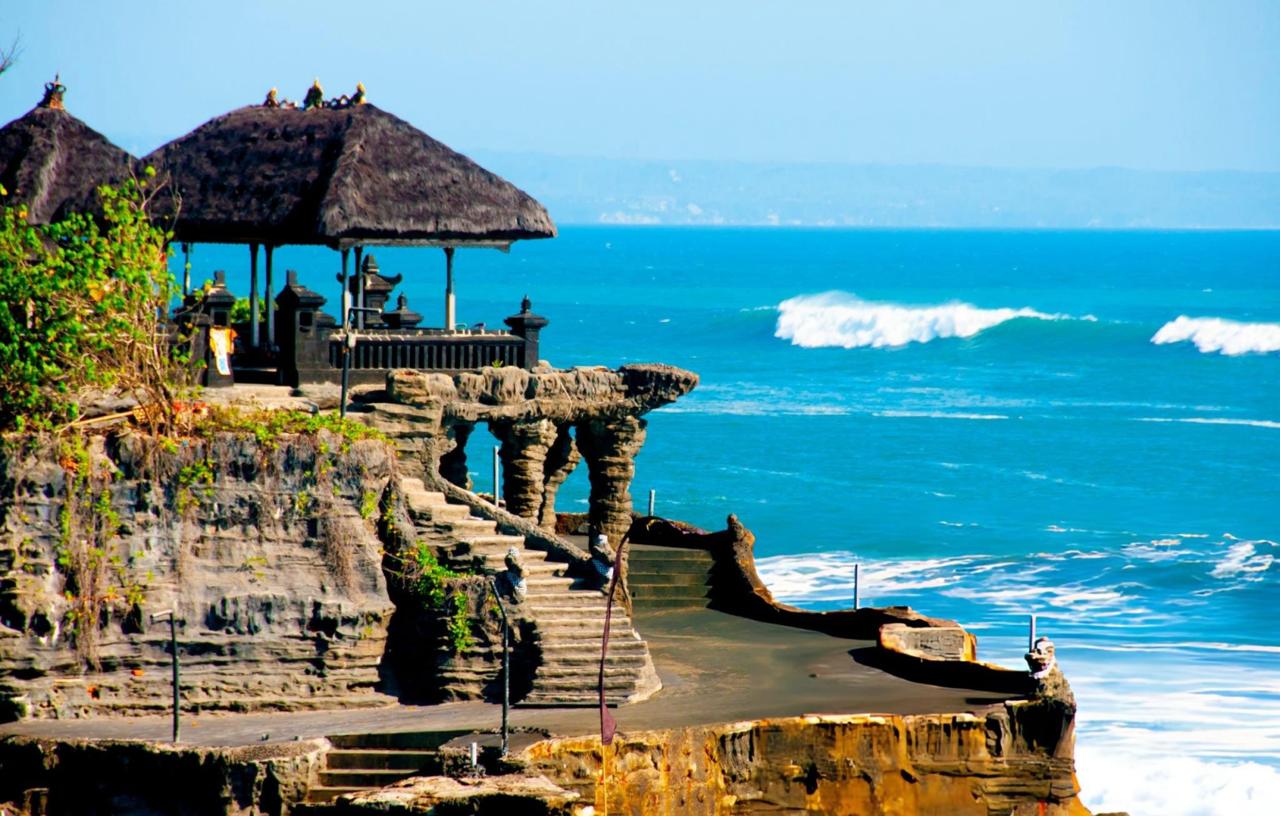
Start here, even if it feels like the obvious choice. Uluwatu Temple sits on a limestone cliff around 70 metres above the ocean at the far southwestern edge of the Bukit Peninsula. It’s the most photographed temple in Bali for a very simple reason: once you’re walking along the cliff path, there’s nothing in front of you except open ocean.
The temple is one of Bali’s six main directional sea temples, known as the Sad Kahyangan, which are considered spiritually important to the island. It’s traditionally linked to the 11th-century priest Mpu Kuturan, although the site may have been used for worship even earlier than that.
The temple is open every day from 7 am to 7 pm. Entry costs 50,000 IDR for adults and 30,000 IDR for children, which is roughly $3 and $2.
If your legs aren’t covered below the knee, you’ll be given a sarong at the entrance. That rule applies to everyone, no matter your gender. Try to give yourself at least an hour here so you can walk the cliff path properly instead of just stopping at the first viewpoint and heading back.
And one thing people absolutely do not exaggerate about here: the monkeys. There are a lot of them along the cliff path, and they are quick, bold, and very interested in sunglasses, phones, and dangling earrings. It’s best to zip away anything loose before you even get out of the car, not after you notice one staring at you.
2. The Kecak Fire Dance
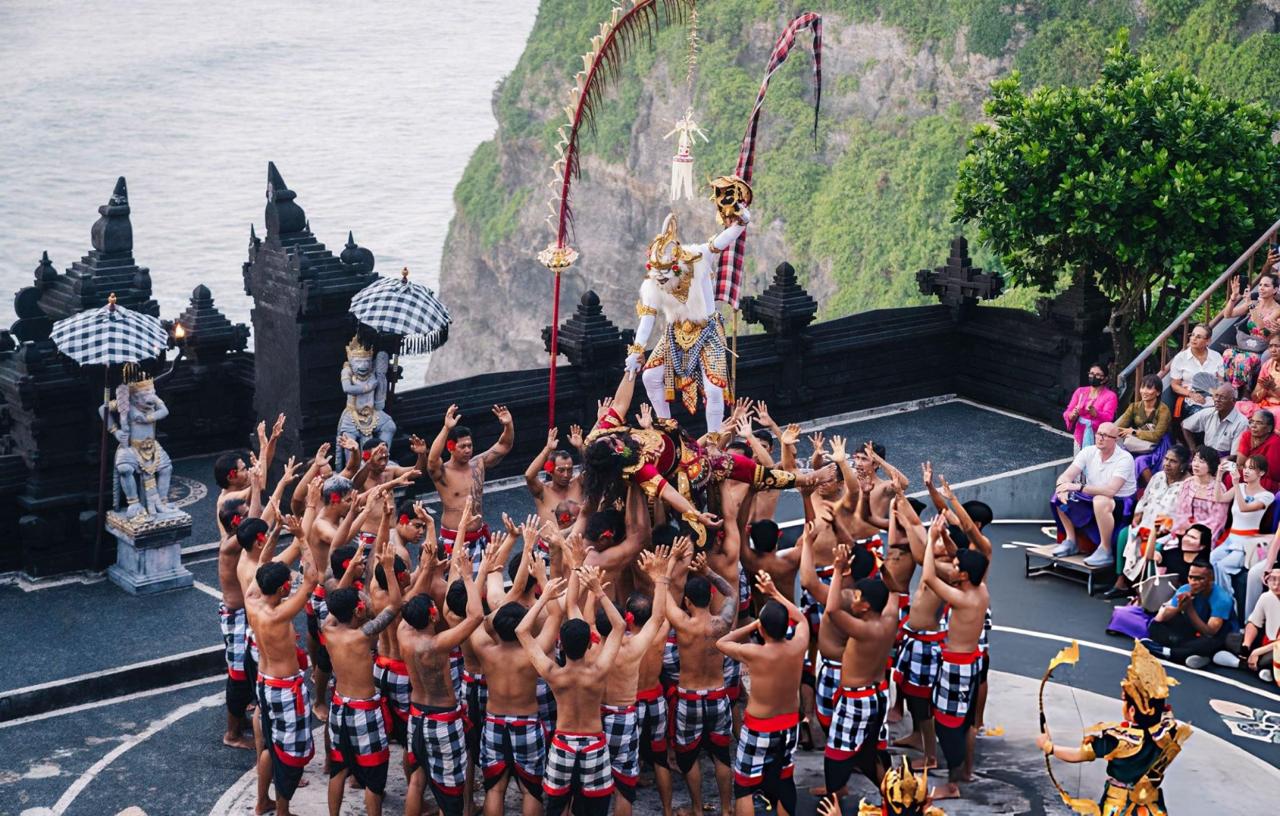
The Kecak performance takes place most evenings at sunset in the clifftop amphitheatre at Uluwatu Temple, and it’s worth treating as its own experience rather than just something you add on after visiting the temple.
Around 50 to 70 bare-chested men sit in circles and create the entire soundtrack themselves. There are no instruments at all, just the famous rhythmic “cak-cak-cak” chanting that rises and falls throughout the performance. The story is a shortened version of the Ramayana, following Rama, Sita, and the monkey god Hanuman.
It ends with one of the performers kicking through burning coconut husks while in a trance. On paper, that might sound a little theatrical, but in person, it feels far more dramatic and memorable.
The show runs daily from 6 to 7 pm. Ticket booths usually open around 4 to 4:30 pm, and during high season, the best seats, or sometimes even all seats, can sell out well before the performance starts. Don’t assume you can just turn up at 5:45 pm and get in.
The Kecak show ticket is separate from the temple entry ticket and usually costs around 150,000 IDR, which is roughly $9 to $10.
One interesting detail, if you like knowing the backstory. The Kecak performance in its current form isn’t actually ancient. It was developed in the 1930s by a German artist working together with a Balinese dancer, based on an older trance ritual called Sanghyang. So no, it’s not a centuries-old performance in the way many people assume, but it’s still absolutely worth seeing.
3. Padang Padang Beach
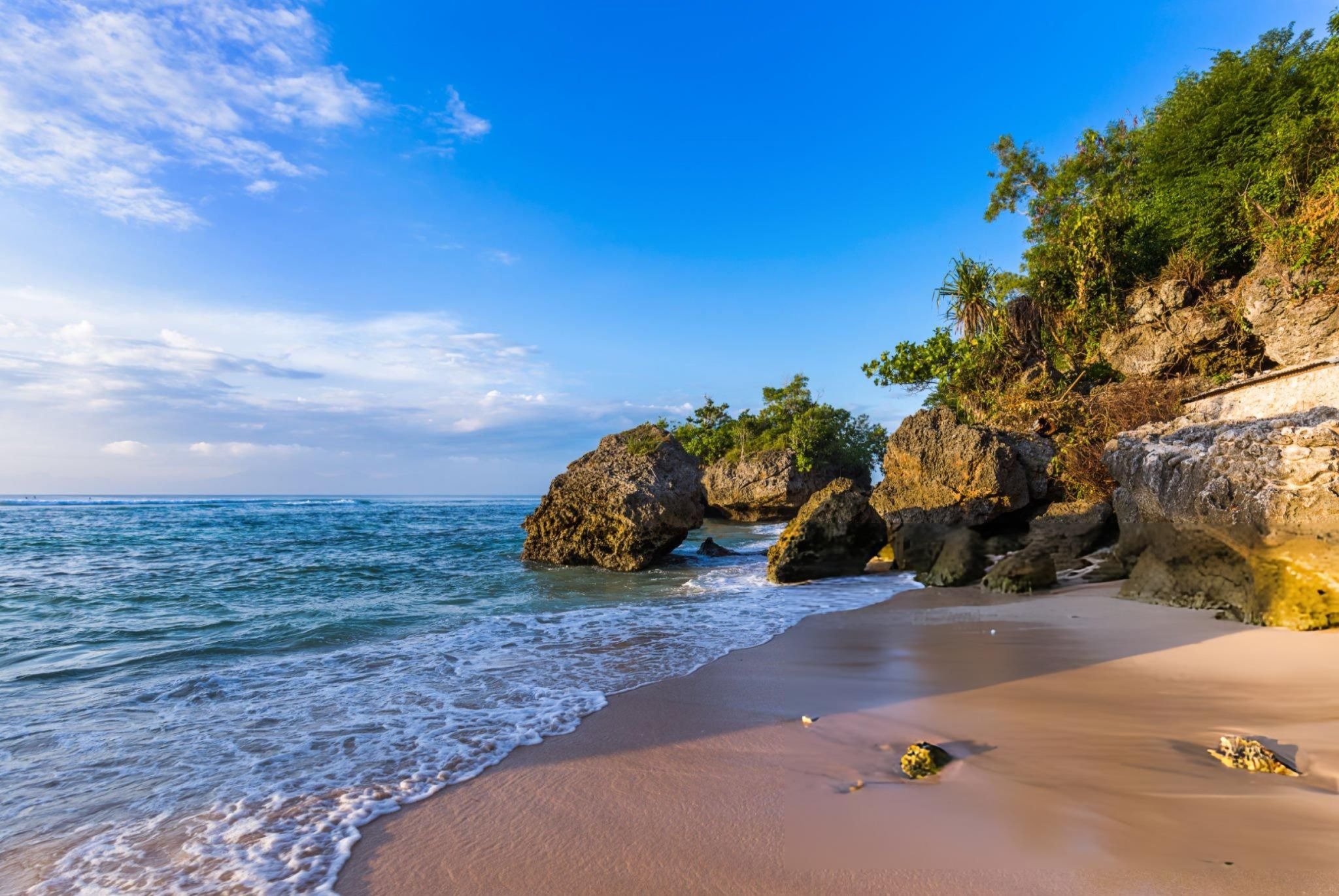
You get to Padang Padang Beach through a narrow opening in the rock, then down a staircase that leads everyone into the same small cove. That entrance alone makes it feel a little different from a typical beach.
The beach got a big boost in fame after appearing in Eat, Pray, Love in 2010, and that’s a big reason why it’s the busiest beach on this list by mid-morning. If you want to enjoy it with fewer people around, try to get here before 8 am, or come later in the afternoon instead.
The sand is soft, the water is clear, and there’s a beginner-friendly right-hand wave closer in. Further out, though, there’s a much more powerful break that’s really only for experienced surfers.
A lot of people don’t surf here at all. They just swim, float around, or sit with a coconut and watch other people do the hard work.
Entrance usually costs around 10,000 to 15,000 IDR, which is roughly $0.55 to $0.85. At the top of the stairs, there’s also a small group of warungs where you can grab a cold drink before heading back up.
And yes, the climb back up is steeper than it looks in photos, which is worth remembering if you’re carrying a surfboard.
4. Suluban Beach (Blue Point)
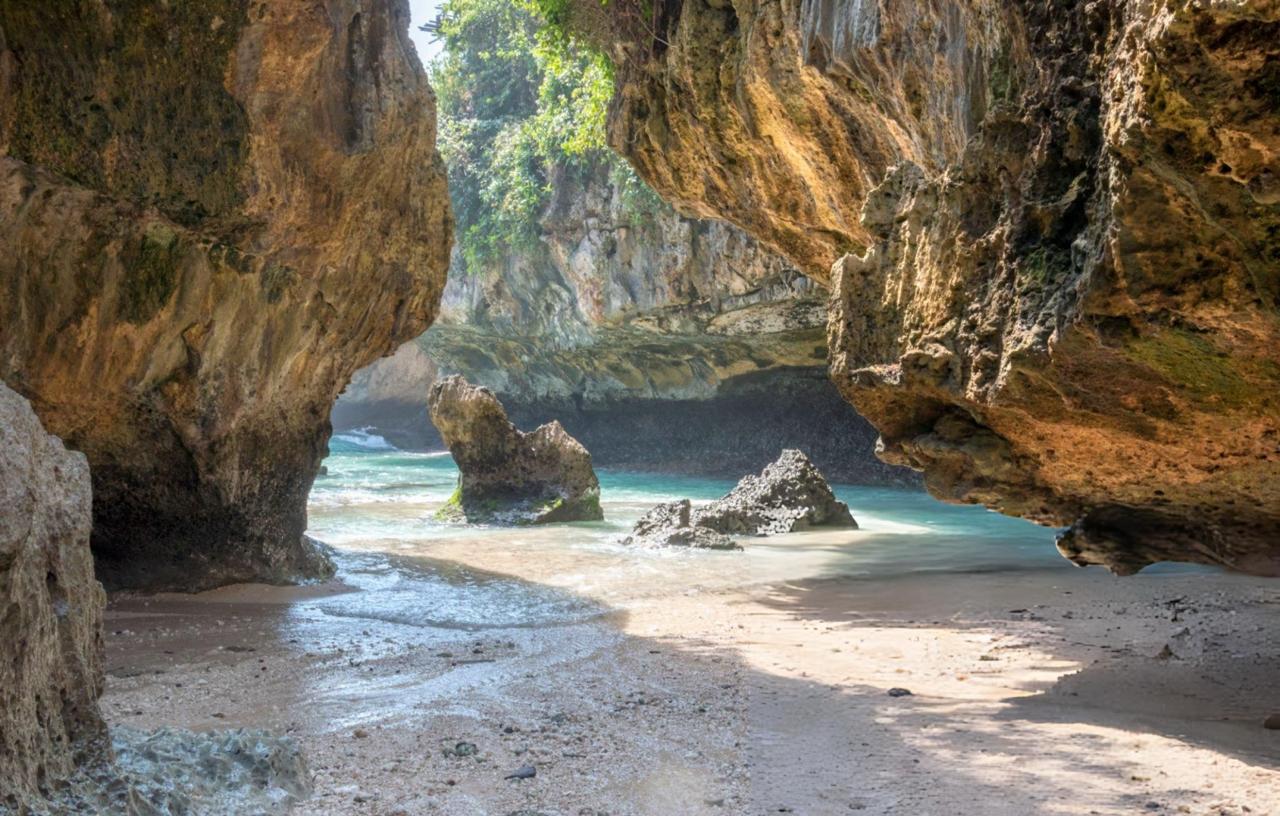
Suluban Beach is worth visiting for the entrance alone. To get there, you walk down through a real sea cave, ducking under low rock in a few places, before it finally opens up to the beach below. It’s one of the most dramatic beach entrances in Bali.
This is also the home of the famous Uluwatu surf break, sometimes called Blue Point, which is one of the best-known left-hand waves in surfing. I’ll get into that more under #9.
If you come at low tide, there are tide pools and cave sections you can explore on foot, which makes the place even more interesting. Just make sure you check the tide chart before you go down. The stretch of sand can disappear quickly once the water starts coming back in, and getting trapped up against the cliff is not how you want to spend your afternoon.
Parking at the top usually costs around 5,000 IDR, which is about $0.30.
Right where the cave opens onto the beach, you’ll find a few small warungs. They’re a good spot to grab a coconut or a cold Bintang after being in the water.
And just a heads-up: the stairs back up feel much steeper than the walk down makes them seem.
5. Bingin Beach
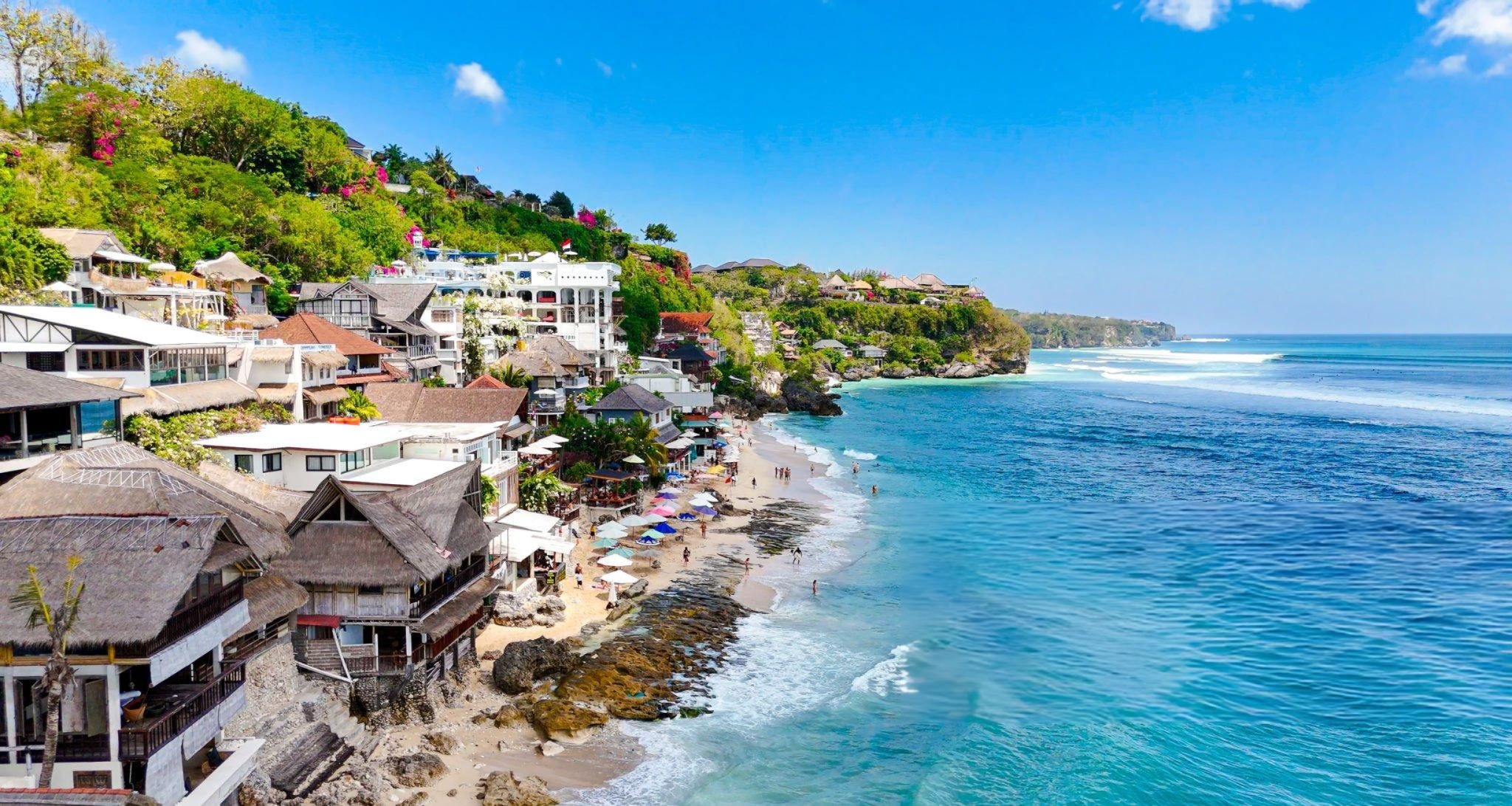
Bingin Beach is less about spending the whole day on the sand and more about the relaxed cliff-café atmosphere, and that’s actually what makes it special.
To reach the beach, you’ll walk down a steep set of stairs past small warungs and guesthouses built directly into the cliffside. That walk itself is part of the experience and one of the main reasons people love coming here.
The reef break is a great fit for intermediate surfers, and during low tide, the water becomes calm enough for a proper swim.
But the biggest attraction is actually back at the top of the cliff. Three spots are mentioned again and again: The Loft, Kelly's Warung, and Gooseberry. Each one gives you a clifftop view of the same surf break you would otherwise be watching from the water.
Plan to stay longer than you originally expect; almost everyone does. Sunset from one of these cliffside tables can easily compete with the famous viewpoints around Uluwatu, but without the same crowds or entrance fees.
6. Melasti Beach
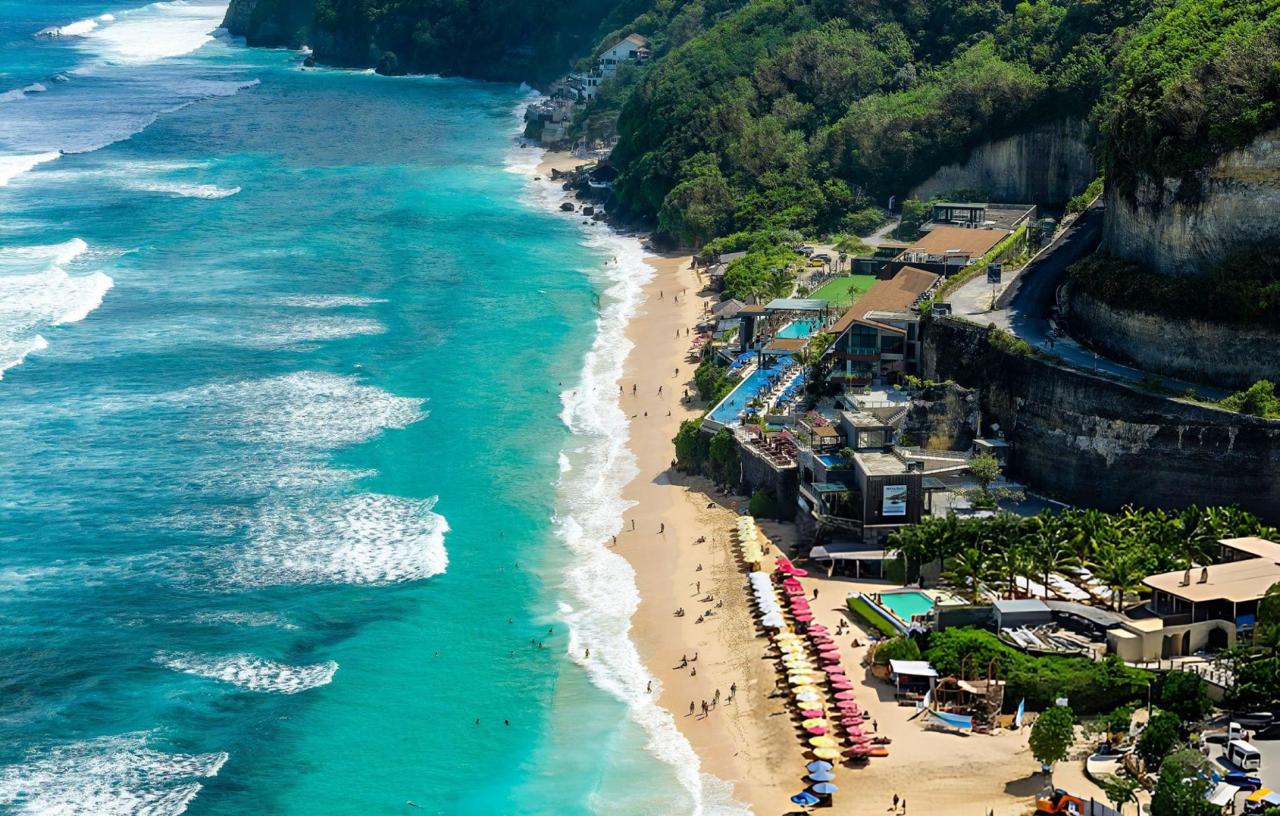
Melasti Beach is the easy option in Uluwatu. A road was cut straight through the limestone cliffs to reach it, making it one of the few beaches in the area where you can drive almost directly down instead of walking down a long staircase.
That makes a big difference if you don’t enjoy steep climbs or if you’re travelling with kids or older family members.
The beach stretches for around 2 kilometres along Bali’s southern tip, with a mix of small warungs and larger beach clubs depending on which part of the beach you choose.
The water here is calmer compared to many of the nearby surf beaches, and there’s plenty of space along the sand. Even during the busy season, it usually doesn’t feel as crowded as places like Padang Padang.
Entry costs around 10,000 IDR, which is roughly $0.55. There’s also a proper car park here, which is something you can’t say about many of the other beaches on this list.
7. Balangan Beach
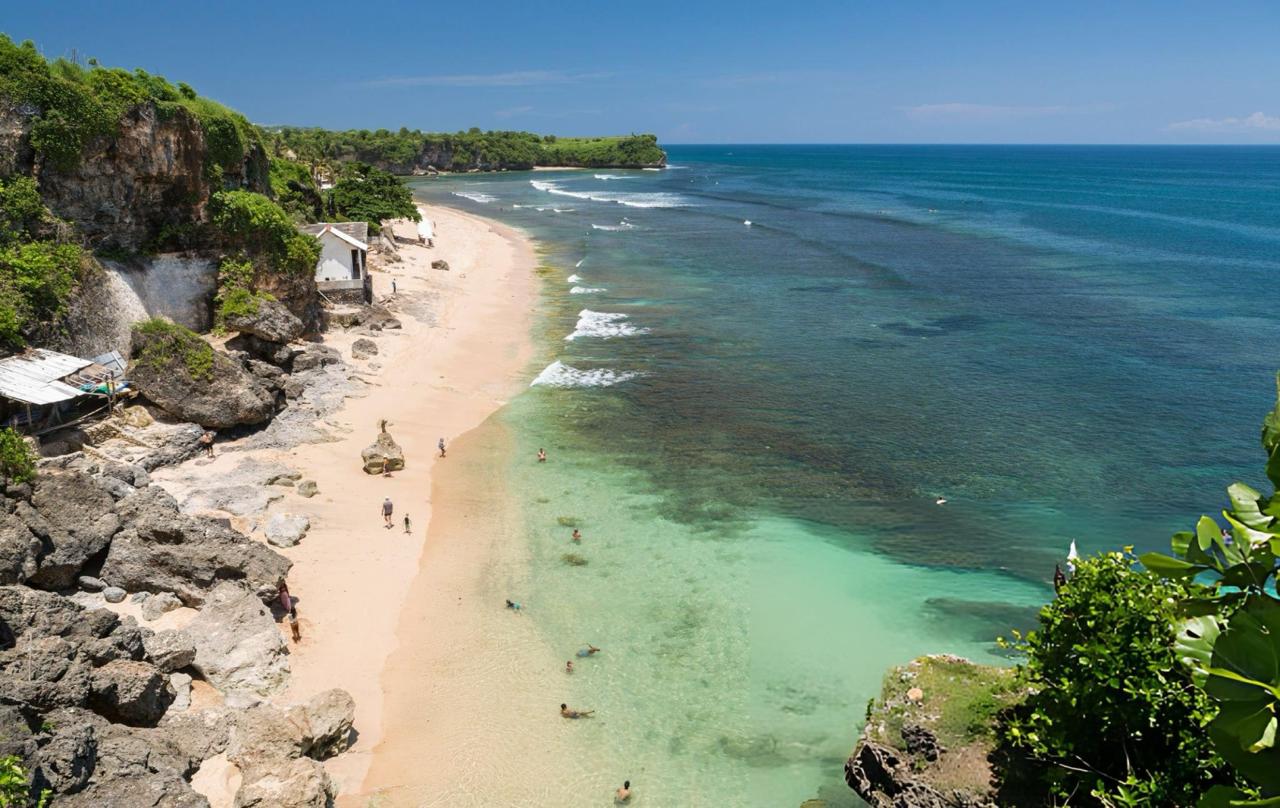
Balangan Beach stands out because it’s free to enter, unlike many of the other beaches on this list. It has a long stretch of white sand with a simple, relaxed warung scene behind it, nothing overly polished or built just for photos.
The cliff at the northern end is one of the better sunset viewpoints in the area. It’s popular with pre-wedding photographers, so there’s a good chance you might accidentally end up in the background of someone’s photoshoot.
The waves here are stronger and rougher compared to Melasti, so it’s better suited for surfing than swimming. But if you want to experience Uluwatu’s beach atmosphere at a slower, more laid-back pace than places like Padang Padang or Bingin, Balangan is a great choice.
Another bonus is that the car park is located right above the beach, making it much easier to visit for a quick stop if you don’t have a lot of time.
8. Nyang-Nyang Beach
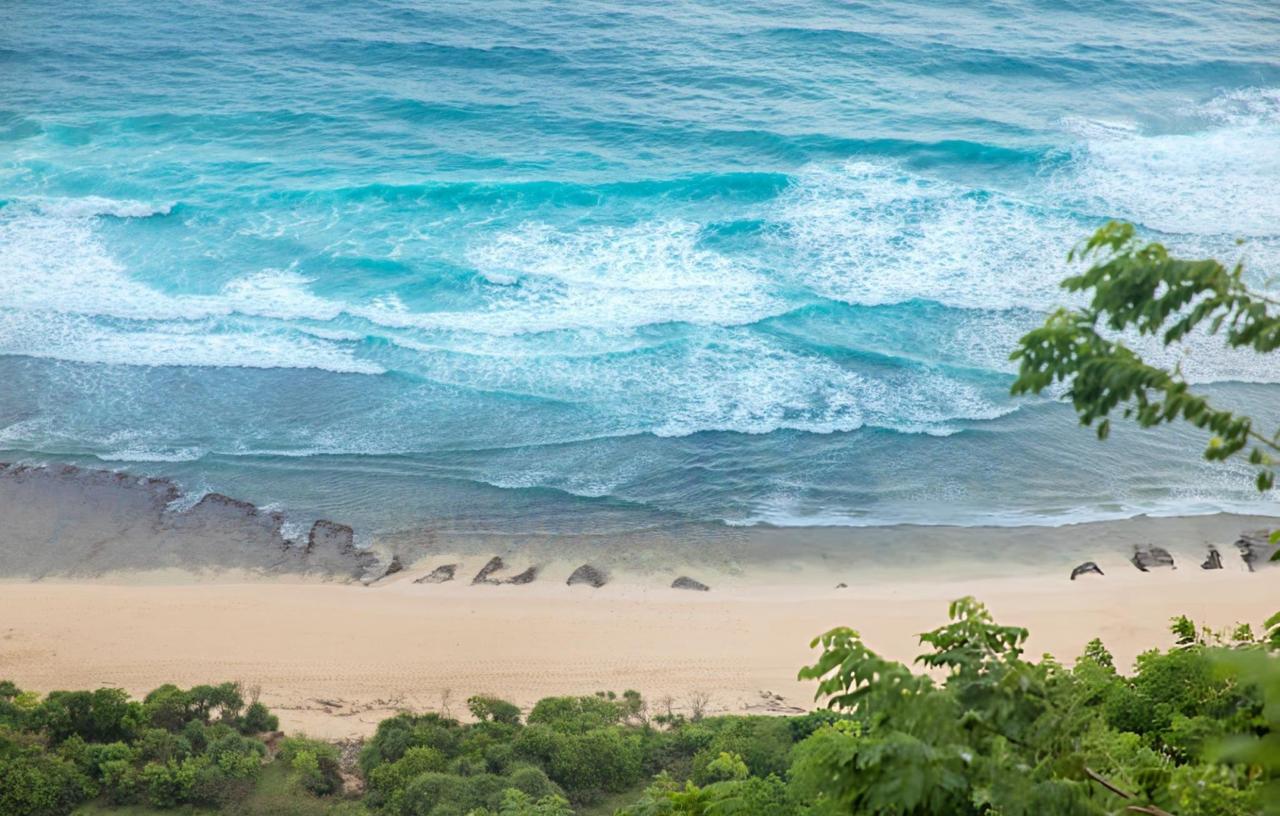
Nyang-Nyang Beach is the beach you have to work for. It stretches for around 1.5 kilometres of mostly untouched white sand, but getting there requires a proper effort.
From the car park, you’ll need to walk down a steep dirt path for around 15 to 20 minutes. It’s also possible to ride a motorbike down, but only if you’re already comfortable riding on rough and uneven roads.
There aren’t many facilities at the beach, so make sure you bring your own water. The reward is a much quieter experience compared to Uluwatu’s more famous beaches.
Here, you’ll find a rusty shipwreck near the Nunggalan side of the beach, tandem paragliders flying down to land around sunset, and one of the emptiest beaches on this list, even during high season.
Phone signal is weak at best, which can either feel like a problem or a welcome break depending on how much you want to disconnect.
Bring some snacks along with your water too, because the closest warung is back near the car park, not down on the beach.
9. Surf Uluwatu’s World-Famous Breaks

This one is less about a single beach and more about what Uluwatu represents in the global surfing world. The waves here are among the most famous left-hand reef breaks on the planet, stretching across five different sections along the western coast of the Bukit Peninsula. At the centre of it all is Suluban, also known as Blue Point.
Uluwatu has hosted major surfing competitions, including a World Surf League Championship Tour event in 2018. Nearby Padang Padang Beach is also home to the Rip Curl Cup, one of the more respected invite-only events in surfing. It doesn’t run on a fixed schedule and only happens when the wave conditions are right.
The names you’ll hear most often are Peak Uluwatu, Racetracks, and Outside Corner. Each section has its own personality and works better depending on your skill level and the direction of the swell.
The best surfing conditions usually come during Bali’s dry season, around May to October, especially on a low-to-mid tide.
Most of Uluwatu’s waves are better suited for intermediate and advanced surfers, with sharp reefs and powerful conditions that can be unforgiving. If you’re just starting out, Dreamland Beach and Balangan Beach are better options because they have gentler waves and proper surf schools, not just rental shops handing you a board and sending you off.
A surfboard rental usually starts at around $8 per day, while beginner lessons cost around $30 to $50, including equipment.
10. Spend a Day (or Night) at a Uluwatu Beach Club
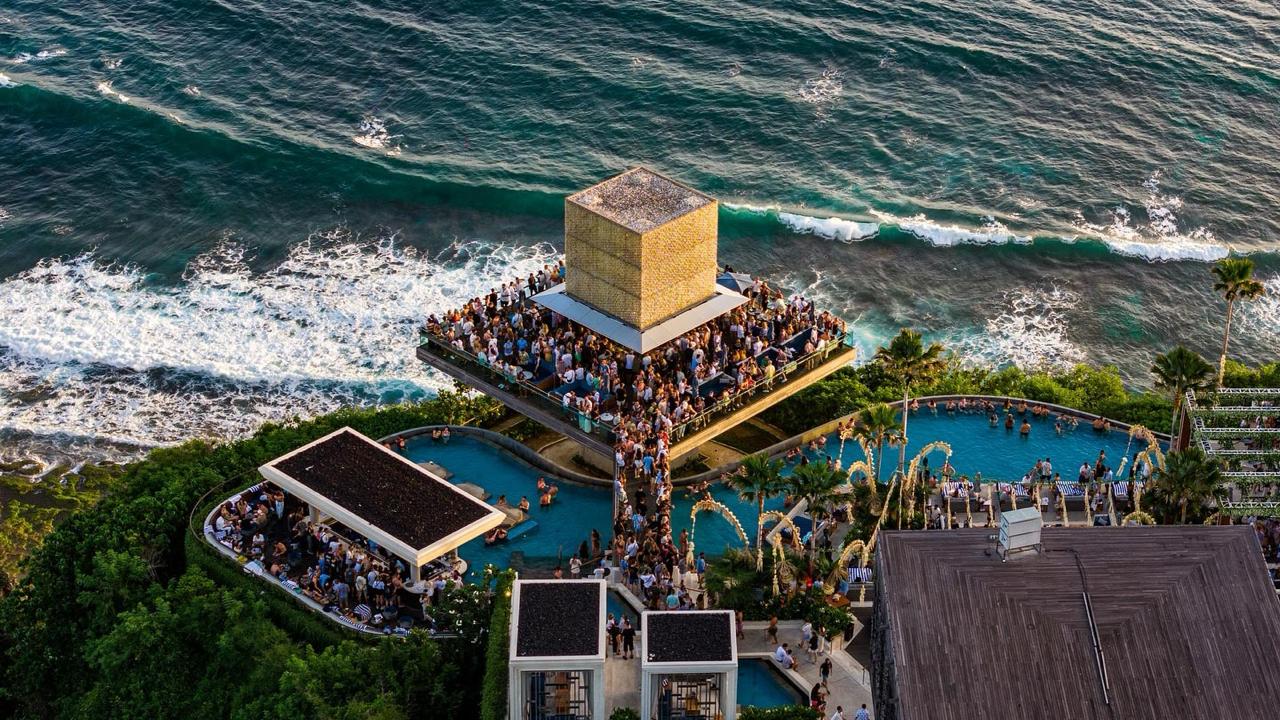
Uluwatu’s beach club scene is big enough that it deserves its own section rather than just one recommendation. The place you choose can completely change the kind of day you have, so it’s worth knowing the differences.
Sundays Beach Club is reached by a funicular that takes you down the cliffside and offers watersports as part of the day pass experience. Entry with a food and drink credit usually costs around 650,000 to 800,000 IDR, which is roughly $37 to $45.
Book your next hotel for up to 30% less
Savaya Bali is the famous choice, with an infinity pool built into the edge of the cliff and international DJ nights that have featured names like Fisher, Diplo, and Calvin Harris.
El Kabron Bali focuses on Spanish food, sunset views, and pool parties near Dreamland Beach.
Ulu Cliffhouse offers a glass-edge pool and also hosts movie nights on Tuesdays, which is a nice change if you want something different from the usual DJ events.
Single Fin Bali, located near Suluban Beach, is less of a traditional beach club and more of a famous cliffside bar. Its Sunday sunset sessions are legendary, but the atmosphere is more relaxed compared to the bigger clubs.
Most Uluwatu beach clubs use an entrance-fee-as-credit system. This means the money you pay to enter usually comes back as food and drink credit instead of being a simple cover charge.
Just make sure you check the exact rules before booking a table, because prices, minimum spends, and entry terms can change depending on the club, season, and event schedule.
11. Garuda Wisnu Kencana (GWK) Cultural Park

Garuda Wisnu Kencana Cultural Park is just outside Uluwatu, technically in nearby Ungasan, but it’s such a common addition to a Uluwatu trip that it would feel incomplete to leave it out.
The main attraction is the massive Garuda Wisnu Kencana statue. It stands 121 metres tall in total, with a 75-metre statue sitting on top of a 46-metre base. It has an impressive 64-metre wingspan and was built using 754 individual copper and brass modules.
The statue was designed by Indonesian sculptor Nyoman Nuarta. The project took 28 years from the original idea to completion and was officially inaugurated in September 2018.
It is the tallest statue in Indonesia and the fourth-tallest statue in the world, standing significantly taller than the Statue of Liberty.
The cultural park covers 60 hectares and hosts daily performances showcasing Balinese culture. There’s even a Kecak dance show here, which is useful if you miss the sunset performance at Uluwatu Temple.
For an additional fee, you can take an elevator up to a viewing platform on the statue’s 23rd floor. It’s worth considering because you get wide views across the entire Bukit Peninsula.
General entry usually costs around 125,000 to 150,000 IDR, which is about $7 to $9. Plan to spend at least half a day here if you want to properly explore the statue and catch a performance. If the elevator line is long, you may need even more time.
12. Paraglide Over the Bukit Cliffs

If you want to see Uluwatu’s famous cliffs from a completely different perspective, tandem paragliding is one of the best ways to do it. Flights usually launch from Timbis Beach or the cliffs above Nyang-Nyang, giving you a view of the coastline from high above the ocean.
A typical flight lasts around 10 minutes, and sunset is the best time to go. The golden light makes the cliffs, beaches, and ocean look even more impressive.
One small thing many people don’t know: flip-flops are not allowed at the launch site, so make sure you wear proper shoes if you’ve booked a flight.
Most operators set up directly at the launch points, so you usually don’t need to book far in advance. It’s possible to decide on the day after checking the wind conditions.
You don’t need any previous experience. The tandem pilot takes care of the takeoff, flying, and landing.
It’s also not as intense as some people expect. Instead of being a wild extreme-sports activity, it’s more like a peaceful scenic flight above the cliffs and ocean, making it a great option even for people who don’t usually consider themselves adventure travellers.
13. Catch Sunset from a Clifftop Viewpoint
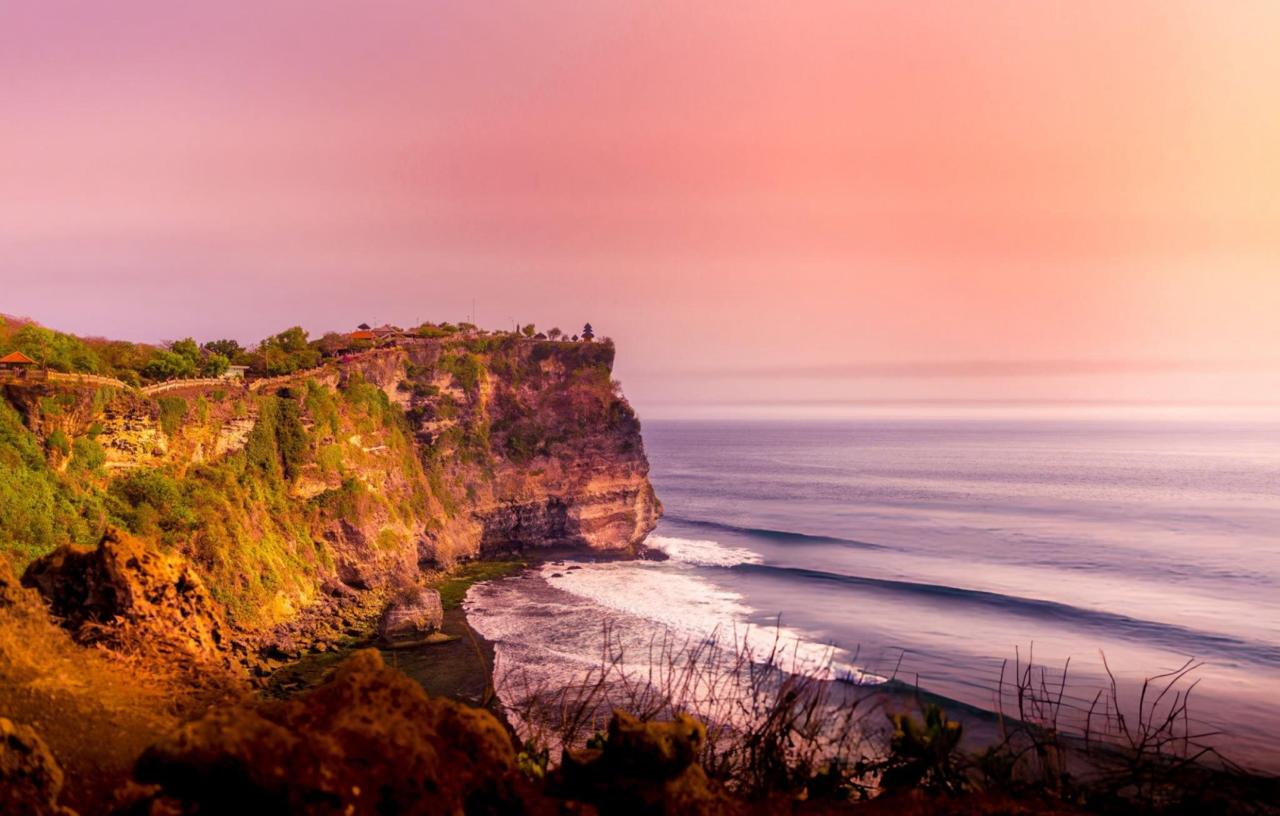
In Uluwatu, watching the sunset is treated like a proper activity, not just something you happen to see while you’re already out. After experiencing one here, you’ll understand why.
Three spots are the best places to watch the sun go down.
Karang Boma Cliff, located just south of Uluwatu Temple, is now privately managed with a small entrance fee. It also has its own Kecak performance, making it an alternative if you want a different experience from the main temple show.
The Balangan Beach viewpoint is another great option, especially if you want a more relaxed atmosphere. Single Fin Bali’s cliffside deck is also a popular sunset spot, combining ocean views with drinks and a lively atmosphere.
One important thing to remember: many of these viewpoints don’t have much in the way of safety barriers. Stay on marked paths and avoid getting too close to the edge just for a better photo. The drop is much bigger than it looks, and the wind becomes stronger around sunset.
Try to arrive at least 30 minutes before the sun goes down if you want a good, unobstructed spot. During Bali’s dry season, the best viewpoints can fill up quickly.
14. Spa Day or Wellness Retreat

Uluwatu’s wellness scene covers a wide range of experiences, and both ends of it are worth exploring. Whether you want a simple massage or a full luxury wellness day, there’s something that fits.
On the more affordable side, a one-hour traditional Balinese massage usually costs around 100,000 IDR, which is about $6 to $7. Places like Laniakea Spa and Zahra Spa offer genuinely good treatments, not just basic tourist services.
At the luxury end, The Istana has created a full clifftop wellness experience with an infinity pool, sauna, cold plunge, and sound dome. It also has a no-phones policy to help guests fully disconnect, plus extra treatments like cryotherapy if you want something beyond the usual spa options.
Another popular high-end choice is Karma Spa at Karma Kandara, which offers a similar clifftop setting and luxury atmosphere. Like The Istana, it can get booked up during the busy season, so reserving ahead is a good idea.
Both options are worth considering. It really depends on what you’re looking for: a quick one-hour break between activities or a full day dedicated to relaxing and resetting.
15. Browse Uluwatu’s Weekend Artisan Markets
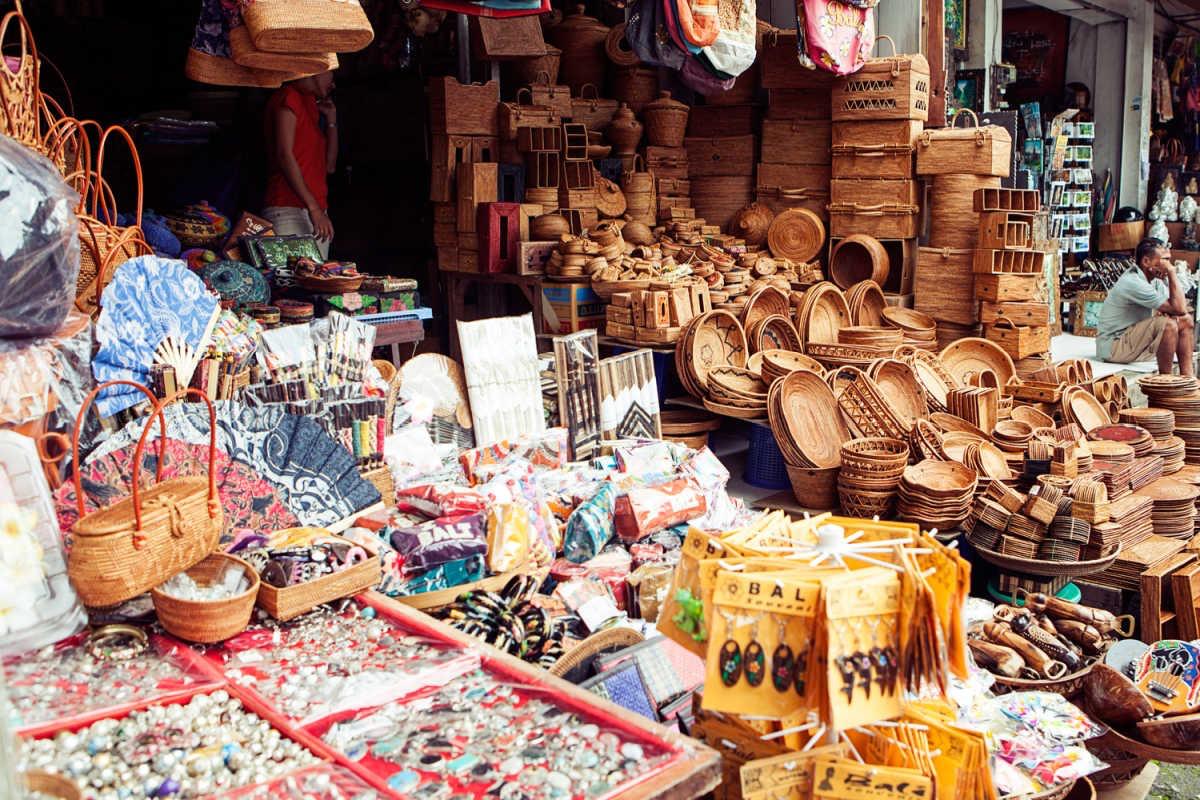
Not everything in Uluwatu needs to be about surfing, beaches, or sunsets. The local artisan markets are a good way to experience a different side of the area.
The Uluwatu Artisans Market changes locations depending on the day: Seed Bingin hosts it on Saturdays, while Hatch hosts it on Sundays.
You’ll find handmade clothing, ceramics, jewellery, and homeware created by local makers. There are also street food stalls and, on some weekends, live music.
It’s a great stop if you want a few hours away from the beach and surf scene. It’s also one of the best ways to support the people who actually create the products you’re buying instead of purchasing from a shop that simply resells them.
Both markets usually run from the afternoon into the early evening, making them easy to combine with a sunset viewpoint or beach stop afterward.
Just check which day fits your itinerary best and plan your visit around that.
16. Kayak and Relax at Pandawa Beach

Pandawa Beach sits on the southern edge of the Bukit Peninsula. Like GWK, it’s sometimes considered its own destination rather than part of Uluwatu, but it’s still worth including because many travellers naturally combine the two.
The beach is reached through another road carved directly through the cliffs, creating a dramatic entrance before you even reach the sand.
Unlike many of Uluwatu’s surf beaches, Pandawa has calm water that’s genuinely family-friendly. It’s a refreshing change if you’ve spent days around stronger waves and rocky coastlines.
Kayak rental costs around 50,000 IDR per hour for a single kayak, which is roughly $2.80, or around 100,000 IDR for a double kayak, about $5.60.
Entry to the beach is around 15,000 IDR, roughly $0.85, with a small parking fee added on top.
The cliffs along the road down are decorated with large Hindu statues carved into the rock. They’re worth taking a moment to look at, even if you decide not to spend time in the water.
While many places on this list are aimed at surfers, adventurers, or sunset hunters, Pandawa is the better choice if you’re travelling with kids or simply want a calm, easy afternoon swimming and relaxing by the sea.
17. Eat Your Way Around Uluwatu’s Cafés and Warungs

Uluwatu’s food scene is best understood in three different categories, and each one offers a completely different experience.
The first is the local warung scene. These small restaurants serve classic Indonesian dishes like nasi goreng and other favourites for just a few dollars per plate. You don’t need a fancy menu or a long recommendation list to know when you’ve found a good one.
The second is the health-focused café scene, which has grown alongside Uluwatu’s surf culture and remote-work crowd. Places like The Loft, Suka Espresso, Ours Bali, and Drifter Café are some of the names that come up most often, especially for smoothie bowls, fresh meals, and good coffee.
The third category is the collection of standout dinner spots. La Baracca Bali is a popular choice for Italian food, Mana Uluwatu is loved as much for its sunset views as its menu, and Ulu Fishmarket is a good option if you want fresh seafood straight from the ocean.
The common theme is that many restaurants in Uluwatu are built along the cliffs, meaning ocean-view dining is often the standard rather than something you need to search for or pay a premium to find.
Just expect to spend more here compared to a local warung a few minutes inland by scooter. The extra cost is usually paying for the view as much as the food.
18. Dreamland Beach
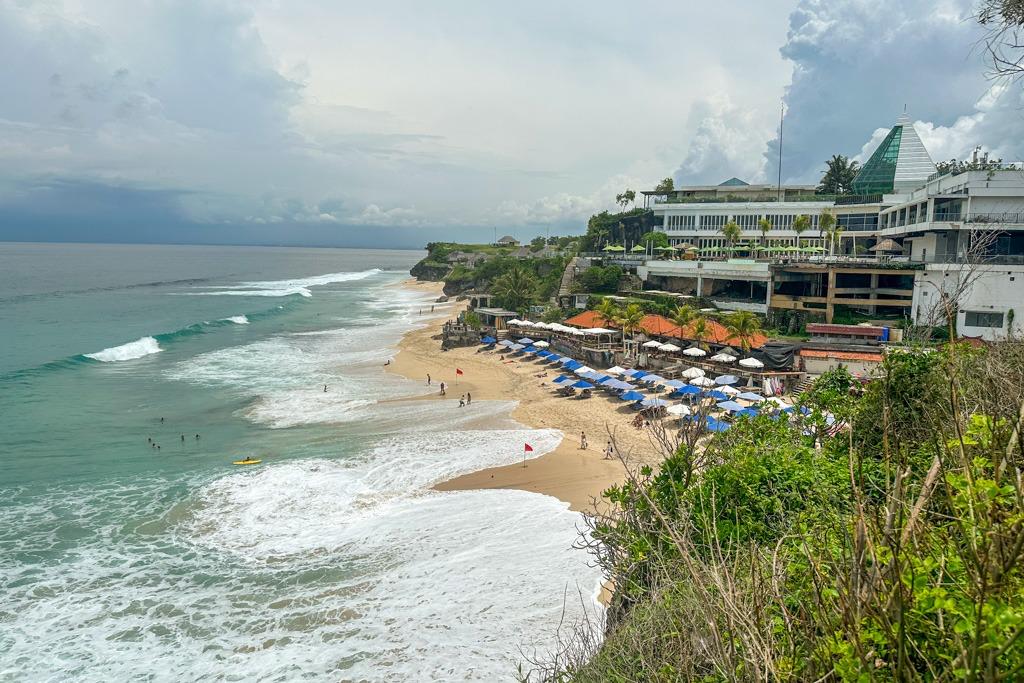
Dreamland Beach closes out the list for a reason. The beach faces west, making it one of the better places in Uluwatu to combine a swim with a proper sunset. It also has a wide stretch of flat sand, so you can rent a sunbed and comfortably spend a few hours doing nothing.
One honest thing worth mentioning: some reports have noted that ocean-borne trash can occasionally wash up here, especially during the wet season from around November to March. It’s not a daily problem, and the beach is usually cleaned, but it can happen, so don’t be surprised if the sand isn’t perfectly spotless on every visit.
That said, Dreamland still deserves a place on this list. It’s especially good when paired with El Kabron Bali on the cliff above, where you can enjoy sunset drinks with a view over the beach.
Sunbeds are available for a reasonable daily rental, but the beach gets busy quickly on weekends. If you want a more relaxed experience, visiting on a weekday is the better option.
Best Time to Visit Uluwatu
Uluwatu is at its best during the dry season, which runs roughly from April to October. This is when you’ll get the least rain, the most consistent surf conditions, and a much lower chance of the Kecak Fire Dance being affected by bad weather.
It’s also the busiest and most expensive time to visit, especially during July, August, and the Christmas-to-New Year period. Technically, Christmas and New Year fall outside the dry season, but in terms of crowds and prices, it still feels like peak season.
The wet season runs from November to March. But don’t imagine nonstop rain all day. Most of the time, you’ll get short, heavy afternoon showers rather than a full-day washout, and mornings are often perfectly clear.
The upside is that you’ll find fewer crowds, cheaper accommodation, and a greener, fresher version of Uluwatu’s cliffs and landscapes. The main downside is that the weather can affect the Kecak Fire Dance. If conditions get bad, the show may be moved indoors or cancelled completely, so it’s smart to keep a backup evening available if the performance is a must-see.
The temperature stays fairly consistent throughout the year, usually around 28 to 30°C. So heat isn’t really the thing that changes your experience from month to month. The bigger differences are rainfall and crowd levels.
If you want the best balance, aim for the shoulder months: May, June, or September. You’ll still get mostly reliable dry-season weather without the full crowds and higher prices of July and August.
September is especially underrated. The surf conditions are still strong, the weather is usually great, and accommodation prices are often much lower compared to the August peak.
How Many Days Do You Need in Uluwatu?
Two full days cover the essentials without feeling rushed: the temple and Kecak dance at sunset, two or three beaches, and one beach club session. That's enough to say you've properly seen Uluwatu rather than just passing through it.
Four to five days lets you slow the pace down. Add a surf lesson if you're not already a surfer, a spa day, the GWK detour, and at least one day where you don't plan anything beyond a beach and a book. This is also enough time to fit in one of the harder-to-reach beaches, like Nyang-Nyang, without it eating your entire day getting there and back.
Most travelers treat Uluwatu as a 2 to 4 night stop within a longer Bali itinerary rather than a full base for the whole trip, and there's a practical reason for that beyond variety: as covered below, Uluwatu is a genuinely inconvenient hub for reaching the rest of the island. If Ubud's rice terraces or Canggu's café scene are also on your list, plan Uluwatu as one chapter of the trip, not the whole book. Either way, book your stay before the dates you want fill up. Uluwatu's better clifftop rooms sell out well ahead of peak season.
Where to Stay in Uluwatu
Instead of focusing on specific hotels, it’s more useful to choose your area first. In Uluwatu, where you stay can shape your entire trip more than the hotel itself.
Pecatu is the main hub for the Bingin, Suluban, and Padang Padang area. It’s the liveliest place to stay, with the biggest concentration of cafés, surf spots, and restaurants. Distances are short enough that you can walk to some places, although “walkable” is a relative term because the whole peninsula is hilly.
Expect a proper surf-town atmosphere here: motorbikes passing by your café table, surfers checking the waves, and mornings that often revolve around the swell report rather than the sunrise.
Ungasan offers a quieter and more upscale experience. It’s home to places like Sundays Beach Club and several luxury clifftop resorts. This area works well if you want dramatic ocean views and a more polished atmosphere without the busy café scene of Pecatu.
The trade-off is that things are more spread out, so you’ll likely rely more on a driver or scooter to get around.
The Melasti Beach area and the southern part of the Bukit Peninsula are among the more developed zones and are easier to navigate by car. Since roads here were built directly through the cliffs, you don’t have to deal with steep stairways every time you want to reach a beach.
This area is a good choice if you want Uluwatu’s scenery without constant climbs, or if you’re travelling with young children or anyone who prefers easier access.
Wherever you stay, keep your expectations realistic when it comes to distance. Uluwatu is spread out and much hillier than it looks on a map. A hotel that appears close to a beach may still require a 15-minute drive, or a steep walk down to the sand, followed by an even harder climb back up.
Getting Around Uluwatu
Uluwatu doesn’t have a proper public transport system, and ride-hailing apps like Grab and Gojek have limited coverage because the area is spread out and very hilly.
It’s better to plan your transport in advance rather than assume you can simply order a ride whenever you need one, like you might in areas such as Seminyak or Kuta.
Renting a scooter is the cheapest and most flexible way to get around. Prices usually range from 90,000 to 140,000 IDR per day, which is around $5 to $8. It’s a good option if you’re already a confident rider and feel comfortable handling unfamiliar roads.
Most rentals include a helmet, but it’s worth checking the condition before riding away, especially the strap and padding. Fuel is also easy to find, with small roadside stalls selling petrol by the bottle throughout the peninsula.
If you’re not comfortable riding a scooter, or you simply don’t want to deal with Bali traffic on two wheels, hiring a private driver is the easier option. A full-day driver usually costs around 500,000 to 700,000 IDR, which is roughly $28 to $40, and it removes almost all the stress of planning routes and parking.
Traffic is usually at its worst between 5 pm and 8 pm. The biggest delays happen on the main road leading toward the temple area around Kecak Fire Dance time, when large numbers of visitors are heading to the same cliffside location.
If you’re planning to catch the sunset show, leave with more extra time than you think you’ll need.
From the airport, Uluwatu is roughly a 30 to 45-minute drive depending on traffic. From areas like Seminyak, Canggu, or Kuta, expect around 60 to 90 minutes each way.
That travel time is worth considering if you’re deciding whether to visit Uluwatu as a day trip or stay overnight.
Book Your Uluwatu Trip on Epic
Once you have your Uluwatu itinerary planned, it’s worth booking your trip through a platform that doesn’t quietly add extra costs. Epic is built for travellers looking for better prices on hotels and flights, offering savings of up to 30% compared to Booking.com or Expedia, plus up to 8% cashback in XRP if you prefer keeping your rewards in crypto.
You don’t need to understand crypto to use it. You can pay with 200+ cryptocurrencies if that’s your preference, or simply use regular payment options like Visa, Mastercard, Apple Pay, or Google Pay.
For a typical week-long Uluwatu trip, saving up to 30% on accommodation alone can make a noticeable difference. That extra money could go toward another beach club day, a better room with an ocean view, or a more comfortable flight home.
Access is currently early and limited. Join the early access list and get $25 off your first booking with no conditions attached.
Frequently Asked Questions
1. What shouldn’t you miss in Uluwatu?
If your time in Uluwatu is limited, focus on four main experiences: Uluwatu Temple at sunset, followed by the Kecak Fire Dance, the Padang Padang and Suluban surf-and-cliff experience, and at least one evening at a beach club for sunset.
Almost everyone does the temple and Kecak combination, and there’s a reason for that; it’s one of Uluwatu’s most memorable experiences.
Add one quieter beach to your itinerary as well. Nyang-Nyang Beach is one of the best choices if you want a break from the crowds.
This mix gives you both sides of Uluwatu: the famous postcard views and the raw coastal atmosphere that originally attracted surfers to this part of Bali, back when people were discovering these cliffs through word of mouth.
2. Is Uluwatu still worth visiting?
Yes, but it’s important to visit with realistic expectations. Uluwatu today is much busier than the version often shown in older travel posts.
Bali welcomed around 6.95 million foreign visitors in 2025, nearly 10% more than the previous year, and Uluwatu has taken a noticeable share of that growth.
Popular places like Padang Padang Beach and Uluwatu Temple at sunset can get very crowded, especially during peak travel periods.
That said, the things that made Uluwatu famous haven’t disappeared. The surf, dramatic cliffs, food scene, and beach clubs are still excellent.
The best approach is to mix famous spots with quieter ones like Nyang-Nyang, Thomas Beach, or Green Bowl, and visit during the shoulder season if your schedule allows.
3. How many days in Uluwatu is enough?
Two full days are enough to cover the main highlights: the temple and Kecak Fire Dance, two or three beaches, and a sunset session at a beach club.
If you can stay four or five days, you’ll have time to slow down and add experiences like a surf lesson, spa day, or a visit to some of the harder-to-reach beaches.
Most travellers include Uluwatu as a multi-night stop during a bigger Bali itinerary rather than making it their only base. One reason is that reaching places like Ubud or northern Bali from Uluwatu can take a lot of time.
Another reason is that two to three days is usually enough to experience the best of Uluwatu without feeling like you’re repeating the same activities.
4. How do you spend a day in Uluwatu?
A good one-day Uluwatu itinerary starts with a beach before the crowds arrive. Head to a swimming-friendly option like Melasti or Padang Padang early in the morning, ideally before 9 am.
For lunch, stop at a Bingin or Uluwatu café such as The Loft or Suka Espresso.
Spend the afternoon at another beach, or try a surf lesson if you haven’t surfed before.
Later, head to Uluwatu Temple in the late afternoon. Give yourself at least an hour to explore before the Kecak Fire Dance starts at 6 pm.
After the show, finish the day with dinner at a clifftop restaurant or a beach club. Many of Uluwatu’s best dinner spots already come with sunset views included.
5. What is Uluwatu famous for?
Uluwatu is mainly famous for three things: world-class left-hand surf breaks, the clifftop Uluwatu Temple with its sunset Kecak Fire Dance, and its collection of dramatic beach clubs and sunset bars.
It’s often considered Bali’s surf-and-luxury-resort corner, with a very different feel from Ubud’s rice terraces and wellness culture or Canggu’s cafés and nightlife scene.
If Bali has a place built around cliffs, waves, and sunset drinks with a DJ playing in the background, it’s Uluwatu.
And long before the beach clubs arrived, surfers were already finding their way down these cliff paths in search of some of the world’s best waves.
6. Is Uluwatu safe to visit?
Yes, Uluwatu is generally safe for visitors. Local police reports indicate relatively low crime compared with some other tourist areas of Bali.
The bigger concerns are usually practical ones rather than serious safety issues.
Road safety is the main thing to consider. Many areas have limited sidewalks, and traffic can be busy with motorbikes. If you’re not an experienced scooter rider, hiring a private driver is usually the safer and less stressful option.
Some beaches also have strong currents, sharp rocks, and coral areas. Places like Suluban and Nyang-Nyang require extra care, so always check conditions before swimming.
Sun exposure is another thing to take seriously. Bring sunscreen, stay hydrated, and avoid spending too long in direct sun during the hottest hours.
Finally, be careful around the monkeys at Uluwatu Temple. They are very good at grabbing unsecured items like phones, sunglasses, and jewellery, so keep your valuables safely zipped away rather than holding them loosely.

Saira Parveen is a Dubai-based SEO content writer with a background in digital marketing and search visibility. She covers cryptocurrency adoption, travel booking with digital assets, and the practical side of spending crypto in everyday life.
Her work at Epic focuses on helping readers navigate the intersection of crypto and travel, from finding the best rates on hotels and flights to understanding how to pay for travel with digital assets.
Found a destination you like? Book it for up to 30% less.

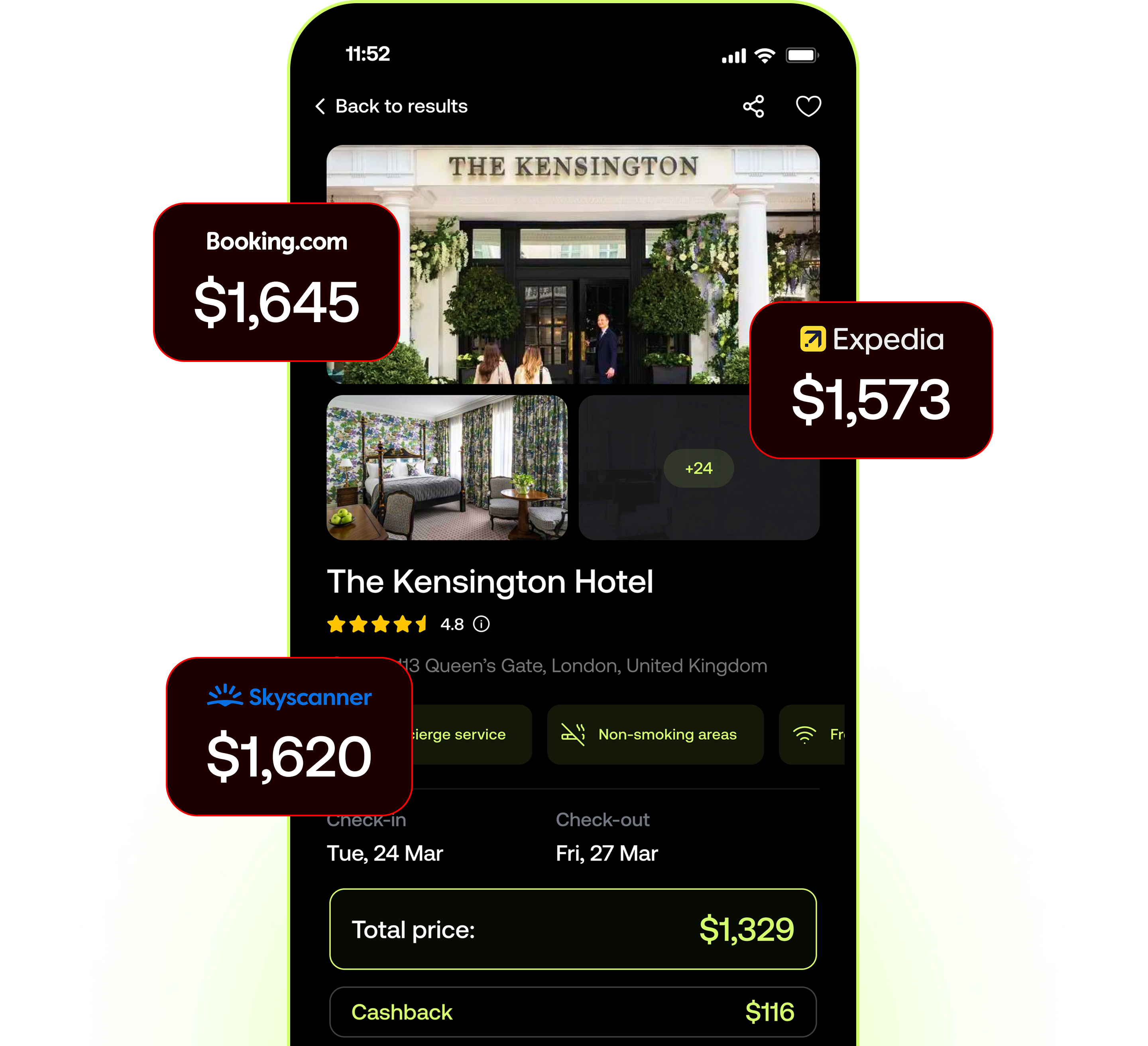
Found a destination you like? Book it for up to 30% less.