Content
15 Best Things to Do in Nusa Penida (2026 Ultimate Guide)
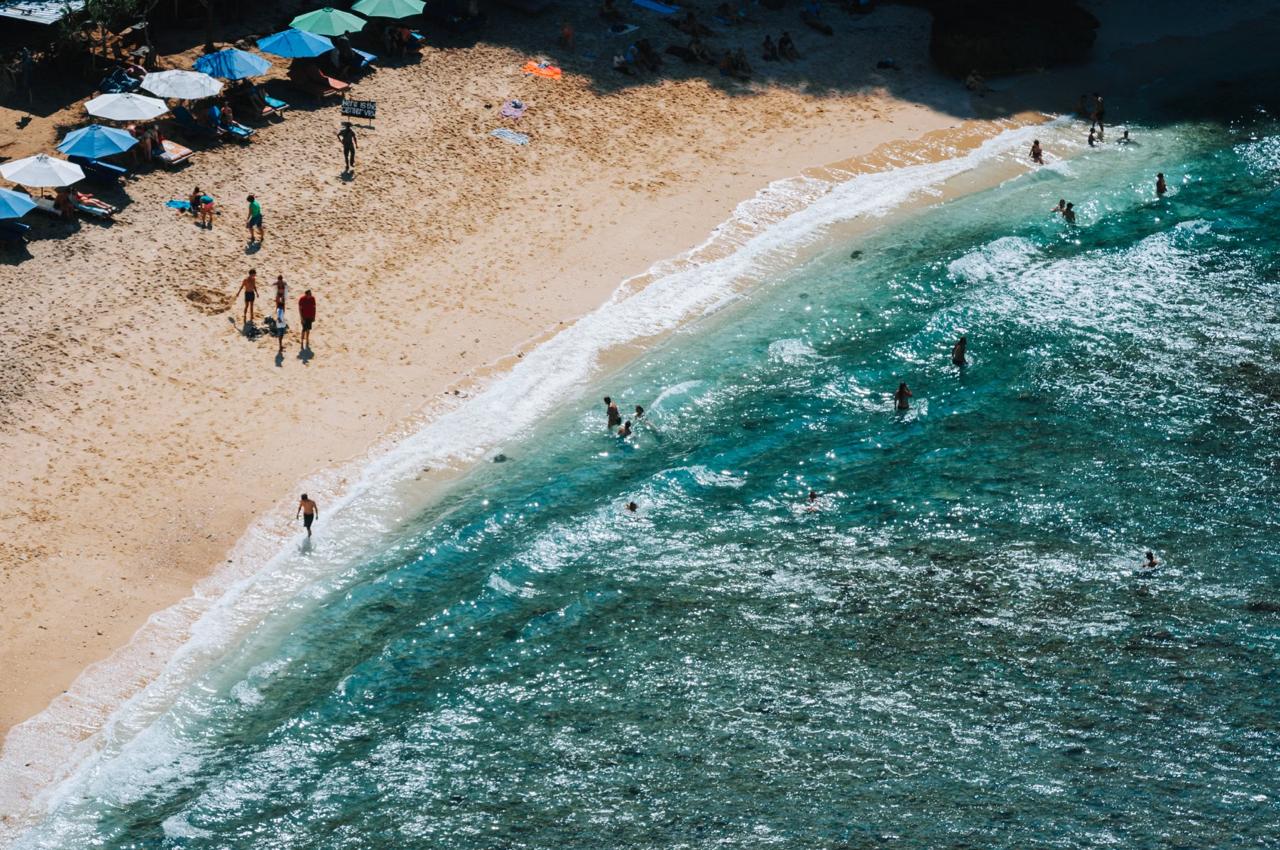

Beyond the crowded beaches and resort pools of central Bali lies an island most tourists never discover. Things to do in Nusa Penida range from dramatic cliff-top viewpoints and world-class diving to hidden waterfalls and spiritual temples.
Nusa Penida is a rugged limestone island off Bali's southeast coast, delivering adventures most travellers never experience. The island attracts over 1.5 million visitors annually, yet remains less crowded than central Bali. According to 2024 tourism data, approximately 68% of visitors list "natural attractions and landscapes" as their primary reason for visiting Nusa Penida, followed by water sports and diving at 52%.
The island spans just 202 square kilometres but contains world-class dive sites, clifftop viewpoints that rival any Instagram hashtag, waterfalls hidden in jungle valleys, and temples woven into cliffsides.
You can book your Nusa Penida island-hopping adventure with Epic using Visa, Mastercard, Apple Pay, Google Pay, or one of our selection of 200+ cryptocurrencies. Most travellers spend 2-4 days exploring the island, though the best experiences require planning. Join the early access list and claim $25 off your first booking.
This guide walks through 15 essential activities and insider tips so you skip the overcrowded tourist traps and find the moments that make island travel unforgettable.
1. Stand at Kelingking Beach's Clifftop Viewpoint

Kelingking Beach delivers one of Bali's most recognisable views: a T-Rex-shaped rock formation jutting from turquoise waters below 500-meter cliffs. The hike down to the actual beach takes roughly 45 minutes over steep, uneven ground.
Most visitors stop at the clifftop overlook instead, where the view is equally dramatic and infinitely safer. Arrive early (before 8 AM) to avoid crowds and capture photos without fifty other tourists in frame. The beach itself sits mostly empty because the descent is genuinely challenging, which means you've found a real secret. If you do venture down, pack extra water and wear proper hiking boots.
Craving more clifftop experiences? Explore our detailed guide to the 18 Things to Do in Uluwatu. Uluwatu combines dramatic coastal cliffs with sacred temples and sunset views, offering a spiritual and scenic complement to Nusa Penida's wilder, adventure-focused landscape.
2. Dive at Crystal Bay's Underwater World

Crystal Bay ranks among Southeast Asia's top 10 dive destinations. The bay hosts manta rays (seasonal, June-November), reef sharks, turtles, and colourful coral gardens at depths between 8 and 40 meters. Visibility averages 15–20 meters, with rare days exceeding 40 meters.
The bay's unique geography creates upwelling currents that attract pelagic species to waters just meters from shore. Most dive operators in Nusa Penida offer two-dive packages starting around $90–$120 USD (payable with major credit cards). The site suits beginners and advanced divers equally. Night dives here are exceptional but require advanced open-water certification and experience with a local guide.
3. Explore Broken Beach and Angel's Billabong
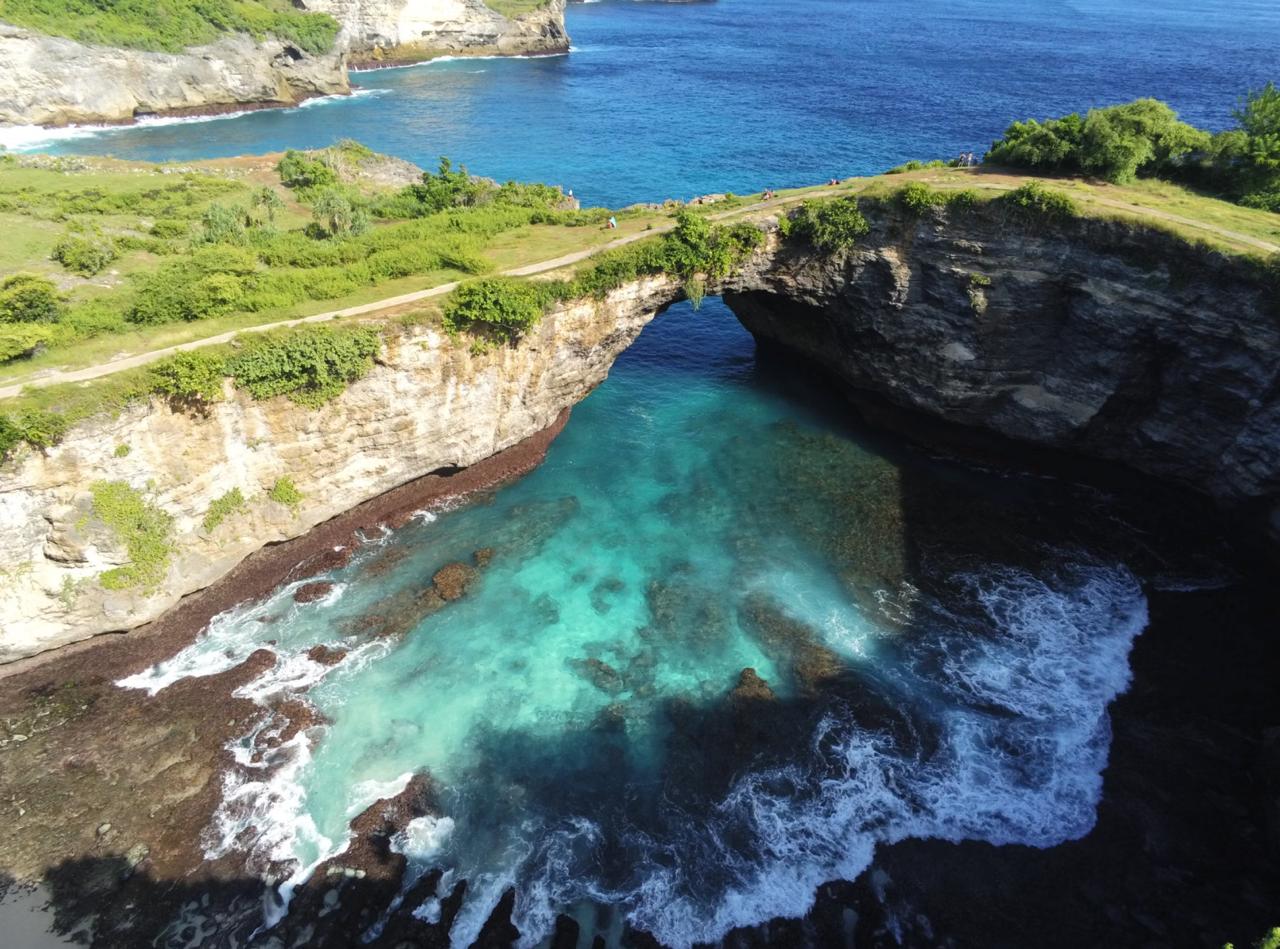
Two natural wonders sit near each other on Nusa Penida's northwest coast. Broken Beach (Pasir Putih) features a natural stone archway carved by centuries of wave action, creating an Instagram-worthy frame around the sandy cove below. Angel's Billabong is a saltwater infinity pool formed in a natural rock depression, where turquoise water meets white sand and the ocean horizon.
Visit during calm seas only, as strong currents make swimming dangerous during swells. Locals recommend visiting between November and April when seas stay relatively flat. Both spots require a 20-minute walk from the parking area on uneven terrain.
4. Visit Goa Gajah Temple
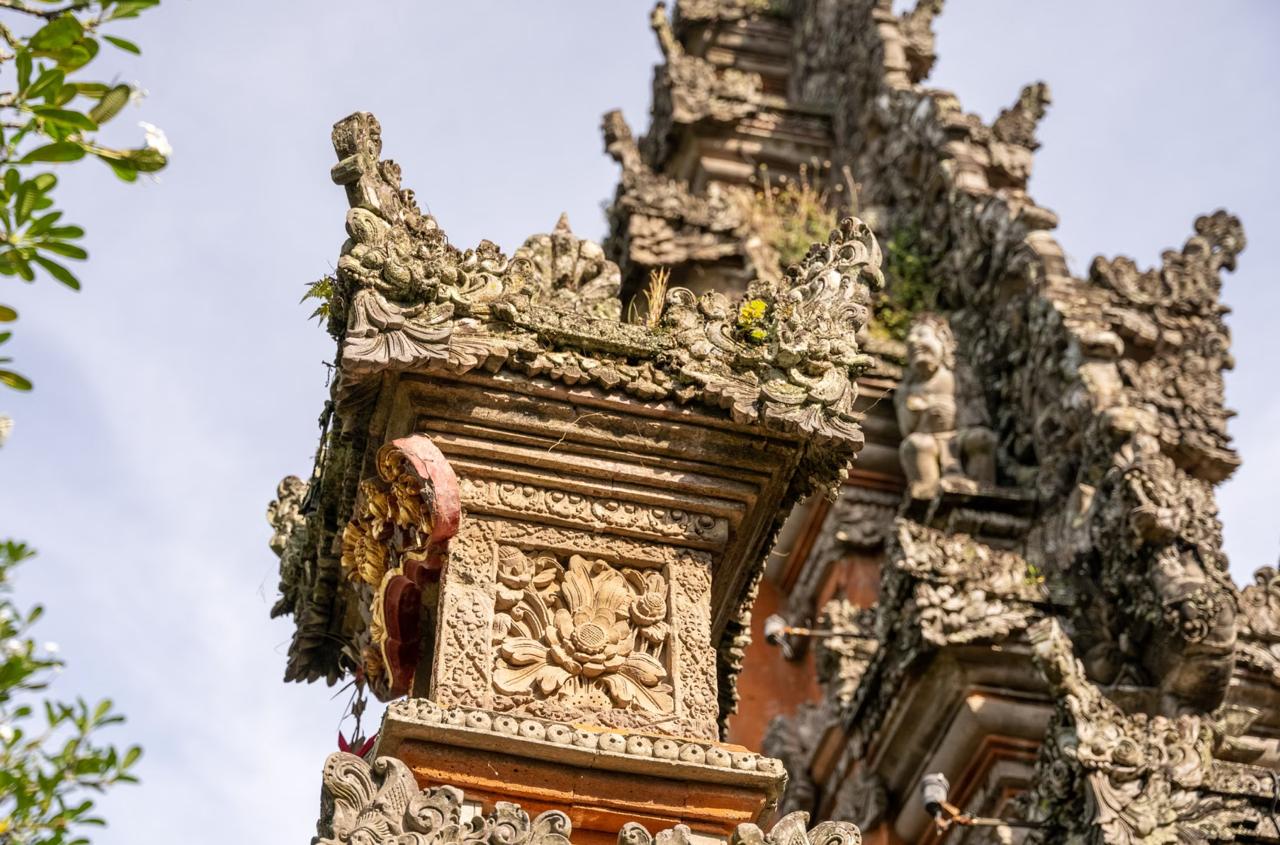
Goa Gajah sits perched on Nusa Penida's eastern cliffs, a Hindu temple carved into cliffsides overlooking the Seram Strait. The site operates as both a spiritual location and a historical monument, with carved stone depictions dating back centuries. Unlike the crowded Goa Gajah temple on mainland Bali, this clifftop version remains quiet and contemplative.
The walk involves steep stairs and narrow passages, but views from the temple platform extend across the open ocean toward Java. A local guide explains the spiritual significance of the cave system. Expect to spend 45 minutes exploring. Dress respectfully and remove shoes as required.
5. Cliff Jump at Seganing Beach or Take the Stairs Instead
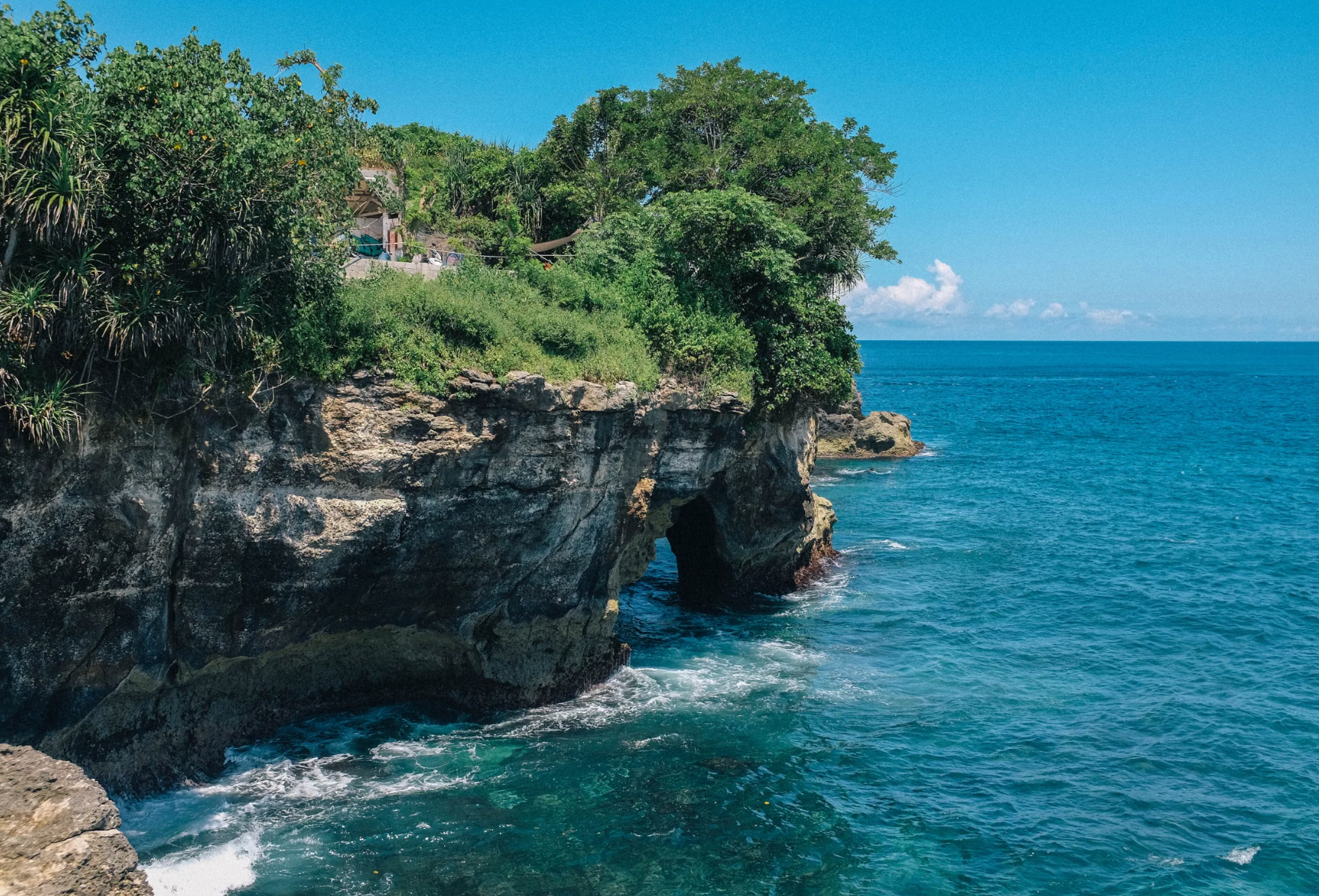
Seganing Beach has earned a reputation as Nusa Penida's cliff-jumping capital, with platforms ranging from 5 to 15 meters above clear water. The scene splits between adrenaline enthusiasts throwing themselves off rocks and photographers documenting the chaos. Water depth remains safe at 8+ meters, but currents and sharp rocks demand respect. Local guides insist on checking conditions before any jumps. If heights terrify you, the beach itself is beautiful and worth the visit for swimming and sunbathing. Arrive by 10 AM to beat crowds and avoid jet ski traffic.
6. Trek Through Manta Bay for Seasonal Viewing (June-November)

Manta Bay serves as the island's primary manta ray season hangout. During peak season (June-November), divers regularly encounter giant mantas with wingspans exceeding 6 meters. The site remains seasonal because manta populations follow plankton blooms triggered by specific current and temperature conditions.
Dive operators maintain detailed logs of sightings, with some weeks reporting 80-90% encounter rates during optimal conditions. Water temperature sits around 26-27 degrees Celsius year-round. Non-divers can join snorkelling tours, though manta encounters become less reliable at snorkel depth. Book through licensed operators only, as unregulated tours stress the marine ecosystem.
7. Hike to Diamond Beach's Hidden Cove
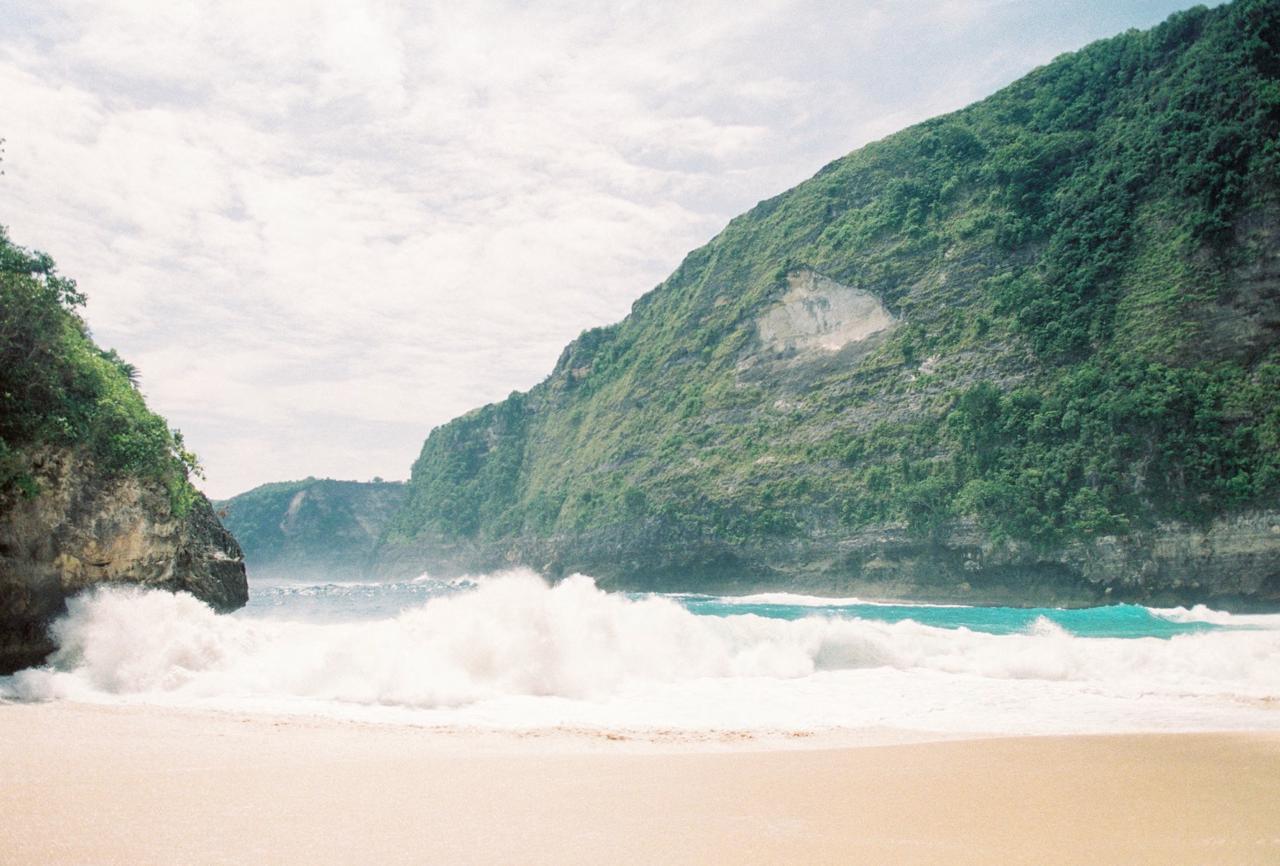
Diamond Beach earns its name from the glittering sand created by crushed quartz and mica crystals. The cove sits nestled between towering limestone cliffs, accessible only via a steep descent through a narrow canyon.
The hike takes 30-45 minutes downhill and 60+ minutes returning uphill. Few tourists make the effort, which means you'll likely find yourself nearly alone on white sand surrounded by 200-meter cliffs. Water clarity varies by season, though visibility typically ranges from 10 to 15 meters. Bring plenty of water and start early to avoid midday heat.
8. Experience Paluang Waterfall's Secret Pool
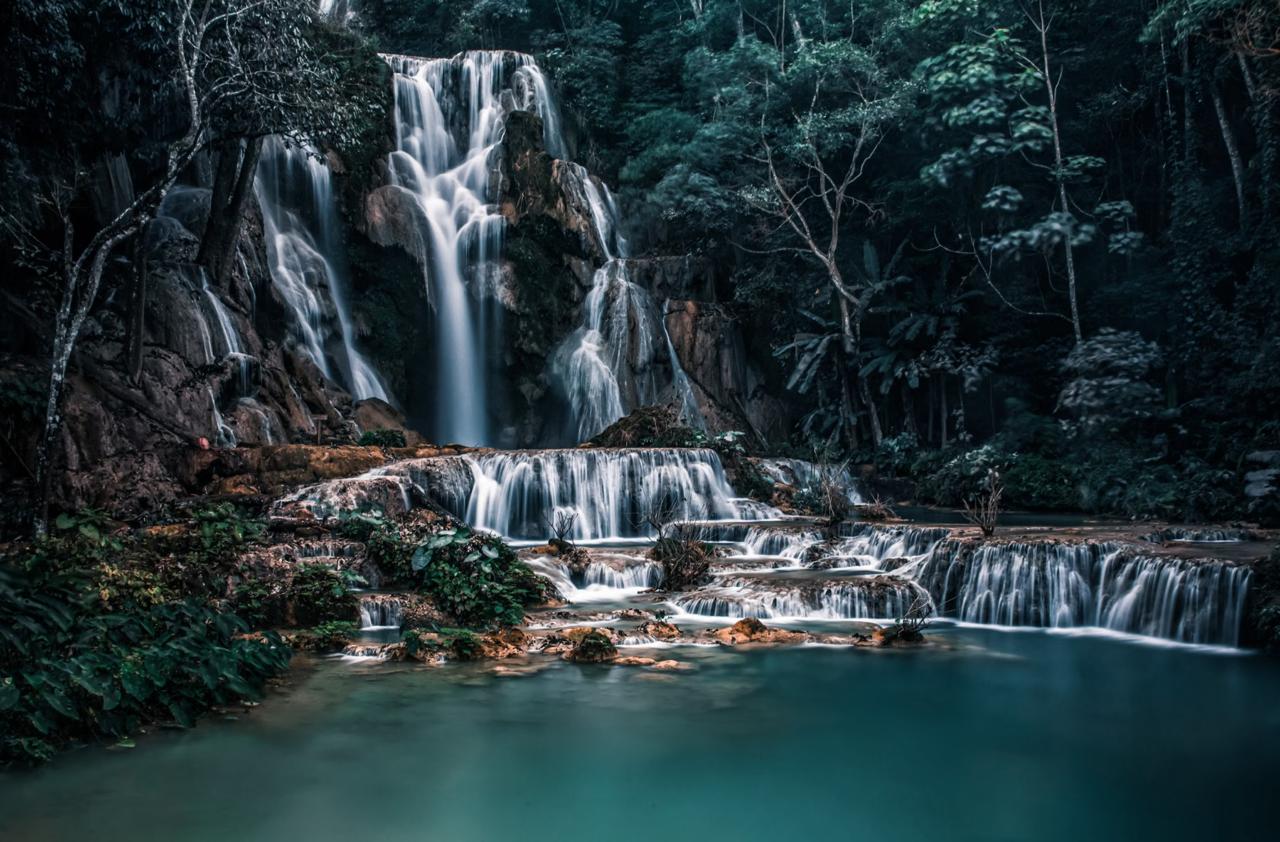
Deep within Nusa Penida's interior, Paluang Waterfall cascades into a freshwater pool surrounded by jungle vegetation. The waterfall represents Bali's least-visited waterfall despite its ethereal beauty, partly because it requires a full-day trek with experienced guides.
The hike covers roughly 8–10 kilometres of uneven terrain through forest thick with roots and loose rock. Most tours start at 7 AM and finish by 4 PM, including swimming and lunch breaks. The waterfall area shows little development, so bring your own supplies and ensure your guide knows the route. The journey rewards bold travellers with near-solitude in a landscape straight from a nature documentary.
9. Tour Pura Pasar Agung Temple at the Island's Peak
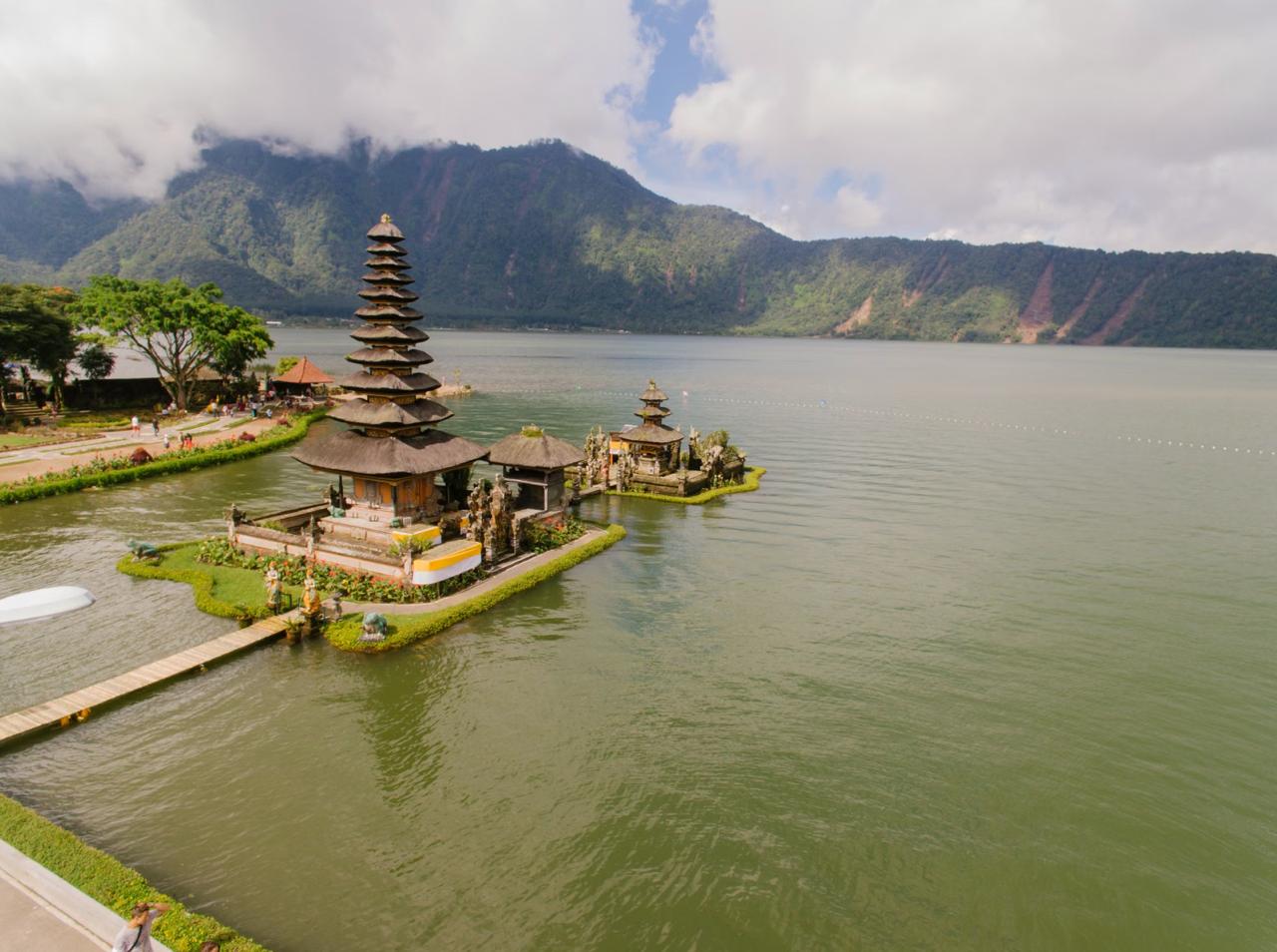
Pura Pasar Agung sits atop Nusa Penida's highest point, a Hindu temple accessible via a steep hiking trail or guided motorbike tours. The temple honours agricultural deities and hosts major ceremonies during Hindu festivals. From the temple, views extend across the island to the Bali mainland and beyond to Java. The hike covers roughly 5 kilometres with an elevation gain of 300 meters, taking 1.5-2 hours to reach the summit. Motorbike options cut the climbing time but involve riding a dirt bike over rocky terrain. The spiritual energy here differs from coastal attractions, offering a quieter experience focused on cultural connection rather than photo opportunities.
10. Snorkel at Toyapakeh Shallow Reef
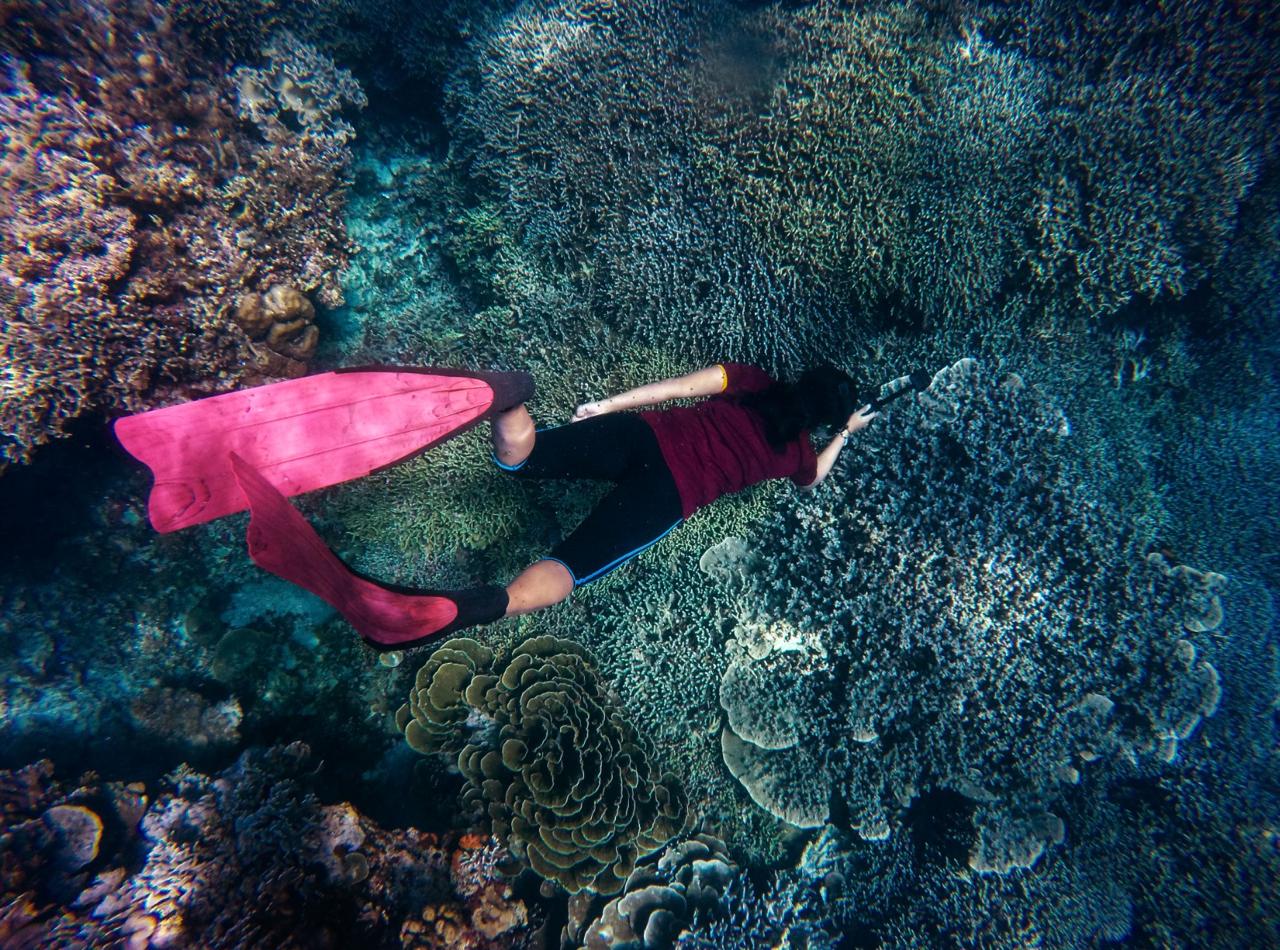
Toyapakeh sits on Nusa Penida's north-central coast, offering exceptional snorkelling right from the beach without requiring a boat. The shallow reef starts 30 meters offshore at approximately 4-5 meters depth, housing colourful coral gardens and resident reef fish populations. Turtles frequent the area regularly, particularly in the morning hours.
Book your next hotel for up to 30% less
Water clarity averages 12-18 meters depending on season and recent rainfall. The beach itself sits in a fishing village, offering an authentic Balinese coastal atmosphere alongside marine life. You can rent snorkel gear from local operators for $5-8 USD, or simply bring your own. No diving certification needed, making this ideal for families and casual snorkellers.
11. Kayak Through Mangrove Channels to Hidden Lagoons
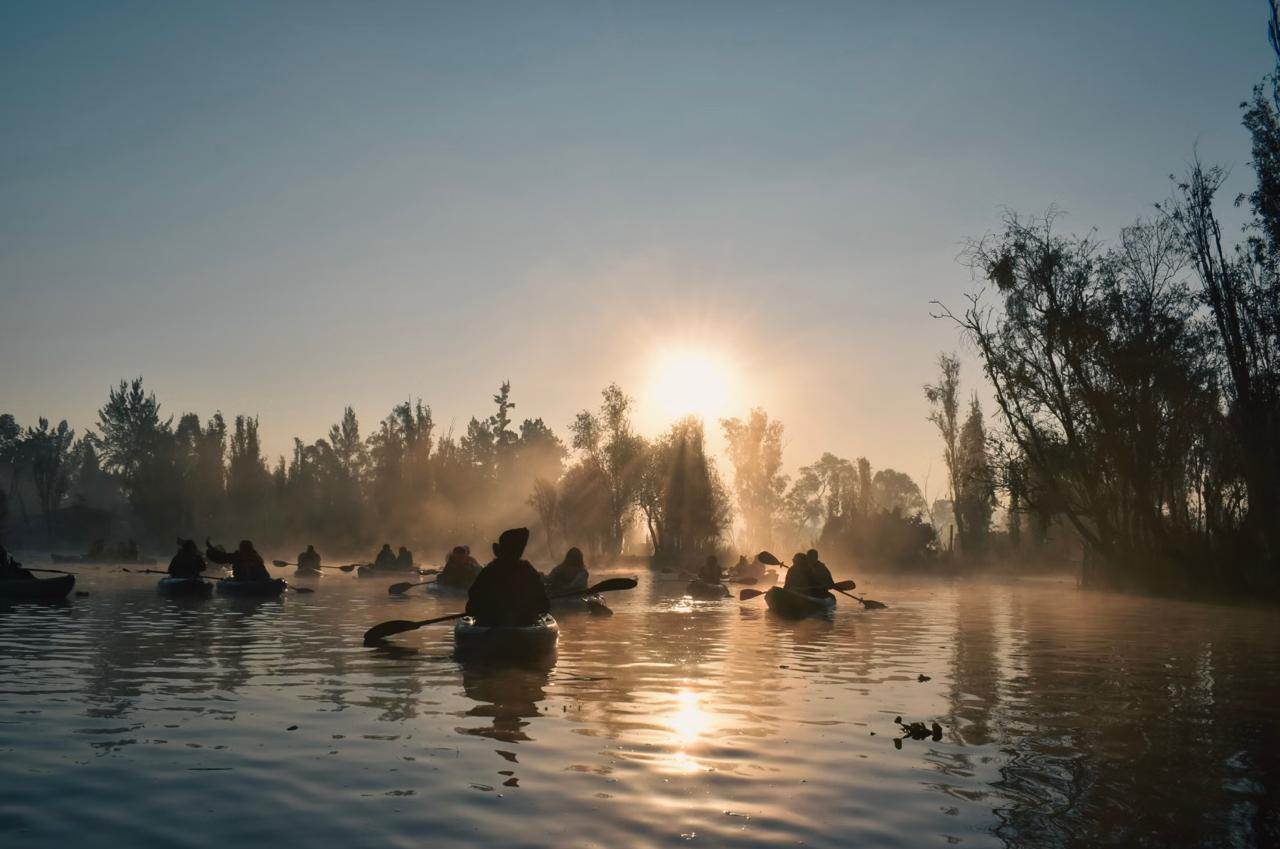
Nusa Penida's mangrove ecosystems support kayaking tours through channels connecting hidden lagoons accessible only by water. The tours typically last 2-3 hours and launch from the southern coast. Paddling through tunnels of overhanging mangrove trees creates an otherworldly atmosphere, with seabirds, monitor lizards, and occasionally dolphins visible along the route.
The water within the mangrove channels remains calm, making kayaking suitable for paddlers of all experience levels. Tours include guide services and snorkel stops at lagoon entrances. The experience costs approximately $35-45 USD per person. Tours typically operate year-round, though sea conditions guide scheduling.
12. Watch the Sunset from Cliff-Top Restaurants
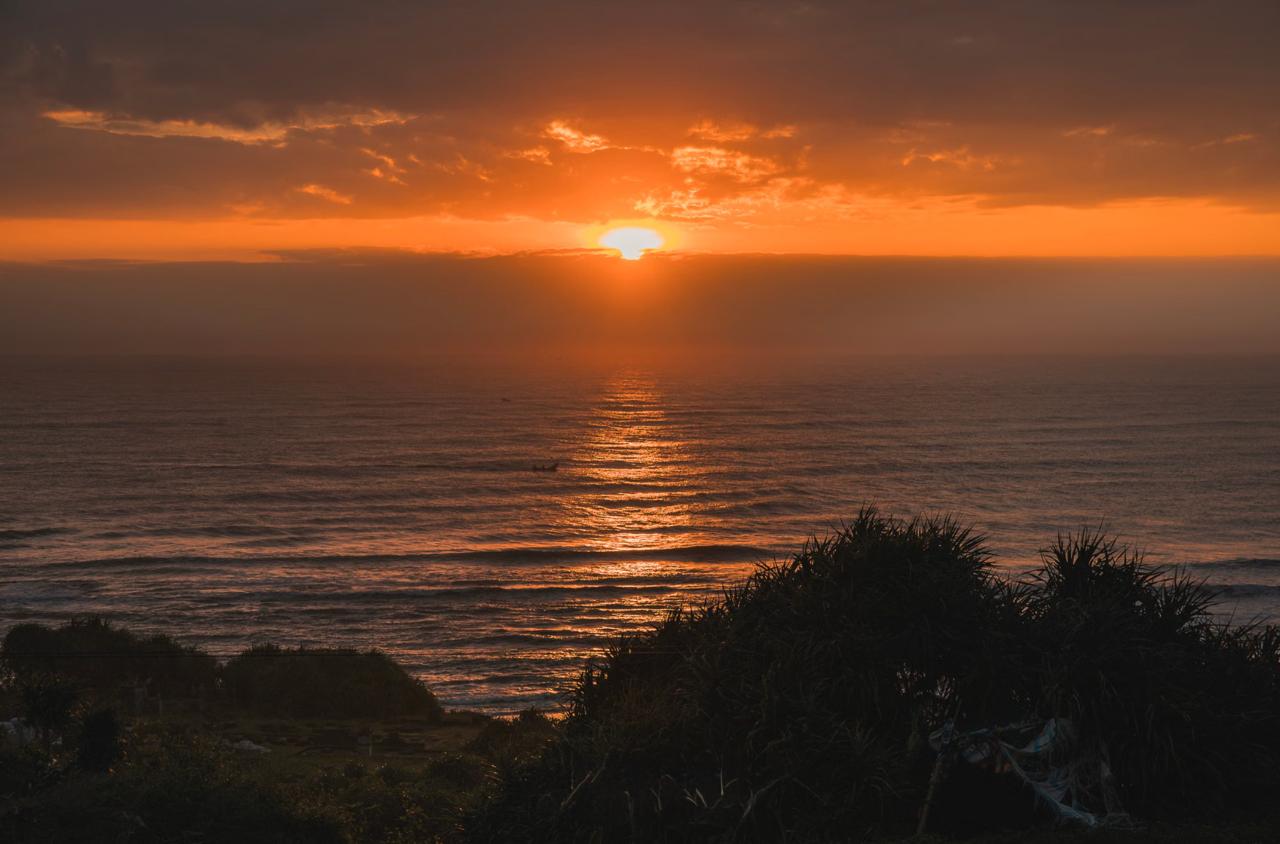
Several restaurants have built clifftop perches along Nusa Penida's western and southern coasts, offering sunset views combined with local cuisine. These establishments remain casual and family-run, lacking the resort polish of Seminyak establishments.
The food centres on fresh fish, Indonesian curries, and tropical fruits at prices 30-40% lower than those of Booking.com resorts in central Bali. Sunset colours peak between 6:00 and 6:30 PM across most seasons. Arriving 30 minutes early secures the best viewpoint. Many establishments offer cold beverages, though alcohol selection remains limited on Nusa Penida compared to Bali's main tourist areas.
13. Free Dive or Snorkel at Sampalan Bay
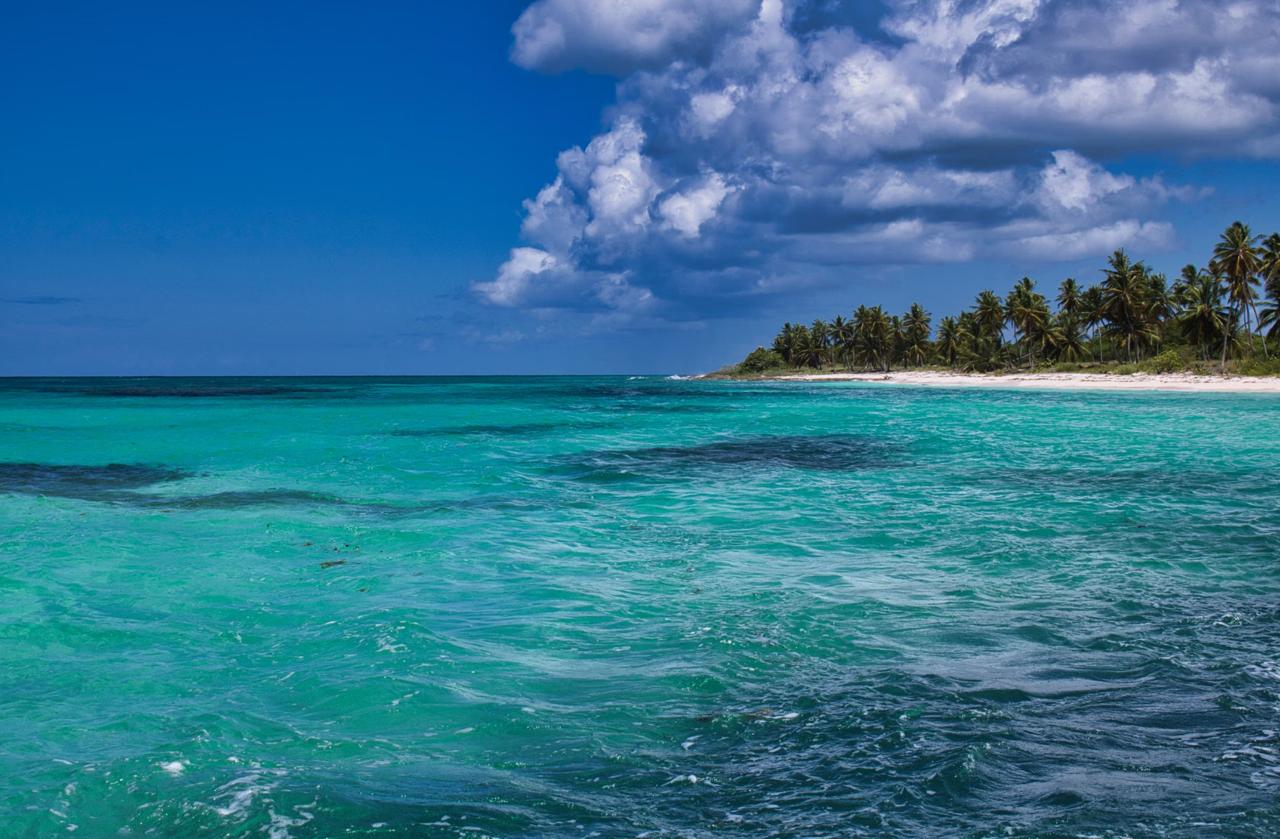
Located on the eastern coast, the bay offers calmer conditions than the island's exposed western beaches. Reef life is concentrated 50–100 meters from the shore at depths of 4–7 meters. The surrounding village of Sampalan provides a glimpse into authentic coastal culture, where local fishermen often demonstrate traditional techniques in the early morning. As the beach lacks typical tourist infrastructure like restaurants and rental services, please plan accordingly. Swimming is possible year-round, with the best visibility occurring between October and April.
14. Climb the Treacherous Stairs to the Thousand Island Viewpoint
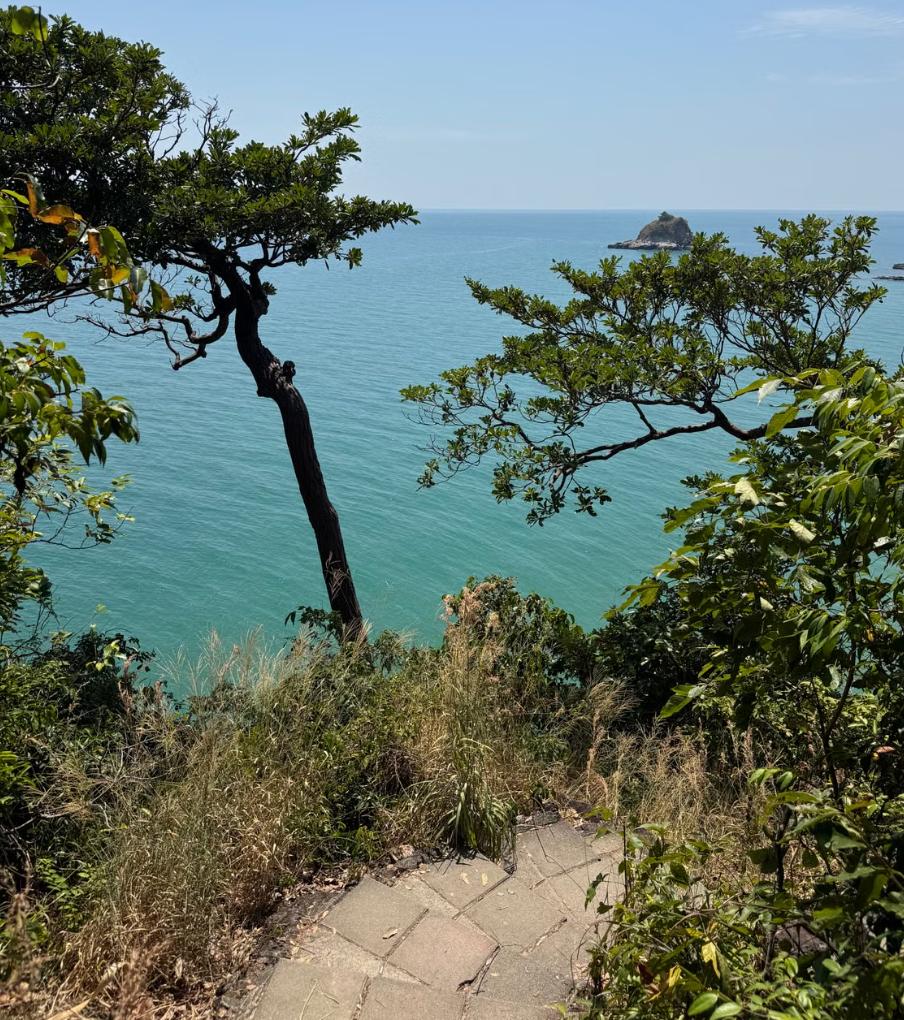
The descent takes 20–30 minutes, but the return climb can test even the fittest travellers. The viewpoint offers the closest perspective of Nusa Penida's dramatic coastal geography. Because the heat and humidity are intense, carry plenty of water and maintain careful footing.
As several travel blogs report ankle injuries on these stairs, wear supportive shoes and proceed with caution. Nevertheless, the view justifies the effort for photographers and landscape enthusiasts.
15. Join a Local Cooking Class or Traditional Ceremony

Several homestays and cultural centres offer cooking classes featuring Indonesian recipes using local ingredients. These typical 3-4 hour sessions include market visits, dish preparation, and communal eating. Costs average $25-35 USD and provide hands-on cultural immersion beyond typical tourism.
Some homestays coordinate participation in Hindu ceremonies or daily rituals, offering spiritual experiences for respectful visitors. These cultural experiences create genuine connections with local families, often leading to dinner invitations and friendships extending beyond the tourist experience. These activities work best when booked directly with local guides rather than through larger tour operators.
Planning to extend your stay? Our comprehensive guide covers the best 15 things to do in Ubud, Bali, for comprehensive guides on traditional arts, rice terrace treks, and cultural workshops that complement the spiritual side of Balinese island exploration.
Planning Your Nusa Penida Adventure
How to Get There
Daily fast boat services run from Sanur, Seminyak, and Canggu, with crossing times ranging from 30 to 90 minutes, depending on sea conditions and vessel type. During the high season, operators maintain regular schedules with departures every 1–2 hours. Ticket costs run $15-25 USD per person one-way through official operators. Booking ferries through Epic gives you payment flexibility with Visa, Mastercard, Apple Pay, Google Pay, or 200+ supported cryptocurrencies.
Planning a multi-destination Bali itinerary? Check out our complete guide to the best 23 things to do in Canggu, Bali. Canggu offers beach clubs, surf spots, and vibrant nightlife just 45 minutes from Nusa Penida ferries, making it an ideal base for island-hoppers combining beach relaxation with adventure exploration.
Scooter rentals on the island cost $5–8 USD per day; however, the roads are rough, and accident rates are higher than on mainland Bali. Many travellers hire local drivers for full-day tours ($40–60 USD).
Where to Stay
Accommodation options range from basic guesthouses ($15–$25 USD per night) and mid-range bungalows ($40–$80 USD) to upscale properties ($100–$200+ USD). Be aware that many accommodations lack air conditioning and reliable electricity. The most convenient areas to stay are near Jungutbatu village (central), Sampalan (eastern coast), or Ped village (western side), depending on your planned activities. Booking through Epic offers up to 30% savings compared to Booking.com.
Best Time to Visit
The dry season (April-October) brings calm seas ideal for diving, snorkelling, and island hopping. June-November peaks for manta ray encounters. During the wet season (November–March), seas can be rough and underwater visibility is reduced. Tourist crowds peak in July–August and December–January. The shoulder months (April–June and September–October) offer a balance of pleasant weather and fewer crowds. Water temperatures remain consistent year-round, typically between 26°C and 28°C.
Safety Considerations
Nusa Penida presents genuine risks, so exercise caution. Hiking trails often feature uneven, rugged terrain with limited safety infrastructure. Cliff jumping requires excellent swimming skills and sound judgment, while diving demands proper certification.
Be vigilant near the water, as jet skis and speedboats can pose hazards to swimmers. Petty theft is possible in tourist hubs, so keep your valuables secure. Medical facilities on the island are limited; serious injuries may require evacuation to Bali's main hospitals, making travel insurance that covers emergency medical evacuation highly recommended. For your safety, never explore unfamiliar trails alone.
Local Etiquette and Respect
Nusa Penida remains home to 45,000 Balinese residents whose lives predate tourism by centuries. Hiking through rice paddies or forests means crossing working agricultural land. Temples are sacred spaces requiring respect, appropriate dress, and permission before photography.
Hiring local guides ensures that revenue directly benefits the community and minimises environmental damage caused by unregulated foot traffic. Supporting local warungs and family-run businesses sustains the island's character better than international hotel chains.
Tips for the Best Nusa Penida Experience
Start early. Most tourists sleep in, meaning 7-9 AM offers clear beaches, quiet trails, and manageable crowds. Afternoon heat intensifies significantly, making afternoon hiking unpleasant.
Hire local guides. While it costs extra ($20–$40 USD per day), guides help you avoid wandering into private rice paddies, locate better viewpoints, understand the island's cultural significance, and prevent mistakes that could lead to injury or legal issues.
Bring more water than you think is necessary. Nusa Penida lacks water fountains on hiking trails, making dehydration a real risk in the tropical heat, especially on steep climbs like the Thousand Island stairs.
Visit temples with genuine respect. Photography is permitted in most areas, but covering shoulders and knees isn't optional. Never enter inner sanctums without explicit permission.
Support local restaurants over resort chains. Family warungs serve better food, charge a fraction of resort prices, and ensure your money reaches islanders instead of distant corporations.
Book return ferries before exploring. Boat schedules depend on sea conditions. Missing your boat means waiting 4+ hours for the next departure or staying unplanned nights.
Download offline maps before arriving. Cell service exists but remains unreliable in many areas. Having navigation doesn't require constant connectivity.
Bring reef-safe sunscreen. Coral ecosystems surrounding Nusa Penida face enough pressure without chemical sunscreen adding toxicity. Zinc oxide mineral sunscreen costs slightly more but protects marine life and your skin.
Book Your Nusa Penida Adventure With Epic
Ready to explore Nusa Penida? Epic makes booking flights, ferries, accommodations, and activities simple with multiple payment options. Use Visa, Mastercard, Apple Pay, Google Pay, or select from 200+ cryptocurrencies. Start your Nusa Penida planning at Epic today. Compare ferry prices, guest house rates, and tour operators across trusted local providers. Pay how you want. Travel how you dream. Join the early access list and claim $25 off your first booking.
Key Takeaways
- Nusa Penida offers 15 distinct experiences ranging from dramatic clifftop viewpoints and world-class dive sites to waterfalls and hidden beaches, attracting 1.5 million visitors seeking an alternative to the crowded mainland of Bali.
- Diving and snorkelling are top activities: Manta ray season (June–November) draws divers globally, while the shallow reefs at Toyapakeh offer accessible coral gardens and turtle encounters that require no certification.
- Iconic clifftop locations, such as Kelingking Beach and Thousand Island Viewpoint, offer breathtaking photo opportunities: To avoid daily crowds of 500+ visitors, arrive before 8:00 AM.
- Hidden gems reward those willing to explore: Trek through the jungle to Paluang Waterfall, kayak through mangrove channels, or visit Diamond Beach’s secluded cove, which remains peaceful with fewer than 100 visitors daily.
- Timing and logistics are key: Plan your trip for the dry season (April–October) for calm seas essential for water activities. Allow 30–90 minutes for ferry crossings from Bali, and hire local guides to ensure safety on the island's more challenging hikes.
- Book with Epic to access flexible payment options including 200+ cryptocurrencies, Visa, Mastercard, Apple Pay, and Google Pay, with savings up to 30% compared to Booking.com.
Frequently Asked Questions
1. How many days should I spend in Nusa Penida?
Most travellers find 2-3 days ideal for covering the main attractions. Dedicate a full day to water activities (diving/snorkelling), a second day to hiking and cultural exploration, and a third to more remote locations like Paluang Waterfall or mangrove kayaking. Shorter visits of one day work if you're island-hopping, but leave little room for contingencies or weather delays.
2. Is Nusa Penida safe for solo travellers?
Nusa Penida is generally safe for solo travellers; however, petty theft can occasionally occur in tourist areas. More significant risks involve hiking or participating in water activities without proper experience or local guidance. Solo divers need open water certification. Solo hikers on remote trails face safety risks without backup. Consider hiring guides for activities like Paluang Waterfall or the Thousand Island stairs. Join group tours to meet other travellers and split guide costs.
3. Can I do everything with limited diving/snorkelling experience?
Approximately 60% of Nusa Penida’s best activities, including viewpoint hikes, waterfalls, temple visits, mangrove kayaking, beach lounging, and snorkelling at Toyapakeh, require no special skills beyond basic swimming ability. Diving requires either a certification card or a willingness to complete an Open Water course (typically 3–4 days, $300-400 USD). Many activities accommodate mixed-skill groups.
4. What's the single best activity on Nusa Penida?
This depends on personal interests, but Manta Bay diving during the season (June-November) consistently earns the highest traveller satisfaction ratings. According to 2024 visitor surveys, 87% of divers who encountered mantas rated the experience as "life-changing" or "best diving moment." For non-divers, Kelingking Beach's clifftop viewpoint delivers the most iconic experience. For cultural connection, temple tours with local guides offer the deepest understanding of island life.
5. When should I visit to avoid crowds?
May, June, and September-October offer excellent weather with significantly fewer tourists than peak season. Visiting major attractions early, before 8:00 AM, guarantees fewer crowds, even during high season. Visiting less-famous sites (Sampalan Bay, Paluang Waterfall, Diamond Beach) means encountering locals outnumbering tourists most days.

Mithra Ghosh is a Dubai-based content writer and SEO copywriter with 2+ years of experience crafting search-optimised content across crypto, Web3, and digital finance. She combines strong editorial instincts with a deep understanding of blockchain ecosystems and on-chain trends.
At Epic, she writes about the growing world of crypto-native travel helping readers understand how holding and spending digital assets can unlock smarter, cheaper ways to see the world.


Found a destination you like? Book it for up to 30% less.


Found a destination you like? Book it for up to 30% less.