Content
Xertra is a Layer-1 proof-of-stake smart contract network built for DeFi, gaming and enterprise Web3 applications. The project launched in 2016 as Stratis under founder Chris Trew before rebranding to Xertra in October 2025, while its contract layer, token balances and STRAX ticker remained unchanged.
STRAX serves as both a utility and governance token. Holders can stake it to validate blocks or run masternodes, pay gas on StratisEVM, provide collateral in dApps and vote on protocol upgrades and treasury decisions. Xertra Play also burns one STRAX for each additional gameplay session.
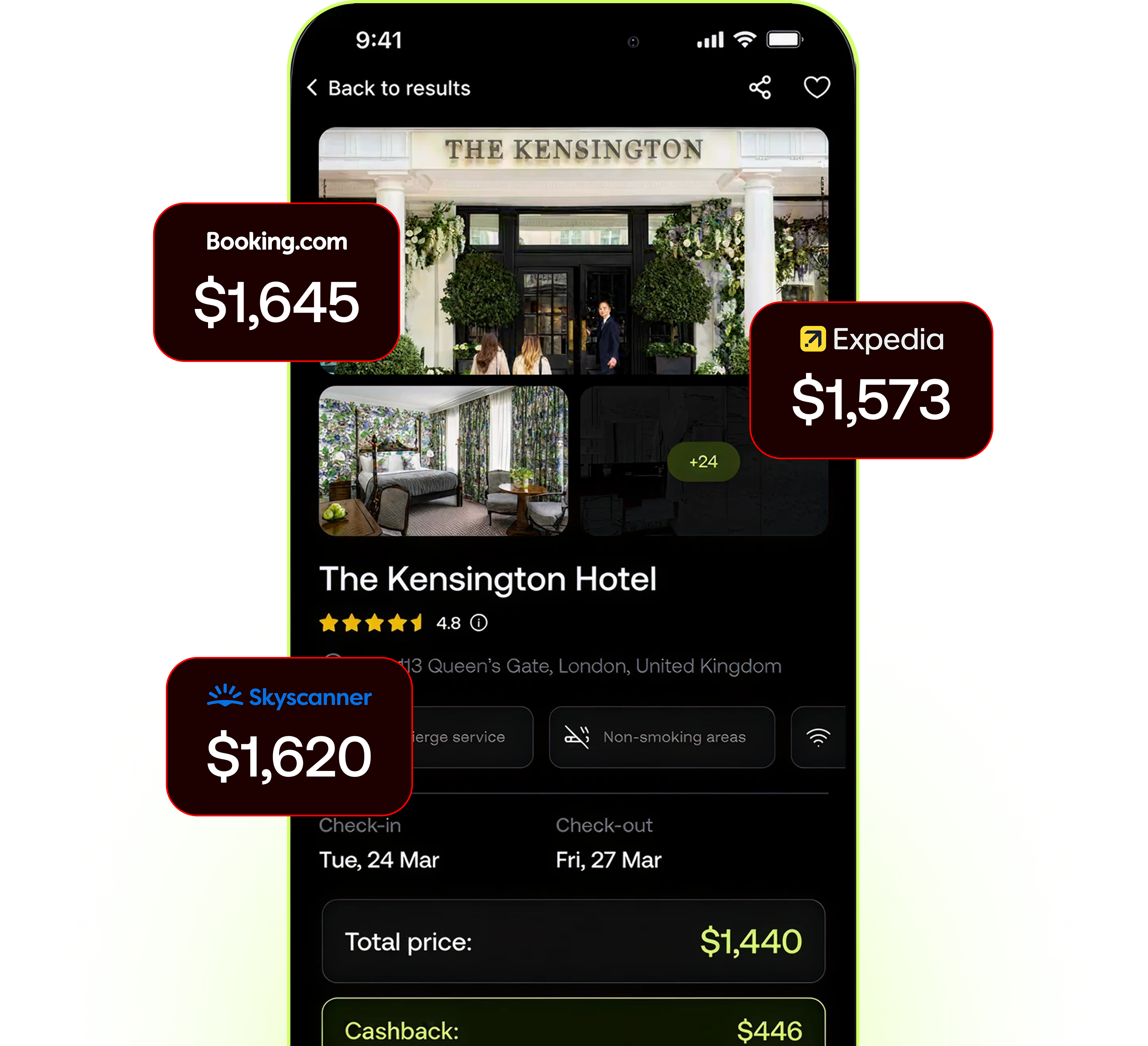
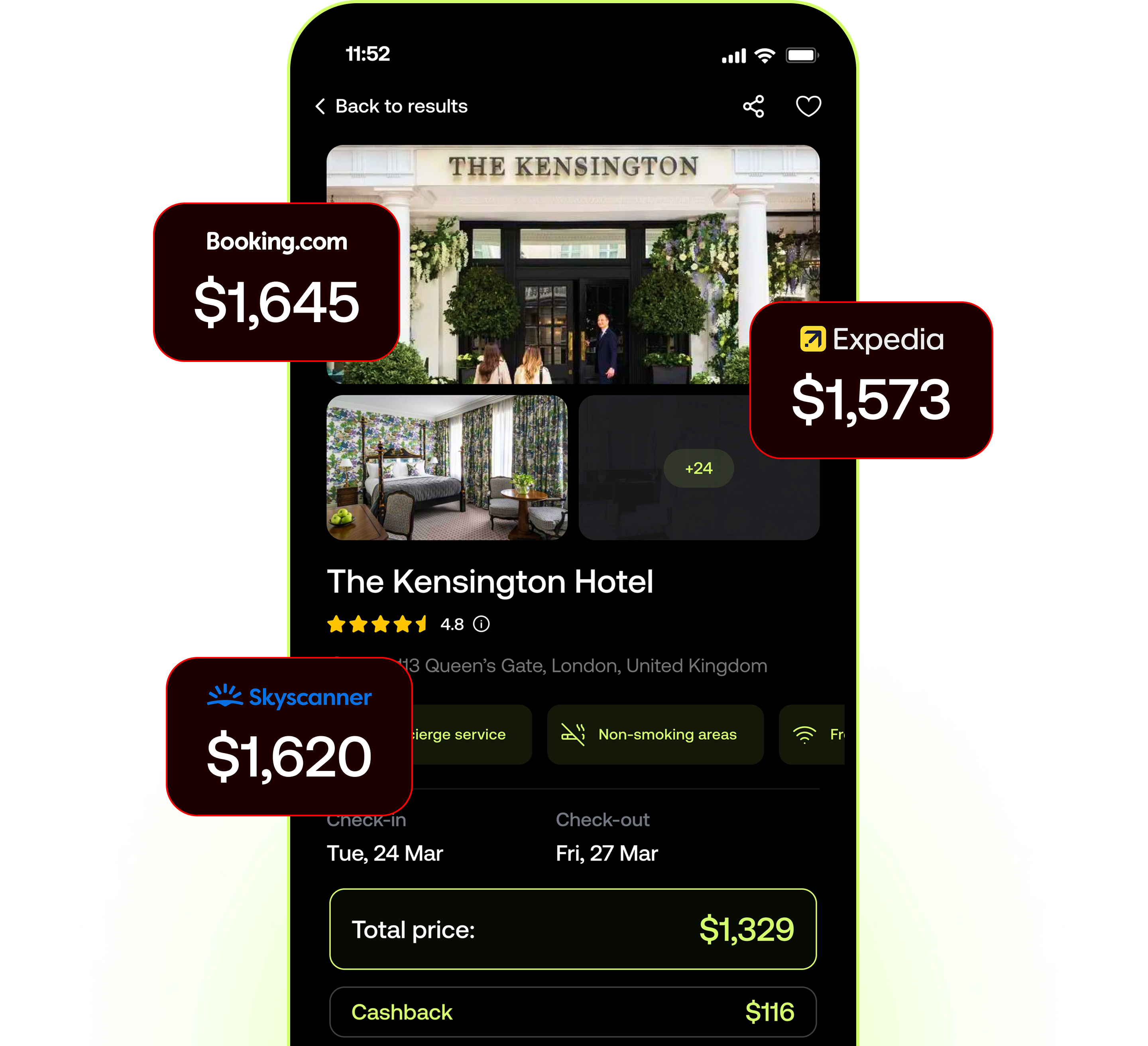
While acquiring STRAX is straightforward, direct spending options remain limited. Travel offers a practical workaround: Epic accepts 200+ cryptocurrencies for flights and hotels, prices up to 30% below Booking.com, and gives new users $25 off their first booking.
See how much you
could save with $STRAX
Answer 2 questions to get your personalized
savings estimate.
Question 1 of 2
Where do you want?
Question 2 of 2
How many nights?
Your result
Get similar deals when we go live.
Get $25 off your first trip.
1. Book Discounted Hotels and Flights With STRAX on Epic

Turning crypto into a trip abroad is one of the shortest paths from wallet to real-world value. Epic accepts 200+ cryptocurrencies, plus Visa, Mastercard, Apple Pay and Google Pay for anyone who prefers a card. Book flights and hotels for a price up to 30% under Booking.com.
If your STRAX sits inside a Xertra-compatible wallet, book your trip through Epic directly without swapping it first or paying an extra fee for using cryptocurrency. The booking process is simple and familiar, like booking through Booking.com, making trip reservations effortless.
Book your next hotel for up to 30% less
New to Epic? Sign up and get $25 off your first booking.
2. Stake, Play and Post Collateral Inside the Xertra Ecosystem
The most useful places for STRAX are within the network itself, covering three main areas: securing the chain, powering gaming, and supporting on-chain finance. For staking and masternodes, Xertra uses proof-of-stake consensus, allowing STRAX holders to lock their tokens to help validate blocks or participate through masternodes.
Both roles pay a share of network rewards for keeping the chain honest, and neither demands the dedicated hardware that proof-of-work mining relies on. Community pools open the door further for holders who would rather not run infrastructure themselves.
Gaming and NFTs. Xertra Play houses the network's Web3 gaming experiences, where STRAX plays double duty as gas and as the unlock cost for extra sessions. Every additional round burns 1 STRAX, so the more the platform gets used, the tighter circulating supply becomes.
Alongside it, Xertraverse serves as the in-house NFT marketplace with configurable royalties and low minting costs. The K1 Vanguard drop, tied to the SolPlex sci-fi strategy MMO, was the debut collection, and SolPlex gameplay assets move directly on-chain via StratisEVM.
DeFi collateral and governance. STRAX underpins collateral positions across StratisEVM dApps and carries voting weight in proposals covering upgrades and treasury deployment. Any holder who prefers their tokens contributing rather than dormant should start with this route.
Compass (AI-assisted Web3 onboarding), Ticketsphere (blockchain event ticketing) and Xertra Passport (single sign-on identity) round out the everyday utility surface.
3. Buy Physical Collectibles With STRAX on Polkastarter
Polkastarter is a marketplace stocked with real-world collectibles: graded Pokémon cards, sealed booster boxes, retro video games, sports memorabilia and adjacent categories. Every listing is a tangible object rather than an NFT, and after purchase the seller either dispatches it to your address or leaves it in professional storage, depending on how the deal is set up.
Because STRAX isn't a native checkout option, buying takes two hops:
- Swap STRAX for USDT or ETH on Binance, Kraken, KuCoin, MEXC or Gate.io.
- Settle the Polkastarter purchase with that stablecoin or ETH balance.
For anyone already holding crypto, that route beats liquidating to fiat and buying through a legacy grading marketplace on speed alone. Collectibles also carry a portfolio benefit worth flagging: their secondary-market cycles rarely track crypto price action minute by minute.
Have a look at Polkastarter's marketplace to see what's currently on offer.
4. Buy Gift Cards, eSIMs and Everyday Stuff With STRAX
For turning crypto into daily-life purchases, Bitrefill and Coinsbee sit at the top of the pile. Neither one takes STRAX at checkout, but the workaround is a single extra step:
- Exchange STRAX for BTC, USDT or ETH on a venue of your choice.
- Complete the order on Bitrefill or Coinsbee with the swapped balance.
That single swap unlocks a wide catalogue. Depending on your region, that spans:
- Retailer vouchers for Amazon, Uber, Walmart, Steam and hundreds more.
- Gaming credit across PlayStation, Xbox, Nintendo eShop and Steam.
- Balance top-ups for DoorDash and Uber Eats.
- Subscription refills for Netflix, Spotify, Disney+ and adjacent services.
- eSIM data plans in more than 190 countries.
- Prepaid mobile top-ups worldwide.
Bitrefill's UPI integration also saves shoppers from re-entering card details on every order.
Bridging STRAX through a widely traded stablecoin is the tightest link between a mid-cap Layer-1 and actual purchasing power. Running the swap once takes minutes, and what it opens up dwarfs any list of merchants that might accept STRAX directly.
5. Load a Crypto Debit Card for Everyday Spending
Route five is a debit card. Crypto.com Visa, Bybit Card and Wirex each let you top up with USDT or USDC and then spend anywhere Visa or Mastercard is welcomed, from checkout on a shopping site to a card reader at the corner shop.
STRAX isn't a supported deposit asset on any of them, so the workflow reads:
- Convert STRAX to USDT on Binance, Kraken, KuCoin or Bybit.
- Transfer the USDT to the deposit address supplied by your chosen card issuer.
- Use the card once the funds settle.
The trade-off here is real. You forfeit any further STRAX upside, and swap and network fees shave a bit off the balance. What you get in return is coverage across roughly 150 million Visa and Mastercard acceptance points. For anyone who wants to actually pay for petrol, groceries and the occasional dinner out with crypto, a preloaded card feels closer to a mainstream payment experience than any other route currently available.
Worth clarifying: Xertra Money Service, the network's Bank of Spain supervised crypto-to-fiat gateway aligned with MiCA, is designed as an on- and off-ramp rather than a merchant card programme. STRAX itself keeps its native duties as a staking, gas, gaming and governance asset, and anything spent outside those rails needs the swap-and-load workflow above. USDT continues to be the most liquid bridge between alternative Layer-1 tokens and daily commerce.
Explore Supported Epic Travel Tokens:
- Block Street (BSB): What Can You Buy With It in 2026
- Lucidum Coin (LUCIC): Top 5 Ways to Spend It in 2026
Frequently Asked Questions
1. What is Xertra Coin (STRAX)?
Xertra is a Layer-1 proof-of-stake smart contract network focused on DeFi, gaming and enterprise Web3 use cases. It rebranded from Stratis in October 2025 while keeping its contract layer and ticker intact. STRAX is the native token, used for staking and masternode operation, gas on StratisEVM, gameplay session unlocks in Xertra Play via a burn mechanism, DeFi collateral and governance voting.
2. Where can I buy STRAX?
STRAX trades on Binance, Kraken, KuCoin, MEXC, Gate.io and Bybit, among others. Since the rebrand preserved the original ticker, exchanges that already supported Stratis carried listings across to Xertra with no action needed from holders.
3. Can I pay for hotels with STRAX?
Yes. Epic accepts 200+ cryptocurrencies for flight and hotel bookings at prices up to 30% below Booking.com, alongside a $25 discount on the first reservation for new users. If STRAX isn't among the natively accepted assets at checkout, one swap into a supported token closes the gap.
4. What network is STRAX on?
STRAX is the native asset of the Xertra Layer-1 chain, running on proof-of-stake with StratisEVM providing smart contract execution. Xertra Deploy sits on top and lets developers launch custom zkSync Era rollup chains anchored to the network.
5. Who founded Xertra?
Xertra traces back to Chris Trew, an enterprise IT veteran with over a decade in architecture consulting, who first launched the project as Stratis in 2016. The 2025 rebrand marked a strategic shift from an enterprise C# and .NET consultancy service to an active DeFi and gaming platform, while retaining Microsoft Partner certification and moving core product work onto StratisEVM.


Mithra Ghosh is a Dubai-based content writer and SEO copywriter with 2+ years of experience crafting search-optimised content across crypto, Web3, and digital finance. She combines strong editorial instincts with a deep understanding of blockchain ecosystems and on-chain trends.
At Epic, she writes about the growing world of crypto-native travel helping readers understand how holding and spending digital assets can unlock smarter, cheaper ways to see the world.


Found a hotel you like? Book it for up to 30% less

Found a hotel you like? Book it for up to 30% less