Content
Zebec Network (ZBCN) is a crypto coin that powers a decentralised financial network built to make payroll payments and money transfers fast, affordable, and instant. It does this by replacing traditional batch payment cycles with continuous, real-time money streams on blockchain. Zebec joined the NACHA Payments Innovation Alliance and integrated with NatPay, directly connecting blockchain payment rails to the $85 trillion U.S. ACH network.
ZBCN is currently trading at around $0.002142 USD, with a market cap of about $214.22 million, making it one of the top 123 cryptocurrencies. ZBCN serves as more than just an investment; it also provides significant real-world utility. For example, you can use it to book discounted hotels and flights through Epic, stream real-time salary in stablecoins, spend via Mastercard debit cards at millions of merchants, earn staking rewards of 10–22% APY, and vote on network governance.
See how much you
could save with $ZBCN
Answer 2 questions to get your personalized
savings estimate.
Question 1 of 2
Where do you want?
Question 2 of 2
How many nights?
Your result
Get similar deals when we go live.
Get $25 off your first trip.
Key Takeaways
- Zebec Network connects decentralised payment rails with traditional financial infrastructure to enable real-time salary streams and settlement. It processes over $500 million in annual payroll volume across 250+ enterprise clients, making it the longest-running decentralised payroll protocol since its 2021 launch.
- Zebec joined the NACHA Payments Innovation Alliance and integrated with NatPay, enabling employers to route payroll through both traditional ACH/FedNow and blockchain streams from a single dashboard.
- By expanding to blockchains such as Solana, Ethereum, Base, BNB Chain, NEAR, and Stellar, the protocol enables global, real-time payment rails that connect directly to traditional financial infrastructure.
- Book hotels and flights with ZBCN on Epic at prices up to 30% lower than Booking.com and Expedia. Join the platform's early access list today to get a $25 discount on your first booking.
- ZBCN has a maximum supply of 100 billion tokens, with approximately 99.99 billion already circulating. The final token unlock occurred in March 2026, and the network has shifted to fully deflationary tokenomics.
ZBCN at a Glance (July 2026)
What Is Zebec Network?
Issued in 2021, Zebec Network is a blockchain-based payment and payroll infrastructure project that focuses on real-time money streams, stablecoins, and decentralised financial services. It allows anyone with a digital wallet to stream salaries in real-time, access regulated on-chain banking services, and transfer funds across borders instantly. The platform prioritises simplicity by automating complex financial processes, so users don't have to deal with traditional banking delays or high fees.
The main problem Zebec aims to solve is the inefficiency of batch payment systems. Traditional payroll typically operates on biweekly or monthly cycles, while international wire transfers are sluggish, taking 3–5 days and incurring 1–3% in fees. These systems rely on batch settlement rather than continuous processing. By using blockchain as its settlement layer, Zebec removes traditional intermediaries, making transfers nearly instant and dramatically cheaper.
Zebec was founded in 2018 by Sam Thapaliya, a computer scientist with backgrounds in computer vision and decentralised systems, in San Francisco, United States. The vision was to revolutionize financial transactions using blockchain technology, particularly addressing inefficiencies in traditional payroll systems. The Zebec Protocol launched on the Solana mainnet in November 2021, enabling real-time, continuous settlement for instant access to earnings.
The project has since expanded to multiple blockchains including Ethereum, Base, BNB Chain, NEAR, and Stellar, broadening its reach and enabling users to choose networks based on cost and speed preferences. Zebec has raised $29.5 million across multiple funding rounds, with key investors including Distributed Global, Coinbase Ventures, Solana Ventures, Circle, and Republic Capital. These partnerships and funding secured institutional backing, validating Zebec's real-world payment infrastructure narrative.
How Does Zebec Work?
Zebec makes real-time payment streams possible by combining smart contracts, blockchain settlement, and consumer-facing applications. Here's how the process works:
- Create a Streaming Contract. An employer or individual deploys a smart contract specifying a recipient wallet, total amount, and duration. Once deployed on-chain, the contract executes automatically without intermediaries or delays.
- Continuous, Per-Second Settlement: The blockchain calculates and releases funds at a constant rate. By streaming a $3,000 monthly salary at approximately $100 per day, funds flow continuously to the recipient's wallet, bypassing the cash flow limitations of standard biweekly or monthly payroll.
- Real-Time Liquidity Access Recipients can access streamed funds immediately through Zebec's ecosystem: spend via Zebec Cards at millions of merchants, convert to fiat through integrated gateways, hold as stablecoins on-chain, or use for cross-border remittances.
- Multi-Chain Settlement: Zebec operates natively on Solana and via bridges to Ethereum, Base, BNB Chain, NEAR, and Stellar. Users choose which blockchain offers the best combination of speed, cost, and ecosystem fit. The Nautilus Chain serves as Zebec's execution layer for high-throughput streaming operations.
- Consumer Product Layer Zebec's ecosystem includes multiple products: Zebec Payroll enables real-time streaming salaries for employers and employees; Zebec Cards (Silver, Carbon, Black) are Mastercard-backed debit cards for global spending; Zebec SuperApp is a unified mobile app for payroll, cards, staking, and governance; Zebec DePIN is a decentralised Point-of-Sale network incentivised with ZBCN rewards. All products are powered by ZBCN, which pays transaction fees, enables staking for validators, and grants governance rights to holders.
Top 5 Ways to Use Zebec Network Crypto Coin (ZBCN) in 2026
1. Book Discounted Hotels and Flights on Epic
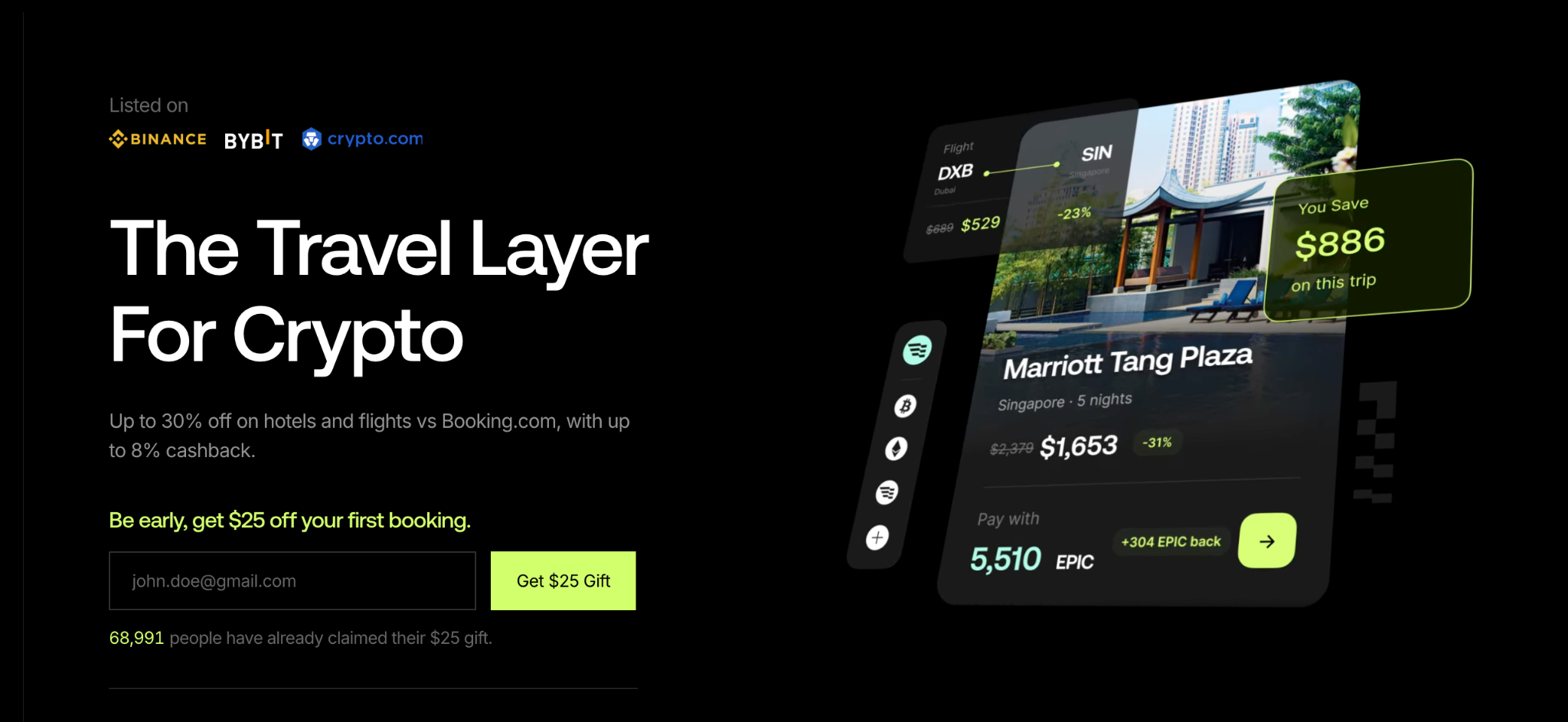
This is one of the simplest and most practical ways to unlock real-world value from your ZBCN. Instead of converting your crypto back into fiat money, paying exchange fees, losing value through spreads, or dealing with expensive withdrawal charges, you can use ZBCN directly as a payment option on Epic.
Epic is a Web3 travel platform that operates in more than 190 countries. It offers access to over 2 million hotels and flights worldwide and supports 200+ cryptocurrencies, along with traditional payment methods like Google Pay, Apple Pay, and Visa/Mastercard.
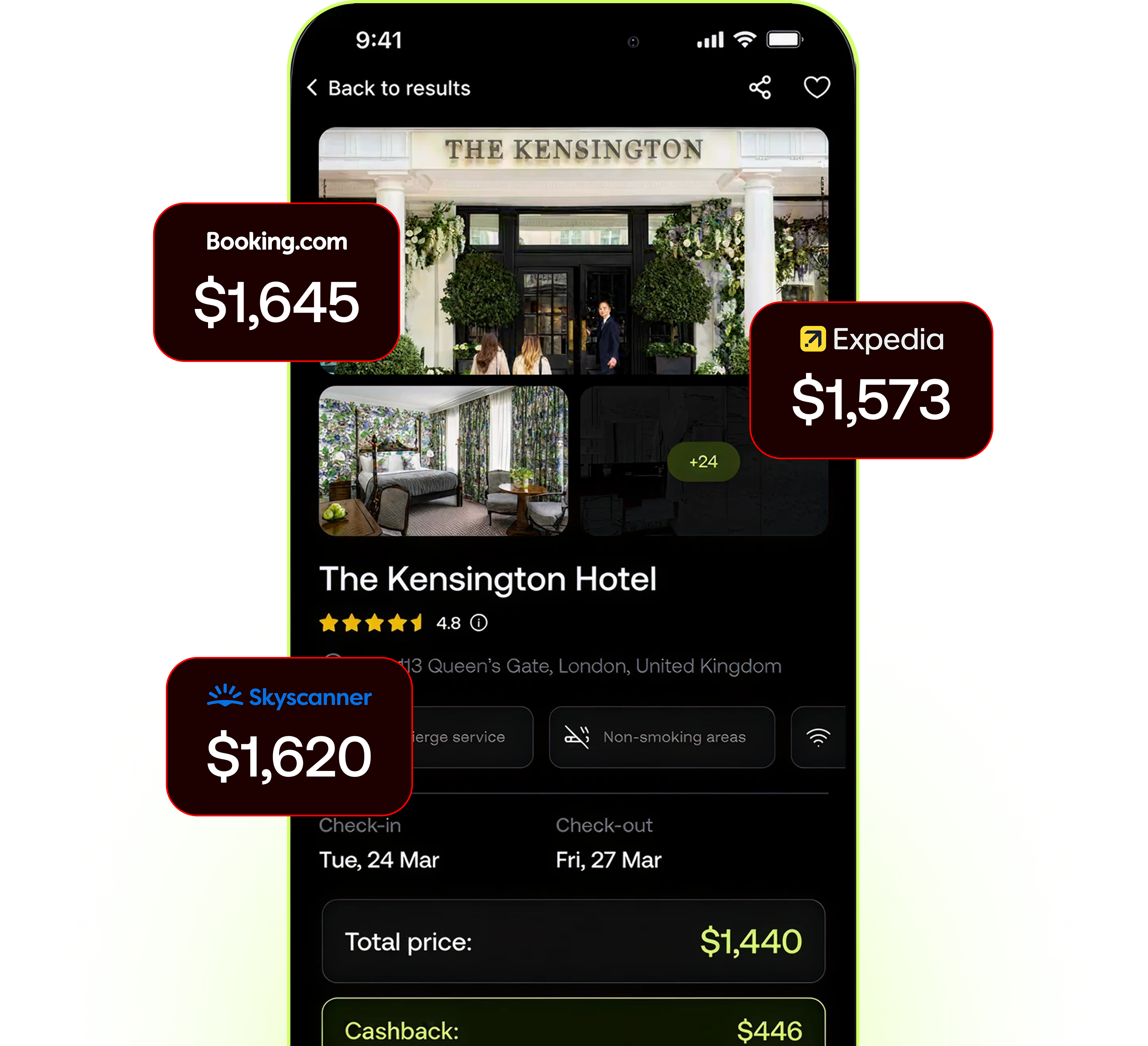
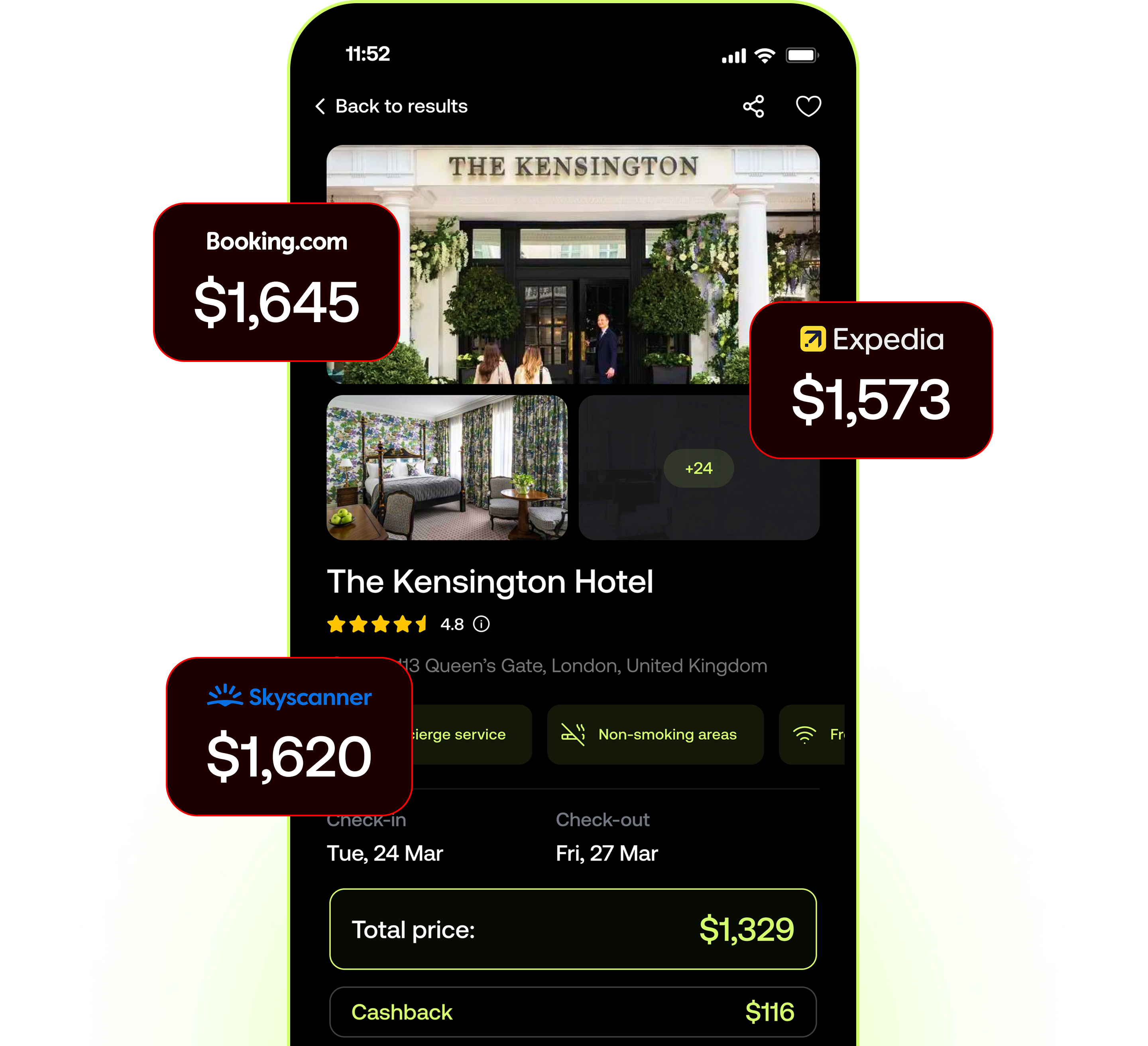
Since Epic avoids the high markups often added by traditional travel booking platforms, users can save up to 30% when paying with ZBCN compared to booking the same hotel or flight through Booking.com or Expedia.
Book your next hotel for up to 30% less
Early access users also get $25 off their first booking, helping reduce travel costs. For frequent travellers, this use case alone makes holding ZBCN a worthwhile investment.
2. Stream Real-Time Salary as Stablecoin Payroll
Zebec Payroll is one of the platform's most powerful tools for employees, freelancers, DAOs, and enterprises tired of delayed payment cycles. Rather than waiting for biweekly or monthly payroll, your salary streams continuously into your wallet in stablecoins (USDC, USDT) or supported tokens.
For employees, this means immediate liquidity. Instead of a $3,000 monthly salary paid once per month, you receive approximately $100 per day, eliminating cash flow crunches between paychecks. For employers, Zebec handles payroll calculation, stablecoin routing, tax reporting integrations, and multi-currency settlements automatically, reducing administrative overhead.
Remote workers and cross-border contractors benefit most. Traditional wire transfers take 3–5 days and charge 1–3% in fees. Zebec streams settle in minutes with negligible fees, often cheaper than traditional ACH for international payments.
Freelancers can negotiate milestone-based streaming contracts. Instead of invoicing and waiting 30 days for payment, they set up a streaming contract releasing funds over the project duration, syncing payment with deliverables. DAOs use streaming for continuous contributor compensation, aligning incentives with participation.
The platform integrates with Circle and Stellar for cross-border remittances, enabling employees to receive stablecoins and convert to local currency instantly through global payout networks.
3. Spend ZBCN with Zebec Cards for Everyday Purchases
Zebec offers three tiers of Mastercard-backed debit cards: Silver (non-custodial, zero fees), Carbon (Instant Card via Visa, linked to Coinbase for on/off-ramping), and Black (debit card with no spend limits). All cards allow you to spend ZBCN and 150+ supported tokens at over 100 million merchants worldwide.
The Silver Card is particularly appealing for crypto holders who want self-custody without custodial risk. Your crypto remains in your own wallet; the card simply converts and routes purchases through Mastercard's network at checkout. Apple Pay and Google Pay support enable seamless mobile payments.
Starting mid-2026, card spending unlocks tiered rewards for ZBCN holders staked in the SuperApp. Higher staking tiers receive enhanced benefits on card spend, creating a direct linkage between holding ZBCN and reducing transaction costs.
The cards operate in 97+ countries and support spending in multiple currencies (USD, EUR, GBP, with more being added regularly). For travellers, this means spending ZBCN directly at foreign merchants without converting to local fiat first, saving on FX markup fees.
4. Provide Liquidity and Earn from DEX Pools
Advanced users can deposit ZBCN into decentralised liquidity pools to help support the ecosystem and earn rewards. By pairing ZBCN with major cryptocurrencies and stablecoins, users provide the liquidity needed to keep transaction costs low and ensure smooth settlement for global remittances.
In return for providing liquidity, participants earn a share of the automated swap fees generated from international payment activity. This allows ZBCN holders to contribute to the protocol's infrastructure while earning passive income from transactional activity flowing through the network.
This creates direct alignment between token holders and the protocol's success; higher payment volume increases swap activity, which in turn generates higher fees for liquidity providers.
5. Participate in Governance Through the ZBCN DAO
ZBCN holders can vote on protocol decisions through the Zebec DAO at dao.zebec.io. The network employs a hybrid governance model combining off-chain community consultation with on-chain voting for Zebec Improvement Proposals (ZIPs). Token holders vote on critical matters including protocol upgrades, fee structures, ecosystem fund allocation, and strategic partnerships.
This governance mechanism ensures ZBCN holders maintain direct control over protocol evolution. Unlike many blockchain projects where founders or large stakeholders dominate, Zebec's structure distributes voting power across all token holders proportional to their holdings.
Governance participation directly affects network success. Voting on fee structures, validator compensation, new chain integrations, and partnerships impacts token value and adoption. Engaged token holders help shape a protocol aligned with their long-term interests.
Is Zebec a Good Investment?
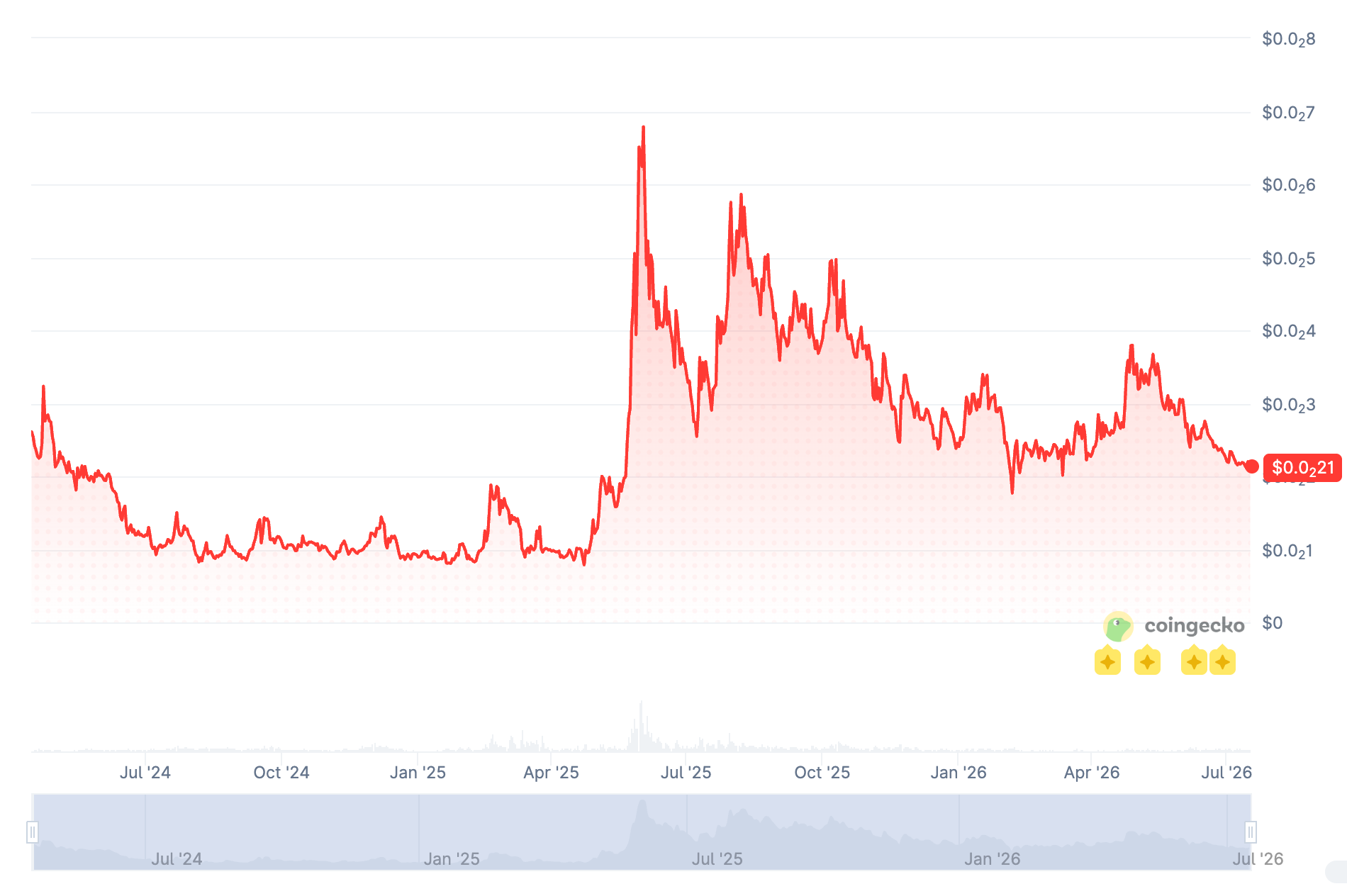
Zebec Network (ZBCN) price history from July 2024 to July 2026, showing significant volatility with a peak around $0.007 in May 2025, followed by a sustained decline through mid-2026, currently trading around $0.0021.
All-time price chart of Zebec Network (ZBCN) in USD from CoinMarketCap, spanning from the 2021 launch to mid-2026. The line graph shows early adoption growth, a significant spike to an all-time high of $0.007105 in May 2025, followed by a sustained decline through 2026, stabilising around current levels of $0.002142.
Whether ZBCN is a good investment depends on your confidence in the future of real-time payment infrastructure and decentralised financial settlements. Zebec's long-term vision is attractive because the project has secured institutional partnerships, operates active payment channels, and maintains regulatory compliance through integrations with traditional finance (NACHA, NatPay).
However, ZBCN's past price performance shows the token can be highly volatile. It currently trades approximately 70% below its May 2025 all-time high of $0.007105, demonstrating that even with strong development and real-world use cases, price is affected by broader crypto market cycles and regulatory changes.
Competitors in the real-time payments space exist and are scaling. While Zebec has first-mover advantages and institutional partnerships, rivals with larger marketing budgets could erode market share.
Token supply dynamics create dilution risk. The final token unlock is scheduled for March 2026. Post-March, the network shifts to deflationary tokenomics where product revenue funds buybacks, but uncertainty around this transition remains. Actual deflationary pressure depends on revenue growth outpacing any new token emissions or incentive programs.
Enterprise adoption of decentralised infrastructure remains cautious. Many organisations prioritise regulatory clarity, audit trails, and service guarantees, capabilities that decentralised networks are still developing.
Overall, Zebec is a utility-focused cryptocurrency whose value is closely connected to transaction growth, adoption progress, and regulatory milestones. It should be viewed as a high-risk, high-reward investment opportunity within the crypto market. As with any investment, do your own research and only invest money you can afford to lose.
FAQs
1. Is Zebec a good investment?
Zebec stands out because of its real-world payroll infrastructure, $500M+ annual processing volume, and established enterprise partnerships (NACHA, NatPay, 250+ clients). However, the ZBCN token can experience significant price volatility and should be considered a highly speculative small-cap cryptocurrency. Always do thorough research before investing and only commit funds you are comfortable with.
2. What network does Zebec run on?
Zebec currently operates natively on Solana and via bridges to Ethereum, Base, BNB Chain, NEAR, and Stellar. The protocol uses the Nautilus Chain as its execution layer for high-throughput streaming operations. This multichain approach allows users to choose which blockchain offers the best cost and speed for their use case.
3. Who founded Zebec?
Zebec was founded in 2018 by Sam Thapaliya, a computer scientist with backgrounds in computer vision and decentralised systems, in San Francisco, United States. The company raised $29.5 million across multiple funding rounds from key investors including Distributed Global, Coinbase Ventures, Solana Ventures, Circle, and Republic Capital. Zebec operates Payroll Growth Partners (PGP) as an investment arm, acquiring traditional payroll companies and integrating blockchain infrastructure.
4. Can I use ZBCN to pay for real-world items?
Yes. Through Epic, users can book over 2 million flights and hotels worldwide at prices up to 30% lower than Booking.com and Expedia. Additionally, Zebec Cards (Silver, Carbon, Black) enable spending ZBCN at over 100 million merchants globally, allowing everyday physical and digital purchases.
5. Where can I buy the ZBCN token?
ZBCN is available on 20+ major exchanges, including OKX, Kraken, Crypto.com, Bybit, Gate, KuCoin, and decentralised exchanges like Raydium and Orca. Daily trading volume typically ranges from $8–12 million. Check live volume at the time of purchase for current liquidity.
6. What is the maximum supply of Zebec?
Zebec has a maximum supply of 100 billion ZBCN tokens. Approximately 99.99 billion are currently circulating (~99.998% of max supply). The final token unlock is scheduled for March 2026, after which the network shifts to fully deflationary tokenomics where product revenue funds buybacks and token burns.
7. How much can I earn by staking ZBCN?
ZBCN staking yields range from 10% to 22% APY depending on lock-up duration and provider. Flexible staking allows withdrawals anytime with lower yields; fixed-term options (30–90+ days) offer higher returns. Rewards are distributed in ZBCN and can be compounded by re-delegating. Staking became integrated into the Zebec SuperApp from January 2026 onward.
8. What is NACHA, and why does Zebec's membership matter?
NACHA is the rules body governing the Automated Clearing House (ACH) system, which processes over $85 trillion annually in U.S. payments. In December 2025, Zebec joined the NACHA Payments Innovation Alliance alongside JP Morgan, Wells Fargo, Circle, and ADP. This membership validates Zebec as legitimate financial infrastructure and enables the NatPay integration, allowing employers to route payroll via both traditional ACH and blockchain rails from a single dashboard.


Mithra Ghosh is a Dubai-based content writer and SEO copywriter with 2+ years of experience crafting search-optimised content across crypto, Web3, and digital finance. She combines strong editorial instincts with a deep understanding of blockchain ecosystems and on-chain trends.
At Epic, she writes about the growing world of crypto-native travel helping readers understand how holding and spending digital assets can unlock smarter, cheaper ways to see the world.


Found a hotel you like? Book it for up to 30% less

Found a hotel you like? Book it for up to 30% less