Content
TBK is a crypto coin that powers TronBank, a DeFi platform solving an expensive problem on the TRON blockchain. On TRON, every transaction costs "energy", a resource that's scarce and pricey. TronBank created a marketplace to lease that energy more cheaply. Every TBK spent gets burned, tying the coin's supply directly to how much the network actually gets used.
As of July 2026, TBK trades around $0.66 with a $64.7 million market cap. It's early-stage, but the network's handling real business, $500 million in transaction volume through 250+ enterprise clients in 2025 alone. Beyond holding and trading, you can book hotels and flights on Epic at up to 30% below Booking.com, earn staking rewards, vote on the protocol, and provide liquidity.
See how much you
could save with $TBK
Answer 2 questions to get your personalized
savings estimate.
Question 1 of 2
Where do you want?
Question 2 of 2
How many nights?
Your result
Get similar deals when we go live.
Get $25 off your first trip.
Key Takeaways
- TronBank processed $500M+ in transaction volume in 2025 with 250+ enterprise clients, proving this isn't just crypto speculation.
- Every TBK spent on the protocol is burned through a 100% buyback model; the token's scarcity is mechanically linked to network usage.
- TBK trades 78% below its January 2026 high of $2.98, a reminder that even working protocols face crypto volatility.
- You can book hotels and flights with TBK on Epic at up to 30% below Booking.com. New users get $25 off their first booking.
- Staking yields range from 10–30% APY, compounded continuously if you re-delegate.
- In November 2025, TronBank secured strategic funding from BlockX Capital with participation from Sky Venture Labs and K300 Ventures, validating long-term infrastructure development.
TBK at a Glance (July 2026)
What Is Tronbank Coin (TBK)?
Think of TRON like a highway. Moving data and executing transactions cost money; that's the "energy" fee. The problem? Centralised cloud providers like AWS control most of the resources, and energy gets expensive. TronBank built a peer-to-peer marketplace to buy and sell that energy directly, cutting costs in half or more.
The network launched in 2025. By 2026, it was handling hundreds of millions in payroll volume for employers who wanted real-time salary streaming instead of biweekly checks.
TBK is the network's native token. It pays fees, secures the network through staking, and gives holders voting power. The critical mechanism, however, is the token burn: 100% of protocol revenue funds a buyback program that removes TBK from the market and permanently destroys it. More network usage = more TBK burned = less supply. It's one of the few tokenomics models where the coin actually benefits from the product being used, not just speculated on.
How Does TBK Work?
- The flywheel is straightforward. A company needs to stream payroll to remote workers instead of one big payment every two weeks; they want a continuous salary stream so employees have consistent cash flow. They pay TronBank in TBK or stablecoins to set it up.
- That TBK gets pulled into a buyback mechanism. TronBank's smart contract automatically purchases TBK from the open market at whatever price it's trading, then burns it. Gone forever. No circulation, no dilution.
- As TronBank grows, more companies adopt it, more transactions flow through, and more TBK gets burned. Supply shrinks. Early holders benefit from that scarcity, all else equal.
- On the staking side, TBK holders can lock their tokens for 30–90 days and earn 10–30% APY, depending on lock-up length. You can re-delegate the rewards to compound wealth without selling. Unstaking takes 21 days, so plan around that window.
- Governance is straightforward too. Staked TBK holders vote on fee changes, new features, and ecosystem partnerships. Early adopters with significant holdings get real influence over the protocol's direction.
Top 5 Ways to Use Tronbank Coin (TBK) in 2026
1. Book Discounted Hotels and Flights on Epic
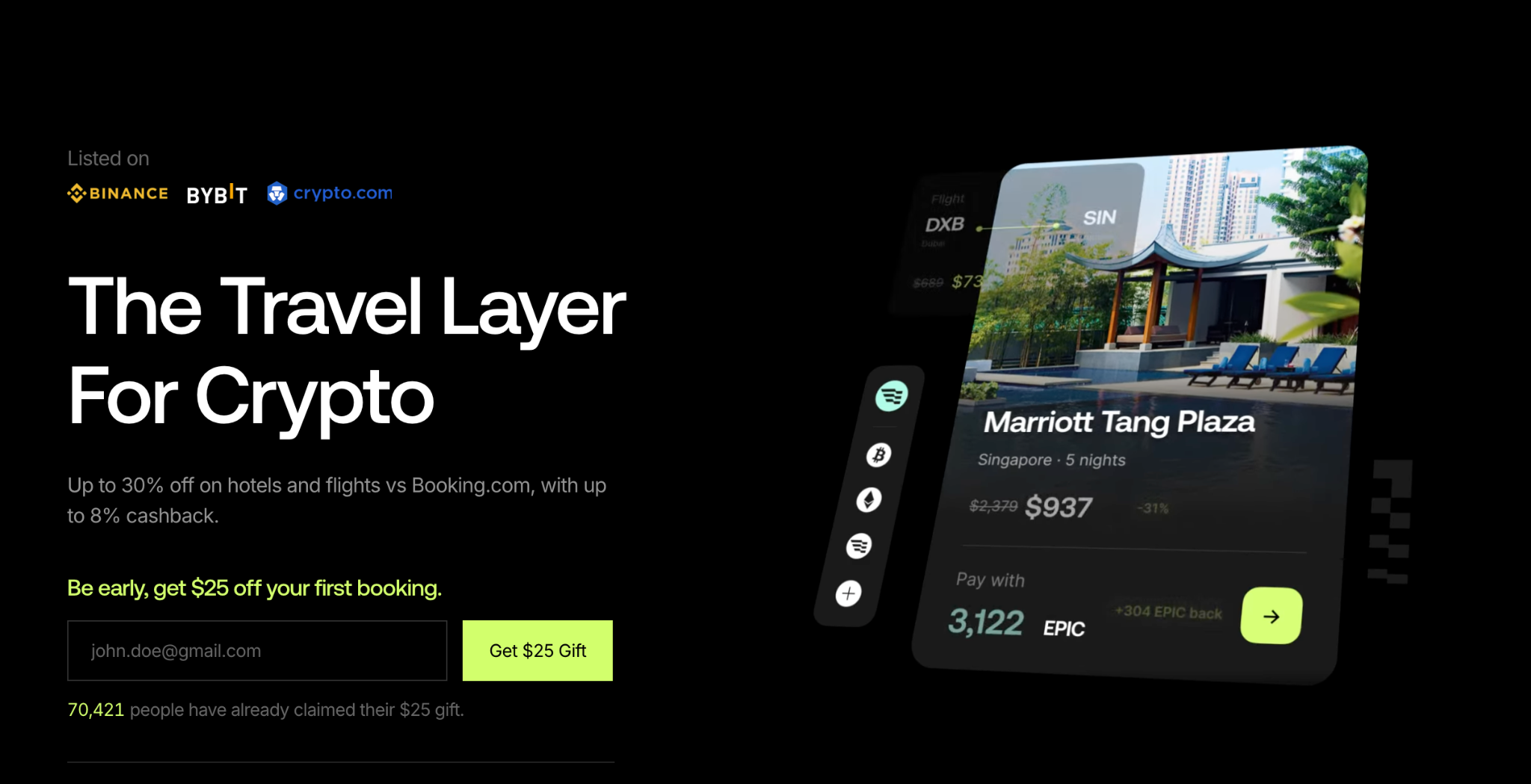
This is by far one of the best ways to put your TBK to use. Epic is a crypto-native travel booking platform that offers flights and hotels up to 30% cheaper than Booking.com. It supports over 200+ cryptocurrencies such as BTC, USDT, ETH, XRP, alongside traditional payment methods.
By paying with TBK directly on Epic, you bypass exchange fees and withdrawal charges that accumulate when converting crypto to fiat. Early access users receive $25 off their first Epic booking, making this an excellent start to saving more on travel.
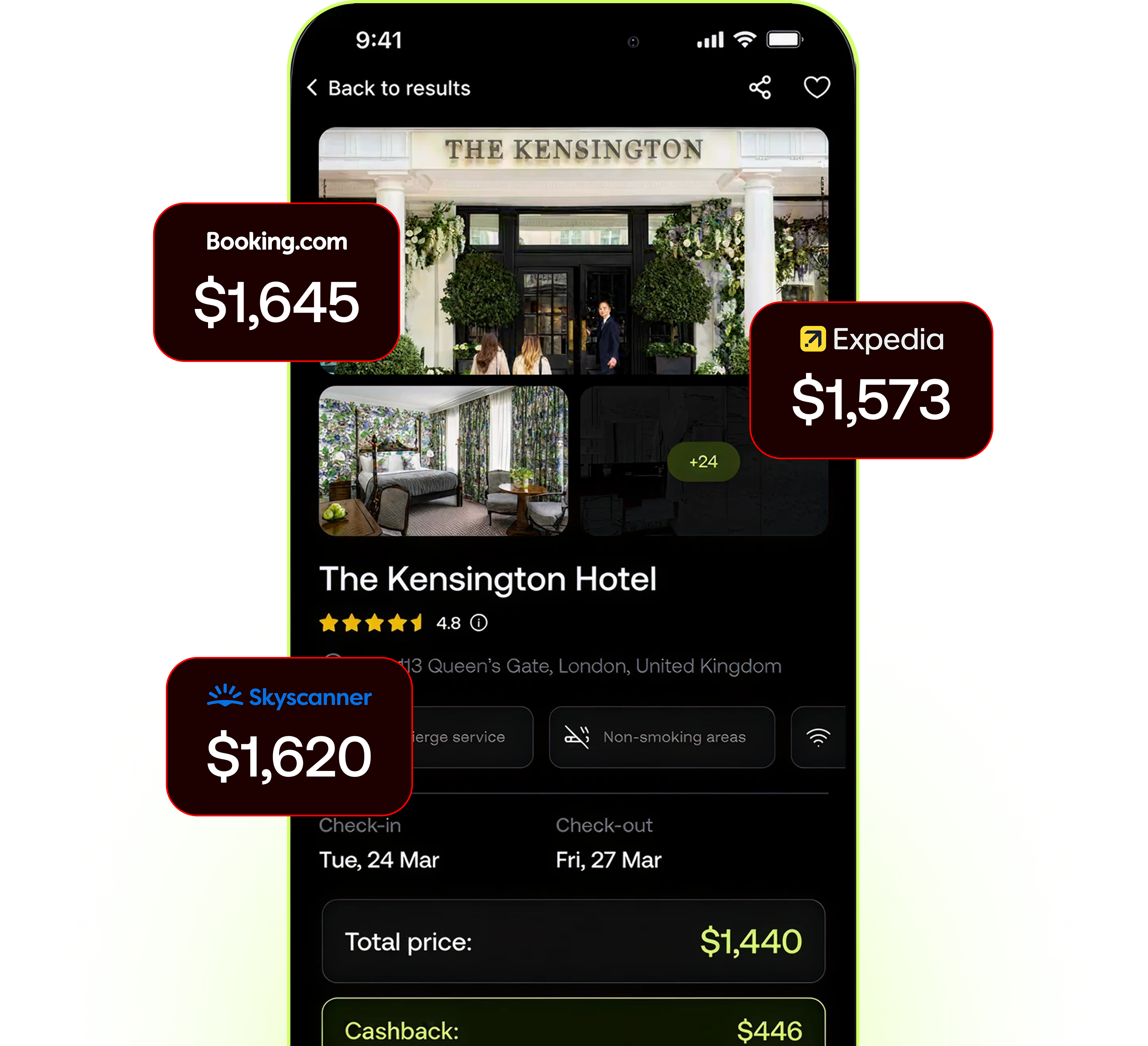
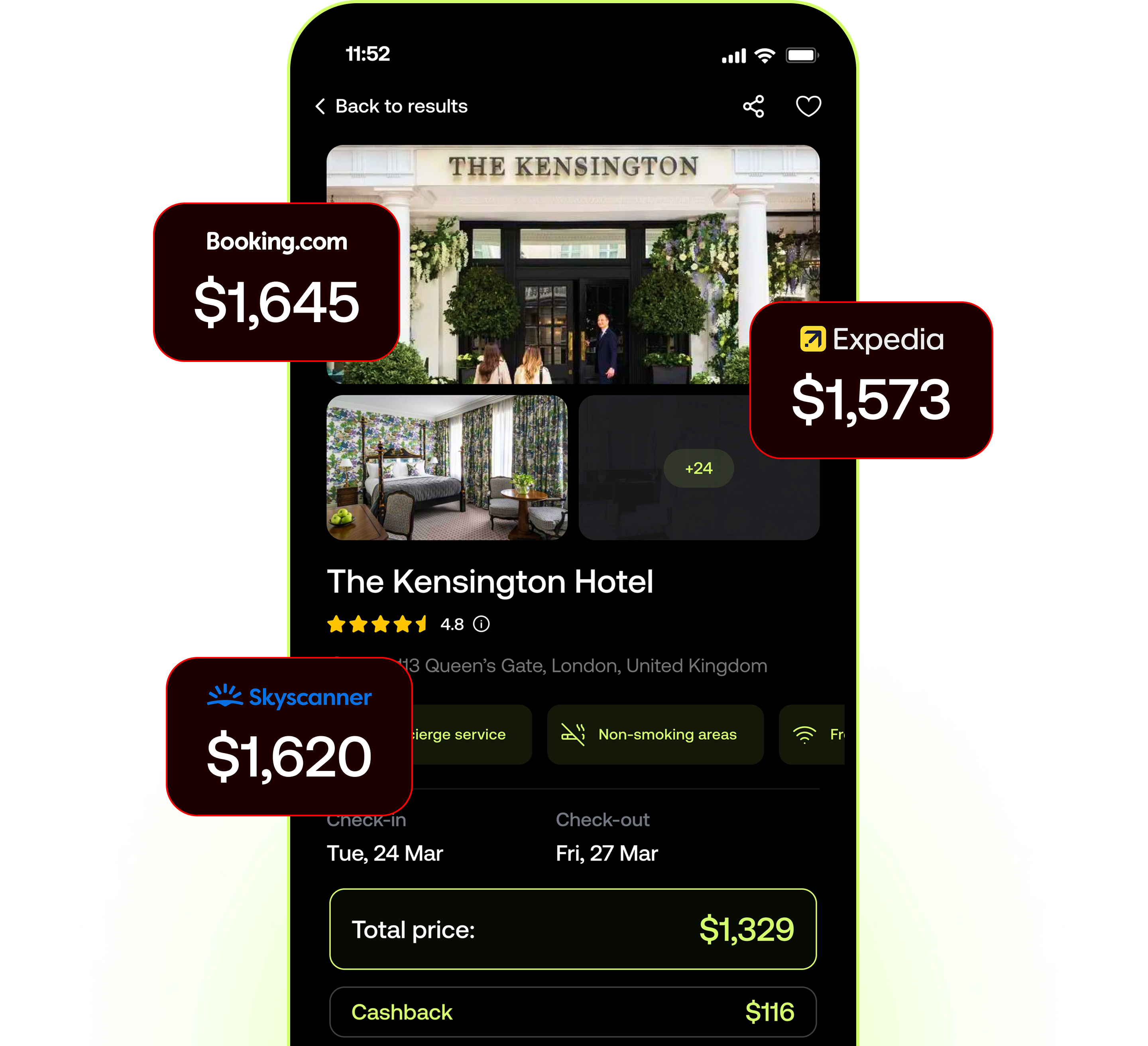
Book your next hotel for up to 30% less
Epic's pricing model features lower intermediary markups than other platforms, enabling savings of up to 30% when booking with TBK instead of using platforms like Booking.com or Expedia. For frequent travellers, this arbitrage alone justifies holding TBK.
2. Stake TRX for Consistent Yield Returns
TronBank enables TRX holders to earn passive income without lock-ups or minimum holdings. Staking yields range from 10% to 22% APY depending on commitment length and market conditions. Shorter lock-up periods (flexible withdrawal) offer lower returns; longer commitments (30–90+ days) deliver higher yields.
The mechanism is transparent: as energy leasing activity increases, protocol revenue grows, funding higher validator rewards. Staking integration into TronBank's mobile SuperApp (available since January 2026) has simplified participation, allowing users to manage staking directly within the platform alongside other DeFi activities.
Unlike traditional finance, rewards compound continuously and can be re-delegated without friction, accelerating wealth accumulation over time.
3. Reduce Transaction Costs Through Energy Leasing
Developers and high-frequency traders face substantial friction on TRON due to energy costs. A single smart contract deployment can consume thousands of energy units, translating to real TRX expenses.
TronBank's energy leasing mechanism cuts these costs by up to 70% or more. Instead of burning TRX directly, users rent energy at market rates, paying only for what they consume. For businesses running repeated on-chain operations, testing dApps, settling transactions, or managing NFT platforms, this savings compounds rapidly.
Rates fluctuate based on network demand, similar to gas fees on Ethereum, but the alternative (direct TRX burning) remains consistently expensive. Advanced users can even predict demand cycles and lease energy during off-peak hours to maximise savings.
4. Hold TBK for Governance Participation and Protocol Evolution
TBK holders vote on major protocol decisions through TronBank's decentralised governance model. Voting shapes fee structures, validator compensation, new feature deployments, and ecosystem partnerships.
As the protocol scales, governance becomes increasingly valuable. Early holders who actively participate in voting influence the direction of a growing infrastructure layer. Governance decisions that lower fees or add features directly impact transaction volume, which in turn increases protocol revenue and accelerates the token buyback cycle.
This creates a virtuous cycle: engaged governance participation leads to better protocol outcomes, higher adoption, increased revenue, and faster token deflation, supporting long-term holders.
5. Provide Liquidity to DEX Pools and Earn Swap Fees
Advanced users can deposit TBK into decentralised liquidity pools paired with major cryptocurrencies and stablecoins. These pools facilitate instant swaps for users entering or exiting the ecosystem, generating fee revenue from each transaction.
Liquidity providers earn a share of these swap fees, creating passive income streams that scale with protocol activity. Higher energy leasing volume drives more user acquisition, which increases swap activity and fee generation.
This approach creates direct alignment: liquidity providers benefit when the protocol grows, incentivising long-term participation in the ecosystem's success.
Is Tronbank a Good Investment?

TronBank (TBK) price history from January 2026 to July 2026, showing a sharp decline from its all-time high of $2.98 in early January to current trading levels around $0.66. The token stabilised in the $0.60–$0.70 range from April onwards after an initial collapse through February.
Whether TBK is a good investment depends on your risk tolerance and your view of decentralised payroll infrastructure as a category. The bull case is unusually concrete for crypto: TronBank has real paying customers, $500 million in transaction volume through 2025, 250+ enterprise clients, and a burn mechanism that converts usage into permanent scarcity.
The risks are just as concrete. TBK trades 78% below its January 2026 all-time high of $2.98. Competitors like traditional payroll software and other TRON DeFi tokens are chasing the same infrastructure narrative. Enterprise adoption of decentralised infrastructure remains cautious, with most organizations prioritizing regulatory clarity and service guarantees, capabilities that decentralised networks are still building. The network's long-term viability depends entirely on three things: (1) TronBank actually grows and processes more transactions, (2) the burn mechanism functions as promised, and (3) crypto markets remain interested in TRON-based infrastructure.
This is not financial advice. Crypto is volatile. Always do your own research and never invest more than you can afford to lose.
FAQs
1. What is Tronbank?
TronBank is a DeFi platform built on TRON that lets users stream payments and lease network energy directly from providers worldwide, typically at 50–70% below standard transaction costs. It's governed by TBK holders through on-chain voting.
2. Who founded Tronbank?
TronBank was founded by Sam Thapaliya, a computer scientist with backgrounds in computer vision and decentralised systems. The protocol launched in 2025 as part of the TRON ecosystem and has since grown to handle $500M+ in annual transaction volume.
3. Can you spend TBK on real things?
Yes. Epic, a crypto-native booking travel platform, accepts TBK for booking hotels and flights at up to 30% below Booking.com prices. Early access users get $25 off their first booking.
4. Can I earn TBK with my own computer?
Yes. Anyone with TRON staking capability can run TronBank's provider software and earn TBK by leasing out network energy capacity. The process is more technical than basic staking, but it's a real way to earn from the network.
5. Where can you buy TBK?
TBK is available on major exchanges including Gate, OKX, Bybit, Bitget and MEXC. It trades against USD, USDT, and other pairs with daily volume around $200K–$300K.
6. What is the maximum supply of TBK?
TBK has a maximum supply of 1 billion coins, with 100 million circulating as of July 2026. Since the protocol's launch, every TBK spent on the network is burned, which reduces effective supply as network usage grows.


Mithra Ghosh is a Dubai-based content writer and SEO copywriter with 2+ years of experience crafting search-optimised content across crypto, Web3, and digital finance. She combines strong editorial instincts with a deep understanding of blockchain ecosystems and on-chain trends.
At Epic, she writes about the growing world of crypto-native travel helping readers understand how holding and spending digital assets can unlock smarter, cheaper ways to see the world.
Found a hotel you like? Book it for up to 30% less

Found a hotel you like? Book it for up to 30% less