Content
Telcoin (TEL) is a blockchain-based payments protocol designed to provide fast, low-cost cross-border remittances and financial services to mobile-first users globally. Built with telecommunications infrastructure and regulated banking at its core, Telcoin enables instant international transfers directly through mobile wallets without the high fees or delays typical of traditional money transfer services. Unlike speculative DeFi protocols, Telcoin functions as a settlement layer for real-world payments, connecting blockchain technology with telecom networks and regulated financial institutions.
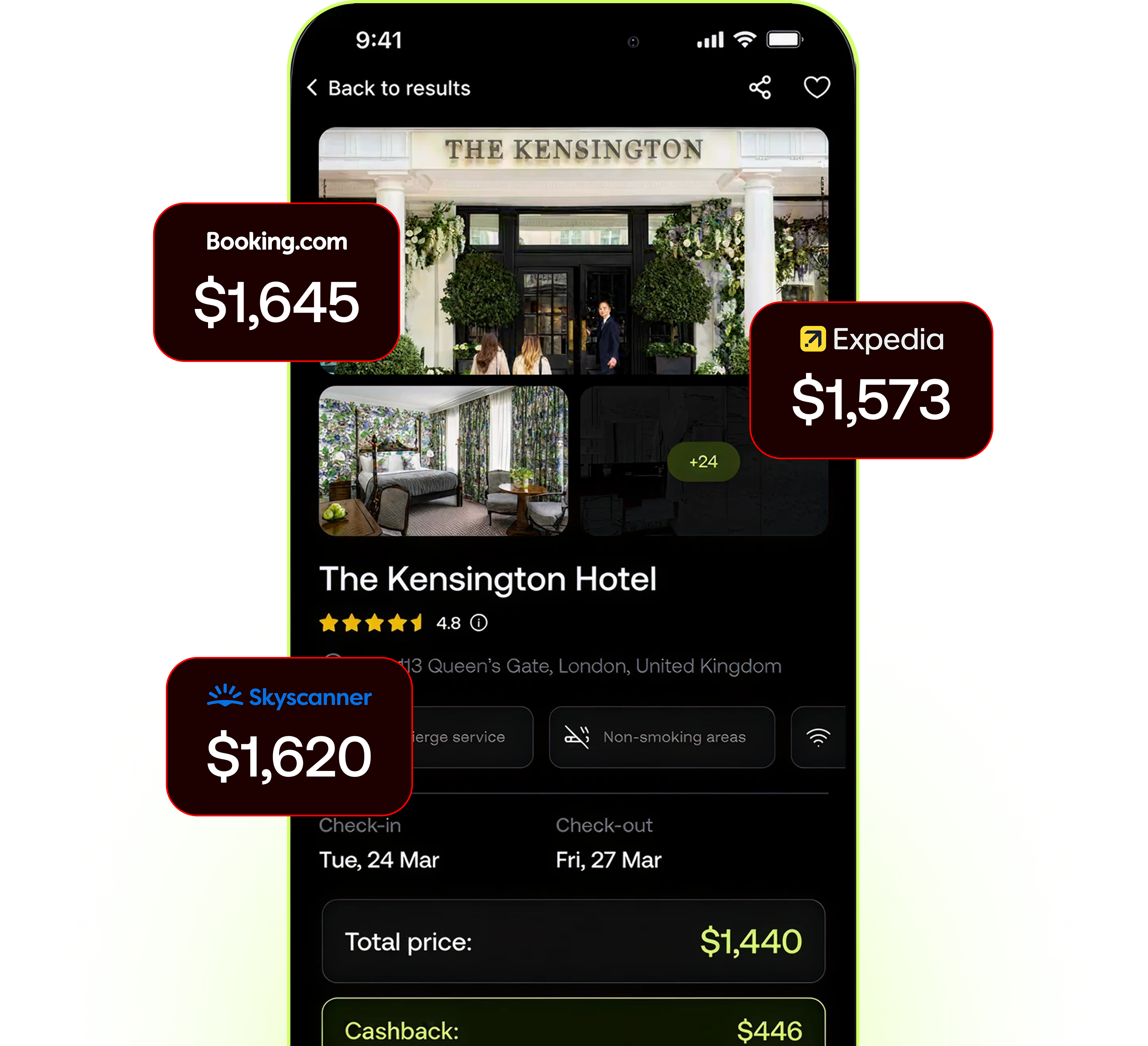
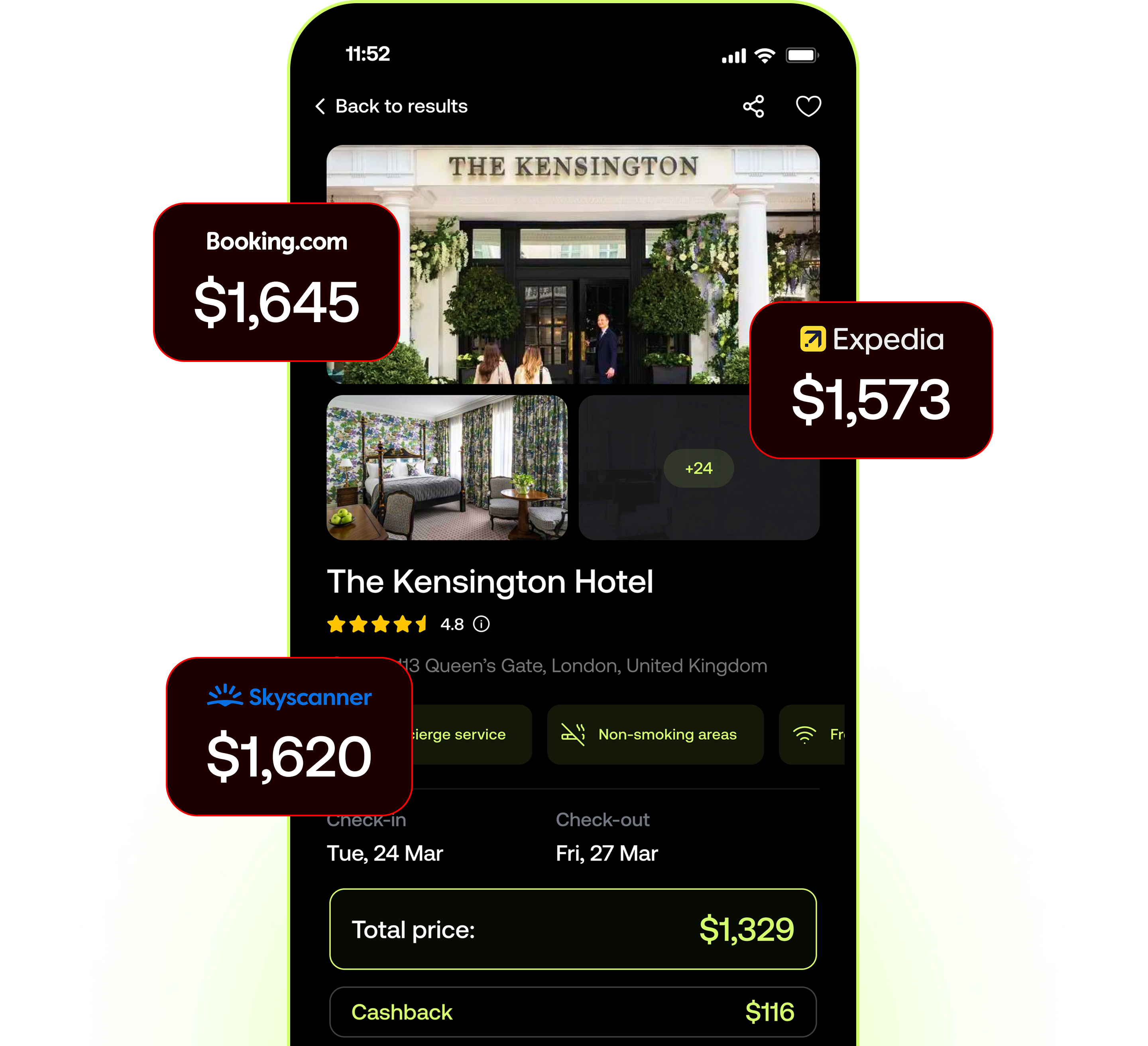
As of July 2026, Telcoin (TEL) is trading at approximately $0.00176 USD, with a market capitalization of around $169 million, ranking #131 among cryptocurrencies. The TEL token serves multiple functions within the ecosystem: it powers remittances and cross-border payments, fuels the Telcoin Network, enables governance through the Telcoin Association, and supports the emerging Digital Cash stablecoin infrastructure. Beyond blockchain utilities, users can leverage Telcoin to book travel through Epic and get up to 30% lower prices than Booking.com, unlocking additional real-world utility for cross-border spending.
See how much you
could save with $TEL
Answer 2 questions to get your personalized
savings estimate.
Question 1 of 2
Where do you want?
Question 2 of 2
How many nights?
Your result
Get similar deals when we go live.
Get $25 off your first trip.
Key Takeaways
- Telcoin enables remittances to 40+ e-wallets across 20+ countries for 2% or less in fees, versus 5-10% with traditional services.
- Telcoin Digital Asset Bank holds a Nebraska state charter, making it the first fully regulated digital asset bank in the US authorized to issue eUSD stablecoin.
- The ecosystem operates through three layers: Telcoin Wallet (consumer app), TELx (decentralized liquidity), and Telcoin Network (EVM-compatible blockchain secured by GSMA operators).
- Telcoin governance is managed by the Telcoin Association, a Swiss non-profit representing mobile operators and stakeholders, not centralized corporate control.
- TEL token powers network fees, governance voting, and ecosystem incentives, while Digital Cash stablecoins (eUSD, eAUD, eGBP, eCAD) handle settlement.
- Users can deploy Telcoin remittances to book travel on Epic, the web3 travel platform, across 2+ million properties in 190+ countries up to 30% cheaper than Booking.com and Expedia.
Telcoin (TEL) at a Glance (July 2026)
What Is Telcoin (TEL)?
Telcoin is a mobile-first blockchain payments protocol built to solve remittance inefficiency and financial exclusion. Traditional money transfer services charge 5-10% in fees and take 2-7 business days to settle. Telcoin cuts these costs to 2% or less and settles transfers within minutes using blockchain infrastructure.
The project operates differently from general-purpose blockchains like Ethereum or Solana. Instead of supporting thousands of decentralized applications, Telcoin focuses narrowly on payments: remittances, cross-border settlements, and regulated financial services. Its architecture prioritizes real-world utility over DeFi experimentation.
This practical focus has led to regulatory recognition. In November 2025, Telcoin received final approval to operate as a Digital Asset Depository Institution under Nebraska state charter. This authorizes Telcoin Digital Asset Bank to accept deposits, issue bank-backed stablecoins (eUSD), and access Federal Reserve payment systems. This regulatory status is rare among blockchain projects and positions Telcoin as a bridge between traditional finance and blockchain.
At its core, Telcoin connects three ecosystems: mobile networks (via GSMA partnerships), traditional banking (via regulated charters and stablecoins), and blockchain infrastructure (via the Telcoin Network and TEL token). This combination makes it fundamentally different from crypto-only projects.
How Telcoin Works
Mobile-First Architecture
Telcoin's design prioritizes accessibility over technical complexity. Users interact with the Telcoin Wallet, a mobile application that abstracts away blockchain mechanics. Users can send money using only a phone number, without needing to understand wallets, private keys, or blockchain addresses.
The flow works like this: a user in the Philippines sends USDC (or another supported stablecoin) to a recipient's phone number in Mexico. The Telcoin protocol routes the transfer through TELx, a decentralized liquidity network, settles it on-chain at minimal cost, and the recipient receives funds in their local e-wallet (GCash, Maya, Grabpay, or similar) within minutes. Total fees: 2% or less, versus 7-10% with traditional remittance services.
This abstraction is critical. Most crypto projects require users to understand blockchain concepts. Telcoin hides this complexity entirely, making blockchain invisible to end users while still leveraging its settlement benefits.
Three-Layer Ecosystem
The Telcoin platform operates through three distinct layers, each addressing a different aspect of the payment flow:
Layer 1: Telcoin Wallet - The consumer-facing mobile application. Users manage assets, send remittances, swap stablecoins, and access cross-border payments. The wallet connects to both traditional banking (via the Digital Asset Bank) and decentralized protocols (via TELx).
Layer 2: TELx Liquidity Network - A decentralized routing protocol that provides liquidity for currency conversions. When a user sends Philippine Peso to Mexican Peso, TELx finds the optimal path through decentralized exchange pools and market makers. This ensures competitive rates and minimal slippage without requiring a central order book.
Layer 3: Telcoin Network - An EVM-compatible blockchain secured by GSMA mobile network operators rather than proof-of-work miners. This consortium-style security model ensures network stability while aligning incentives with telecom operators who benefit from payment volume.
Regulated Banking Integration
The Digital Asset Bank layer distinguishes Telcoin from other payment projects. By holding a Nebraska state charter, Telcoin can:
- Accept customer deposits directly into FDIC-insured bank accounts
- Issue eUSD, a bank-issued stablecoin backed 1:1 by US dollars held in reserve
- Access Federal Reserve payment systems (FedNow) for settlement
- Maintain full regulatory compliance without third-party stablecoin reliance
This means users can deposit USD into a Telcoin account, receive eUSD on-chain, send it globally, and recipients can withdraw to local bank accounts. The entire process is regulatory compliant and transparent.
Digital Cash Stablecoins
Telcoin has launched a multi-currency stablecoin suite called Digital Cash. Each stablecoin (eUSD, eAUD, eGBP, eCAD, eJPY, eMXN, eSGD, eHKD, eCFA, eNZD, eZAR) is issued and backed by Telcoin Digital Asset Bank or partner institutions. This differs from USDC or USDT, which are general-purpose stablecoins. Digital Cash stablecoins are purpose-built for specific payment corridors.
For example, eAUD (Australian Dollar stablecoin) is used for remittances to Australia. eGBP is used for UK-bound transfers. This narrower focus allows Telcoin to optimize each corridor for compliance, liquidity, and cost.
Governance and the Telcoin Association
Telcoin operates under governance by the Telcoin Association, a Swiss-based non-profit organization. Members include GSMA mobile network operators, developers, and community stakeholders. Unlike centralized companies, Telcoin cannot unilaterally change protocol rules or fees. Instead, governance decisions require consensus among association members.
This structure ensures that mobile operators have a direct voice in the protocol's future, aligning their business interests with platform development.
The TEL Token
What Is TEL Used For?
TEL is the native utility token of the Telcoin ecosystem and serves multiple functions:
- You can use TEL as a payment method on Epic to book over 2 million hotels and flights across 190+ countries worldwide. By booking travel through Epic with TEL or 200+ other supported cryptocurrencies, users enjoy travel prices up to 30% cheaper than Booking.com and Expedia, plus $25 off their first booking upon signing up.
Book your next hotel for up to 30% less
- TEL is used to pay transaction fees on the Telcoin Network whenever users send remittances, swap stablecoins, or interact with smart contracts. This creates baseline demand for the token.
- TEL holders can stake their tokens and vote on key protocol decisions through the Telcoin DAO, including fee structures, new stablecoin issuance, and network upgrades. Voting power is proportional to staked TEL and lock-up duration.
- The Telcoin Association distributes TEL as incentives to early adopters, developers, and liquidity providers on TELx. These programs encourage participation and bootstrap network effects.
Token Issuance and Economics
TEL has a total supply cap of 100 billion tokens, with approximately 96 billion in circulation as of July 2026. Unlike Bitcoin's fixed supply, new TEL is created through inflationary rewards to support ecosystem incentives and validator compensation.
How New TEL is Created:
Inflation is programmatic and transparent. The protocol issues new TEL at a decreasing rate to incentivize network participation. Rewards are split between protocol development, validator compensation, and community grants. This differs from centralised token issuance, in which a company unilaterally controls new supply.
Token Burning Mechanisms:
To balance inflation and support token economics, Telcoin implements deflationary mechanisms. A portion of transaction fees and stablecoin issuance fees are burned permanently, removing TEL from circulation. Additionally, the Telcoin DAO can vote to approve community token burns when needed to support healthier token economics.
Staking and Rewards
TEL holders can stake their tokens on the Telcoin Network to participate in protocol security and earn rewards. Staking requirements vary, but the protocol offers competitive APY rewards to validators and delegators, incentivizing participation in network security and governance.
Telcoin Ecosystem
The Telcoin ecosystem includes tools, applications, and partnerships designed to support remittances, cross-border payments, and financial inclusion.
Telcoin Wallet
The primary consumer application, available on iOS and Android. Users can send remittances to 40+ e-wallets across 20+ countries, swap between supported stablecoins, and access both traditional and decentralized financial services. The wallet includes built-in compliance checks and KYC flows to meet regulatory requirements, making it suitable for regulated environments.
Key features include:
- Phone-number-based sending (no blockchain addresses required)
- Multi-currency stablecoin support
- Integration with e-wallet partners (GCash, Maya, Grab, and others)
- Real-time exchange rates powered by TELx
- Recurring payment setup for regular remittances
Telcoin Association
Governance body representing GSMA mobile network operators and other ecosystem stakeholders. The Association manages protocol development, sets strategic direction, and coordinates with regulators globally. It also oversees the Telcoin Network, ensuring it remains aligned with mobile operator interests.
TELx Liquidity Network
A decentralized exchange protocol that provides liquidity for currency conversions. Instead of relying on a central order book, TELx aggregates liquidity from multiple sources and finds optimal routing paths. This keeps slippage low and fees competitive without centralized gatekeepers.
Digital Asset Bank
The regulated banking entity that issues eUSD and other Digital Cash stablecoins. It holds customer deposits, maintains reserves, and connects blockchain transactions to the Federal Reserve payment system. This layer provides regulatory certainty and consumer protection unavailable in unregulated crypto projects.
Is Telcoin (TEL) a Good Investment?
Whether Telcoin is a good investment depends on your conviction in mobile payments adoption and regulated blockchain banking. One advantage is clear regulatory progress. Telcoin's November 2025 Digital Asset Bank charter is a genuine milestone that most blockchain projects lack. It signals regulatory acceptance and reduces compliance uncertainty.
From a technology standpoint, Telcoin's three-layer architecture is well-designed for payments. Abstracting blockchain complexity behind mobile interfaces makes it practical for emerging markets where smartphone adoption is high, but banking is limited. The integration with GSMA mobile operators provides distribution channels that pure crypto projects cannot match.
However, risks exist. Telcoin operates in an emerging regulatory landscape. Changes in stablecoin regulation or US monetary policy could impact demand for Digital Cash stablecoins. Additionally, Telcoin competes with established remittance corridors through companies like Western Union, MoneyGram, and Wise, which already have regulatory licenses and user bases. Adoption growth is not guaranteed.
The token itself (TEL) is also distinct from the protocol. Strong protocol adoption does not automatically drive token price appreciation. If most transactions settle in stablecoins rather than TEL, or if users hold minimal TEL inventory, token demand may remain limited despite strong platform usage.
Telcoin is fundamentally a payments project, not a speculative DeFi asset. If you believe mobile-first financial inclusion will drive adoption, the project has genuine merit. If you are betting on token appreciation independent of protocol usage, the risk profile is higher.
This content is for educational purposes only and should not be considered financial advice. Always do your own research before investing in any cryptocurrency.
FAQs
1. What is the price of Telcoin?
As of late July 2026, Telcoin (TEL) is trading at approximately $0.00176 USD, with a market capitalization of around $169 million USD. Telcoin price fluctuates continuously based on market demand. For real-time rates, check CoinMarketCap or CoinGecko.
2. Is Telcoin regulated?
Yes. Telcoin Digital Asset Bank received final regulatory approval from the Nebraska Department of Banking and Finance in November 2025, making it a fully chartered Digital Asset Depository Institution. This authorization allows the bank to accept deposits, issue eUSD stablecoin, and access Federal Reserve payment systems. Most blockchain projects lack this regulatory status.
3. What is the difference between Telcoin and USDC/USDT?
USDC and USDT are general-purpose stablecoins designed for decentralized finance and trading. Telcoin's Digital Cash stablecoins (eUSD, eAUD, etc.) are purpose-built for specific payment corridors. eUSD is backed by deposits at Telcoin Digital Asset Bank, while USDC is issued by Circle and collateralized separately. Digital Cash is optimized for remittances and regulated payment flows, while USDC and USDT prioritize DeFi composability.
4. How cheap are Telcoin remittances?
Telcoin remittances cost 2% or less in total fees, including network costs and currency conversion. Traditional remittance services charge 5-10%. For example, sending $100 via Western Union might cost $7-10. The same transfer via Telcoin would cost roughly $2 or less.
5. How fast is Telcoin settlement?
Telcoin settlements complete in minutes, not days. A remittance sent through the Telcoin Wallet typically reaches the recipient's e-wallet within 5-30 minutes, depending on e-wallet processing times. This contrasts with traditional bank transfers, which take 2-7 business days.
6. Is Telcoin a stablecoin?
No. TEL is a utility token with variable price. Digital Cash (eUSD, eAUD, etc.) are the stablecoins in the Telcoin ecosystem, pegged 1:1 to their underlying fiat currencies. TEL is used for fees, governance, and network incentives.
7. Can I use Telcoin for travel booking?
Yes. Users can deploy TEL or other stablecoins received through Telcoin remittances to book travel on Epic. Epic offers rates up to 30% cheaper than Booking.com and Expedia across 2+ million properties in 190+ countries.
8. Where can I buy Telcoin?
TEL is available on major centralized exchanges including OKX, KuCoin, Gate.io, MEXC, and Bybit. Liquidity is highest on OKX. Availability may vary by region and jurisdiction.
9. What makes Telcoin different from other blockchain projects?
Telcoin is purpose-built for payments, not general-purpose smart contracts. It combines three distinct layers: a mobile wallet, a regulated bank, and a blockchain network. Most competitors operate only the blockchain layer and lack regulatory infrastructure. Telcoin's integration with GSMA mobile operators also provides a distribution advantage unavailable to pure crypto projects.
10. Is Telcoin a good long-term investment?
Telcoin's long-term prospects depend on cross-border payments adoption and regulatory tailwinds. If mobile-first financial inclusion accelerates and stablecoin regulation becomes clearer, Telcoin has genuine growth potential. If regulatory headwinds emerge or adoption stalls, the token could underperform. Telcoin is more suitable for investors with conviction in payments infrastructure than those seeking short-term speculation.


Mithra Ghosh is a Dubai-based content writer and SEO copywriter with 2+ years of experience crafting search-optimised content across crypto, Web3, and digital finance. She combines strong editorial instincts with a deep understanding of blockchain ecosystems and on-chain trends.
At Epic, she writes about the growing world of crypto-native travel helping readers understand how holding and spending digital assets can unlock smarter, cheaper ways to see the world.

Found a hotel you like? Book it for up to 30% less

Found a hotel you like? Book it for up to 30% less