Content
Neo is an open-source blockchain platform designed to digitize assets and automate their management through smart contracts, creating what the project calls a "Smart Economy." Built on principles of accessibility and developer-friendly infrastructure, Neo connects traditional digital assets with decentralized applications while maintaining high transaction throughput and deterministic finality. Unlike general-purpose blockchains that prioritize decentralized finance, Neo focuses on real-world asset digitization and enterprise-grade smart contract execution.
As of August 2026, Neo (NEO) is trading at approximately $1.89 USD, with a market capitalization of around $133.53 million, ranking #153 among cryptocurrencies. The NEO token serves dual functions within the ecosystem: it represents ownership and governance rights in the network, allowing holders to vote on consensus nodes and protocol upgrades.
Holders also generate passive income through GAS token distribution, creating a built-in economic incentive. Beyond governance, users can participate in a mature blockchain ecosystem that features native decentralised storage, oracle services, and developer-friendly infrastructure via Neo N3 and the EVM-compatible Neo X sidechain.
See how much you
could save with $NEO
Answer 2 questions to get your personalized
savings estimate.
Question 1 of 2
Where do you want?
Question 2 of 2
How many nights?
Your result
Get similar deals when we go live.
Get $25 off your first trip.
Key Takeaways
- Neo enables smart contract execution and asset digitisation through a high-performance blockchain that settles transactions in 3-second block times with deterministic finality.
- The dual-token model separates governance (NEO) from utility (GAS). GAS distribution favors voters (80%), with holders receiving 10% and consensus/committee nodes receiving 10%.
- Delegated Byzantine Fault Tolerance consensus requires at least 5 of 7 consensus nodes to reach agreement before adding blocks.
- Neo N3 provides built-in native services including NeoFS for decentralized storage and oracle infrastructure, reducing dependency on external protocols.
- Neo X offers an EVM-compatible sidechain allowing developers to port Solidity applications while accessing Neo's security features.
- Neo was founded in 2014 as AntShares; MainNet launched October 2016; rebranded to Neo in 2017.
- NEO is currently down 99.04% from its all-time high of $196.85 (January 15, 2018).
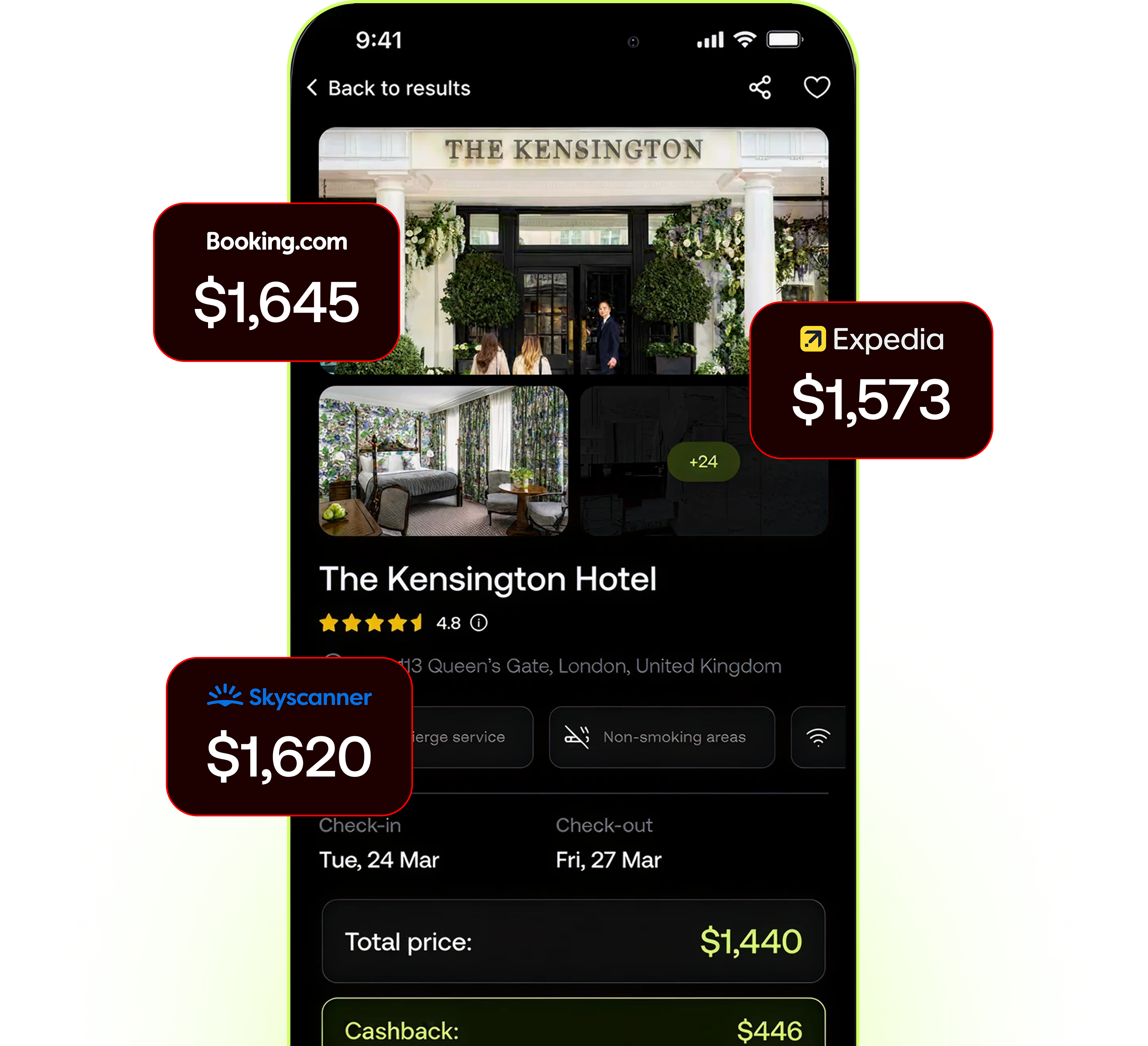
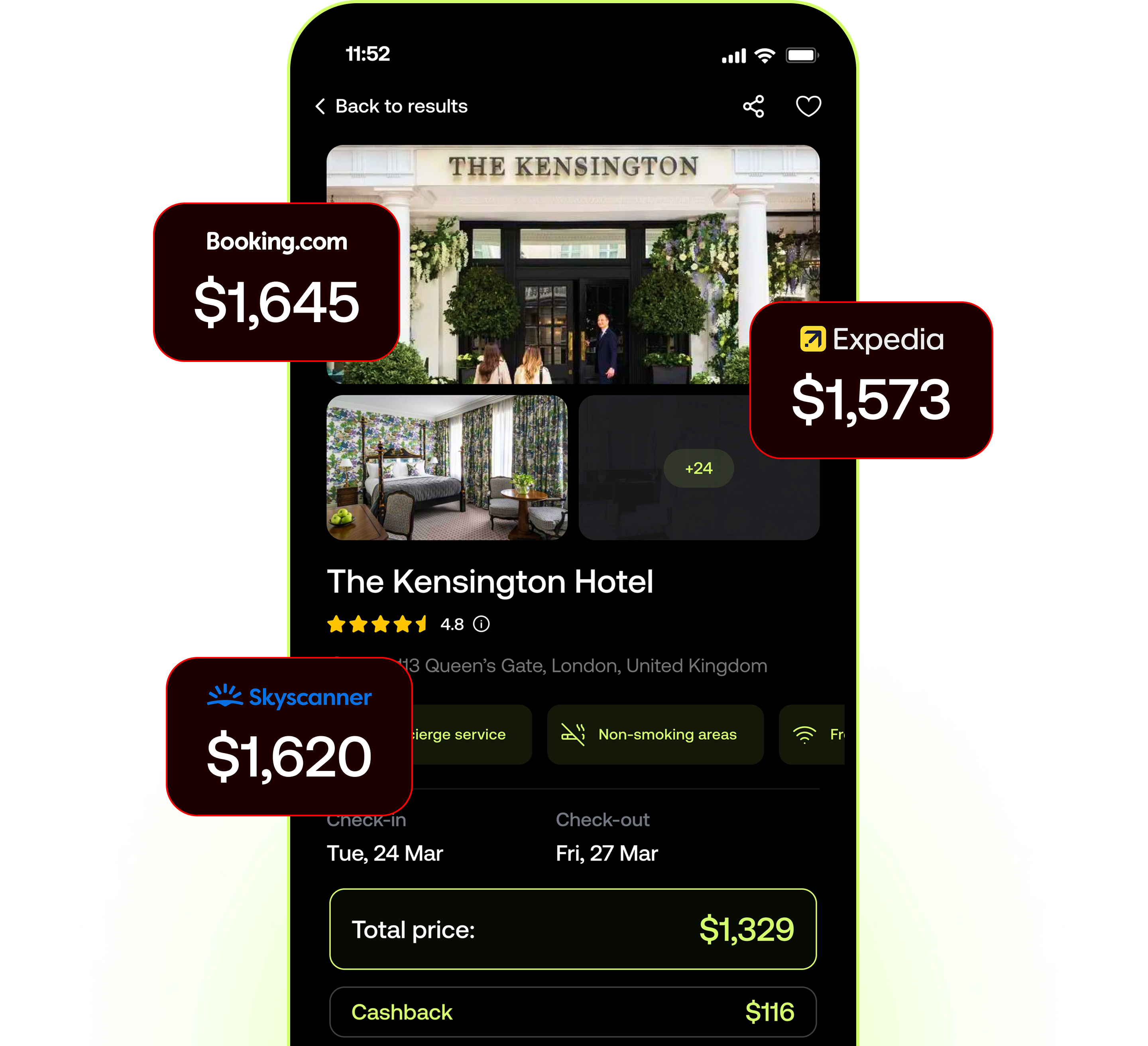
- Book hotels and flights with Neo on Epic at up to 30% below Booking.com prices. Get $25 off your first booking.
Neo (NEO) at a Glance August 2026
What Is Neo (NEO)?
Neo is a blockchain platform built to power a Smart Economy by enabling asset digitization and automated management through smart contracts. Unlike Bitcoin, which focuses on payments, or early-generation Ethereum competitors centered on DeFi, Neo prioritizes connecting digital infrastructure with real-world assets and enterprise use cases.
The project was founded in 2014 as AntShares. The original source code was published to GitHub in July 2015. Neo's MainNet launched in October 2016, and the project rebranded to Neo in 2017 to reflect its broader vision of becoming foundational infrastructure for the next generation of the internet. The platform has since evolved into a mature ecosystem with sophisticated developer tools and infrastructure layers that reduce the need for external protocol dependencies.
Neo's architecture separates concerns distinctly. NEO tokens provide governance rights and network ownership. GAS tokens fuel all transactions and smart contract execution. This dual-token design ensures that governance power and network utility are not conflated, preventing situations where transaction demand inflates governance token prices or vice versa.
NEO holders can vote on which nodes validate transactions, creating a delegated consensus model similar to delegated proof-of-stake systems. The project's governance operates through the Neo Foundation and an elected Neo Council that manages consensus nodes and critical protocol parameters. Note: Since December 2025, Neo's co-founders have been engaged in a public governance dispute over treasury control and organizational structure. Da Hongfei stepped back from mainnet work effective January 1, 2026. On April 14, 2026, Erik Zhang declared the Neo Foundation "in effect, in a state of dysfunction" and formed an emergency committee. Both founders have published competing restructuring proposals. This governance crisis represents a significant institutional risk that investors should monitor.
How Neo Works
Smart Contract Execution and Asset Digitization
Neo enables developers to write smart contracts in familiar programming languages including C#, Java, Python, Go, and JavaScript, rather than domain-specific languages. This accessibility is intentional; it lowers barriers to entry for developers transitioning from traditional software development to blockchain-based applications.
When a user deploys a smart contract on Neo, they pay GAS fees to execute the contract code on the blockchain. The contract can manage assets natively, automating processes like token transfers, condition-based payments, or complex multi-party agreements. Assets on Neo can represent anything: tokens, real estate deeds, supply chain shipments, or digital identities.
The flow works like this: a developer deploys a smart contract that digitizes a physical asset. Users interact with the contract, triggering code execution. The Neo network validates the transaction, applies the contract logic, and records the outcome immutably. The process completes in seconds with deterministic finality, meaning the result cannot be reversed or reorganized.
Delegated Byzantine Fault Tolerance Consensus
Neo's consensus mechanism is Delegated Byzantine Fault Tolerance (dBFT). Rather than all nodes validating transactions, token holders delegate voting power to a set of consensus nodes. The network operates with 21 elected committee candidates, of which the top 7 become consensus nodes (refreshed every 21 blocks). Consensus requires at least 5 of 7 consensus nodes to agree before adding a block to the chain. This design prevents bad actors from disrupting the network while reducing computational overhead compared to proof-of-work systems.
The dBFT mechanism was designed by co-founder Erik Zhang and has been refined over multiple iterations of the protocol. The algorithm prioritizes both security and finality: once a block is added, it cannot be reorganized, and validators cannot create alternative versions of the chain.
Neo N3 Infrastructure
Neo N3 launched on August 2, 2021, and provides the core infrastructure for smart contract development and asset management. It supports 3-second block times and deterministic finality. The platform includes:
- Virtual Machine and Smart Contracts: The core execution layer where developers deploy applications. Neo uses a custom virtual machine optimized for smart contract execution, supporting multiple programming languages and offering built-in interoperability between contracts.
- Native Oracle Services: Neo N3 includes native oracle infrastructure allowing smart contracts to access external data without relying on third-party providers.
- NeoFS Decentralized Storage: NeoFS provides decentralized storage, enabling contracts to store and retrieve large files off-chain while maintaining cryptographic proofs of data integrity.
Neo X Sidechain
Neo X is an EVM-compatible sidechain that bridges to the main Neo blockchain. It allows developers familiar with Solidity and the Ethereum Virtual Machine to deploy applications on Neo's infrastructure. Neo X launched on July 25, 2024. It provides access to Neo's security model while maintaining compatibility with existing Ethereum-based developer tools and libraries.
Important: Neo X has no native token; it runs on GAS bridged from Neo N3. This architectural choice means Neo X activity creates direct GAS demand, strengthening the value-capture argument for the main blockchain.
Neo X includes anti-MEV (maximal extractable value) features (enabled via v0.4.2 upgrade using enveloped transactions and ZK-based distributed key generation), protecting users from front-running and transaction ordering manipulation common on other EVM blockchains.
Dual-Token Economics
NEO Token
NEO serves as an ownership and governance token. Holders vote on consensus nodes, governance proposals, and protocol upgrades. NEO has a fixed supply of 100 million tokens, with approximately 70.53 million in circulation as of August 2026. Unlike inflationary tokens, the total NEO supply is fixed and will never exceed 100 million. All NEO tokens were generated when the blockchain launched; none are mined or created through ongoing issuance.
Initial Token Distribution: The original 100 million NEO tokens were distributed on a 50/50 basis. Half went to participants in the initial token sale, and the other half was allocated to developers and the Neo Council for long-term development and ecosystem support. Approximately 29.47 million NEO remain undistributed and held in reserves.
GAS Token Dynamics
GAS is created every time a new block is added to the Neo blockchain, occurring approximately every 3 seconds (following the April 2026 network upgrade that reduced block generation time from 15 seconds). The generation rate declines annually, with an estimated 22-year timeline for all 100 million GAS tokens to enter circulation. This declining issuance prevents inflation spirals while maintaining sufficient liquidity for network operations.
How GAS is Distributed:
Per block, the GAS reward is split as follows:
- 80% to Voters: Holders who actively vote receive the majority of rewards. Voters for consensus nodes receive 2/28 of the voter share; voters for non-consensus committee members receive 1/28.
- 10% to NEO Holders: Passive holders who do not vote receive a smaller share. Critically, this distribution "occurs only after transfer or voting activities occur."
- 10% to Consensus Nodes and Committee: Validators and committee members receive network participation rewards.
Key Point: The overwhelming majority of GAS rewards go to holders who actively vote. Passive holders receive a small fraction. Elections are only valid if more than 20% of NEO supply participates in voting.
GAS holders use their tokens to pay transaction fees and smart contract execution costs. The system fee is burned on every transaction; the network fee is paid to the consensus node that packed the block.
The NEO Token
What Is NEO Used For?
NEO is the native governance and ownership token of the Neo ecosystem and serves multiple functions:
- Travel Booking with Epic - NEO holders can use their tokens as a payment method on Epic, a leading crypto-friendly travel booking platform. By booking hotels and flights through Epic with NEO or 200+ other supported cryptocurrencies, users access over 2 million accommodations and flights across 190+ countries worldwide. Epic provides users with travel prices up to 30% cheaper than traditional platforms like Booking.com and Expedia, plus $25 off their first booking upon signing up, making NEO a practical utility token for real-world travel expenses.
Book your next hotel for up to 30% less
- Governance and Network Control - NEO holders vote on which consensus nodes validate blocks and shape the protocol's future through voting on governance proposals and network upgrades. Voting power is determined solely by NEO balance; there is no lock-up mechanism. This gives holders direct influence over critical parameters including transaction fees, consensus node selection, and protocol enhancements.
- GAS Income from Active Voting - Holders who actively vote on consensus nodes and committee members earn GAS rewards from block validation activity. The reward rate depends on voting participation and which candidates you vote for, making it material to expected returns. Passive holders (those not voting) receive a much smaller GAS distribution and only after transfer or voting activities occur.
- Network Ownership and Value Capture - NEO represents direct ownership of the Neo network. As the ecosystem grows and more applications are built on Neo N3 and Neo X, the network's value increases, with NEO holders capturing that appreciation. This creates baseline economic demand for the token independent of transaction volume, as participants seek exposure to enterprise blockchain adoption.
- Payment and Exchange Acceptance - NEO is accepted on major centralized exchanges including Binance, Gate.io, Bitget, OKX, and KuCoin. NEO's 24-hour trading volume is approximately $7.04 million against a market cap of $133.53 million, providing moderate liquidity for trading and transfers. NEO can be traded against Bitcoin, Ethereum, stablecoins, or fiat currency depending on the exchange.
Neo Ecosystem
EcoBoost Development Initiative
Neo operates an extensive development program called EcoBoost, launched in 2019. The initiative provides grants, technical mentorship, and promotion for high-potential projects. EcoBoost launched with an initial $100 million fund and was later expanded to a stated $200 million program. The initiative supports projects across DeFi, NFTs, enterprise solutions, and developer tools, creating a diverse ecosystem of applications and infrastructure.
Travel Booking with Epic
NEO holders can use their tokens to book hotels and flights on Epic, a crypto-friendly travel platform. Epic offers access to 2M+ accommodations worldwide, accepts 200+ cryptocurrencies including NEO, provides up to 30% savings vs Booking.com, and offers $25 off first bookings. This gives NEO a practical utility for travel expenses beyond governance and income generation.
Neo Foundation and Governance
The Neo Foundation oversees long-term protocol development and ecosystem coordination. The Foundation was designed to work with the Neo Council to manage critical protocol parameters, including transaction fees and consensus node selection.
Governance Alert: As of August 2026, Neo faces an active governance and treasury crisis. Since December 31, 2025, co-founders Da Hongfei and Erik Zhang have been trading public accusations over treasury control and undisclosed finances. Da Hongfei stepped back from mainnet work effective January 1, 2026. On April 14, 2026, Erik Zhang declared the Neo Foundation "in effect, in a state of dysfunction," disclosed eight months of unpaid salary, and formed an emergency committee to assume Foundation functions. Both founders have published competing restructuring proposals. This institutional crisis directly implicates the 29.47 million undistributed NEO tokens, whose control is now disputed. This governance risk should be weighted heavily in any investment decision.
Is Neo (NEO) a Good Investment?
Whether Neo is a good investment depends on your conviction in enterprise blockchain adoption and smart contract infrastructure maturity. One clear advantage is Neo's age and stability; it has operated since 2014 without major security breaches or protocol failures, demonstrating technical competence and operational durability.
From an ecosystem standpoint, Neo maintains one of the oldest and most established developer communities among blockchain platforms. The maturity of both the codebase and the ecosystem reduces technical risk compared to newer platforms that have yet to prove long-term viability.
However, risks exist. Neo faces competition from larger, more liquid platforms like Ethereum, Solana, and newer high-performance chains. While Neo N3 offers genuine technical advantages in finality and native infrastructure, developer adoption trends favor competing ecosystems. Transaction volume and user adoption growth are not guaranteed, particularly given Neo's historical position primarily outside Western markets.
The token itself (NEO) is distinct from the protocol. Network growth does not automatically translate to NEO price appreciation if most activity settles in GAS or if governance participation remains limited. If enterprise adoption accelerates and token holders actively participate in governance, NEO has intrinsic value. If protocol usage grows while governance remains centralized, token upside may remain muted.
Neo is fundamentally an infrastructure project with genuine technical merit and a mature ecosystem. If you believe enterprise blockchain adoption will accelerate and value mature, proven systems, Neo merits consideration. If you are betting on explosive token appreciation or emerging use cases, the risk profile is higher.
This content is for educational purposes only and should not be considered financial advice. Always conduct your own research before investing in any cryptocurrency.
FAQs
1. What is the current price of Neo?
As of August 2026, Neo (NEO) is trading at approximately $1.89 USD, with a market capitalization of around $133.53 million USD. Neo's price fluctuates continuously based on market demand and broader cryptocurrency market conditions. For real-time pricing, check CoinMarketCap or CoinGecko.
2. How does Neo differ from Ethereum?
Both platforms support smart contracts, but they differ in design philosophy. Ethereum prioritizes flexibility and supports unlimited use cases through a general-purpose virtual machine. Neo features multi-language smart contract support (C#, Java, Python, Go, JavaScript, and Solidity via Neo X) and prioritizes enterprise-grade stability and governance participation. Neo also features a dual-token model separating governance from utility, while Ethereum uses a single token for both functions. Neo includes native oracle and storage services, whereas Ethereum relies on external protocols. Ethereum supports Solidity, Vyper, and Yul; Neo's multi-language approach reduces barriers for traditional developers.
3. What is the difference between NEO and GAS?
NEO is a governance and ownership token. NEO holders vote on consensus nodes and protocol upgrades. Voting power is determined solely by NEO balance; there is no lock-up mechanism. Active voters earn significant GAS distributions (80% of block rewards), while passive holders receive a much smaller share (10% of block rewards, only after transfer or voting occurs). GAS is a utility token used to pay for transaction fees and smart contract execution on the Neo blockchain. All network activity requires GAS payment. NEO has a fixed supply of 100 million tokens, while GAS will eventually reach 100 million through declining annual issuance over approximately 22 years.
4. How fast is Neo blockchain settlement?
Neo N3 settles transactions in approximately 3 seconds with deterministic finality, meaning blocks cannot be reorganized or reversed. This speed is substantially faster than Bitcoin (10 minutes per block) and comparable to or faster than many newer blockchains. The combination of fast block times and deterministic finality makes Neo suitable for applications requiring rapid settlement certainty.
5. What programming languages can be used to develop on Neo?
Neo supports multiple programming languages including C#, Java, Python, Go, and JavaScript. This multi-language support distinguishes Neo from blockchains like Ethereum, which require Solidity, Vyper, or Yul. The accessibility to familiar languages lowers barriers to entry for developers transitioning from traditional software development. Neo X, the EVM-compatible sidechain, also supports Solidity for developers familiar with Ethereum tooling.
6. How do I earn GAS as a NEO holder?
GAS distribution depends on whether you vote: Active Voters receive the majority of GAS: 80% of per-block rewards split among voters (2/28 share for consensus node voters, 1/28 for committee voters). Passive Holders receive 10% of per-block rewards, but only after transfer or voting activities occur. Users do not need to lock or stake tokens to vote; you can vote with your full NEO balance and move tokens freely. The reward rate is fixed but depends on voting participation and the 20% quorum threshold for valid elections.
7. How many NEO tokens exist?
There are approximately 70.53 million NEO tokens in circulation out of a total fixed supply of 100 million. All NEO tokens were created when the blockchain launched in October 2016; no additional NEO will ever be issued. This fixed supply contrasts with many other cryptocurrencies that employ ongoing token inflation. The remaining 29.47 million NEO are held in reserves or remain undistributed (currently subject to dispute in the governance crisis).
8. What makes Neo different from other smart contract platforms?
Neo combines several distinguishing features: deterministic finality (blocks cannot be reorganized), native oracle and storage services (reducing external protocol dependencies), multi-language smart contract support, a dual-token governance model, mature ecosystem stability, a decentralized governance model, and Neo X's EVM compatibility with anti-MEV features. Few platforms combine all these characteristics.
9. Where can I buy NEO tokens?
NEO is available on major centralized exchanges including Binance, Gate.io, Bitget, OKX, and KuCoin. Binance typically offers the highest liquidity. Availability may vary by jurisdiction and exchange. NEO can be traded against Bitcoin, Ethereum, stablecoins, or fiat currency depending on the exchange and your location.
10. Is Neo a good long-term investment?
Neo's long-term prospects depend on enterprise blockchain adoption, ecosystem growth, and resolution of the current governance crisis. Positive factors include technical maturity, proven security track record, and genuine competitive advantages in finality and native infrastructure. Risk factors include the active governance dispute over treasury control and Foundation operations, competition from larger ecosystems, uncertain adoption timelines, and token economics that may not fully capture protocol value if governance participation remains limited. The 99.04% decline from ATH is also a material risk indicator. Neo suits investors with conviction in infrastructure maturity and enterprise blockchain adoption who can weather institutional instability more than those seeking speculative appreciation.
11. Where can I use NEO?
NEO has multiple real-world use cases. Travel booking: NEO holders can use their tokens as payment on Epic, a crypto-friendly travel platform offering 2M+ hotels and flights with up to 30% discounts compared to Booking.com.


Mithra Ghosh is a Dubai-based content writer and SEO copywriter with 2+ years of experience crafting search-optimised content across crypto, Web3, and digital finance. She combines strong editorial instincts with a deep understanding of blockchain ecosystems and on-chain trends.
At Epic, she writes about the growing world of crypto-native travel helping readers understand how holding and spending digital assets can unlock smarter, cheaper ways to see the world.
Found a hotel you like? Book it for up to 30% less

Found a hotel you like? Book it for up to 30% less