Content
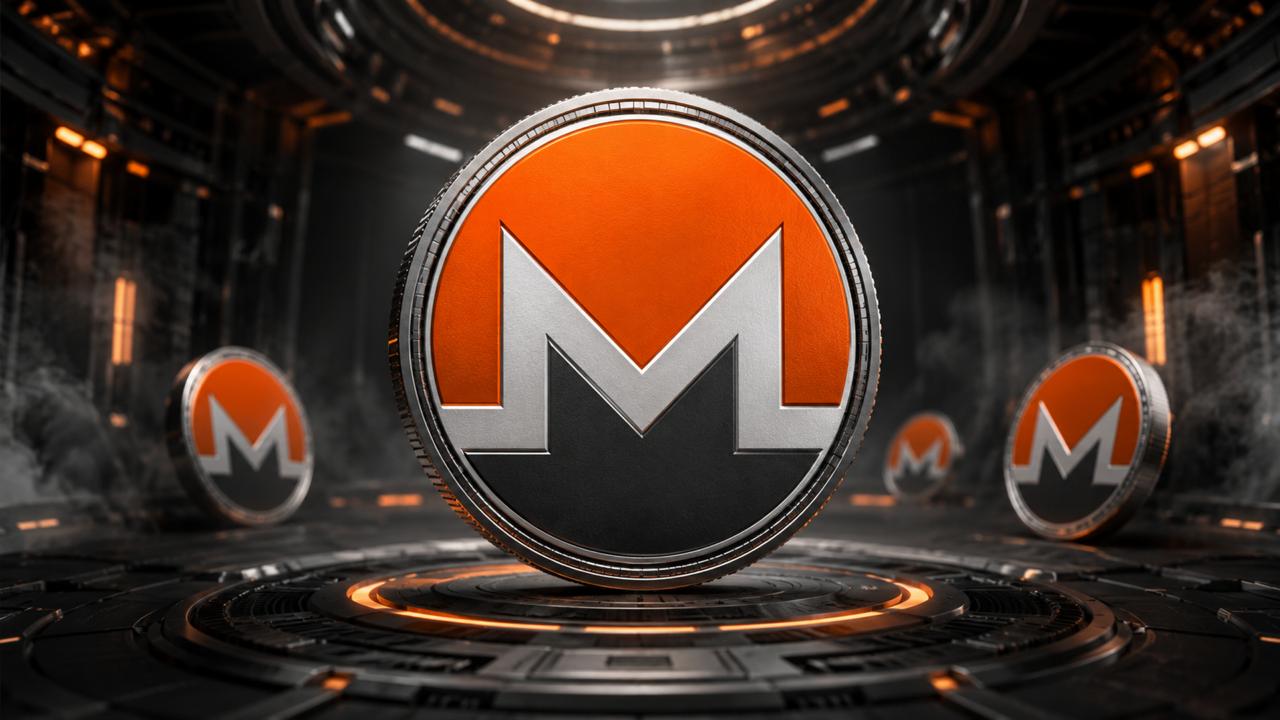
Monero climbed 3.22% on July 25, 2026, outperforming other privacy coins following technical chart breakouts around $350–370. While there was no fundamental catalyst and the move reversed quickly after traders identified trendline patterns, the short-term price action masks a larger narrative. EU exchanges are actively delisting XMR under MiCA regulations, pushing the privacy coin toward decentralized trading venues.
Monero is a cryptocurrency that hides the sender, receiver, and transaction amount completely, unlike Bitcoin's pseudonymous-but-traceable model. As of July 2026, XMR trades at $317 with a $5.9 billion market cap, down 60% from its January 2026 peak of $797. Available on Binance, OKX, HTX, etc, making XMR accessible to retail traders despite ongoing delisting pressure from EU MiCA regulations. This overview explores Monero's functionality, the significance of recent technical moves, and the impact of long-term regulatory risks.
See how much you
could save with $XMR
Answer 2 questions to get your personalized
savings estimate.
Question 1 of 2
Where do you want?
Question 2 of 2
How many nights?
Your result
Get similar deals when we go live.
Get $25 off your first trip.
Key Takeaways
- Monero achieves complete anonymity through ring signatures (mixing your transaction with others) and stealth addresses (unique receiver account per transaction).
- XMR rose 3.22% in 21 hours on technical trendline breakouts. Without a fundamental catalyst, this move was likely to reverse quickly and does not indicate a market leadership position.
- EU MiCA regulations are forcing major exchanges to delist Monero, which blocks institutional adoption due to compliance friction and reduces retail access.
- THORChain testing native Monero swaps as a decentralized workaround; BitMEX delisted XMR perpetuals July 30 as exchanges exit.
- Price down 60% from January 2026 peak of $797; regulatory uncertainty and Zcash competition weighing on valuation.
- Monero trades on major exchanges like Binance, OKX, HTX etc.
What Is Monero?
Monero is a peer-to-peer currency where no transaction history can be linked to any specific user. While Bitcoin is pseudonymous, it remains fully traceable, allowing anyone to see transaction details. Monero, however, hides the sender, receiver, and amount for complete privacy.
Your Bitcoin address can be linked to your identity through exchange KYC data, on-chain analysis, or IP tracking. Once linked, every transaction is visible to employers, banks, governments, and competitors. Monero breaks that chain. Monero launched in 2012 as Bitmonero, a fork of Bytecoin. The name means "coin" in Esperanto. Unlike Bitcoin, Monero is governed by a decentralized developer community, not a company. XMR is mined via Proof of Work with a tail emission model. Mining never fully stops, ensuring indefinite network security.
How Does Monero Work?
Monero hides transactions using three mechanisms. Ring signatures mix your transaction with 10 others so no observer can determine which input is actually yours. You hide in a crowd of senders. Stealth addresses generate a unique one-time receiving address for each transaction that only the recipient recognizes; no one can link incoming payments to you. RingCT encrypts transaction amounts so observers see activity but not values. Combined, these create complete unlinkability: Monero achieves transaction anonymity at scale, while Bitcoin is 99% trackable. Monero is 0% trackable.
Why XMR Moved in July 2026
On July 25, 2026, Monero rose 3.22% in a 21-hour window following technical trendline breakouts around $350–370. This was not driven by a fundamental catalyst. Instead, multiple traders identified identical chart patterns where the price held above key support and bullish candle structures appeared. As public trade setups were shared on signal channels, short-covering and momentum traders created a self-fulfilling loop toward resistance. The move was a result of mechanical execution rather than long-term conviction.
There were no protocol upgrades, exchange listings, or network metric improvements during this period. The broader crypto market remained flat, with Bitcoin slightly down and altcoins stagnant. While a law-enforcement headline mentioned an FBI case involving a malware operator with approximately 1,233 XMR (~$382,000), CoinMarketCap noted the tone was neutral-to-negative and did not trigger buying. Ultimately, a 3% move based on chart patterns in a weak market typically reverses quickly and provides little insight into long-term viability.
Regulatory Reality: The Core Challenge
What matters far more than technical moves is regulatory reality. EU authorities are enforcing MiCA (Markets in Crypto-Assets Regulation), a framework that treats privacy coins with regulatory hostility. Multiple major European exchanges have delisted Monero or face compliance pressure to do so. Reduced exchange access lowers trading volume, widens spreads, and signals regulatory headwinds to institutions.
Why Monero specifically: Unlike Zcash, which offers optional privacy (users can choose transparent or shielded pools), Monero's privacy is mandatory and untraceable by design. Regulators view this as hostile to anti-money laundering and know-your-customer frameworks. Monero refuses to compromise on privacy, which means it operates at the margins of mainstream finance.
Three structural headwinds:
The first headwind is regulatory attrition. Each delisting removes an on-ramp for retail users, and institutional investors are often prohibited from holding Monero due to banking compliance rules. As EU and US regulators tighten restrictions, XMR increasingly becomes a niche asset for individuals using non-custodial wallets and decentralized exchanges, making mainstream adoption more difficult.
Second is competitive pressure. Zcash offers privacy with regulatory optionality and trades on major US exchanges with less regulatory heat. New privacy protocols are launching on Solana to sidestep regulation entirely. Monero's first-mover advantage is eroding.
Third is macro sensitivity. Privacy narratives thrive when sentiment is cautious. With Bitcoin near $62,500 and yields at 12-month highs, risk-off environments favor core holdings over niche assets. A sustained bull market would likely flow to larger altcoins first, not privacy coins facing delisting pressure.
Infrastructure workarounds: THORChain is testing native Monero swaps, potentially creating a decentralized trading venue that bypasses centralized exchange restrictions. BitMEX delisted XMR perpetuals on July 30, forcing derivatives traders to migrate. Non-custodial wallet support remains strong. But these are adaptations to regulatory squeeze, not bullish developments. They're necessary because the problem is accelerating.
Is Monero a Good Investment?
Whether XMR is a good investment depends on your risk tolerance and your perspective on privacy rights. The bull case is straightforward: Monero has real paying users, including journalists, activists, and individuals in countries with financial surveillance. It boasts a 15-year track record, the longest in decentralized privacy and features technology that has proven effective. If privacy rights become a broader political issue or if surveillance escalates, demand could spike.
The risks are just as concrete. XMR trades roughly 60% below its January 2026 all-time high of $797. Regulatory delistings are accelerating, not stabilizing. Institutional adoption is near-zero. Competitors like Zcash offer similar privacy with regulatory optionality, and new Solana-based privacy protocols sidestep regulation entirely. The network's infrastructure fragmentation worsened through early 2026 even as usage recovered, and regulators' hardening stance on privacy coins adds structural uncertainty. Enterprise adoption remains skeptical about guarantees on decentralized privacy infrastructure.
This is not financial advice. Crypto is volatile. Do your own research before investing.
Bottom Line
Monero's 3.22% move in July 2026 reflected technical trading on trendline breakouts rather than fundamental developments. The broader structural narrative carries greater weight: EU regulatory enforcement under MiCA is accelerating delistings, while institutional adoption remains hindered by compliance requirements and retail access continues to shrink as centralized exchanges exit European markets.
Monero's design creates a fundamental dilemma. Its mandatory privacy architecture is both its value proposition and its regulatory liability. The network cannot compromise without abandoning its core function. Regulators cannot approve it without weakening anti-money laundering frameworks. This asymmetry is structural, not temporary.
Infrastructure workarounds via decentralized exchanges (THORChain, Osmosis) are emerging but lack the liquidity depth of centralized venues. Volume migration from CEX to DEX remains incomplete.
Monero is a high-conviction thesis on privacy becoming a regulatory priority or surveillance becoming sufficiently visible to shift public policy. It is not a core holding. Position sizing should reflect the structural regulatory risk and the potential for further delisting cascades.
Monitor three critical points: (1) Delisting velocity across EU and US exchanges. (2) Volume recovery on decentralized trading rails. (3) Regulatory announcements on privacy coin treatment under evolving frameworks. The technical charts are secondary to the structural policy shifts happening beneath them.
FAQs
1. Is Monero anonymous or private?
Monero is anonymous. While Bitcoin offers a level of privacy because addresses are pseudonyms, those addresses are still linked to a public transaction history. Monero ensures that transactions cannot be linked to any user at all.
2. Why is Monero being delisted in the EU?
EU MiCA regulations treat mandatory privacy features as hostile to anti-money laundering compliance. Exchanges face regulatory risk holding Monero. Zcash faces less pressure because its privacy is optional, not mandatory.
3. Can I spend XMR on real things?
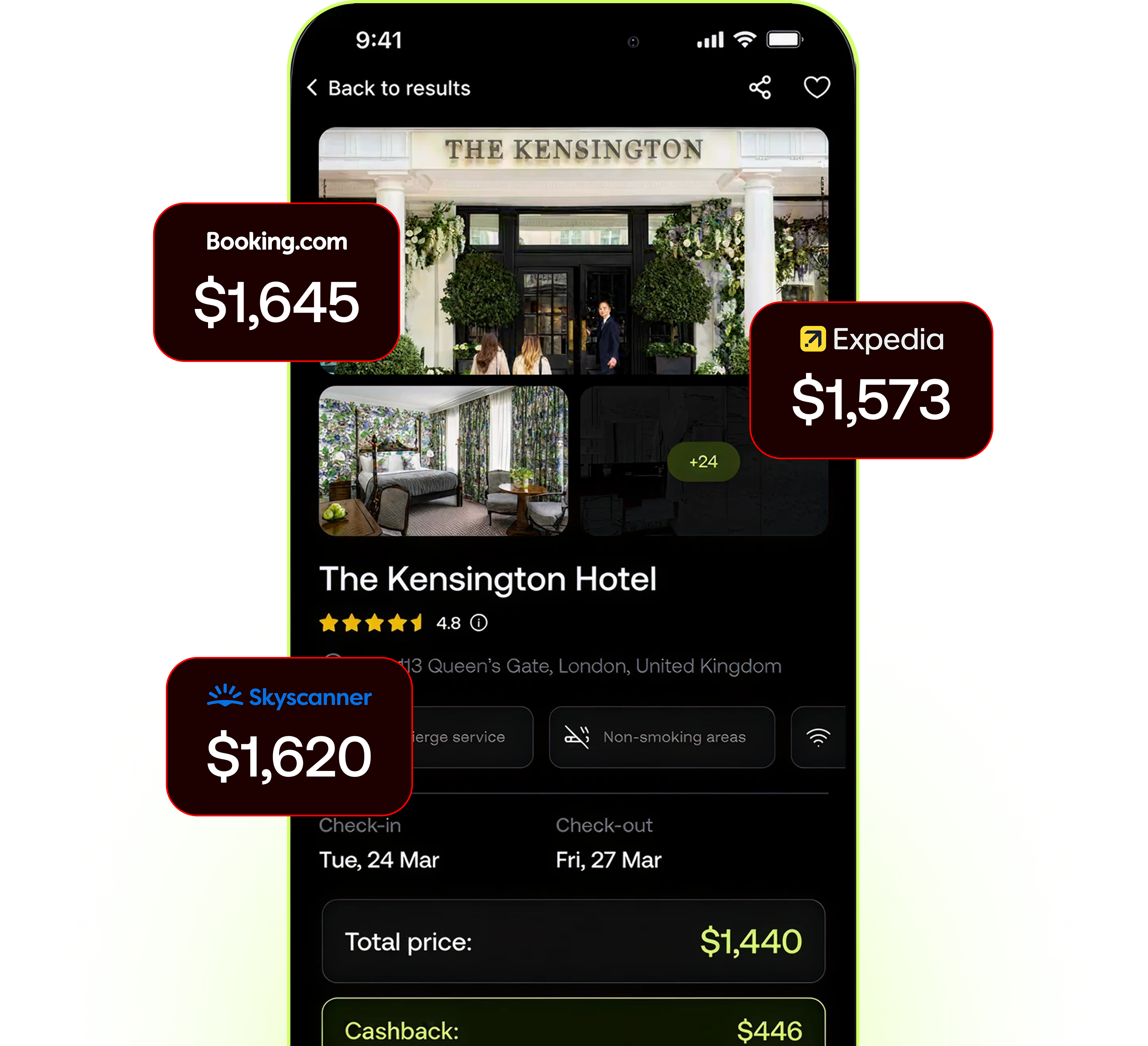
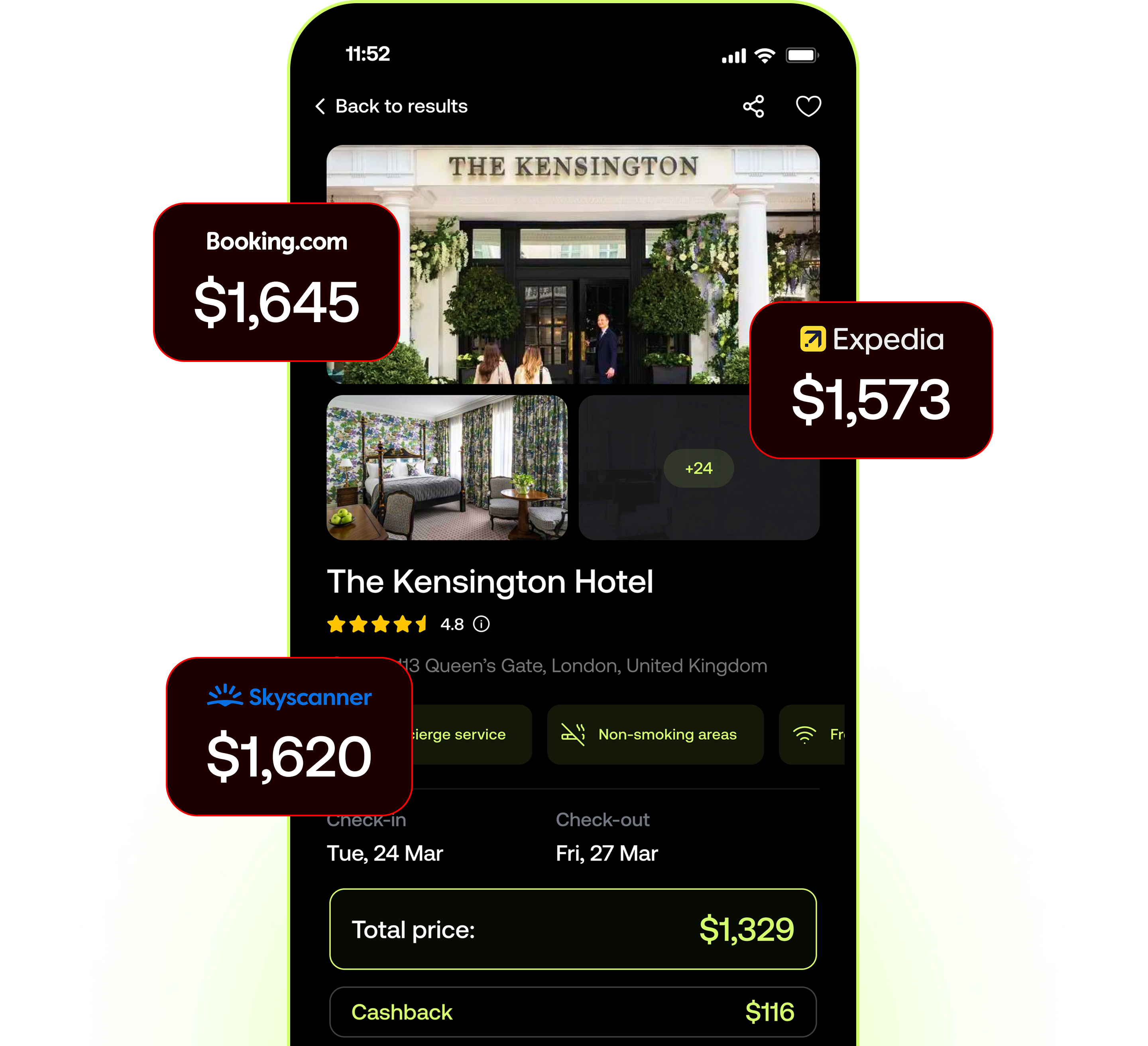
Yes. Epic is a crypto travel platform that accepts XMR for hotels and flights at rates up to 30% below Booking.com prices. New users get $25 off their first booking.
4. Where can I buy XMR?
XMR trades on major exchanges including Kraken, KuCoin, MEXC, Crypto.com, and Gate. It also trades on decentralized exchanges like Osmosis in the Cosmos ecosystem.
5. Is Monero a good investment?
Monero has real technology and a genuine privacy value proposition, but it trades 60% below its 2026 high and faces accelerating regulatory delistings. It's a high-risk speculative bet, not a core holding. Do your own research before investing.
6. What is ring signatures in Monero?
Ring signatures mix your transaction with 10 other transactions so no observer can determine which input is actually yours. You hide in a crowd of senders.
7. What are stealth addresses?
When someone sends you Monero, the blockchain doesn't record the payment to your public address. Instead, a unique one-time address is generated that only you can recognize. Every payment uses a different address, so no one can link incoming transactions to you.


Mithra Ghosh is a Dubai-based content writer and SEO copywriter with 2+ years of experience crafting search-optimised content across crypto, Web3, and digital finance. She combines strong editorial instincts with a deep understanding of blockchain ecosystems and on-chain trends.
At Epic, she writes about the growing world of crypto-native travel helping readers understand how holding and spending digital assets can unlock smarter, cheaper ways to see the world.


Found a hotel you like? Book it for up to 30% less

Found a hotel you like? Book it for up to 30% less