Content
Lombard (BARD) is a crypto coin that powers a protocol for putting idle Bitcoin to work, where holders can stake their BTC to earn yield without selling it, wrapping it, or handing it to a custodian. Historically, more than 99% of all Bitcoin has sat inactive in wallets earning nothing, and Lombard exists to change that by turning staked Bitcoin into LBTC, a liquid token that keeps earning while it moves freely across DeFi.
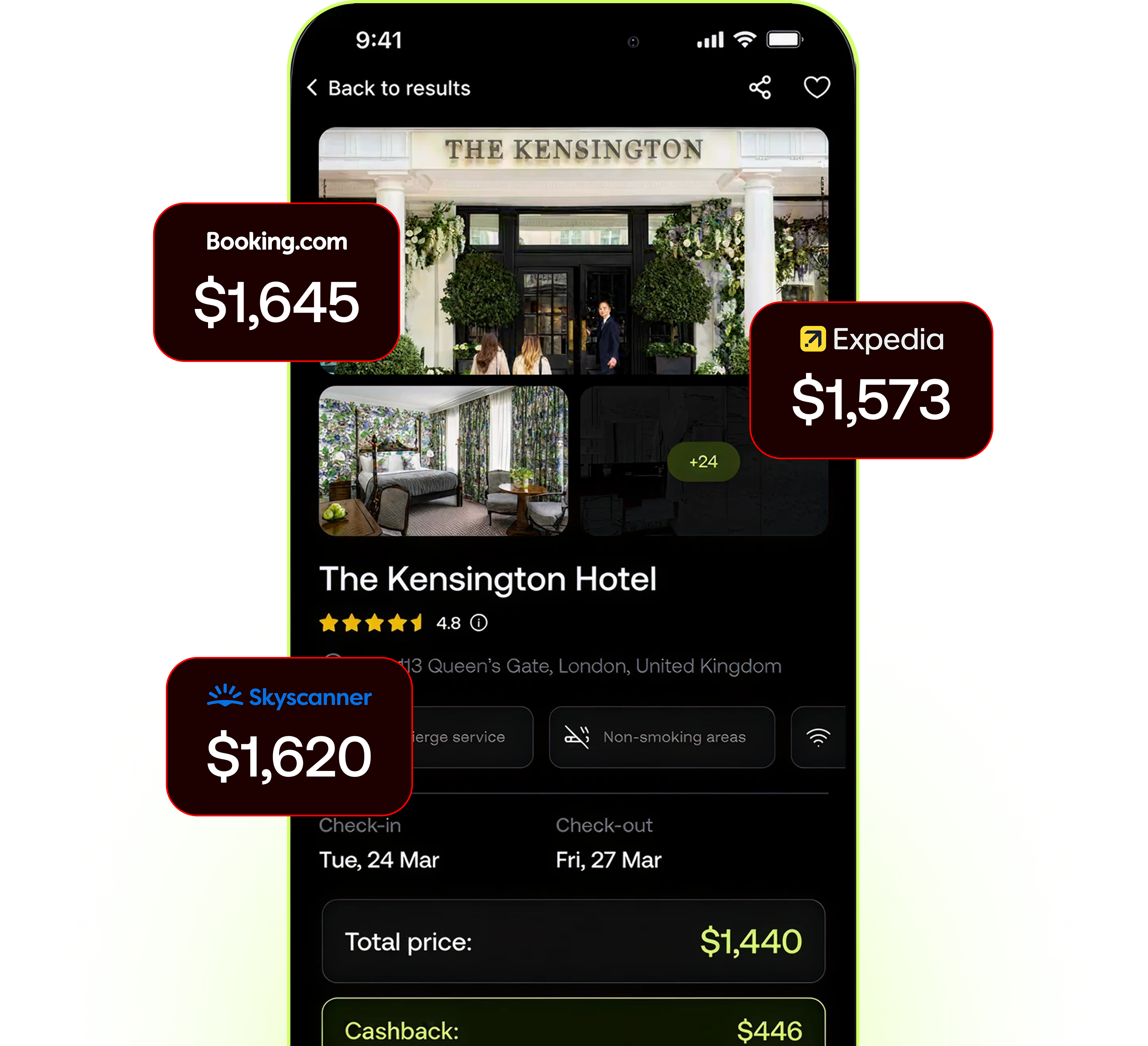
As of August 2026, BARD trades around $0.1149 with a market cap of about $39.42 million, ranking #401 among cryptocurrencies. Beyond holding, Lombard (BARD) has several real-world use-cases including earning yield on idle Bitcoin, voting on protocol decisions, sharing in protocol revenue, and booking discounted hotels and flights. For travellers who already hold BARD or other cryptocurrencies, Epic lets you book hotels and flights with up to 30% savings compared to Booking.com and Expedia, plus a $25 discount on your first trip upon sign-up.
See how much you
could save with $BARD
Answer 2 questions to get your personalized
savings estimate.
Question 1 of 2
Where do you want?
Question 2 of 2
How many nights?
Your result
Get similar deals when we go live.
Get $25 off your first trip.
Key Takeaways
- Lombard is a DeFi protocol that unlocks Bitcoin's yield potential by converting staked BTC into LBTC, a liquid, yield-bearing token that works across Ethereum, Solana, Base, and other chains, with BARD as its governance and revenue-sharing token.
- Lombard's Bitcoin infrastructure is secured by a decentralized consortium of 14 major digital asset institutions, with every critical operation requiring signatures from at least 10 of the 14 members, reducing centralization risk compared to single-operator staking solutions.
- LBTC moves securely across blockchains using Chainlink's Cross-Chain Interoperability Protocol (CCIP), audited infrastructure that protects against bridge exploits that have plagued other protocols.
- BARD has a maximum supply of 1 billion tokens, all minted at TGE in September 2025, with a large share remaining subject to future unlocks and vesting schedules through 2029.
- Book hotels and flights with $BARD on Epic, at up to 30% below Booking.com prices. Get $25 off your first booking.
BARD at a Glance (August 2026)
What Is Lombard?
Lombard is a decentralized finance protocol built to solve Bitcoin's idle capital problem. Historically, over 99% of Bitcoin has sat inactive in wallets, generating no yield, because Bitcoin has no native staking. Unlike Ethereum, where holders can stake ETH to earn rewards, Bitcoin's design never included a way to put the asset to work without selling it or handing it to a custodian.
Lombard closes that gap. It lets Bitcoin holders stake their BTC and mint LBTC, a liquid token backed 1:1 by that Bitcoin. Holders can then use LBTC across DeFi, for lending, liquidity provision, or as collateral, on Ethereum, Base, Solana, and other chains, while the underlying Bitcoin keeps earning staking rewards in the background.
The key that makes this possible is Babylon. Babylon is the first protocol that lets native Bitcoin be staked without wrapping it or giving up custody. It works a bit like EigenLayer does for Ethereum, but it uses Bitcoin's economic weight to secure other Proof-of-Stake networks, called Bitcoin Secured Networks. Those networks pay rewards for the security Bitcoin provides, and that payment is the source of the yield. Lombard sits on top of Babylon: it stakes users' BTC through Babylon, then issues LBTC so that capital stays liquid instead of being locked up.
The protocol launched in 2024 and secures Bitcoin through a decentralized consortium of 14 major digital asset institutions rather than a single operator. This consortium, not one company, controls the minting and redemption of LBTC, which reduces the risk of any single party controlling the staked Bitcoin. As of 2026, LBTC has grown into the largest yield-bearing Bitcoin token, integrated across more than 70 DeFi protocols.
The problem Lombard targets is fundamental to crypto's growth. Bitcoin is the largest and most trusted crypto asset by market cap, but it has remained largely walled off from DeFi. Holders had to choose: keep Bitcoin and earn nothing, or sell it for Ethereum and other yield-bearing assets. Lombard removes that trade-off, which is why it positions itself as the infrastructure layer for Bitcoin's DeFi future.
How Does Lombard Work?
Lombard works in layers, and following the path of a single Bitcoin makes it clear.
First, you deposit native BTC into the protocol from any Bitcoin wallet. Lombard stakes that BTC through Babylon by delegating it to a Finality Provider, an operator that helps secure Bitcoin Secured Networks. In return, you immediately receive LBTC on the chain of your choice, backed 1:1 by your deposit.
Second, your Bitcoin starts earning. In the intended design, Bitcoin Secured Networks pay for the security Bitcoin provides. In practice, rewards currently arrive as BABY, Babylon's own token, which Lombard sells for BTC and adds to the reserve. LBTC became yield-bearing in July 2025; before that, it was a 1:1 wrapper with rewards claimed separately. Today each LBTC becomes redeemable for slightly more BTC over time; the rate currently sits at 1 LBTC to 1.0038 BTC, so holdings grow without claiming anything. The resulting base yield is small: Lombard's docs put the 14-day trailing APY at roughly 0.5% to 1%, before an 8% protocol fee.
Third, LBTC moves across blockchains primarily using Chainlink's Cross-Chain Interoperability Protocol (CCIP). Lombard migrated more than $1 billion of assets exclusively to CCIP in May 2026, dropping LayerZero in the wake of the $292 million Kelp DAO exploit the previous month. Some chains still use lock-and-mint or canonical bridge routes. Cross-chain bridges have been one of crypto's biggest sources of exploits, and routing through audited infrastructure reduces that risk.
Finally, LBTC is redeemable for native Bitcoin at the current exchange rate, though the Bitcoin can take up to ten days to arrive because of Babylon's seven-day unbonding period. The Bitcoin backing it never leaves the consortium's control, and every LBTC in circulation is accounted for against real BTC in reserve.
BARD, the governance token, sits alongside this system and has three primary functions:
- Governance: Lombard's documentation states that BARD holders will vote on Security Consortium composition, fee structures, product roadmap and ecosystem grant allocation through the Lombard Finance Foundation. As of August 2026, no voting mechanism has launched publicly; there is no Snapshot space or on-chain voting contract, and no executed proposals.
- Staking for security: BARD holders can stake their tokens to help secure the protocol and its cross-chain infrastructure. Staking is done through the protocol interface by connecting a compatible wallet, receiving stBARD in return.
- Capital alignment: Lombard has said it will introduce a structured buyback programme as protocol fees grow. This has not launched yet.
Top 5 Ways to Use Lombard Crypto Coin (BARD)
1. Book flights and hotels with BARD on Epic
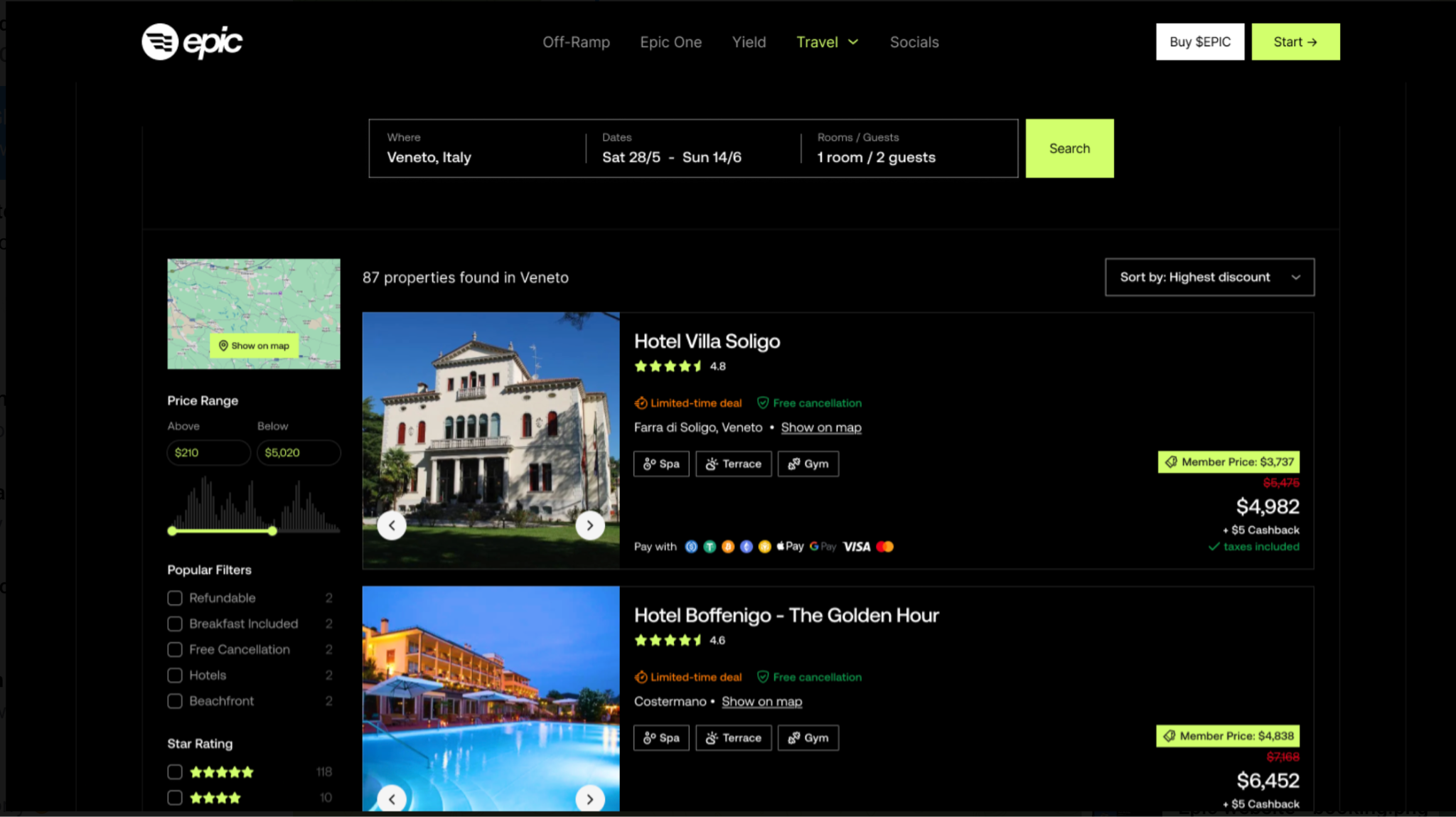
One of the most practical uses of BARD is booking travel through Epic. The platform has access to more than 2 million hotels and flights across 190+ countries, and you can pay directly with BARD or 200+ other cryptocurrencies.
The best part? Epic offers savings of up to 30% compared to Booking.com and Expedia on hotel and flight bookings.
Book your next hotel for up to 30% less
New users also receive a $25 discount on their first booking. This makes Epic an easy way to use your BARD for real-world purchases.
2. Stake BARD for protocol security and earn rewards
BARD holders can stake through the protocol interface by connecting a compatible wallet, receiving stBARD in return. Staked BARD backs a cryptoeconomic guarantee layer for LBTC cross-chain transfers, and stakers earn rewards paid in BARD currently a stated 30% APY, auto-compounding via the liquid staking token. There is a 21-day unstaking period, a maximum individual stake of 250,000 BARD per wallet, and staked collateral can be slashed if transfers fail.
3. Participate in governance voting
BARD holders have a role in protocol governance. Lombard's documentation states that BARD holders will vote on Security Consortium composition, fee structures, product roadmap and ecosystem grant allocation. However, as of August 2026, no voting mechanism has launched publicly there is no Snapshot space or on-chain voting contract yet. When governance does launch, one BARD will equal one vote.
4. Hold BARD for potential buyback mechanics
As Lombard's revenue grows from LBTC adoption, the protocol plans to introduce a structured buyback programme. If LBTC becomes widely used across DeFi, these buybacks could increase over time. The protocol also has a significant forward unlock overhang: early investors and core contributors hold 45% of supply on schedules that begin unlocking in September 2026, which may create selling pressure in the coming months.
5. Trade BARD on major exchanges
BARD is listed on Binance, Coinbase Exchange, Upbit, HTX, OKX, Bybit, Bitget, Gate, KuCoin and MEXC. Daily spot volume over the past two weeks has ranged from roughly $1.3 million to $7.7 million, with a median near $3 million. Pairs include USDT, USDC, KRW, USD and TRY. Note that BARD is derivatives-dominated, with roughly $14.7 million of daily perpetuals volume against $2 to $4 million spot. Binance applied a Seed Tag at listing in September 2025, which signals higher volatility and risk.
Is Lombard a Good Investment?
Whether BARD is a good investment depends on your risk tolerance and your view of Bitcoin's move into DeFi as a category. The bull case is concrete: Lombard runs LBTC, the largest yield-bearing Bitcoin token, with roughly $758 million in Bitcoin secured and integrations including Aave, Morpho and Pendle. The protocol earns real fees from that activity, and BARD is designed to capture a share of it through staking rewards and eventual buybacks as usage grows. The 14-member institutional consortium and Chainlink's CCIP infrastructure provide meaningful decentralization and security compared to single-operator alternatives.
The risks are just as concrete. BARD trades roughly 93% below its all-time high of $1.72, set only in March 2026, and hit an all-time low of $0.103 on 3 August 2026, just a week before this review. This points to sharp volatility. Competitors like Solv ($490M), Bedrock ($321M) and pumpBTC ($22M) are chasing the same Babylon-based Bitcoin-staking narrative, though the sector as a whole contracted sharply in 2026. The base staking yield is modest (0.5–1%), so BARD's value leans heavily on DeFi demand holding up, on staking rewards staying competitive as BABY emissions slow, and on planned buybacks actually materialising. Lombard also carries smart contract and slashing risk, and Bitcoin's migration into DeFi remains unproven at scale many institutions remain hesitant to move BTC off the main chain.
Third-party risk assessments have graded Bitcoin restaking protocols conservatively due to the stacked layers of trust: Bitcoin → Babylon covenant → Finality Providers → Cubist custody → bridge infrastructure → LBTC contracts → downstream DeFi. Lombard itself has had no exploit, depeg or redemption halt, and holds audits from OpenZeppelin and Halborn.
This is not financial advice. Crypto is volatile. Always do your own research and never invest more than you can afford to lose.
Read More DeFi and Yield Coin Guides
- What is Lighter (LIT): Top 5 Ways to Use LIT Crypto Coin in 2026
- What Is Sierra Coin (SIERRA)? Top 5 Ways to Use It in 2026
- What Is COTI Coin (COTI)? Top 5 Ways to Use It in 2026
FAQs
1. What is Lombard?
Lombard is a DeFi protocol that lets Bitcoin holders stake their BTC and receive LBTC, a liquid, yield-bearing token backed 1:1 by deposited Bitcoin. LBTC can be used across DeFi for lending, liquidity provision and collateral, while the underlying Bitcoin earns staking rewards through Babylon's Bitcoin Secured Networks.
2. What is LBTC?
LBTC is a liquid token issued by Lombard when you deposit Bitcoin. It represents a 1:1 claim on native Bitcoin held in the consortium's custody and earns yield automatically through an improving exchange rate; you don't need to claim rewards separately. LBTC can be transferred freely across multiple blockchains and used in DeFi protocols.
3. Is BARD the same as LBTC?
No. LBTC is the yield-bearing Bitcoin token you receive when you stake. BARD is the governance and staking token that powers the Lombard protocol itself. You earn LBTC rewards when you stake Bitcoin, and you earn BARD rewards when you stake BARD tokens to secure the protocol.
4. Is Lombard on Bitcoin or Ethereum?
BARD is an ERC-20 token on Ethereum. Bitcoin is not on Ethereum it stays on the Bitcoin blockchain throughout the staking process. When you stake BTC through Lombard, your Bitcoin remains on Bitcoin; you receive LBTC on the blockchain of your choice (Ethereum, Solana, Base, etc.), which represents a claim on that Bitcoin.
5. What is the max supply of BARD?
BARD has a fixed supply of 1 billion tokens, all minted at the token generation event in September 2025. As of August 2026, approximately 343.12 million BARD is circulating; the remaining 657 million is minted but locked, releasing through vesting schedules that run to 2029. Early investors and core contributors hold 45% of the total supply, with unlocks beginning in September 2026.
6. How do I stake BARD?
BARD holders can stake through the protocol interface by connecting a compatible wallet, receiving stBARD in return. There is a 21-day unstaking period and a maximum of 250,000 BARD per wallet, and staked BARD is slash-eligible. Rewards are paid in BARD. Visit Lombard's BARD documentation for the current staking interface and terms.
7. What yield can I earn by staking Bitcoin?
LBTC earns yield through an improving exchange rate: as rewards accrue, each LBTC becomes redeemable for slightly more BTC over time. The base yield is modest Lombard's documentation puts the 14-day trailing APY at roughly 0.5% to 1%, before an 8% protocol fee. Currently, rewards arrive as BABY token emissions, which Lombard sells for BTC and adds to the reserve. Because LBTC stays liquid, you can stack additional DeFi yield on top by lending it or supplying it to liquidity pools.
8. Which exchanges trade BARD?
BARD is listed on Binance, Coinbase Exchange, Upbit, HTX, OKX, Bybit, Bitget, Gate, KuCoin and MEXC. Daily spot volume ranges from roughly $1.3 million to $7.7 million depending on market conditions.
9. Is there slashing risk?
Yes. Staked BARD backing the cross-chain guarantee layer is slash-eligible if LBTC transfers fail. Bitcoin staking through Babylon also carries slashing risk if a Finality Provider acts maliciously, though this would affect your LBTC redemption rate, not your staked BARD directly. Lombard holds audits from OpenZeppelin and Halborn.


Mithra Ghosh is a Dubai-based content writer and SEO copywriter with 2+ years of experience crafting search-optimised content across crypto, Web3, and digital finance. She combines strong editorial instincts with a deep understanding of blockchain ecosystems and on-chain trends.
At Epic, she writes about the growing world of crypto-native travel helping readers understand how holding and spending digital assets can unlock smarter, cheaper ways to see the world.

Found a hotel you like? Book it for up to 30% less

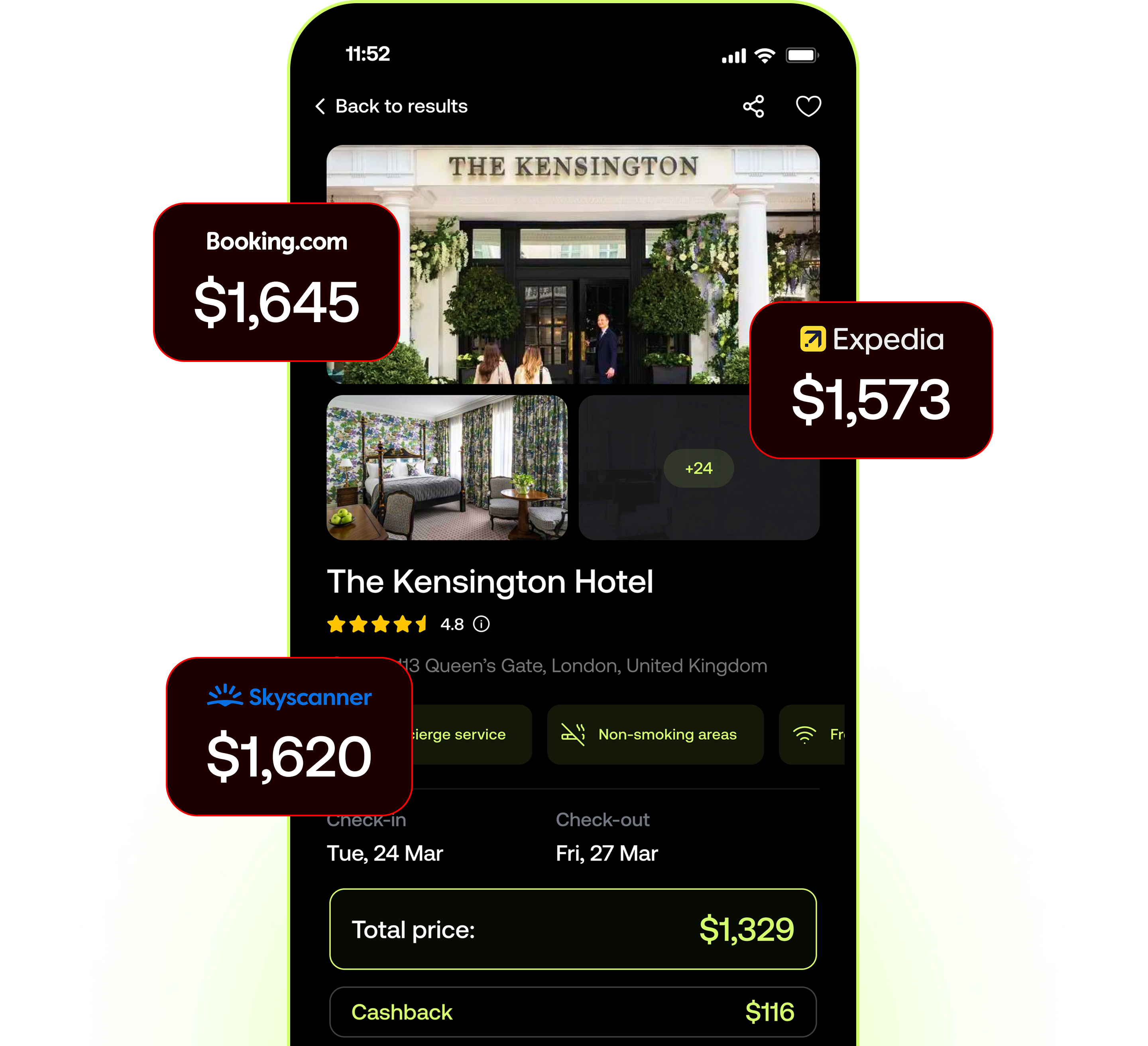
Found a hotel you like? Book it for up to 30% less