Content
Nosana ($NOS) is the utility token behind Nosana, a decentralised GPU network built on Solana for AI inference. It connects consumer GPUs, mining rigs and enterprise hardware into a shared marketplace where developers can purchase computing power. NOS is used for payments, staking and governance.
Founded in the Netherlands in 2021, Nosana initially focused on decentralised CI/CD infrastructure before pivoting to AI inference in 2023. Its GPU marketplace launched in January 2025.
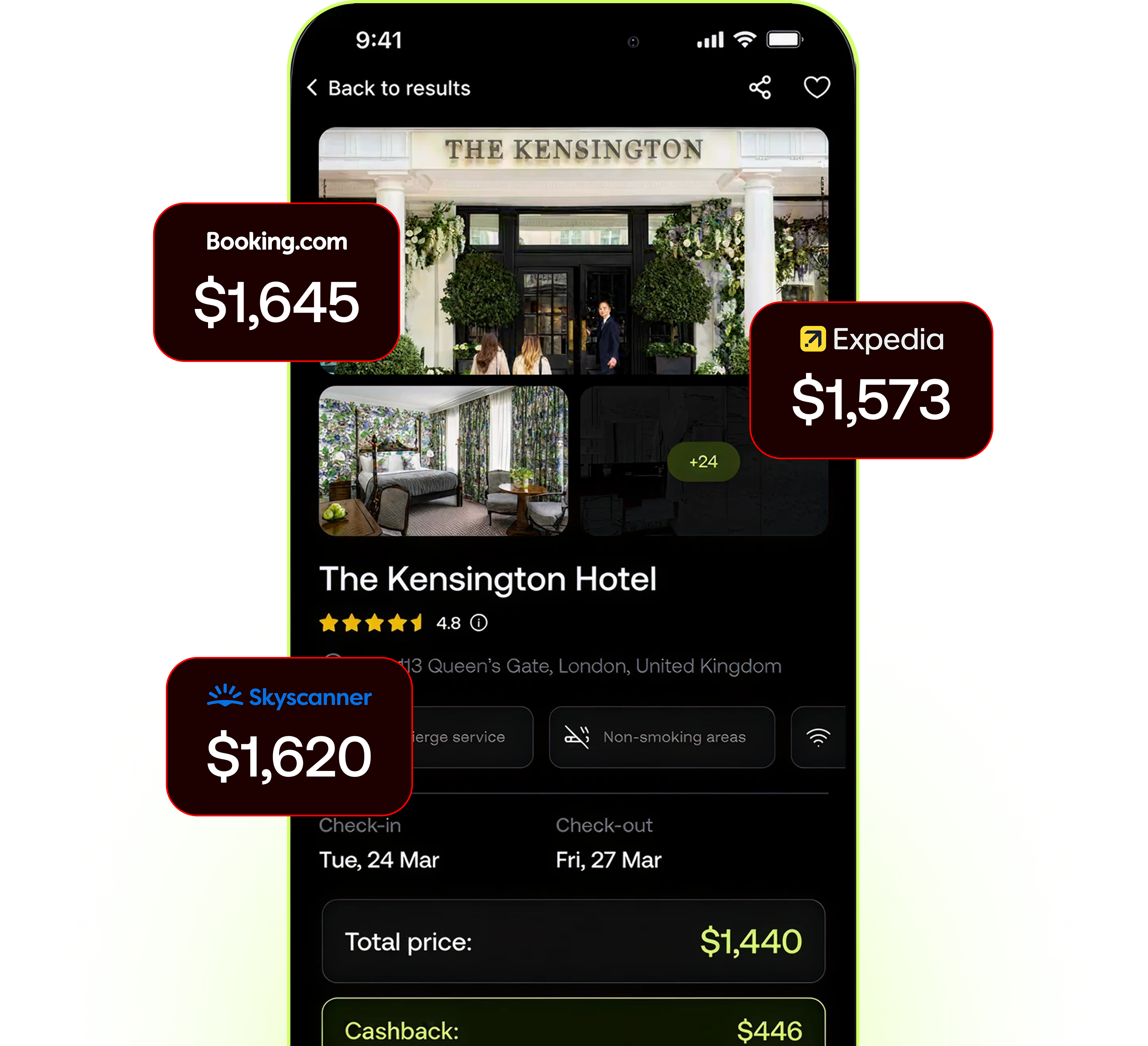
For holders looking to use NOS outside the ecosystem, travel is a practical option. Epic supports 200+ cryptocurrencies for flights and hotels, with prices up to 30% below Booking.com and $25 off a first booking.
See how much you
could save with $NOS
Answer 2 questions to get your personalized
savings estimate.
Question 1 of 2
Where do you want?
Question 2 of 2
How many nights?
Your result
Get similar deals when we go live.
Get $25 off your first trip.
1. Book Discounted Hotels and Flights With NOS on Epic
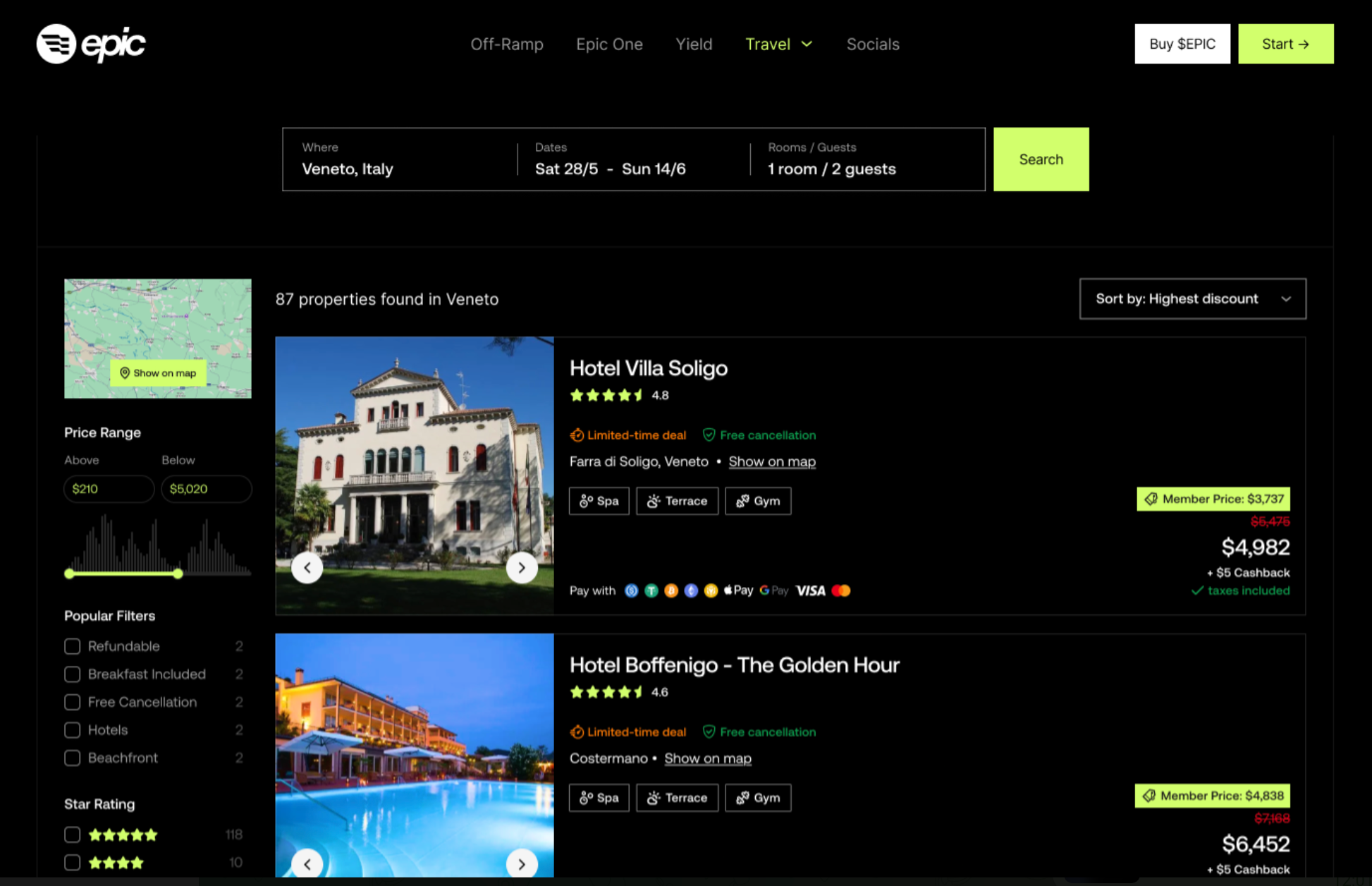
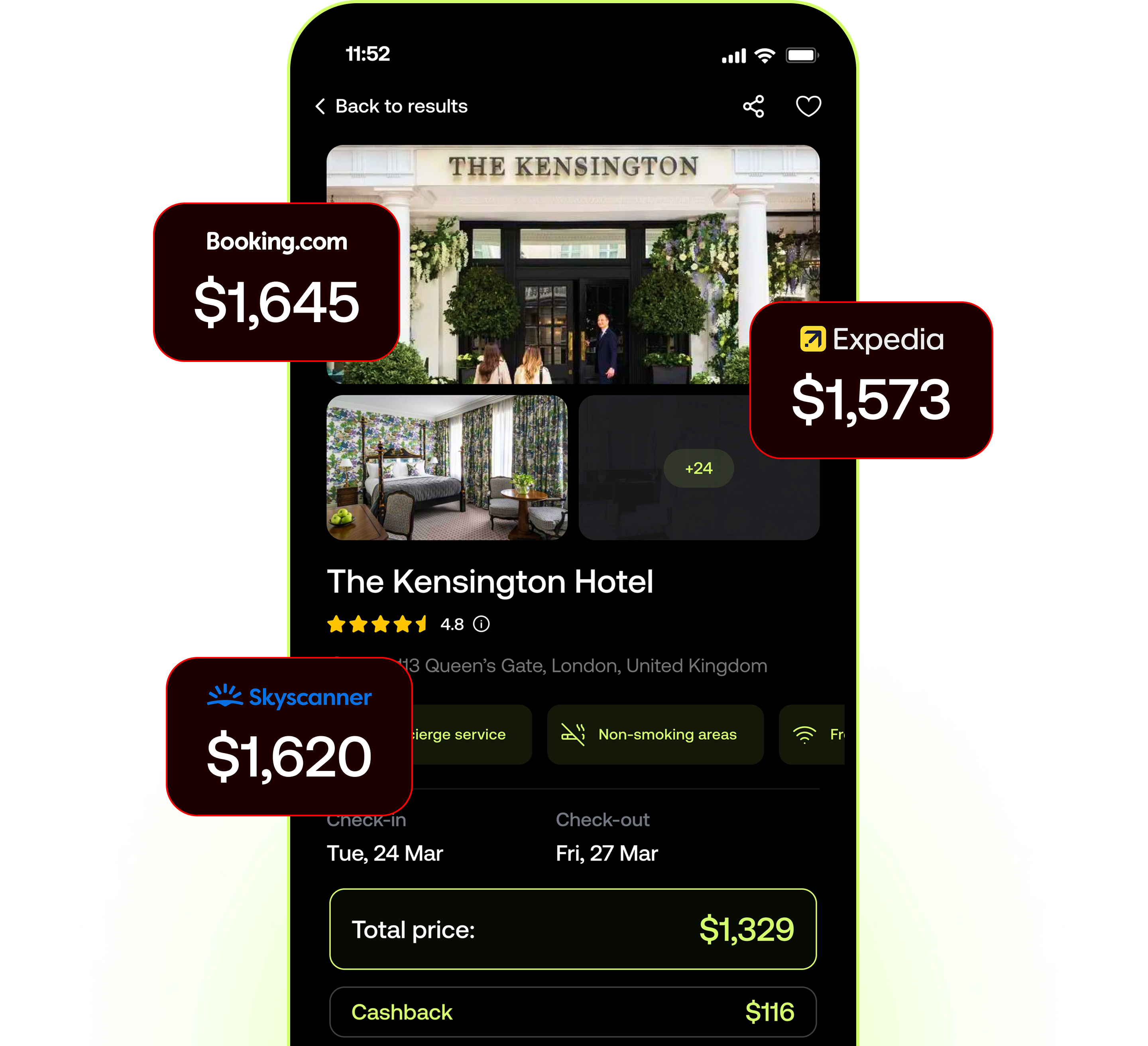
Travel is one of the easiest ways to convert a crypto balance into real-world spending. Epic lets you book flights and hotels with 200+ cryptocurrencies, alongside Visa, Mastercard, Apple Pay and Google Pay at checkout. Flights and hotels can be up to 30% cheaper than Booking.com, with no extra processing fee on the crypto side.
For NOS held in a Solana wallet like Phantom or Solflare, you may need to route through a supported payment token to complete a booking. A quick swap into SOL or USDC via Jupiter or Raydium clears that in seconds.
Book your next hotel for up to 30% less
If you have not used Epic before, sign up and claim $25 off your first booking.
2. Rent GPU Compute, Stake NOS and Vote on Governance
If you want to get more utility from your NOS holdings, the Nosana ecosystem gives you several ways to use the token.
Paying for compute - This is NOS's main purpose. Developers use it to pay GPU hosts for running AI inference workloads, with Solana providing fast and inexpensive transaction settlement across the network.
The Nosana Dashboard rolls in a built-in swap from SOL, USDC or USDT into $NOS, meaning a first-time buyer never has to touch a separate DEX before running a job.
Priority fees adjust dynamically on the Solana side to keep transactions from failing during network congestion, and the Nosana Explorer surfaces live job status for anyone who wants to audit what is happening.
Running a node - Owners of eligible GPUs can register as Nosana hosts and post $NOS as collateral in exchange for the right to accept jobs. Under the emission model introduced by NNP-001, hosts that consistently finish tasks earn a larger share of the reward pool, and underperforming nodes earn less. Idle staking no longer pays the way it used to, so operators are pushed toward genuine uptime.
Governance - Anyone holding $NOS can put proposals to the community and vote on protocol upgrades, network parameters, resource allocation and treasury spending. A group of integrations widens the surface area where NOS actually gets consumed. Render Network hardware can pick up jobs broadcast through Nosana.
Rivalz taps the grid for AI oracle workloads, and Theoriq runs its AI agent infrastructure on the same back-end. Arbius and AlphaNeural AI pull computing for community-driven training and validation of open-source generative models. Sogni.AI, which uses Nosana to generate images on iOS and macOS, had crossed 25 million images generated on the network by early 2025.
3. Buy Physical Collectibles With NOS on Polkastarter
Polkastarter is a marketplace built around real, tangible goods: graded Pokémon cards, sealed booster boxes, retro video games, sports memorabilia and similar categories. Every listing is a physical item rather than a tokenised claim, and after a purchase the seller either ships the item to you or holds it in professional storage.
NOS is not a native checkout currency here, so the workflow has two moves:
- Convert NOS into USDC, USDT or ETH on Raydium or Jupiter, or via a centralized exchange such as MEXC, Gate.io, Bitget or Bybit.
- Complete your Polkastarter purchase with the resulting balance.
Since $NOS settles on Solana, the swap clears in seconds and costs a fraction of a cent, which comfortably beats the fiat-off-ramp-then-buy route through a legacy grading marketplace. Collectibles also give holders a small hedging benefit: secondary-market pricing on cards and games follows its own rhythms and rarely mirrors crypto market moves one for one.
Check out Polkastarter marketplace to see what's currently available.
4. Buy Gift Cards, eSIMs and Everyday Stuff With NOS
Bitrefill and Coinsbee remain the two most useful bridges between a crypto wallet and mundane purchases. Neither takes NOS at checkout, but stepping through a stablecoin fixes that in one hop:
- Convert NOS into SOL, USDC or USDT using Jupiter, Raydium or the in-dashboard swap on Nosana.
- Load your Bitrefill or Coinsbee cart and settle with the stablecoin balance.
Once that swap is done, a large catalogue opens up. Availability varies by region, but usually covers:
- Retailer vouchers for Amazon, Uber, Walmart, Steam and hundreds of others.
- Gaming top-ups across PlayStation, Xbox, Nintendo eShop and Steam.
- Balance credits for DoorDash and Uber Eats.
- Streaming subscription refills including Netflix, Spotify and Disney+.
- eSIM data plans covering more than 190 countries.
- Prepaid mobile top-ups worldwide.
UPI support on Bitrefill is a genuinely helpful addition for anyone who would rather skip typing card details on every purchase.
A quick pass through a heavily traded stablecoin is the shortest realistic route between a mid-cap Solana AI token and everyday spending power. The extra step barely registers once you have done it once, and it unlocks a range of goods that direct NOS acceptance would take years to match.
5. Load a Crypto Debit Card for Everyday Spending
The fifth option is a debit card. Crypto.com Visa, Bybit Card and Wirex all accept USDT or USDC as the funding asset, then let you spend wherever Visa or Mastercard is accepted, whether that is an online basket or a physical terminal at the corner shop.
None of them takes a direct NOS deposit, so the flow is:
- Swap NOS into USDC or USDT on Jupiter, Raydium or a centralised exchange like MEXC, Gate.io or Bybit.
- Send the stablecoin to your card provider's deposit address.
- Use the card as normal after the balance settles.
The tradeoff is worth naming clearly. Any future NOS upside is off the table for the amount you convert, and swap plus network fees eat a small slice of the total. What you get in return is roughly 150 million Visa and Mastercard merchants globally. For actually spending crypto on things everyday life requires (petrol, groceries, dinner with friends) a preloaded card comes closer to a normal payment experience than any other crypto route.
Worth clarifying: Nosana does not run its own card programme or merchant gateway. NOS is scoped to the Nosana ecosystem itself as compute settlement, staking collateral and governance. Anything spent beyond that ecosystem reaches its destination through the swap-and-load pattern above. Stablecoins continue to do the heavy lifting as the connective tissue between alternative tokens and daily commerce.
Explore Supported Epic Travel Tokens:
Frequently Asked Questions
1. What is Nosana (NOS) crypto?
Nosana is a decentralised GPU marketplace built on Solana, designed for AI inference workloads. It connects idle consumer GPUs, mining rigs and enterprise hardware with developers who need on-demand compute. NOS is its native SPL token, used to pay hosts for compute jobs, lock as collateral when running a GPU node, and vote on governance proposals.
2. Where can I buy NOS?
NOS is listed on MEXC, Gate.io, Bitget and Bybit, and trades on-chain through Solana venues like Raydium and Jupiter. The Nosana Dashboard also includes an in-app swap from SOL, USDC or USDT into $NOS, so you can top up without leaving the platform.
3. Can I pay for hotels with NOS?
Yes, Epic supports 200+ cryptocurrencies for flight and hotel bookings at rates up to 30% below Booking.com, plus $25 off a first booking for new users. If NOS is not among the natively accepted assets at checkout, one quick swap into a supported token bridges the gap.
4. What network is NOS on?
NOS is an SPL token on Solana, which gives it near-instant settlement and sub-cent transaction fees. It has a maximum supply capped at 100 million tokens, and by late 2025 the vesting schedule had fully unlocked, meaning circulating supply now matches total supply.
5. Who founded Nosana crypto?
Nosana was founded in 2021 by Jesse Eisses and Sjoerd Dijkstra, two Netherlands-based engineers. Eisses studied Artificial Intelligence at the University of Amsterdam and has more than a decade of experience building tech startups. Dijkstra is a senior DevOps engineer with a background across Kubernetes, Rust, Python and C++. The project originally launched as a decentralised CI/CD platform before pivoting in October 2023 toward AI inference, with the GPU marketplace mainnet going live on 14 January 2025.


Mithra Ghosh is a Dubai-based content writer and SEO copywriter with 2+ years of experience crafting search-optimised content across crypto, Web3, and digital finance. She combines strong editorial instincts with a deep understanding of blockchain ecosystems and on-chain trends.
At Epic, she writes about the growing world of crypto-native travel helping readers understand how holding and spending digital assets can unlock smarter, cheaper ways to see the world.

Found a hotel you like? Book it for up to 30% less

Found a hotel you like? Book it for up to 30% less