Content

Metis (METIS) is the native token of Metis, an Ethereum Layer-2 network. It helps make Ethereum transactions faster and cheaper. Metis has three main layers: Andromeda handles settlement, Hyperion handles transactions, and LazAI focuses on decentralised AI. METIS is used to pay gas, stake with sequencers, and take part in governance.
But if you're simply holding METIS in your wallet, you don't need to interact with the L2 to find a use for it. The more practical question is where you can actually spend it.
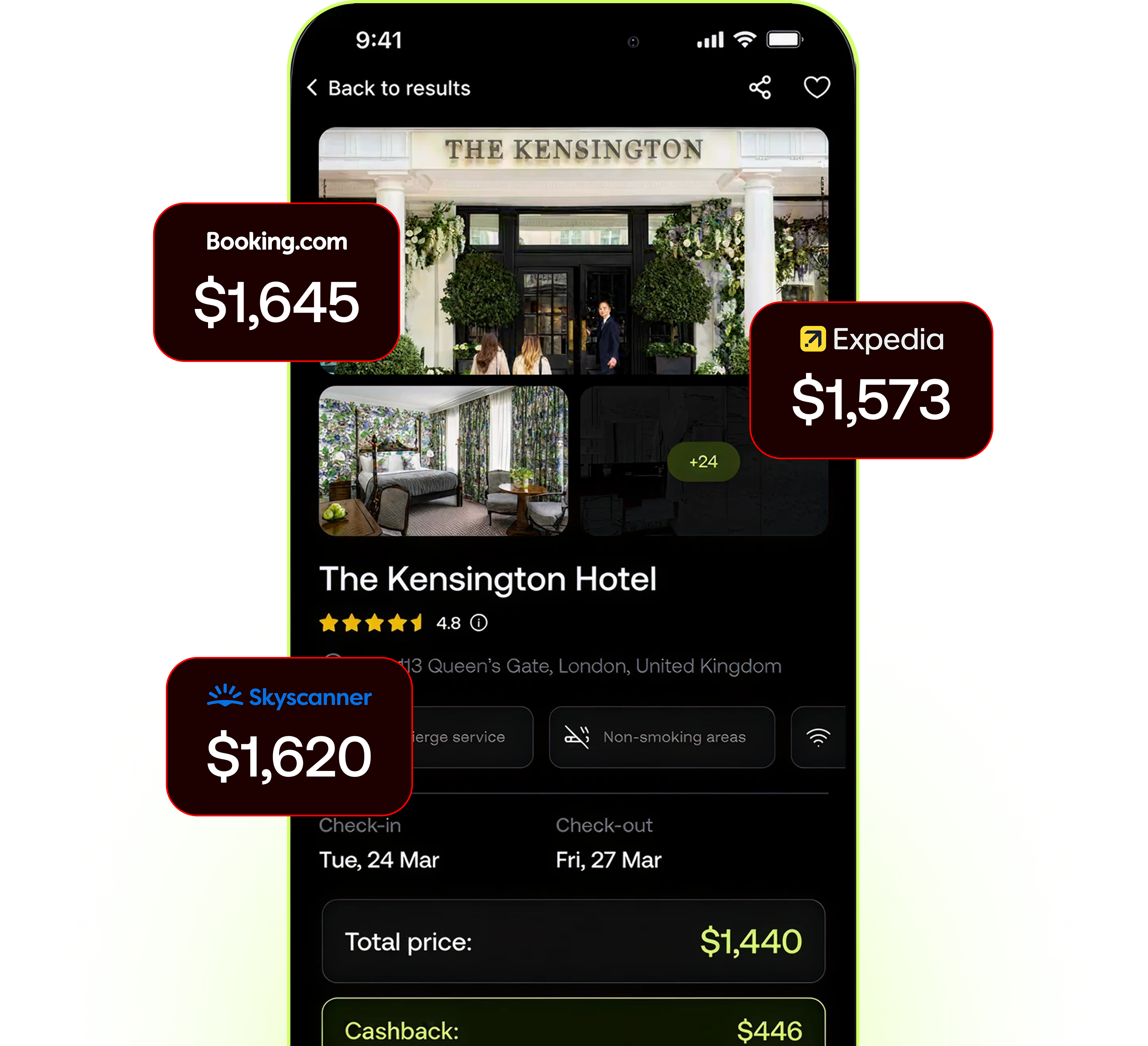
Travel is an easy place to start. Epic lets you use METIS to book hotels and flights at prices up to 30% below Booking.com, and new users can get $25 off their first trip. Here are five practical ways to spend or use METIS in 2026.
See how much you
could save with $METIS
Answer 2 questions to get your personalized
savings estimate.
Question 1 of 2
Where do you want?
Question 2 of 2
How many nights?
Your result
Get similar deals when we go live.
Get $25 off your first trip.
1. Book Discounted Hotels and Flights With METIS on Epic
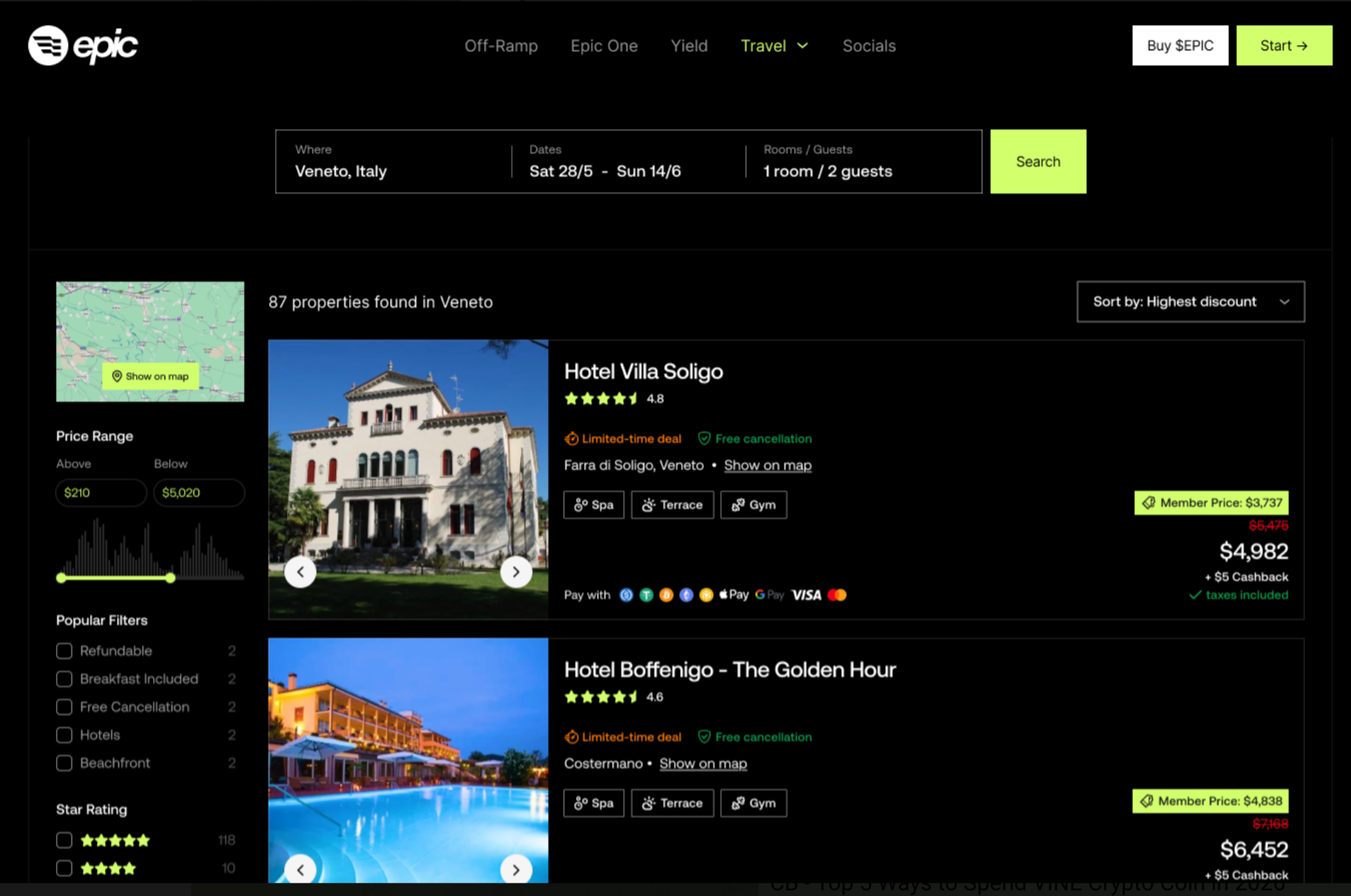
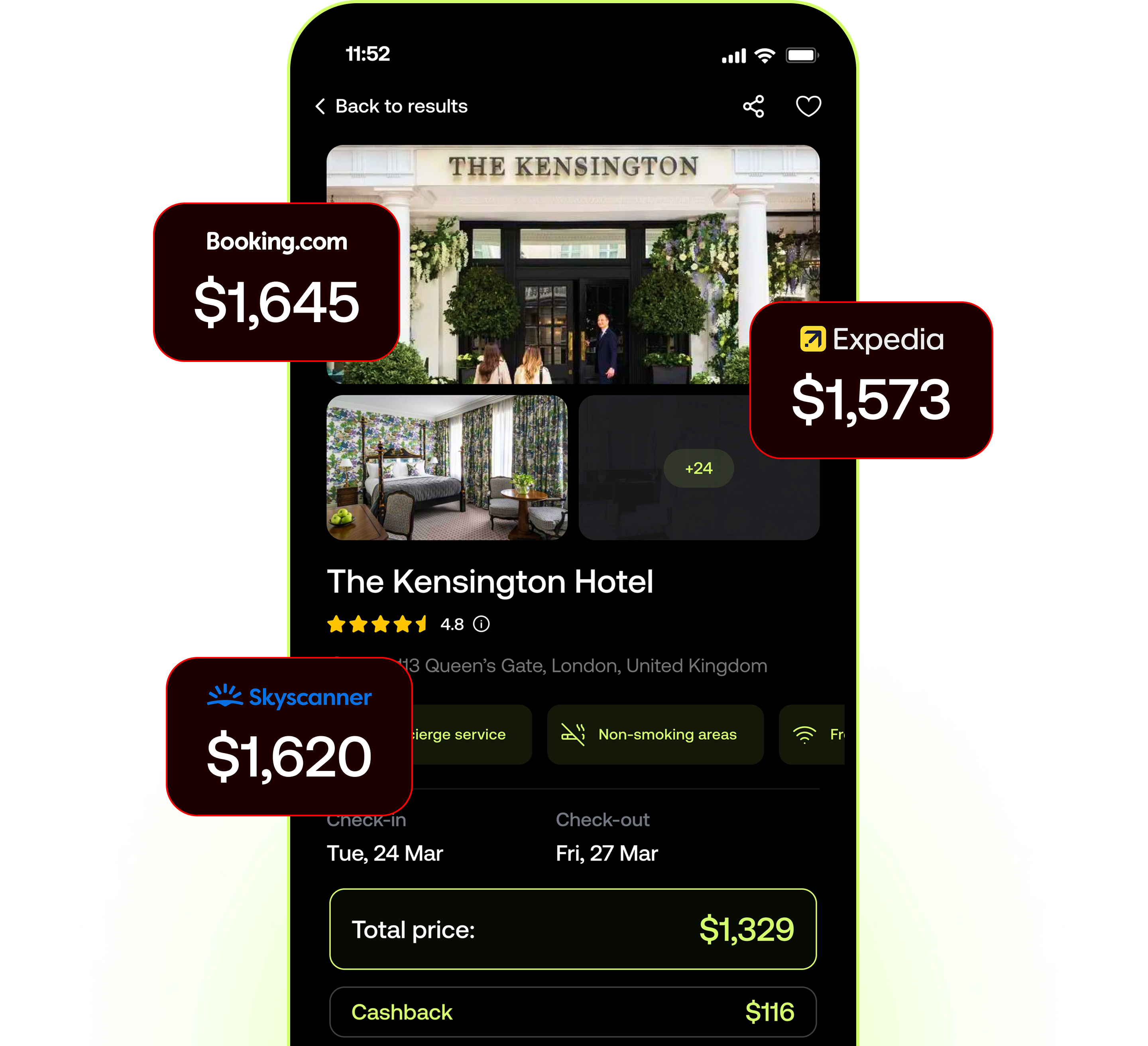
Travel is one of the easiest ways to use METIS outside the Metis ecosystem. Epic is a crypto-native travel booking platform with more than two million hotels and flights across 190+ countries. It supports 200+ cryptocurrencies and offers prices up to 30% lower than Booking.com. You can also pay with Visa, Mastercard, Apple Pay or Google Pay.
Book your next hotel for up to 30% less
Paying with METIS lets you book directly with crypto without converting it to cash first, with no additional crypto payment fee. The booking process is simple and familiar, similar to using Booking.com.
New to Epic? Sign up and get $25 off your first booking.
2. Use METIS Natively: Gas, Governance and Sequencer Staking on Metis L2
The METIS token was built to run its own network, and that is where most of its work happens. Every transaction on Andromeda, Hyperion and LazAI is settled in METIS as the gas token, so anything you do on the stack, from a swap to an NFT mint to an interaction with an AI agent, costs METIS. Fees on the L2 run at a small fraction of those of the Ethereum mainnet, which is the whole point of a rollup.
Two further levers sit on top of gas:
Governance - Under Community Ecosystem Governance, holders vote on grants, incentive programmes and network upgrades, including how funds from the Ecosystem Development Fund are allocated. Voting power tracks tokens held or staked, not tenure in the community.
Sequencer staking - Metis was one of the first optimistic rollups to open sequencer operations beyond its own team. Node operators earn METIS for producing blocks and processing transactions. Running a node yourself requires technical setup, so most holders use liquid-staking platforms instead.
Enki and Artemis are two of the main options. Artemis, for example, gives users artMETIS in return for their METIS, allowing the token to earn sequencer rewards while remaining usable across other DeFi applications. Staking rates and lock-up periods can change, so check the current terms before depositing.
Before using METIS for any of these options, you first need to have it on the Metis L2. You can buy METIS on exchanges such as Binance, Kraken, OKX, KuCoin or Gate, then withdraw it directly to Metis Andromeda if supported. You can also move METIS from Ethereum or BNB Chain to Andromeda using the official Metis Bridge or a third-party bridge such as Synapse.
3. Buy Physical Collectibles With METIS on Polkastarter
Prefer to turn part of a METIS position into something you can hold? Collectibles are worth a look.
Polkastarter runs a crypto marketplace for real-world items, from graded trading cards and sealed products to retro games and other memorabilia. Everything on the platform is physical, not an NFT, and depending on how the listing is set up it either ships to you or stays in vaulted storage.
The route is short:
- Sell METIS for USDT or ETH on Binance, KuCoin, or through a DEX on the L2 such as Hercules or Netswap.
- Settle for the collectible at checkout using that balance.
METIS is well listed on centralised venues, so getting into a widely accepted asset takes minutes. Collectibles then move on their own resale markets, which run on different signals to crypto charts, so the position becomes a way to park trading gains in something tangible. The Polkastarter marketplace is worth a browse to see what is available.
4. Buy Gift Cards, eSIMs and Everyday Products With METIS
For day-to-day spending in crypto, Bitrefill and Coinsbee cover most of the ground, from retailers and takeaways to travel data. Neither of them accepts METIS directly, but the detour is quick.
Swap METIS to USDT, BTC or ETH on Binance, Kraken or your exchange of choice.
- Check out on Bitrefill or Coinsbee with the converted balance.
- From there the catalogue is broad, and what you see depends on your region:
- Gift cards for Amazon, Uber, Walmart, Steam and more.
- Gaming credit for PlayStation, Xbox, Nintendo eShop and Steam.
- Food delivery through DoorDash, Uber Eats and similar services.
- Subscriptions for Netflix, Spotify, Disney+ and others.
- eSIM data plans for travel across 190+ countries.
- Mobile top-ups for prepaid lines in many countries.
Bitrefill also supports UPI payments, so you can skip the gift-card route altogether. Swapping first adds an extra step, but it gives you access to a much wider range of everyday spending options than a native L2 token would typically offer on its own.
5. Load a Crypto Debit Card for Merchant Spending
A crypto card is the closest METIS gets to behaving like cash at the till. Providers including Crypto.com Visa, Bybit Card and Wirex let you top up a balance, usually in USDT or USDC, and spend it anywhere Visa or Mastercard is taken, whether that is in-store, online or in restaurants.
No major issuer loads METIS on its own, so the path is:
- Swap METIS to USDT on Binance, Kraken or a supported DEX.
- Send the USDT to your card provider's wallet.
- Tap at checkout as usual.
You lose some METIS exposure and pay a small swap and network fee along the way, but you pick up access to roughly 150 million Visa and Mastercard merchants. For offline spending, whether that is groceries, fuel, a coffee or a meal out, this is the route that behaves like an ordinary card.
The Metis Foundation does not run its own checkout or issue a card of its own. METIS is a network token first, so any spending beyond the L2 leans on the convert-first approach above, with USDT the cleanest bridge.
Explore Supported Epic Travel Tokens:
- What Is Enjin Coin (ENJ)? Top 5 Ways to Use It in 2026
- What Is KAITO Crypto Coin? Top 5 Ways to Use KAITO in 2026
Frequently Asked Questions
1. What is Metis (METIS)?
METIS is the native token of the Metis Layer-2 network, an Ethereum rollup launched in 2021 by Elena Sinelnikova, Kevin Liu and Yuan Su. It pays gas across Andromeda, Hyperion and LazAI, supports sequencer staking, and gives holders voting weight in governance.
2. Where can I buy METIS?
METIS is listed on Binance, Kraken, OKX, KuCoin, Gate and MEXC among others, mainly paired with USDT. Maximum supply is capped at 10 million tokens.
3. Can I pay for hotels with METIS?
Yes, through Epic. Epic settles in 200+ cryptocurrencies for hotels and flights at up to 30% below Booking.com, and first-time users get $25 off their opening booking.
4. What network is METIS on?
METIS exists as an ERC-20 on Ethereum and as the native gas token on the Metis L2 stack, which now spans Andromeda, Hyperion and LazAI. Use the official Metis Bridge or a supported third-party route to move between chains, and verify the contract address before importing.
5. Does METIS have real-world utility?
Yes, inside the Metis ecosystem. The token covers transaction fees on the L2 stack, backs sequencer staking, drives Community Ecosystem Governance votes, and funds grants and incentives through the Ecosystem Development Fund. Outside the network it trades as a standard ERC-20.


Mithra Ghosh is a Dubai-based content writer and SEO copywriter with 2+ years of experience crafting search-optimised content across crypto, Web3, and digital finance. She combines strong editorial instincts with a deep understanding of blockchain ecosystems and on-chain trends.
At Epic, she writes about the growing world of crypto-native travel helping readers understand how holding and spending digital assets can unlock smarter, cheaper ways to see the world.
Found a hotel you like? Book it for up to 30% less

Found a hotel you like? Book it for up to 30% less