Content
Hana Network (HANA) is a Cosmos SDK-based Layer-1 blockchain built around DeFi, cross-chain privacy and social applications. The network uses threshold signatures and a multi-asset zk-UTXO layer to enable private transfers across Bitcoin, Ethereum and EVM networks without requiring native gas fees.
HANA is the network's utility and governance token. It is used for transaction fees, staking, validator participation and voting on protocol upgrades and treasury decisions. Holders can also earn incentives by supporting network infrastructure and ecosystem growth.
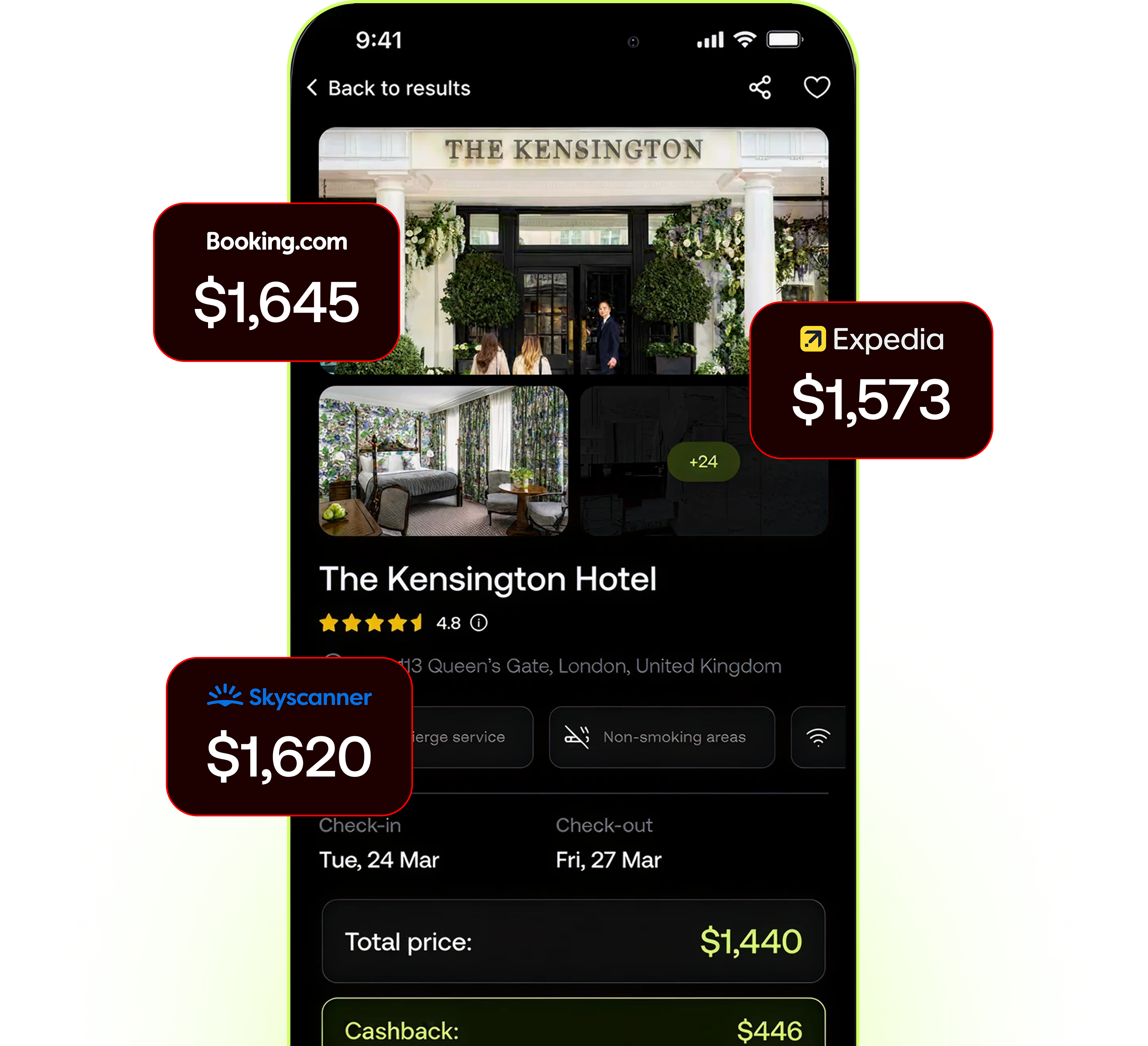
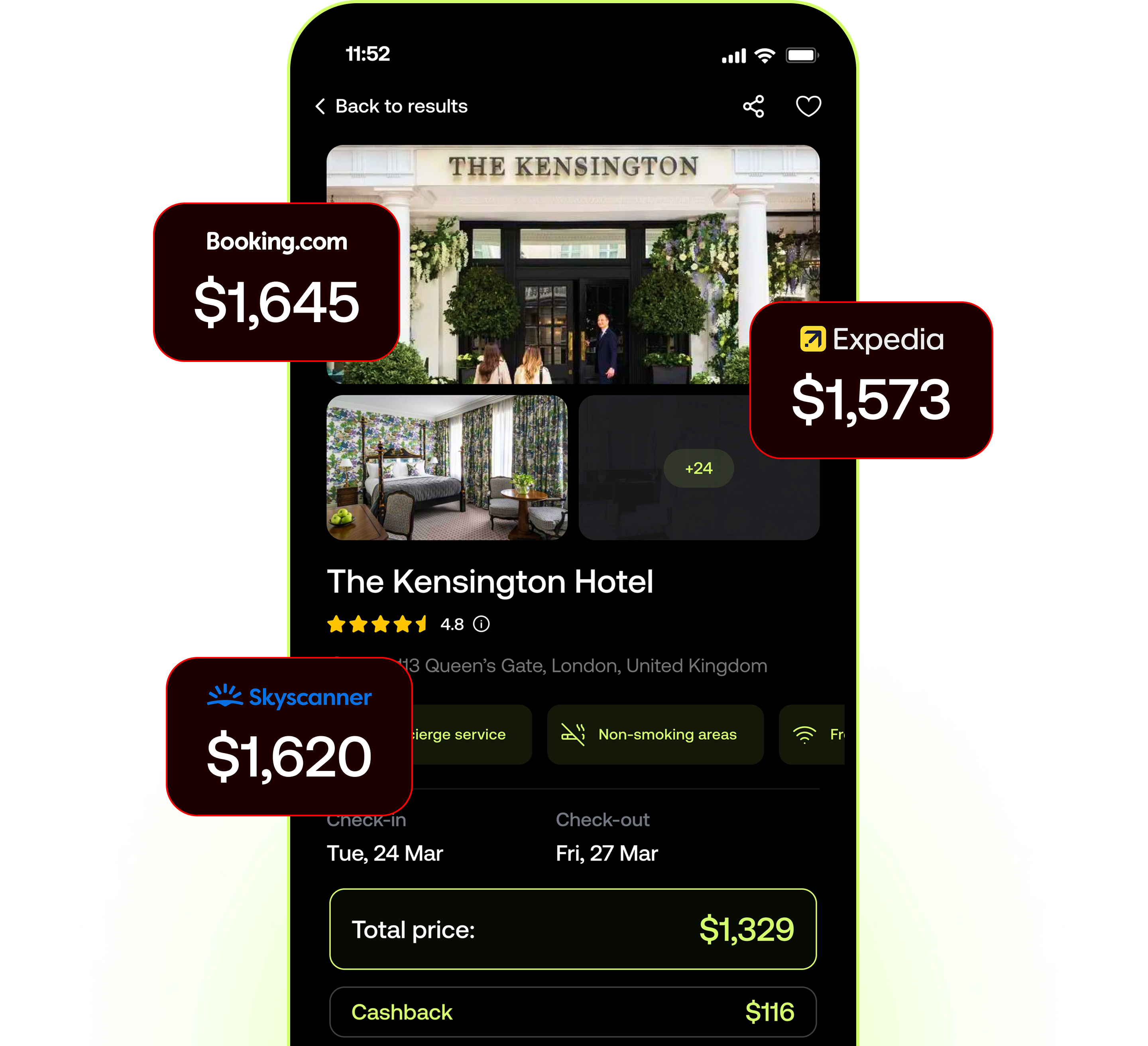
Direct merchant spending remains limited, making travel a practical alternative. Epic accepts 200+ cryptocurrencies, including HANA, for flights and hotels at prices up to 30% below Booking.com. New users can also get $25 off their first booking.
See how much you
could save with $HANA
Answer 2 questions to get your personalized
savings estimate.
Question 1 of 2
Where do you want?
Question 2 of 2
How many nights?
Your result
Get similar deals when we go live.
Get $25 off your first trip.
1. Book Discounted Hotels and Flights With HANA on Epic

Travel is an easy way to turn HANA into an everyday expense. Epic supports more than 200+ cryptocurrencies, including HANA, and offers flights and hotels at prices up to 30% lower than Booking.com, with no additional crypto payment fees.
If you hold HANA, you can use it directly at checkout at Epic. It also supports Visa, Mastercard, Apple Pay and Google Pay.
Book your next hotel for up to 30% less
The booking experience is straightforward and works much like Booking.com. New users can also receive $25 off their first booking.
2. Stake HANA and Use the Native Hana Network Products
The most direct place to spend HANA is inside the ecosystem it was designed for, and there are two lanes worth knowing: paying for network services and staking to secure the chain.
Start with the products. Hana Gateway is a peer-to-peer marketplace powered by Hyperliquid that offers zero-KYC fiat on and off ramps, mobile exchange services and asset farming. Hanafuda is a gamified on-chain card game that doubles as a casual onboarding funnel, while Dipsy and Capsule Shot handle video streaming and hyper-casual NFT mints respectively. Hana Wallet is the multi-chain, non-custodial hub with automatic asset discovery and built-in yield generators through Hana Earn. HANA covers transaction and service fees across these apps. Then there is staking. Token holders can delegate to validators or node committees under the network's Proof-of-Stake framework and share in the rewards, or run infrastructure directly for a larger cut.
Rates vary between operators, so it is worth checking each validator's advertised commission and un-bonding period before locking anything up. Governance is the third lever: staked or held HANA carries voting weight on treasury funding, community grants and protocol parameters. For anyone who would rather have their bag doing something than sitting idle, this is the obvious first stop.
3. Buy Physical Collectibles With HANA on Polkastarter
Polkastarter is a crypto marketplace built around real-world collectibles, from graded Pokémon cards and sealed booster boxes to retro video games and sports memorabilia. Every listing is a physical item, not an NFT, and the seller either ships it to your address or holds it in professional custody on your behalf.
Polkastarter does not yet integrate HANA as a native checkout option, so the process requires two steps:
- Swap HANA for USDT or ETH on Binance, KuCoin or HTX, where HANA has active spot pairs.
- Complete checkout on Polkastarter with the proceeds.
Because HANA lives on a Cosmos SDK chain rather than natively on Ethereum, most swaps route through a centralized exchange rather than a single-hop DEX trade. For anyone already active in crypto, this still beats cashing out to fiat and buying through a traditional grading marketplace. There is a portfolio angle too: graded collectibles trade on markets driven by their own supply and demand, which rarely tracks crypto cycles.
Browse the Polkastarter marketplace to see current listings.
4. Buy Gift Cards, eSIMs and Everyday Essentials With HANA
Bitrefill and Coinsbee dominate the "spend crypto on everyday things" corner of the market. Neither supports HANA at checkout today, so the sequence involves two steps:
- Convert HANA to BTC, USDT or ETH on Binance, KuCoin or HTX.
- Use those funds to pay on Bitrefill or Coinsbee.
Once the swap clears, the catalogue opens up. Depending on your region, you can typically pick up:
- Retailer gift cards for Amazon, Uber, Walmart, Steam and hundreds more.
- Gaming credit across PlayStation, Xbox, Nintendo eShop and Steam.
- Food-delivery balances for DoorDash and Uber Eats.
- Streaming and subscription top-ups for Netflix, Spotify, Disney+ and others.
- eSIM data plans covering 190+ countries.
- Prepaid mobile top-ups worldwide.
Bitrefill’s UPI support removes the card-entry step, making repeat purchases quicker and more convenient. For a mid-cap token like HANA, converting to a stablecoin first is currently one of the simplest ways to turn your holdings into everyday spending power. The extra swap adds a step, but it opens up far more options for using your crypto in practice.
5. Load a Crypto Debit Card for Everyday Spending
The final route is a crypto debit card. Products like the Crypto.com Visa, Bybit Card and Wirex accept USDT or USDC deposits and turn that balance into a spendable line at any Visa or Mastercard terminal, online or in person.
HANA is not a supported deposit asset on any of them, so the sequence is:
- Convert HANA to USDT on Binance, KuCoin or HTX.
- Send the USDT to your card provider's deposit address on the relevant network.
- Spend as you would with any other card.
Bear in mind that this route means giving up future HANA price exposure and paying both swap and network fees along the way. In exchange, you get acceptance at roughly 150 million Visa and Mastercard merchants worldwide. If the goal is to fold crypto gains into everyday spending, whether that is groceries, fuel or dining out, a loaded card is the closest thing to traditional banking.
It is worth remembering that Hana Network does not run its own card programme or merchant gateway. Because HANA is designed for fees, staking and governance inside its ecosystem, any spending outside that framework needs the conversion step above. As with most privacy-focused assets, USDT is the practical bridge to mainstream commerce.
Explore Supported Epic Travel Tokens:
Frequently Asked Questions
1. What is the future of Hana Network?
Hana Network's roadmap centres on rolling out its Web4 consumer stack, including Hanafuda, Capsule Shot and Dipsy, alongside its Hana Gateway P2P marketplace and the Attention Layer that turns social signals into on-chain reputation. Long-term demand hinges on whether hyper-casual finance can pull retail users across Asia and Africa into DeFi at scale.
2. What is the price prediction for Hana Network cryptocurrency?
Bullish cases lean on tier-1 exchange listings, Binance Trading Bot integration for HANA futures DCA, and adoption of its social and gaming products. Bearish cases flag a fully unlocked supply, thin liquidity outside major listings, and small-cap sensitivity to broader market rotations. Any specific target from prediction sites is speculation rather than analysis.
3. What is Hana Network?
Hana Network is a Layer-1 Web4 blockchain built on the Cosmos SDK that combines decentralised finance, cross-chain privacy and social entertainment. It uses a Threshold Signature Scheme and a multi-asset zk-UTXO layer to move value privately across Bitcoin, Ethereum and EVM chains. HANA is the native token, used for fees, staking and governance.
4. Can I pay for hotels with HANA?
Yes. Epic accepts 200+ cryptocurrencies for hotel and flight bookings at prices up to 30% below Booking.com. New users also get $25 off their first booking.
5. What network is HANA on?
HANA is the native token of Hana Network, a Layer-1 blockchain built on the Cosmos SDK and Tendermint. The network bridges to Bitcoin, Ethereum and other EVM chains through its Threshold Signature Scheme and zk-UTXO privacy layer.


Mithra Ghosh is a Dubai-based content writer and SEO copywriter with 2+ years of experience crafting search-optimised content across crypto, Web3, and digital finance. She combines strong editorial instincts with a deep understanding of blockchain ecosystems and on-chain trends.
At Epic, she writes about the growing world of crypto-native travel helping readers understand how holding and spending digital assets can unlock smarter, cheaper ways to see the world.
Found a hotel you like? Book it for up to 30% less

Found a hotel you like? Book it for up to 30% less