Content
Ardor (ARDR) is the native token of Ardor, a multichain blockchain designed to separate network security from application activity. Built by Jelurida BV, the project uses a parent chain for security while purpose-built child chains handle different applications and transactions.
ARDR powers the parent chain's proof-of-stake forging system, where holders can lease their forging power to node operators. Unlike many proof-of-stake networks, Ardor does not mint new ARDR as forging rewards; forgers earn transaction fees instead.
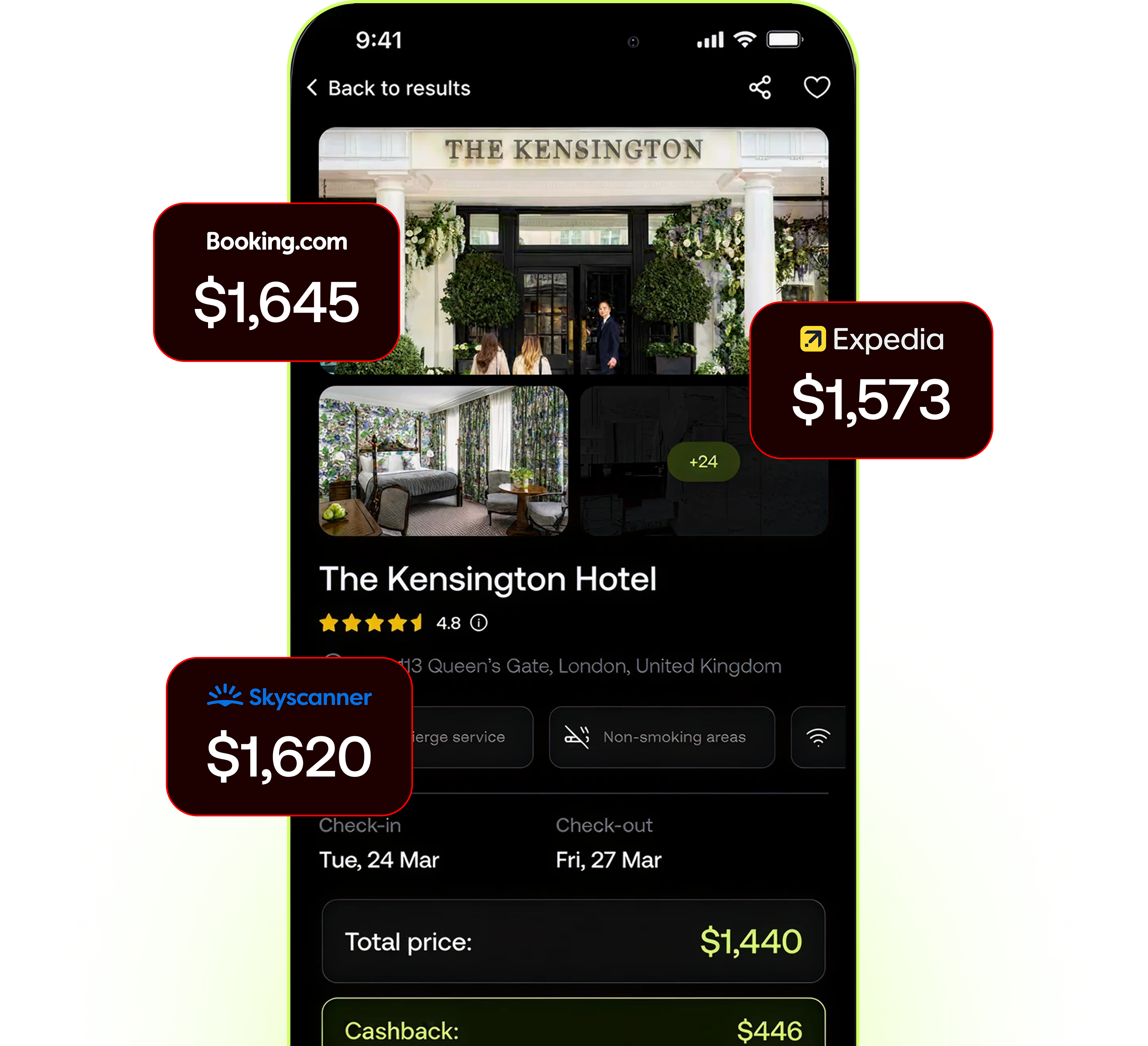
Direct merchant spending remains limited outside the Ardor ecosystem. Travel offers a practical alternative: Epic accepts 200+ cryptocurrencies for flights and hotels, with prices up to 30% below Booking.com and $25 off a first booking.
See how much you
could save with $ARDR
Answer 2 questions to get your personalized
savings estimate.
Question 1 of 2
Where do you want?
Question 2 of 2
How many nights?
Your result
Get similar deals when we go live.
Get $25 off your first trip.
1. Book Discounted Hotels and Flights With ARDR on Epic
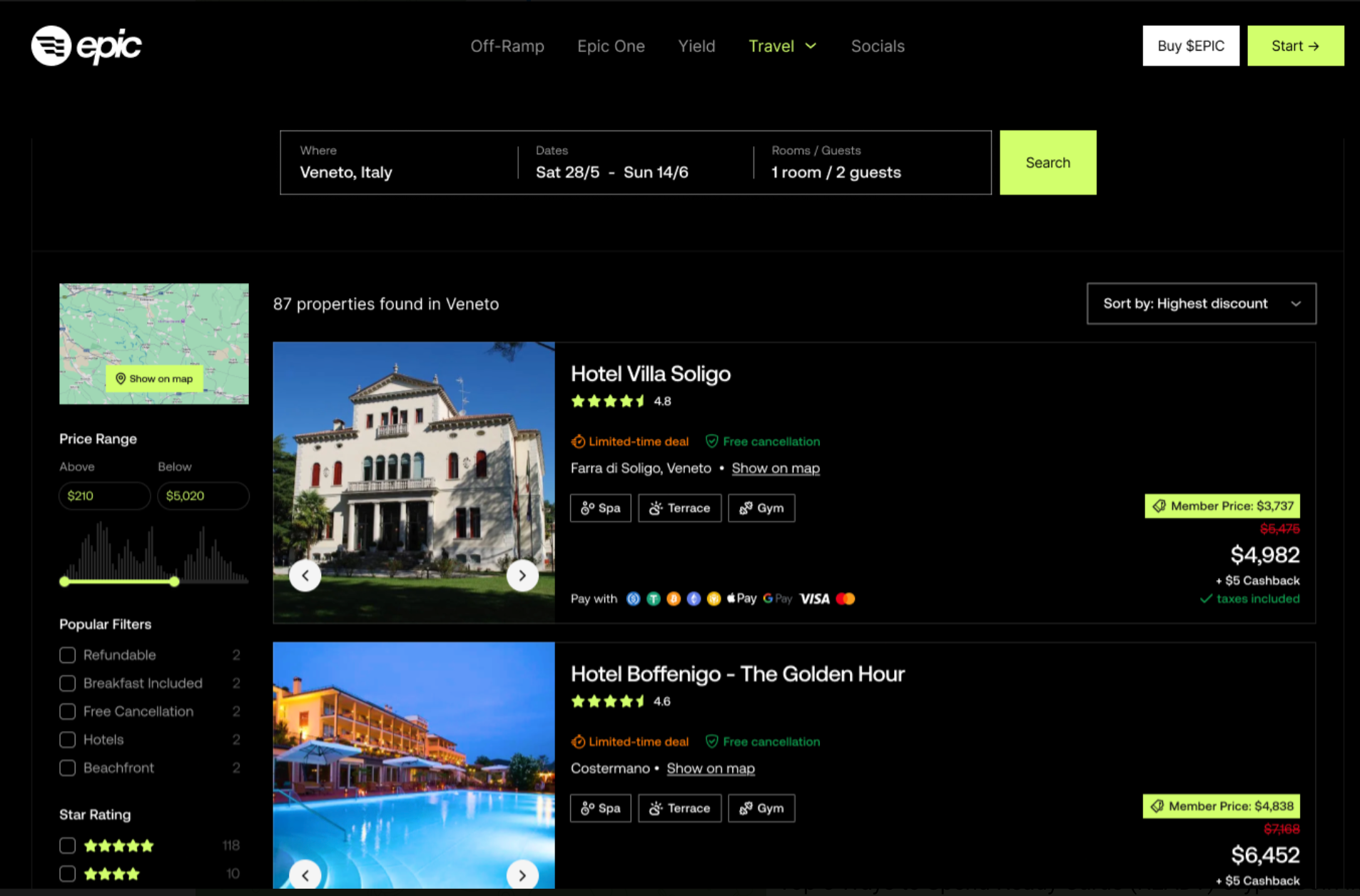
Travel is one of the easiest ways to convert a crypto balance into real-world spending. Epic lets you book flights and hotels with 200+ cryptocurrencies, alongside Visa, Mastercard, Apple Pay and Google Pay at checkout. Flights and hotels can be up to 30% cheaper than Booking.com, with no extra processing fee on crypto payments.
For ARDR held in an Ardor wallet, you'll need to use a supported payment route to complete the booking.
Book your next hotel for up to 30% less
If you have not used Epic before, sign up and claim $25 off your first booking.
2. Forge Blocks, Lease ARDR and Explore the Ignis Ecosystem
The most productive places to put ARDR to work sit inside Ardor itself, and they fall into three clear routes:
Forging. Ardor's chain is secured through pure proof-of-stake, and the process is called forging. Node operators keep an unlocked ARDR balance available, which gives them a proportional chance of producing the next block and collecting the fees attached to every transaction across the parent and its child chains. Since the token's full supply is already in circulation, forging rewards come entirely from network activity rather than inflation, keeping tokenomics tight.
Token leasing. Not every holder wants to run their own node. Leasing solves that: you delegate your forging power to a node operator you trust, their effective balance grows during the lease window, and any resulting fees can be split under whatever terms the two parties agree on. Custody stays with you throughout, and the whole arrangement is native to the protocol rather than bolted on afterwards.
Using Ignis. Ignis is the ecosystem's flagship child chain and where much of Ardor's built-in functionality actually lives. The chain ships with a peer-to-peer decentralized asset exchange for trading child-chain tokens, a digital goods marketplace where users buy, sell and lease digital items directly on-chain, cloud data storage embedded at the framework level, and lightweight Java smart contracts aimed at business-logic use cases.
AEUR, a Euro-pegged stablecoin issued by Ardorgate and backed by traditional banking rails, also sits on Ignis and gives the network a fiat-referenced settlement option.
On top of all that, holding ARDR carries a voice in ongoing community conversations about the ecosystem's direction. If you'd rather your ARDR contributed something than sat idle in a wallet, forging or leasing is where to begin.
3. Buy Physical Collectibles With ARDR on Polkastarter
Polkastarter runs a marketplace for physical collectibles, meaning graded Pokémon cards, sealed booster boxes, retro video games, sports memorabilia and comparable goods. Every listing is an actual object, not a tokenized claim, and after purchase the seller either ships to your address or holds the item in professional custody, depending on how the listing was structured.
Direct ARDR payment isn't supported at checkout, so the buying flow uses two hops:
- Swap ARDR into USDT or ETH, either through Binance or via the Changelly integration built into Ardor-compatible wallets.
- Complete your Polkastarter purchase using that stablecoin or ETH balance.
For anyone already holding crypto, this route beats the traditional path of transferring to a bank and buying through a legacy grading dealer, both in terms of speed and friction. Physical collectibles also add a diversification wrinkle worth noting: their secondary markets follow their own price cycles, which rarely track crypto tick-for-tick.
Browse the Polkastarter marketplace for current inventory.
4. Buy Gift Cards, eSIMs and Everyday Stuff With ARDR
For turning crypto into everyday purchases, Bitrefill and Coinsbee dominate. Neither accepts ARDR at checkout, but the workaround is genuinely simple:
Convert ARDR into BTC, USDT or ETH using Binance or the Changelly integration available in Ardor-compatible wallets.
Pay for whatever you're after on Bitrefill and Coinsbee with the resulting balance.
Once that conversion clears, the addressable catalogue opens right up. Depending on your region, you'll find:
- Retailer vouchers across Amazon, Uber, Walmart, Steam and several hundred more.
- Gaming credit for PlayStation, Xbox, Nintendo eShop and Steam.
- Prepaid balances for DoorDash and Uber Eats.
- Top-ups for Netflix, Spotify, Disney+ and other subscription services.
- eSIM plans to reach more than 190 countries.
- Mobile top-ups for prepaid numbers around the world.
UPI support on Bitrefill is a genuinely useful touch, cutting out the card entry step on every transaction.
Passing ARDR through a deeply liquid stablecoin is the shortest route between a multichain PoS asset and everyday purchasing power. The added swap barely registers as friction after the first time, and it unlocks a range of goods that direct ARDR acceptance would never realistically cover.
5. Load a Crypto Debit Card for Everyday Spending
The fifth route runs through crypto debit cards. Crypto.com Visa, Bybit Card and Wirex each let you top up with USDT or USDC and then spend anywhere Visa or Mastercard is accepted, whether you're checking out online or tapping at a shop till.
None of these cards accept ARDR deposits, so the sequence works like this:
- Convert ARDR into USDT through Binance or another centralised venue that lists the pair.
- Send the USDT to the deposit address issued by your card provider.
- Tap or swipe once the balance clears.
This path isn't free. Any further upside on ARDR disappears the moment you convert, and swap fees plus network costs eat into the amount that actually reaches the card. What you get in return is spending access across roughly 150 million Visa and Mastercard merchants globally.
For the ordinary demands of daily life (petrol, weekly shop, occasional restaurant bill), a preloaded card feels closer to a normal payment method than any other crypto-native option currently on the market.
Worth clarifying: Ardor doesn't run its own card scheme or merchant gateway. ARDR's job stays inside the Ardor ecosystem, functioning as a forging asset, a fee-settlement token and a governance instrument, and anything spent beyond that ecosystem gets there via the swap-and-load flow above. USDT ends up doing the connective work between an alternative layer-1 and daily commerce.
Explore Supported Epic Travel Tokens:
Frequently Asked Questions
1. What is Ardor (ARDR) crypto?
Ardor is a multichain proof-of-stake platform built by Jelurida BV. It uses a parent-child chain architecture that keeps security-critical work on the ARDR-secured parent chain while application activity runs on individual child chains, Ignis foremost among them. ARDR itself powers forging, funds forger rewards from network fees, supports token leasing and secures data validation across the entire ecosystem.
2. Where can I buy ARDR?
Binance carries ARDR alongside several other decentralized exchanges. For direct in-wallet swaps without leaving the interface, the Changelly integration built into Ardor-compatible wallets converts ARDR into most major cryptocurrencies in a single step.
3. Can I pay for hotels with ARDR?
Yes. Epic accepts 200+ cryptocurrencies for flight and hotel bookings, prices at up to 30% below Booking.com, and gives new users $25 off their first booking. Where ARDR isn't a natively supported checkout token, a single swap into a supported asset closes the gap.
4. What network is ARDR on?
Ardor runs on its own layer-1 chain, secured by a pure proof-of-stake consensus mechanism called forging. Under the parent-child model, the parent chain handles security while child chains such as Ignis carry application logic, tokens and transactions. A bundler mechanism sits behind the scenes, converting child-chain fees into ARDR so parent-chain forgers stay compensated.
5. Who founded Ardor crypto?
Ardor came out of Jelurida BV, a Swiss blockchain firm established in 2017. Lior Yaffe, co-founder and managing director, drives the company's enterprise multichain strategy. Kristina Kalcheva, also a co-founder, works on the project's open-source licensing framework. Tomislav Gountchev leads on core architecture, particularly around scalable networking and block pruning. The legacy Nxt blockchain has since been migrated to operate as an Ardor child chain.


Mithra Ghosh is a Dubai-based content writer and SEO copywriter with 2+ years of experience crafting search-optimised content across crypto, Web3, and digital finance. She combines strong editorial instincts with a deep understanding of blockchain ecosystems and on-chain trends.
At Epic, she writes about the growing world of crypto-native travel helping readers understand how holding and spending digital assets can unlock smarter, cheaper ways to see the world.
Found a hotel you like? Book it for up to 30% less

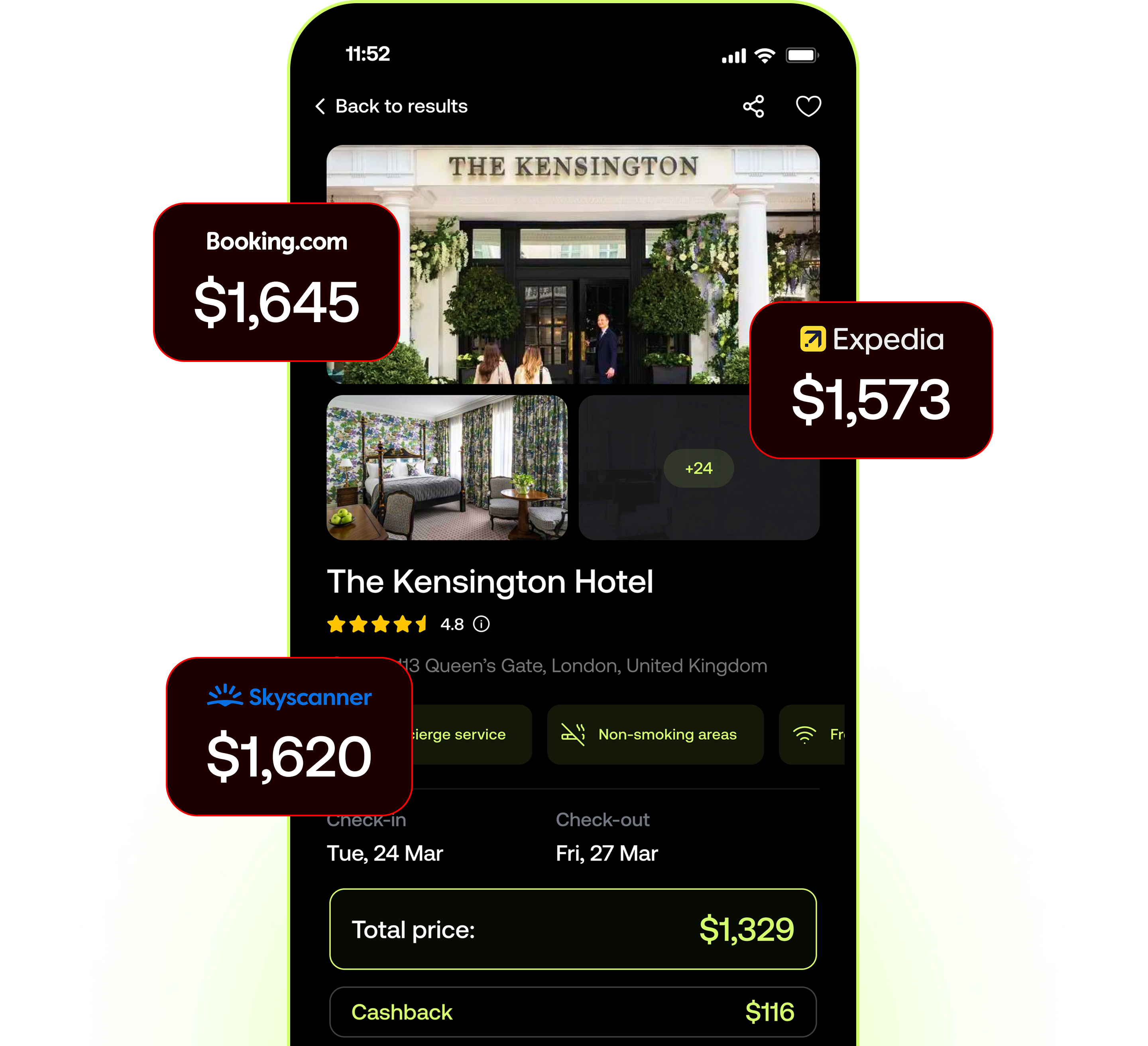
Found a hotel you like? Book it for up to 30% less